Archive 2025
(25 December 2025)

Cornetu Monastery
(19 December 2025)
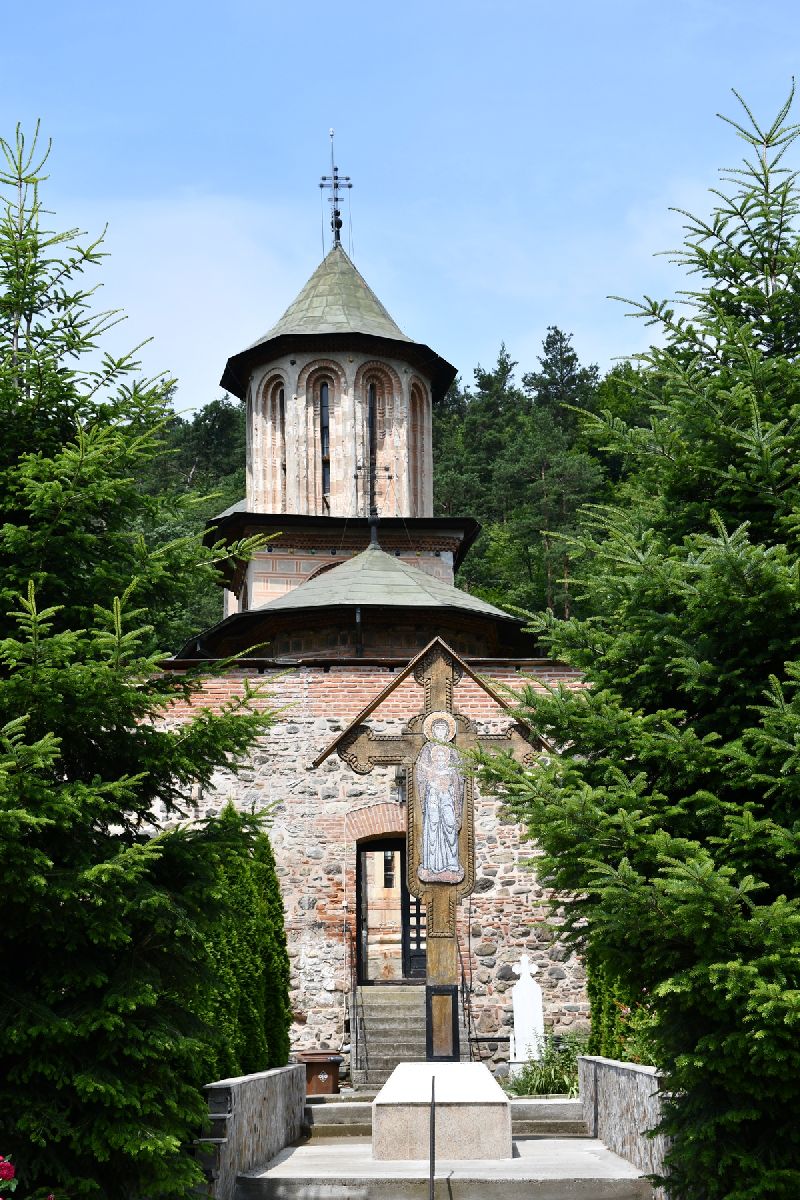
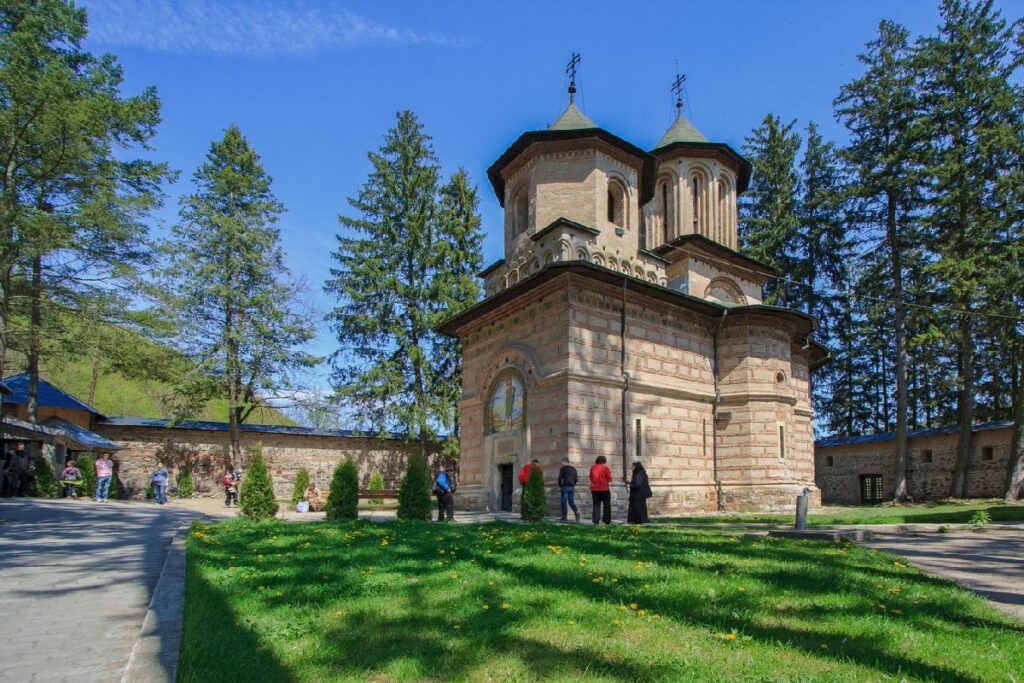
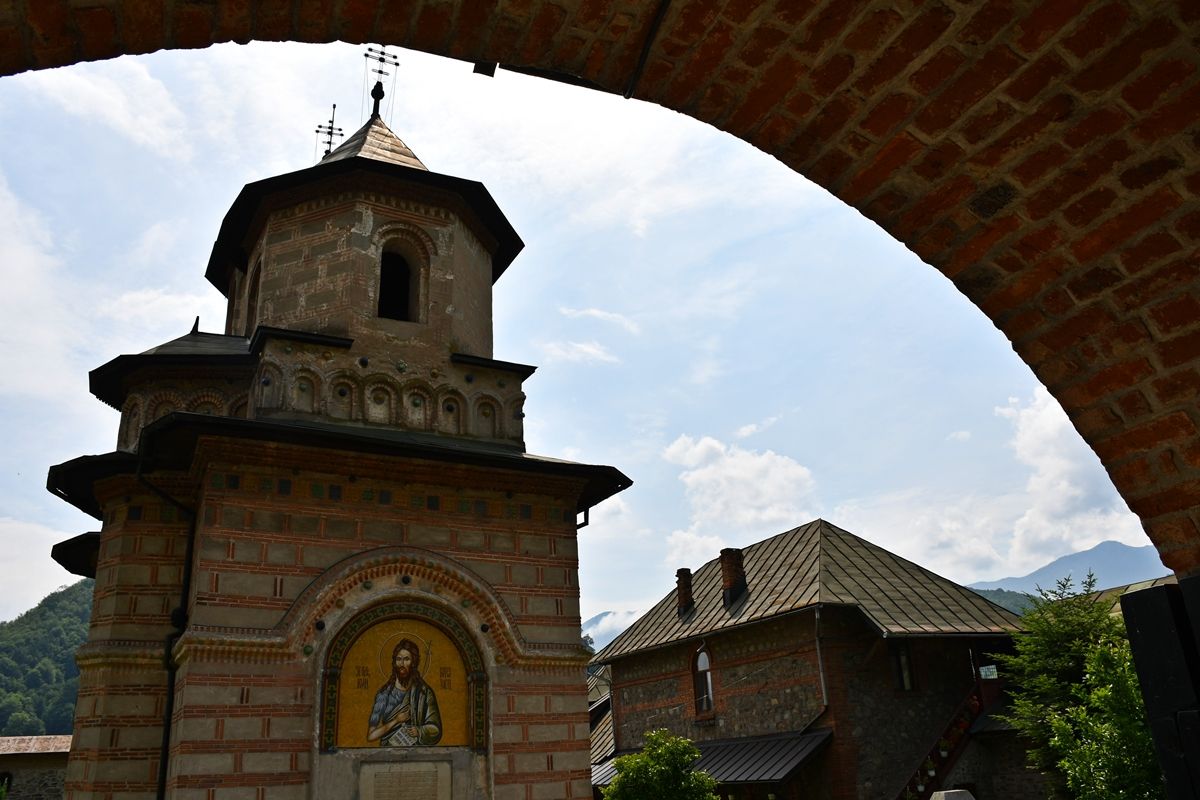
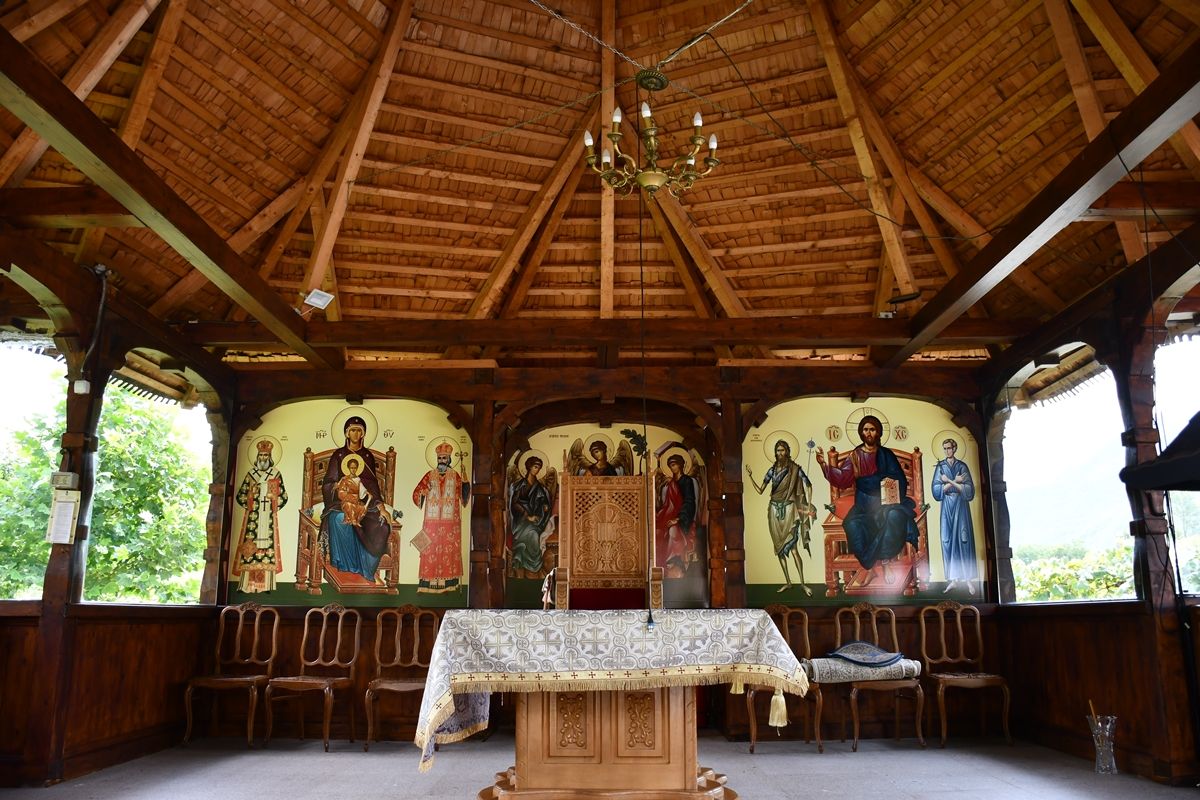
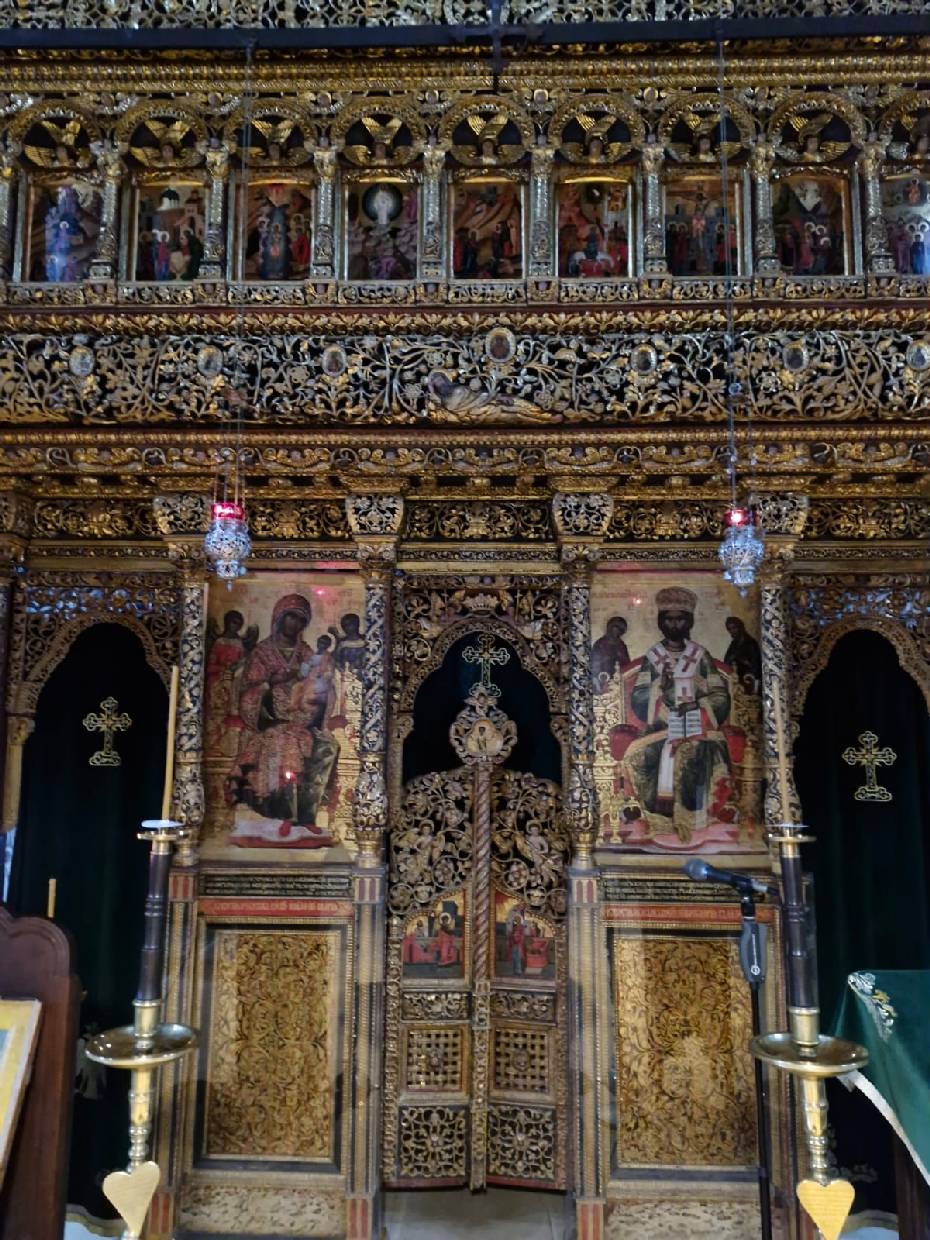
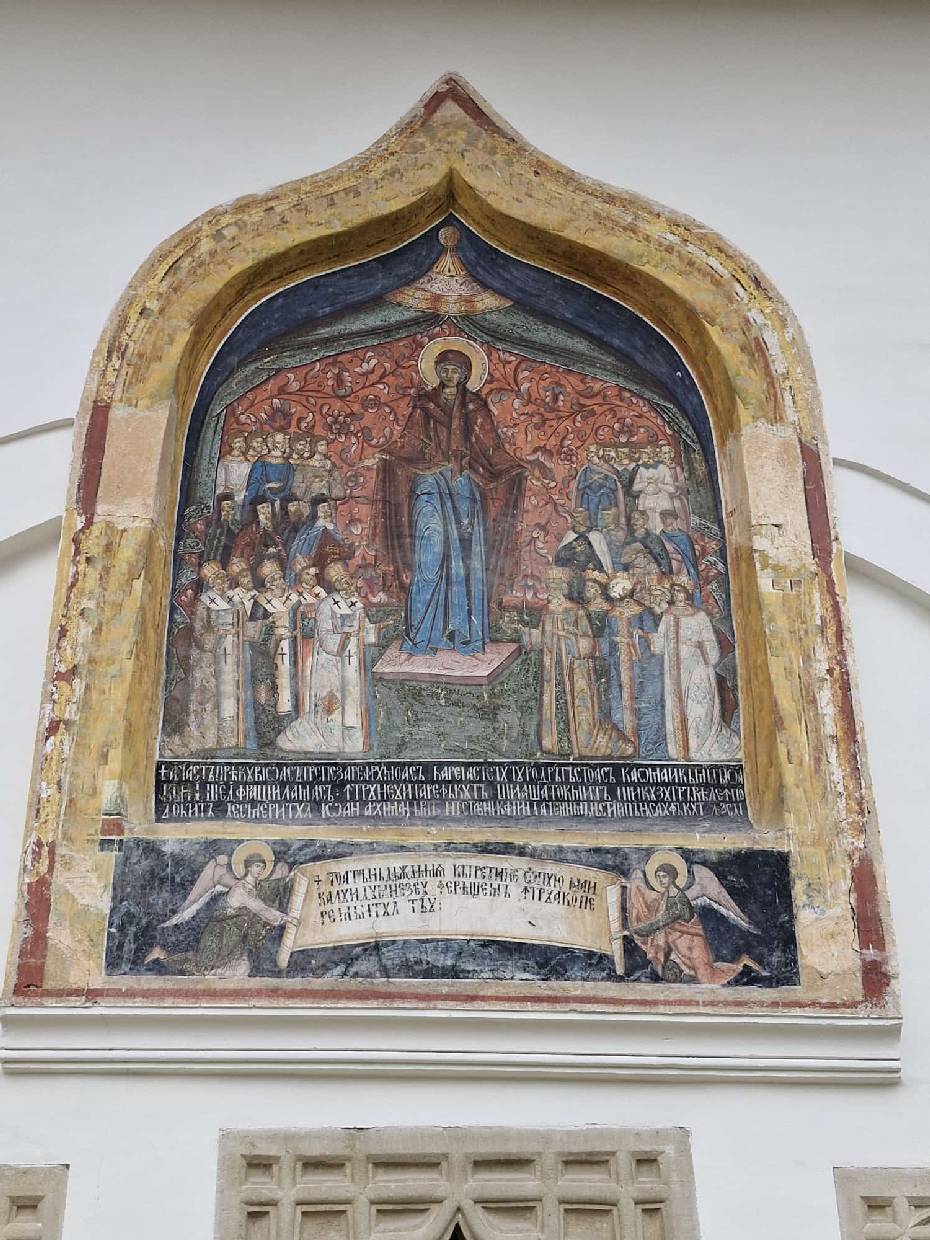
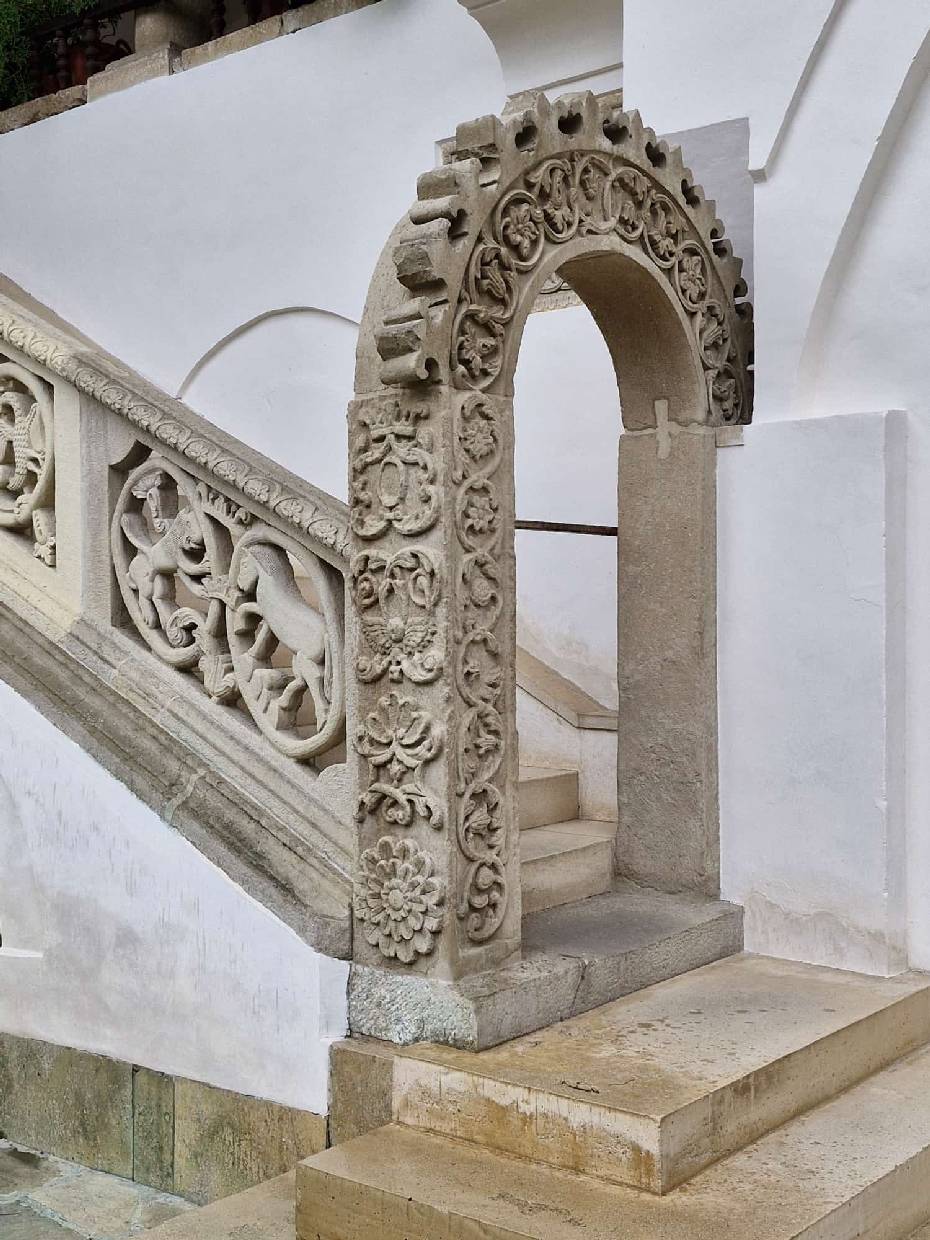
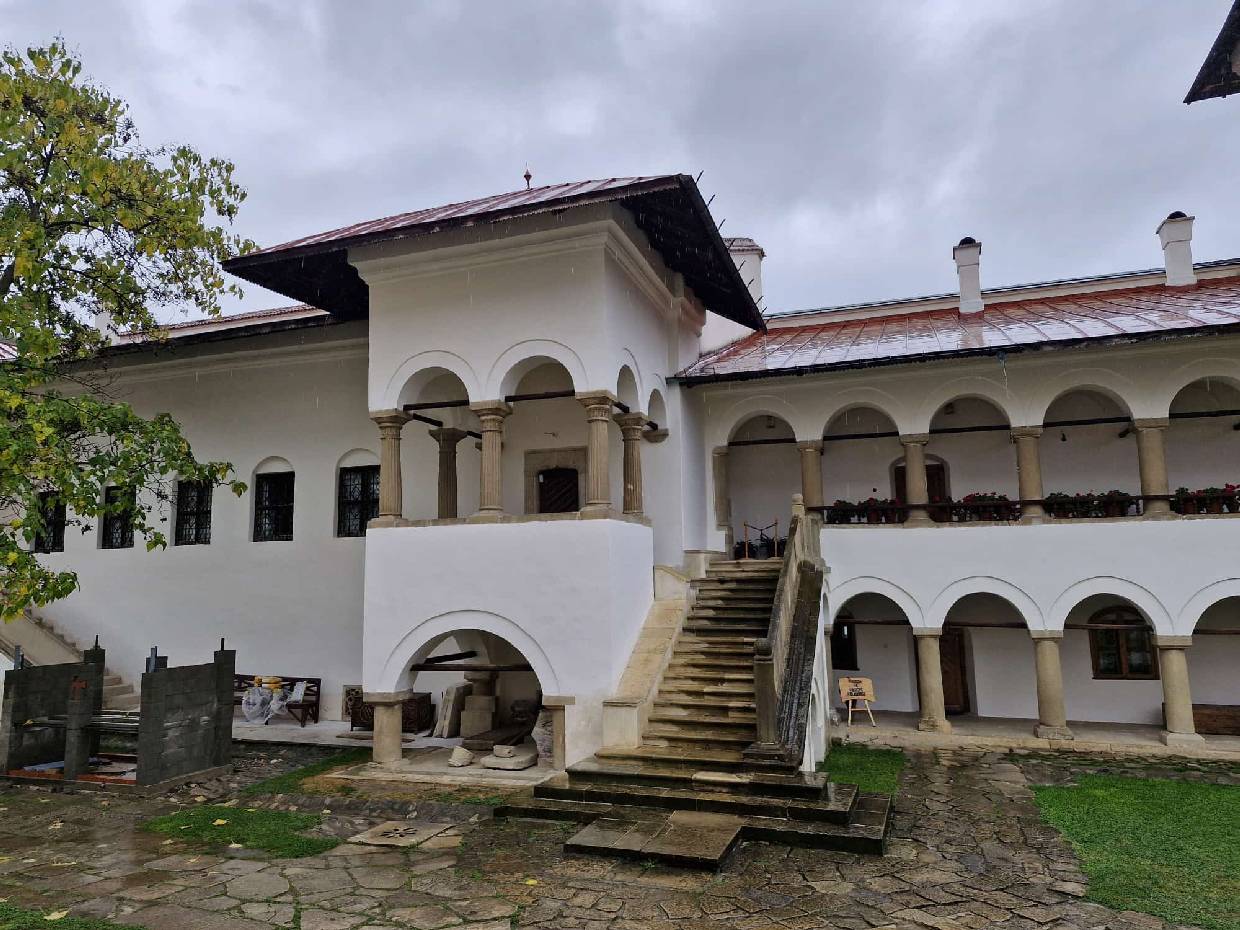
Cornetu Monastery is located in the village of Calinesti, Brezoi town, on the Ramnicu Valcea–Sibiu railway line. It was founded in 1666 by Vornik Mares Bajescu and his wife Maria. The altar dates from 1741, and after a fire in 1808, the monastery was rebuilt in 1835. In 1898, the construction of the railway and a tunnel led to the demolition of some chapels, and parts of the dome and altar were demolished in 1916–1918 and restored in 1923–1925. Today, the pavilion, walls, fortified tower, and frescoes from the 18th and 19th centuries are preserved.
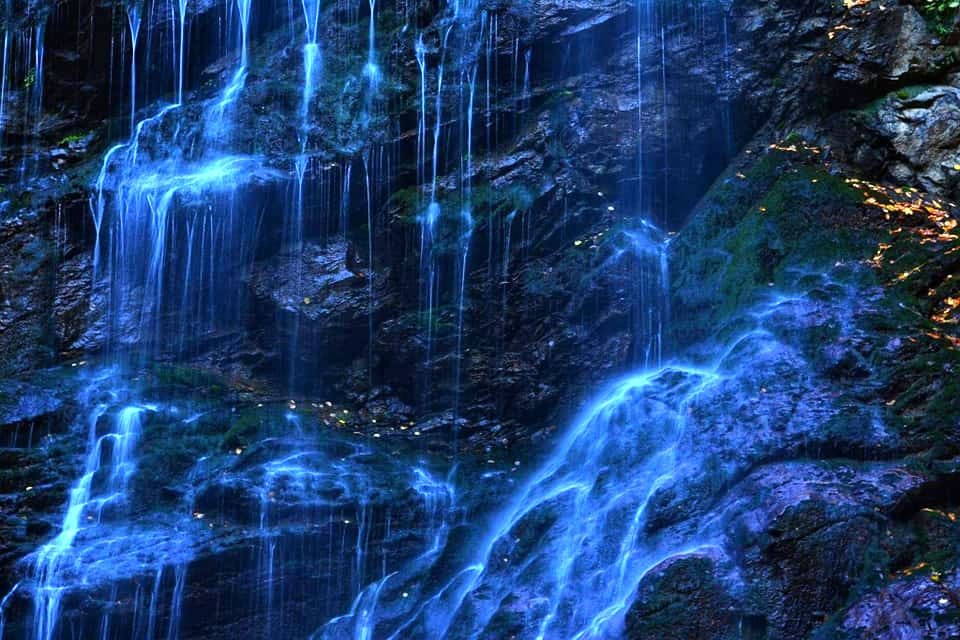
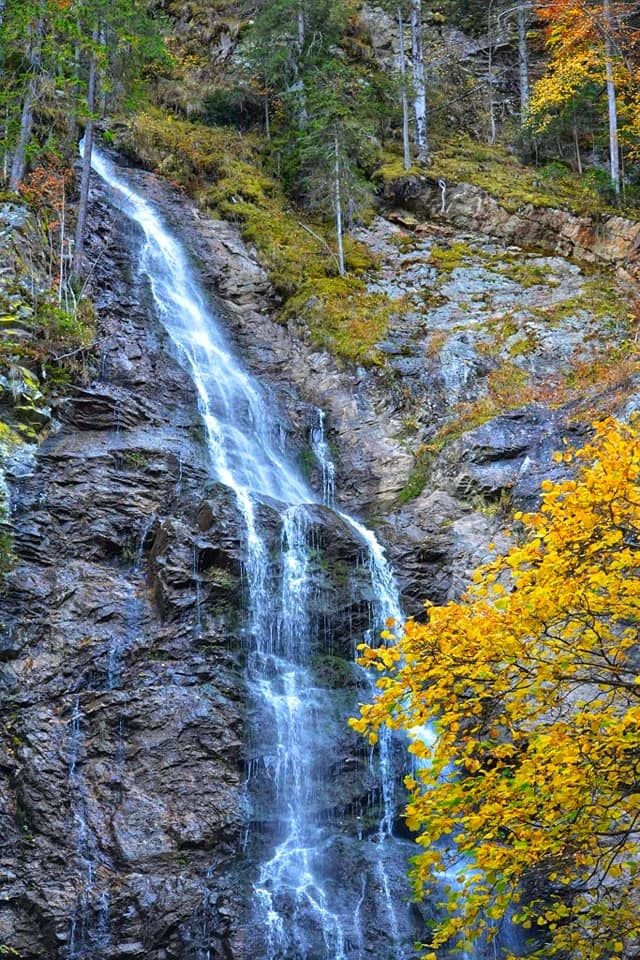
Scorusu Waterfall | Valcea County
(17 December 2025)
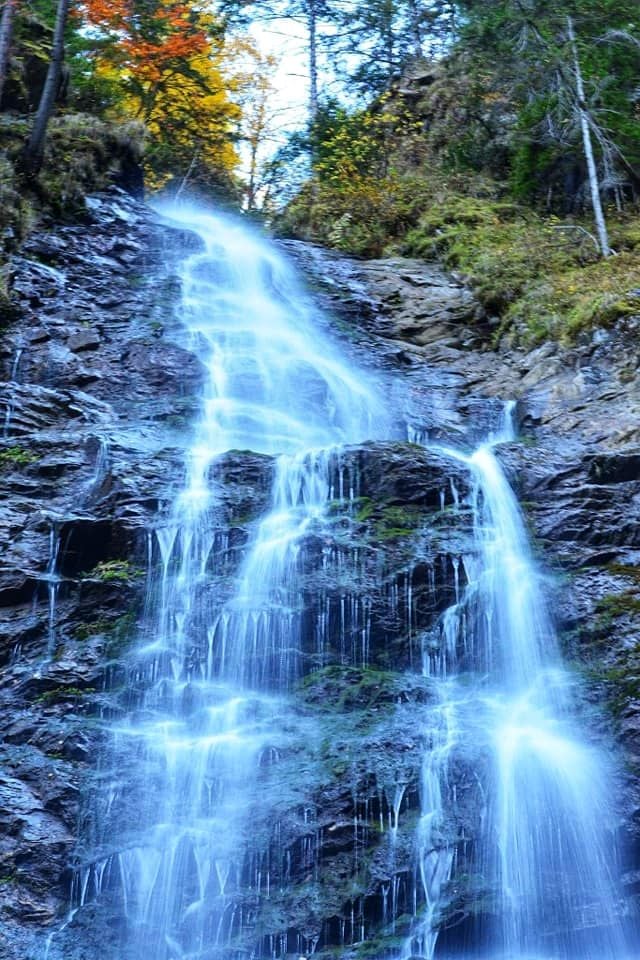
There are numerous waterfalls on the upper reaches of the Bucureasa Mare River, one of the most beautiful of which is the Scorusu Waterfall.
The waterfall is located near the village/commune of Malaia in Valcea County in southwestern Romania.
We would like to thank La pas..prin România frumoasa for allowing us to use these images.
December 1 – Ziua națională
(1 December 2025)
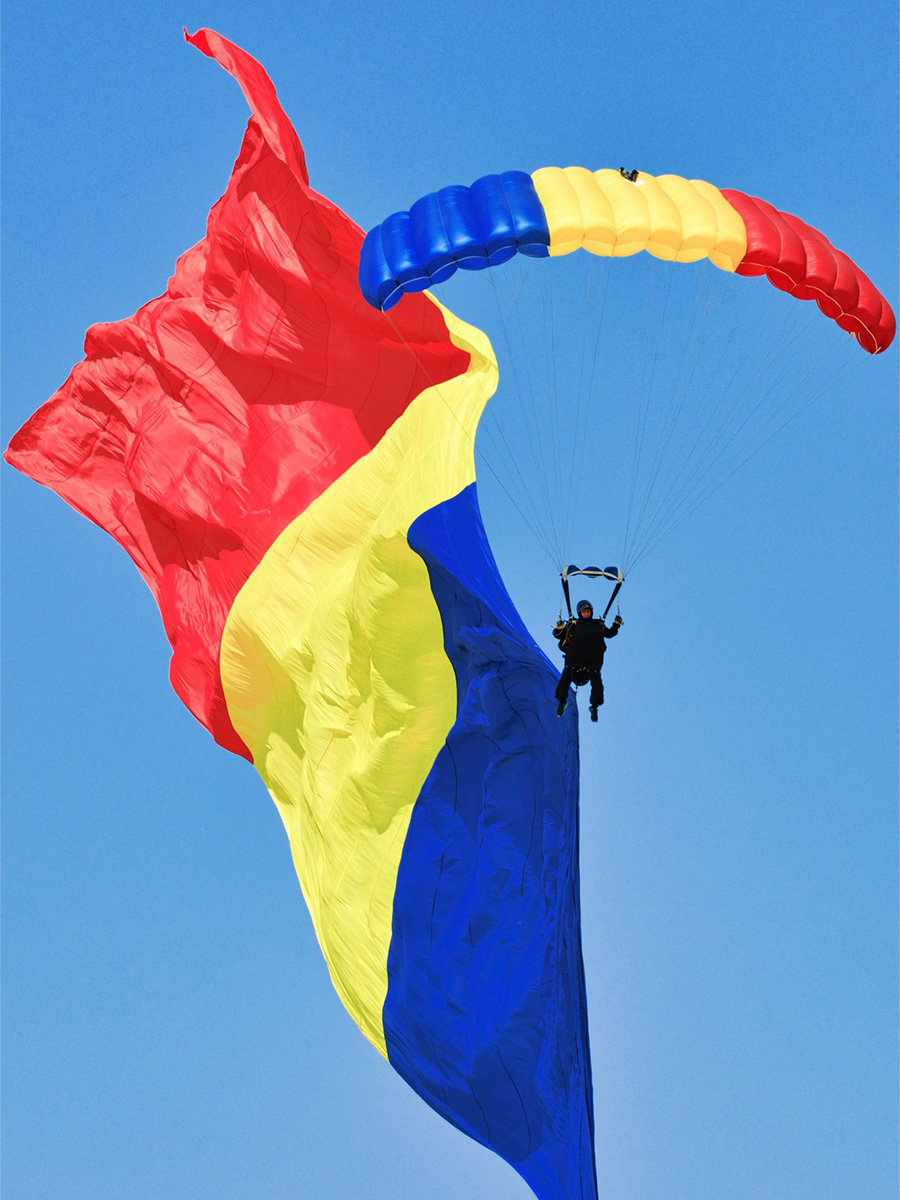
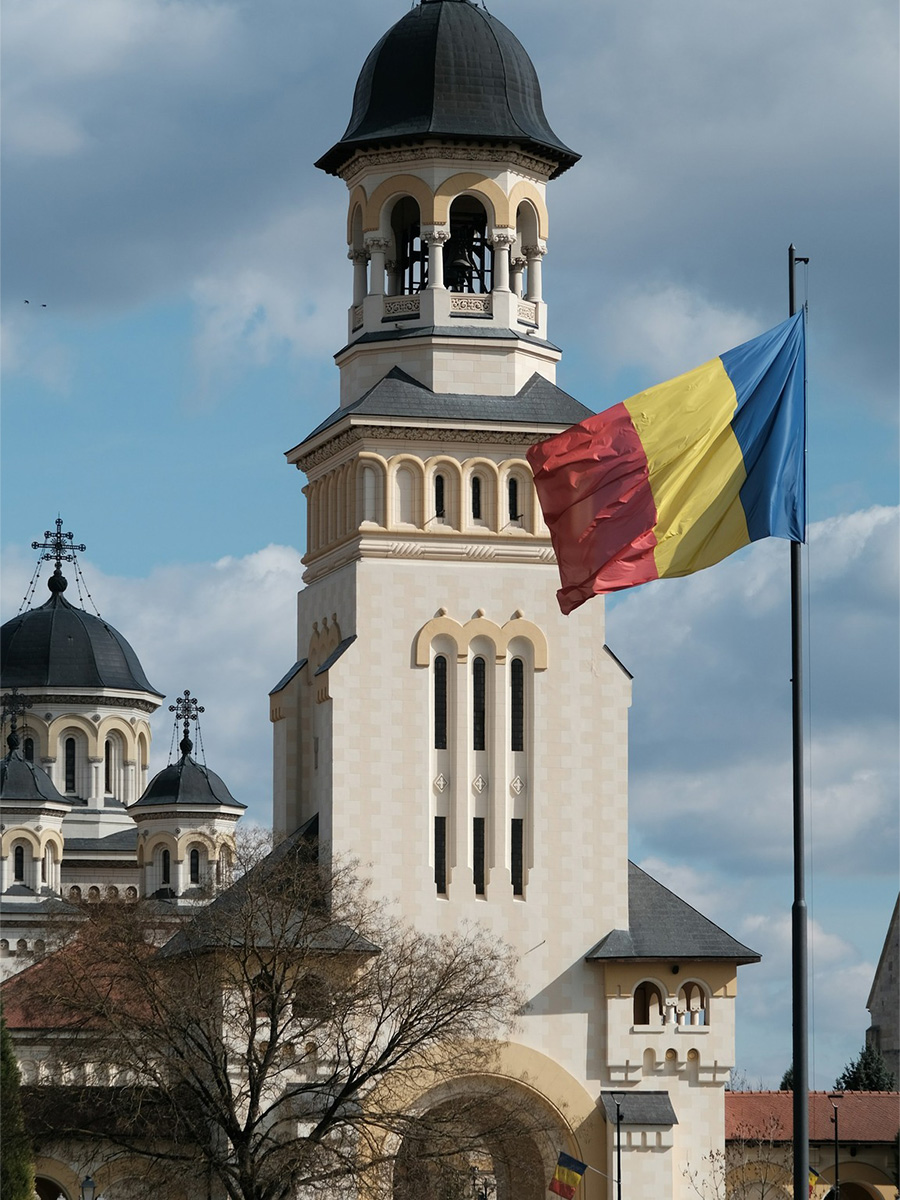
Ziua Marii Uniri | Happy Birthday! La multi ani! 💙💛❤️🇷🇴
Vacation 2026 | Discover Romania 💙💛❤️🇷🇴
(27 November 2025)
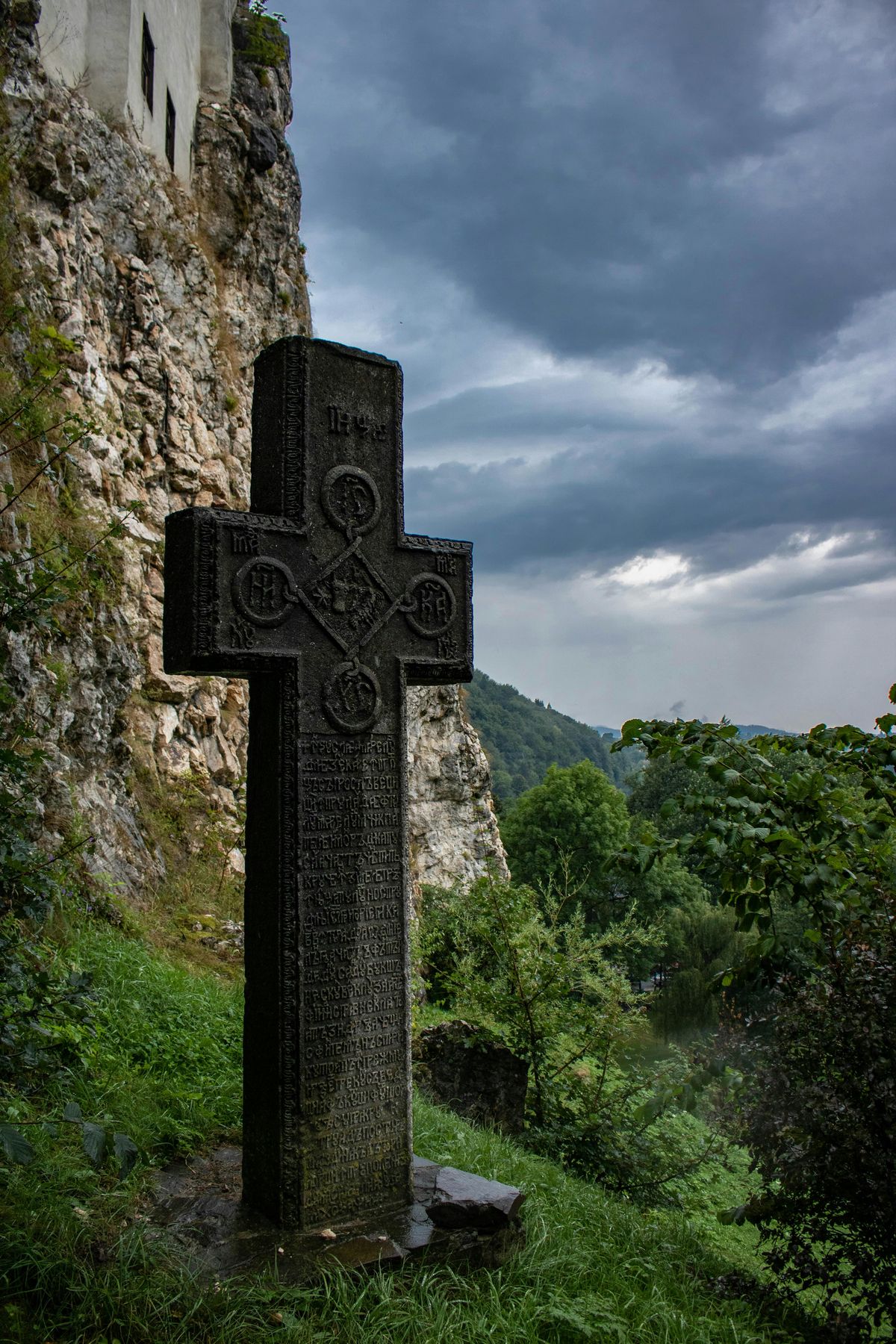
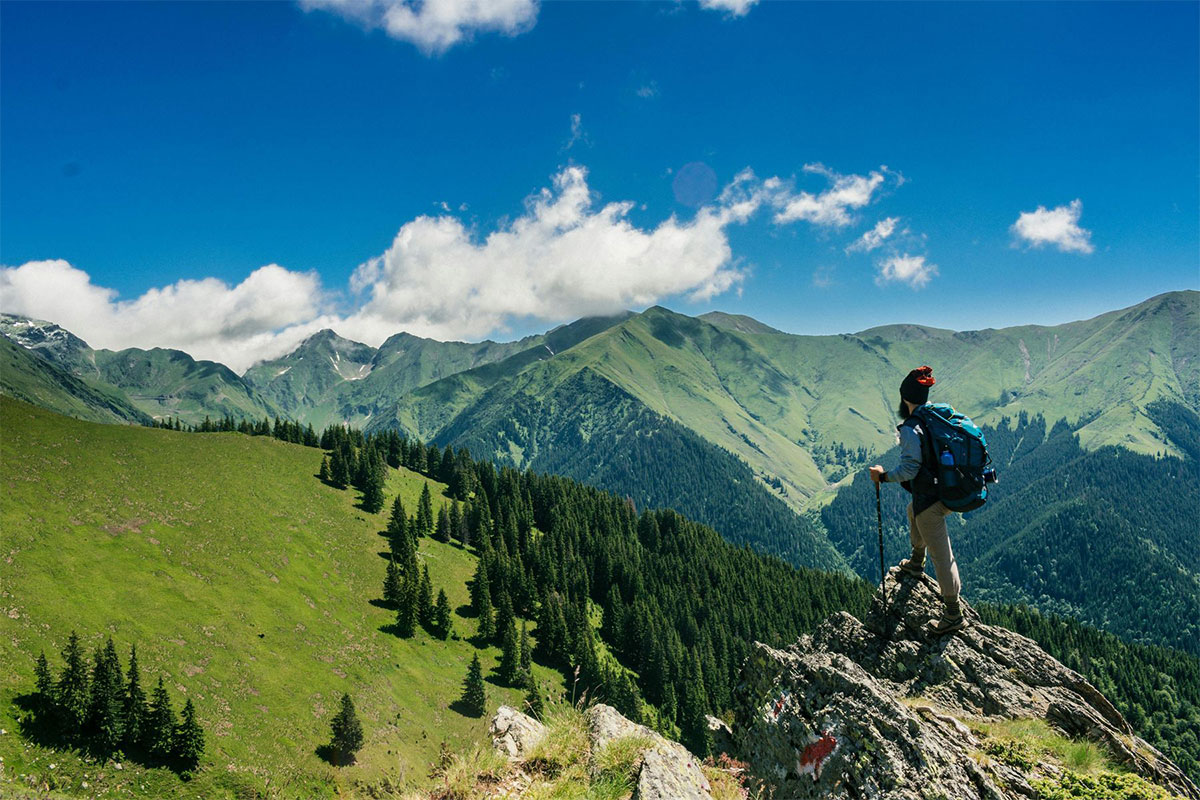
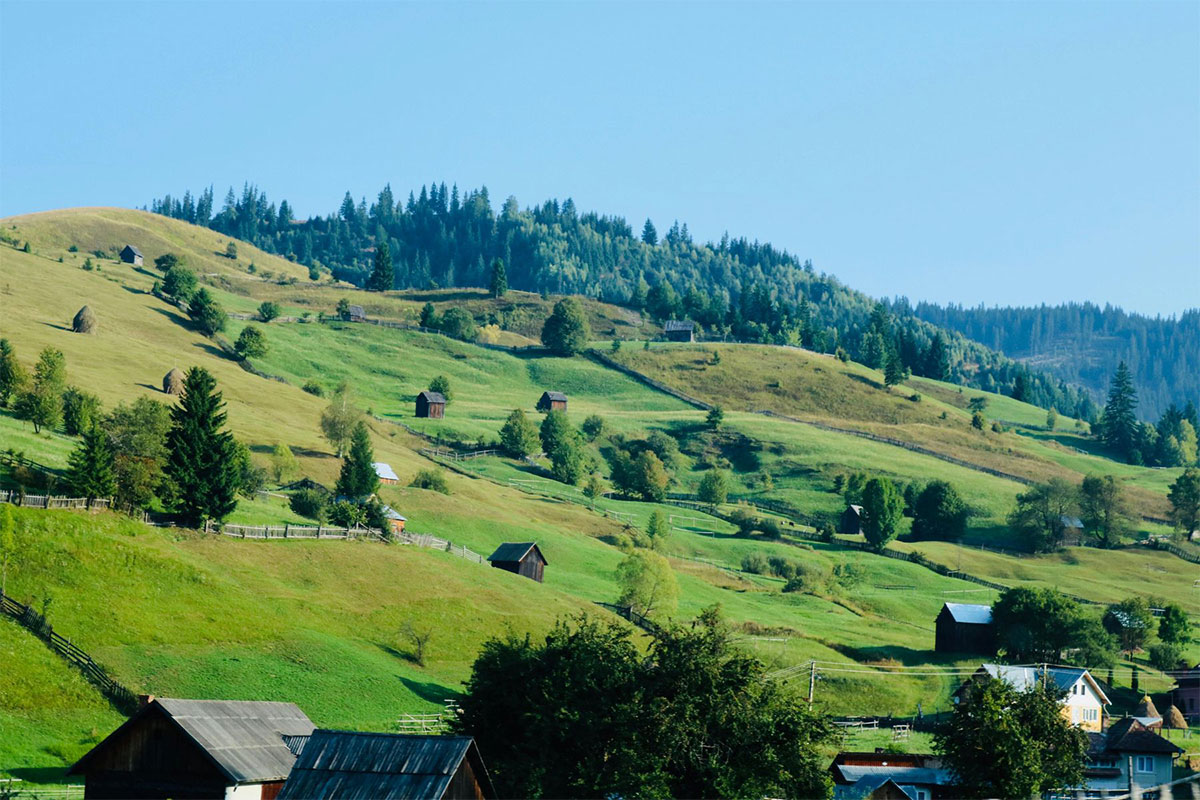
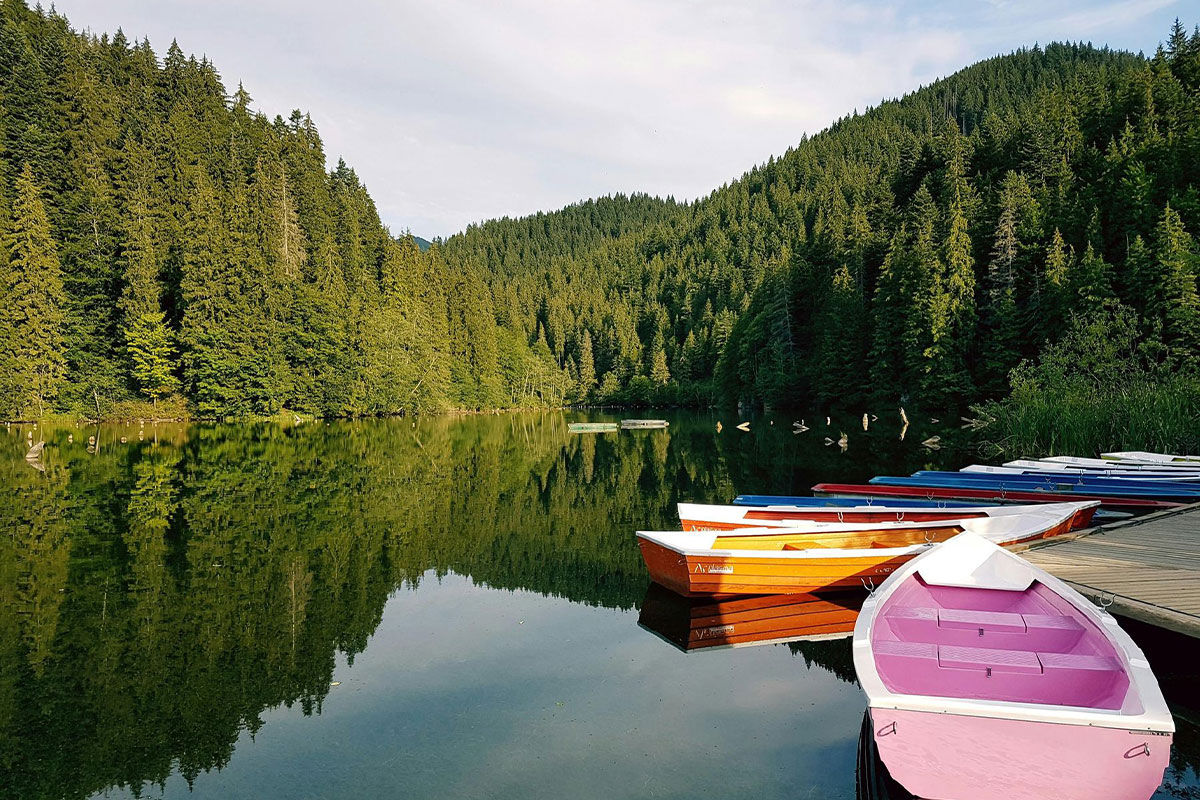

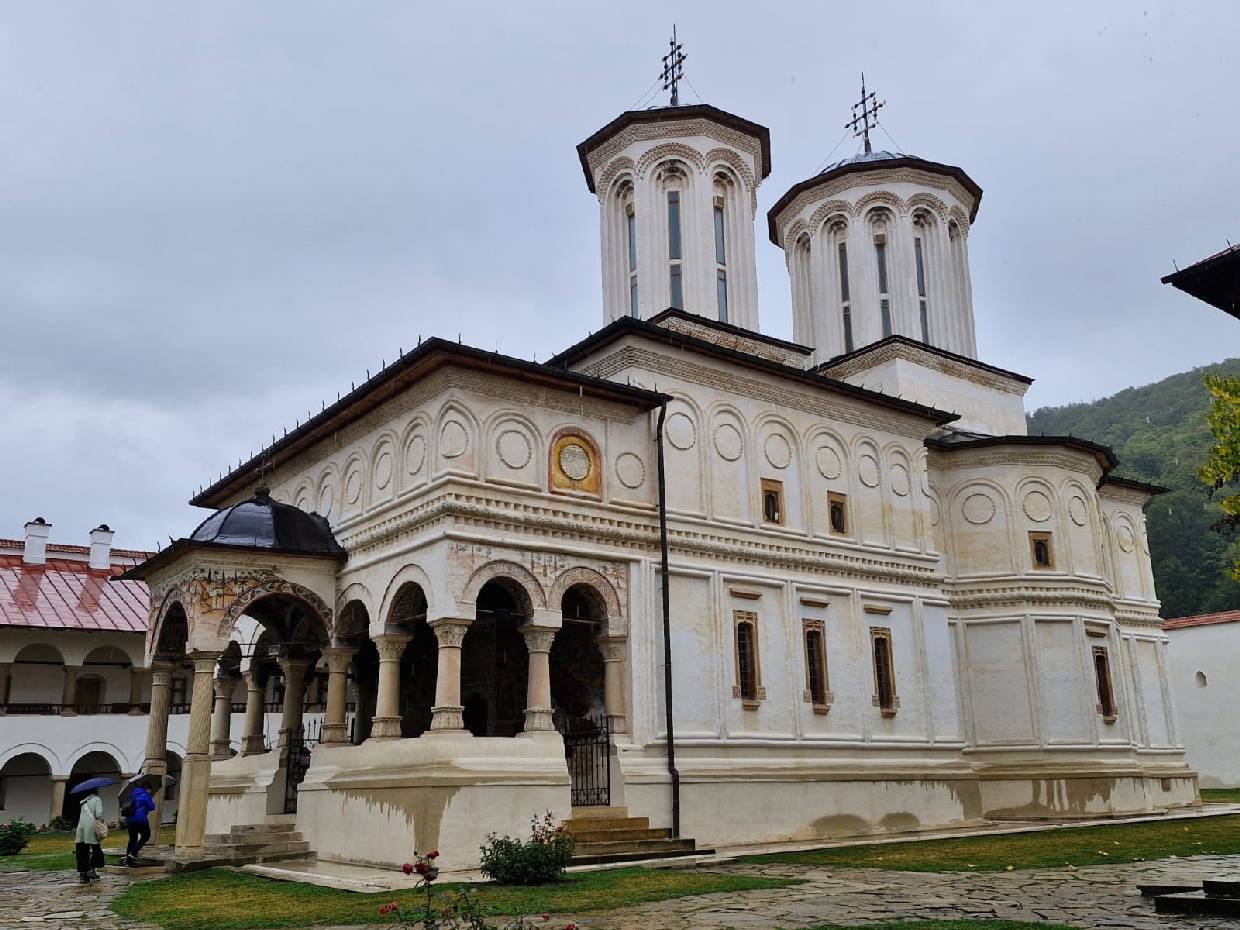
Manastirea Hurezi (Horezu Monastery)
(25 November 2025)
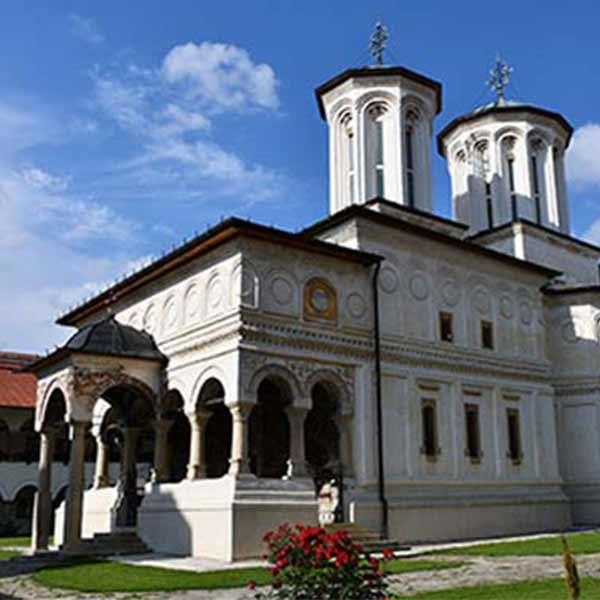
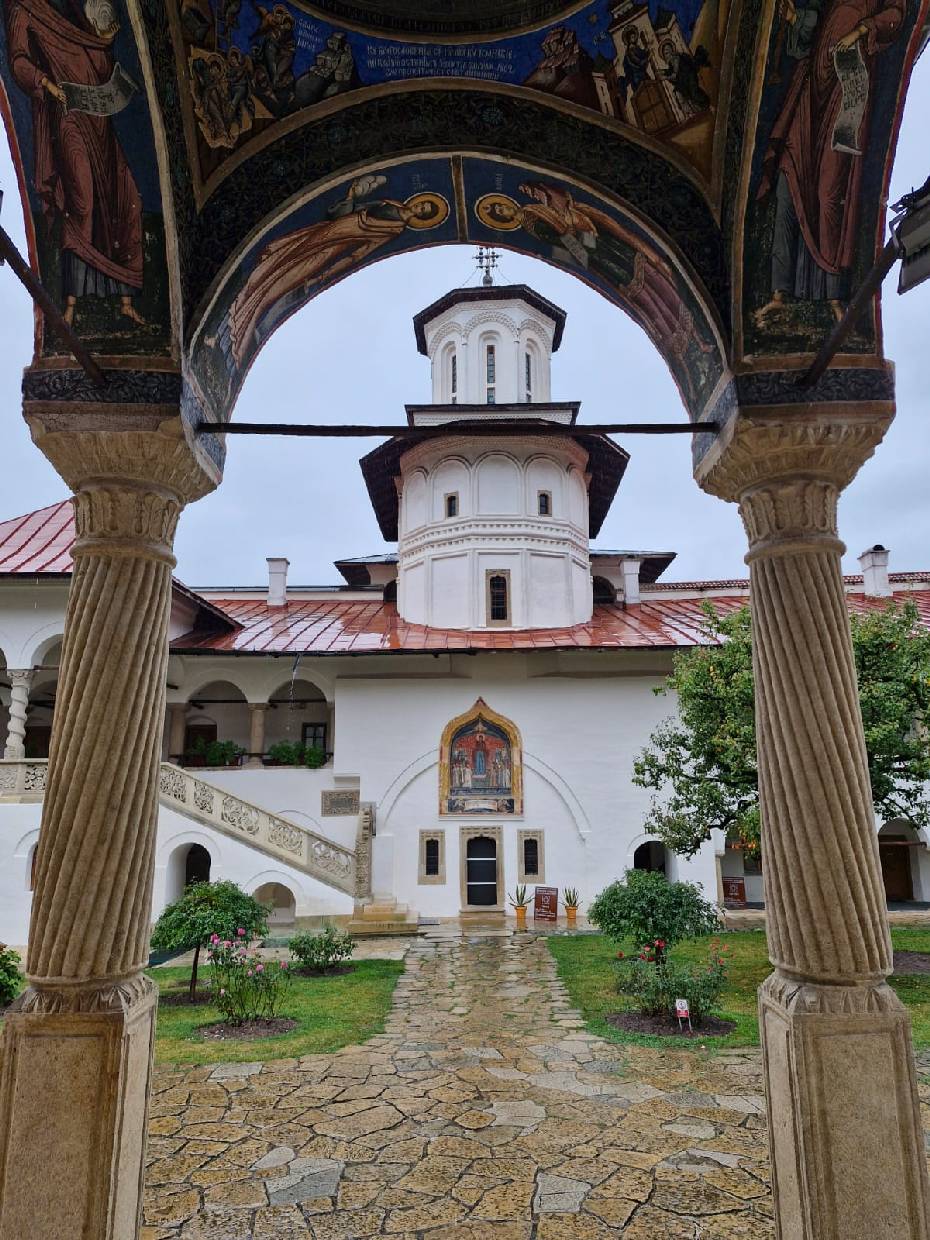
Horezu Monastery (also known as Hurezi Monastery) is a Romanian Orthodox nunnery located in the historic region of Little Wallachia in Vâlcea County.
At the foot of Munții Căpățânii, a mountain range in the Transylvanian Alps, in the village of Romanii de Jos, the monastery is located about three kilometers (as the crow flies) north of the small town of Horezu.
The cries of the nocturnal birds of prey (Romanian: huhurezi) that lived in the forests surrounding the monastery probably gave the place its name. The monastery was founded in 1692 by the then Prince of Wallachia, Constantin Brâncoveanu (1654–1714), and completed in 1709. Until 1862, it was a monastery for men. After the monks were transferred to Bistrița, nuns came to the monastery. The monastery complex has been restored several times since 1827 and is a listed building.
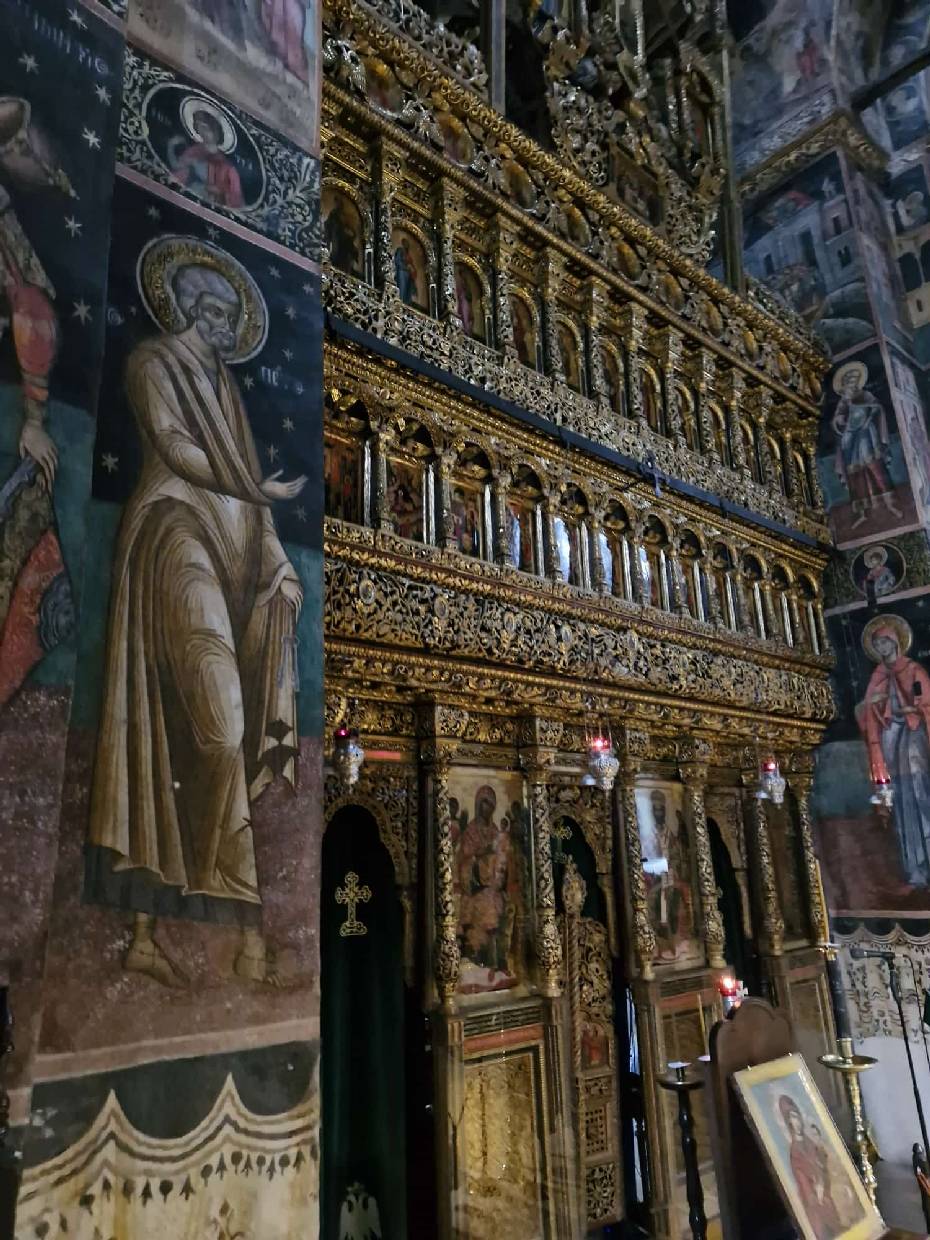
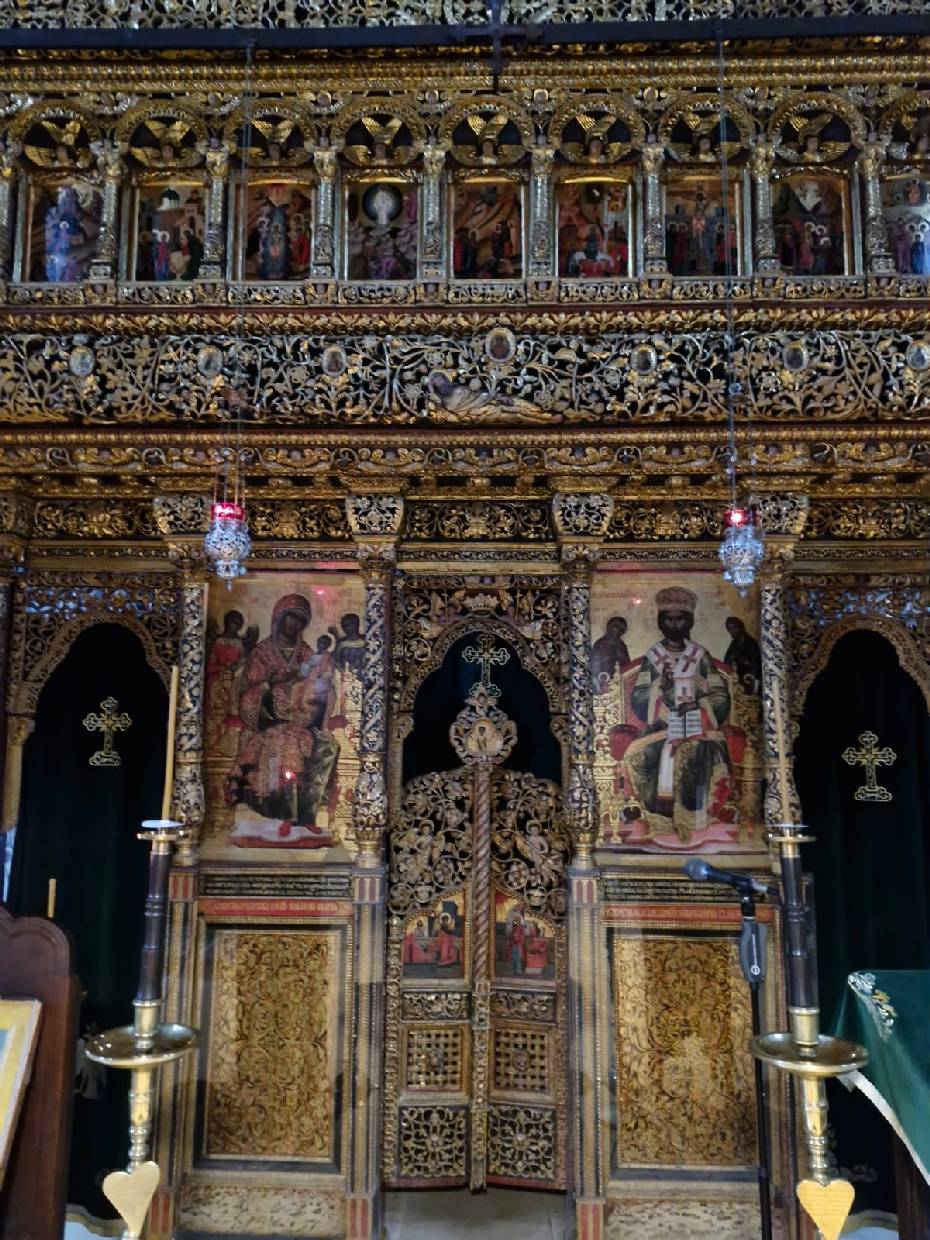
Located on a hill, the monastery complex is surrounded by two fortifications. The outer, smaller wall surrounds the entire monastery estate with its hermitages. The second is formed on three sides by buildings of varying heights and on the east by a wall. The entrance to the monastery is on the south side through a bell tower equipped with a massive wooden gate reinforced with steel. The monastery church of Sfinții Împarați Constantin și Elena in the center of the complex is built in the shape of a cross, is 32 meters long, 14 meters high, and was built between 1693 and 1697. In the vestibule of the church are several tombs, the most beautiful of which is decorated with marble and has a carved cover intended for Prince Brâncoveanu, but it never fulfilled its purpose and was therefore never used. The large iconostasis is carved from lime wood and covered with gold.
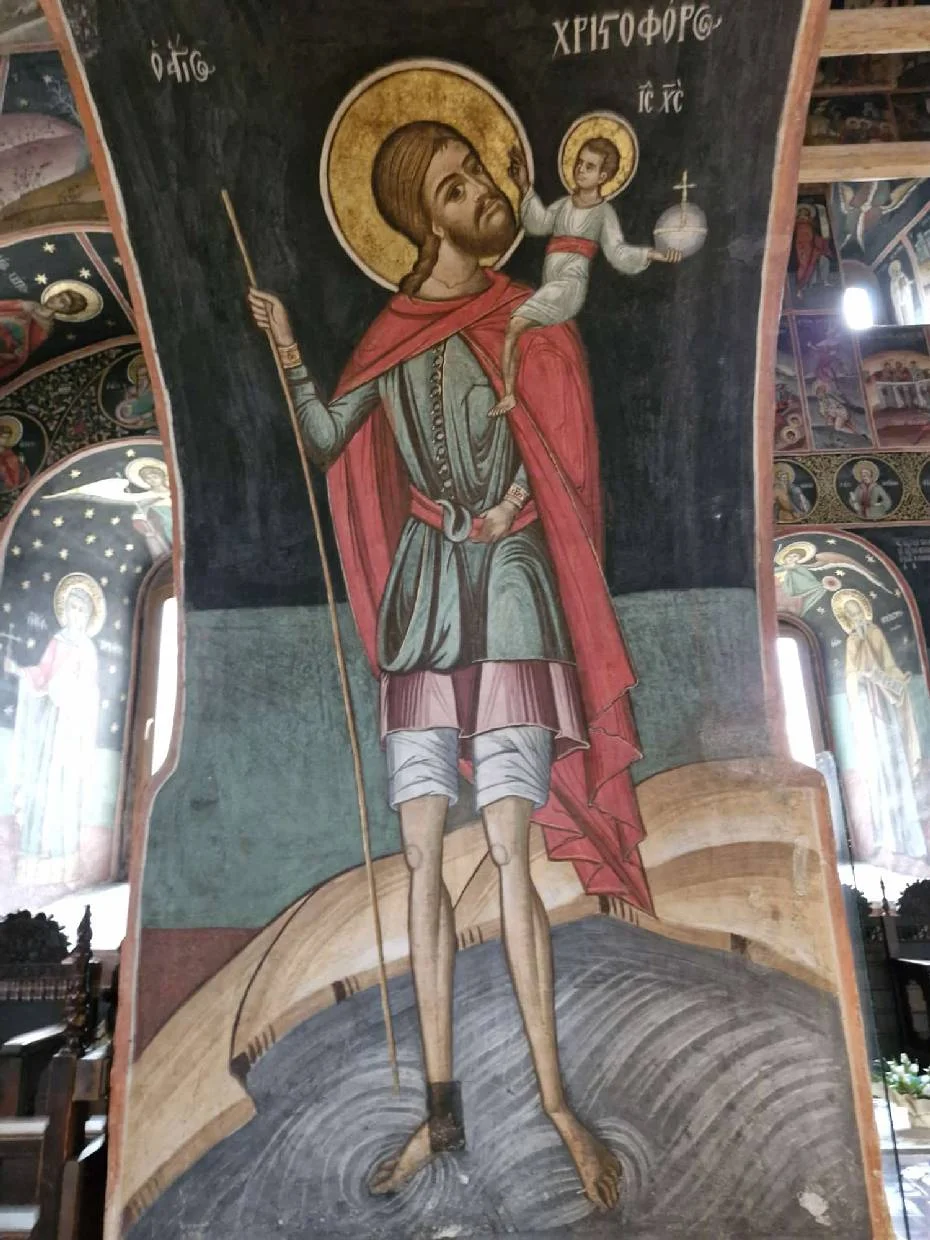
The square chapel with an octagonal tower, whose windows are the chapel’s source of light, is located on the west side opposite the entrance to the church and was built in 1697. The frescoes in the chapel were created between 1705 and 1706 and are still in good condition today.
We would like to thank Relu Chiriac, Galati, for allowing us to use these images.
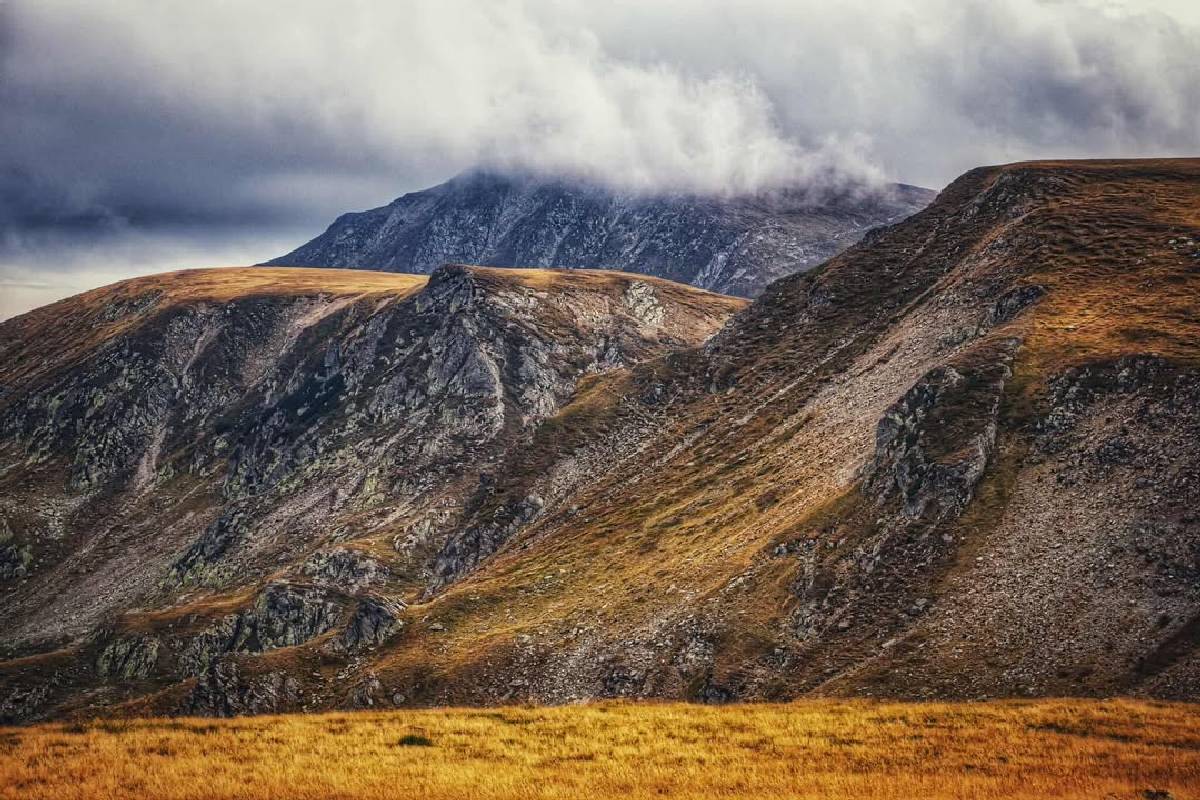
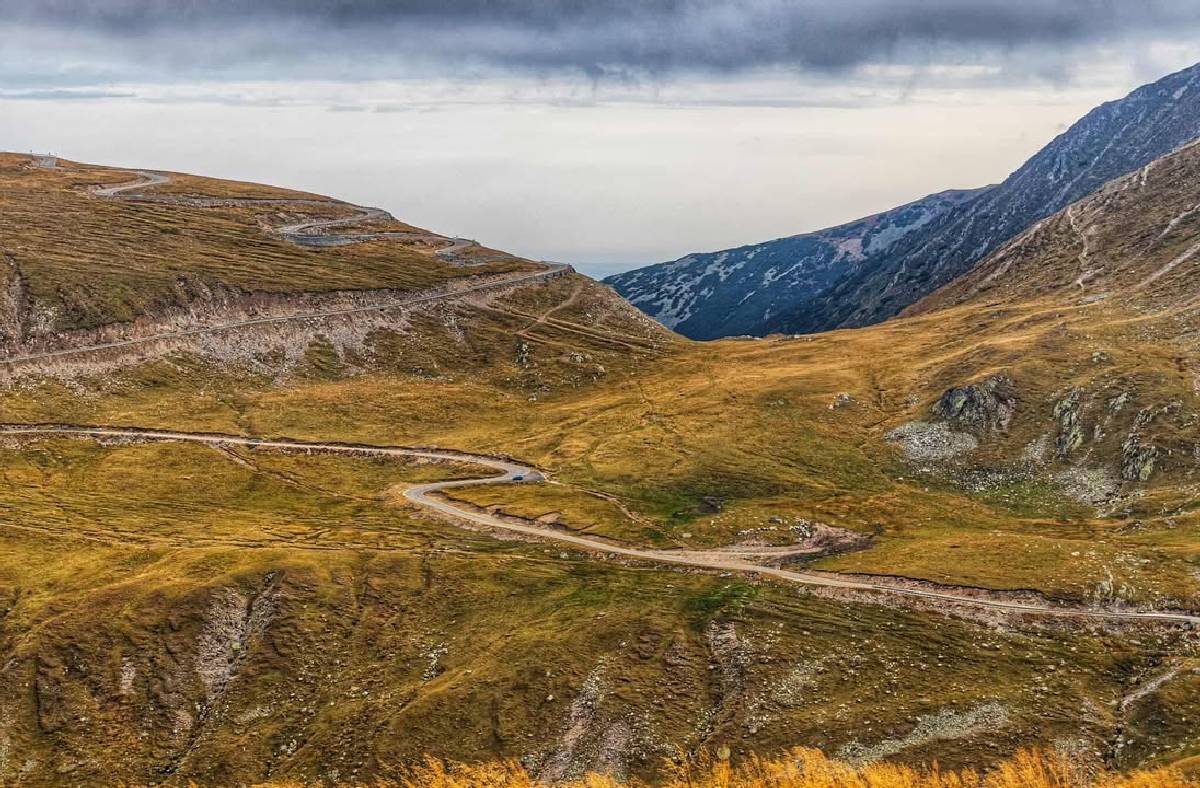
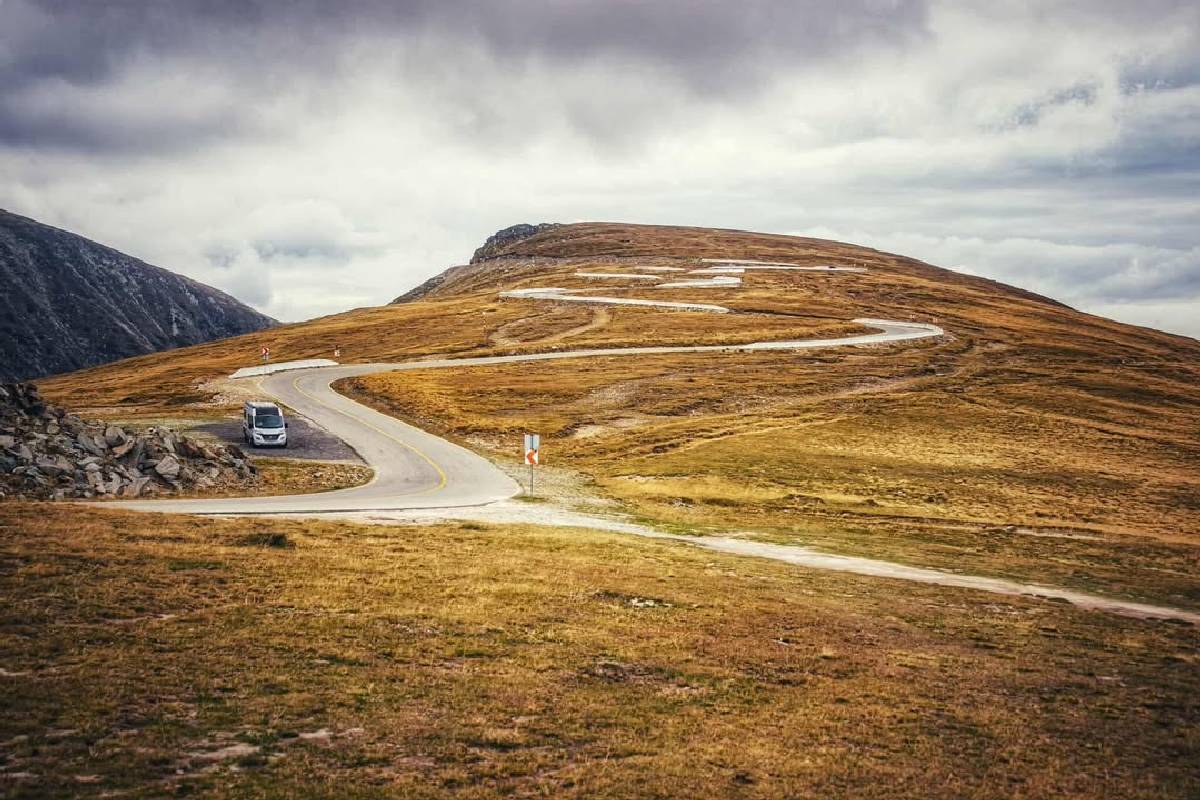
Transalpina in autumn
(20 November 2025)
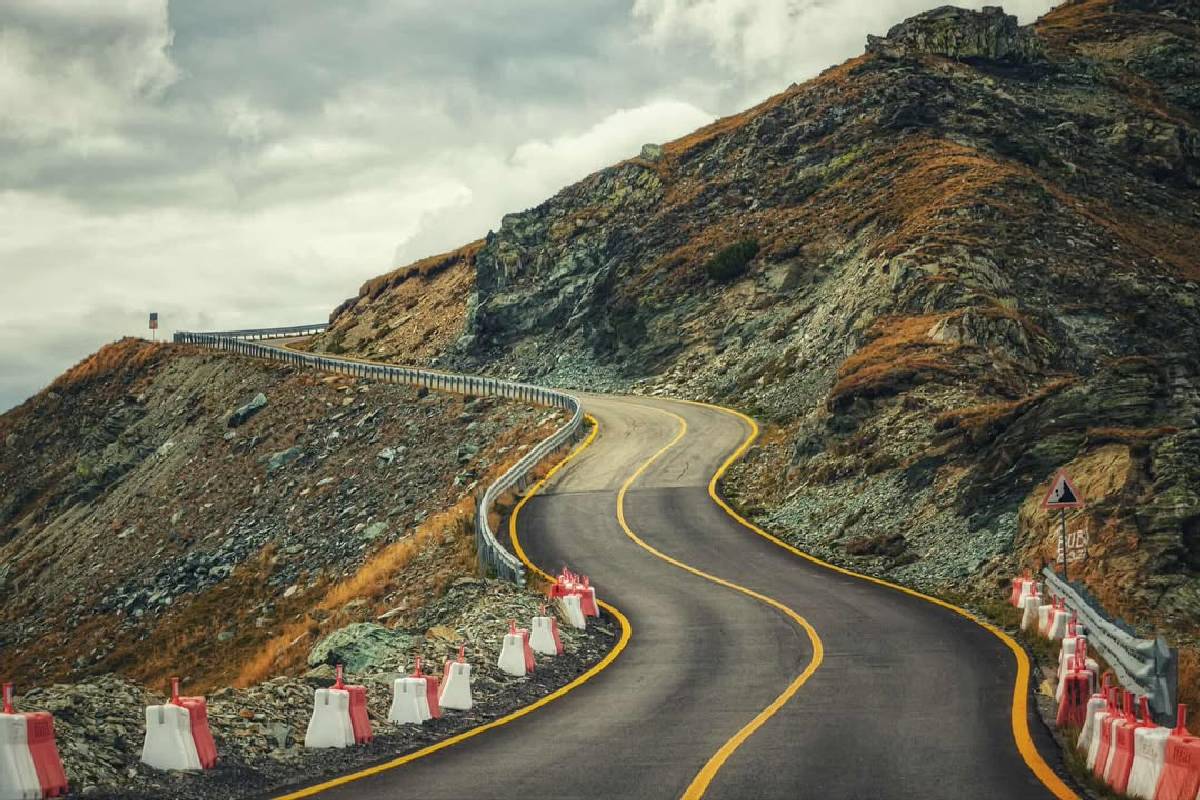
Pictures of the Transalpina from last fall. Even in the last active months of the year (September/October, until the road closes when the snowfall begins), the so-called “Kings Road” retains its fascinating charm.
We would like to thank Ms. Ramona Ciuchendea for sending us these pictures and allowing us to use them.

Salina Targu Ocna in northeastern Romania
(19 November 2025)
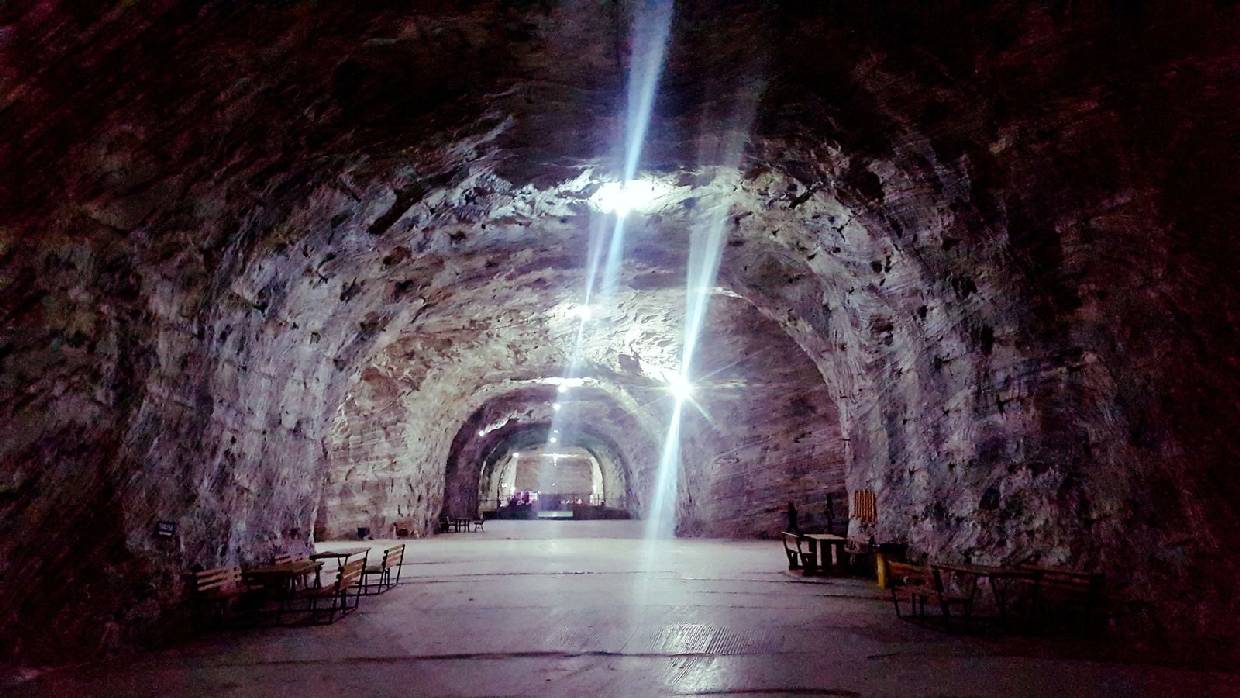
The Targu Ocna salt mine is located in the spa town of Targu Ocna in Bacau County.
Salina Targu Ocna is one of the oldest salt mines in Romania and is mentioned in documents dating back to 1502. It has been listed as a salt extraction area since at least 1353.
Other salt mines in Romania:
Ocnele Mari Salt Mine, Valcea County:
https://discover-valcea.com/de/salzwerk-ocnele-mari/
Turda Salt Mine, Cluj County
https://urlaub-in-rumänien.de/de/uir/ausflugsziele-sehenswertes-salzbergwerk-turda/
Slanic Salt Mine, Prahova County
https://urlaub-in-rumänien.de/de/uir/ausflugsziele-sehenswertes-salzbergwerk-slanic-prahova/
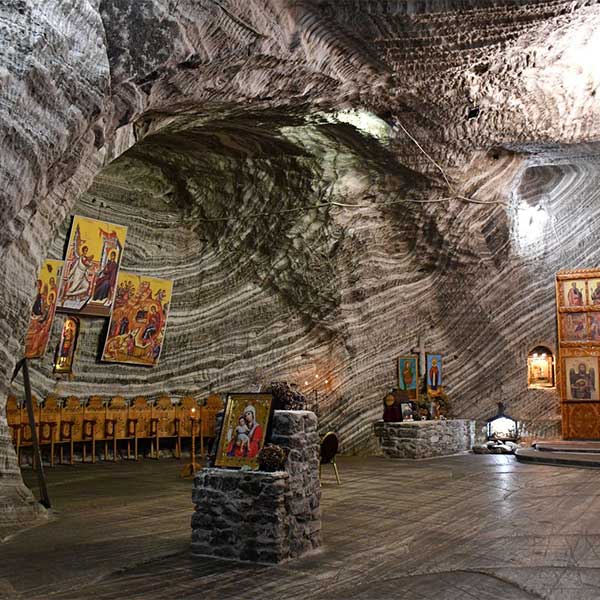
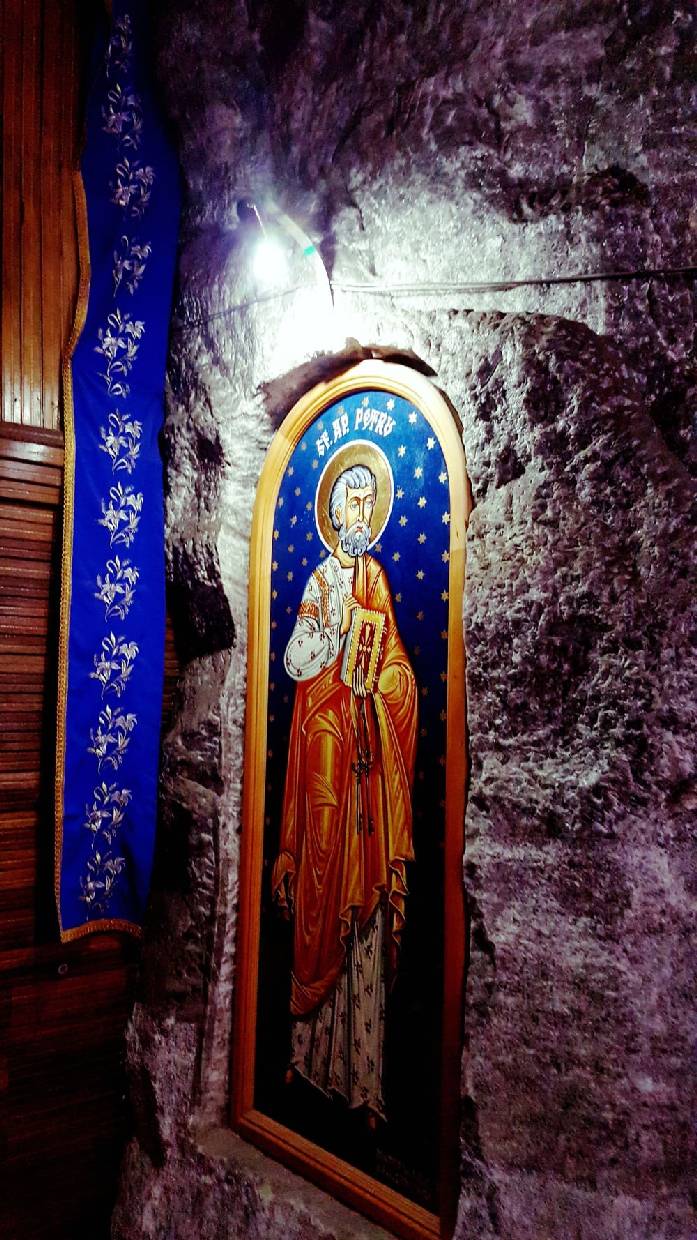
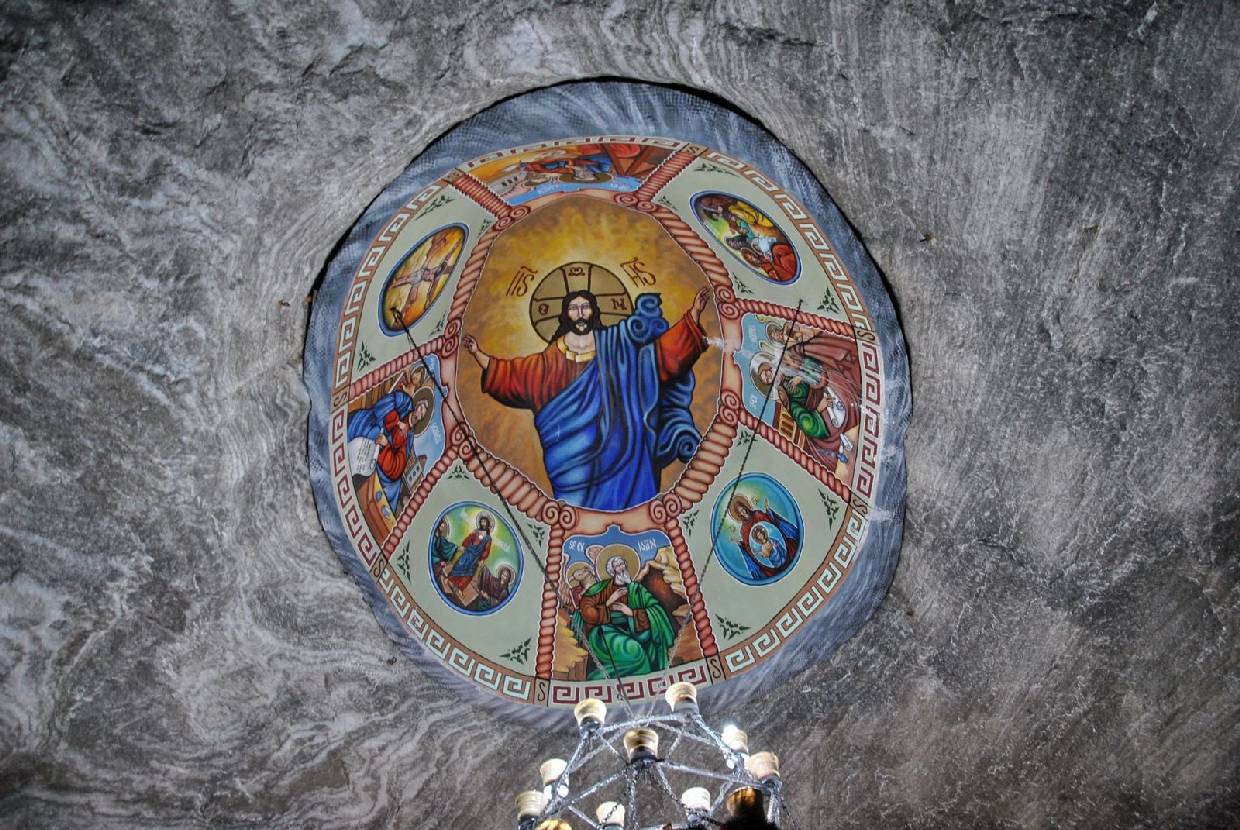
Targu Ocna is the third largest salt mine and one of the oldest salt mines in Romania. Together with the Trotuș mine, located at a depth of 240 m, it houses the country’s largest facility for the treatment of respiratory diseases. This mine is also home to one of Romania’s few places of worship built in salt mines and dedicated to Saint Varvara.
The salt mine is still used today for the extraction, processing, and marketing of salt in Romania and abroad. Between 90,000 and 120,000 tons of salt are extracted annually.
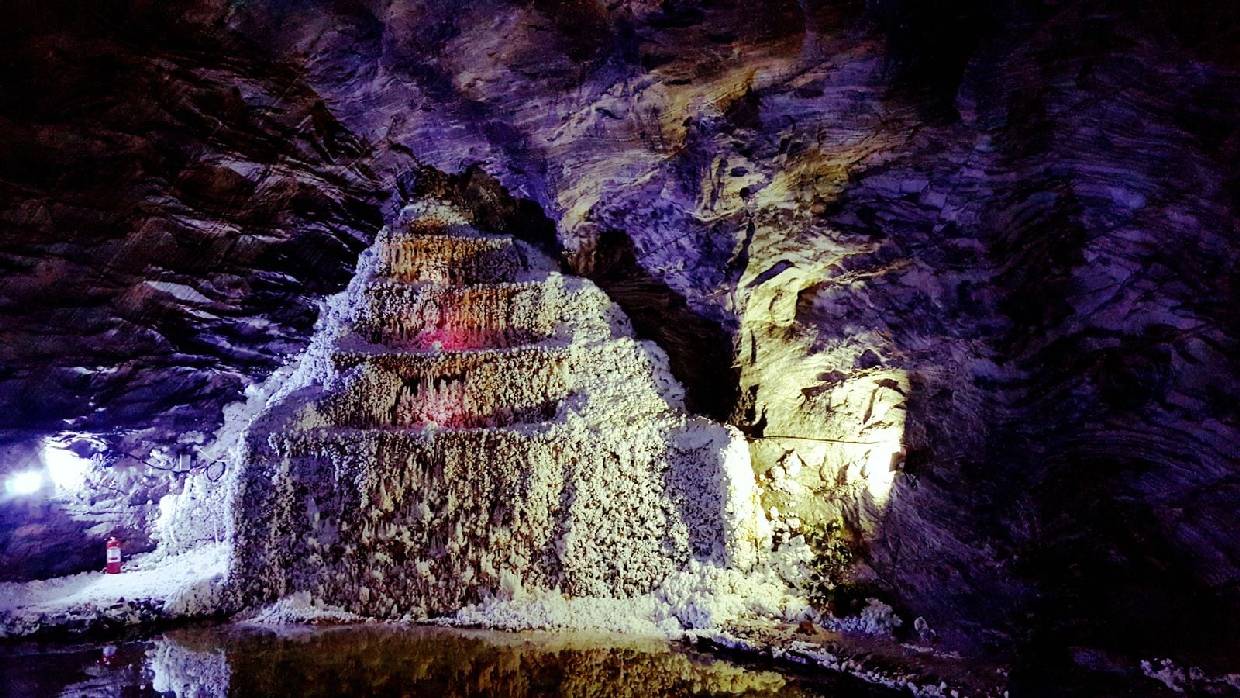
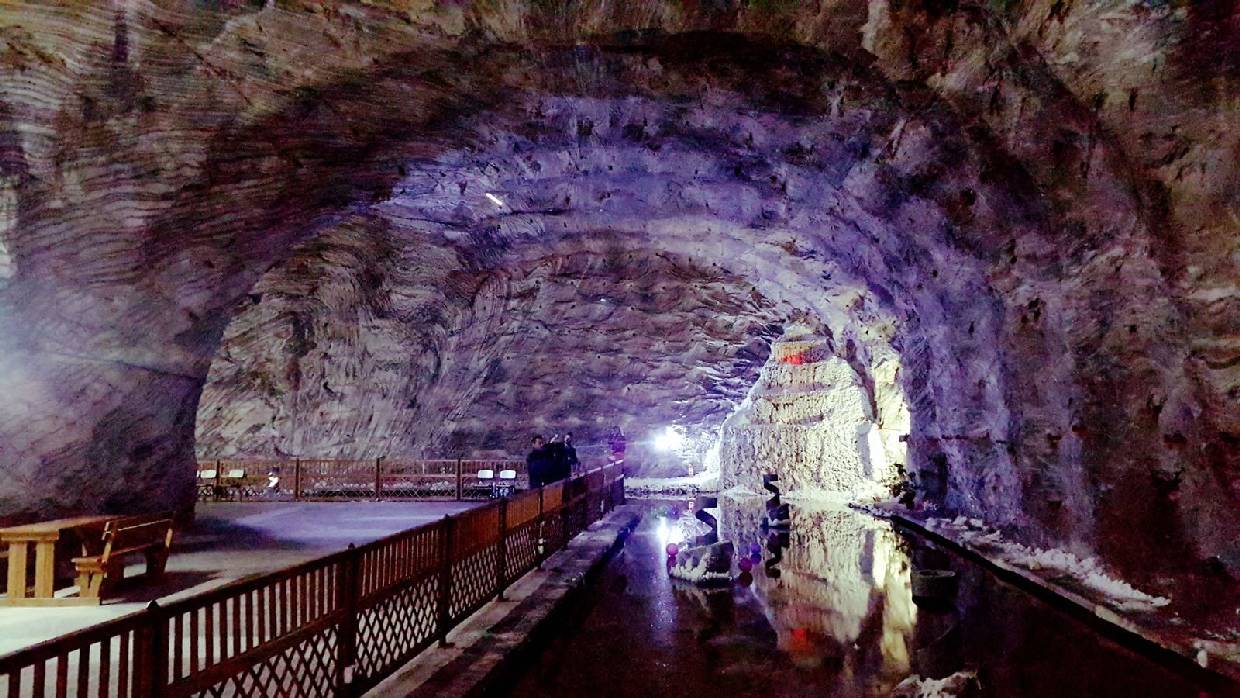
Calimanesti-Caciulata Health Resort
(11 November 2025)
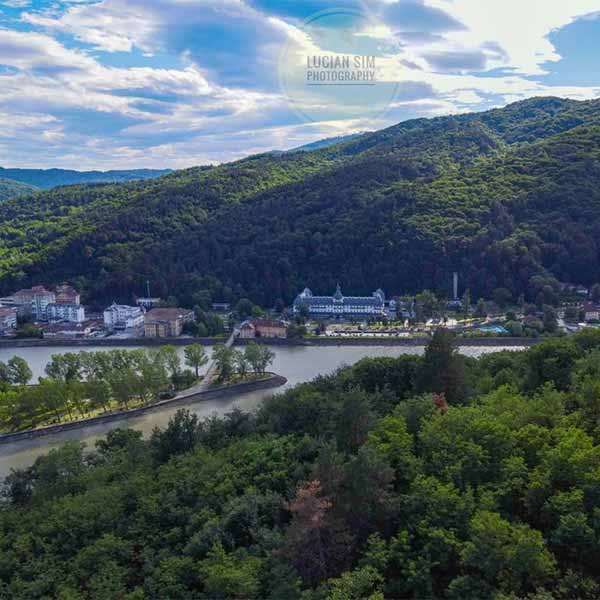
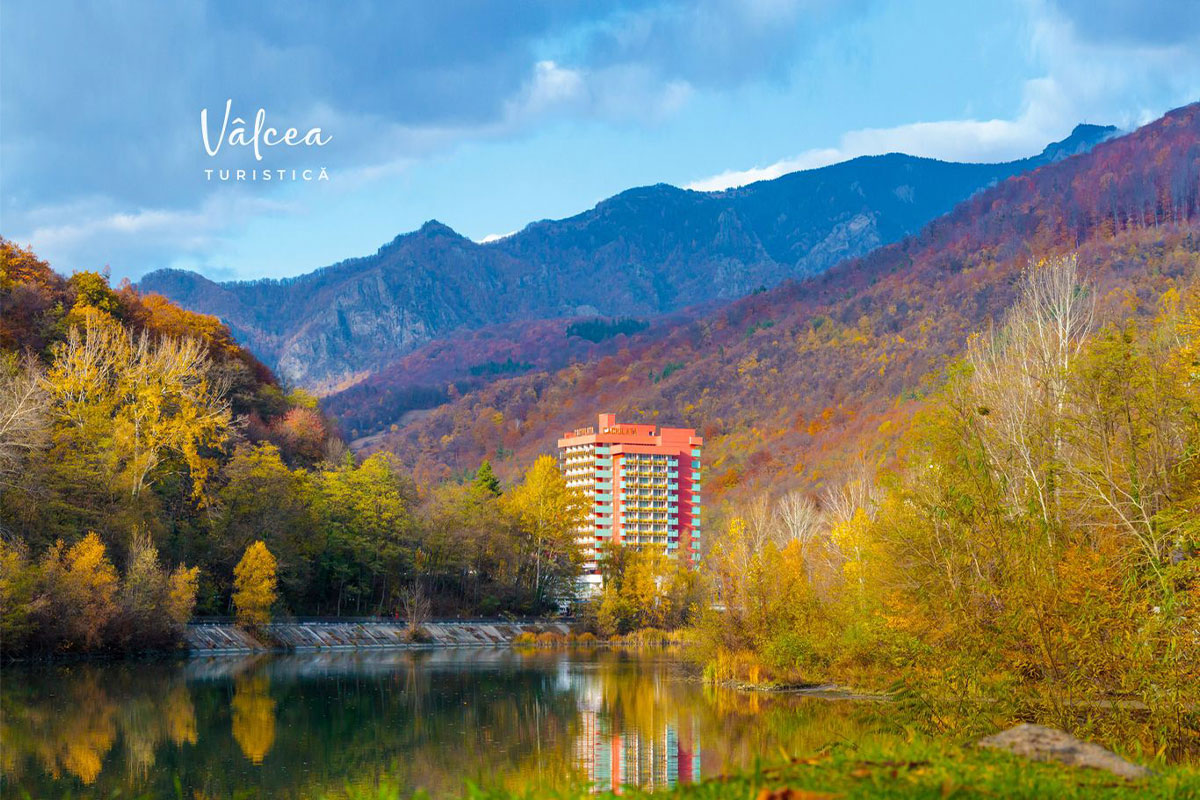
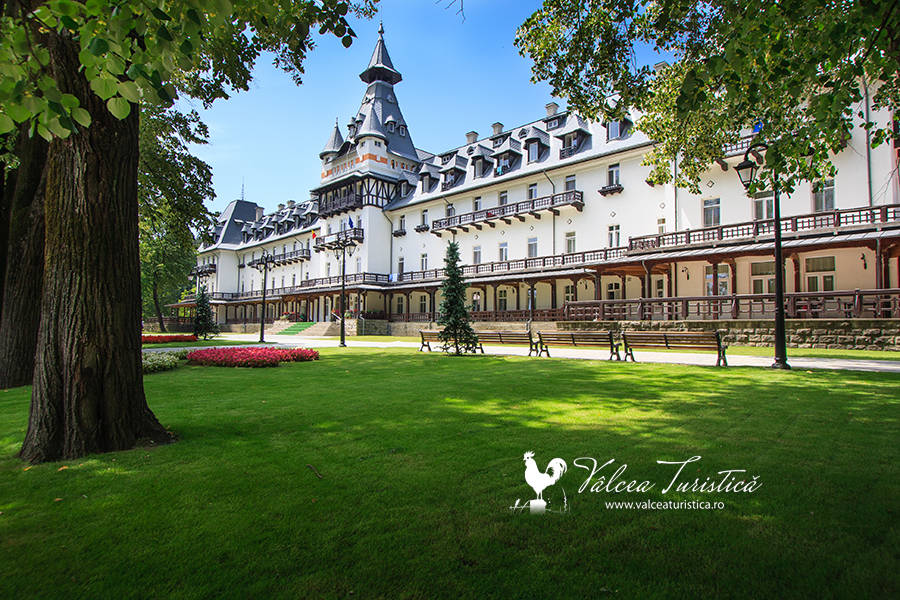
The Calimanesti-Caciulata spa resort is located at an altitude of 260 m in the Jiblea-Calimanesti sub-Carpathian basin, on the right bank of the Olt River. The mineral water springs have been known since Roman times, and later, in 1860, the mineral water from Calimanesti-Caciulata became famous in Europe. It was then bottled and transported to Paris, France.
Calimanesti-Caciulata is the most famous spa resort in the Olt Valley and is available for treatments all year round.
Many thanks to Vâlcea Turistica for permission to use the photos and information.
https://discover-valcea.com/de/calimanesti-caciulata-resort-de/
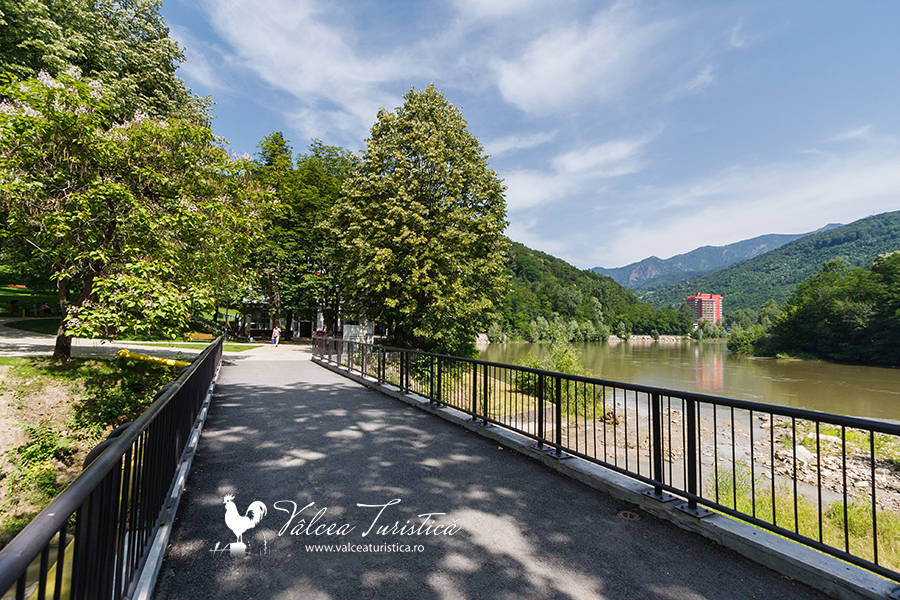
Hanul Vatra, Valcea County & Holidays in Romania
(9 November 2025)
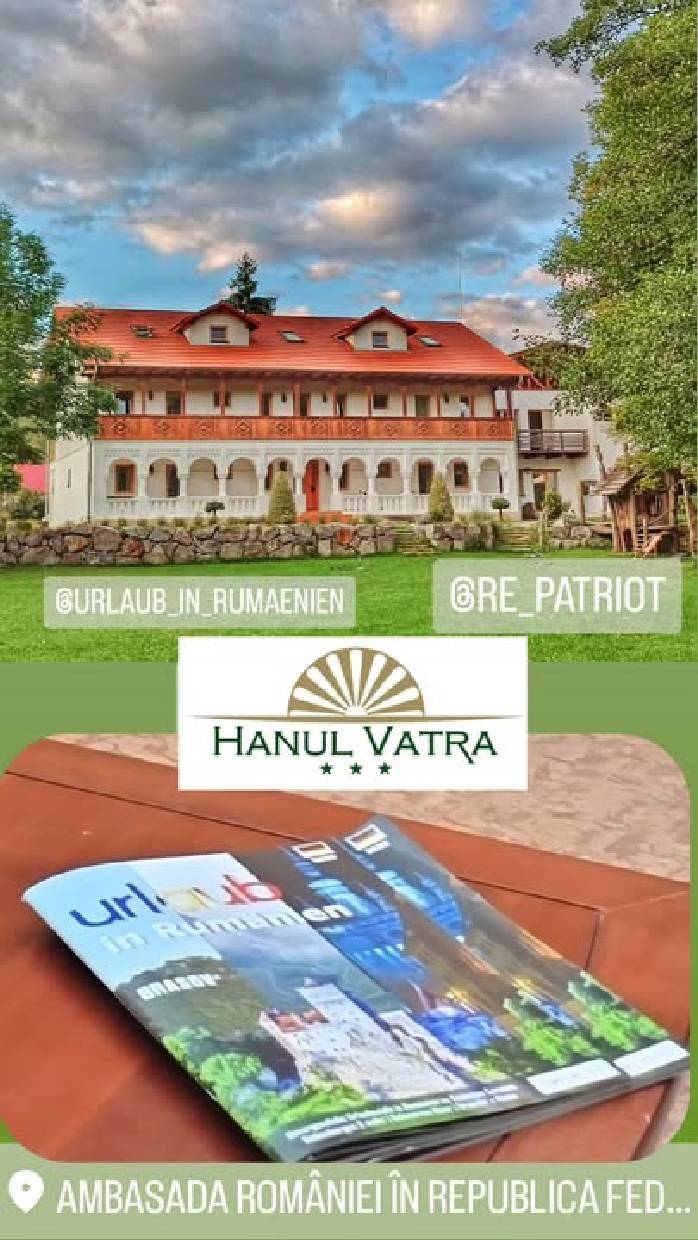
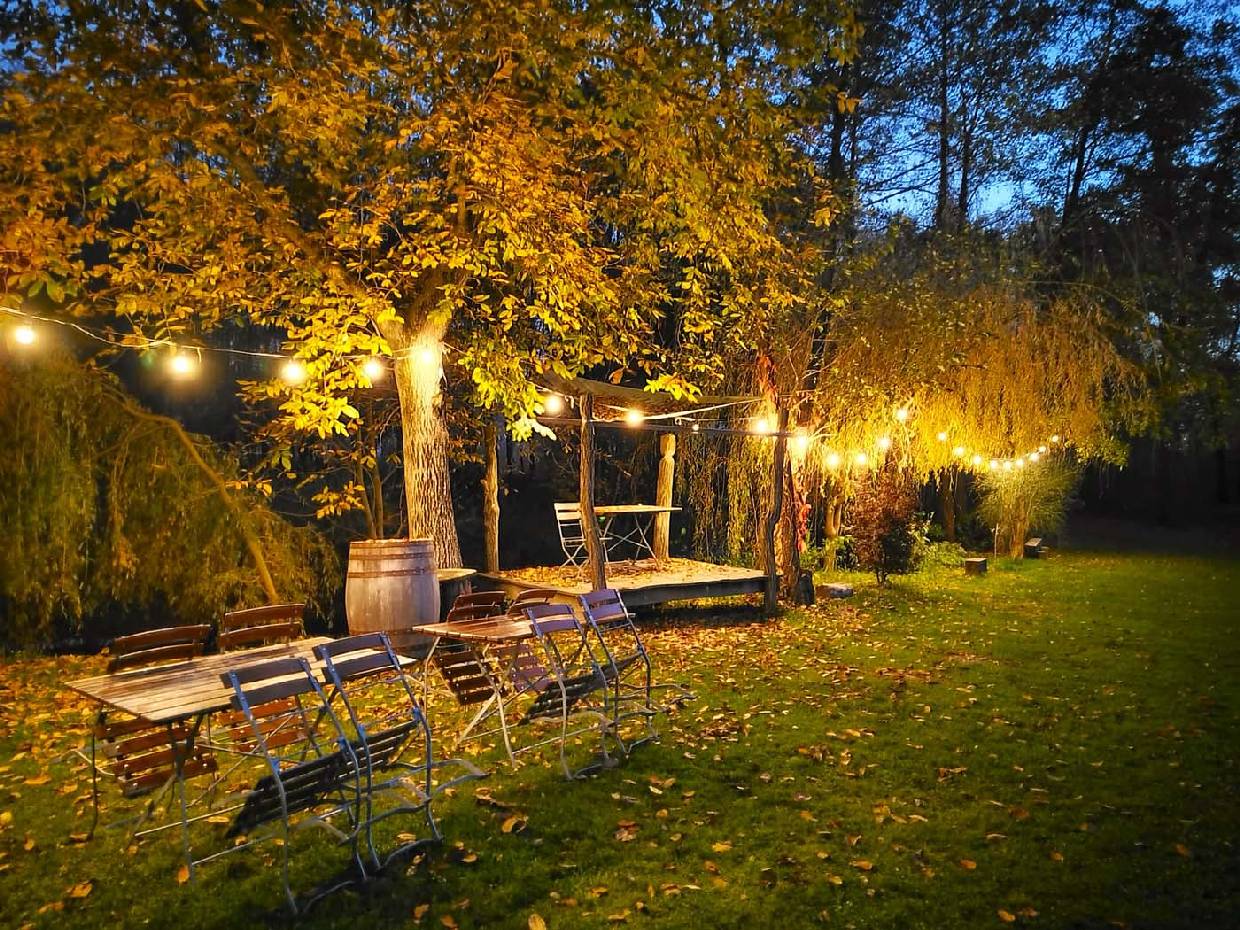
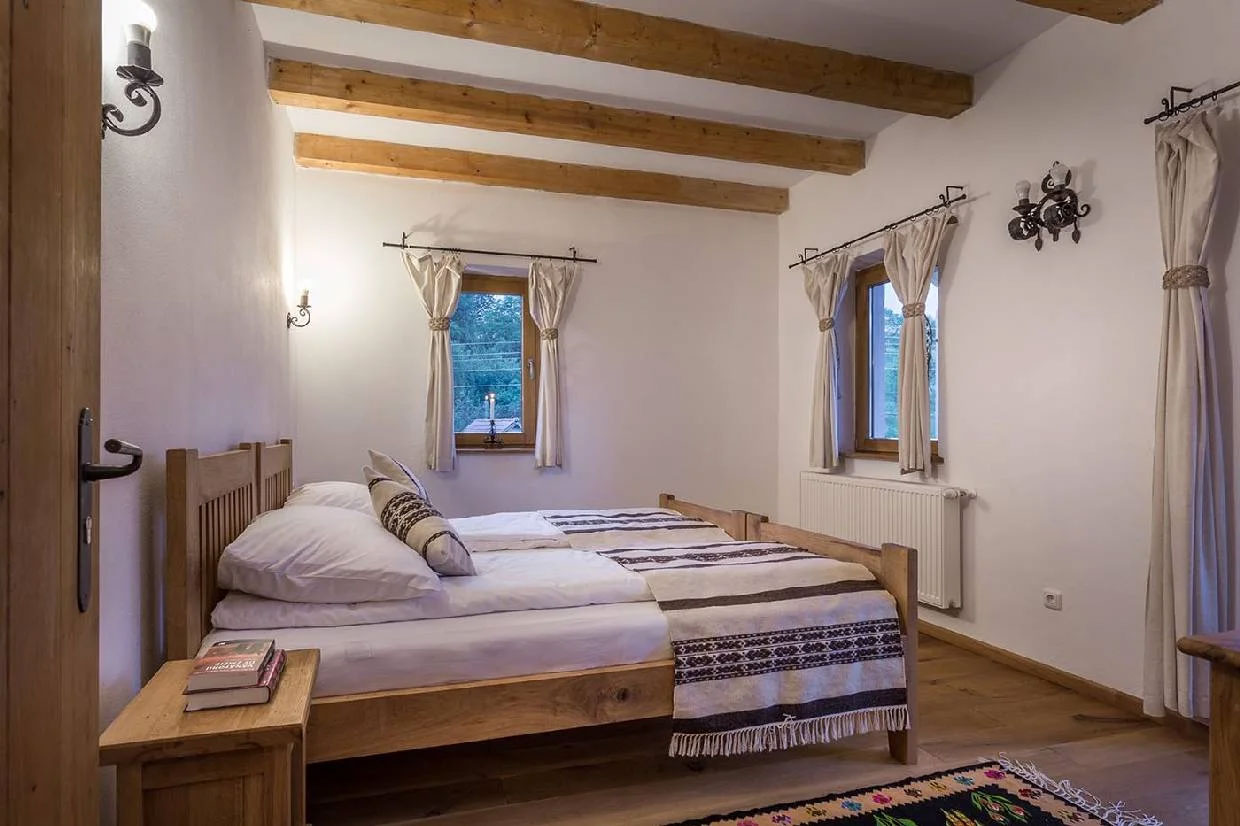
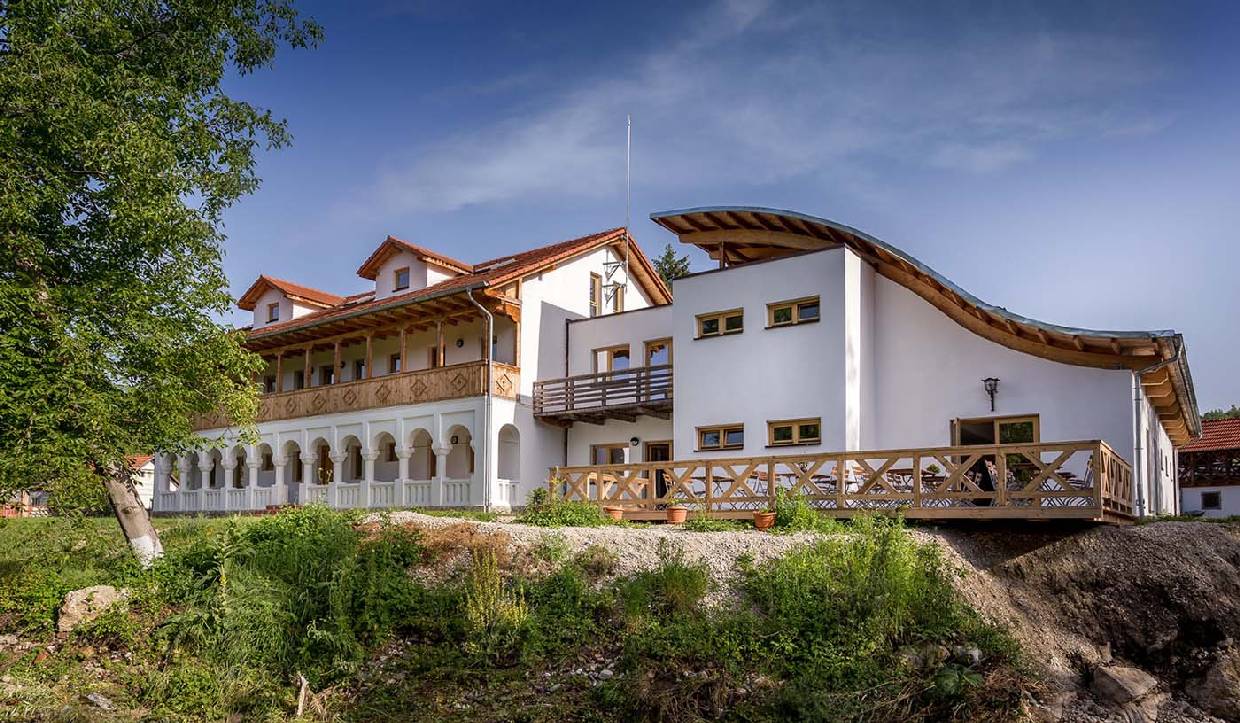
Our top recommendation in Valcea County for a wonderful vacation, whether during Christmas, winter, spring, summer, or fall
Find lots of information in our brochure “Vacation in Romania 2026” on page 50 or directly on the Internet > https://discover-valcea.com/de/hanul-vatra-de/ (in 8 languages)
We deliver from 💙💛❤️
(5 November 2025)
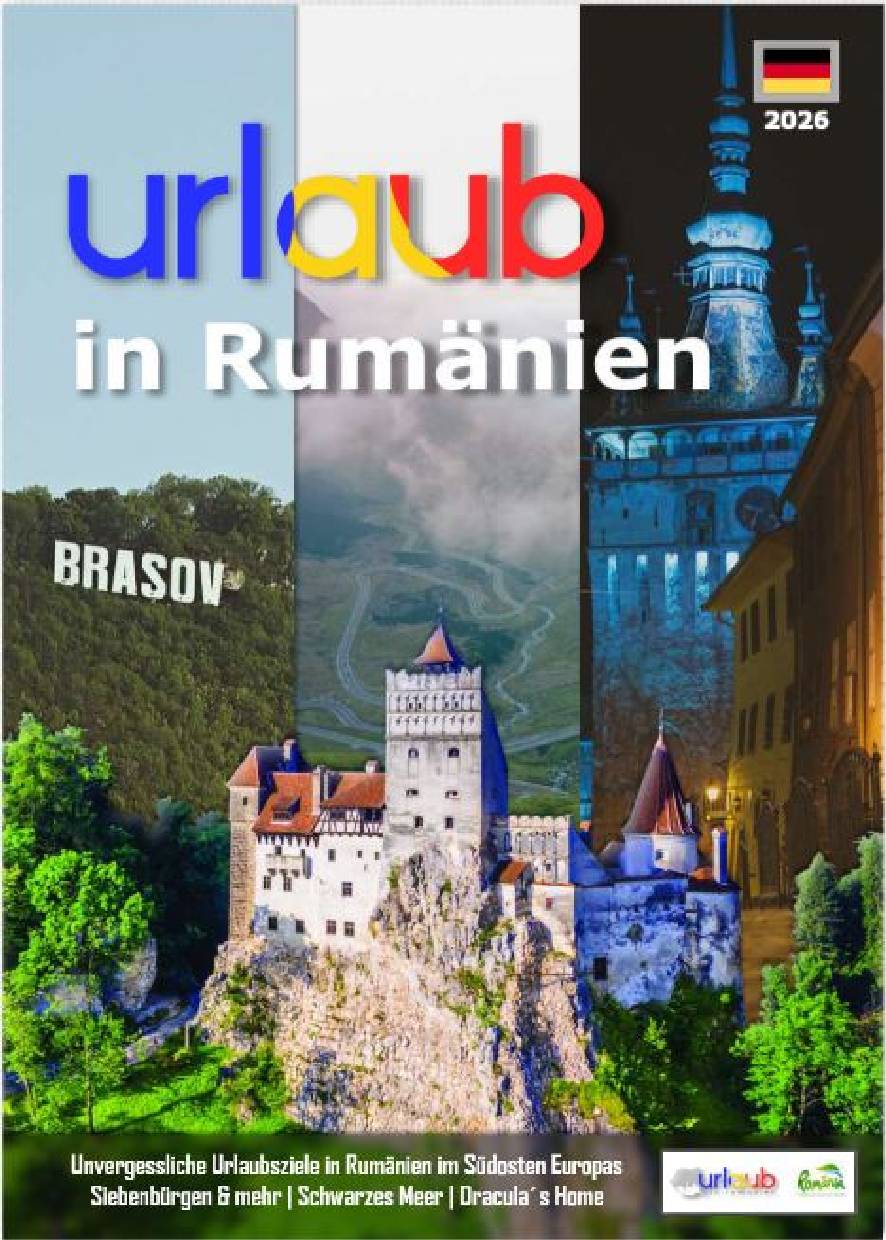
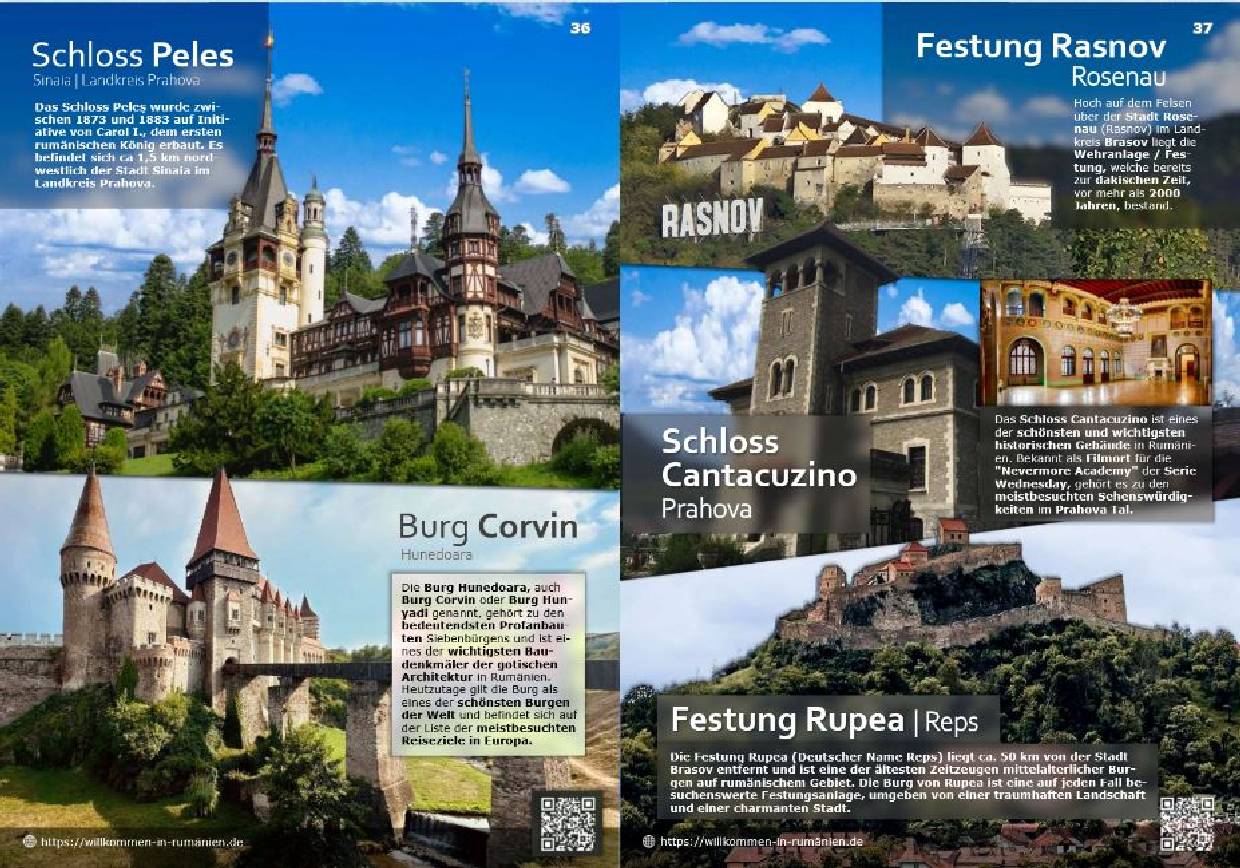
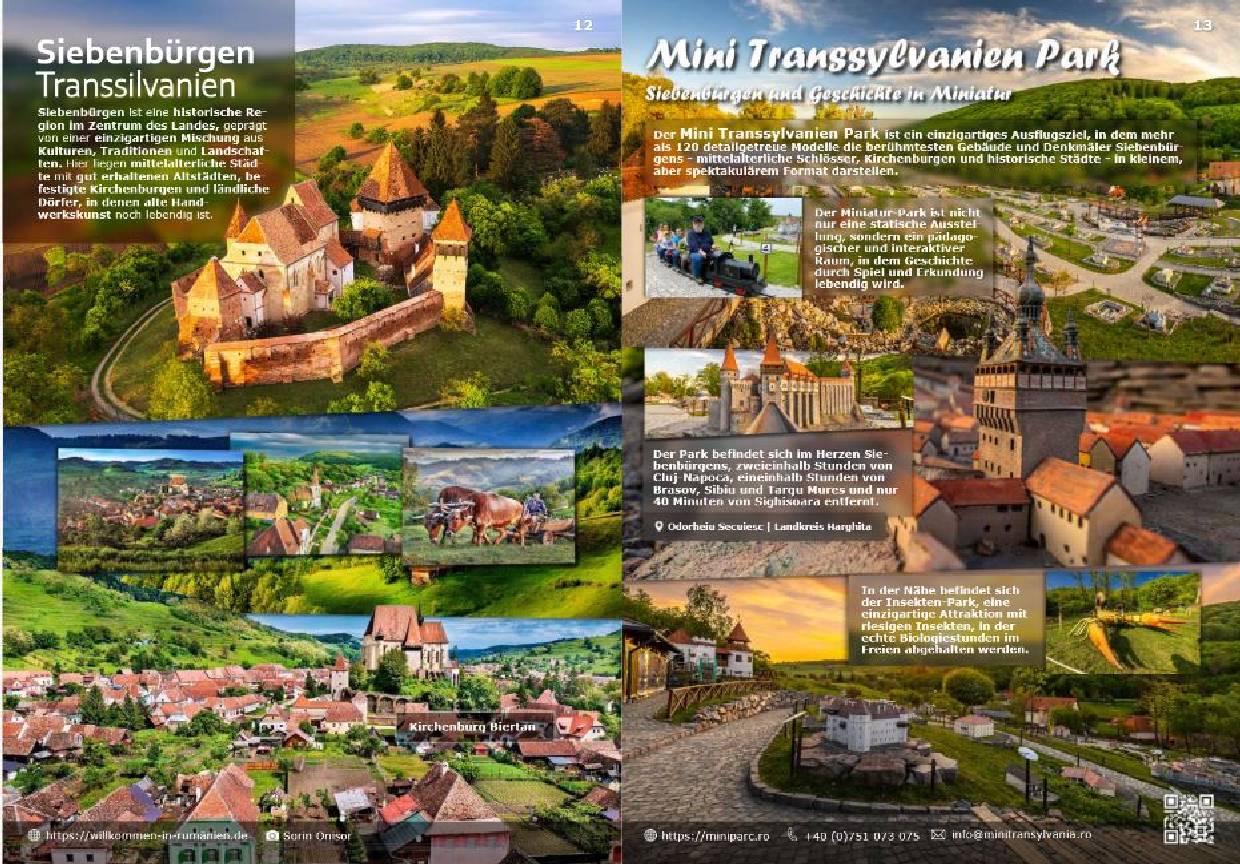
Brochure “Holidays in Romania 2026” available in German 🇷🇴 View or order online now!
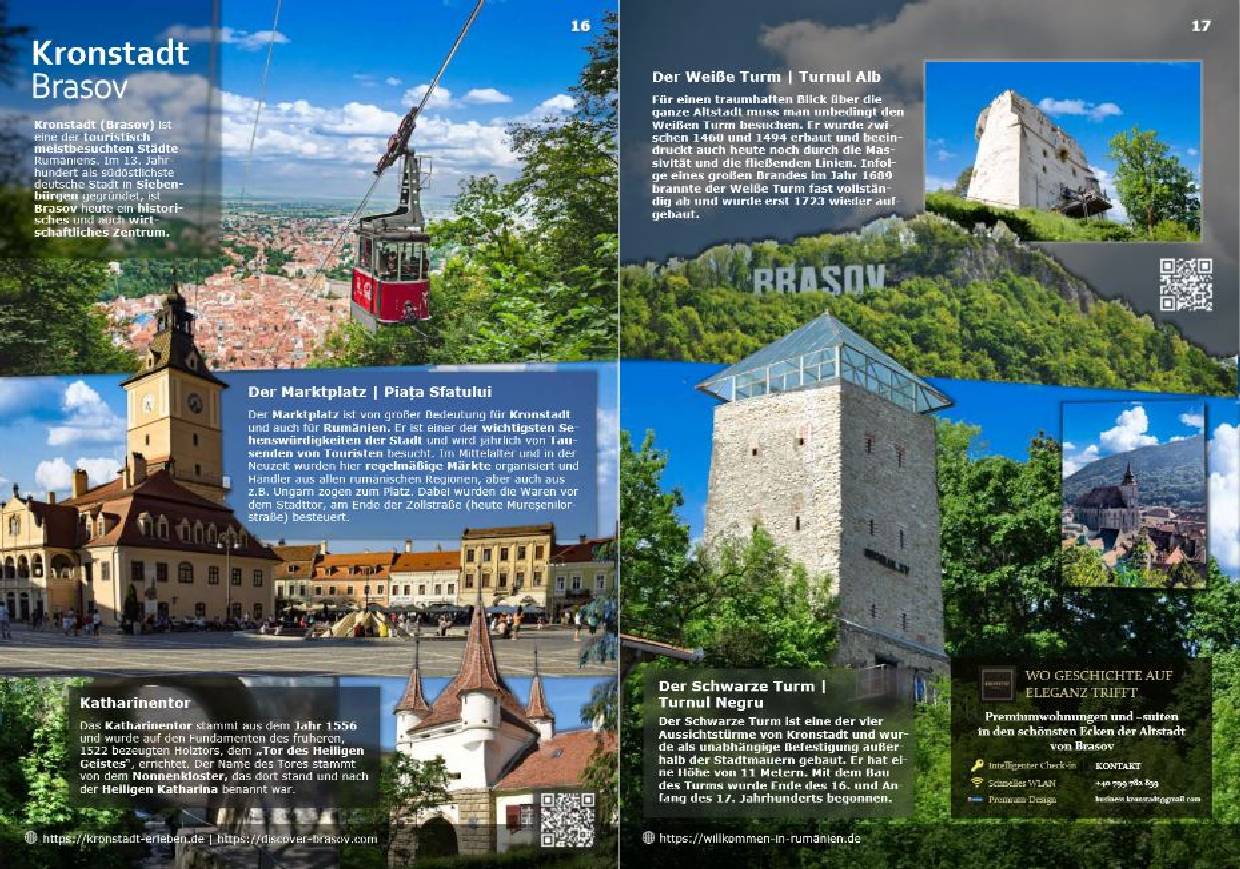
Cheile Bistriței | Buila-Vânturarița National Park
(4 November 2025)
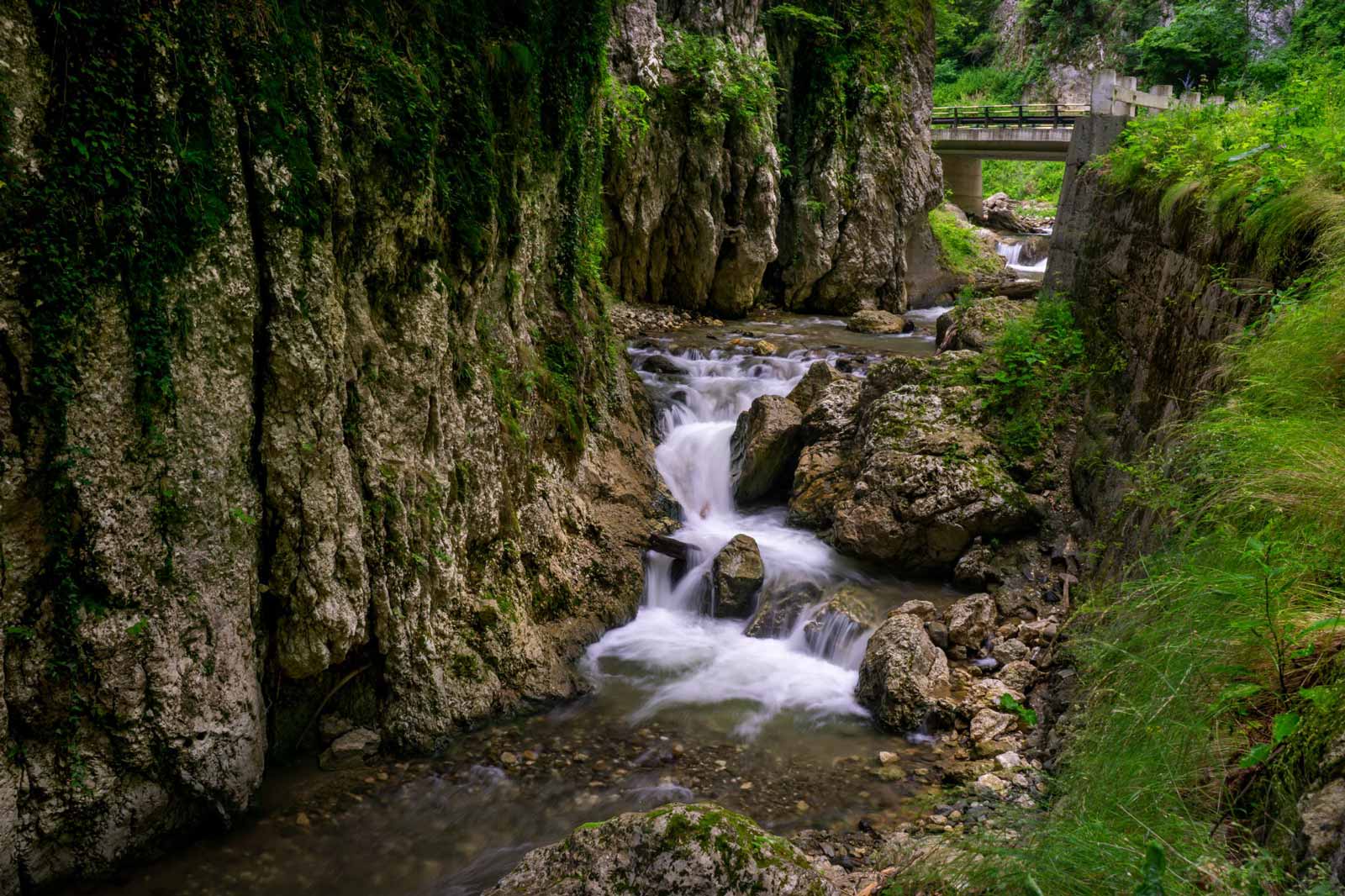
Cheile (Gorge) Bistriței is located in Buila-Vânturarița National Park, Vâlcea County, and runs along the river of the same name, Bistrița.
https://discover-valcea.com</ a> | https://welcome-to-romania.com
We would like to thank Centrul Național de Informare și Promovare Turistică Vâlcea for permission to use these images (photographer: Marian Stan).
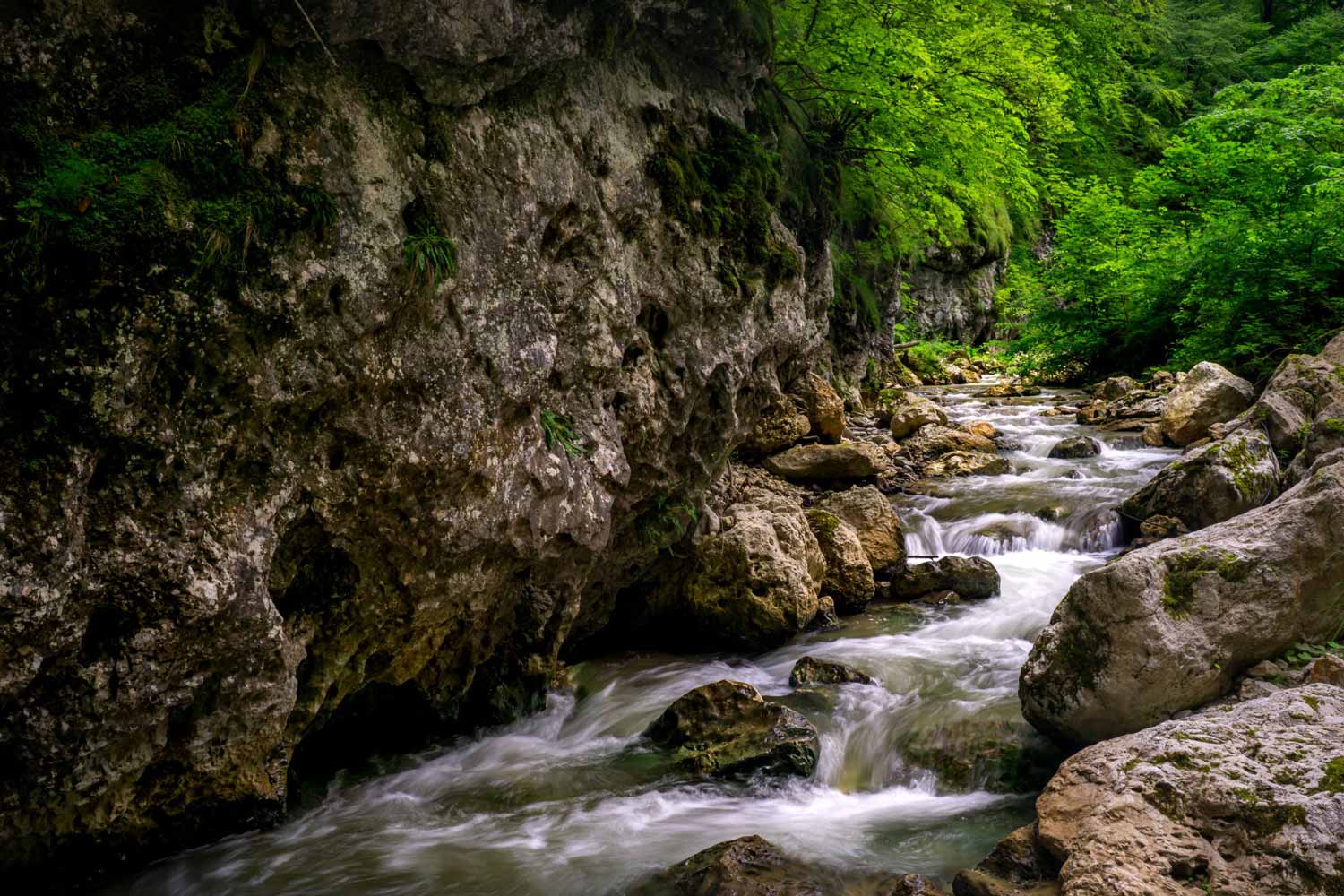
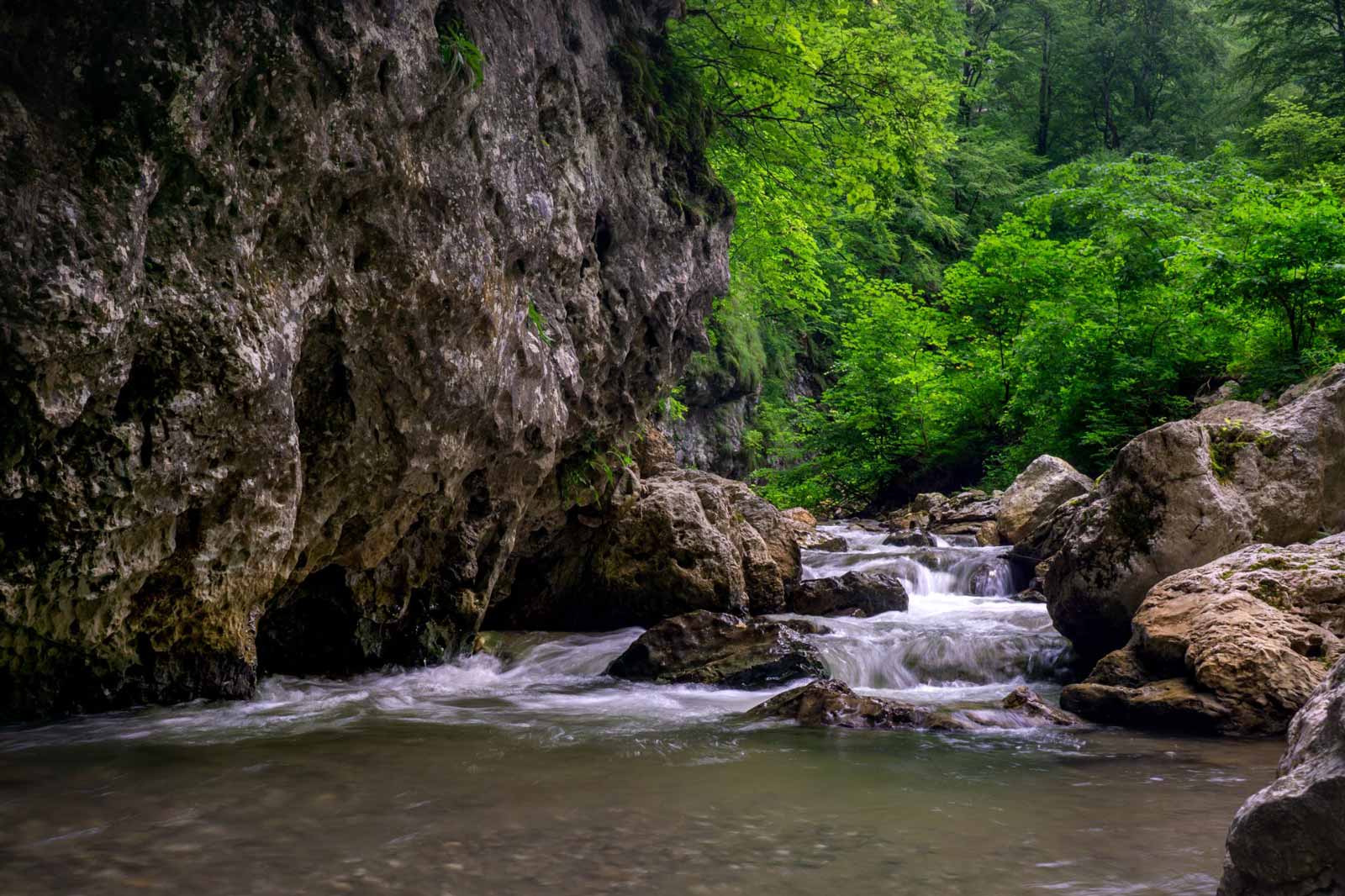
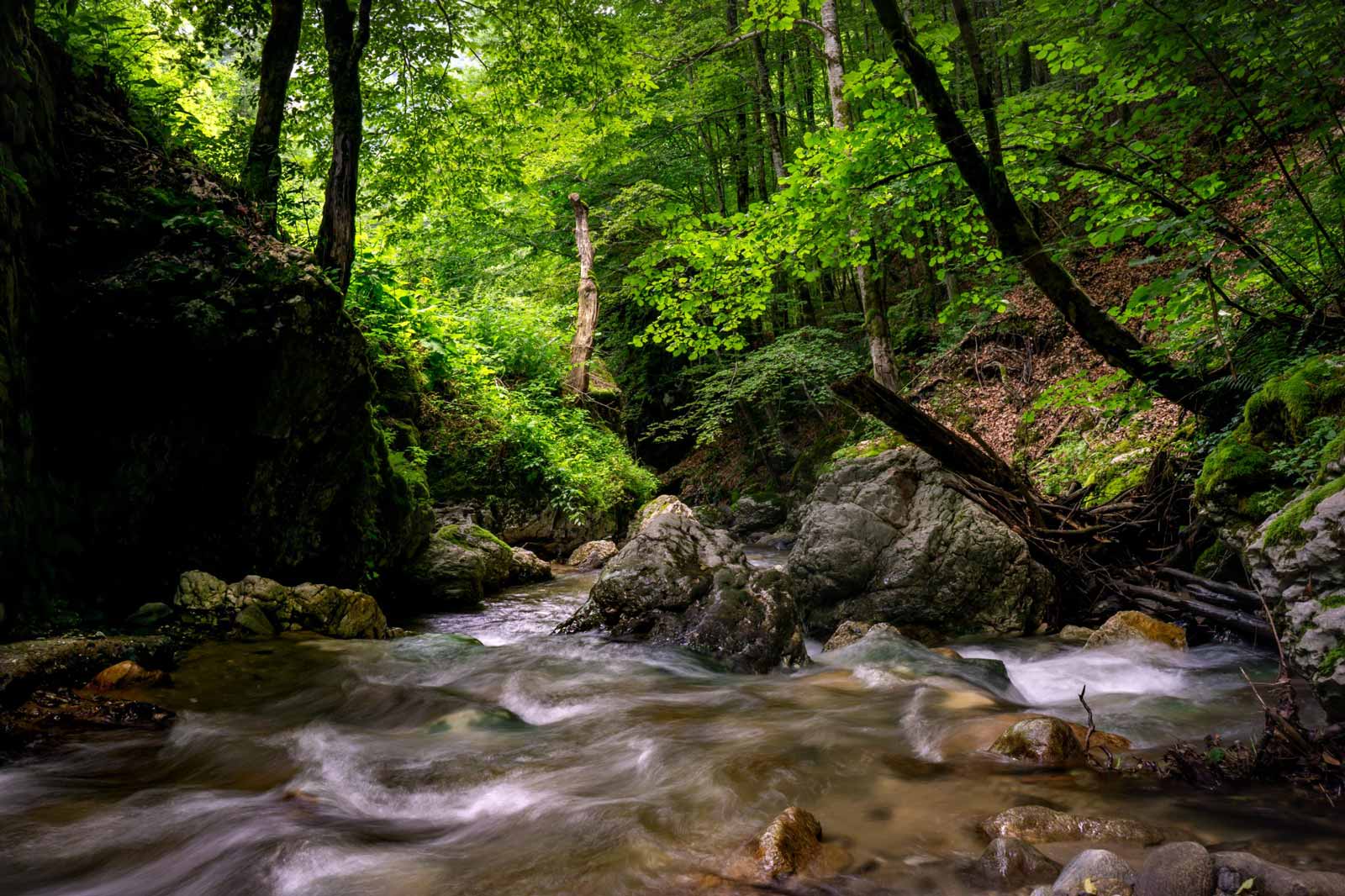
Cozia National Park
(18 October 2025)
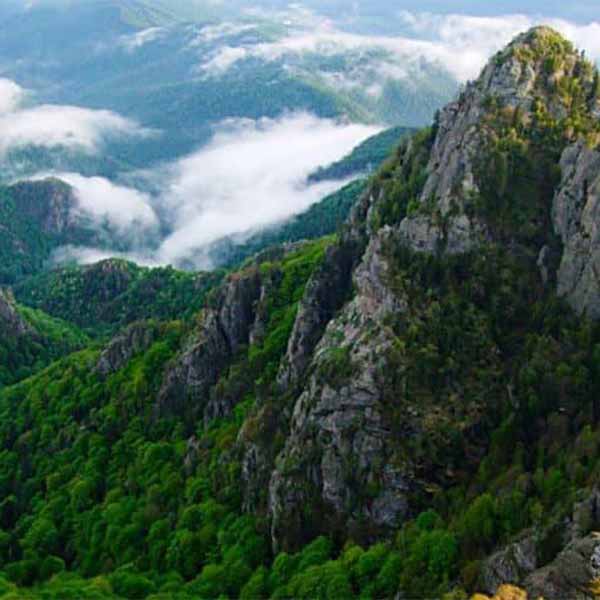
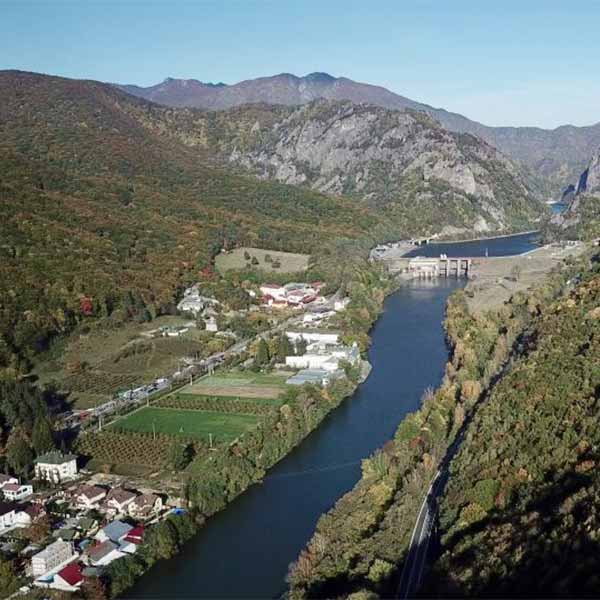
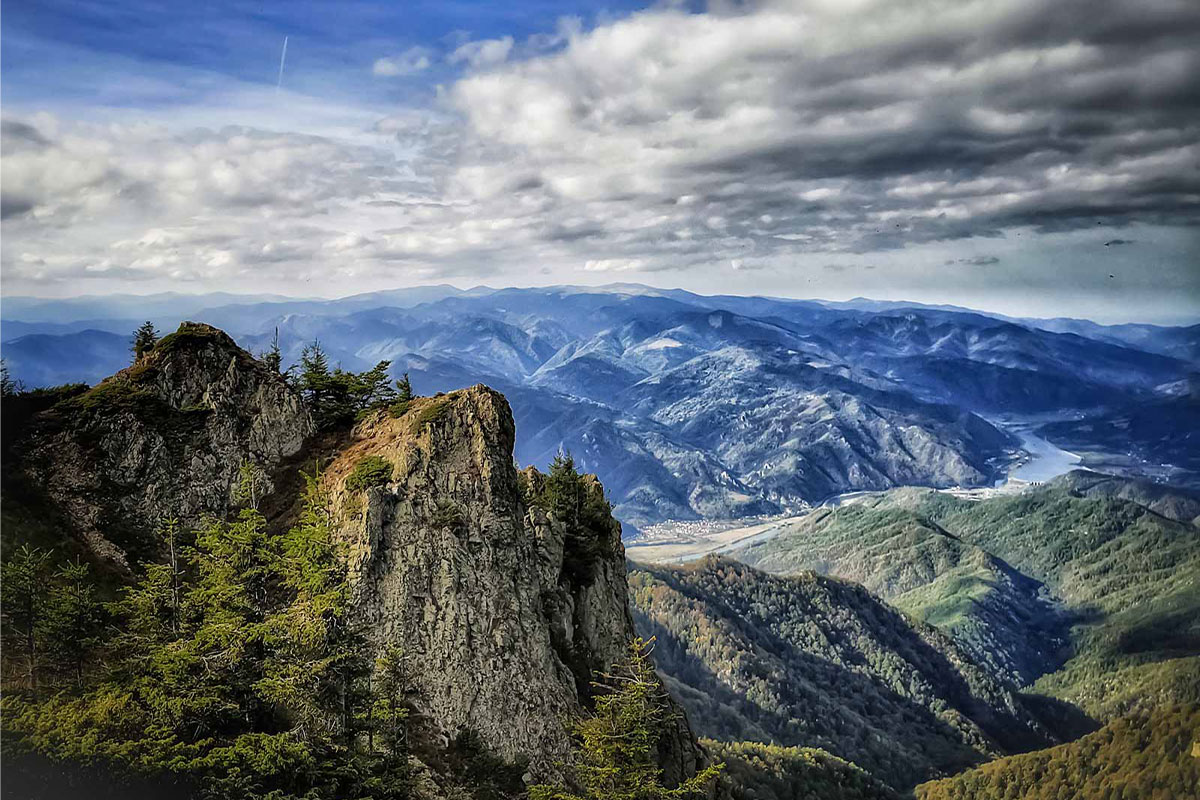
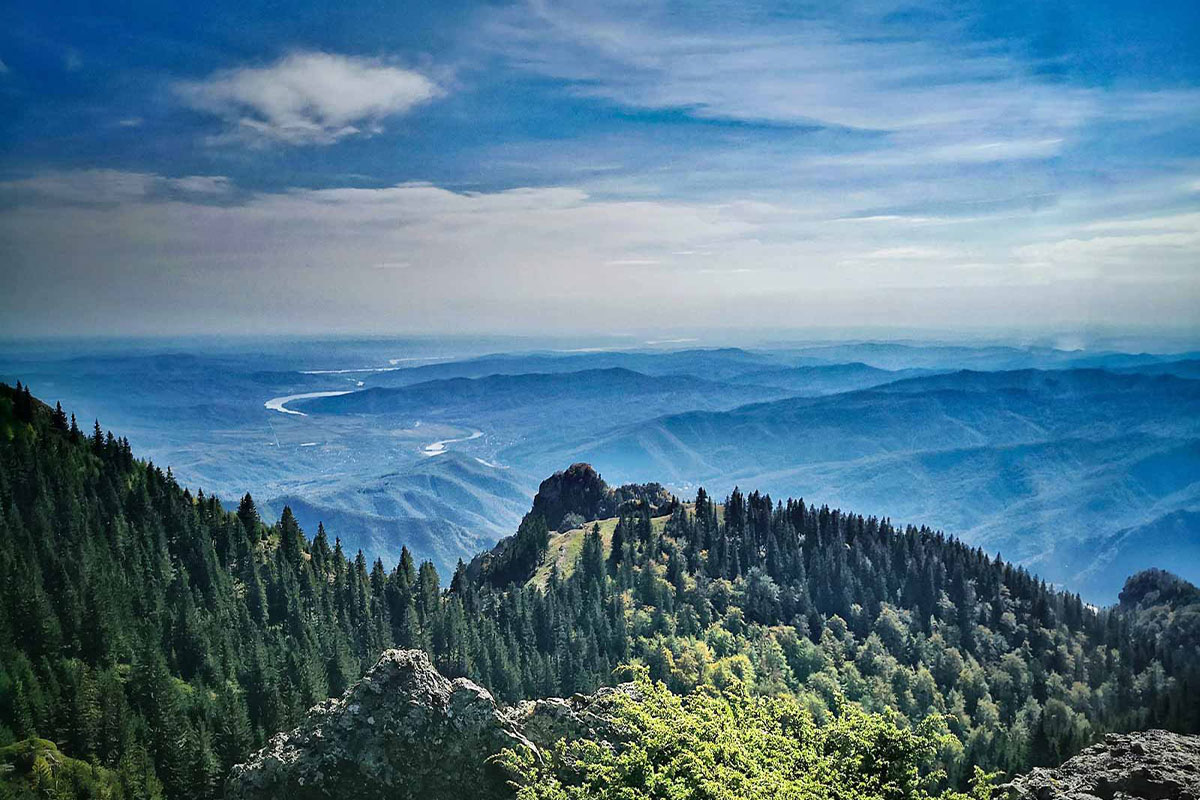
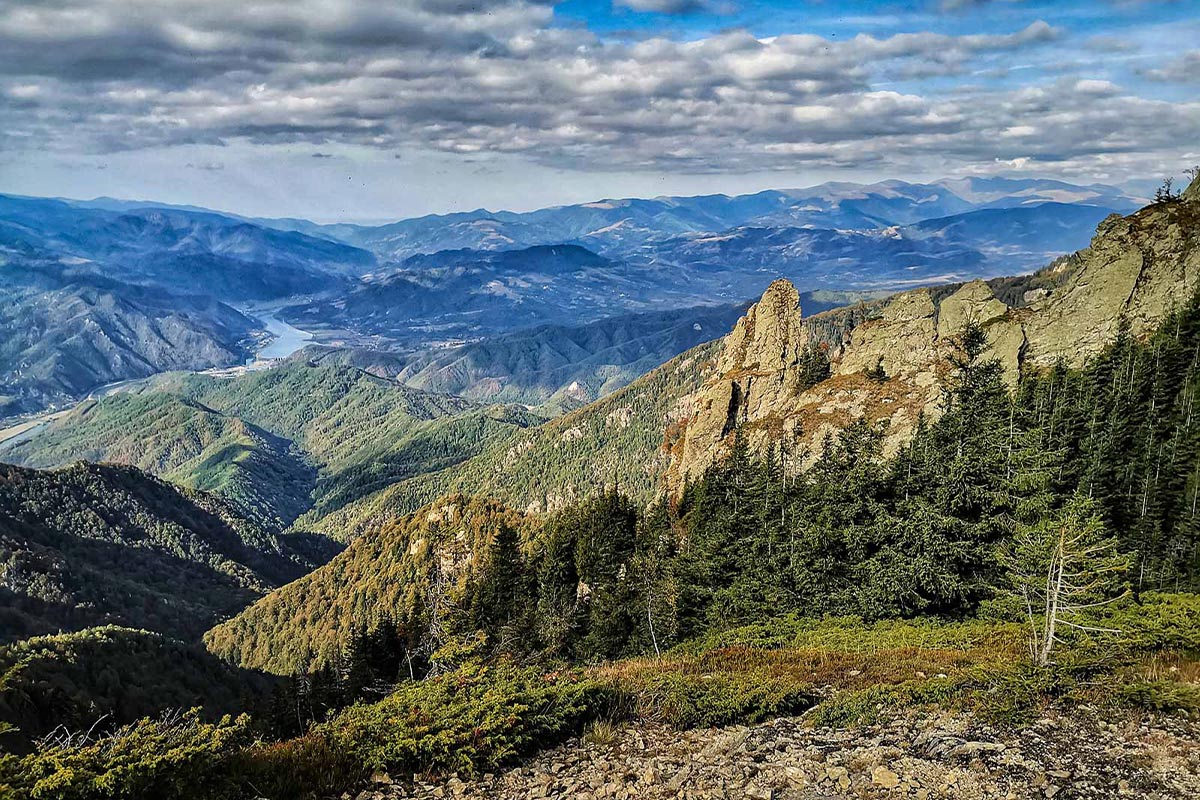
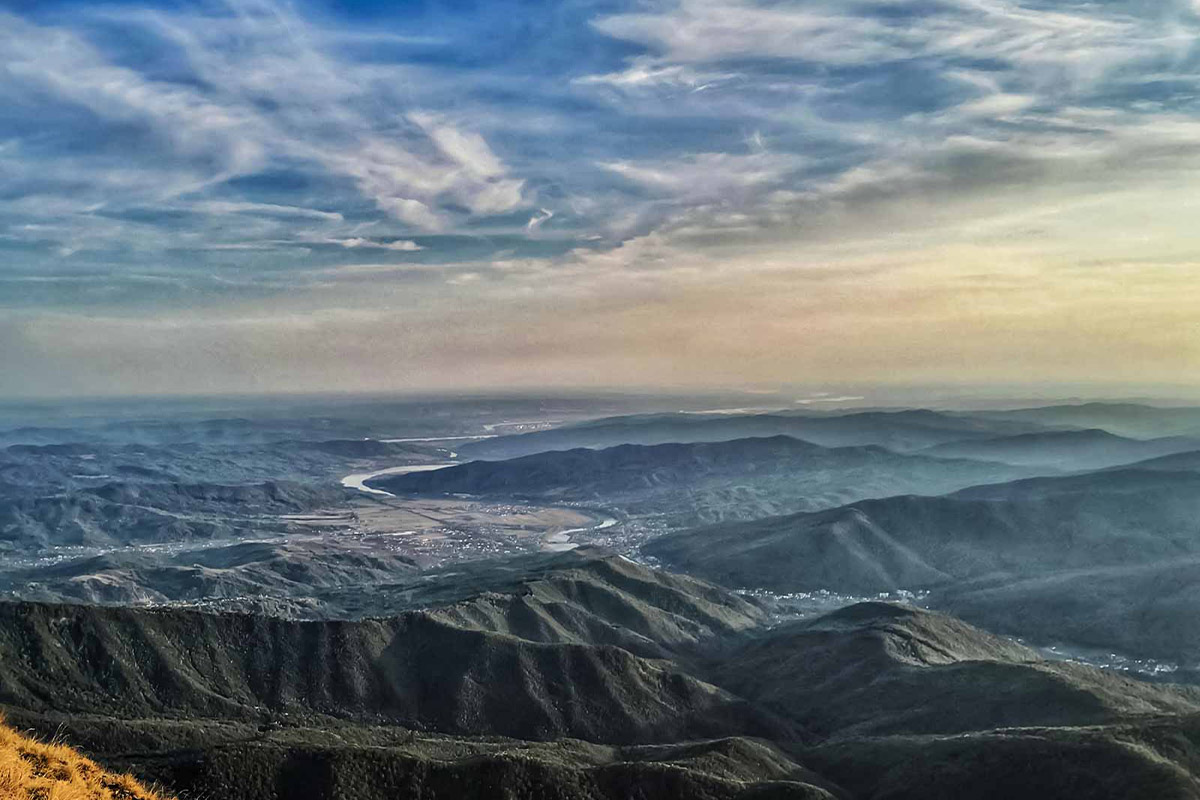
Cozia National Park (Parcul National) is located in the northeastern part of Valcea County, in the administrative area of the towns of Brezoi, Calimanesti, Racovita, Perisani, Salatrucel, and Berislavesti.
https://discover-valcea.com/de/nationalpark-cozia/
We would like to thank photographer Corina E. Mateescu for allowing us to use these images.
Monastery “From a Forest”
(8 October 2025)
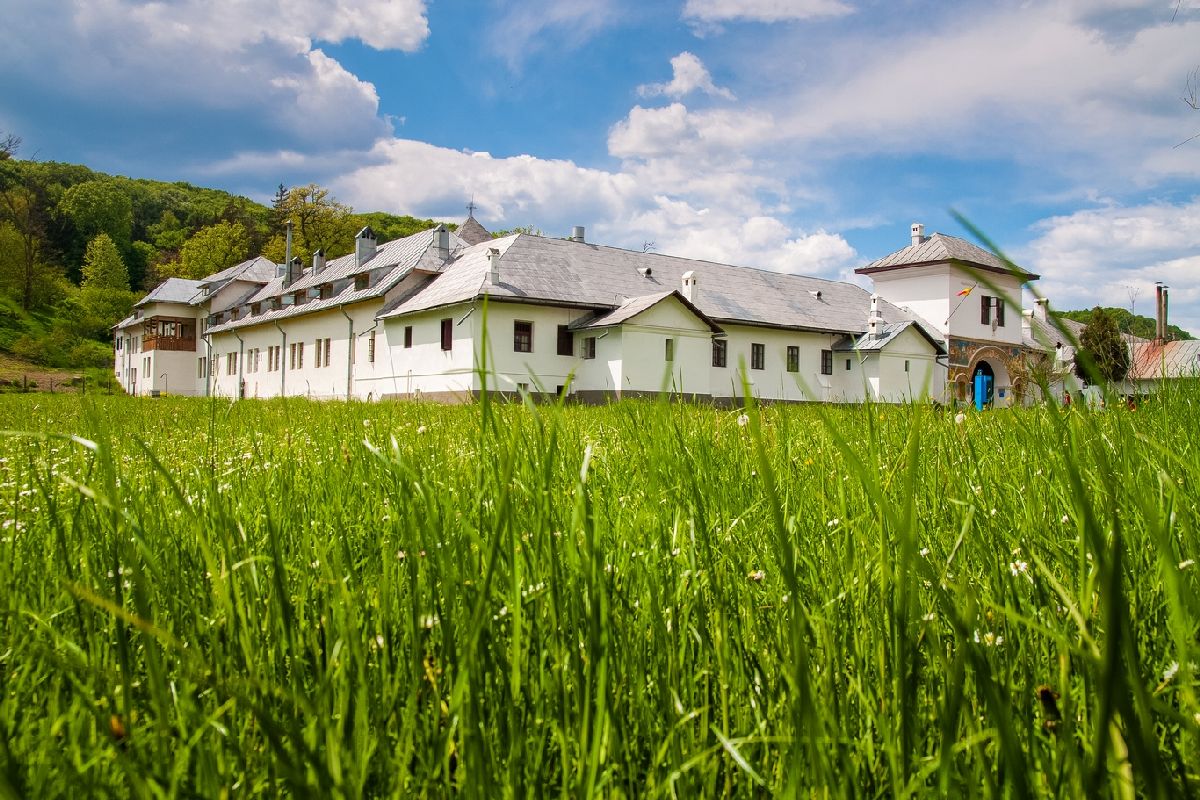
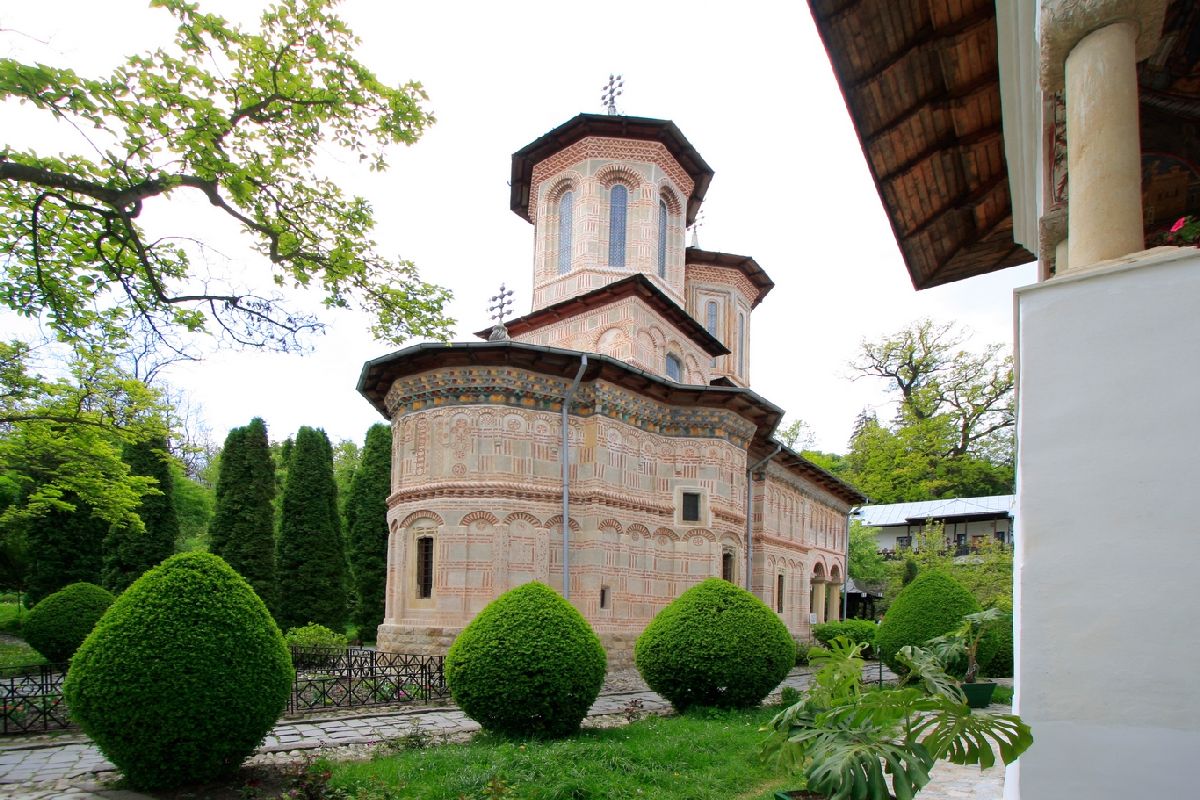
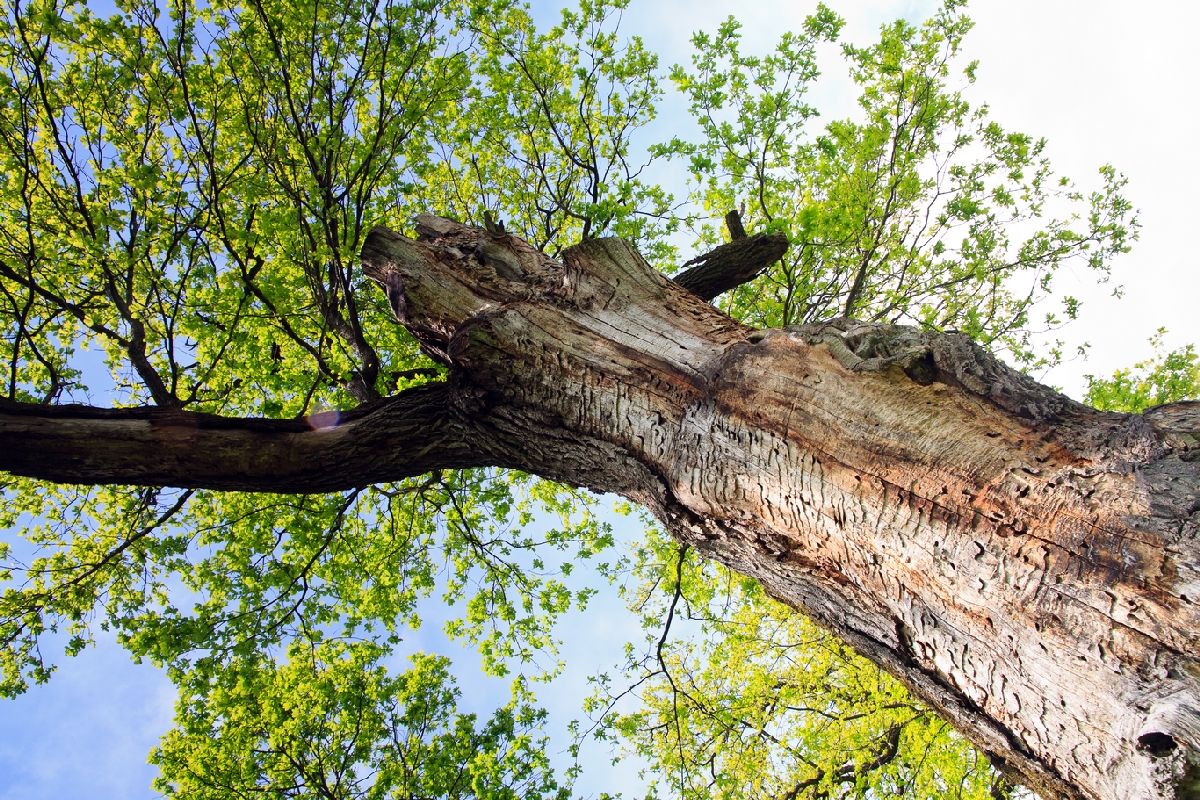
It is located about 25 km south of Ramnicu Valcea and 12 km north of Babeni, in the Otasa Valley, in the municipality of Francesti. According to an old local tradition, it was founded in the first decades of the 16th century by erecting a single oak tree on this site. It was built in honor of the icon of the Mother of God, an icon that is still kept today in the monastery’s stone church. Because of this tradition, the monastery settlement here bears the name “Dintr-un Lemn.”
More information about Valcea County at discover-valcea.com
Poiana lui Căliman Horse Park
(7 October 2025)
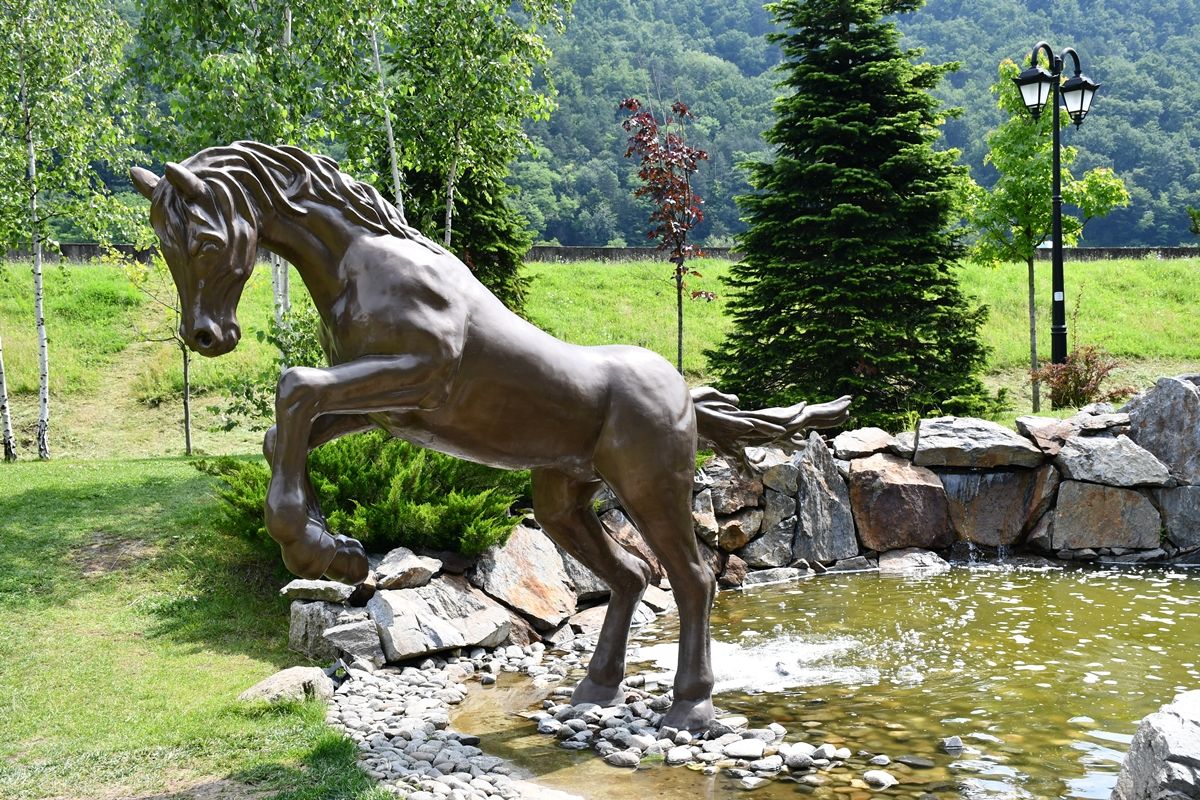
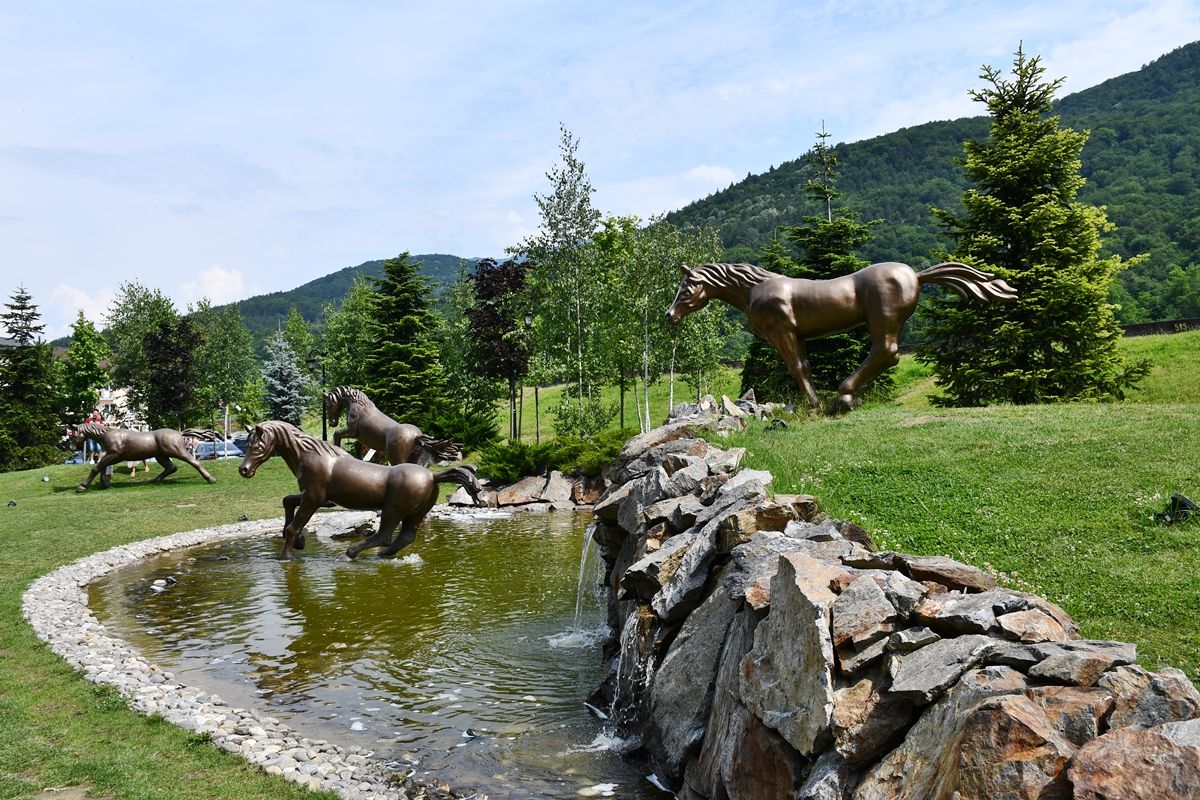
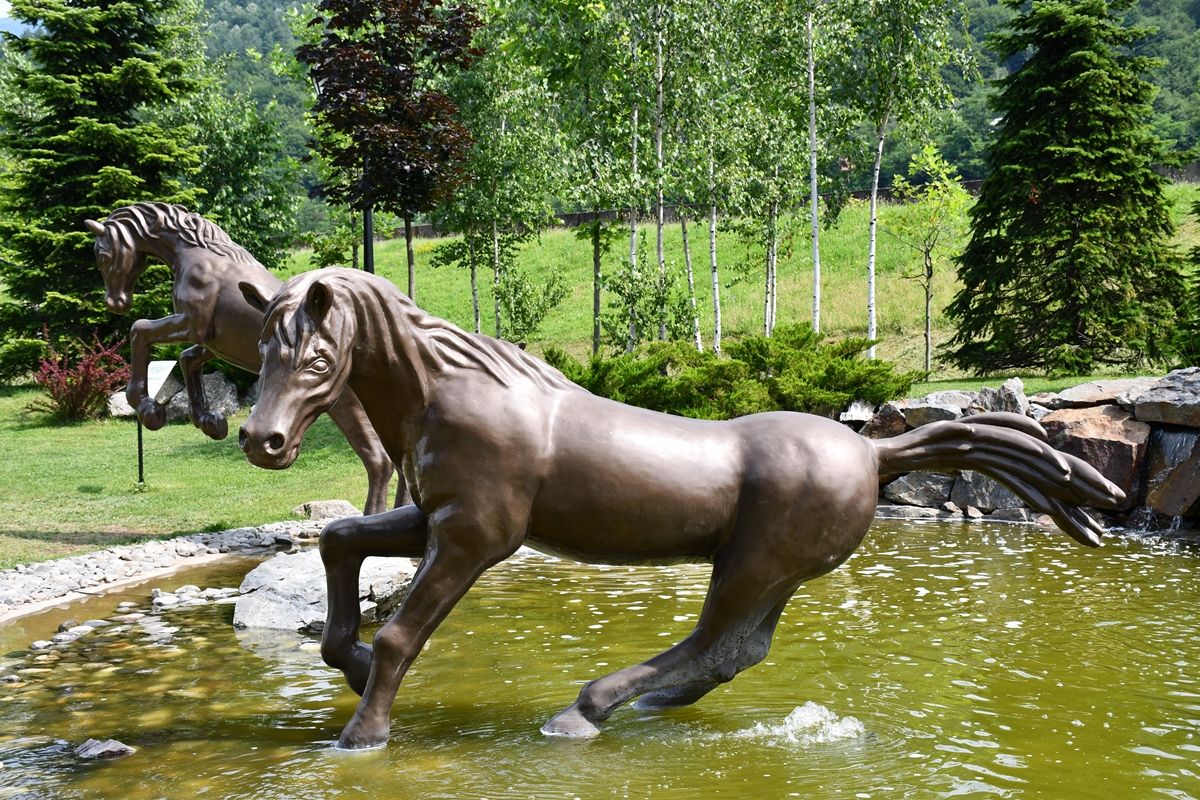
The name “Caliman’s Glade” comes from a 5th-century story about Caliman, a shepherd who grazed his animals in this glade. He noticed that when they grazed here, they no longer contracted the foot disease that was known at the time.
The shepherd told the monks of Cozia Monastery that he had healed himself by bathing in a lake in the clearing. He was convinced that this lake had divine powers, as he no longer had back pain and the sheep were also healed. The monks searched for and found the healing springs near Cozia Monastery.
More information about Valcea County at discover-valcea.com
Lotru Valley with the Transalpina
(6 October 2025)
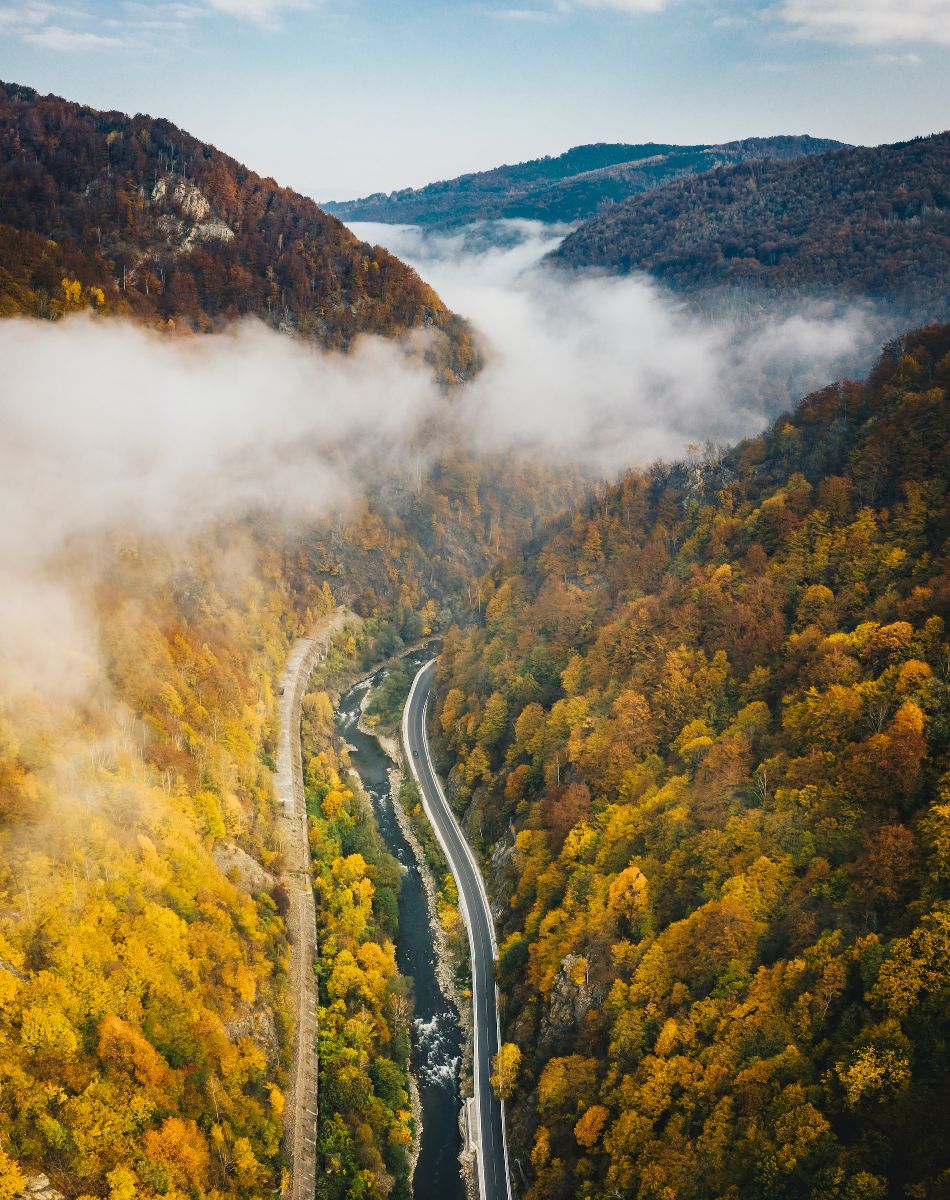
The Lotru Valley is located in the district of Vâlcea and is a fairytale-like place with many tourist attractions worth seeing. It is considered one of the most picturesque tourist roads in Vâlcea. The route passes through several agrotourism areas and includes three lakes, waterfalls, and two mountain villages.
The valley is located in the Southern Carpathians, in the Parâng Group, and stretches for about 80 kilometers. It crosses the Parâng Massif, the south of the Lotru Mountains, the north of the Căpățânii Mountains, and the Latoriței Mountains.
More information about Valcea County at discover-valcea.com
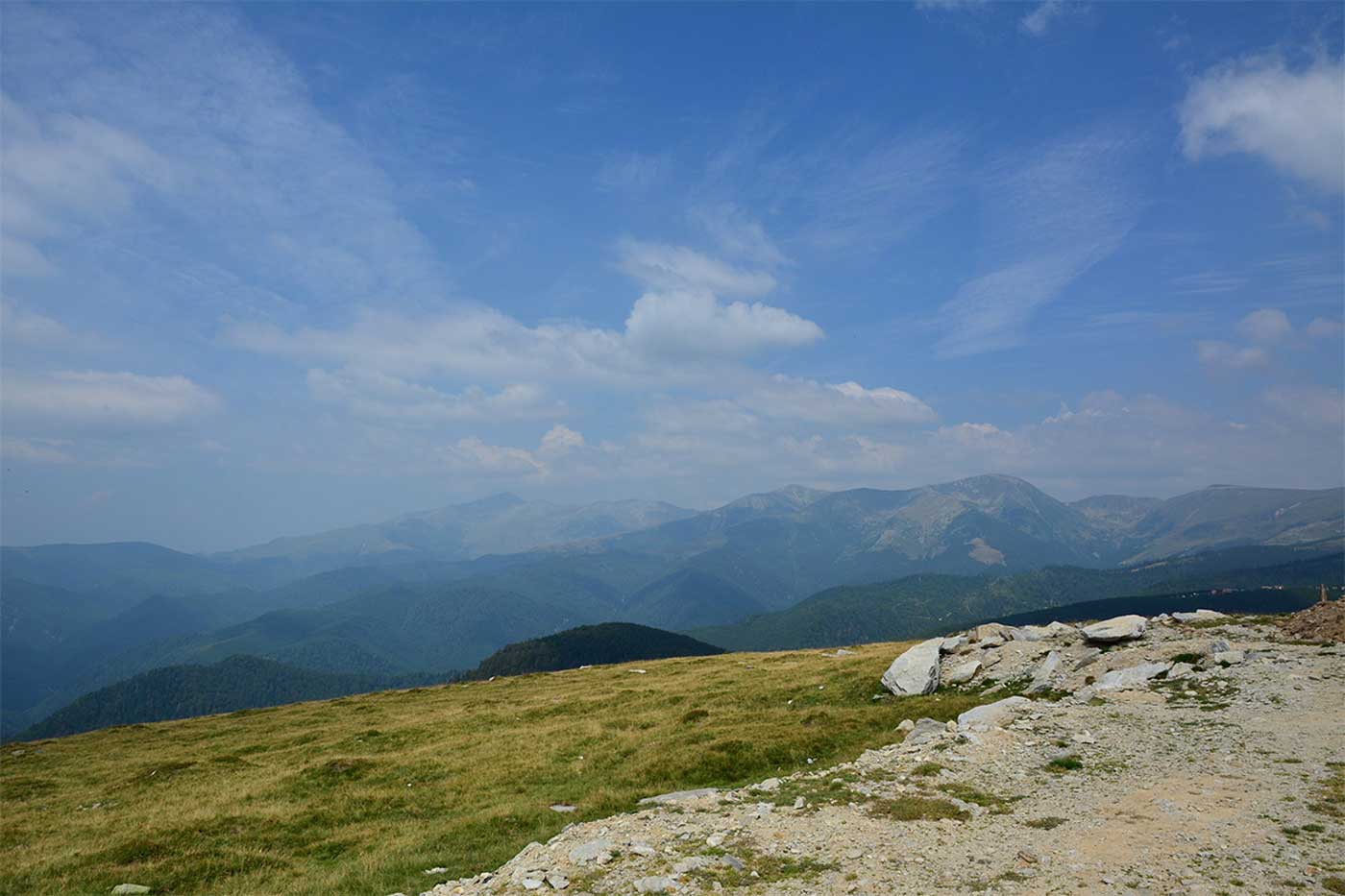
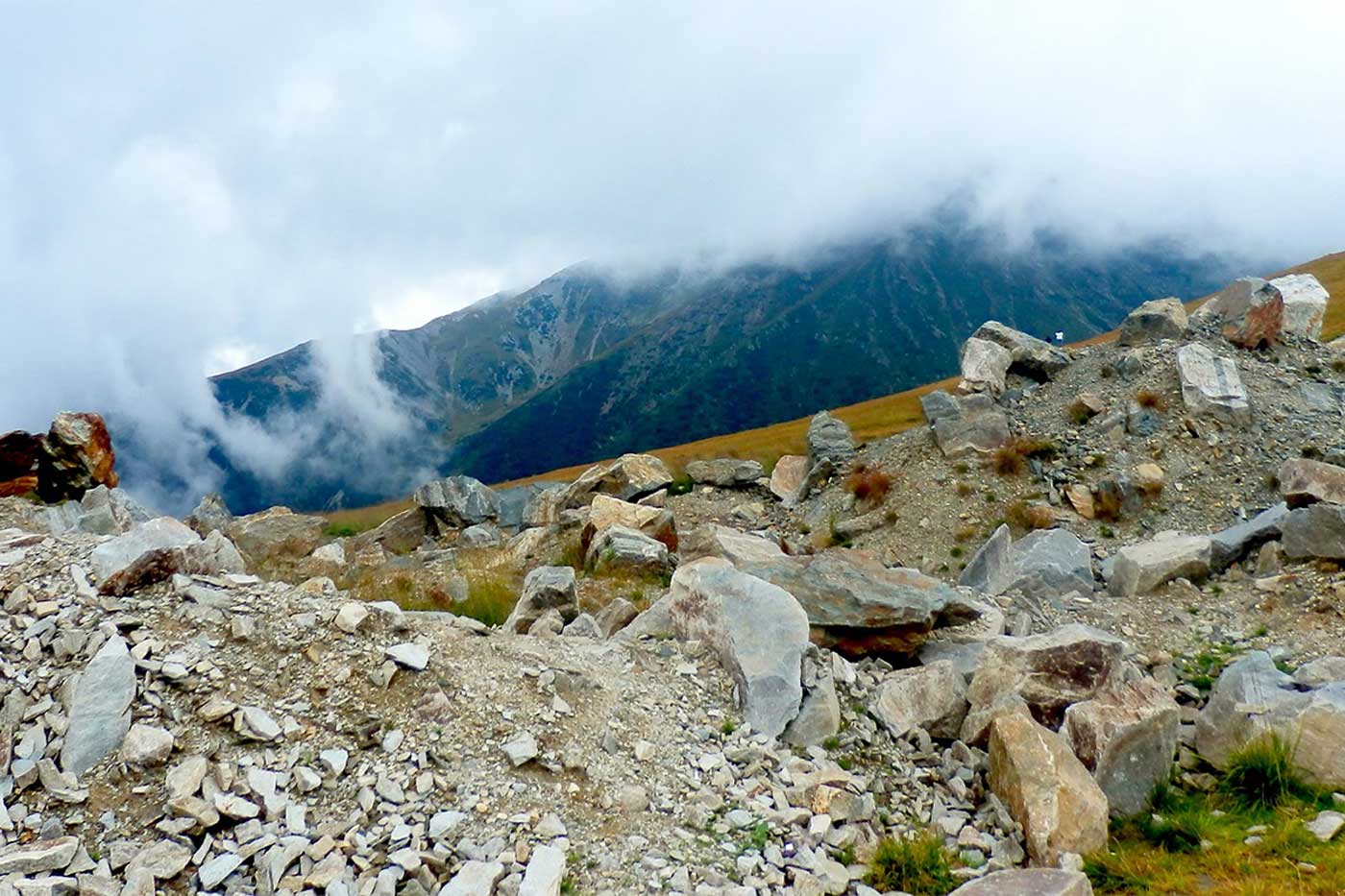
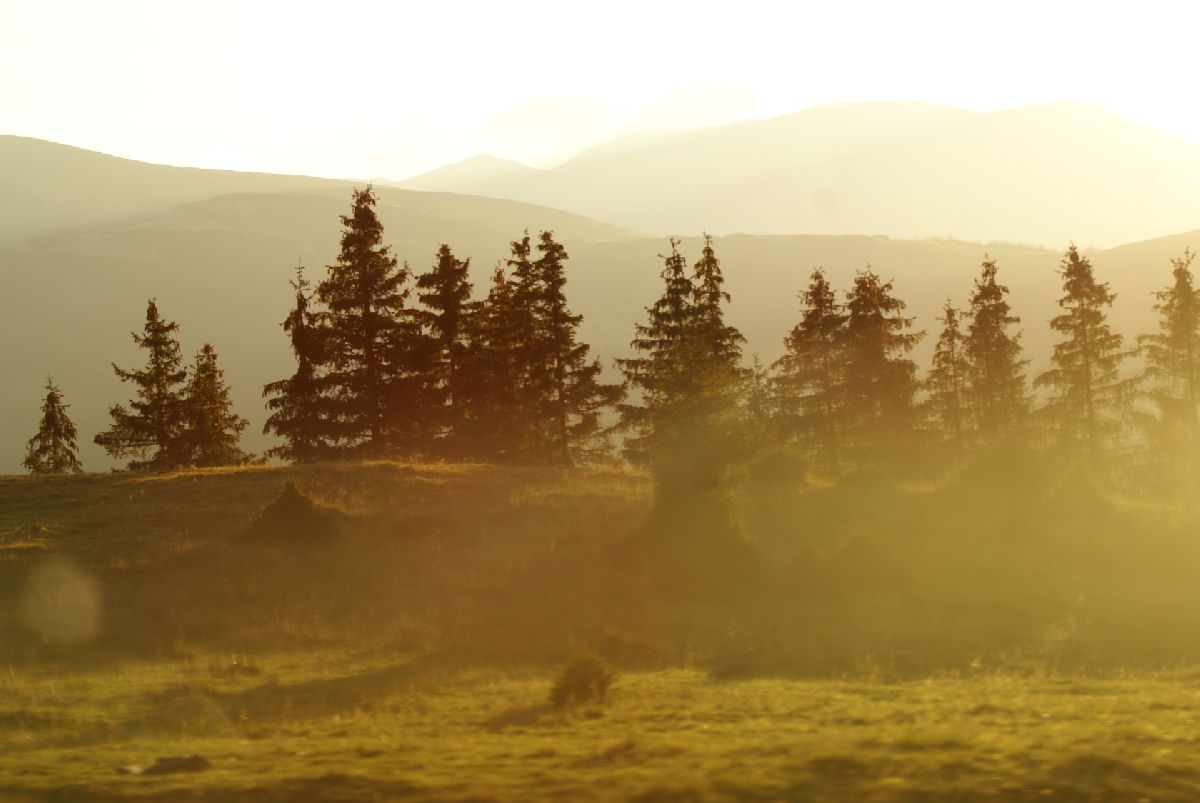
Manastirea Hurezi (Horezu Monastery)
(5 October 2025)
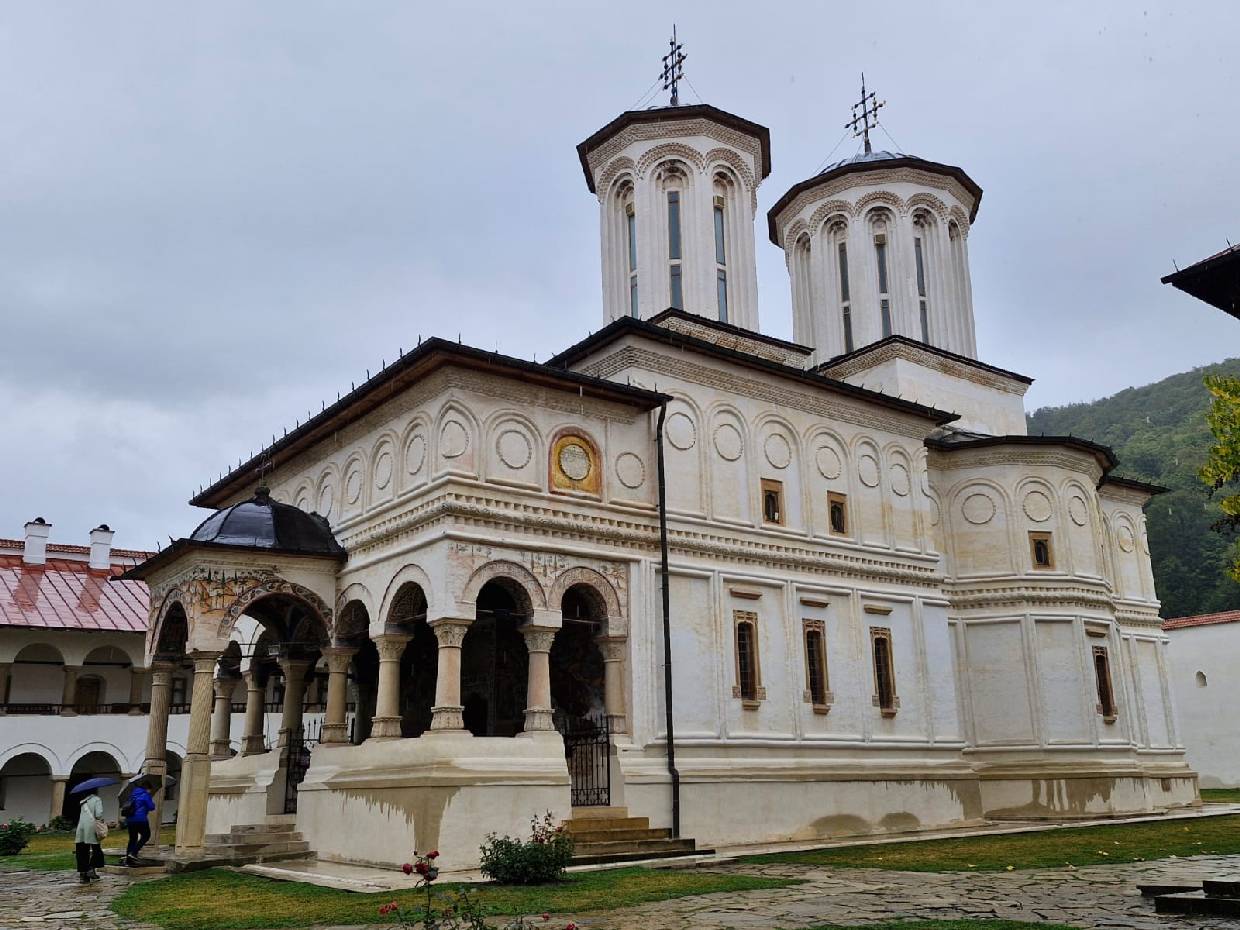
Horezu Monastery (also known as Hurezi Monastery) is a Romanian Orthodox nunnery located in the historic region of Little Wallachia in Vâlcea County.
At the foot of Munții Căpățânii, a mountain range in the Transylvanian Alps, in the village of Romanii de Jos, the monastery is located about three kilometers (as the crow flies) north of the small town of Horezu.
The cries of the nocturnal birds of prey (Romanian: huhurezi) that lived in the forests surrounding the monastery probably gave the place its name. The monastery was founded in 1692 by the then Prince of Wallachia, Constantin Brâncoveanu (1654–1714), and completed in 1709. Until 1862, it was a monastery for men. After the monks were transferred to Bistrița, nuns came to the monastery. The monastery complex has been restored several times since 1827 and is a listed building.
Located on a hill, the monastery complex is surrounded by two fortifications. The outer, smaller wall surrounds the entire monastery estate with its hermitages. The second is formed on three sides by buildings of varying heights and on the east by a wall. The entrance to the monastery is on the south side through a bell tower equipped with a massive wooden gate reinforced with steel. The monastery church of Sfinții Împarați Constantin și Elena in the center of the complex is built in the shape of a cross, is 32 meters long, 14 meters high, and was built between 1693 and 1697. In the vestibule of the church are several tombs, the most beautiful of which is decorated with marble and has a carved cover intended for Prince Brâncoveanu, but it never fulfilled its purpose and was therefore never used. The large iconostasis is carved from lime wood and covered with gold.
The square chapel with an octagonal tower, whose windows are the chapel’s source of light, is located on the west side opposite the entrance to the church and was built in 1697. The frescoes in the chapel were created between 1705 and 1706 and are still in good condition today.
We would like to thank Relu Chiriac, Galati, for allowing us to use these images.
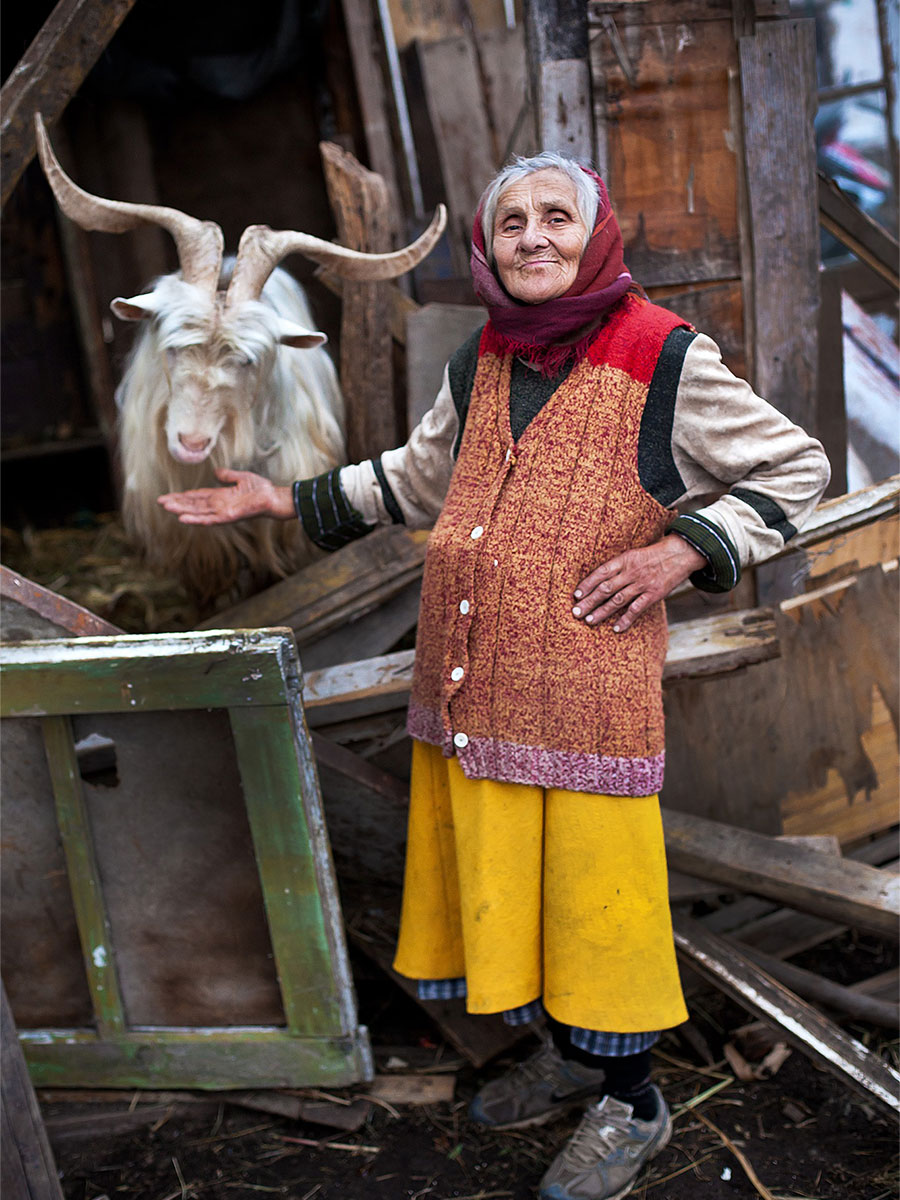
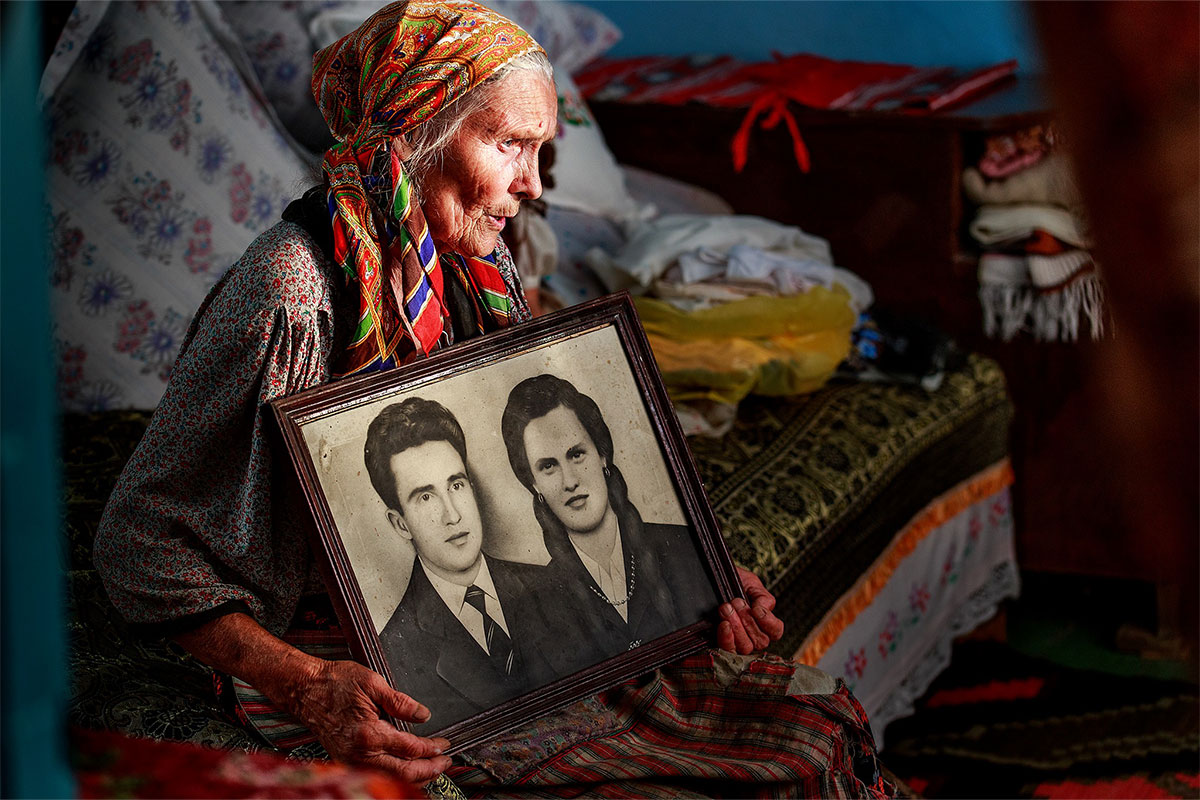
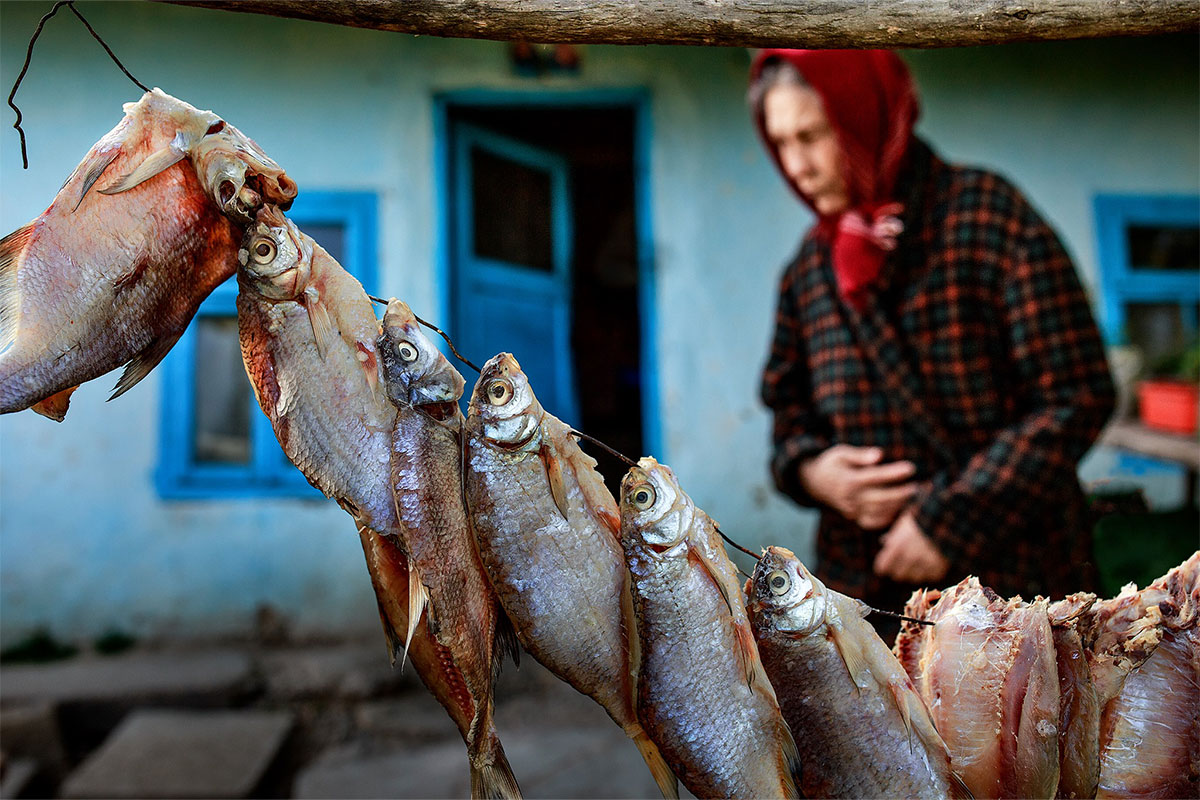
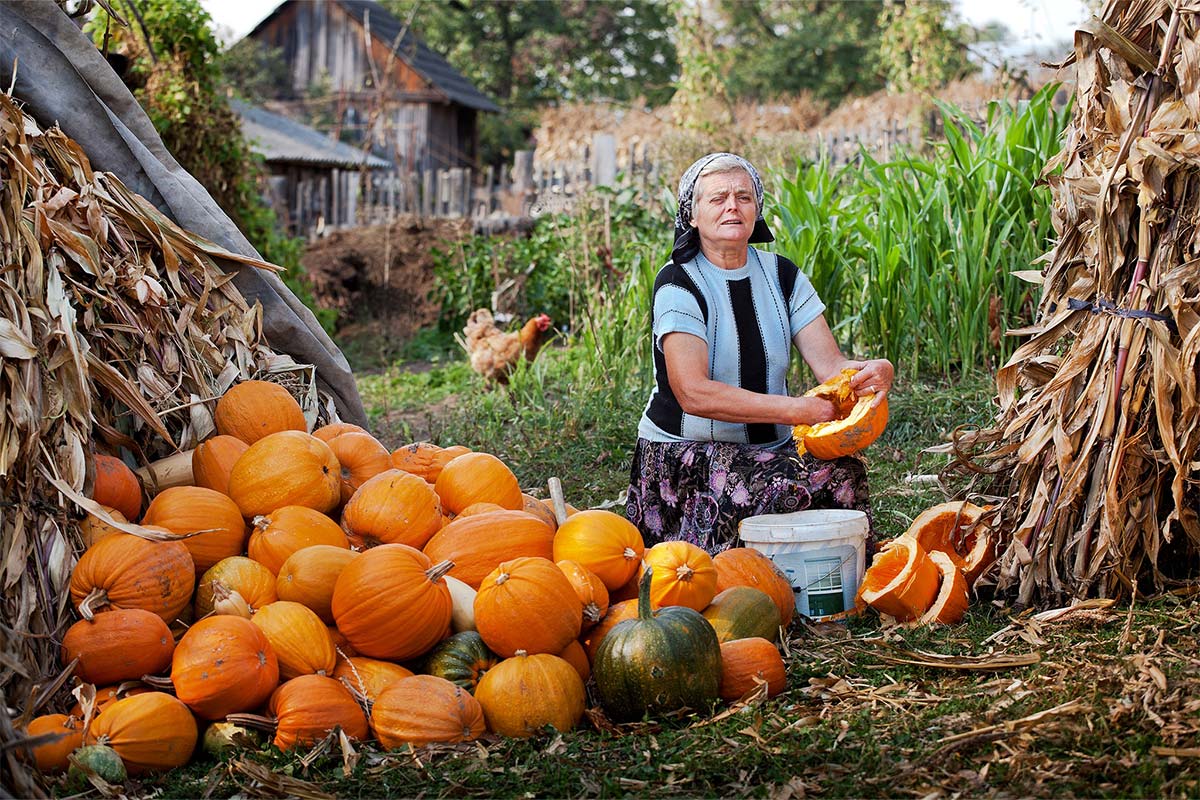
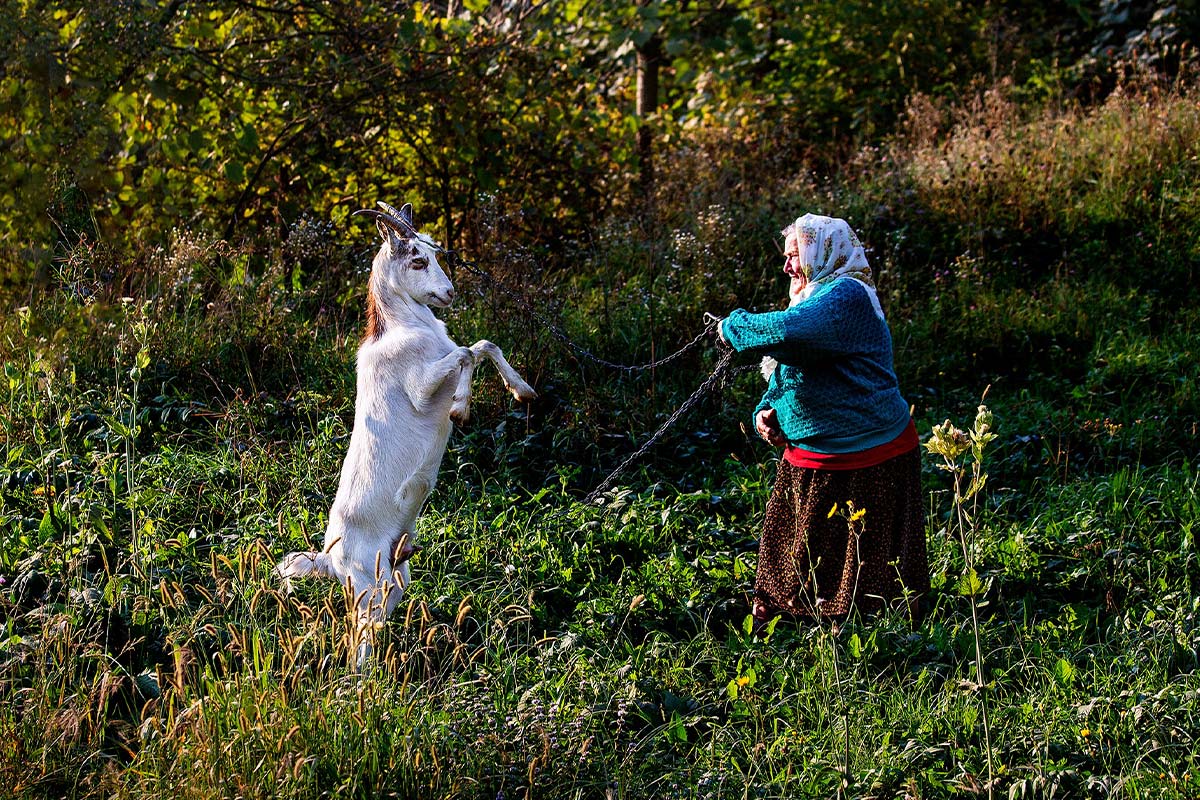
Bunica | mama tatalui sau a mamei (Father’s or mother’s mother) 🥰
(1 October 2025)
We would like to thank photographer Sorin Onisor ( Sorin Onisor ) for allowing us to use these wonderful images.
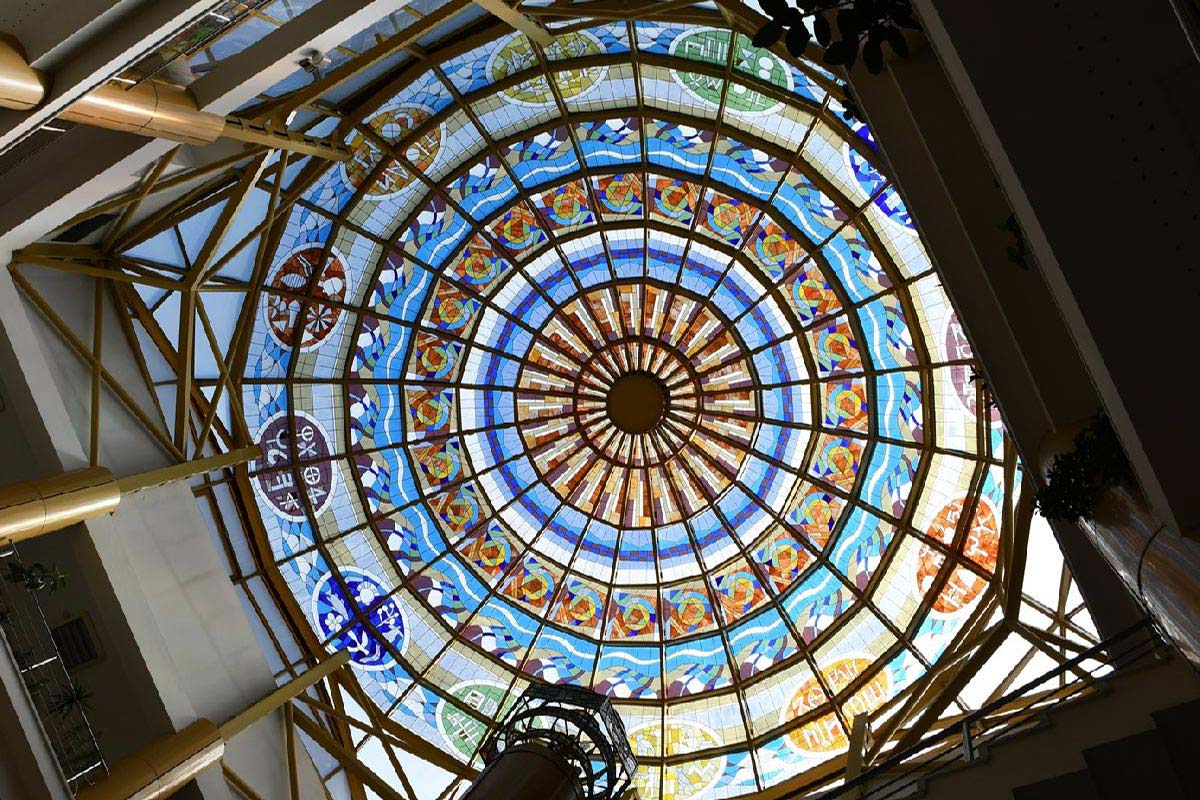
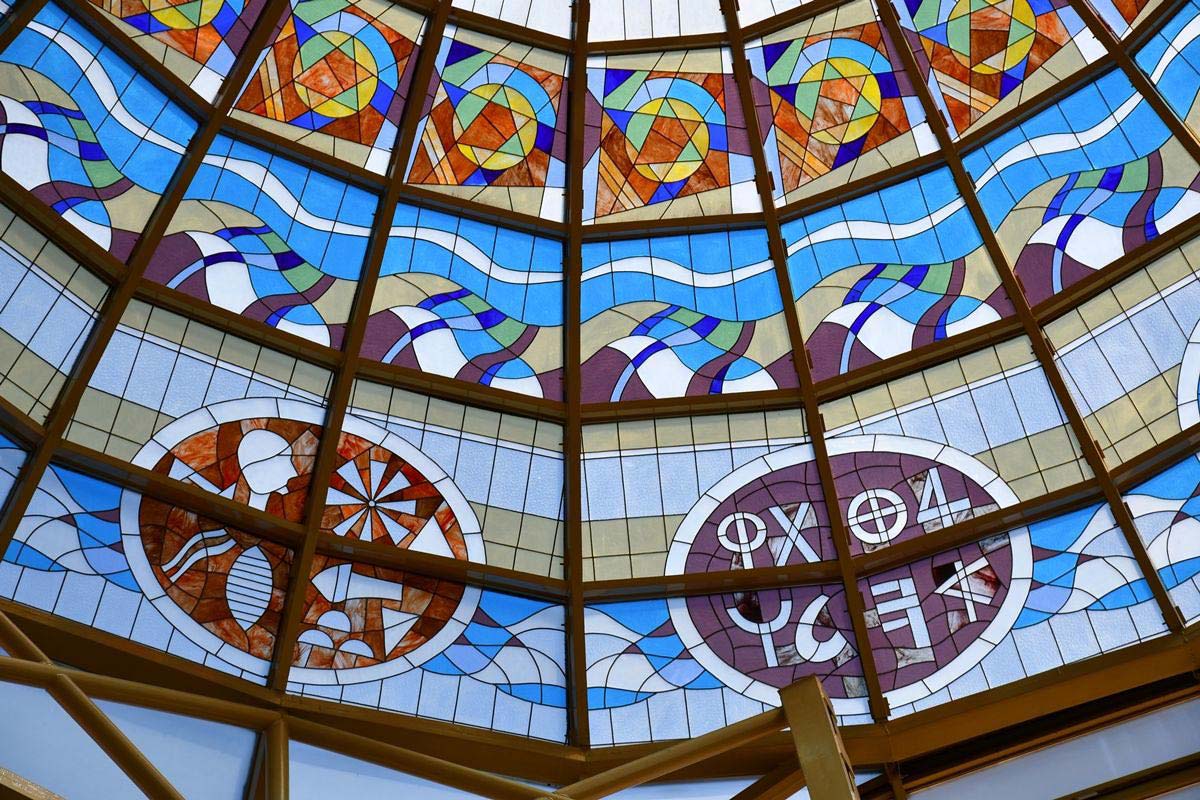
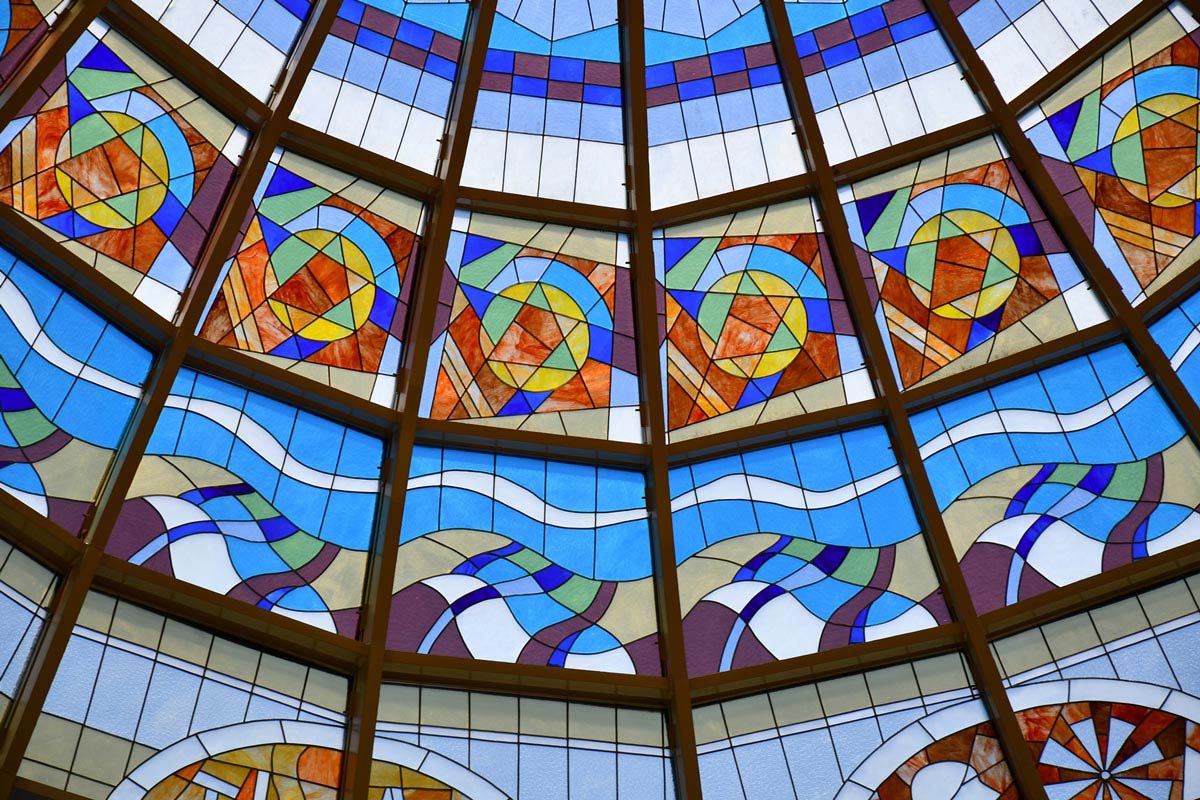
Stained glass dome of the “Antim Ivireanul” County Library
(25 September 2025)
The imposing dome consists of 168 handmade stained glass modules, which were manufactured in 2005 using traditional techniques with lead reinforcement.
The work was designed by Gheorghe Dican, vice president of the Union of Fine Artists of Romania. Covering an area of around 150 square meters, the dome depicts the creation of the world and floats about 30 meters above the base of the building.
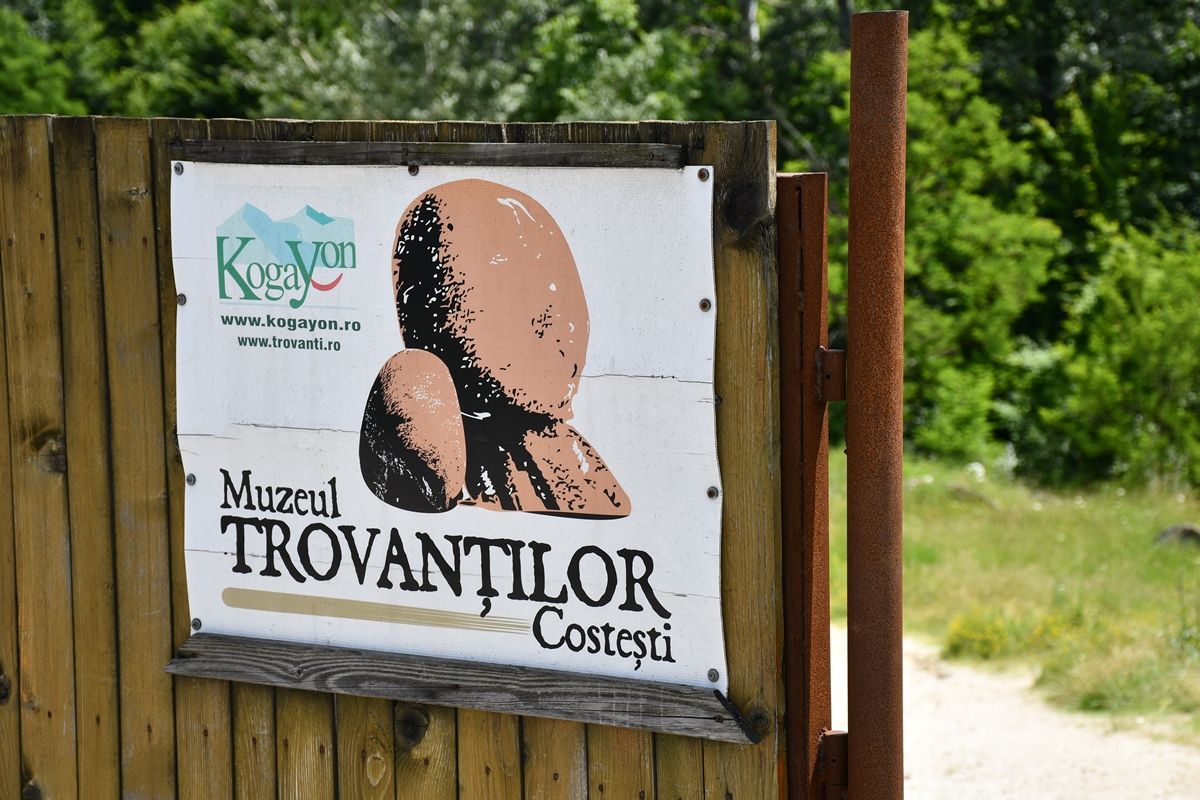
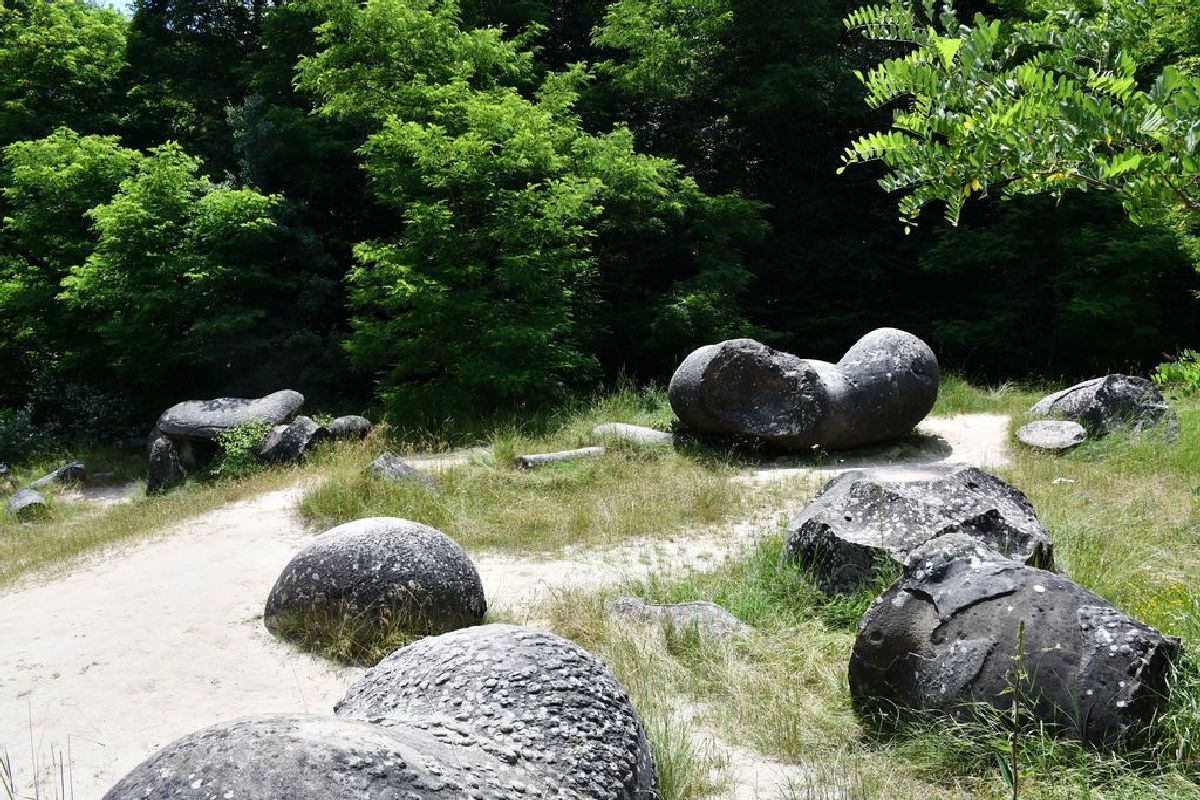
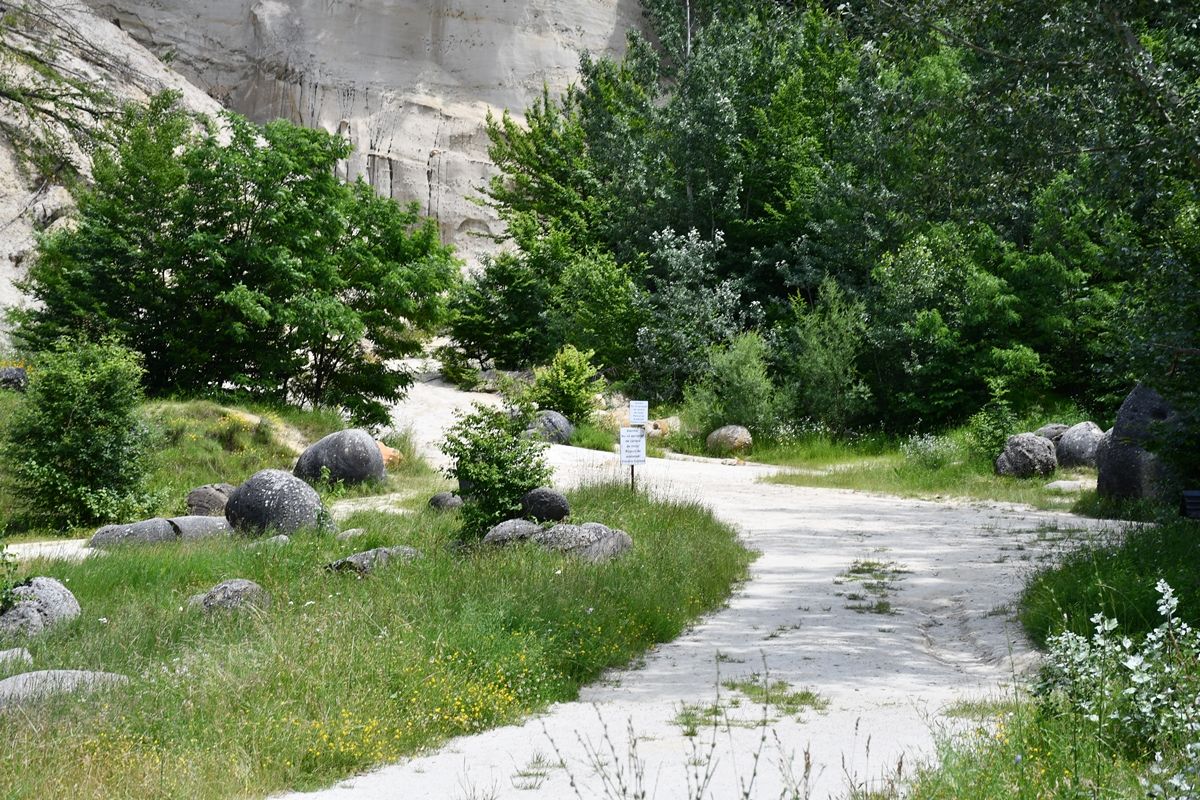
Museum of Troubadours (Muzeul Trovanților)
(23 September 2025)
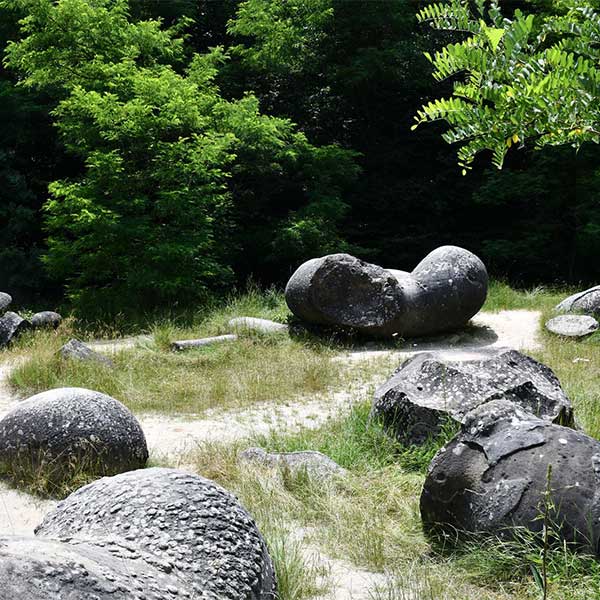
The Museum of Troubadours is a unique open-air museum in Costești, about 7 km from Horezu in Vâlcea County. The museum displays the fascinating Trovanti, unusual rock formations that can be spherical, ellipsoidal, or even shaped like a figure eight. The size of these formations varies from a few centimeters to several meters.
More information about the county of Valcea can be found at discover-valcea.com.
Hotel Hanul Vatra
(21 September 2025)
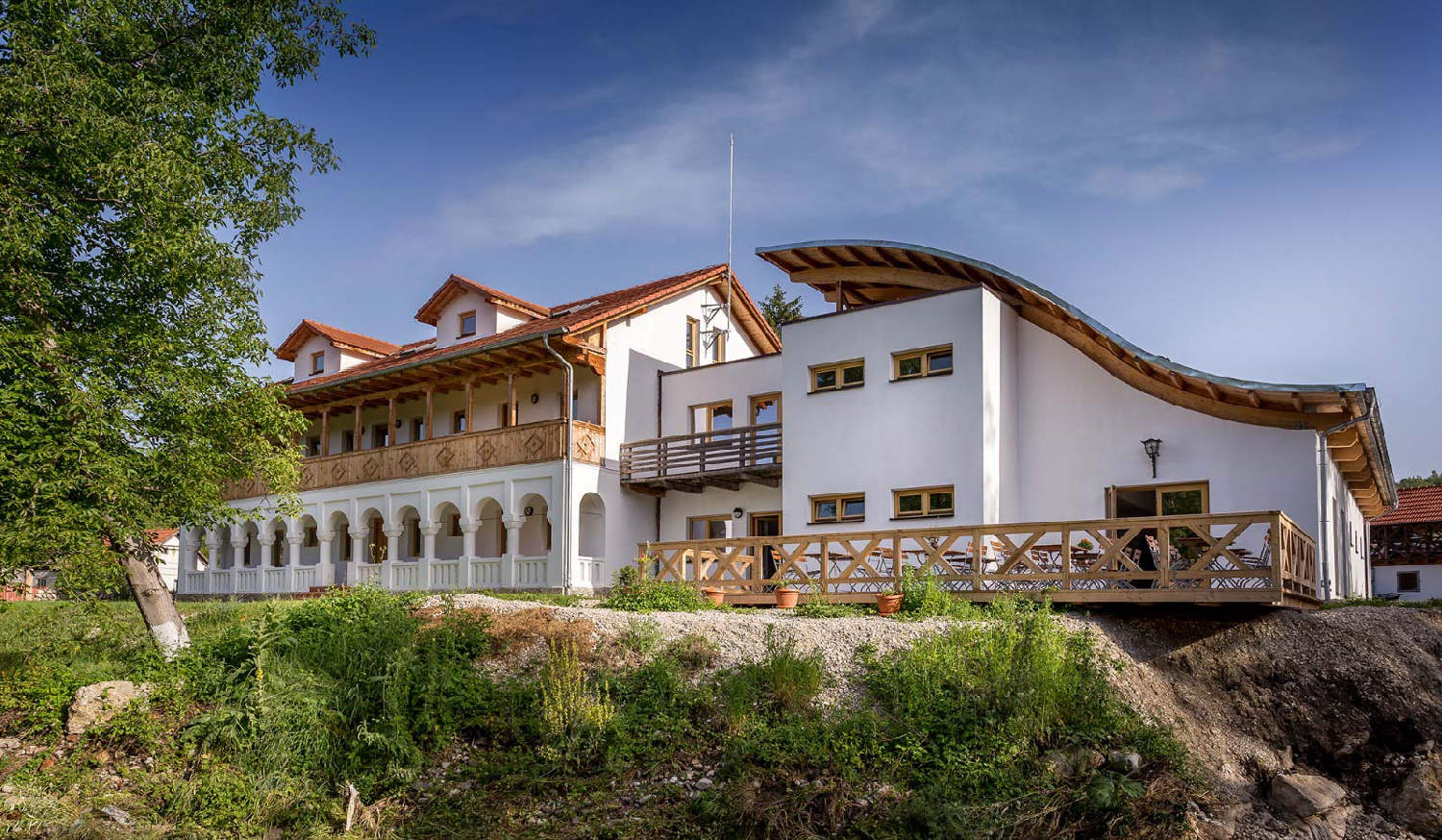
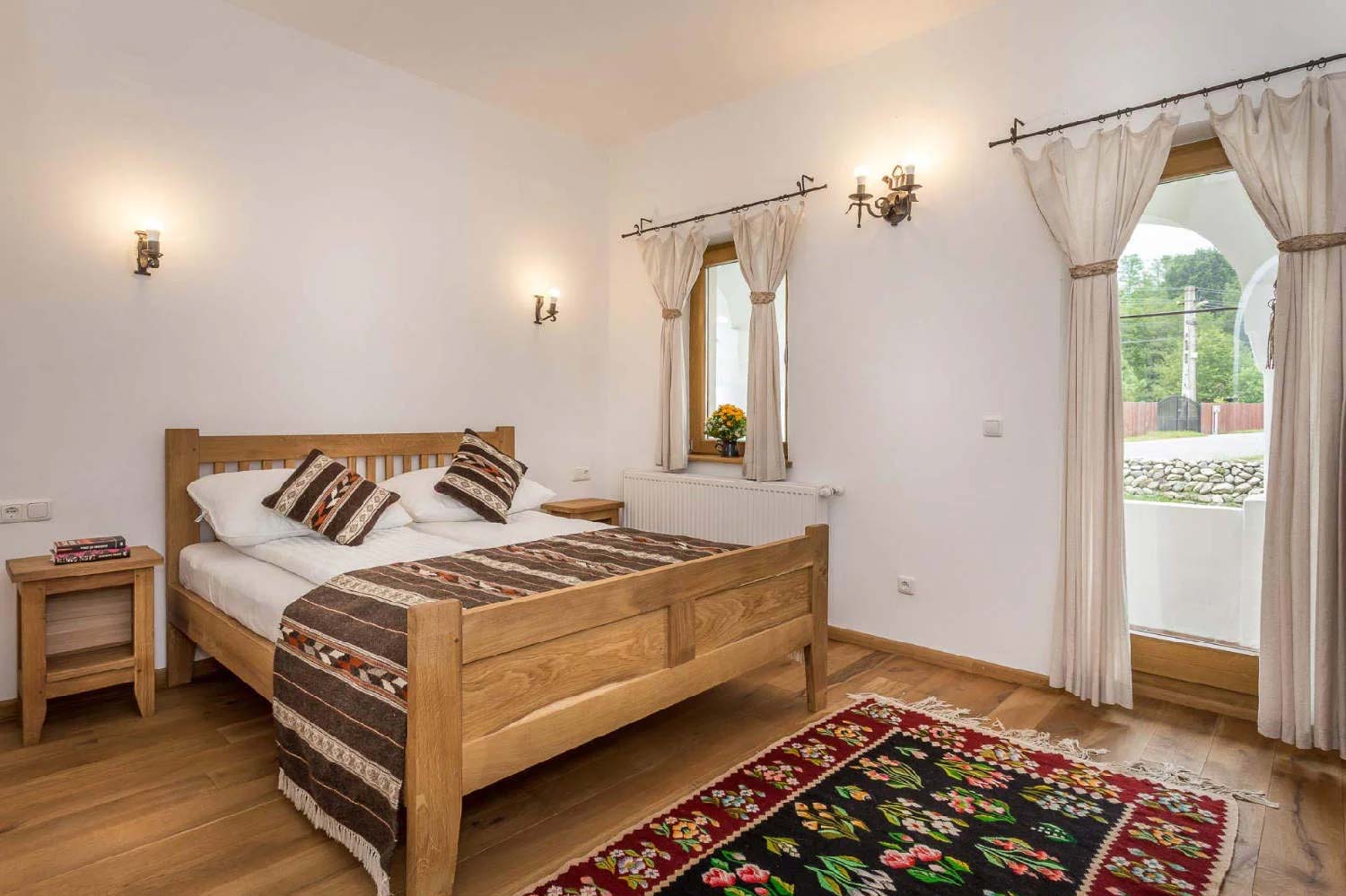
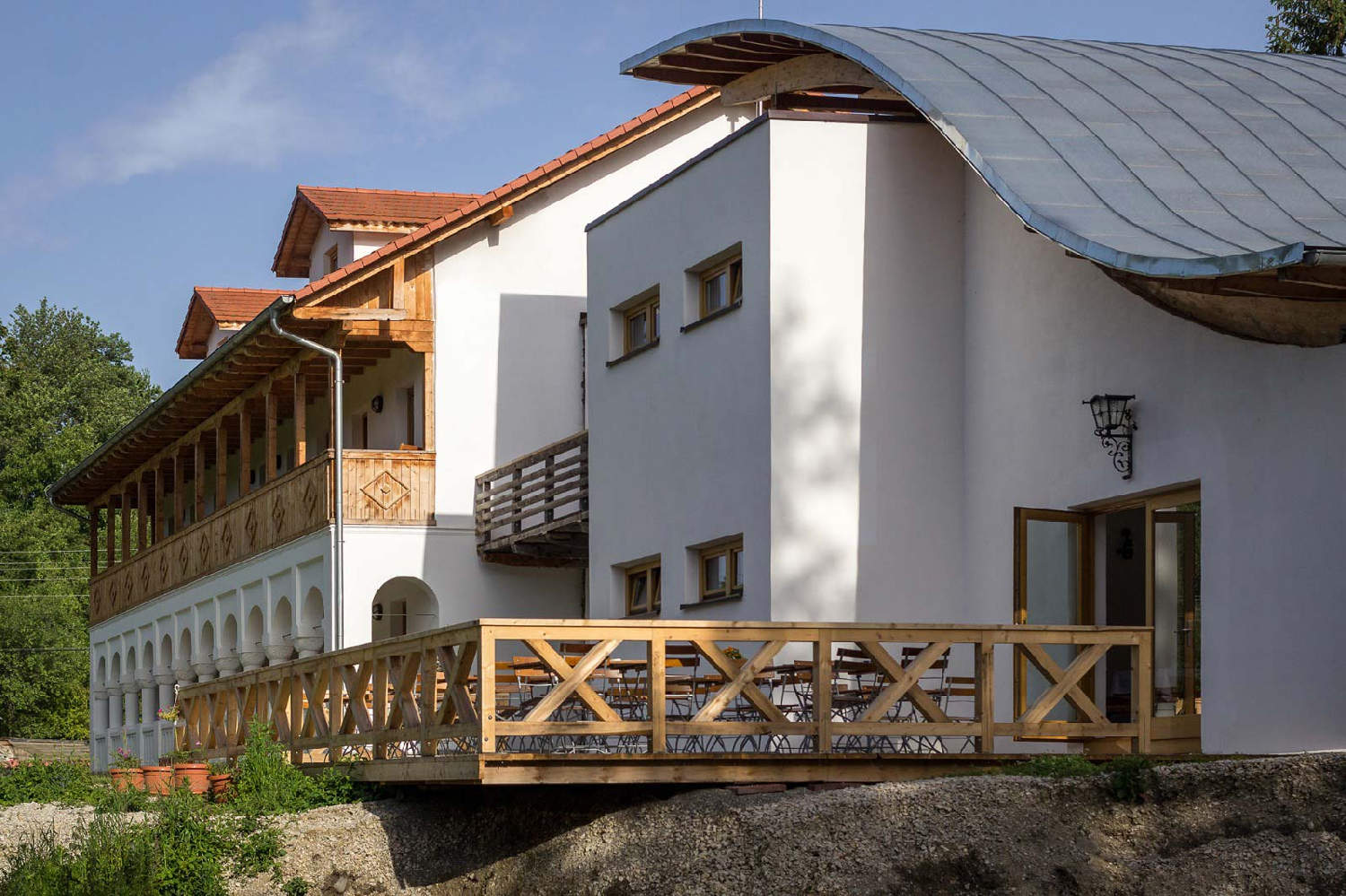
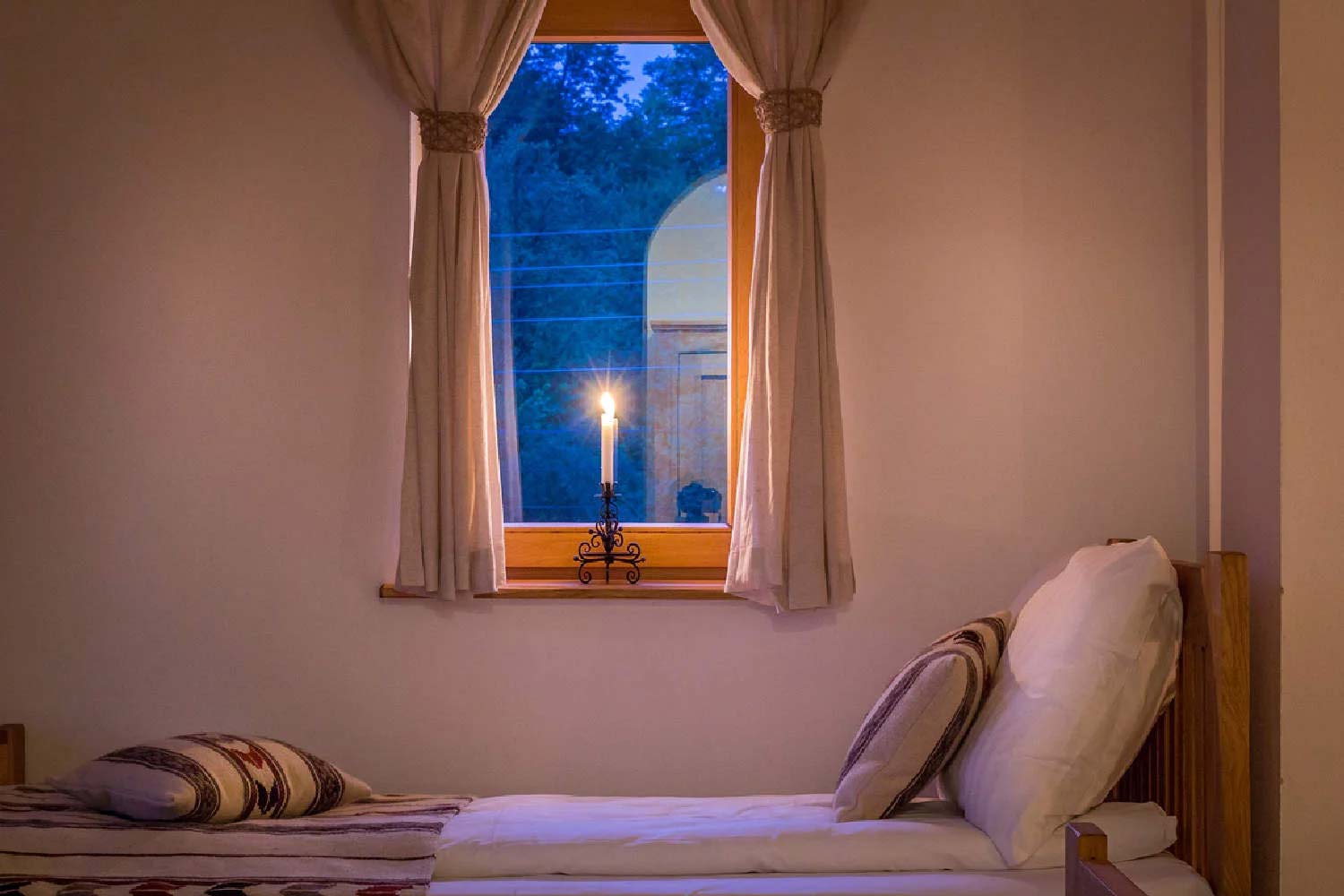
The hotel is the ideal place for a weekend in the countryside, away from the noise of the big city. For private parties, hiking with friends in the mountains, courses, team-building meetings, or simply to relax.
There are many places worth visiting nearby, such as Mănăstirea Hurezi (Horezu Monastery).
Find out more about this German-speaking host:
https://urlaub-in-rumänien.de/de/uir/das-hanul-vatra/
Learn more about the region:
https://discover-valcea.com
The Valcea Museum Village
(21 September 2025)
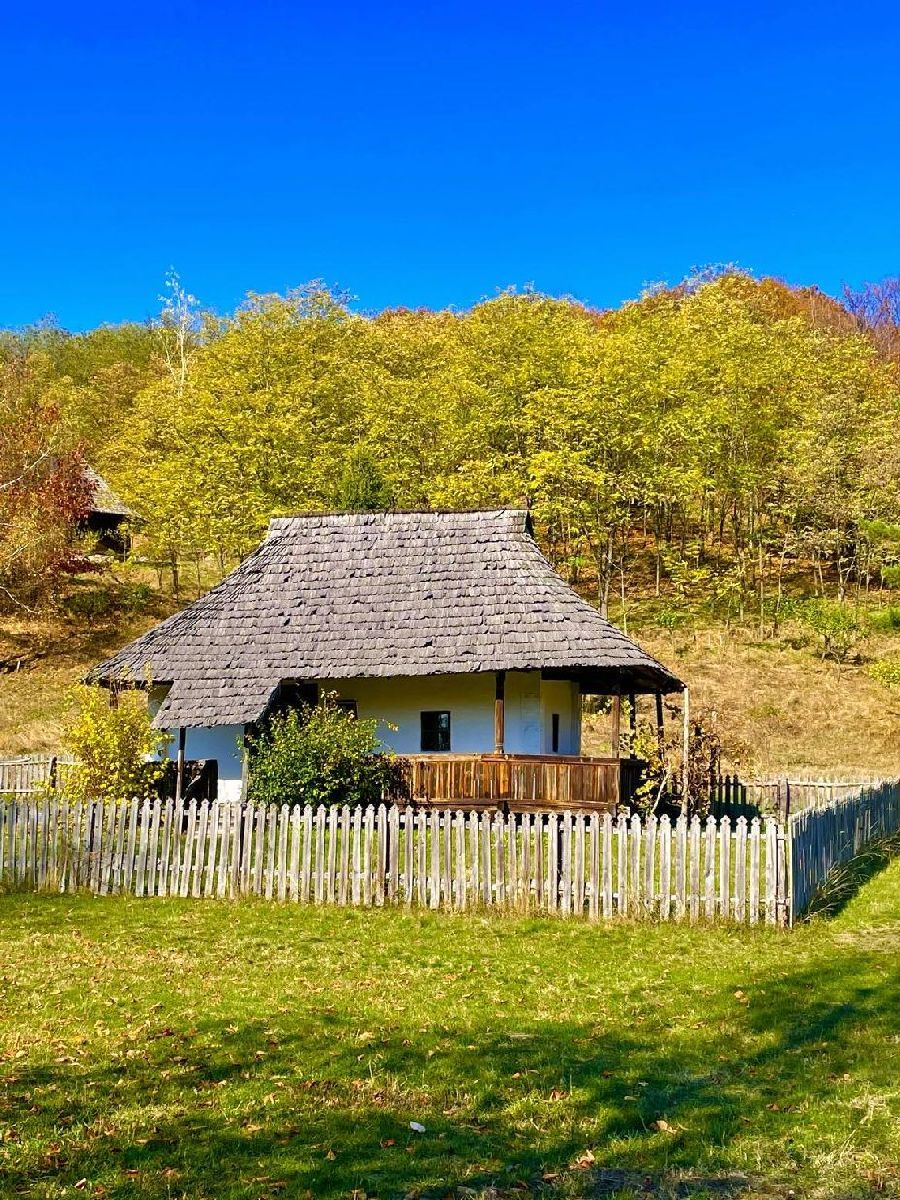
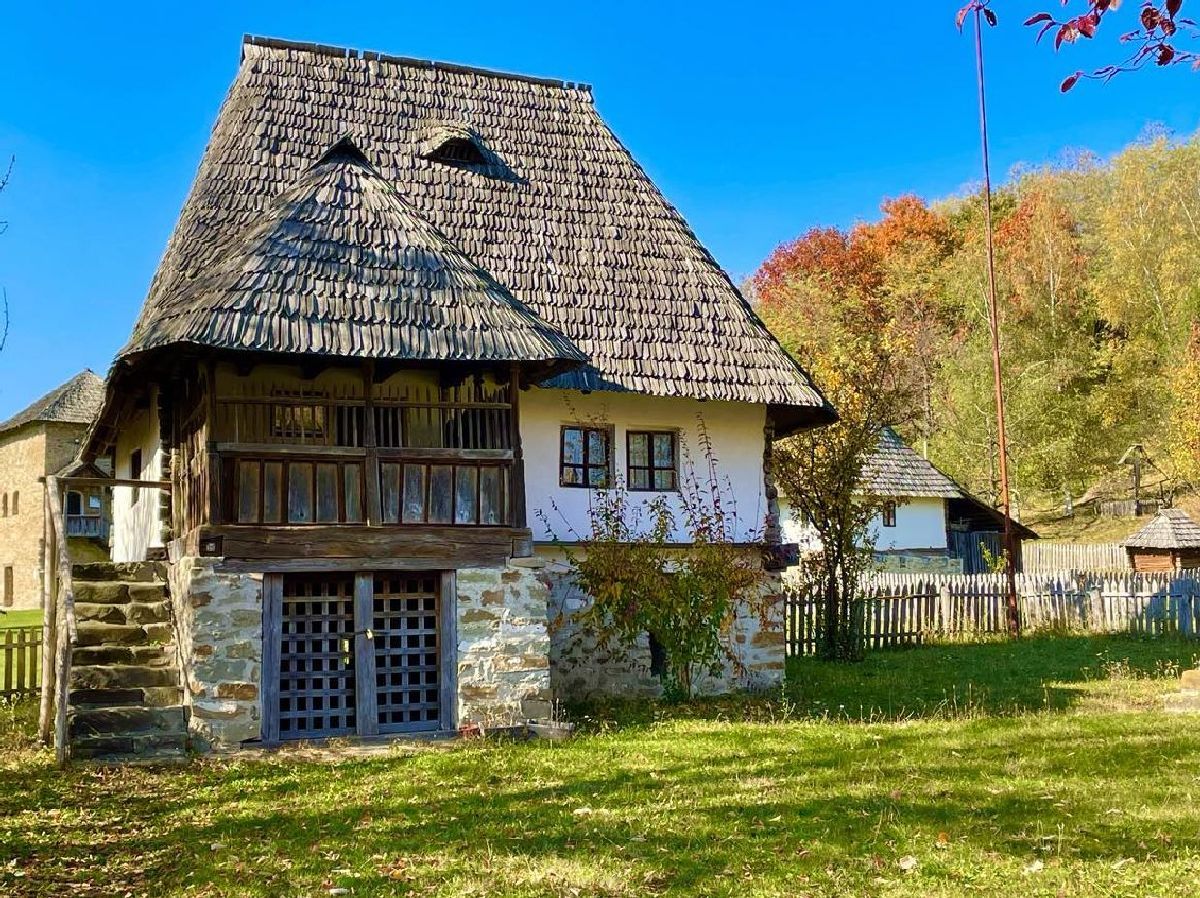
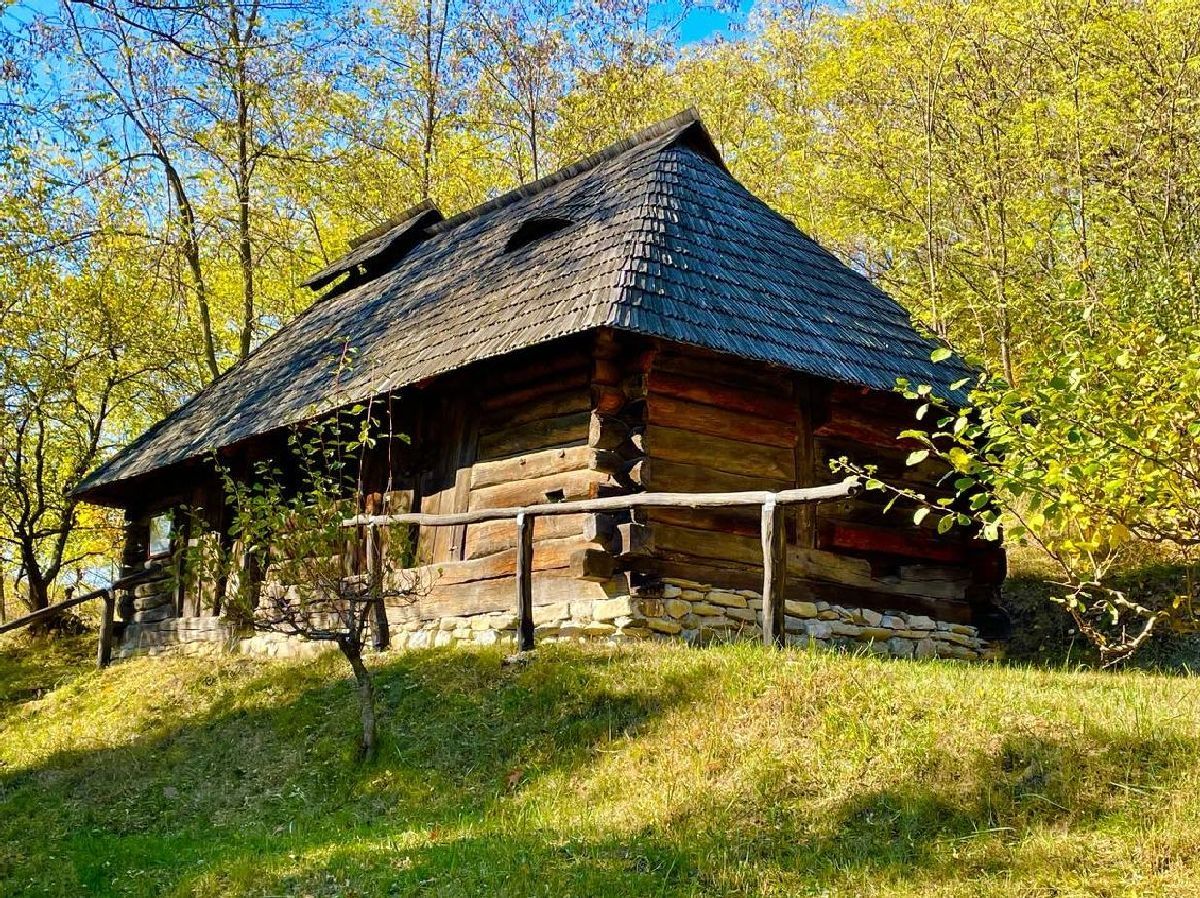
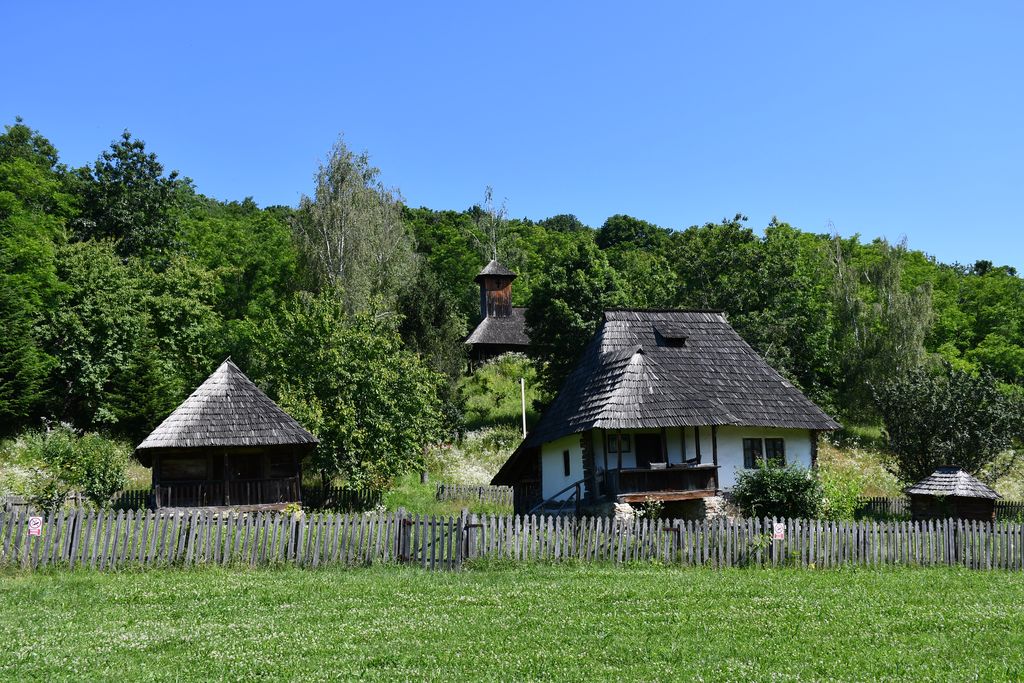
The Valcea Village Museum is an open-air ethnographic museum built on an area of 8 hectares and opened in 1974 in Bujoreni, Valcea.
Founded in 1969 and opened in 1974, the museum is located on the border between the municipality of Râmnicu Vâlcea and the urban municipality. Covering an area of 8 hectares, the village museum (with almost 80 architectural structures and around 12,000 museum pieces) reconstructs the functional image of a traditional rural settlement with all its socio-cultural institutions.
More information about Valcea County at discover-valcea.com
Râmnicu Vâlcea
(19 September 2025)
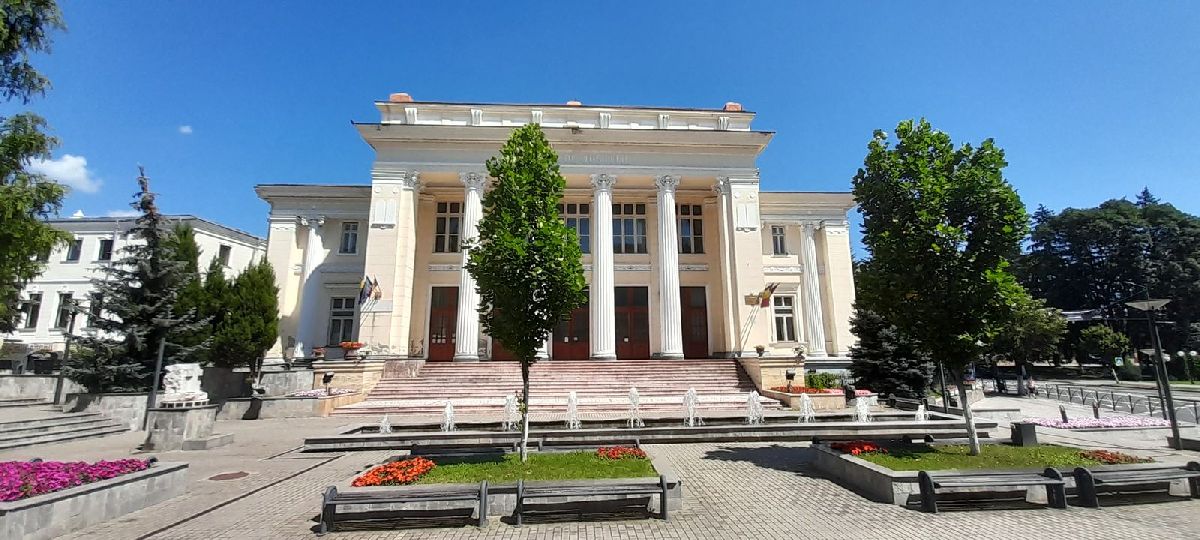
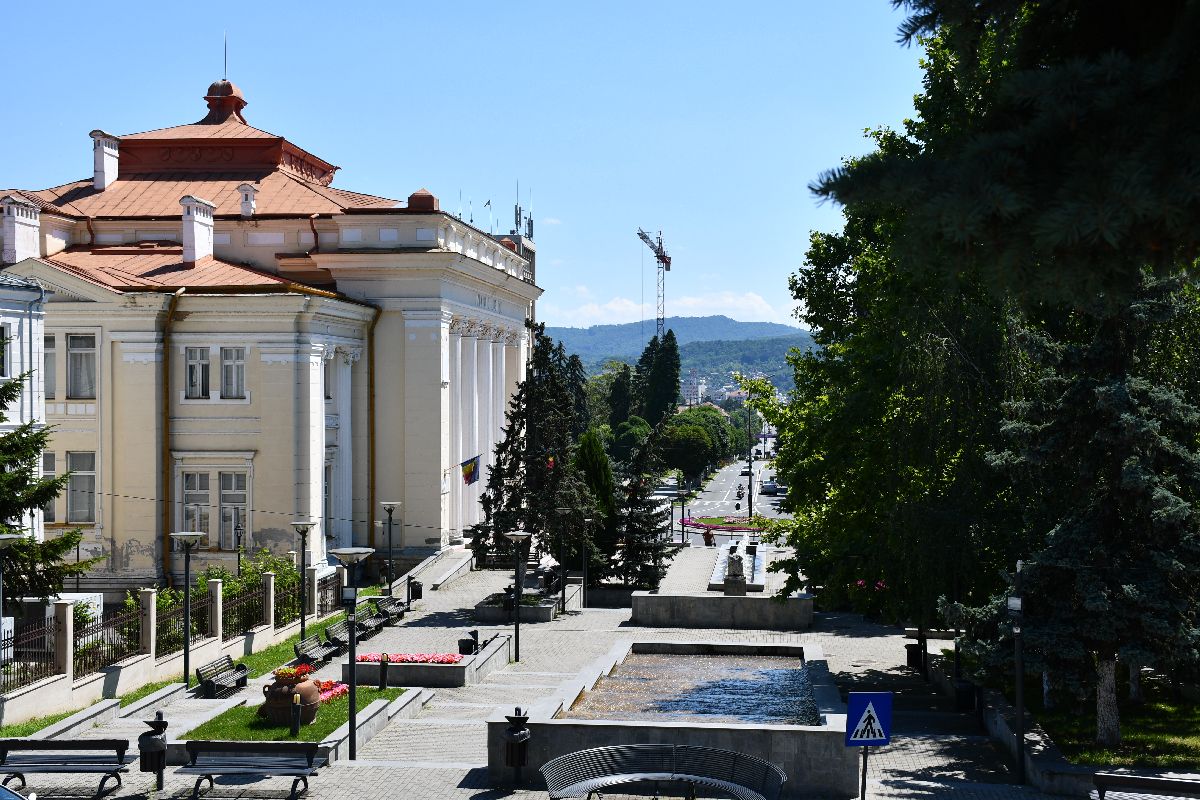
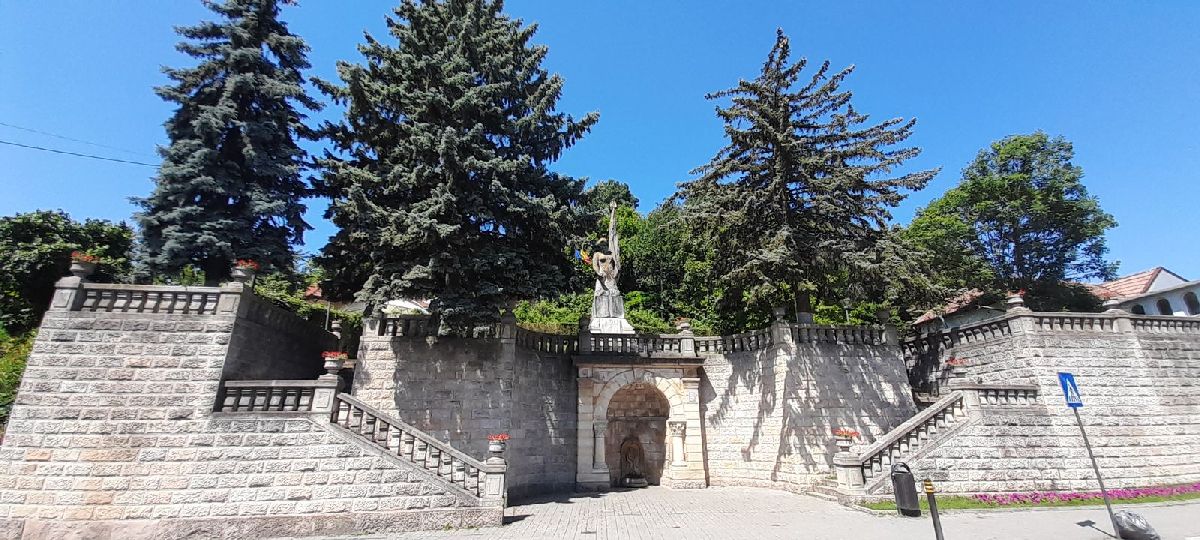
Râmnicu Vâlcea is the capital of Vâlcea County. The city is one of the oldest permanently settled places in the country and is located about 110 miles from Bucharest. Well-known monasteries such as Cozia Monastery and Hurezi Monastery are located in the surrounding area. Râmnicu Vâlcea also offers scenic surroundings.
More information about Valcea County at discover-valcea.com
Ocnele Mari Salt Mine
(18 September 2025)
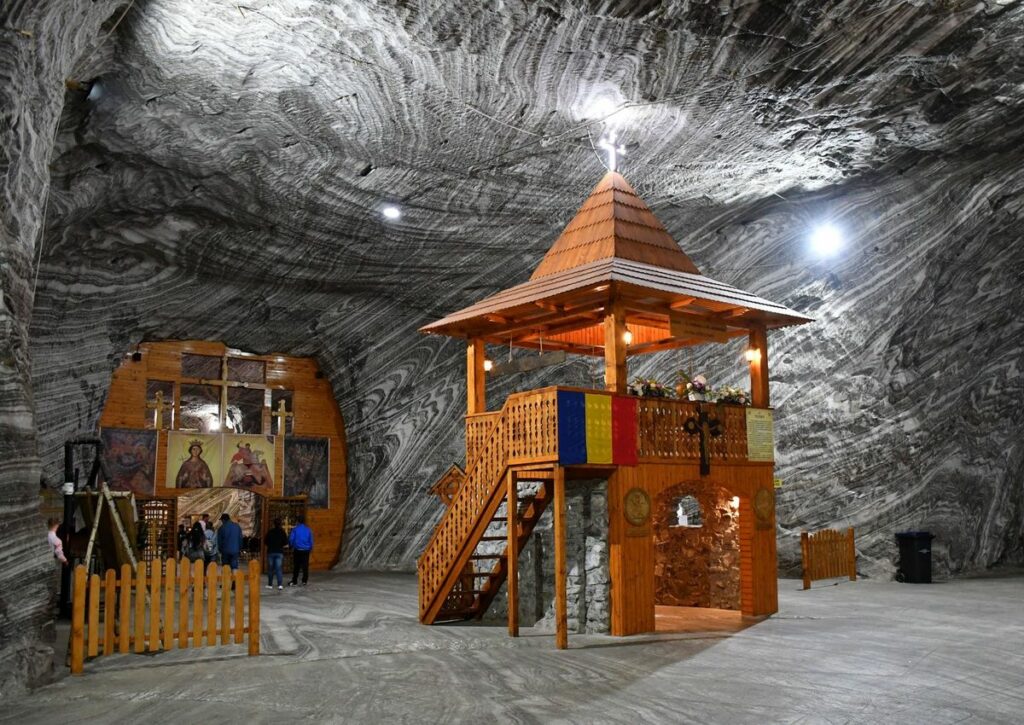
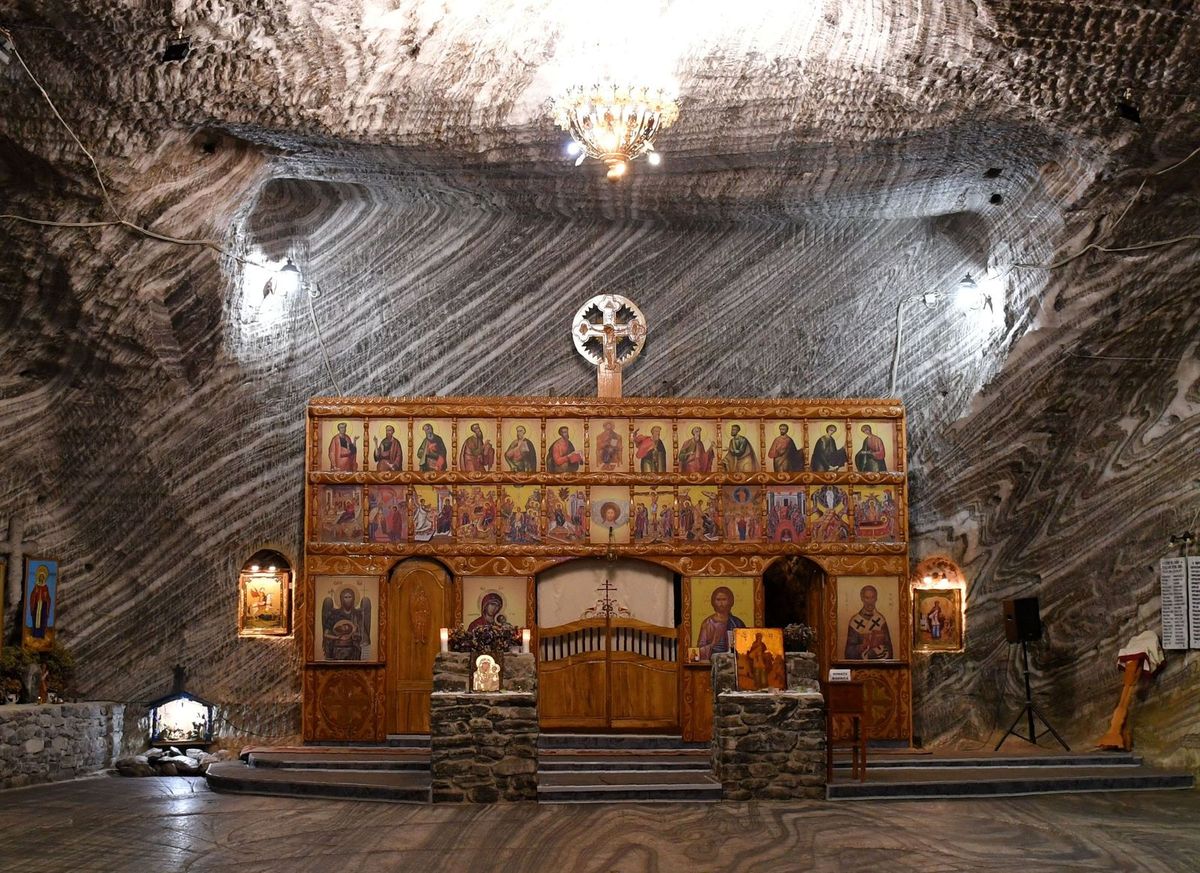
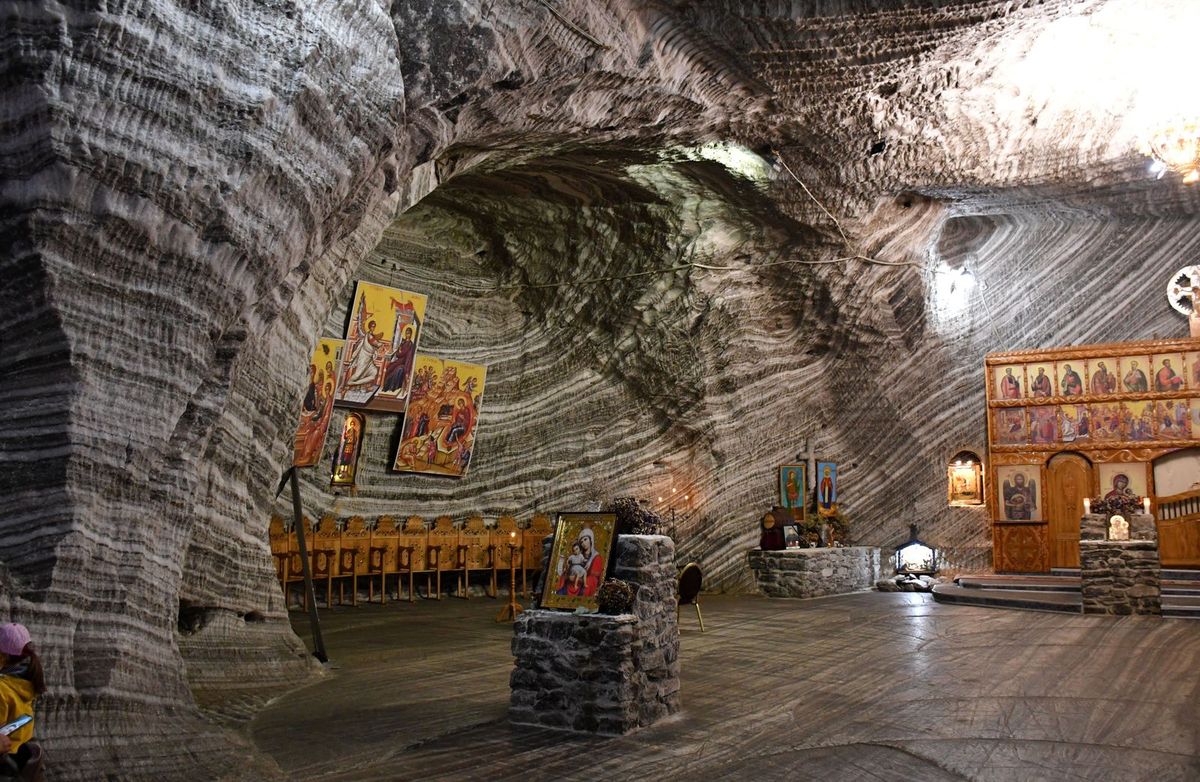
The Ocnele Mari Salt Mine is located in the town of the same name, 8 km from Râmnicu Vâlcea, in a picturesque region near the Olt Valley with a tradition of spa and religious tourism. Since 2009, part of the mine has been open to visitors, who are taken inside every 30 minutes by minibus (travel time approx. 10 minutes). The mine has a constant microclimate with temperatures of 13-15 °C and 50% humidity. Salt mining has a long history here, dating back to the Neolithic period. Particularly worth seeing is Romania’s largest underground church, dedicated to Saint Varvara and Saint George.
More information about Valcea County at discover-valcea.com
Horezu Monastery (Romanian: Mănăstirea Hurezi)
(16 September 2025)
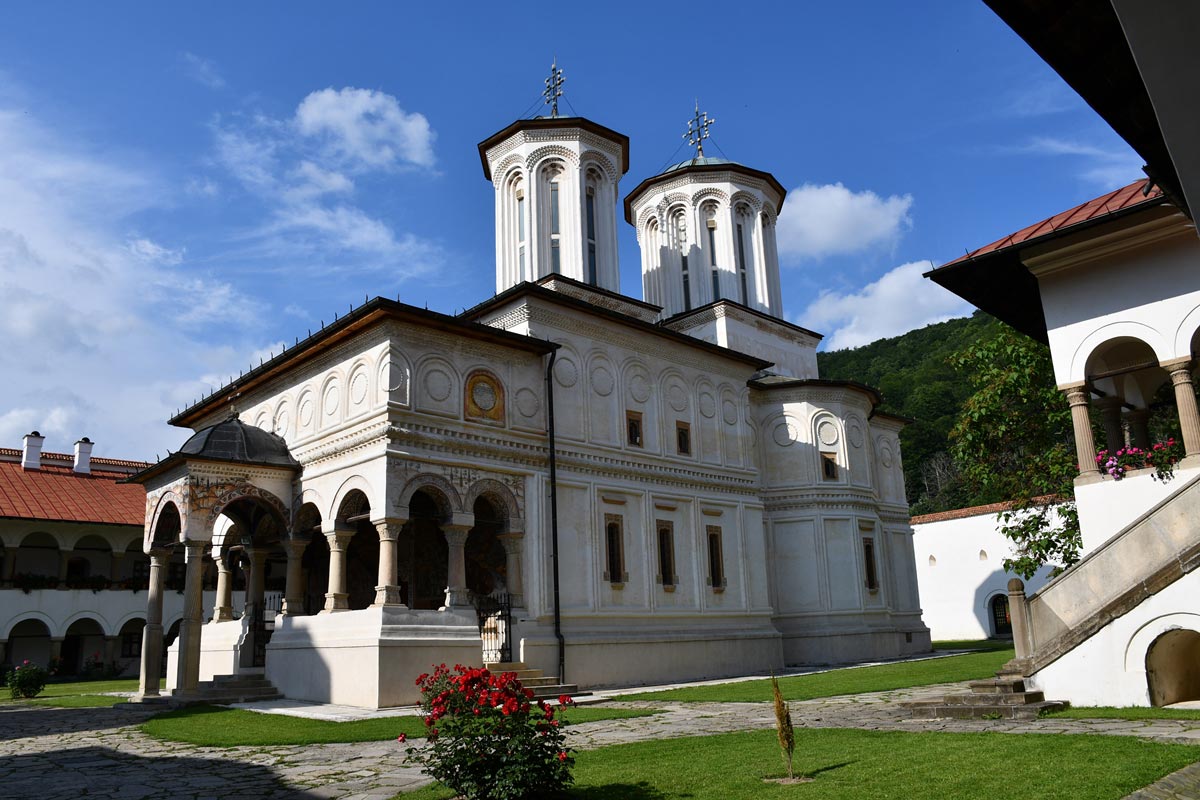
The Romanian Orthodox Hurezi Monastery is located north of the small town of Horezu, at the foot of the Muntii Capatanii in the Carpathian Mountains. It was founded in 1692 by Prince Constantin Brâncoveanu and completed in 1709. Originally a monastery for men, nuns have lived there since 1862.
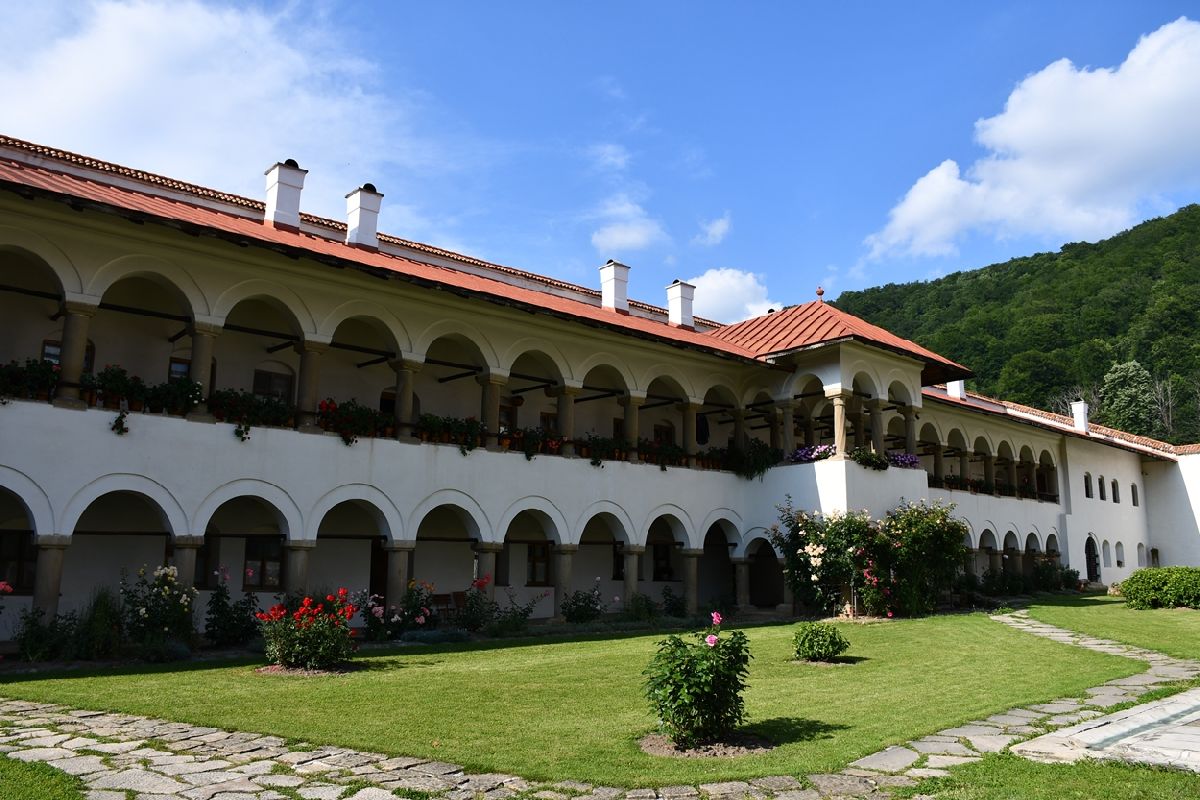
The complex is located on a hill and is surrounded by two fortification walls. Access is through a bell tower in the south. The main church, “Sfintii Imparati Constantin si Elena,” is cruciform, 32 meters long, 14 meters high, and features a magnificent linden wood iconostasis with gold decoration. On the west side is a square chapel with an octagonal tower, whose frescoes date from 1705–1706 and are still well preserved. The monastery is a listed building and has been restored several times since 1827.
More information about Valcea County at discover-valcea.com
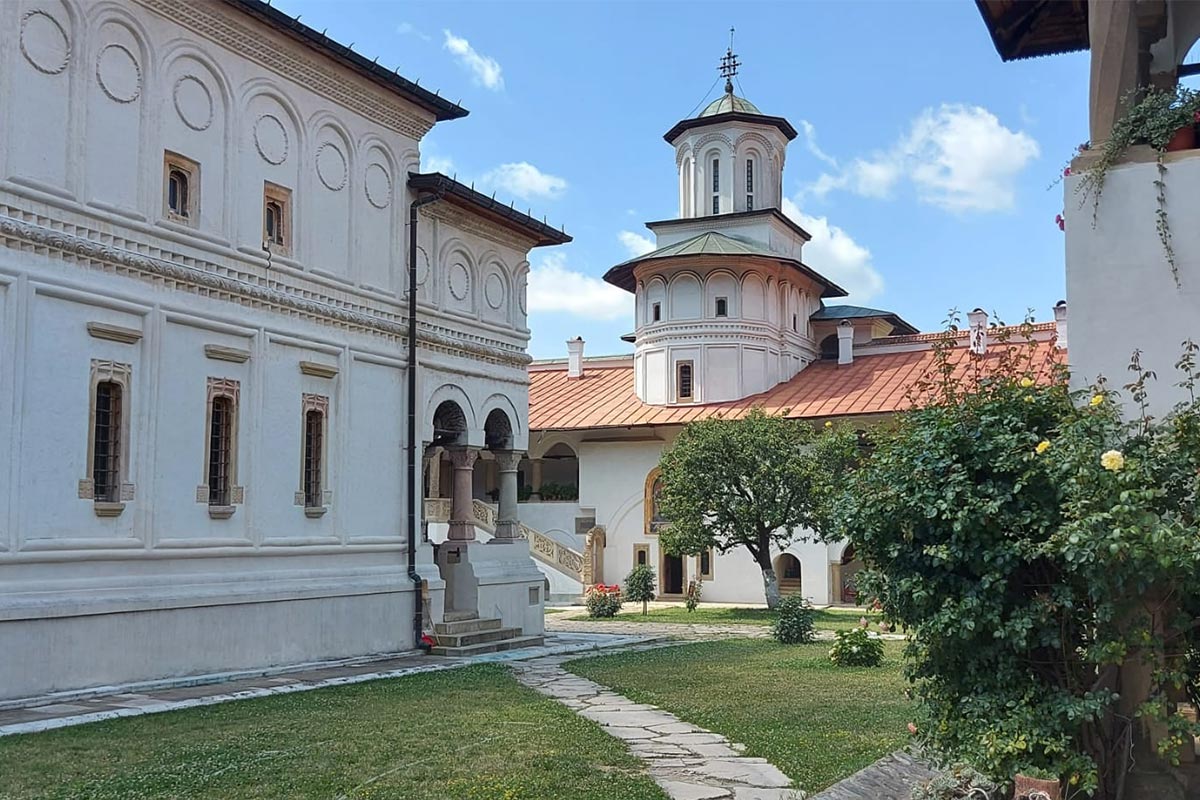
The district of Vâlcea offers a unique blend of recreation and culture
(15 September 2025)
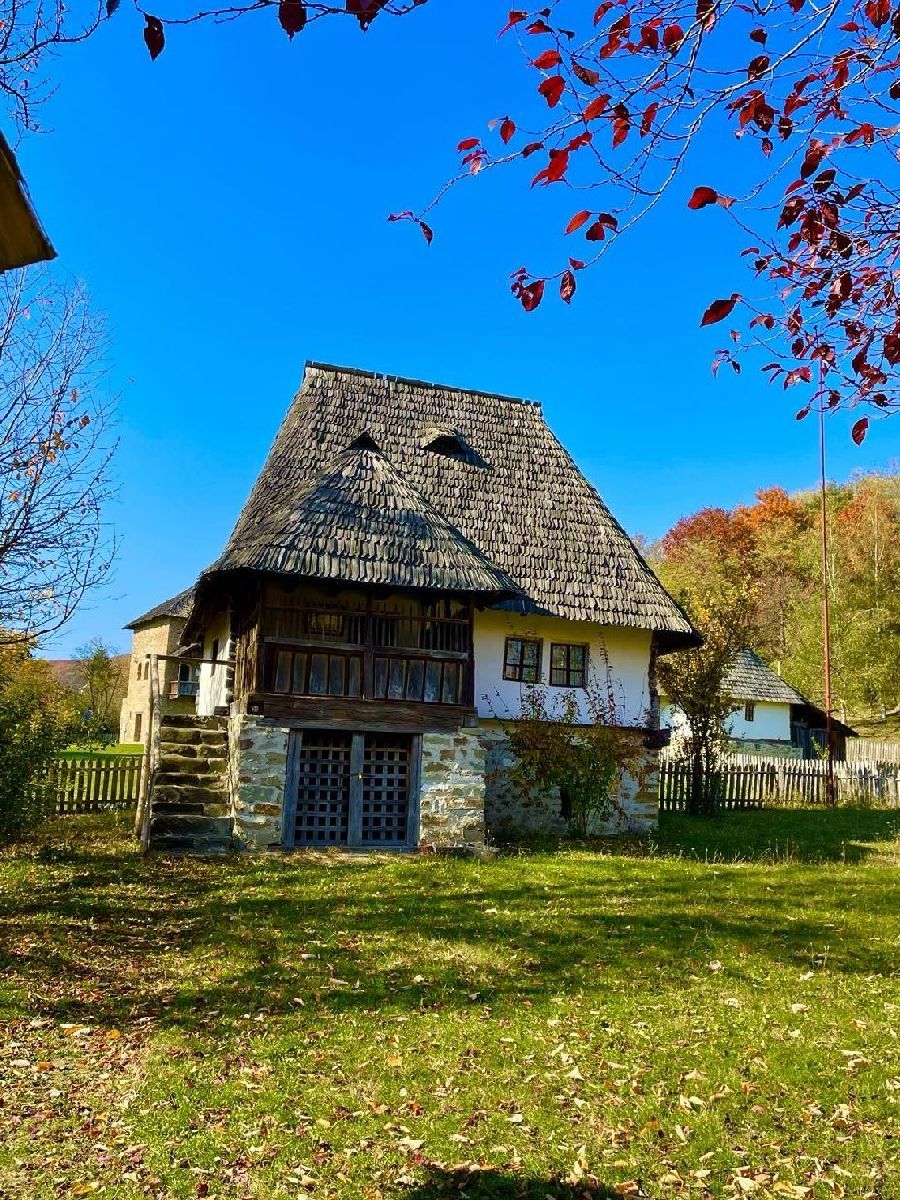
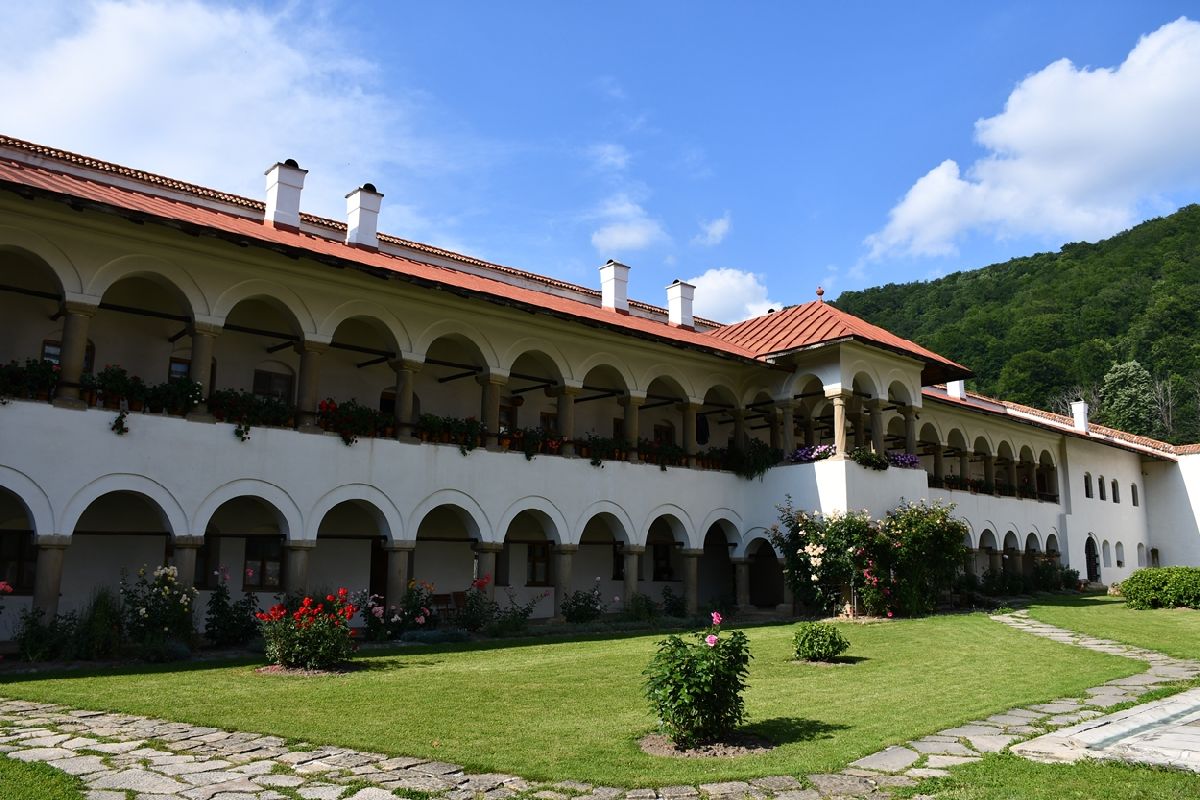
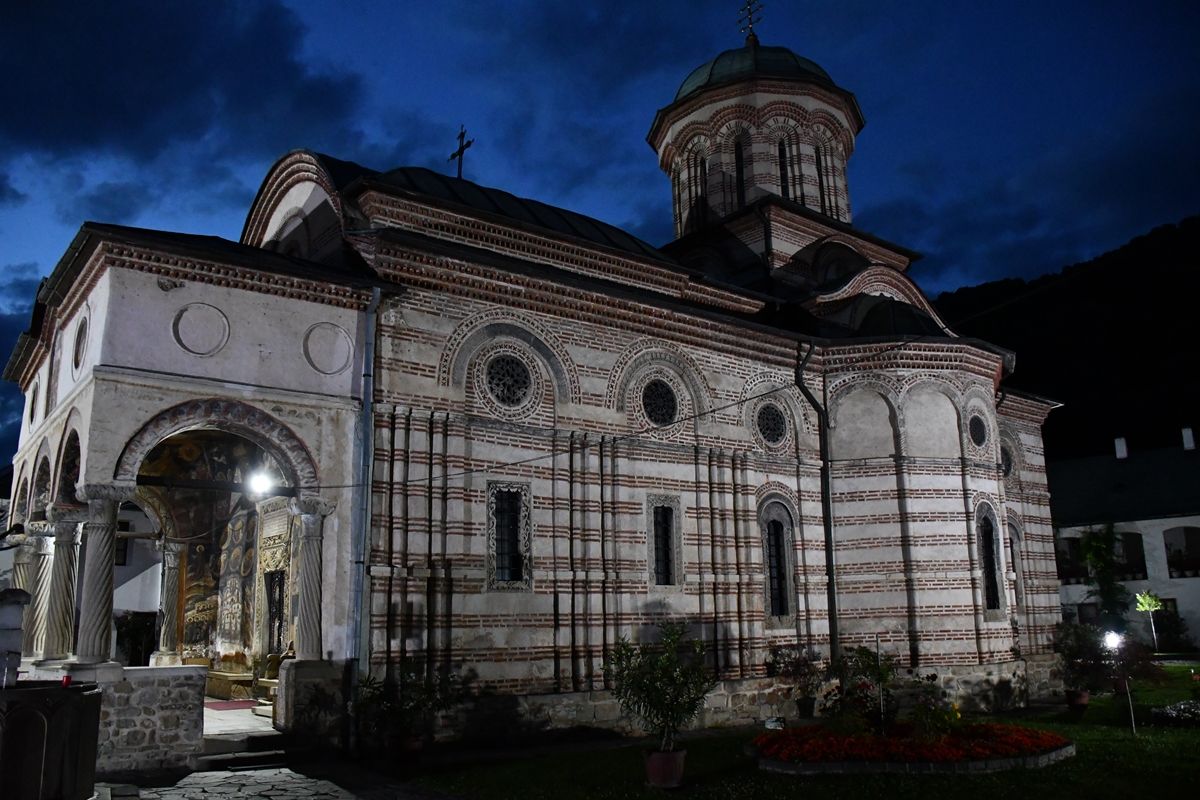
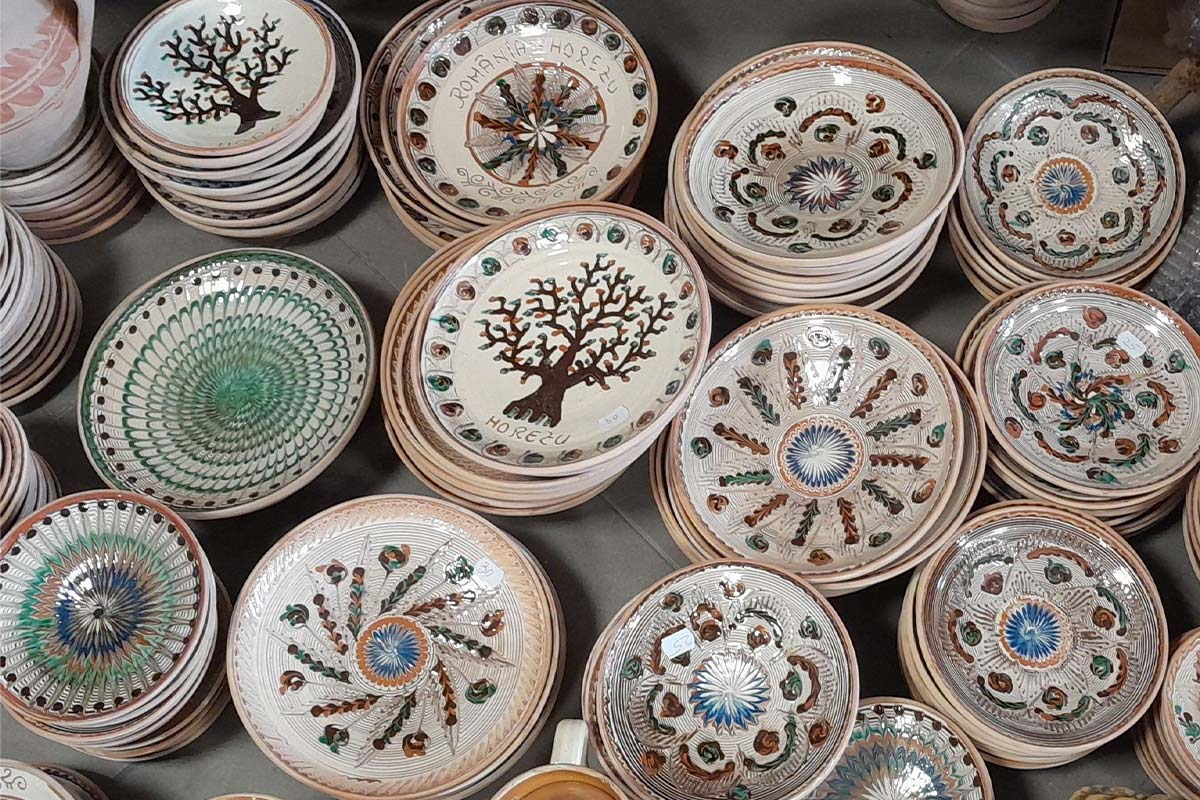
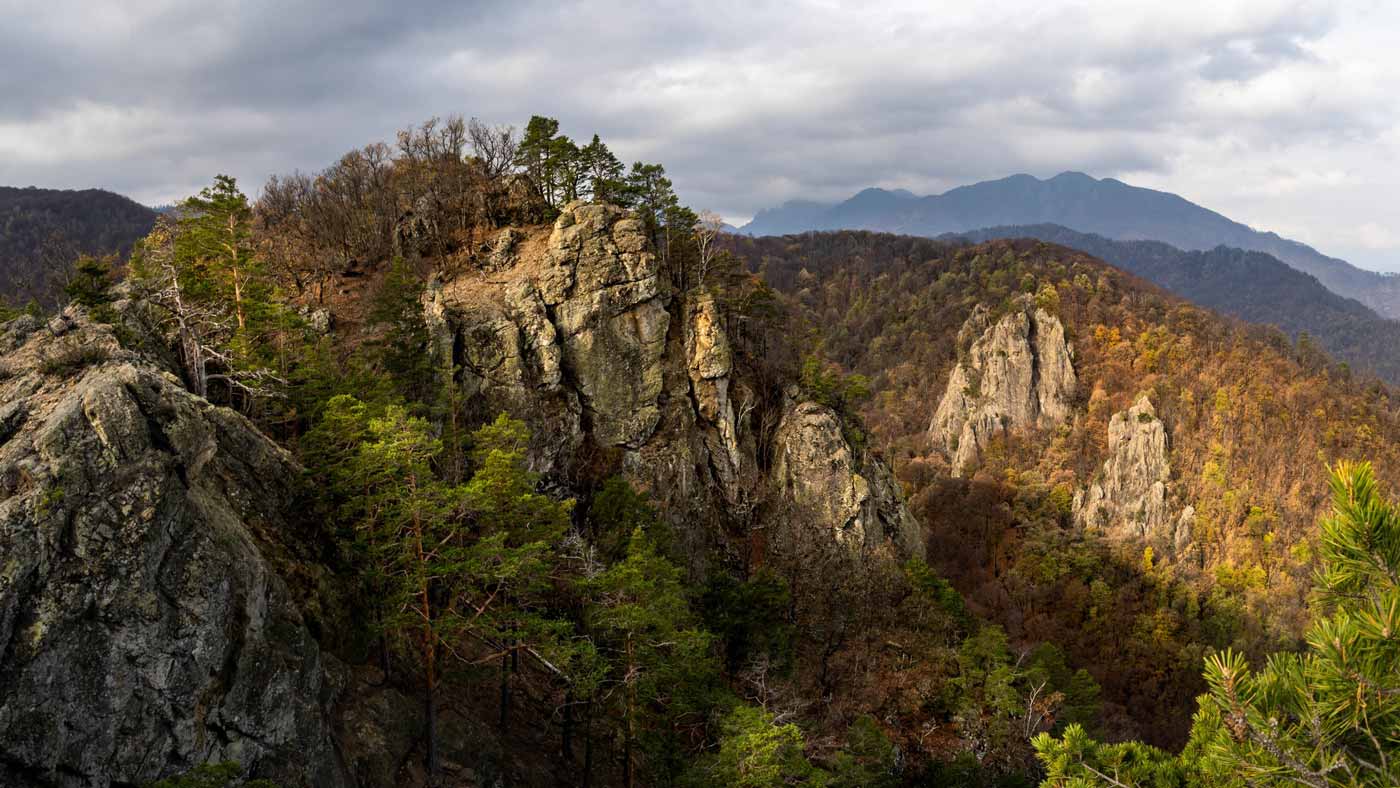
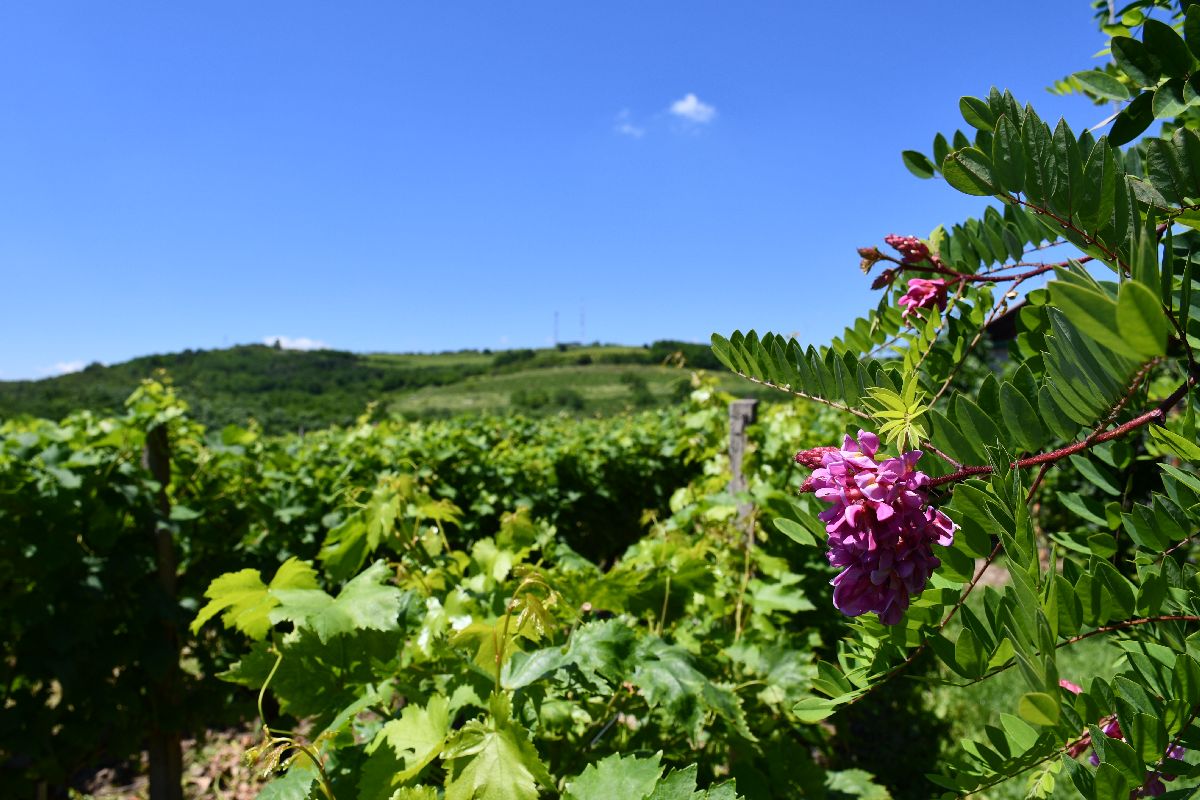
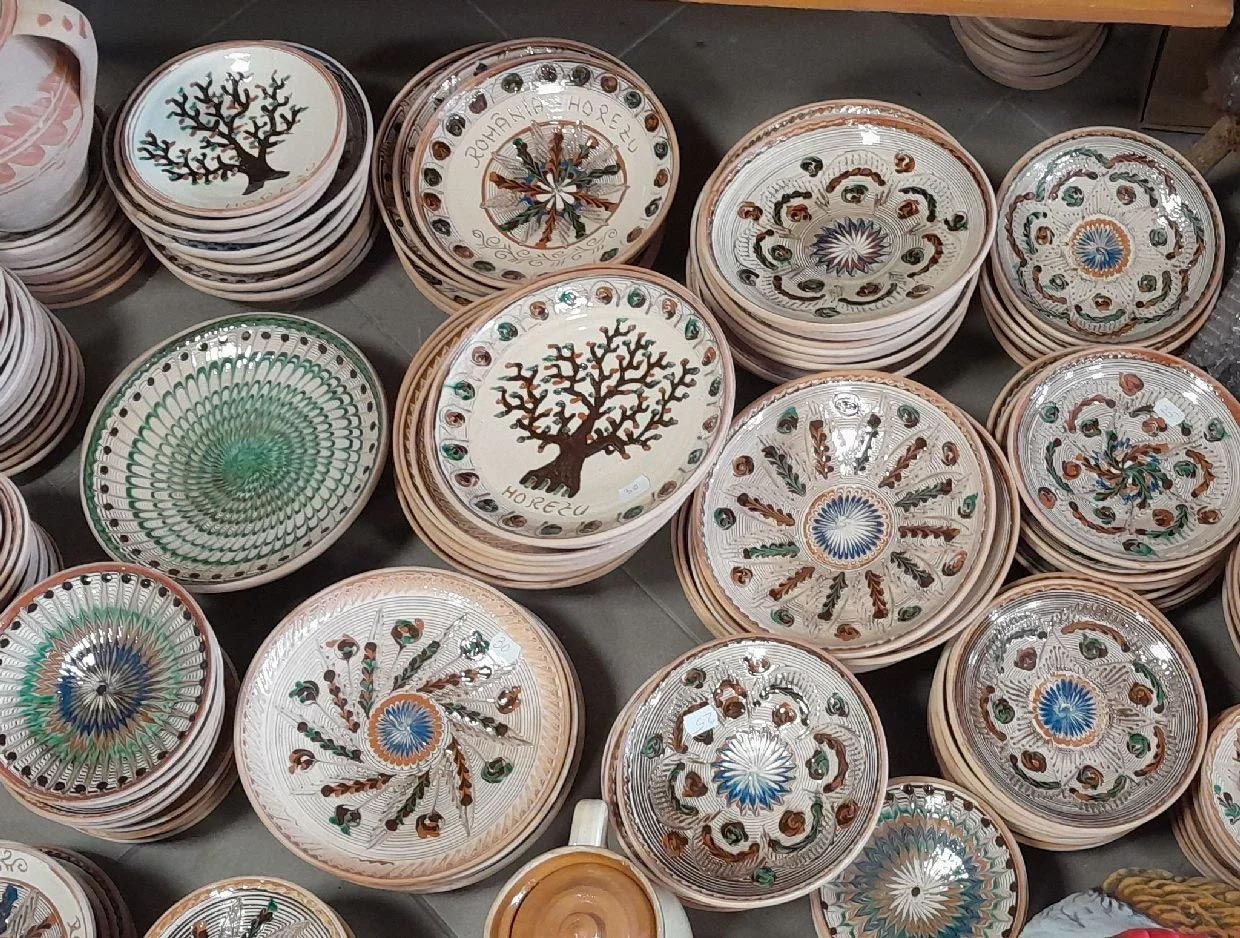
The region is home to the open-air ethnographic museum in Bujoreni. The historic Cozia Monastery and Hurezi Monastery bear witness to centuries of tradition. Vâlcea is the home of Horezu ceramics, which were designated a UNESCO World Heritage Site in 2012. Cozia National Park, Buila-Vânturarița National Park, and the spectacular Transalpina invite nature lovers to explore, while the Drăgășani wine region delights with excellent local wines. Perfect for anyone who wants to experience culture, nature, and traditions in one region.
Valcea Wine Route – Wine region in Dragasani
(15 September 2025)
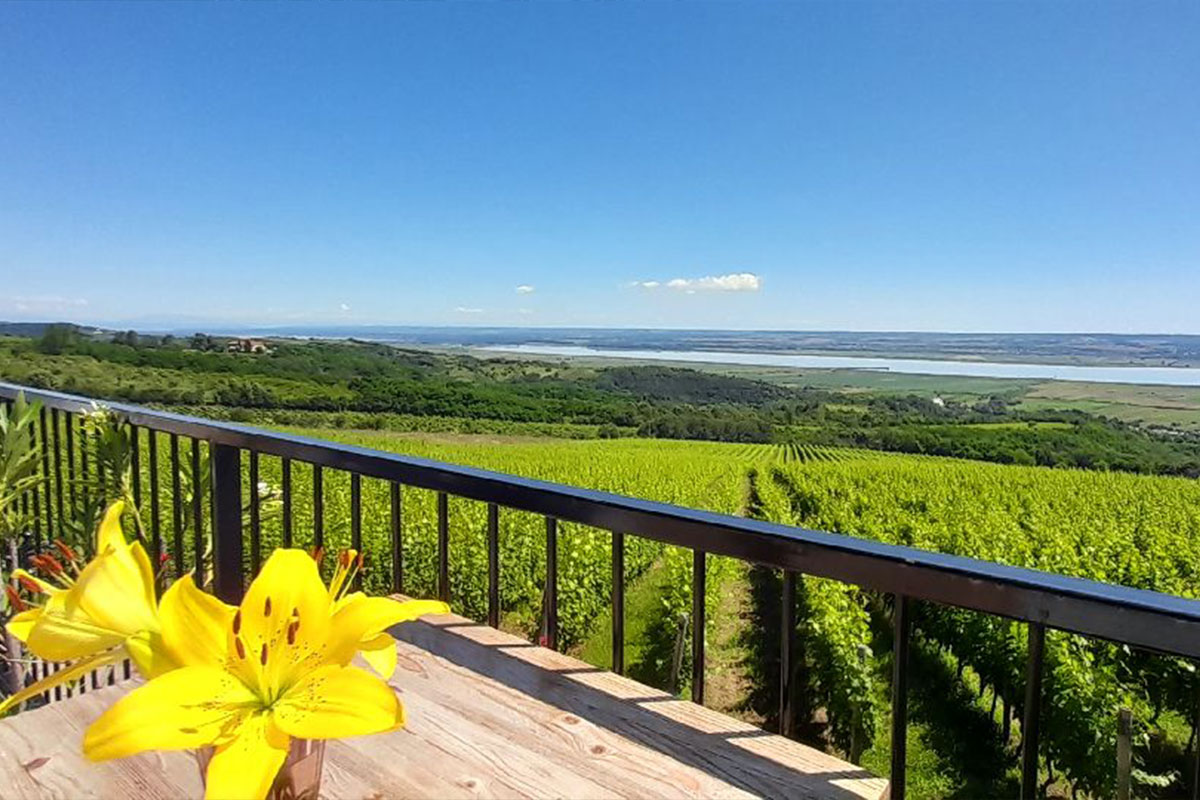
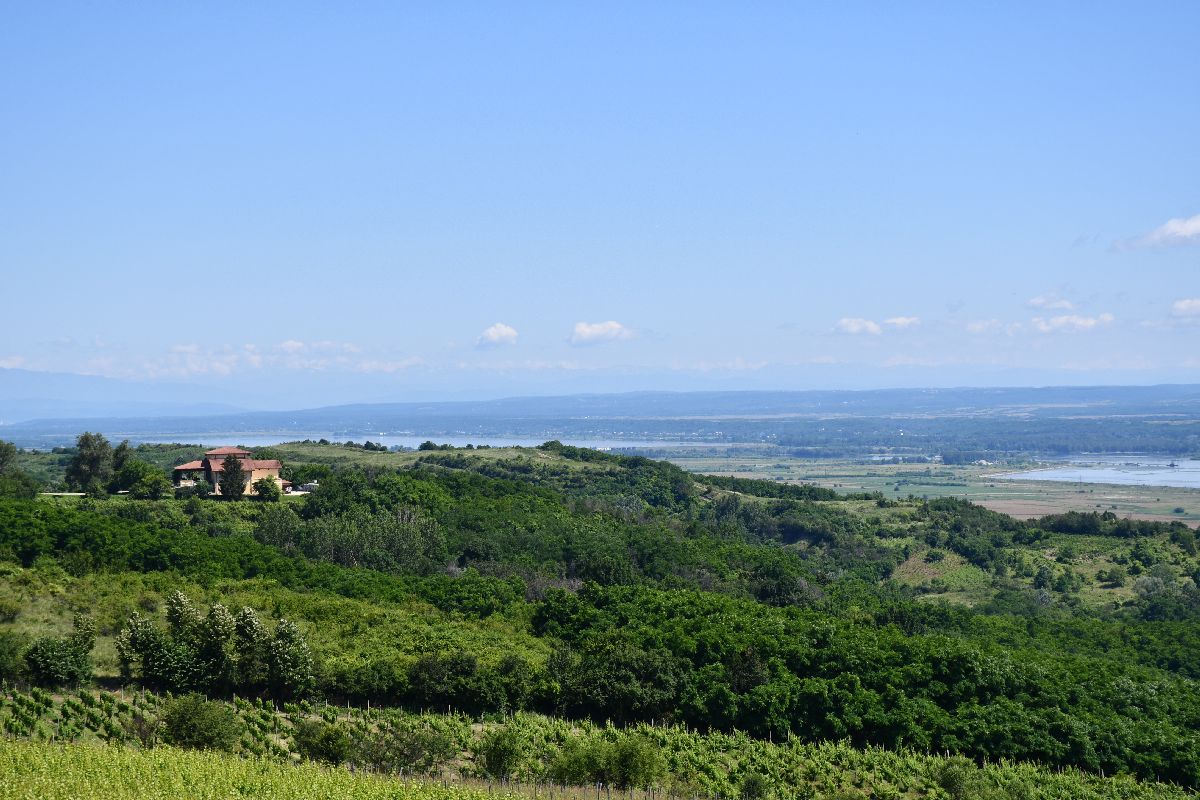
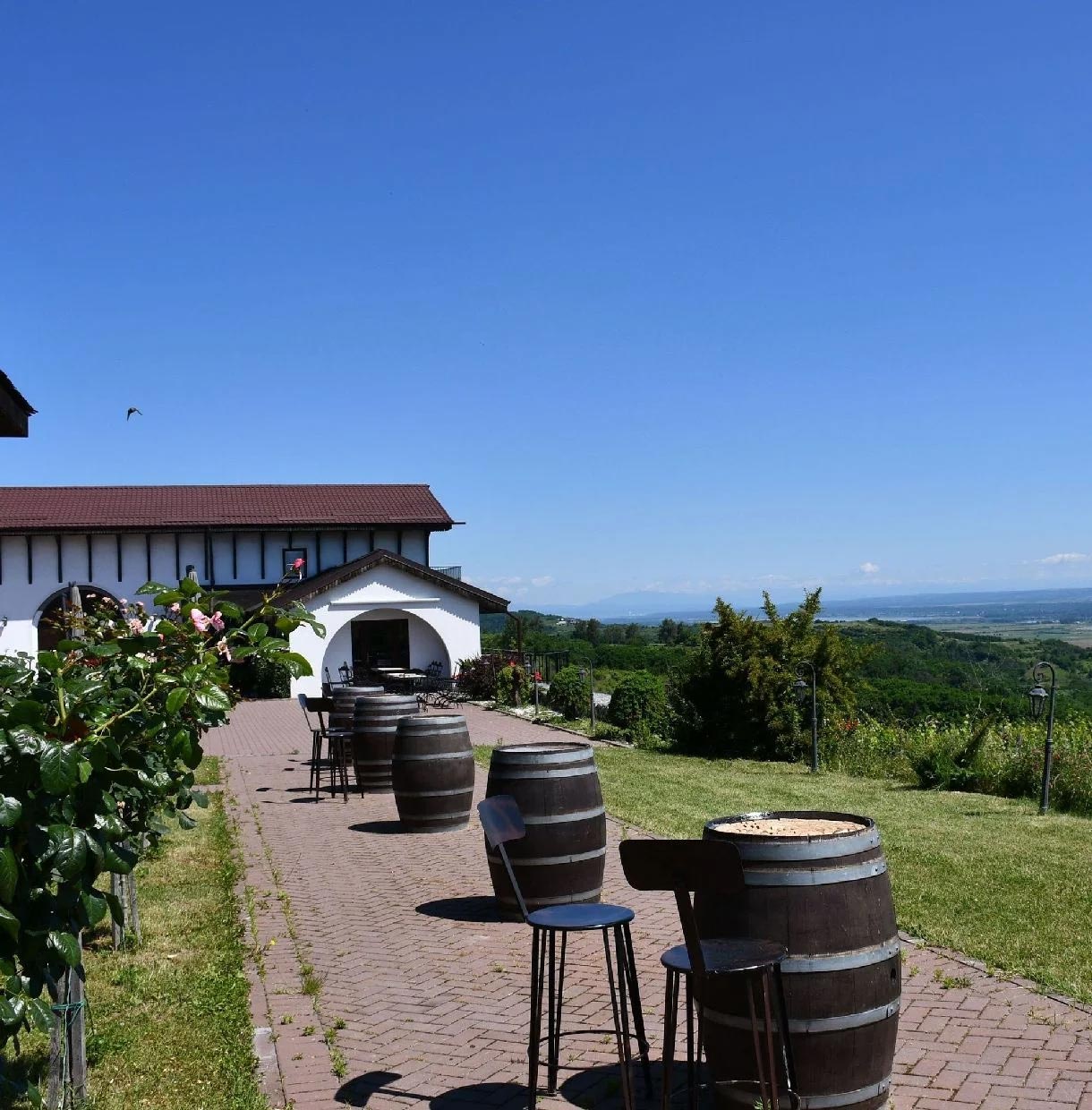
The Drăgășani Wine Route is one of the oldest wine-growing regions in Oltenia. The vineyards stretch along the Olt River for about 65 km and are located at an altitude of 200–500 m. White wines such as Crâmpoșia Seleccionata and Sauvignon Blanc, as well as red wines such as Negru de Drăgășani and Merlot, characterize the region. Visitors can tour wineries, participate in wine tastings, and explore the vineyards in this area.
https://discover-valcea.com/de/valcea-weinstrasse-dragasani-weinanbaugebiet/
Nature, nature, and more nature
(13 September 2025)
Buila-Vanturarița National Park: pictures of a walk/hike on the alpine trails of Buila-Vanturarița National Park, Valcea County, at an altitude of over 1,400 meters.
Learn more about Romania and travel destinations: https://urlaub-in-rumänien.de/
We would like to thank Centrul Național de Informare și Promovare Turistică Vâlcea for permission to use these images.
Photos: Farytale places for body and soul
Vacation 2025/2026 in Valcea County | Impressions | Beautiful
(11 September 2025)
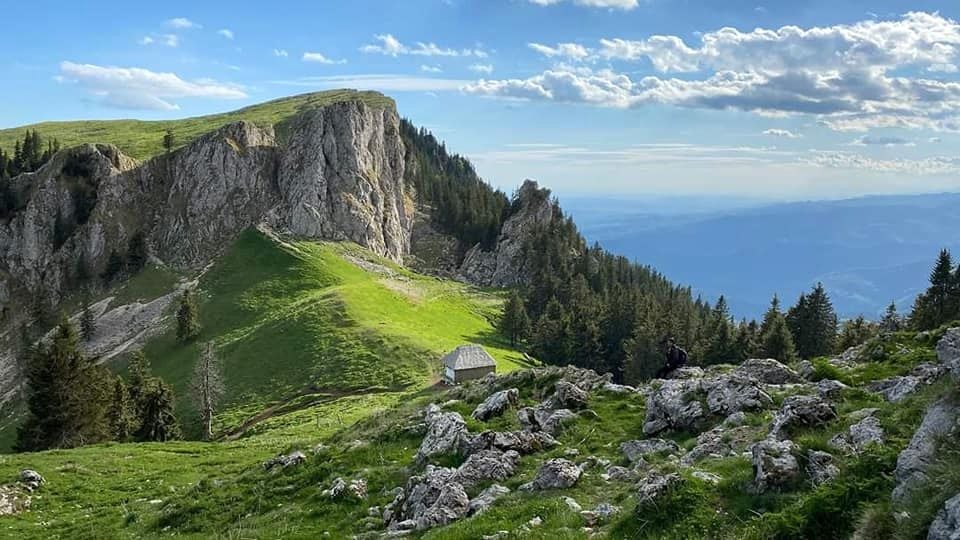
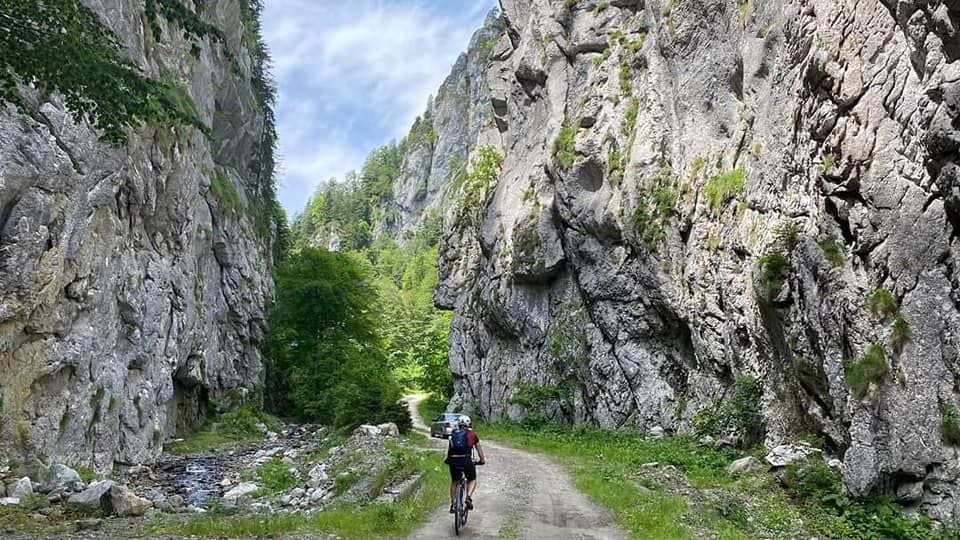
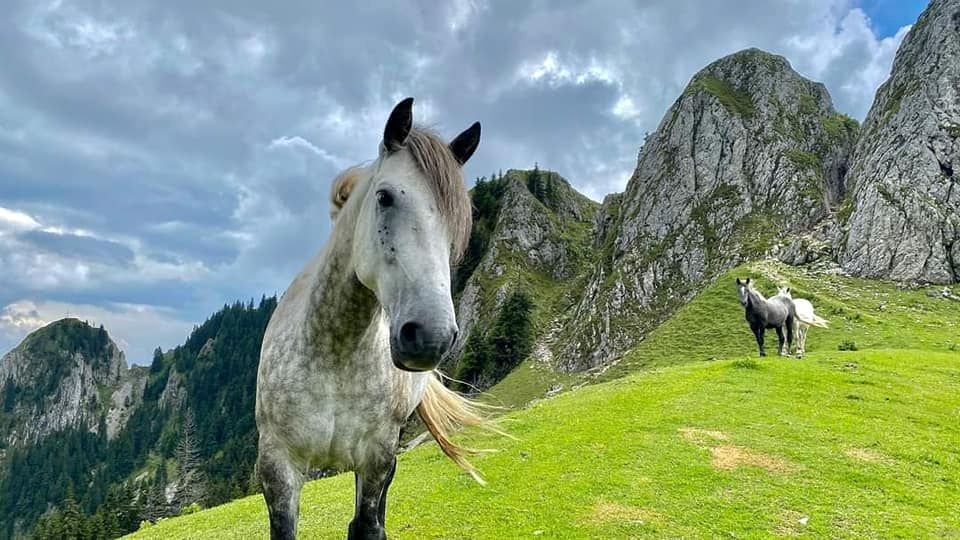
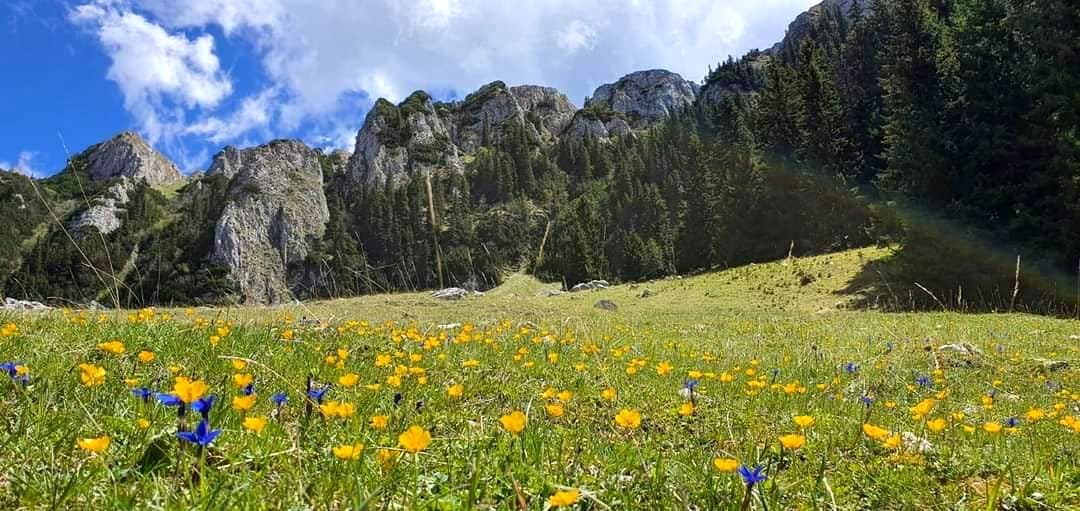
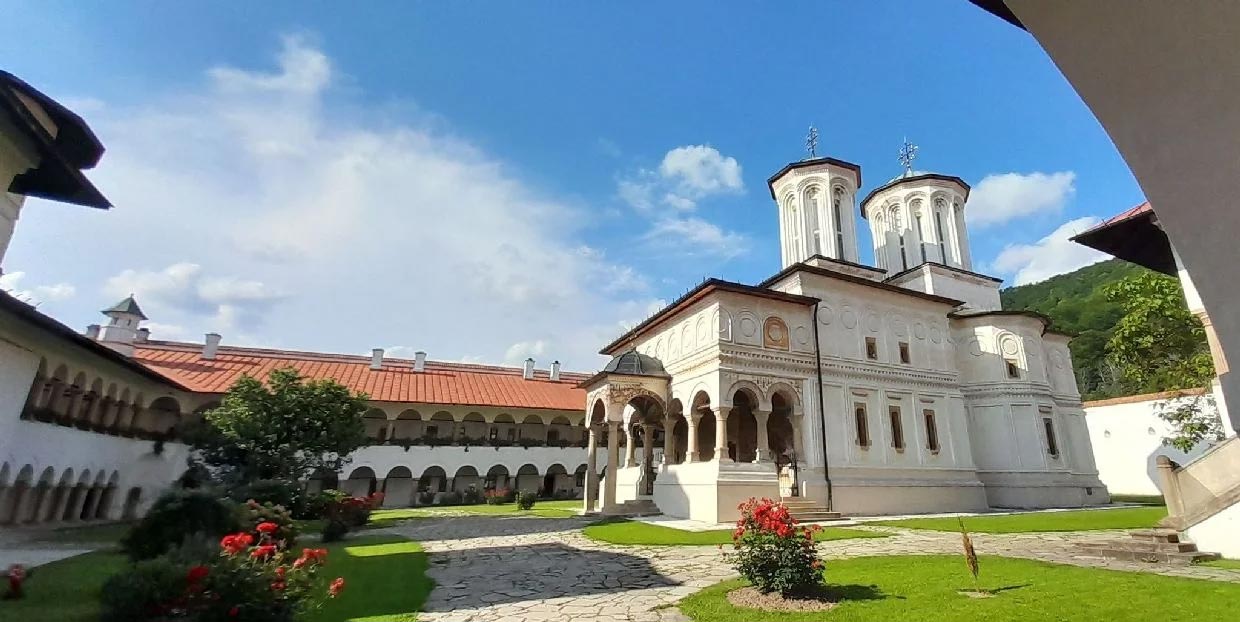
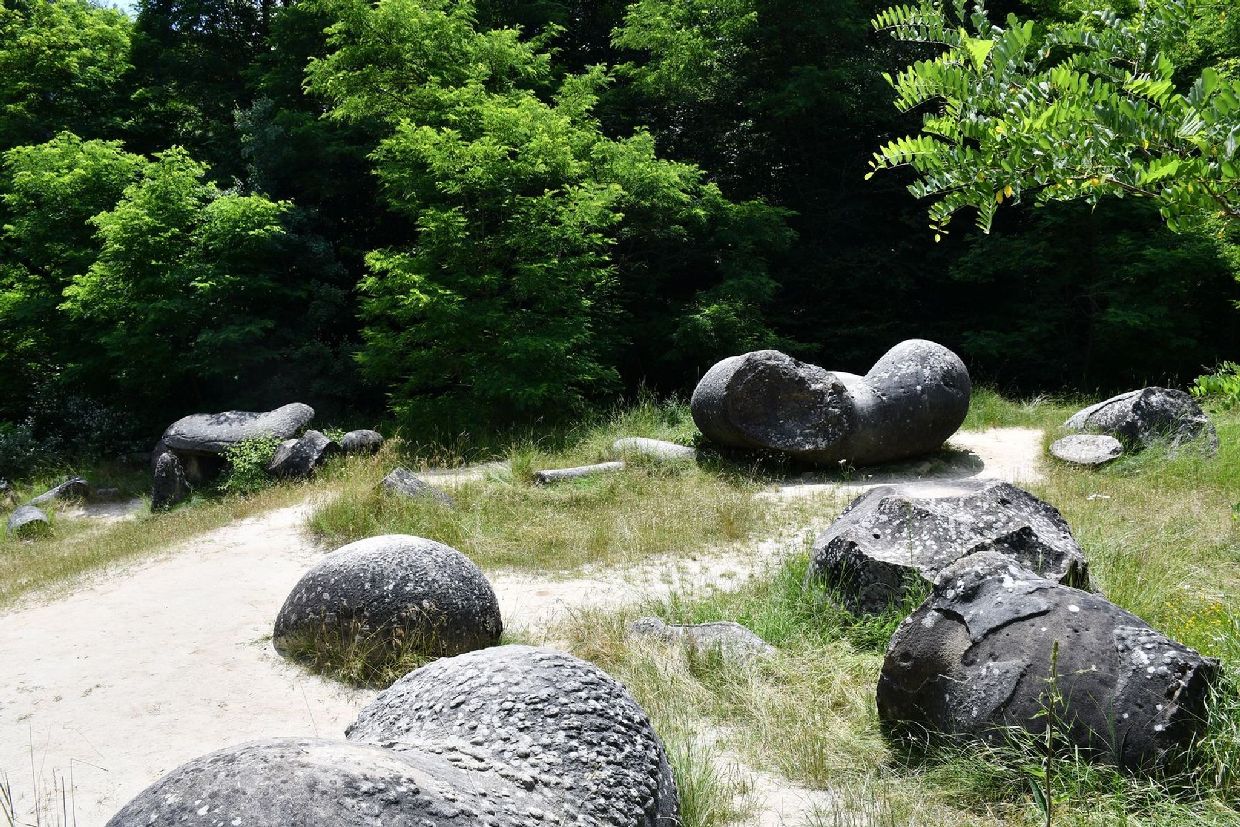
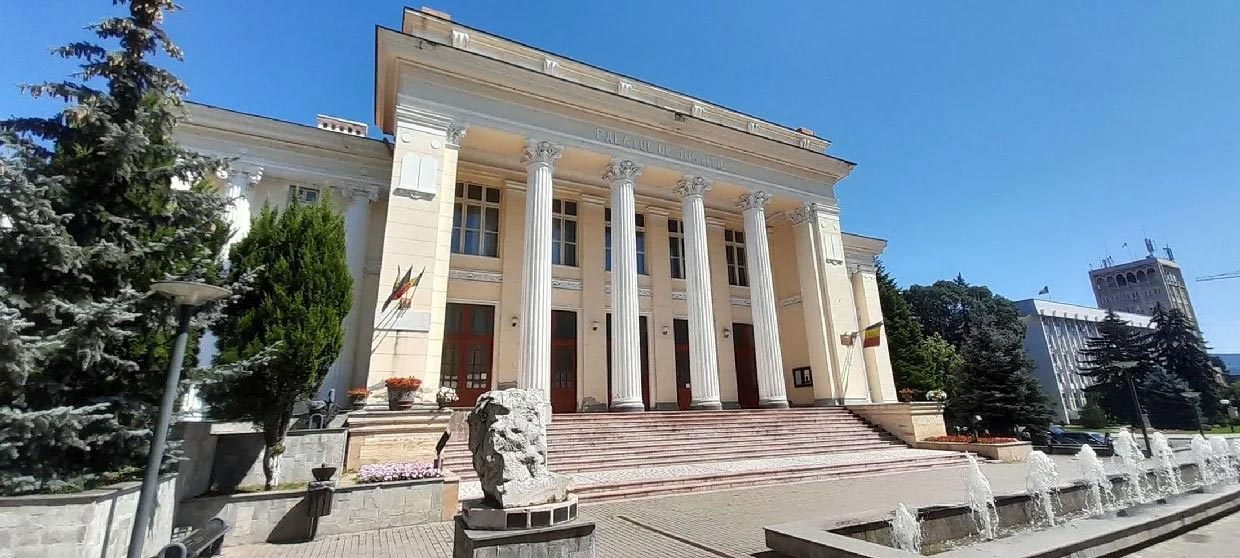
Pictures from Valcea County from summer 2023. Perfect for anyone who loves relaxation, healing springs and waters, nature, tradition, or even wine and good food.
https://discover-valcea.com</ a> | https://welcome-to-romania.com
The hummingbird hawk-moth … from Calimanesti
(7 September 2025)
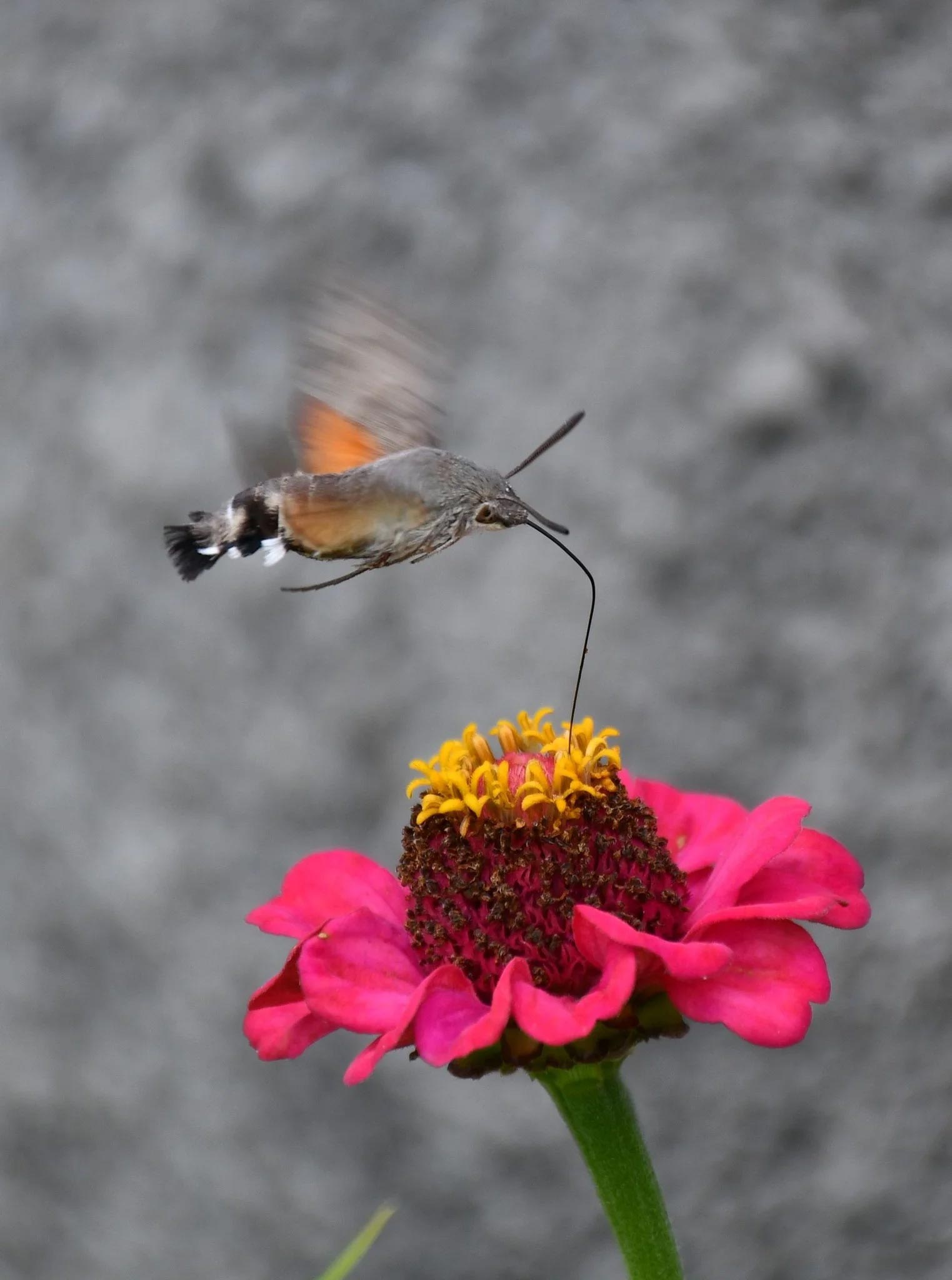
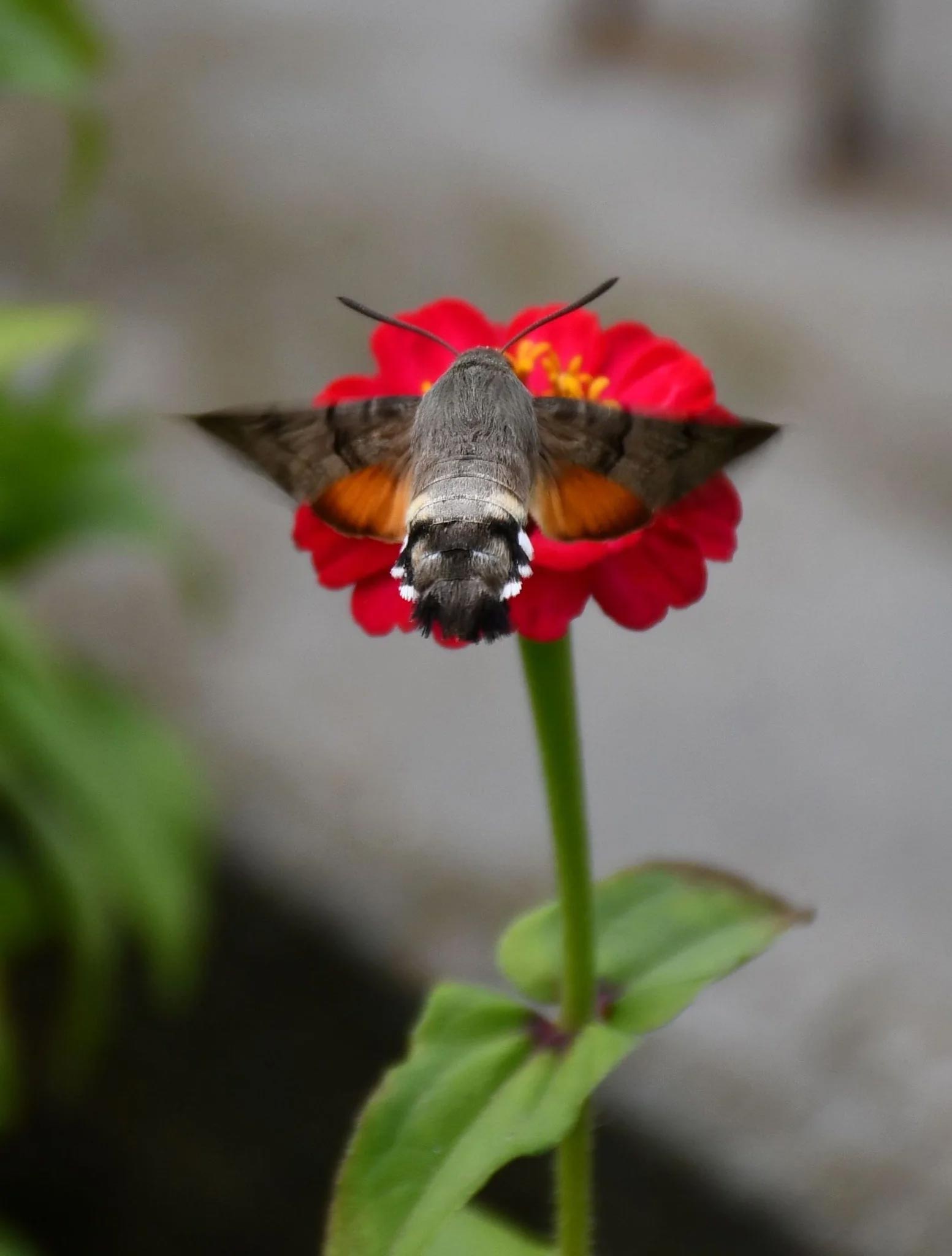
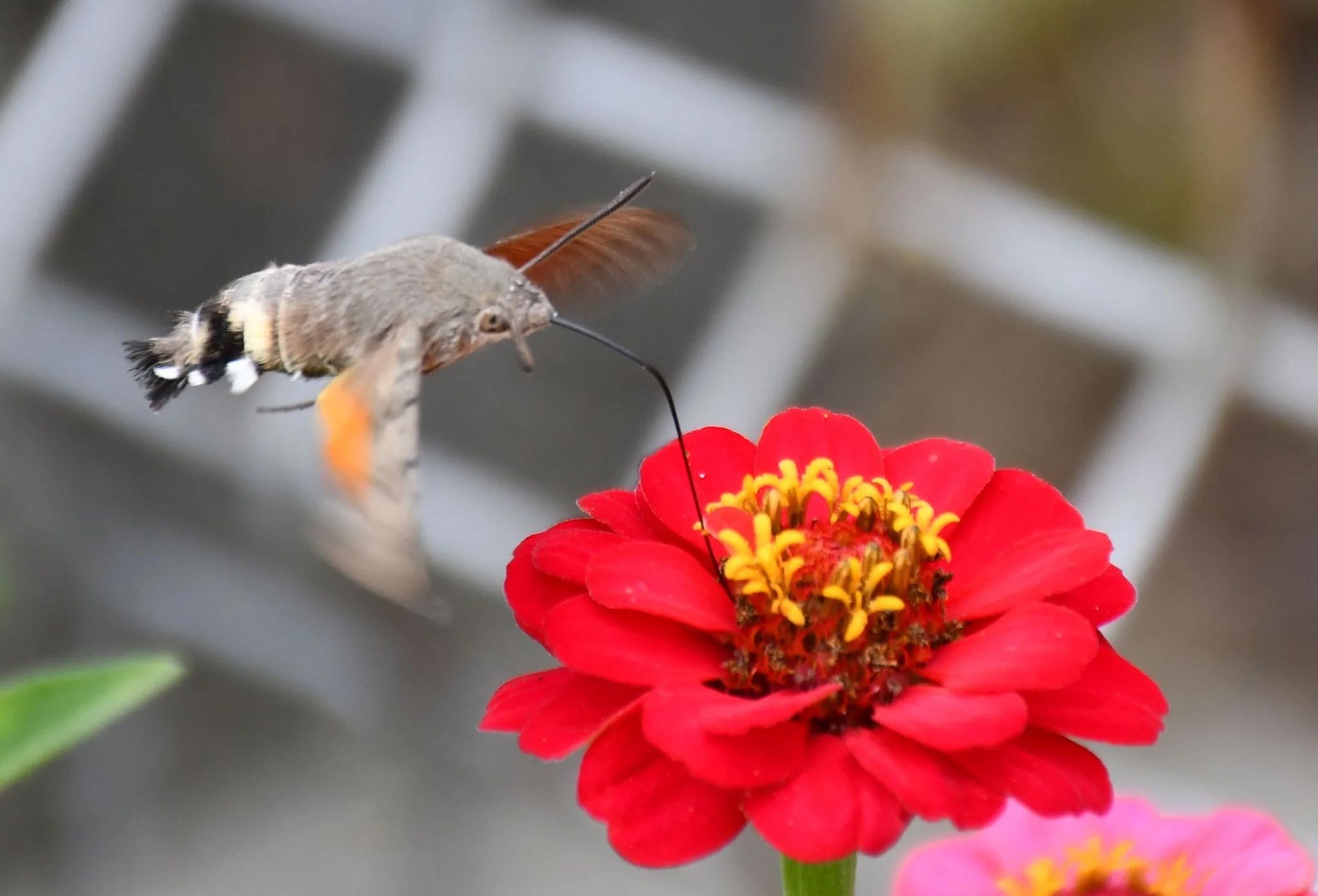
It has been a good two years since we saw our first hummingbird hawk-moth in Galati. Yesterday we were in Calimanesti and there it was again.
At first glance, the hummingbird hawk-moth (Macroglossum stellatarum) appears to be a hummingbird due to its extremely fast wing beat (up to 80 beats per second), but it is actually a butterfly (family of hawk moths).
This moth can be found from Spain to Japan across the entire east-west length of the Palearctic*.
*In biogeography, the Palearctic region, also known as the Palearctic, refers to an Old World zoogeographical region that traditionally encompasses Europe, North Africa, and Asia (excluding the Indian subcontinent and the southern part of the Arabian Peninsula) as well as the islands located off these areas (source: Wikipedia).
Salina (salt mine) Ocnele Mari
(3 September 2025)
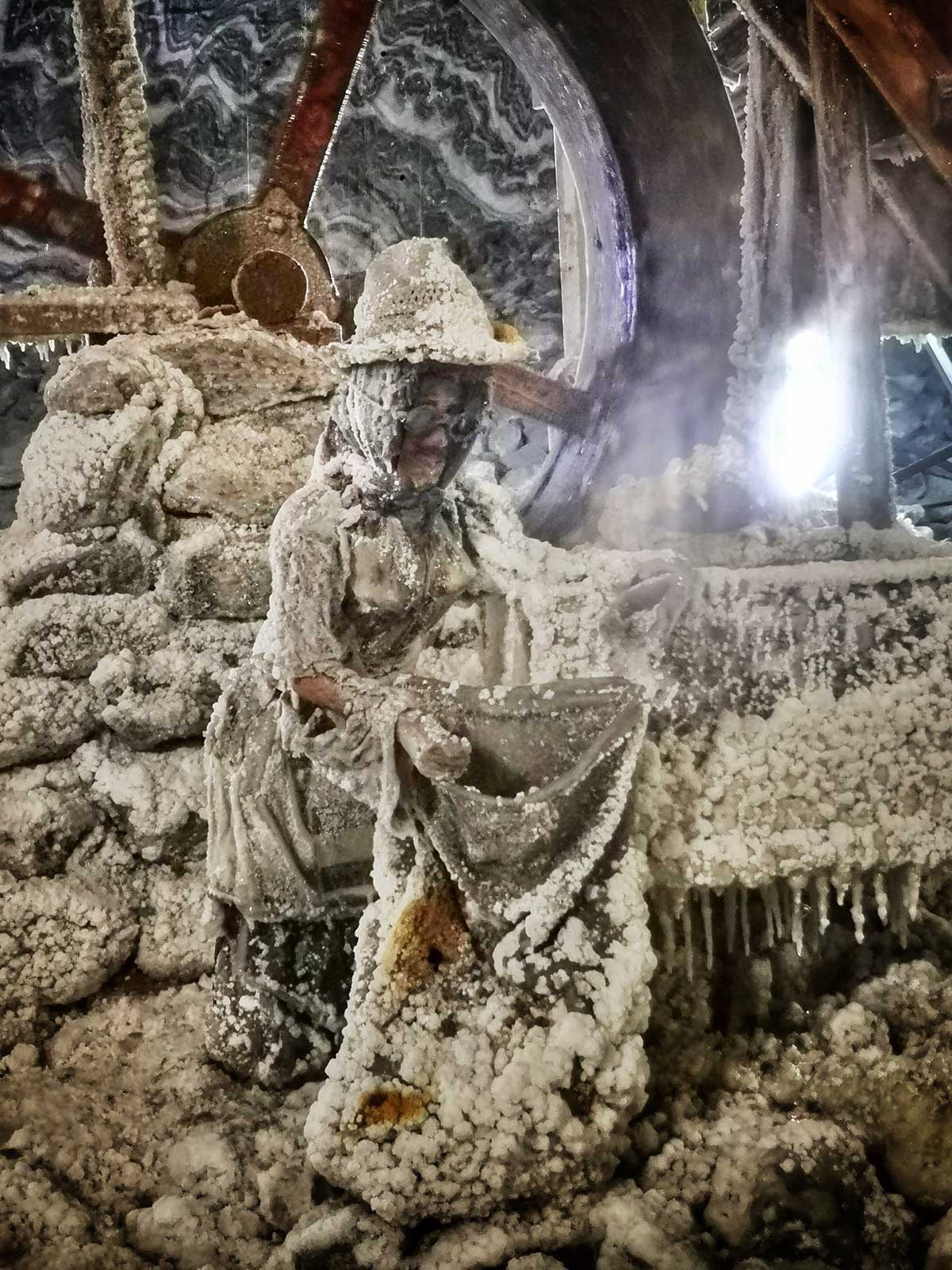
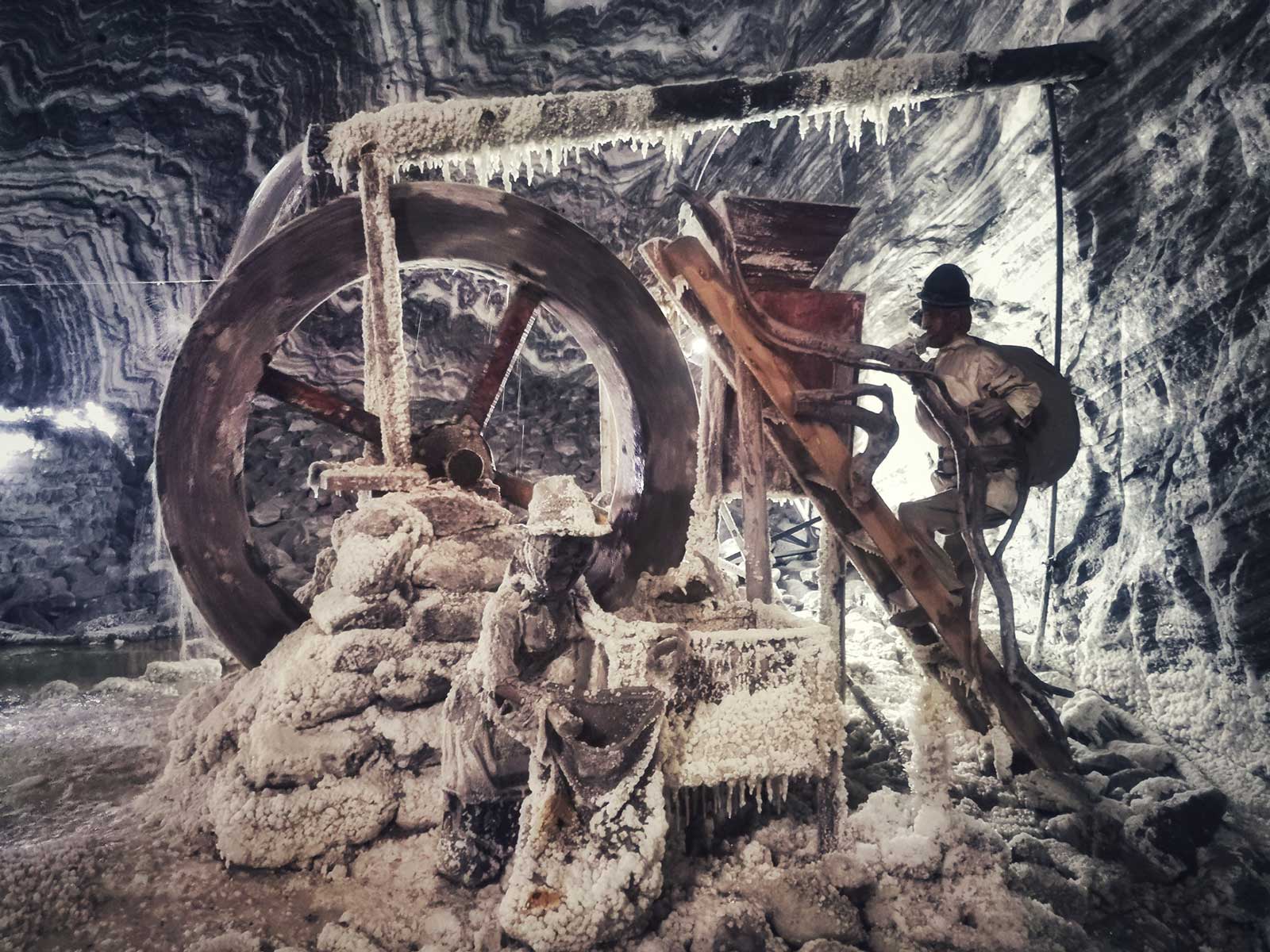
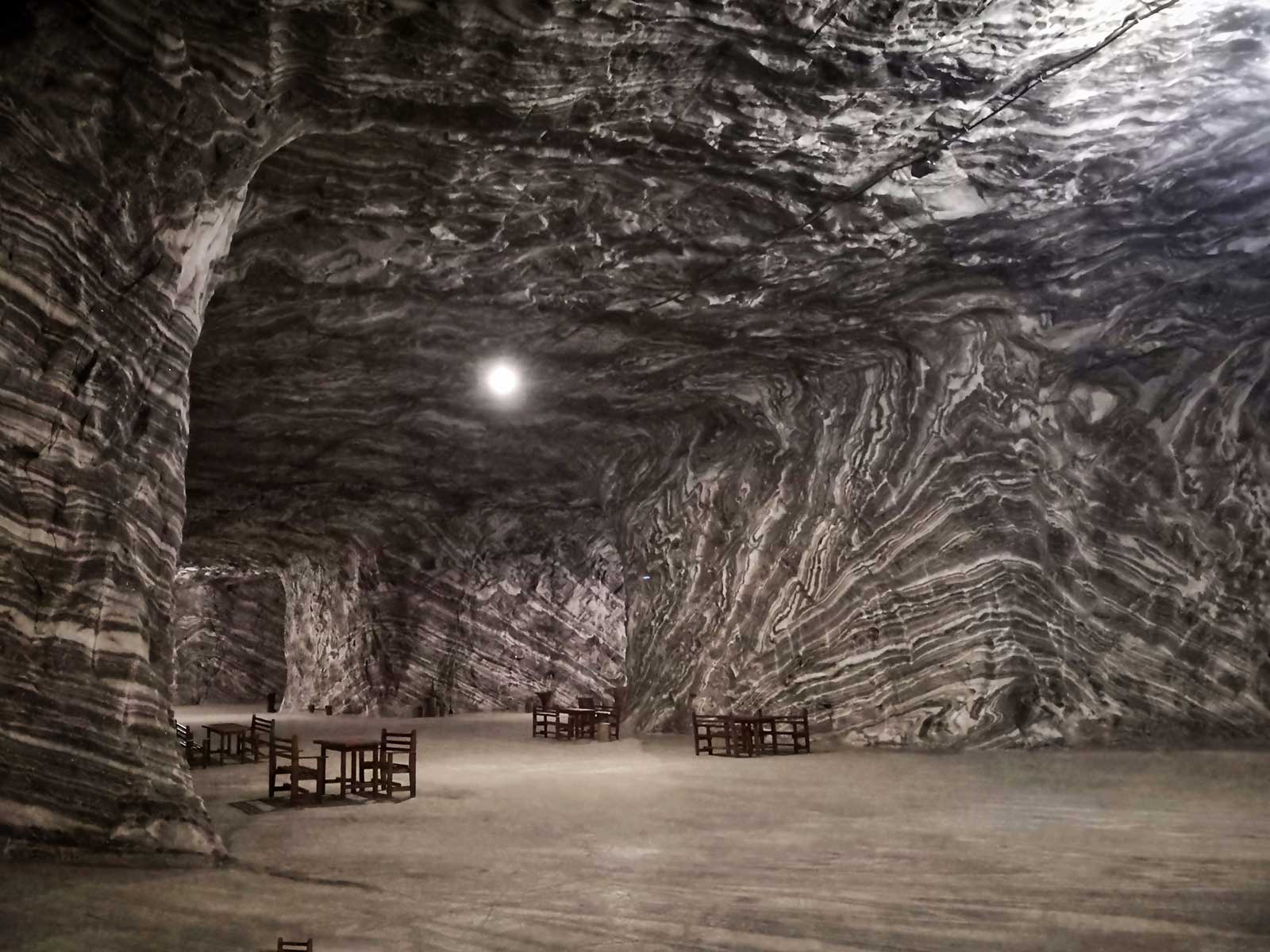
The Ocnele Mari salt mine is a salt mining operation in the small town of Ocnele Mari, Valcea County, in the historic region of Oltenia.
https://discover-valcea.com/de/salzwerk-ocnele-mari/
We would like to thank photographer Corina E. Mateescu for allowing us to use these images.
Biblioteca (Library) Judeteană Valcea “Antim Ivireanul” | Ramnicu Valcea
(2 September 2025)
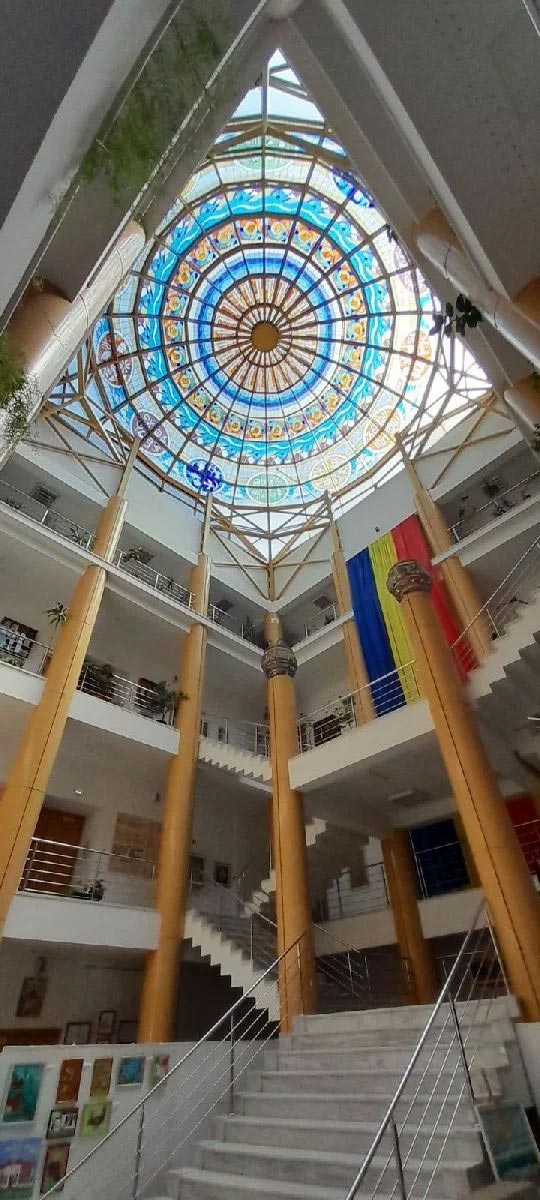
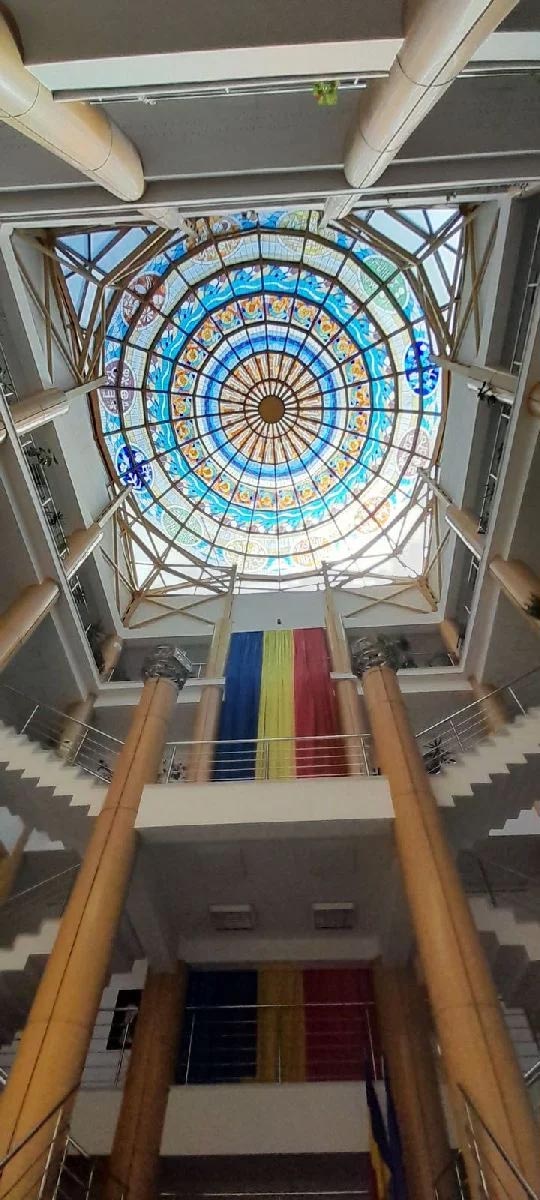
The Valcea County Library, located in the county capital of Ramnicu Valcea, was built in 1950 and currently houses more than 400,000 books and documents.
https://discover-valcea.com</ a> | https://welcome-to-romania.com
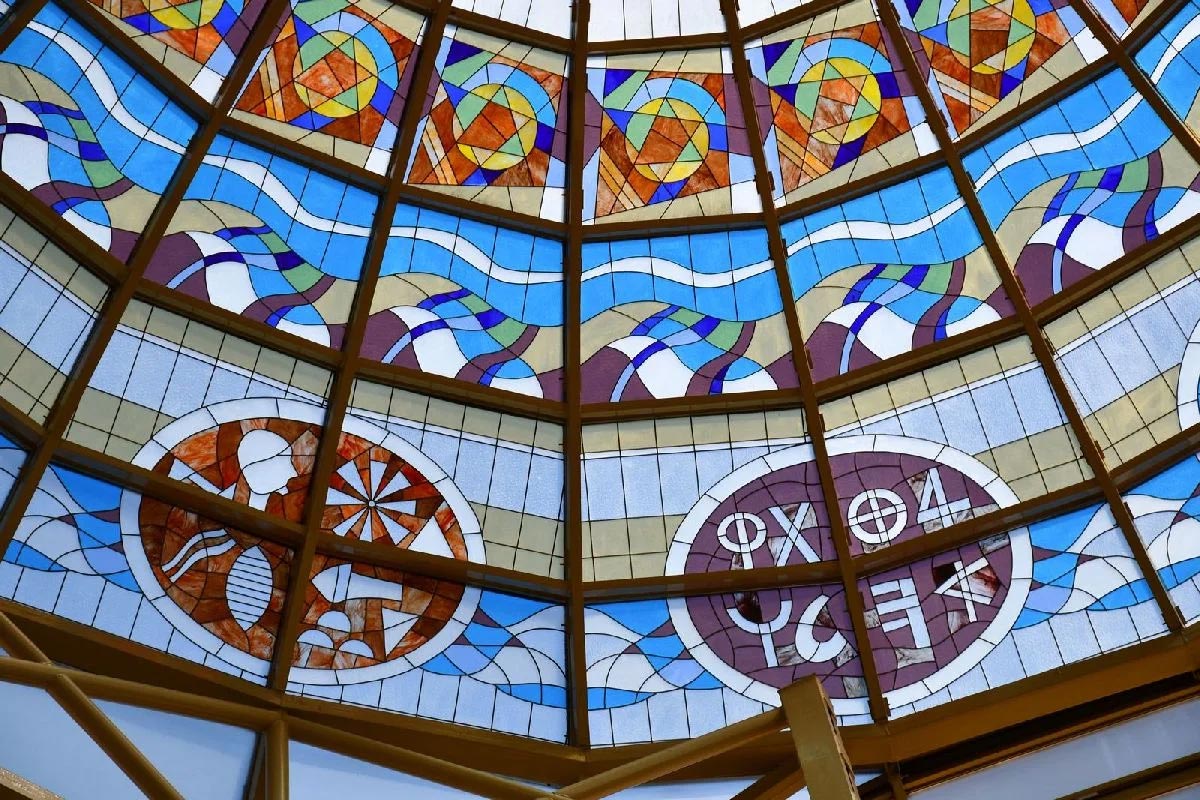
In addition to the large number of books, the glass roof, “The Creation of the World,” which was made from 86 modules, is a special feature worth seeing and is also unique in Europe in this respect. The glass roof has an area of 142 square meters and is located at a height of 30 meters from the base of the building.
Transfagarasan in the Carpathian Mountains of Romania
(22 August 2025)
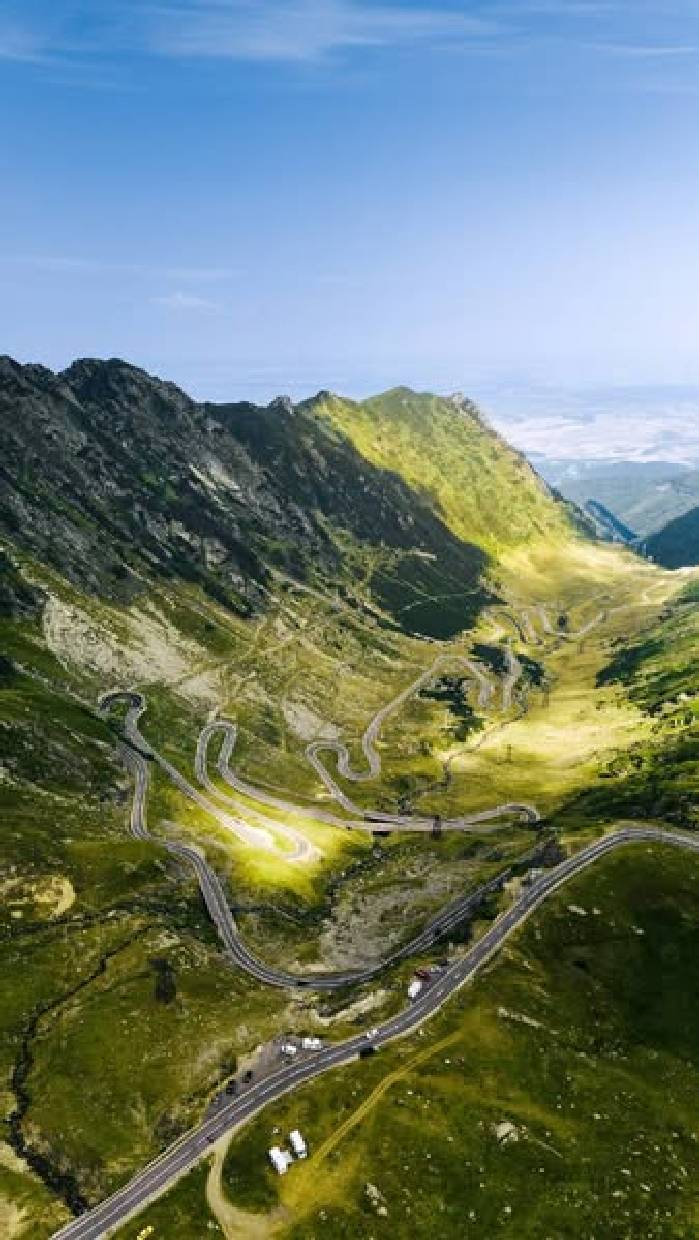
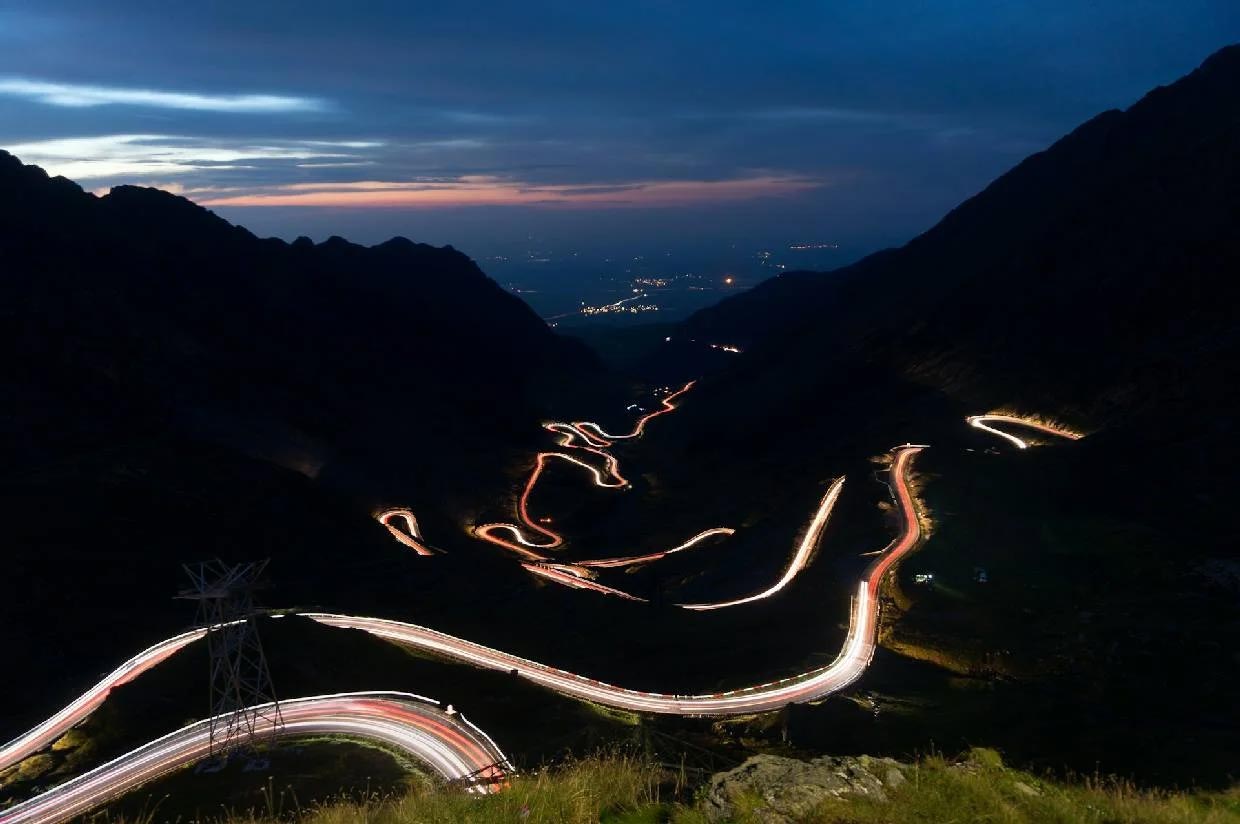
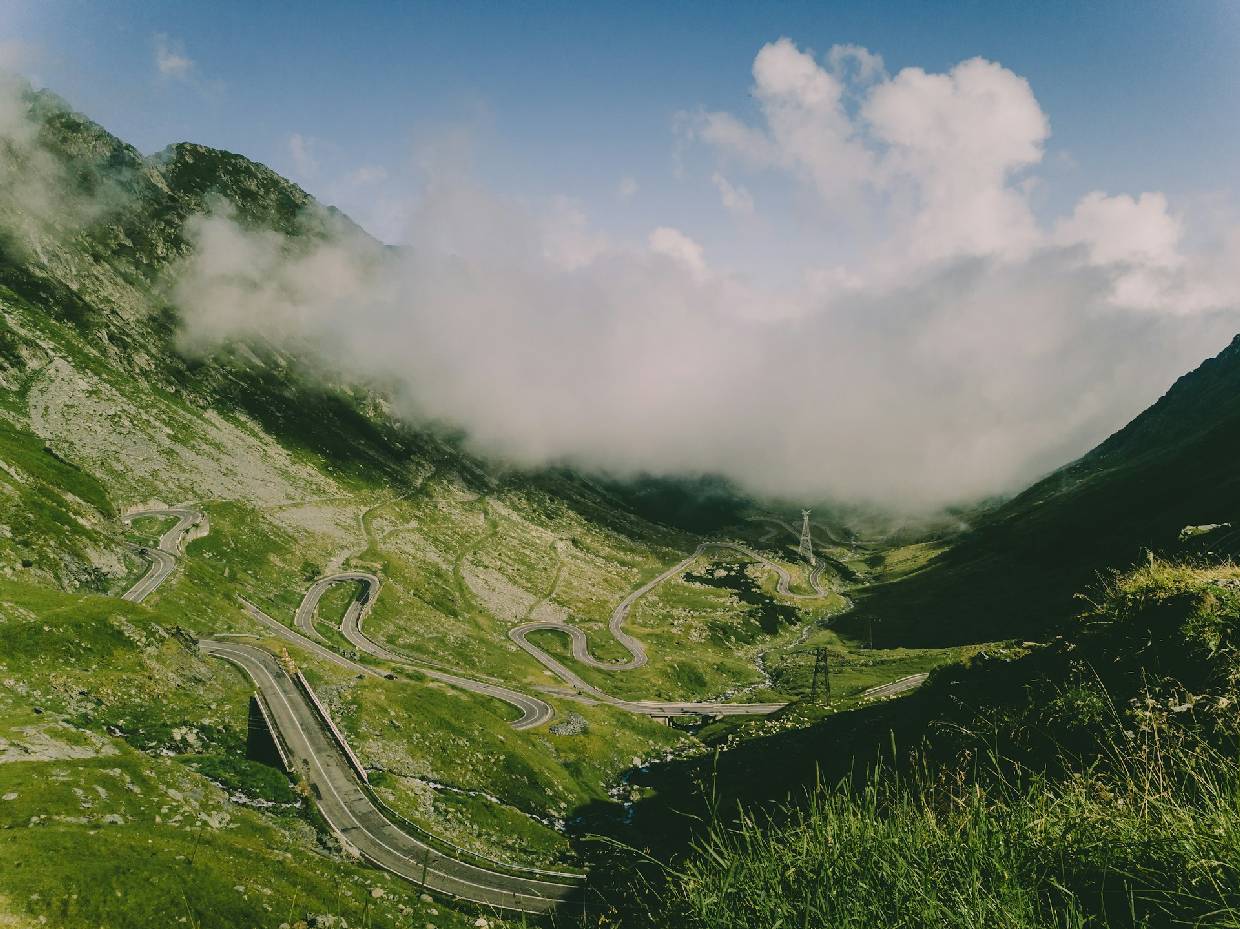
A magical route in and through the Fagaras Mountains. The Transfagarasan Road connects the two historic regions of Wallachia and Transylvania in breathtaking mountain scenery.
https://willkommen-in-rumänien.de | https://rotravel24.com
Currently open (probably until sometime in mid/late October), and anyone who is already here should definitely check out the “neighboring road,” the Transalpina.
Our tip for a round trip: Sibiu (Hermannstadt) > towards Avrig/Brasov and then south onto the Transfagarasan > Curtea de Arges, Arges County > Valcea County > Brezoi and via the Transalpina to Sebes and back to Sibiu. We recommend at least one, if not two or three overnight stays along the way.
Vacation 2025/2026 in Valcea County | Impressions | Beautiful
(15 August 2025)
Pictures from Valcea County from summer 2023. Perfect for anyone who loves relaxation, healing springs and waters, nature, tradition, or even wine and good food.
https://discover-valcea.com</ a> | https://welcome-to-romania.com
Manastirea Hurezi (Horezu Monastery)
(14 August 2025)
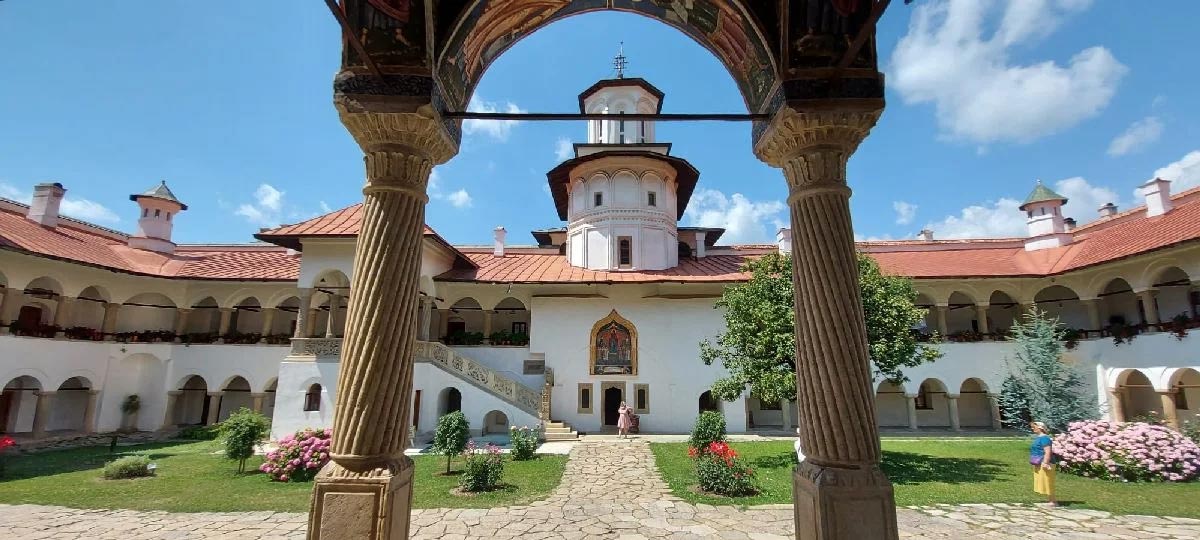
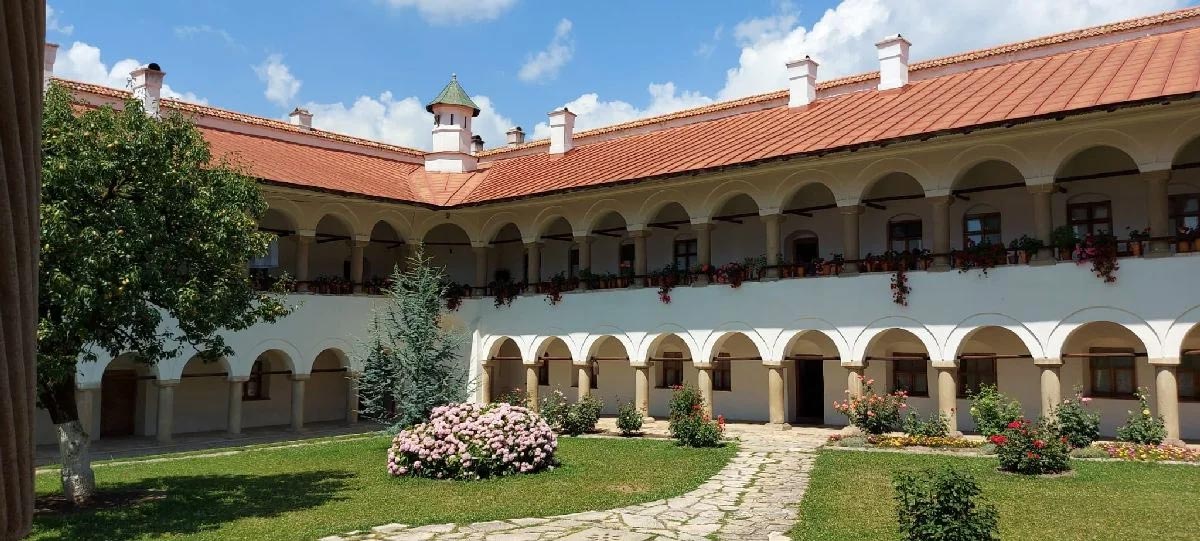
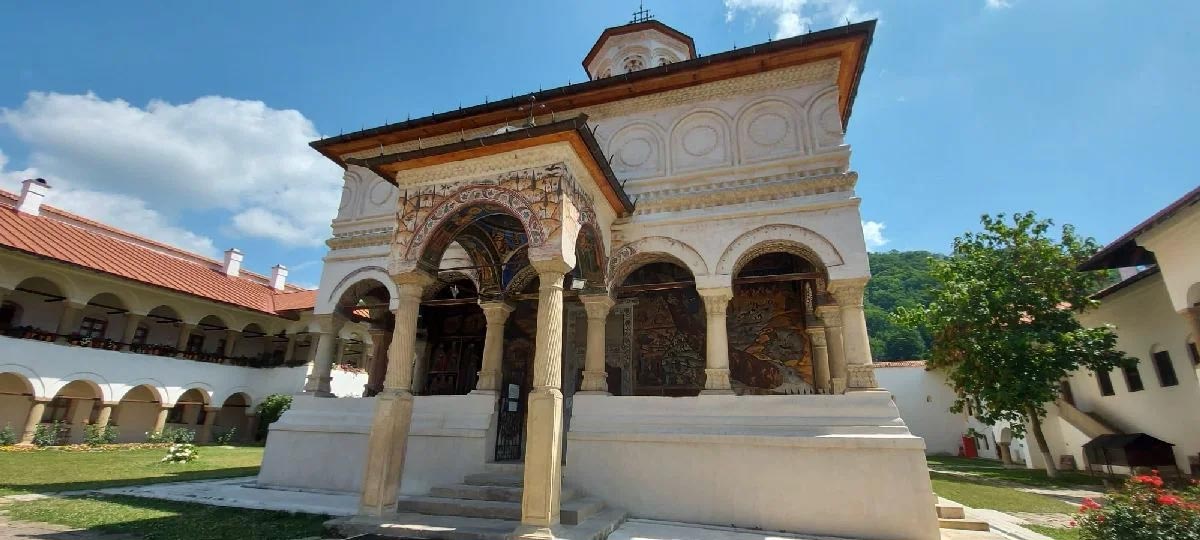
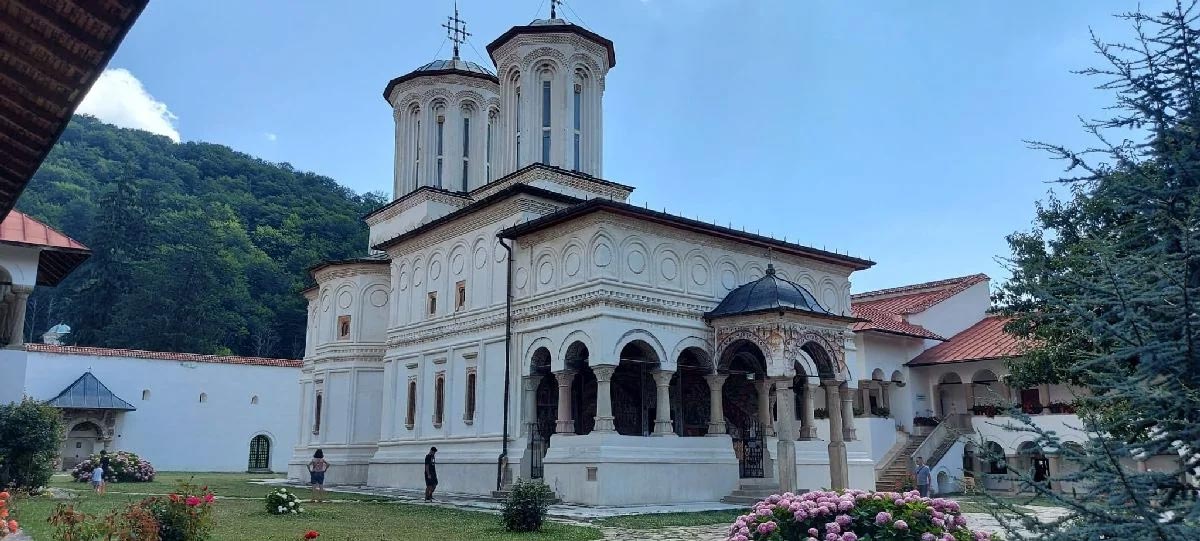
Horezu Monastery (also known as Hurezi Monastery) is a Romanian Orthodox nunnery located in the historic region of Little Wallachia in Vâlcea County.
At the foot of Munții Căpățânii, a mountain range in the Transylvanian Alps, in the village of Romanii de Jos, the monastery is located about three kilometers (as the crow flies) north of the small town of Horezu.
The cries of the nocturnal birds of prey (Romanian: huhurezi) that lived in the forests surrounding the monastery probably gave the place its name. The monastery was founded in 1692 by the then Prince of Wallachia, Constantin Brâncoveanu (1654–1714), and completed in 1709. Until 1862, it was a monastery for men. After the monks were transferred to Bistrița, nuns came to the monastery. The monastery complex has been restored several times since 1827 and is a listed building.
Located on a hill, the monastery complex is surrounded by two fortifications. The outer, smaller wall surrounds the entire monastery estate with its hermitages. The second is formed on three sides by buildings of varying heights and on the east by a wall. The entrance to the monastery is on the south side through a bell tower equipped with a massive wooden gate reinforced with steel. The monastery church of Sfinții Împarați Constantin și Elena in the center of the complex is built in the shape of a cross, is 32 meters long, 14 meters high, and was built between 1693 and 1697. In the vestibule of the church are several tombs, the most beautiful of which is decorated with marble and has a carved cover intended for Prince Brâncoveanu, but it never fulfilled its purpose and was therefore never used. The large iconostasis is carved from lime wood and covered with gold.
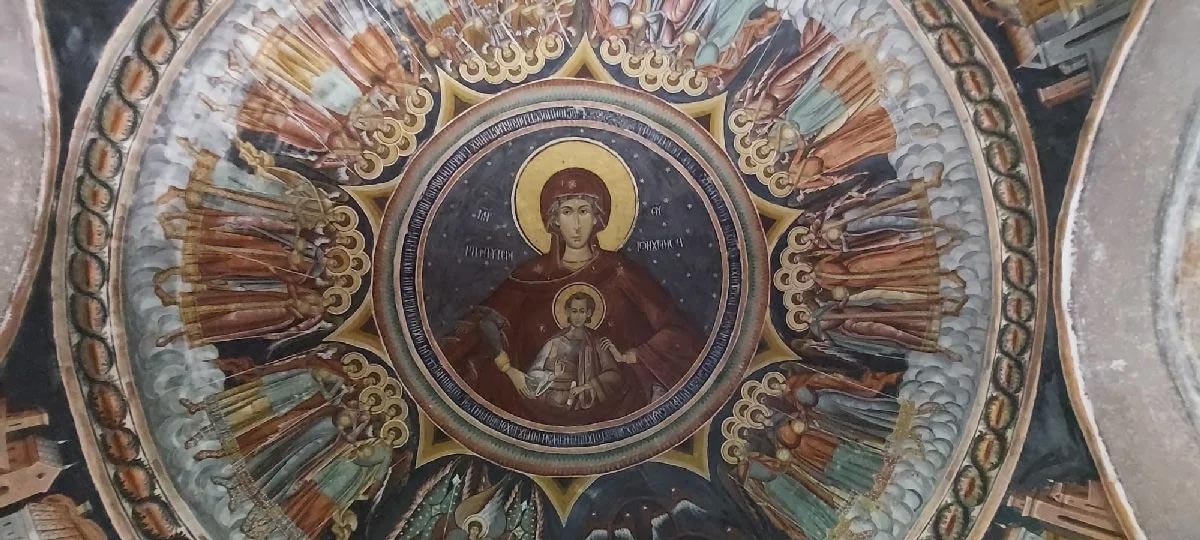
The square chapel with an octagonal tower, whose windows are the chapel’s source of light, is located on the west side opposite the entrance to the church and was built in 1697. The frescoes in the chapel were created between 1705 and 1706 and are still in good condition today.
We would like to thank Relu Chiriac, Galati, for allowing us to use these images.
Transfagarasan in the Carpathian Mountains of Romania
(21 July 2025)
A magical route in and through the Fagaras Mountains. The Transfagarasan Road connects the two historic regions of Wallachia and Transylvania in breathtaking mountain scenery.
Currently open (probably until sometime in mid/late October), and anyone who is already here should definitely check out the “neighboring road,” the Transalpina.
Our tip for a round trip: Sibiu (Hermannstadt) > towards Avrig/Brasov and then south onto the Transfagarasan > Curtea de Arges, Arges County > Valcea County > Brezoi and via the Transalpina to Sebes and back to Sibiu. We recommend at least one, if not two or three overnight stays along the way.
Romania | Hiking and nature
(15 July 2025)
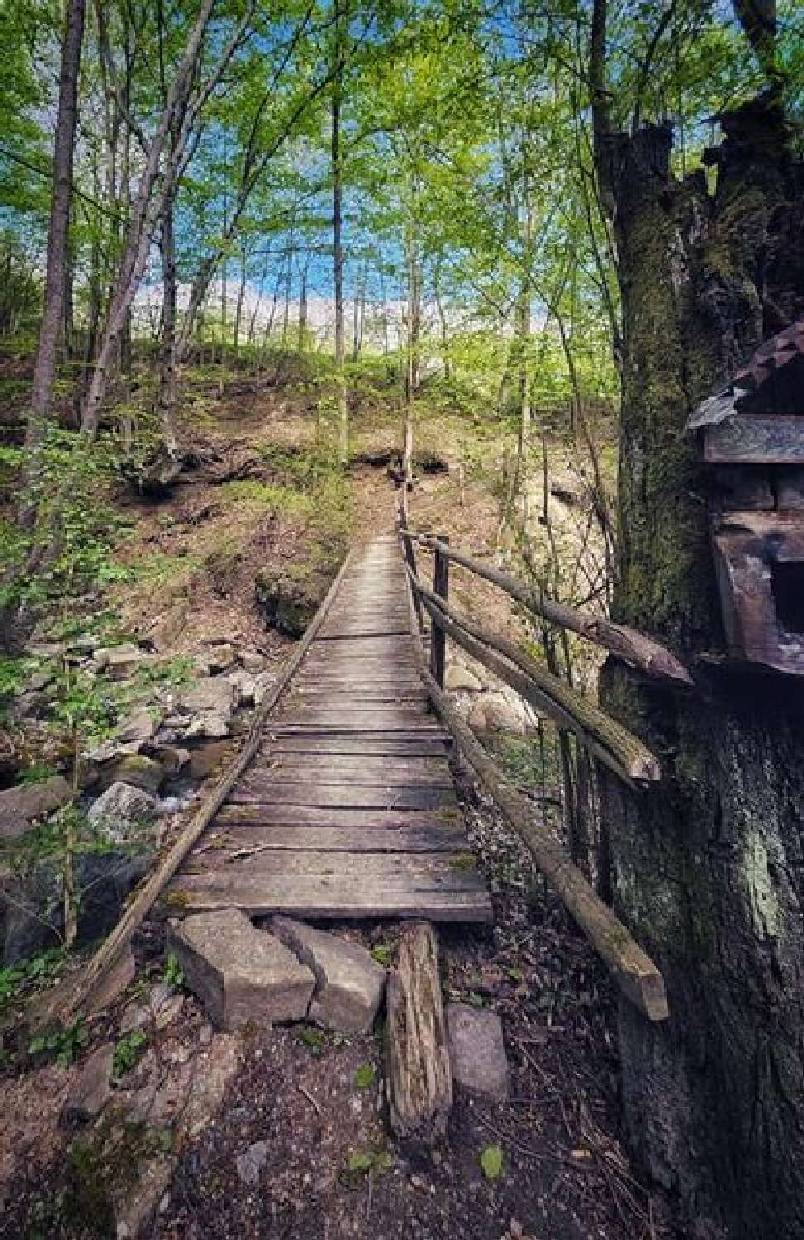
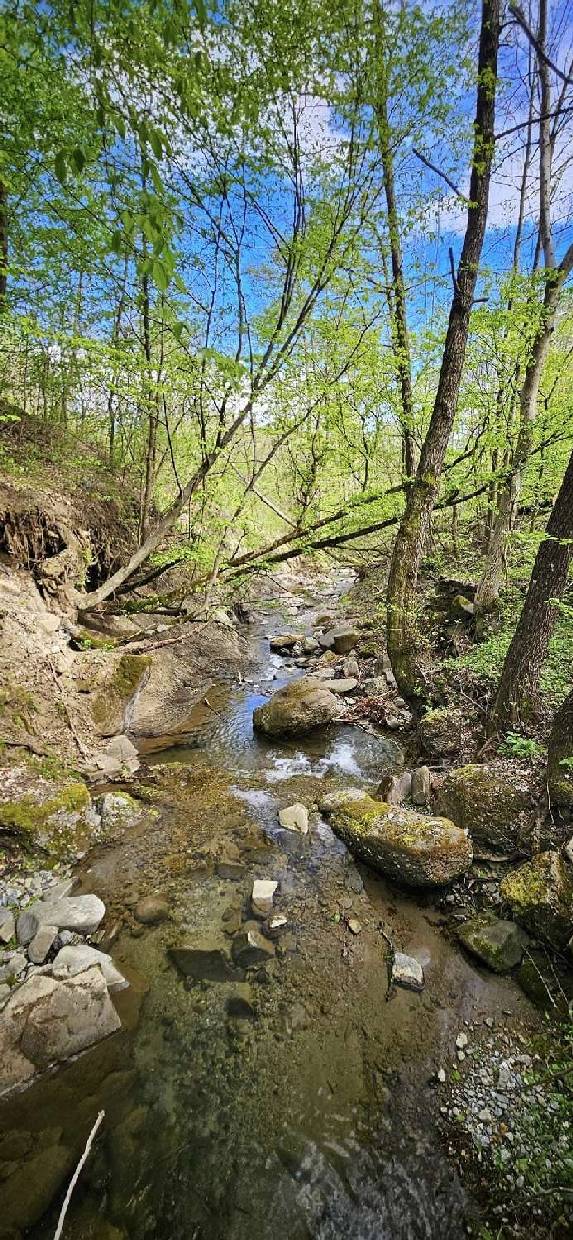
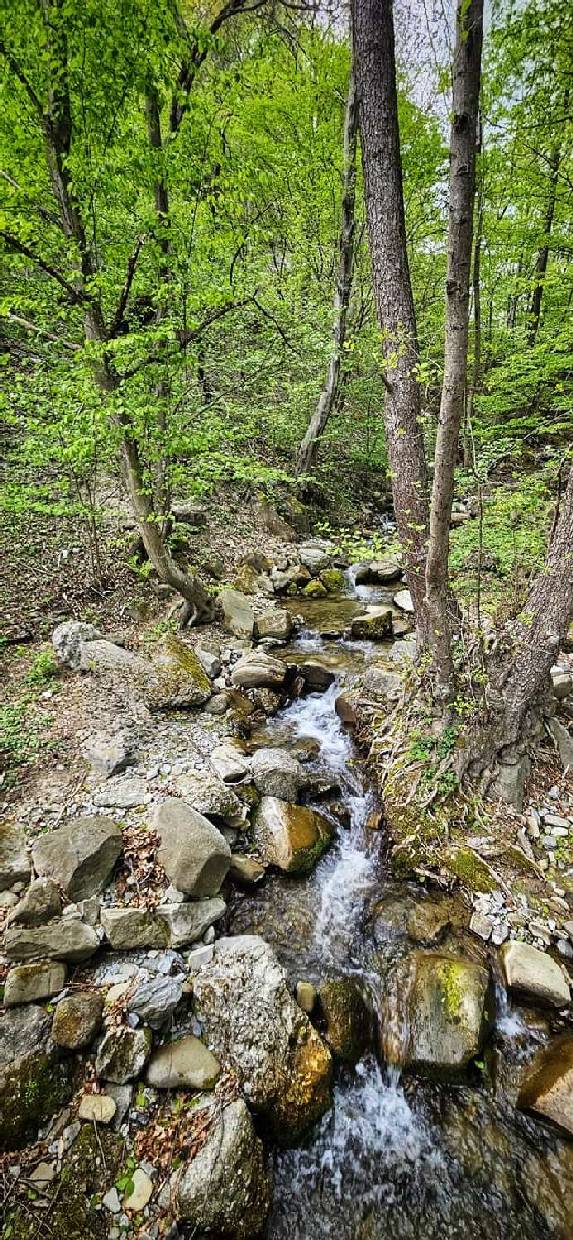
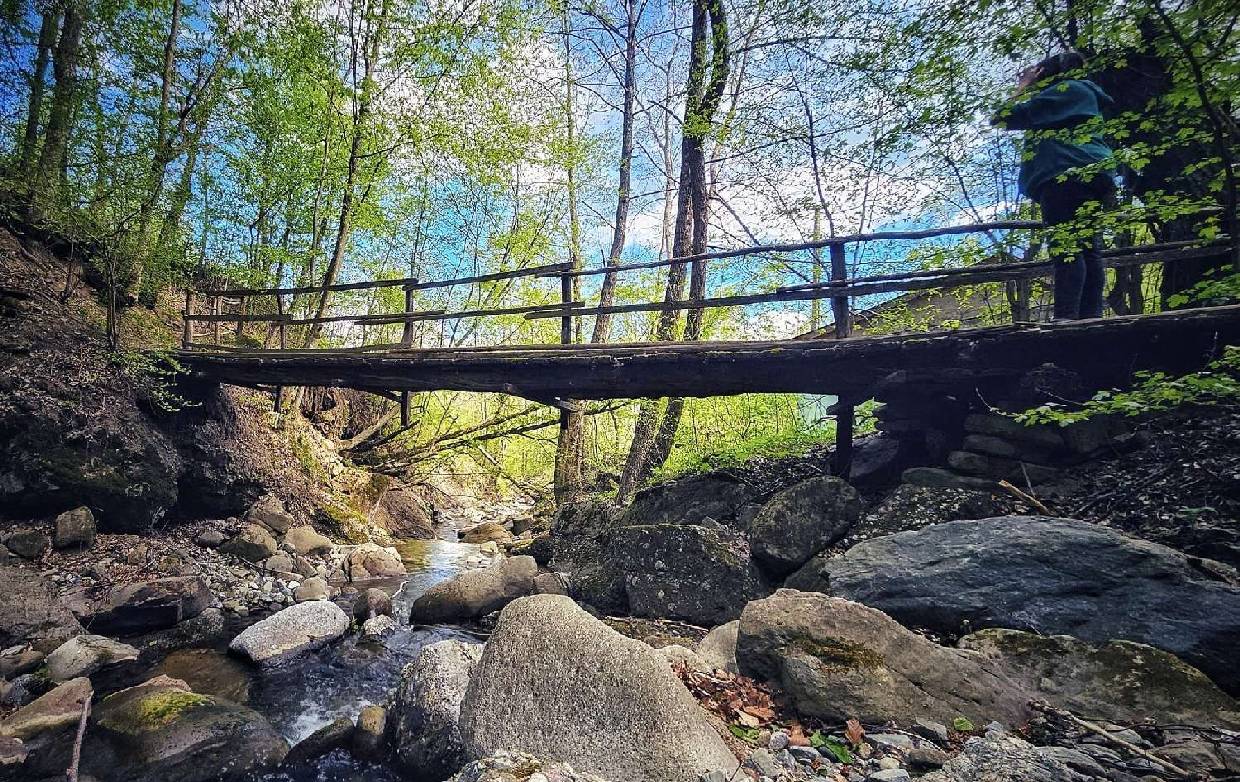
A wonderful time to spend in unspoiled nature. The trees are beautiful in rich green and you can hear birds chirping in the branches.
Pictures from the village of Patesti, part of the municipality of Salatrucel in the district of Valcea.
We would like to thank Ms. Corina E. Mateescu for allowing us to use these pictures.
Pestera Ursilor | The Bear’s Cave
(10 July 2025)
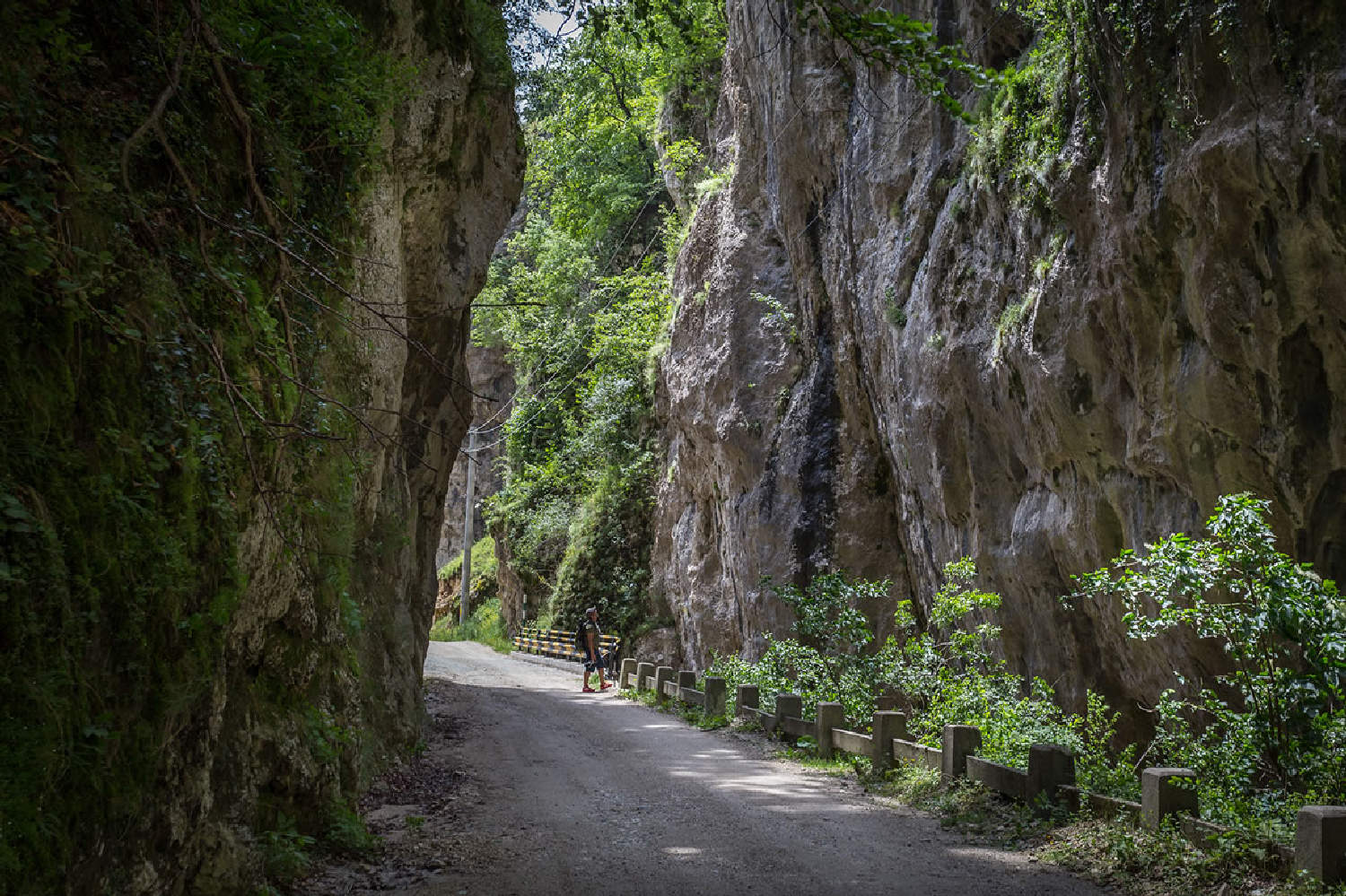
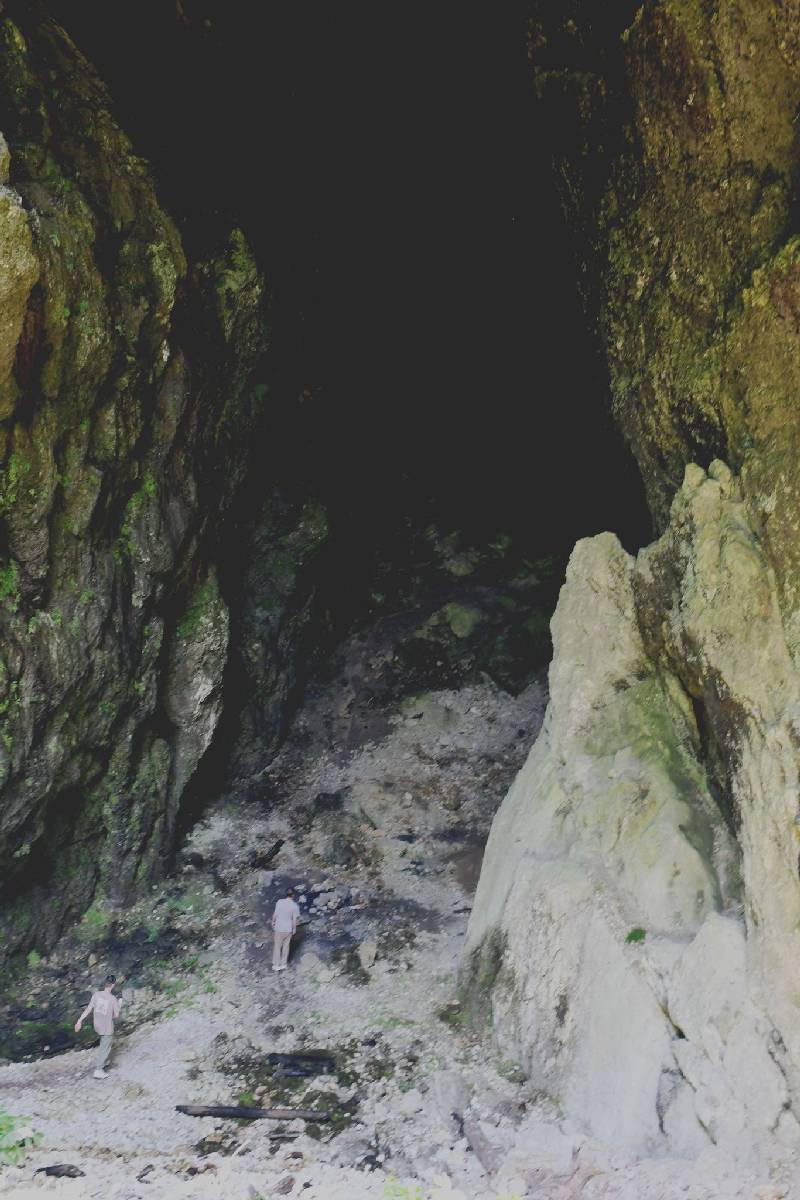
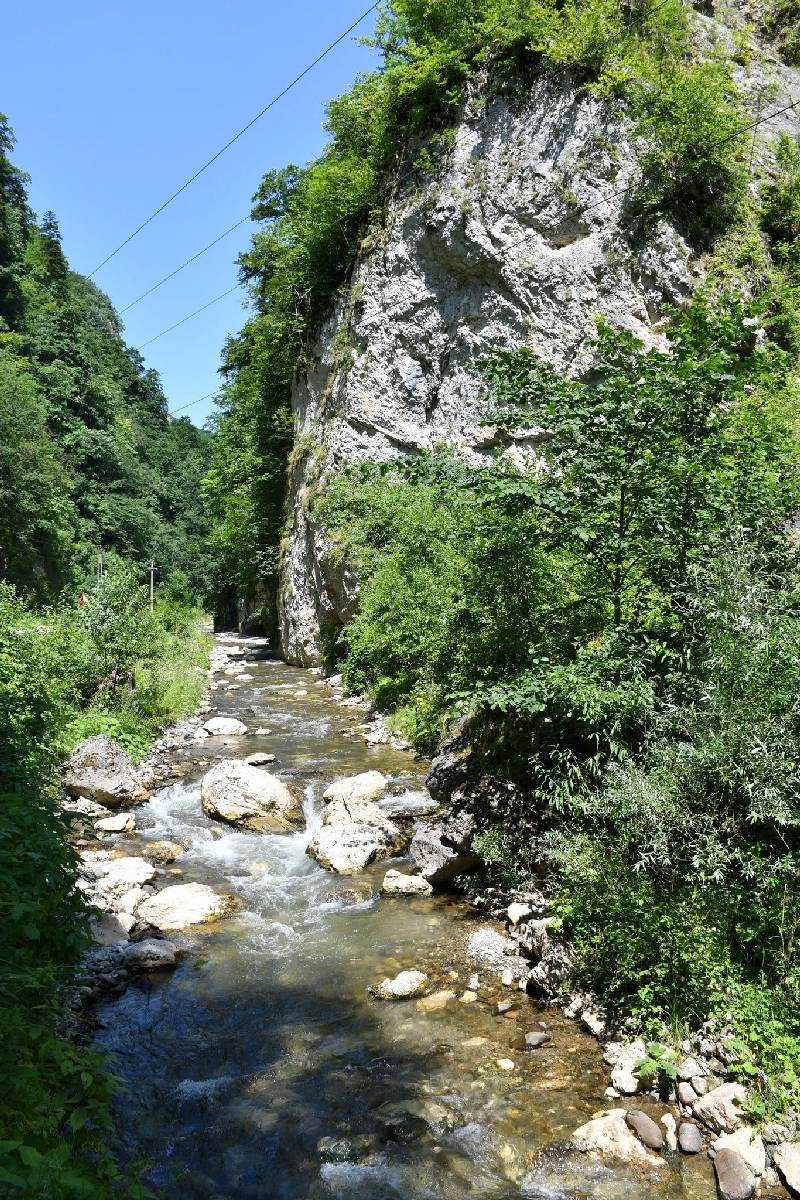
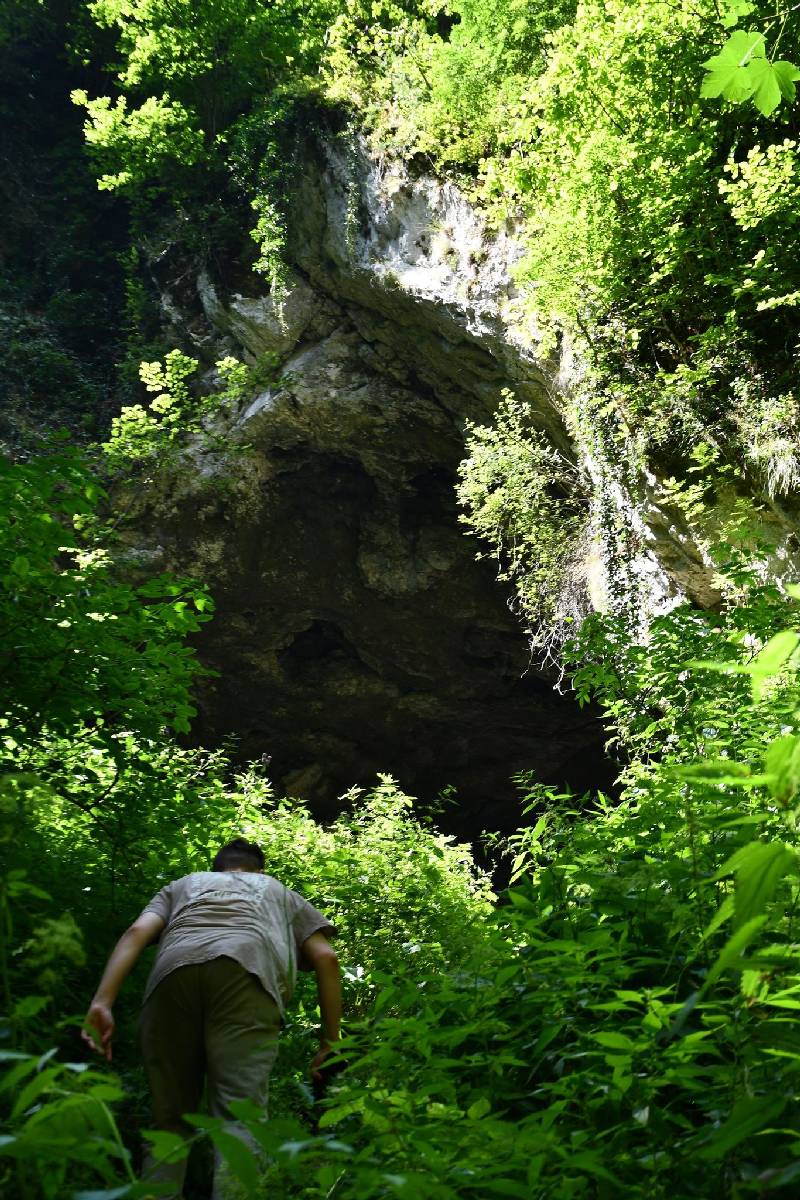
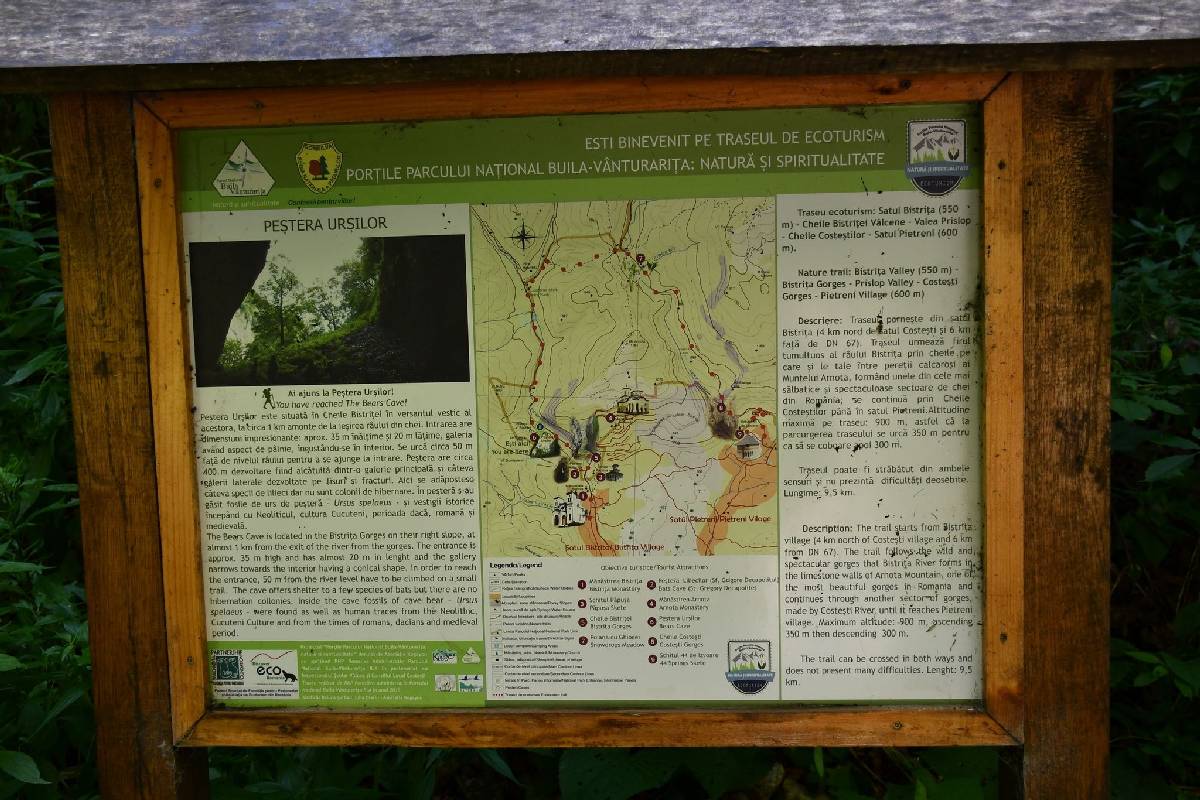
The “Bear’s Cave” is located in the Bistrita Gorge, about one (1) km from the entrance to the river valley.
https://discover-valcea.com</ a> | https://welcome-to-romania.com
Fossils and traces of cave bears have been found in the cave, as well as early human traces from Roman, Dacian, and medieval times. In addition to the truly impressive gorge and cave, visitors can also visit the Bistrita Monastery located at the entrance to the gorge, the Schitul Papusa Monastery, and more. The Hanul Vatra guesthouse is also located in the immediate vicinity of this site.
Salina Ocnele Mari | Church | Valcea County
(28 June 2025)
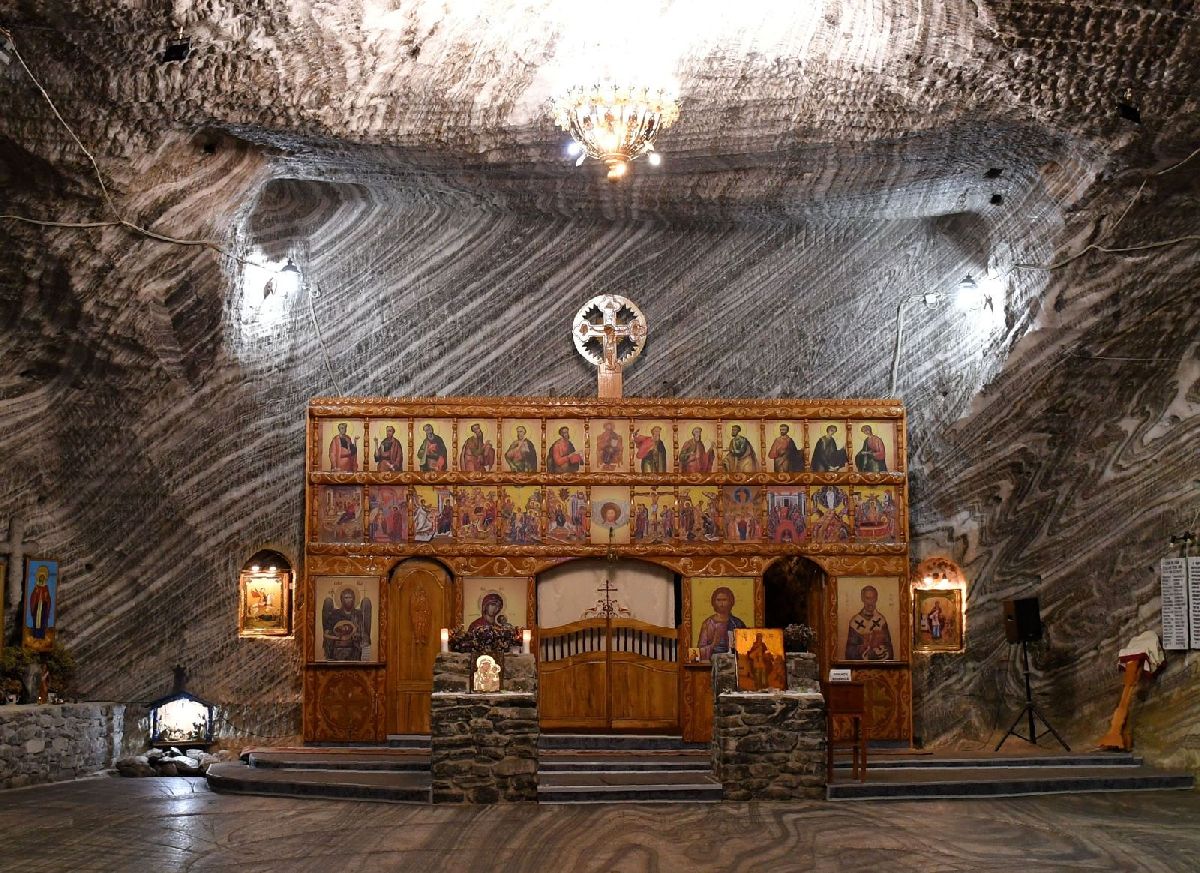
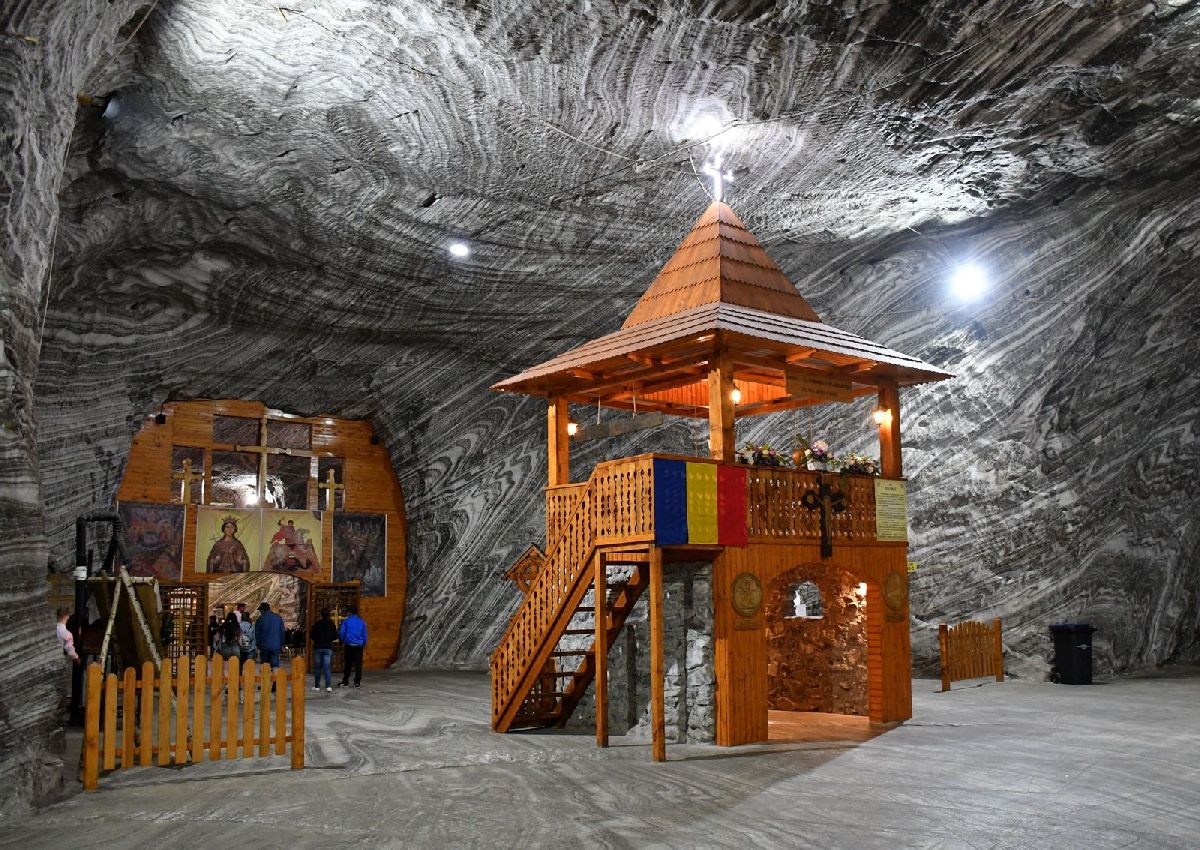
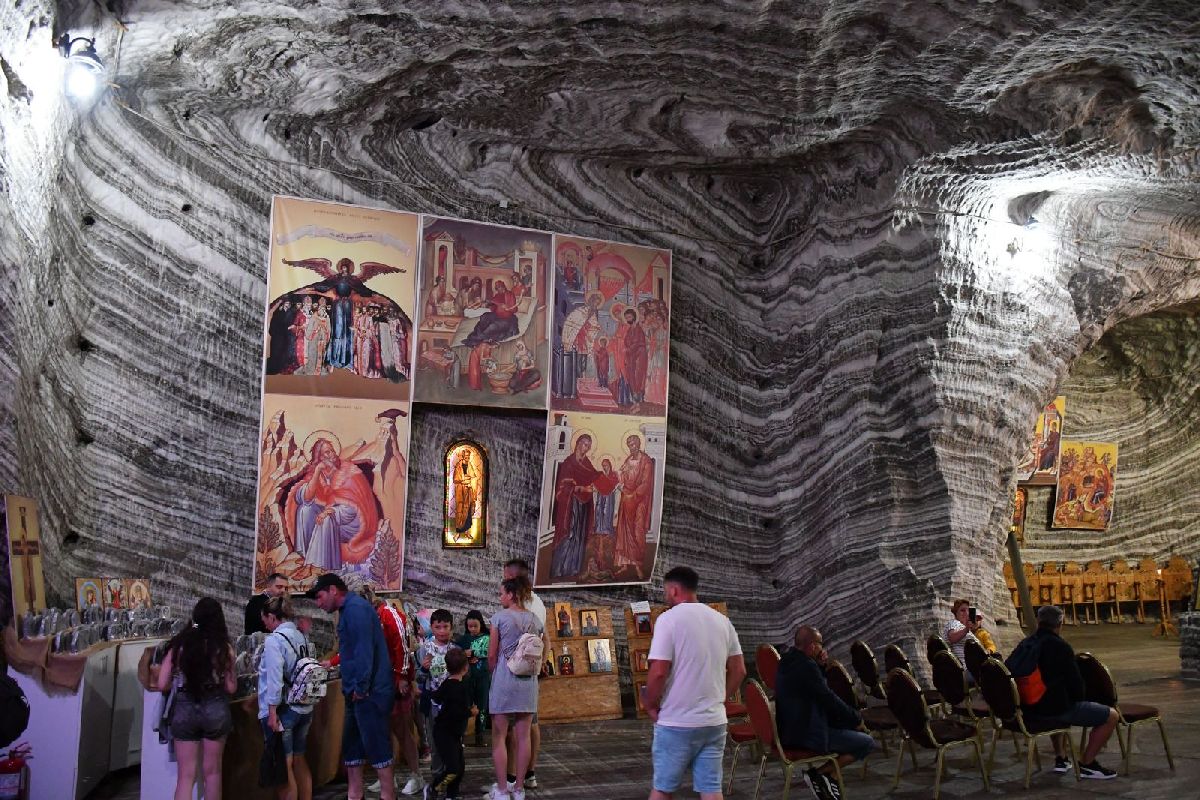
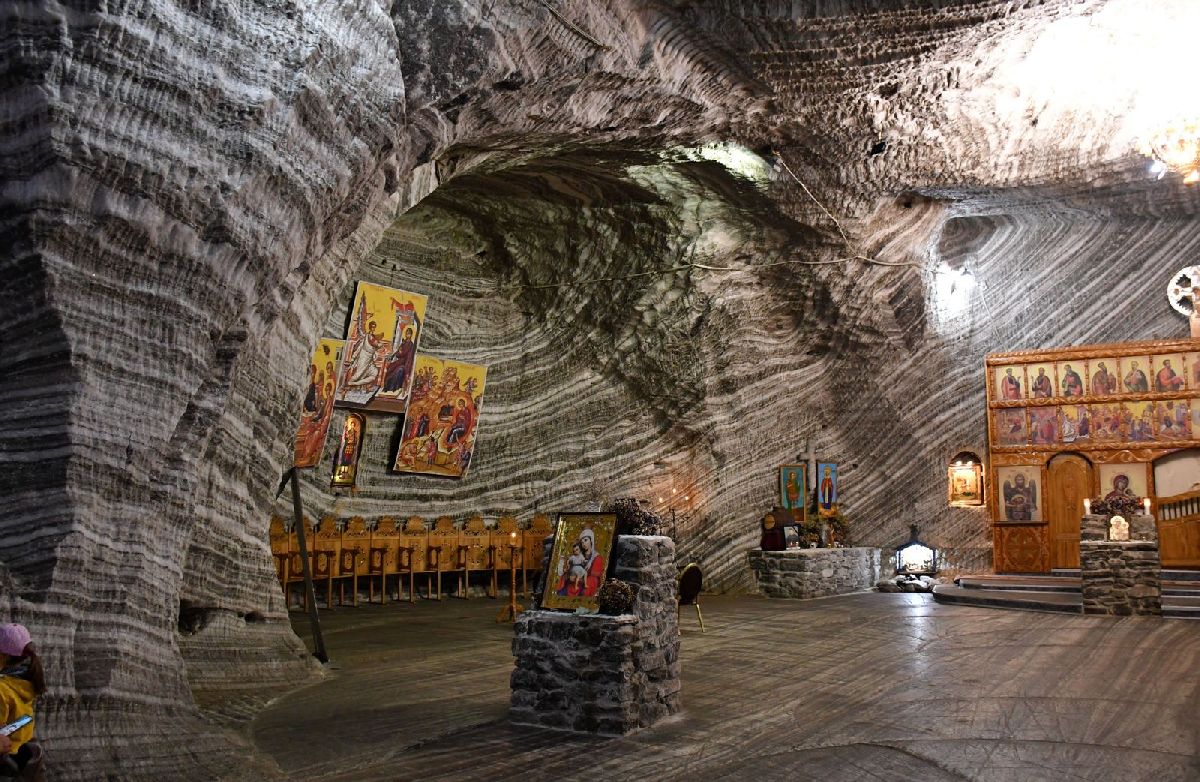
The church of the Salina (salt mine) Ocnele Mari is located directly in the salt mine and is dedicated to Saint Varvara and Saint George.
The salt mine is located in the town of the same name, Ocnele Mari, about 8 kilometers from the county capital Ramnicu Valcea in Valcea County. Buses (departing every 30 minutes) take visitors down to the salt mine in a journey lasting about 10 minutes.
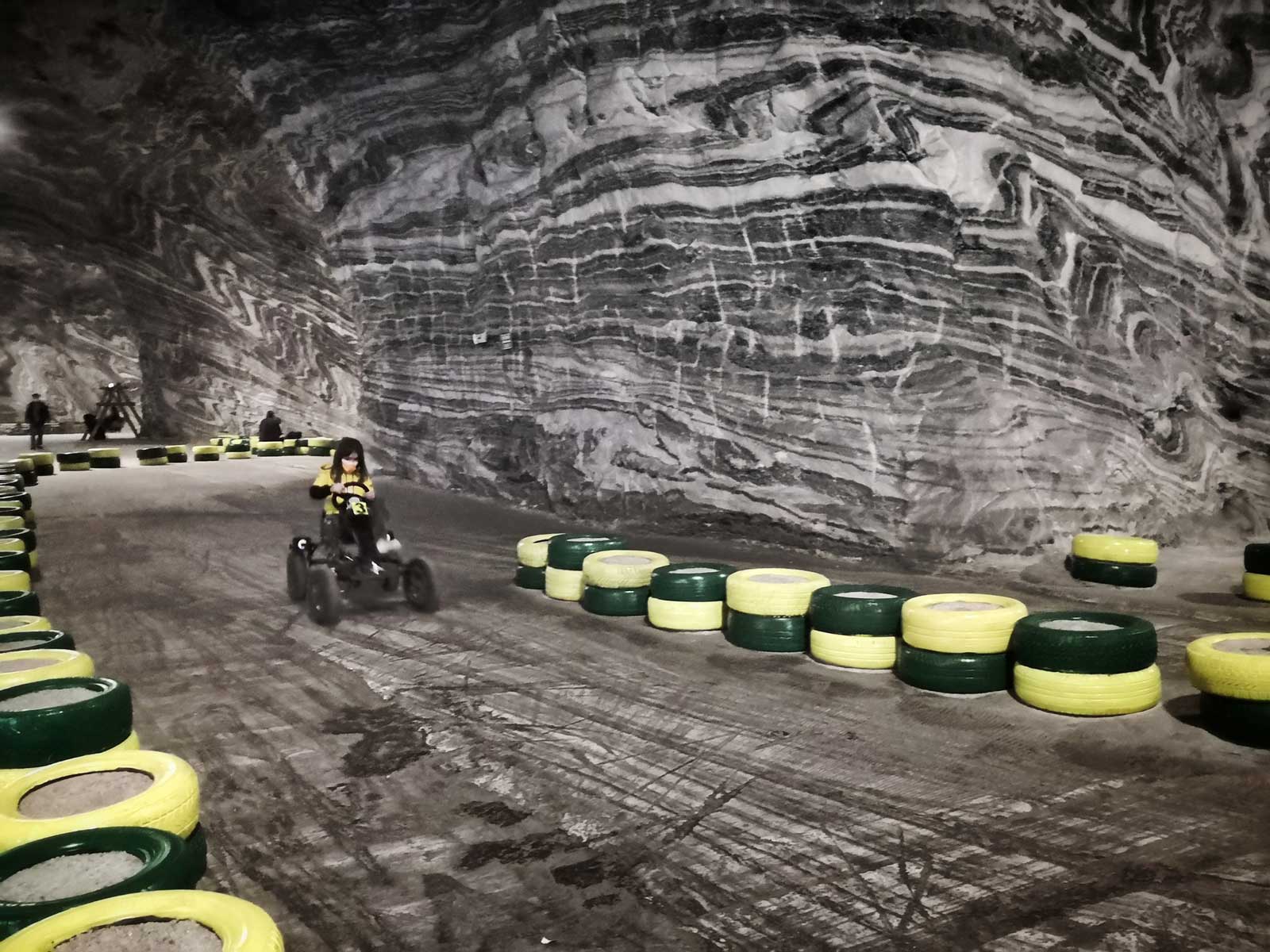
The salt mine itself has a constant microclimate, with a temperature of about 13-15º C and humidity of 50%. Visitors are offered many opportunities for relaxation, recreation, and even therapy. There are areas for volleyball, basketball, soccer, tennis, billiards, and mini-go-karting. For children, there are playgrounds with swings, slides, and seesaws, as well as a restaurant, a wine cellar, a souvenir shop, and a refreshment and fast food shop.
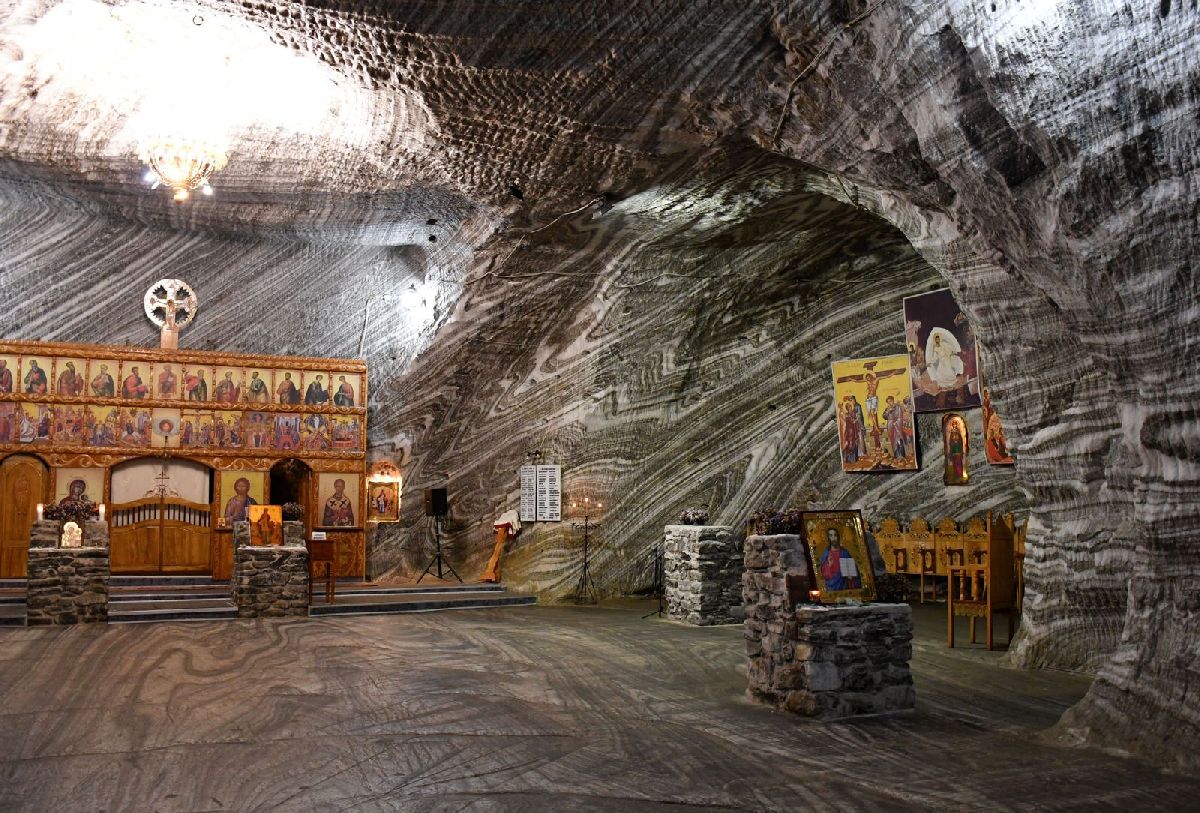
Transfagarasan | Vidraru Dam / Lake | Valley of the Olt River
(18 June 2025)
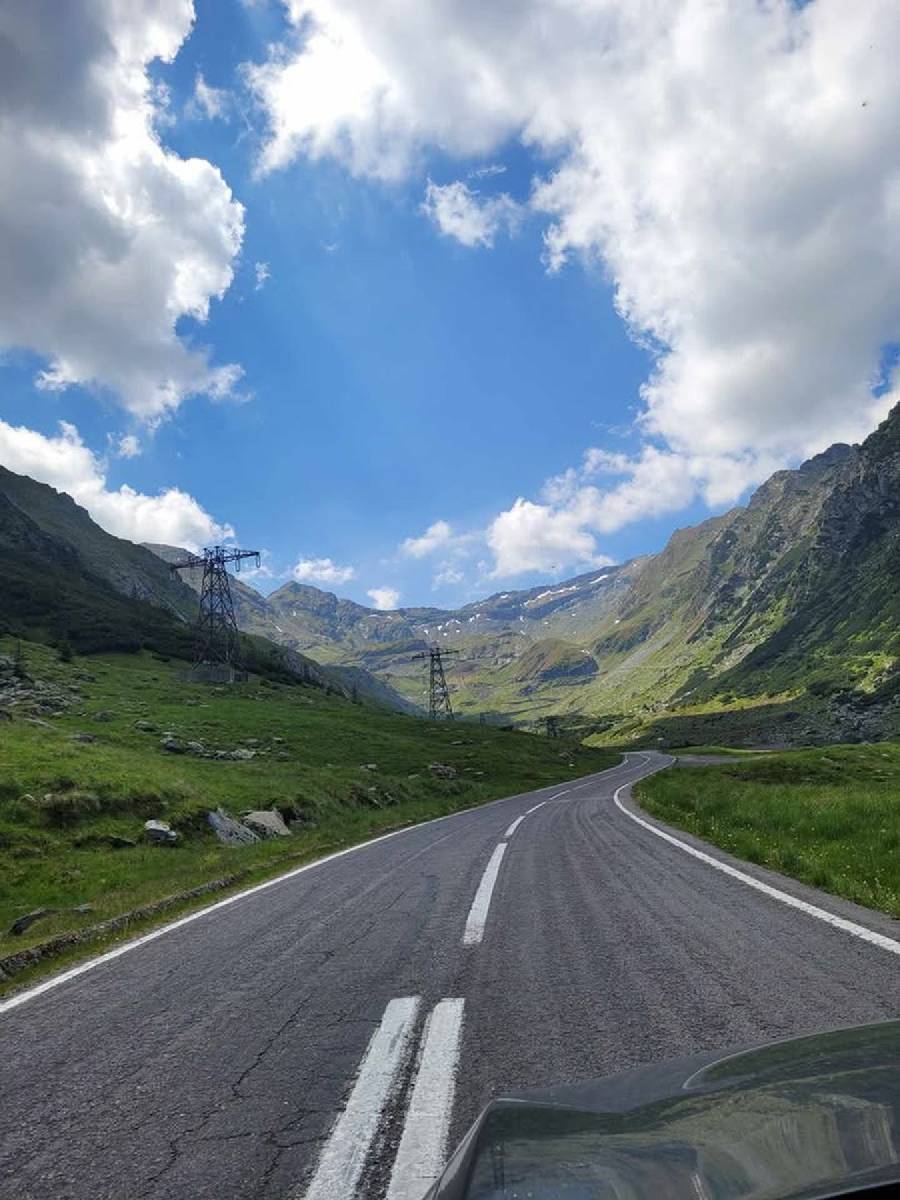
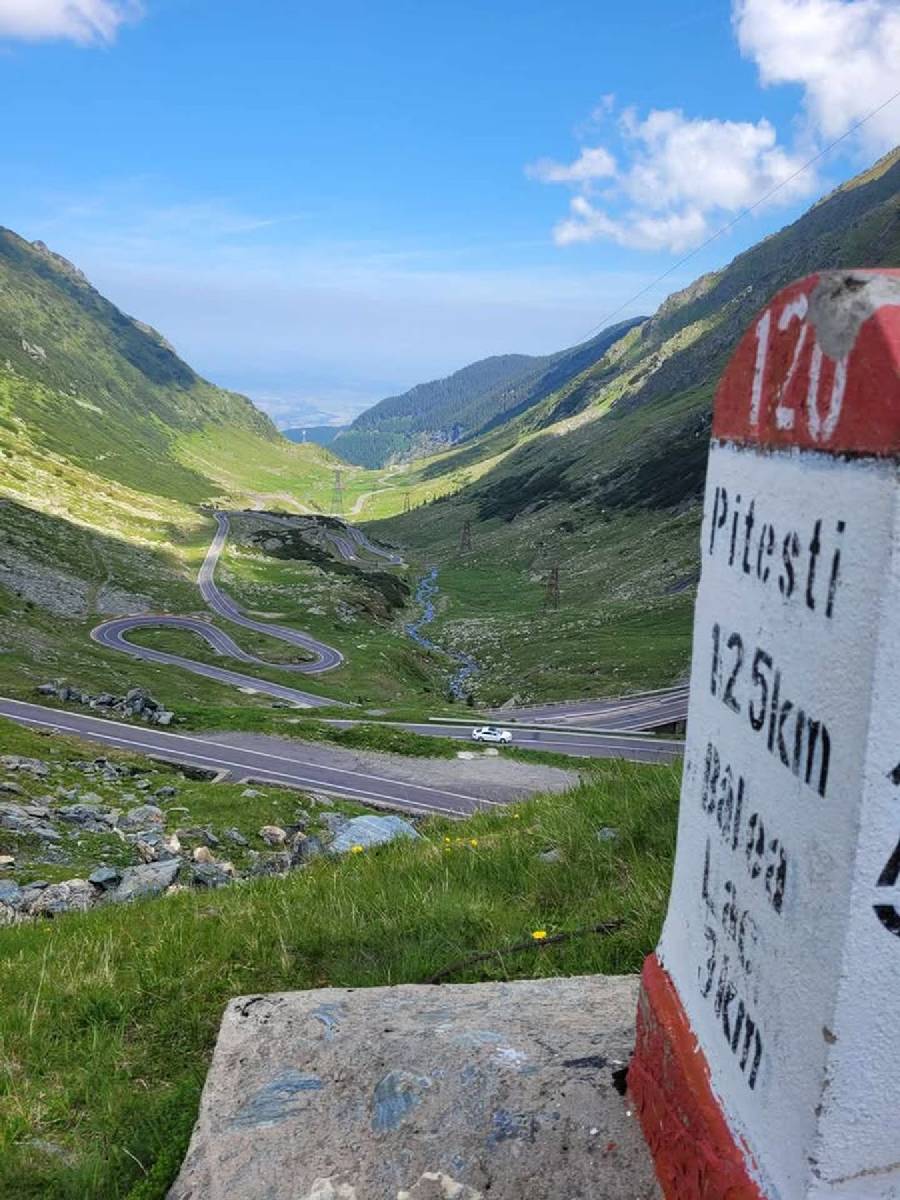
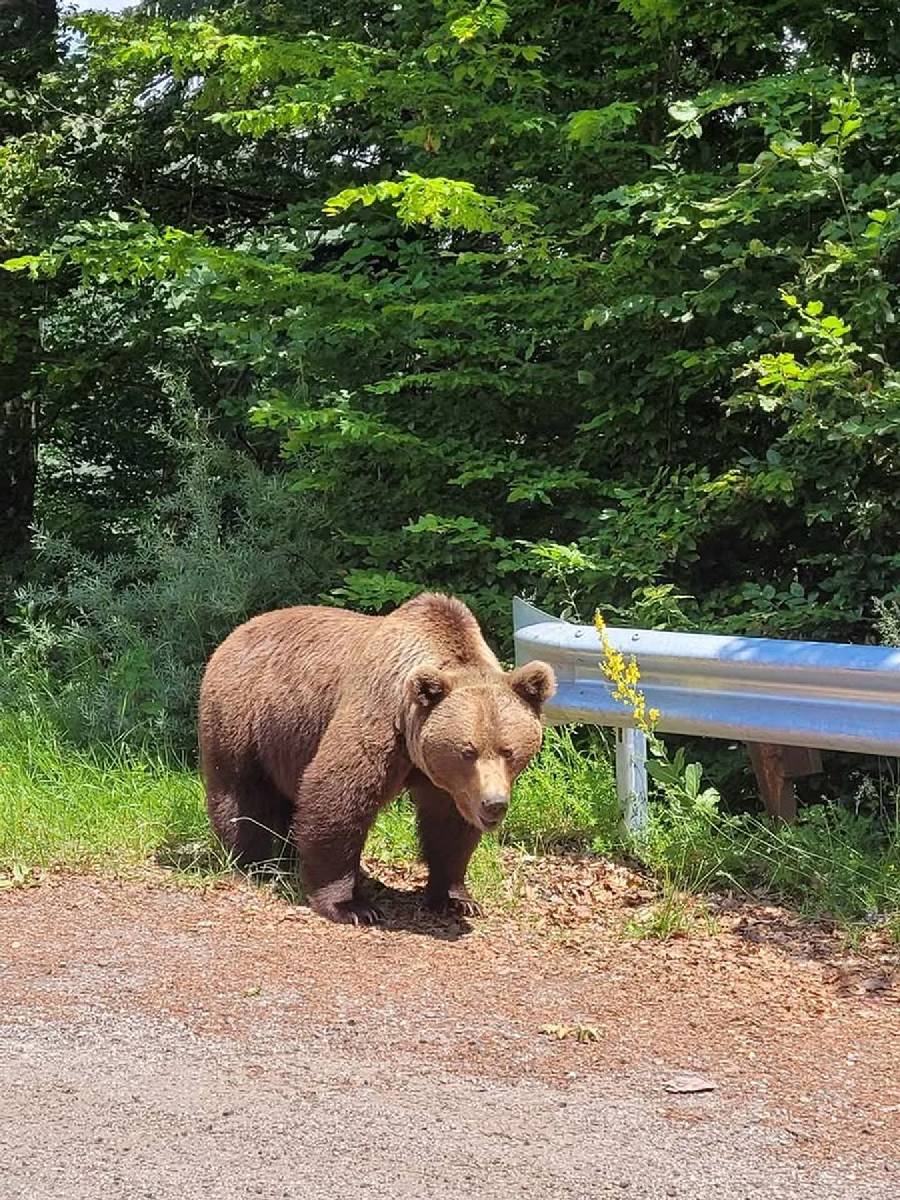
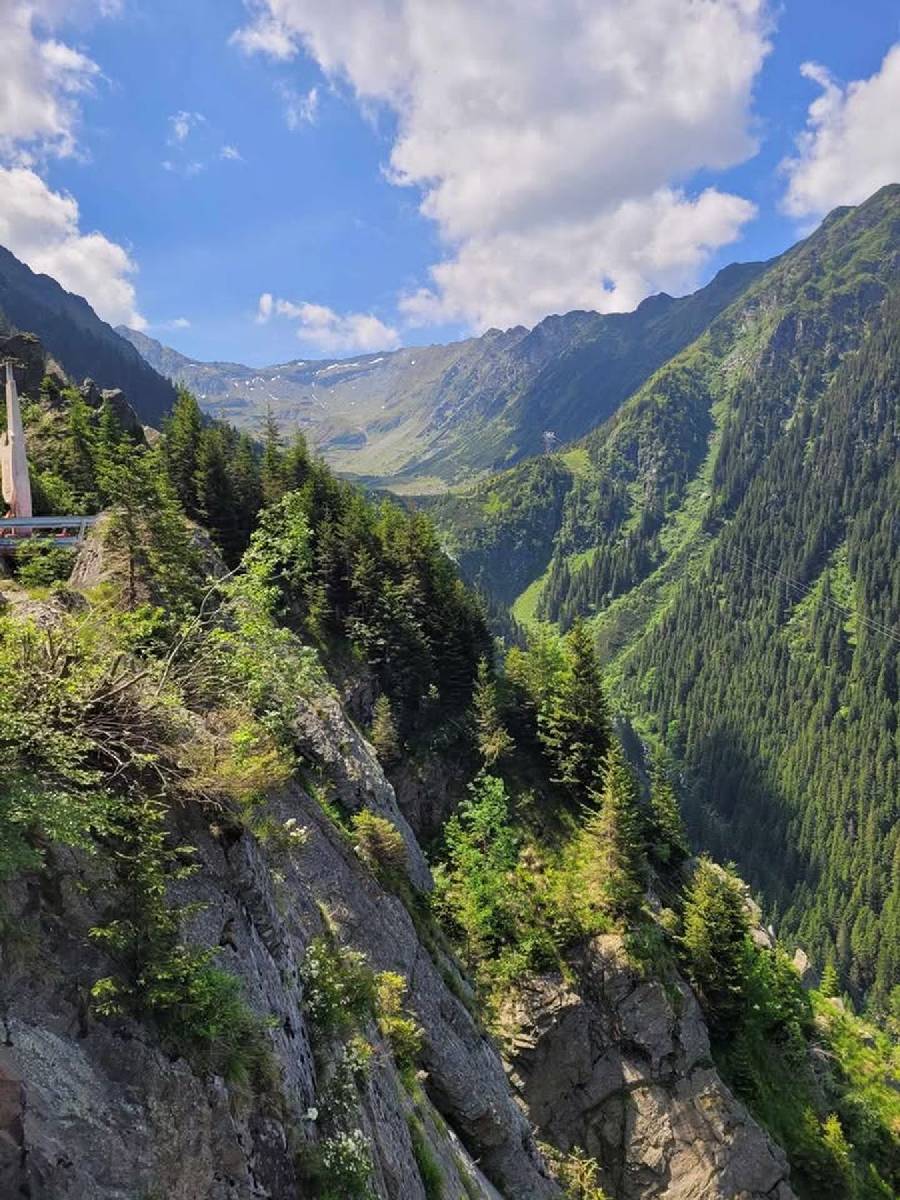
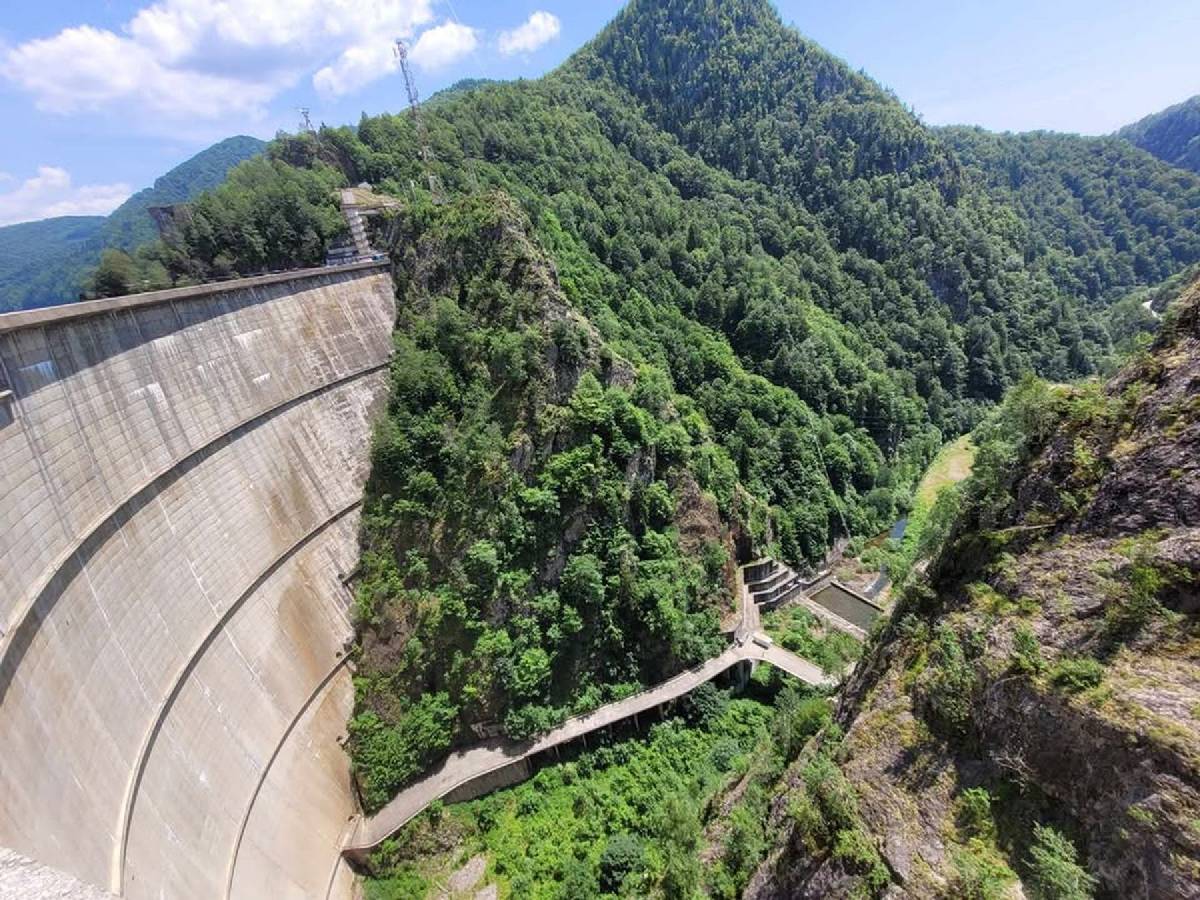
Pictures from yesterday, June 17, 2025, taken by Mr. Michael Thiele during his tour of Transylvania / Romania, where he is currently traveling. Transfagarasan, Vidraru Dam / Reservoir and on to Calimanesti on the Olt River and in Valcea County. Thank you very much for these pictures.
https://welcome-to-romania.com</ a> | https://urlaub-in-rumänien.de
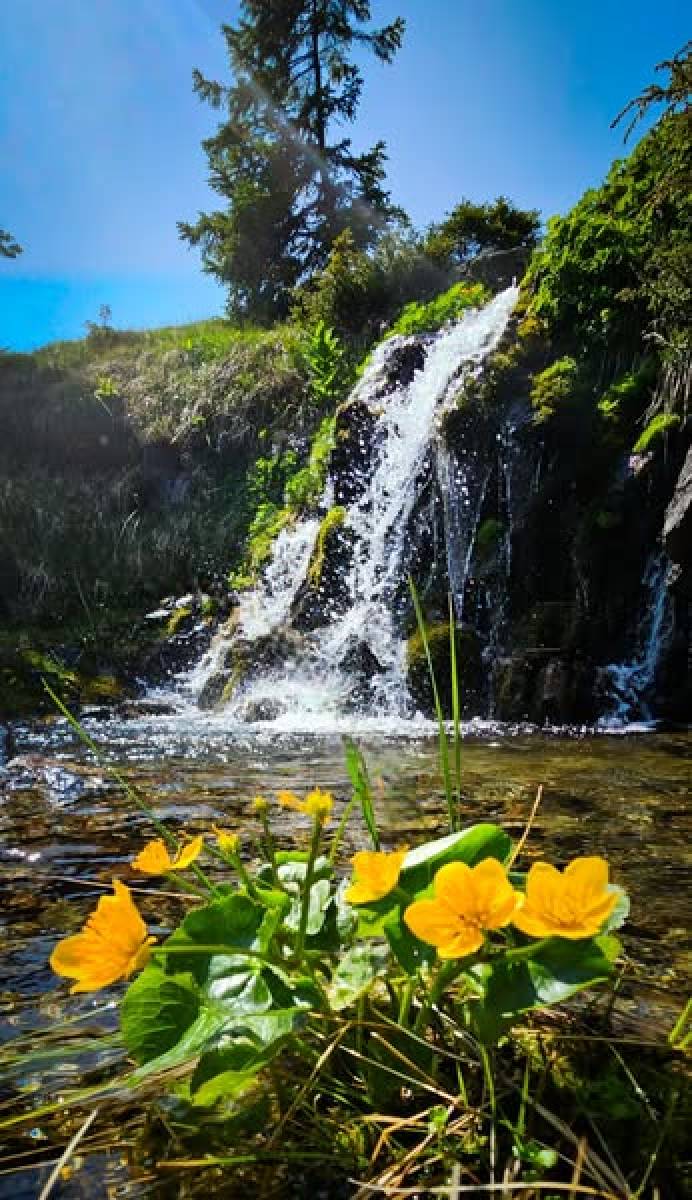
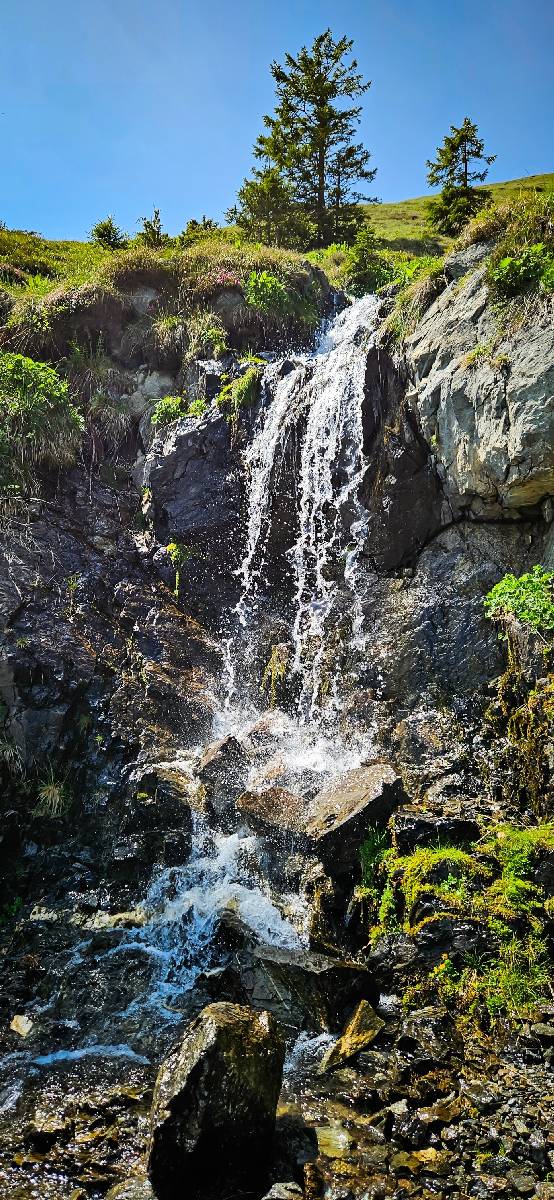
Capatanii Mountains | Alba and Valcea Counties
(10 June 2025)
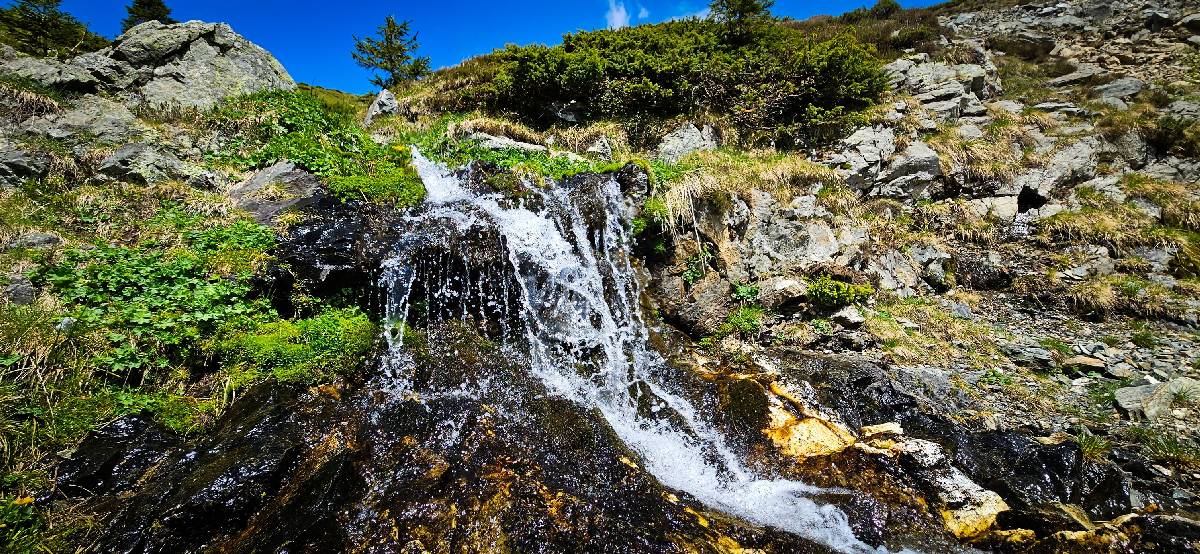
The Capatanii Mountains are a mountain range in the Sureanu Parang Lotrului Mountains and belong to the Southern Carpathian Mountains. The highest mountain is Nedeia, with an elevation of 2,130 m.
We would like to thank Ms. Corina E. Mateescu for allowing us to use these beautiful pictures.
Capatanii Mountains | Alba and Valcea Counties
(10 June 2025)
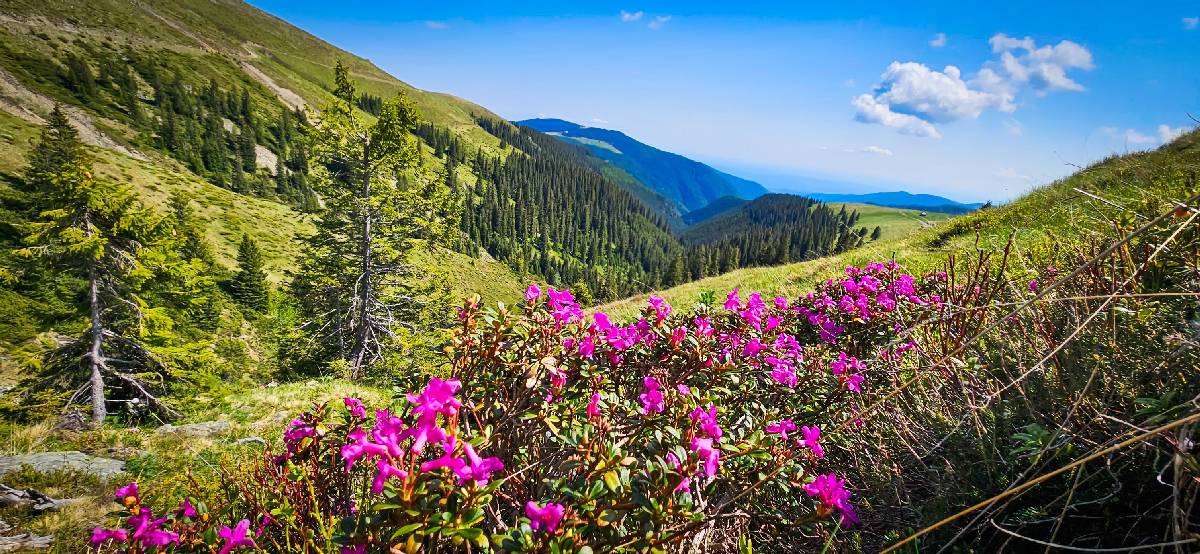
The Capatanii Mountains are a mountain range in the Sureanu Parang Lotrului Mountains and belong to the Southern Carpathian Mountains. The highest mountain is Nedeia, with an elevation of 2,130 m.
We would like to thank Ms. Corina E. Mateescu for allowing us to use these beautiful pictures.
Cozia National Park | Valcea County
(9 June 2025)
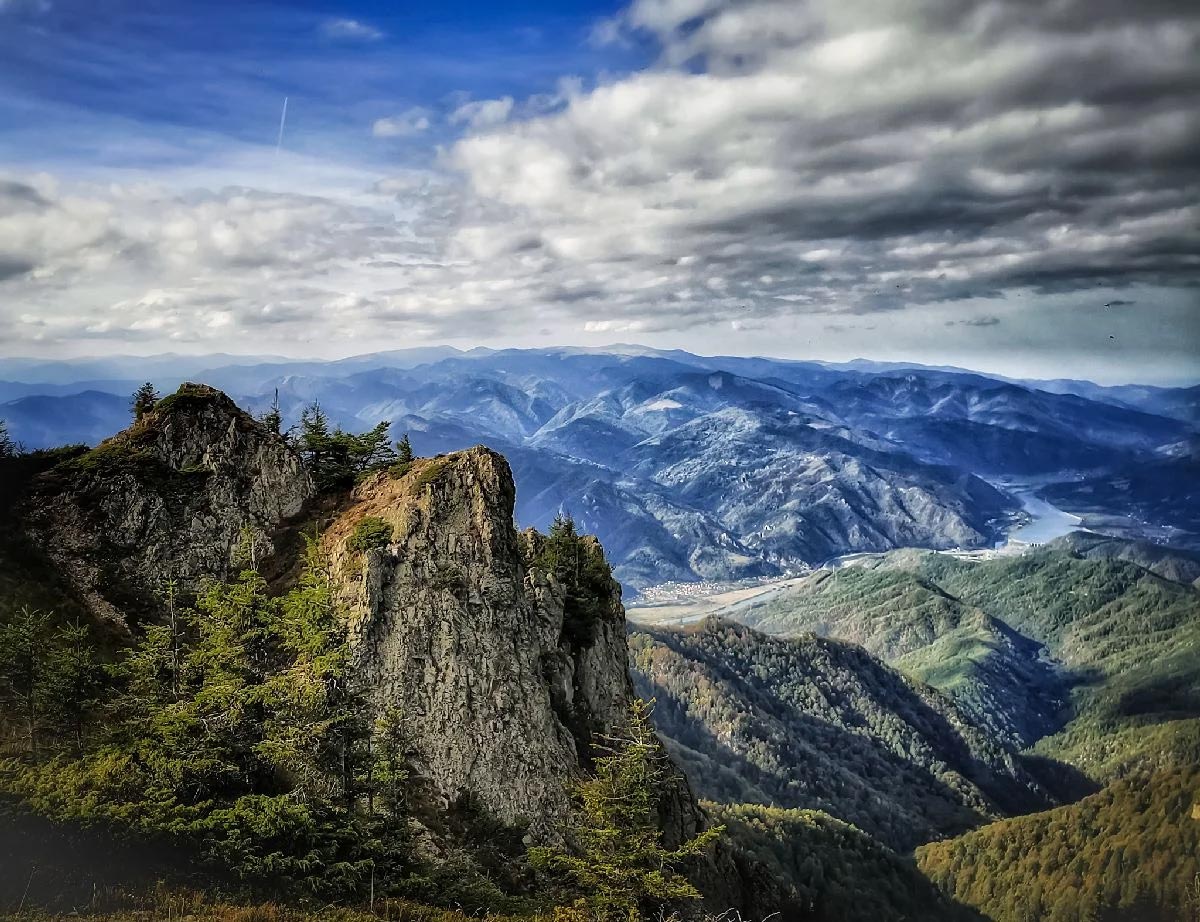
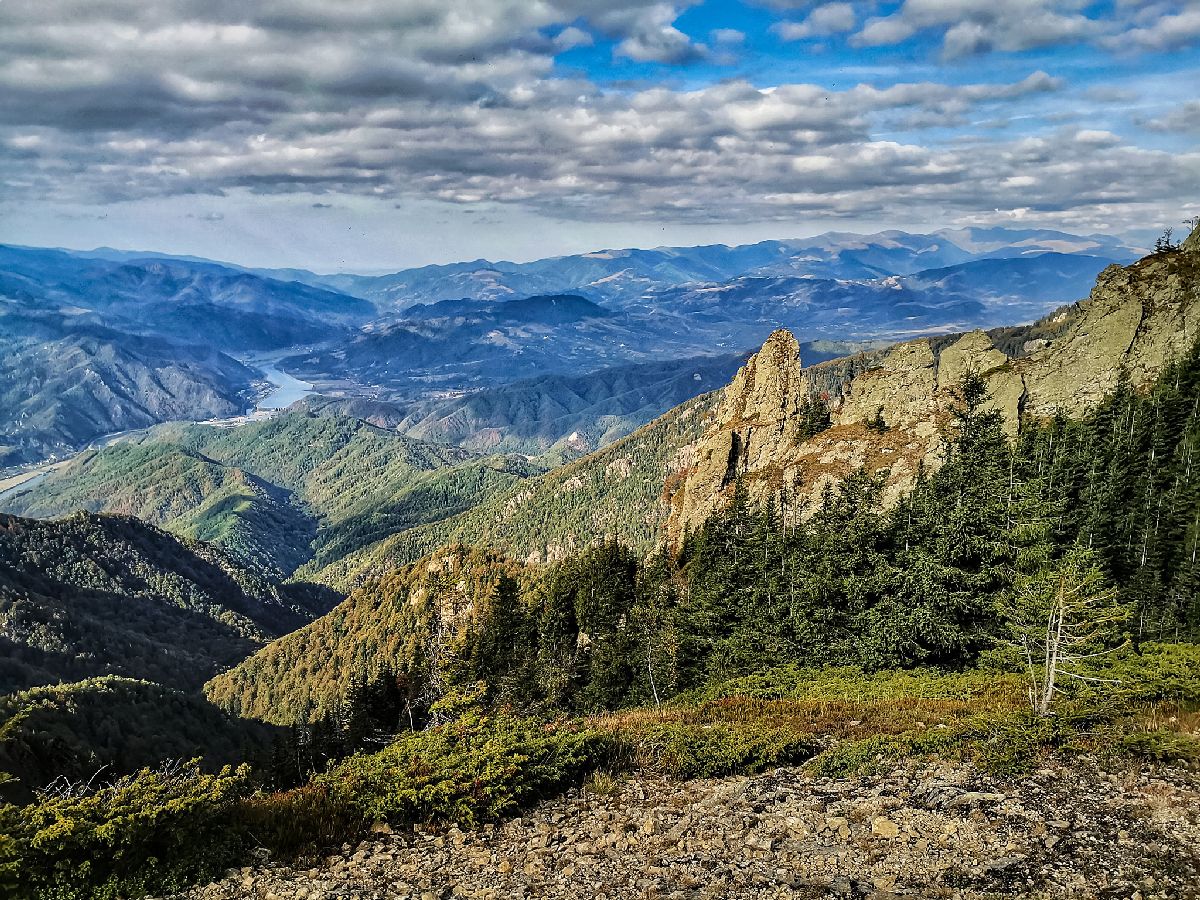
Cozia National Park (Parcul National) is located in the northeastern part of Valcea County, in the administrative area of the towns of Brezoi, Calimanesti, Racovita, Perisani, Salatrucel, and Berislavesti.
https://discover-valcea.com | https://xn--urlaub-in-rumnien-2qb.de/
We would like to thank the photographer Ms. Corina E. Mateescu for allowing us to use these images.
Muzeul (Museum) Satului Valcean | Valcea County
(25 May 2025)
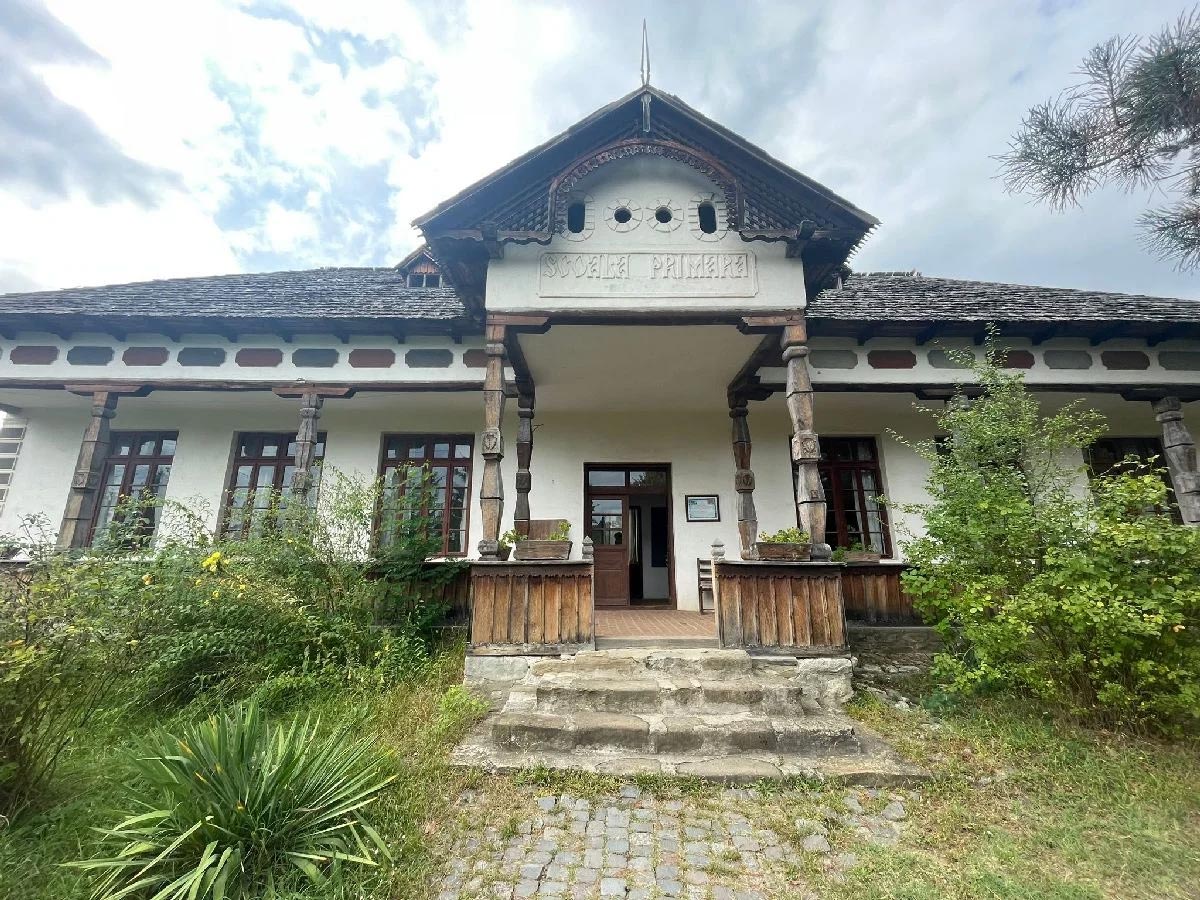
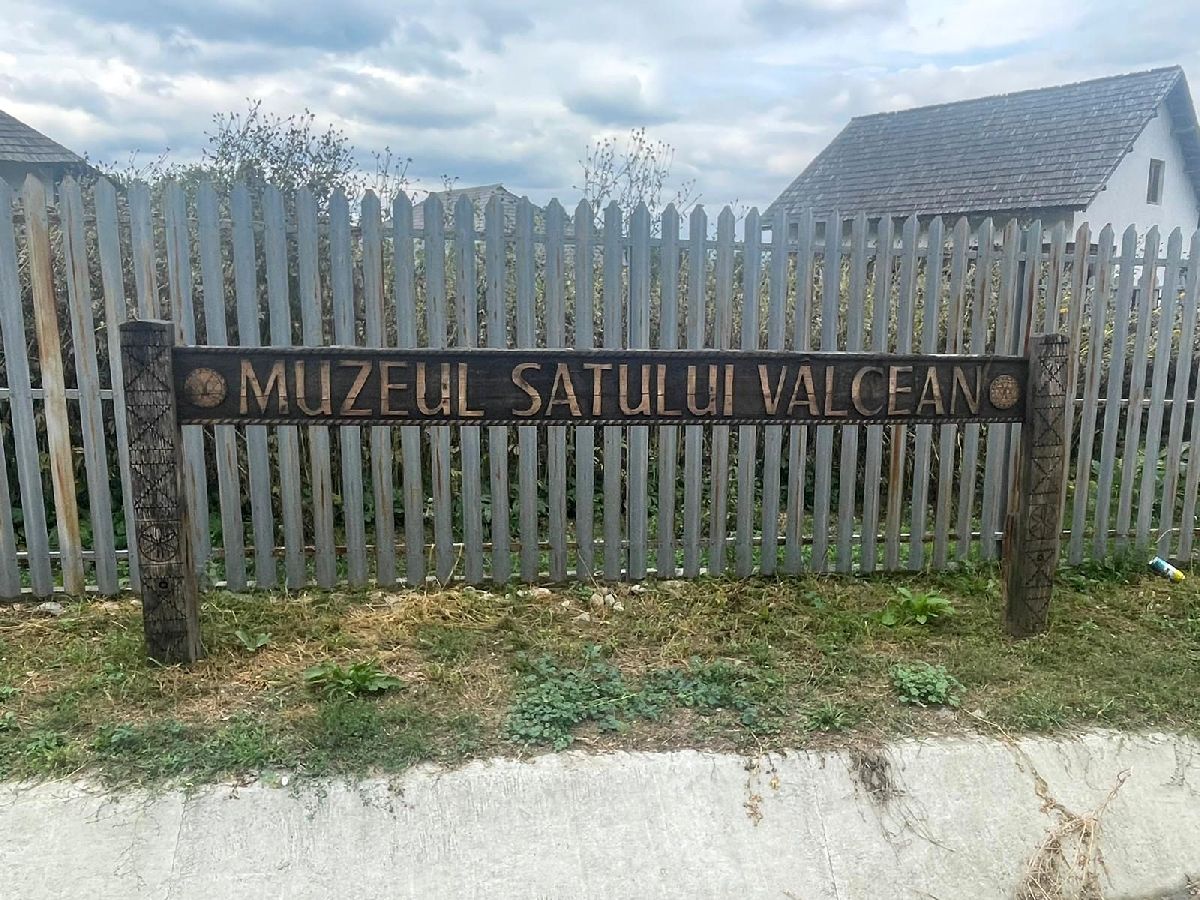
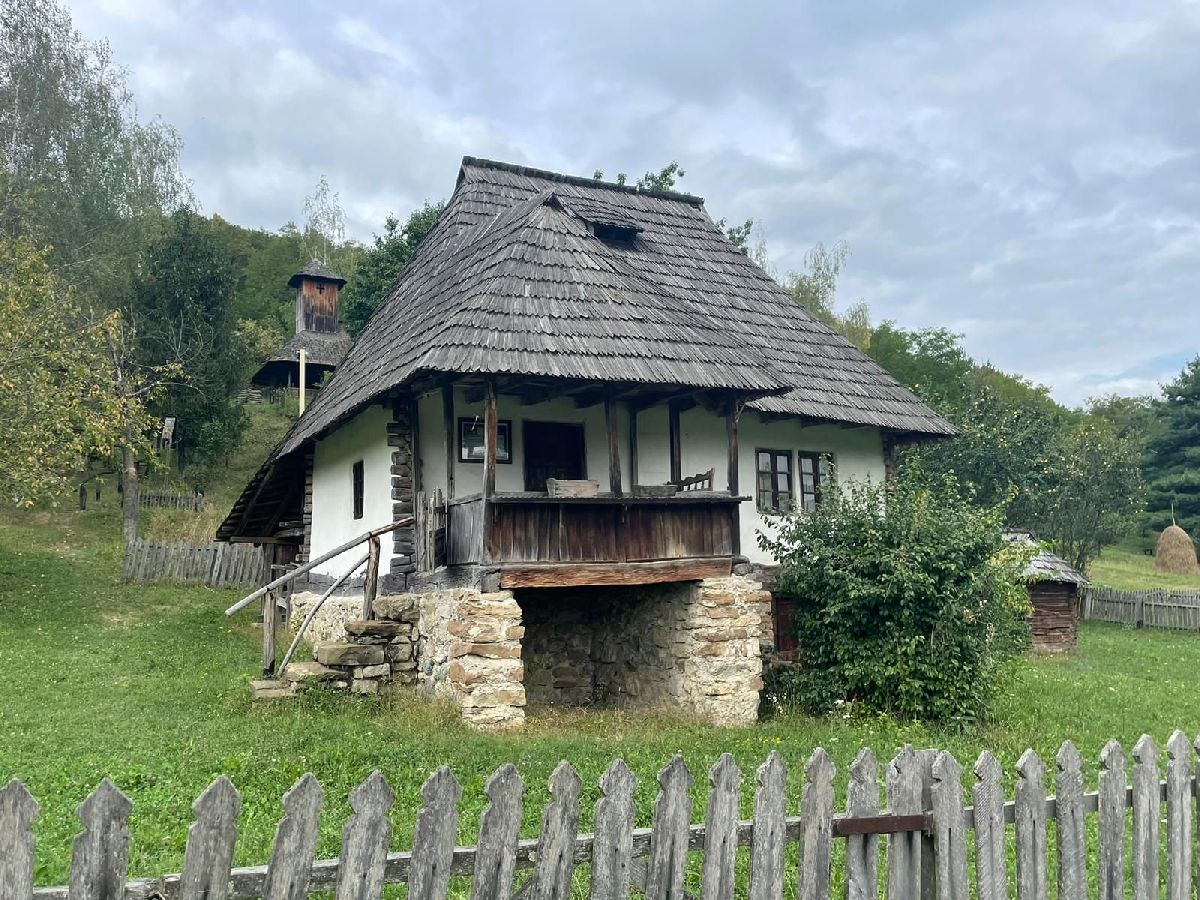
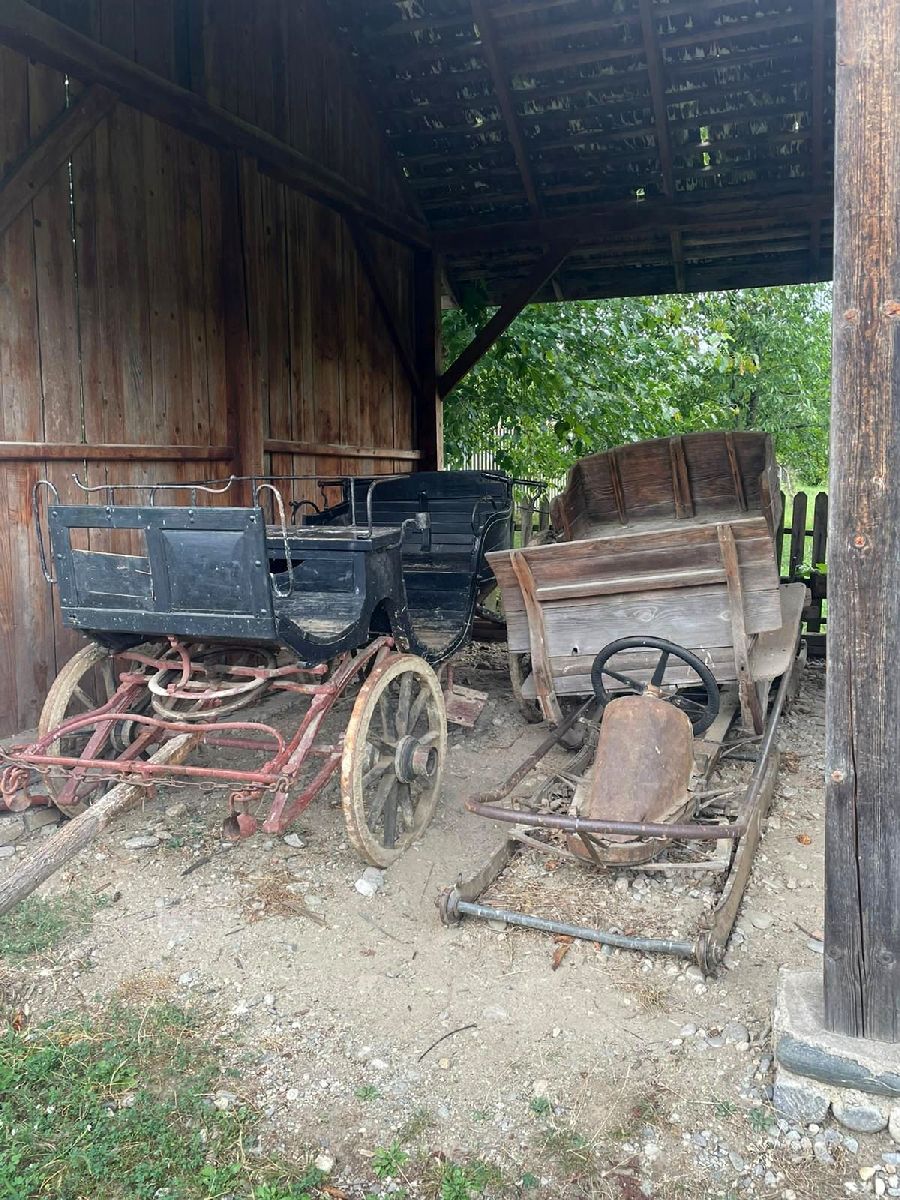
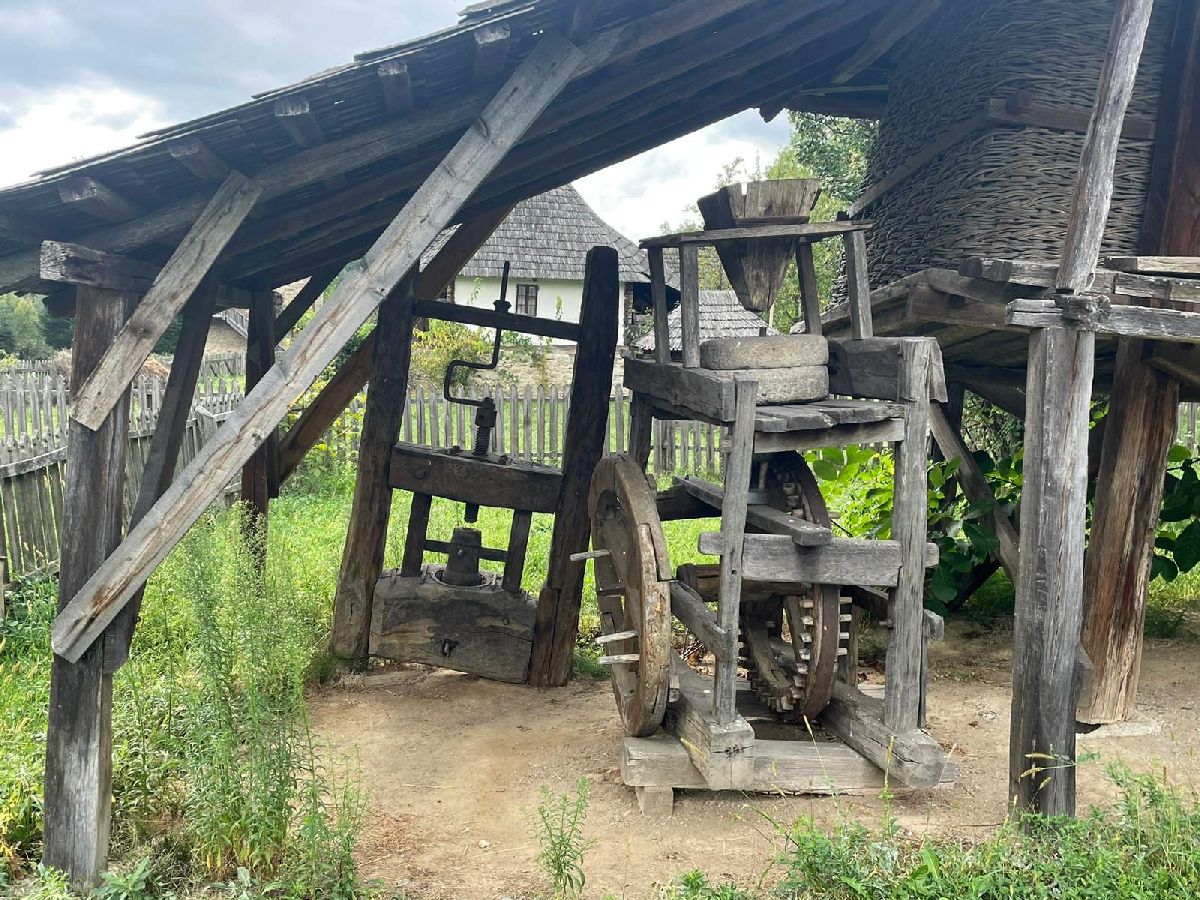
The Valcea Village Museum is located in the village of Bujoreni, about 4 km from the county capital Ramnicu Valcea.
The museum is arranged like a village and shows life in rural settlements in times gone by. The idea was developed in 1969 and implemented piece by piece. It is definitely worth a visit.
We would like to thank Mr. Alexander Laszlo for his efforts and for sending us these pictures (taken on September 17, 2023).
Vacation 2025 in Valcea County | Impressions | Beautiful
(24 May 2025)
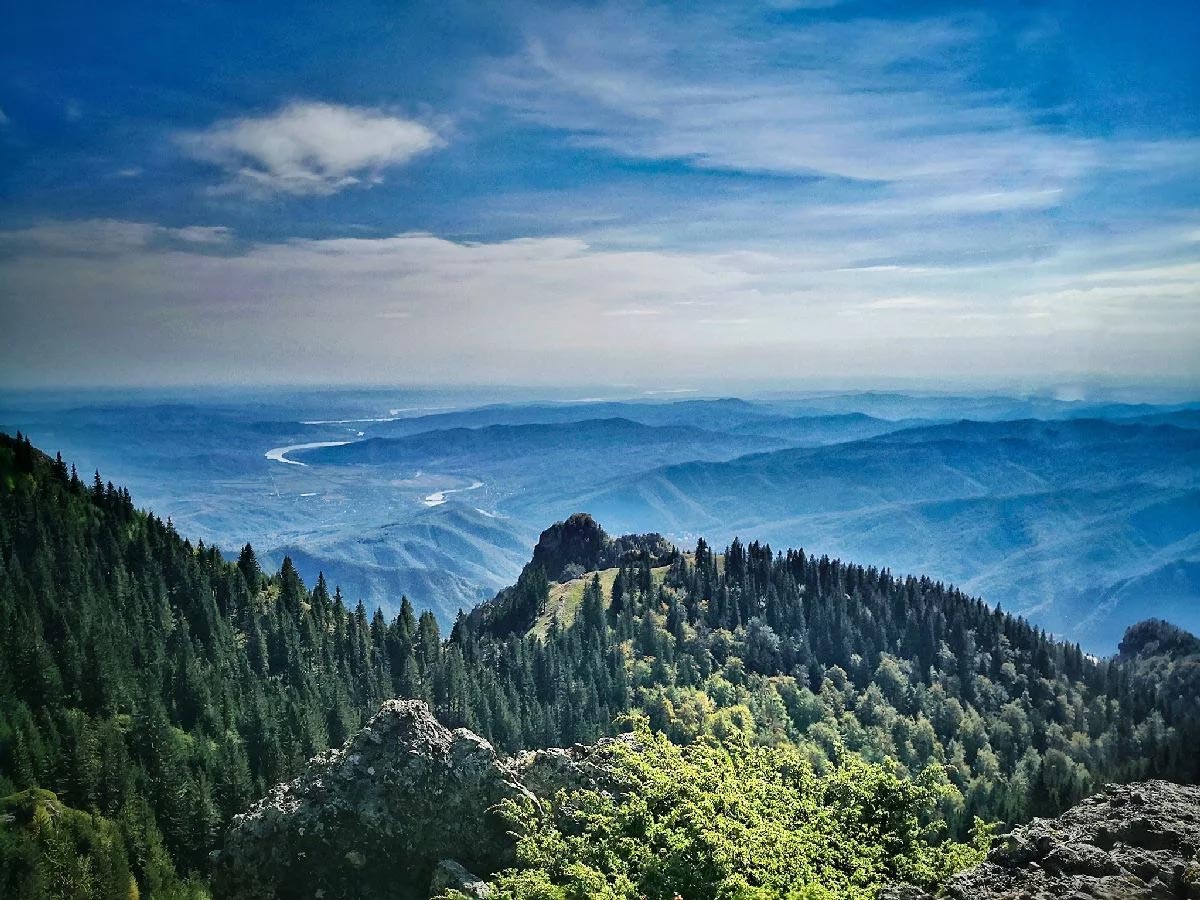
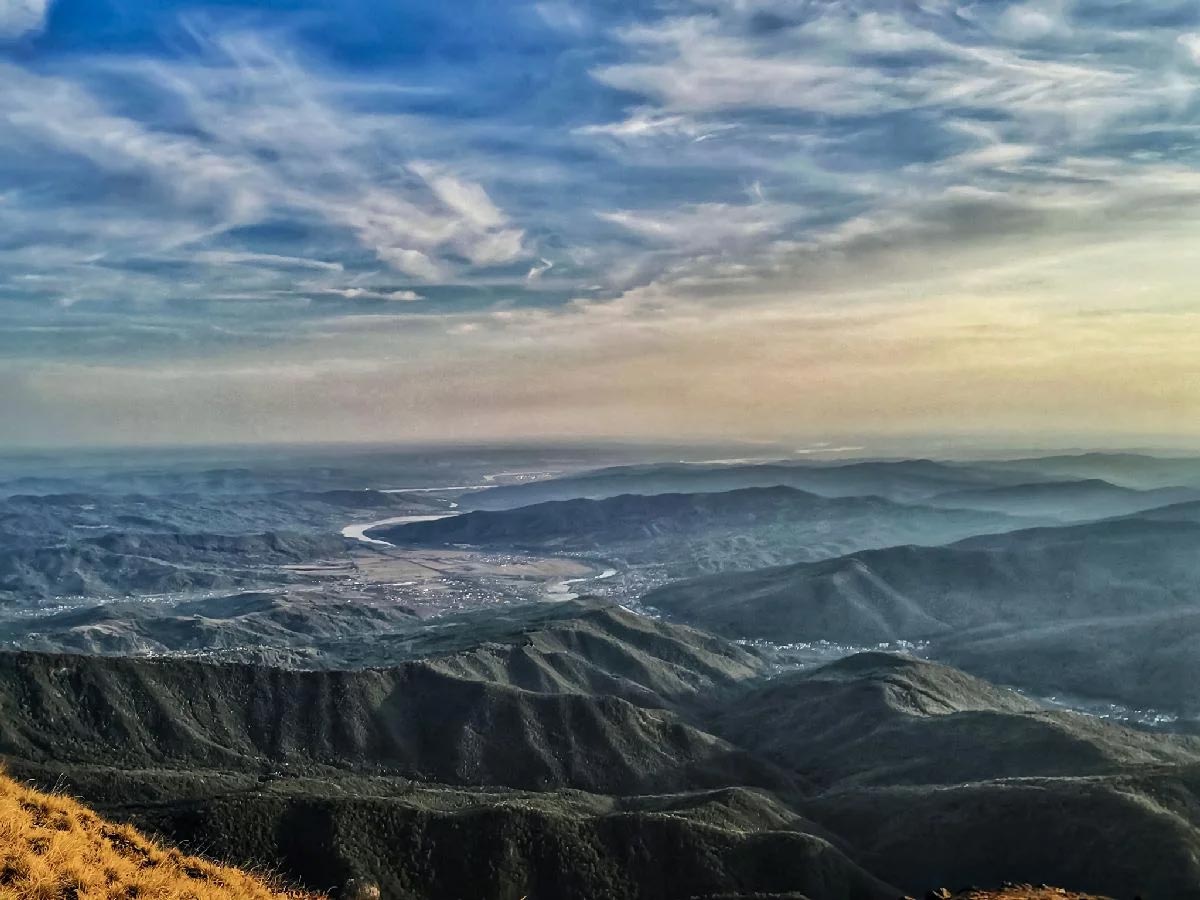
Pictures from Valcea County from summer 2023. Perfect for anyone who loves relaxation, healing springs and waters, nature, tradition, or even wine and good food.
https://discover-valcea.com</ a> | https://welcome-to-romania.com
Nature, nature, and more nature…
(16 May 2025)
Buila-Vanturarița National Park: pictures of a walk/hike on the alpine trails of Buila-Vanturarița National Park, Valcea County, at an altitude of over 1,400 meters.
Learn more about Romania and travel destinations: https://urlaub-in-rumänien.de/
We would like to thank Centrul Național de Informare și Promovare Turistică Vâlcea for permission to use these pictures.
Photos: Farytale places for body and soul
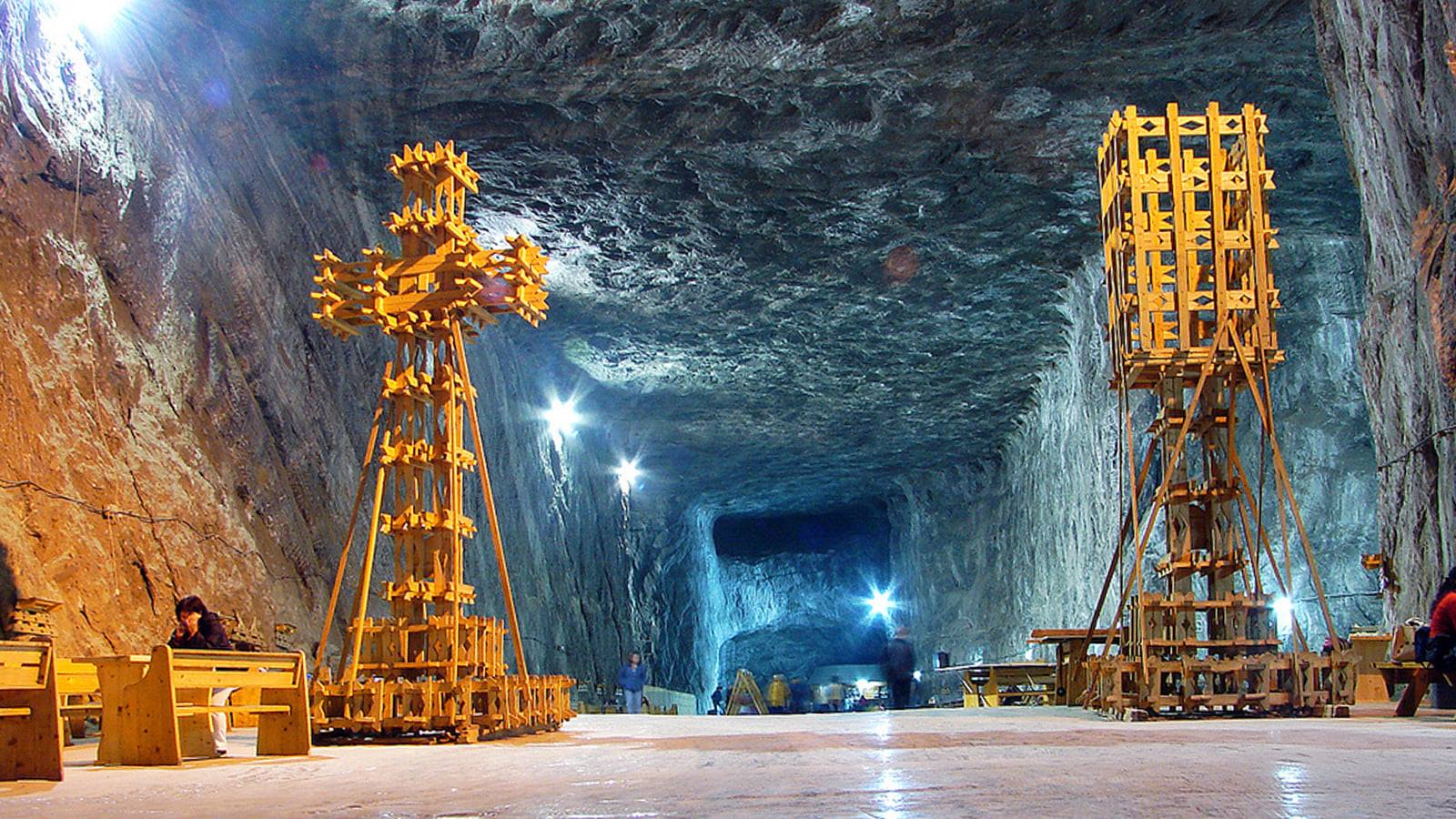
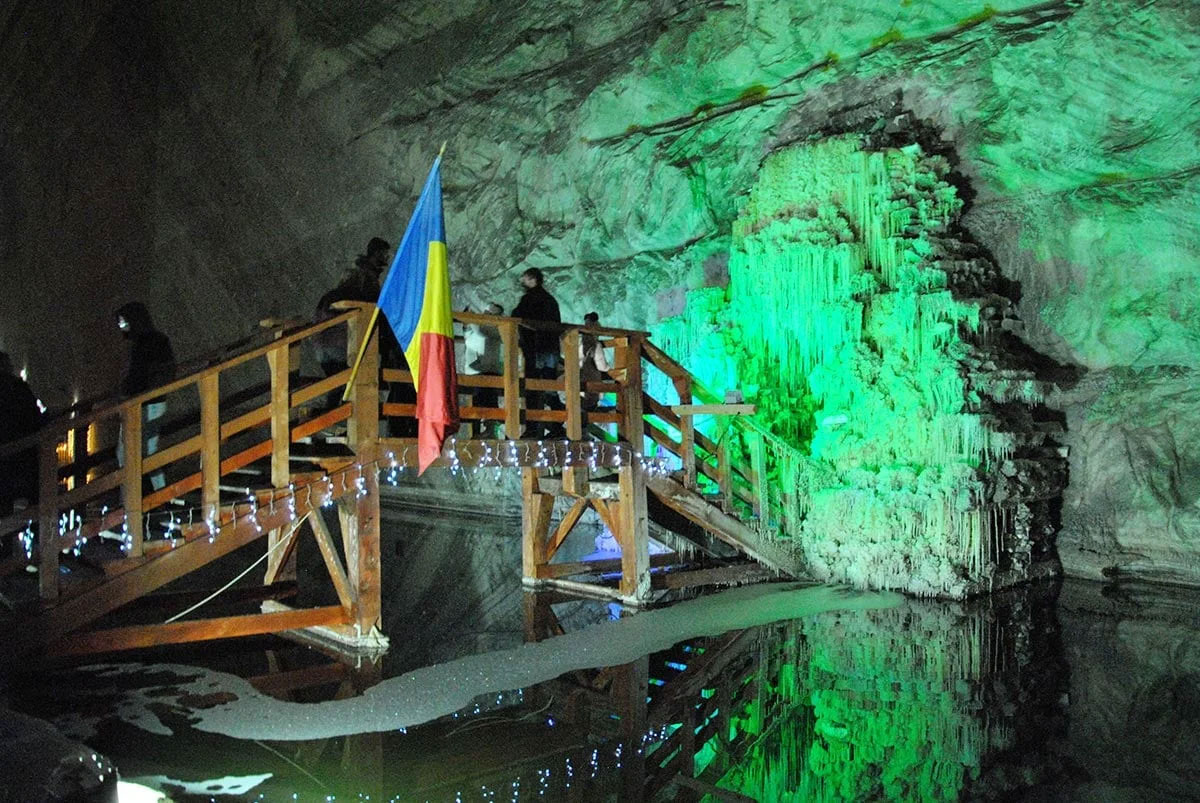
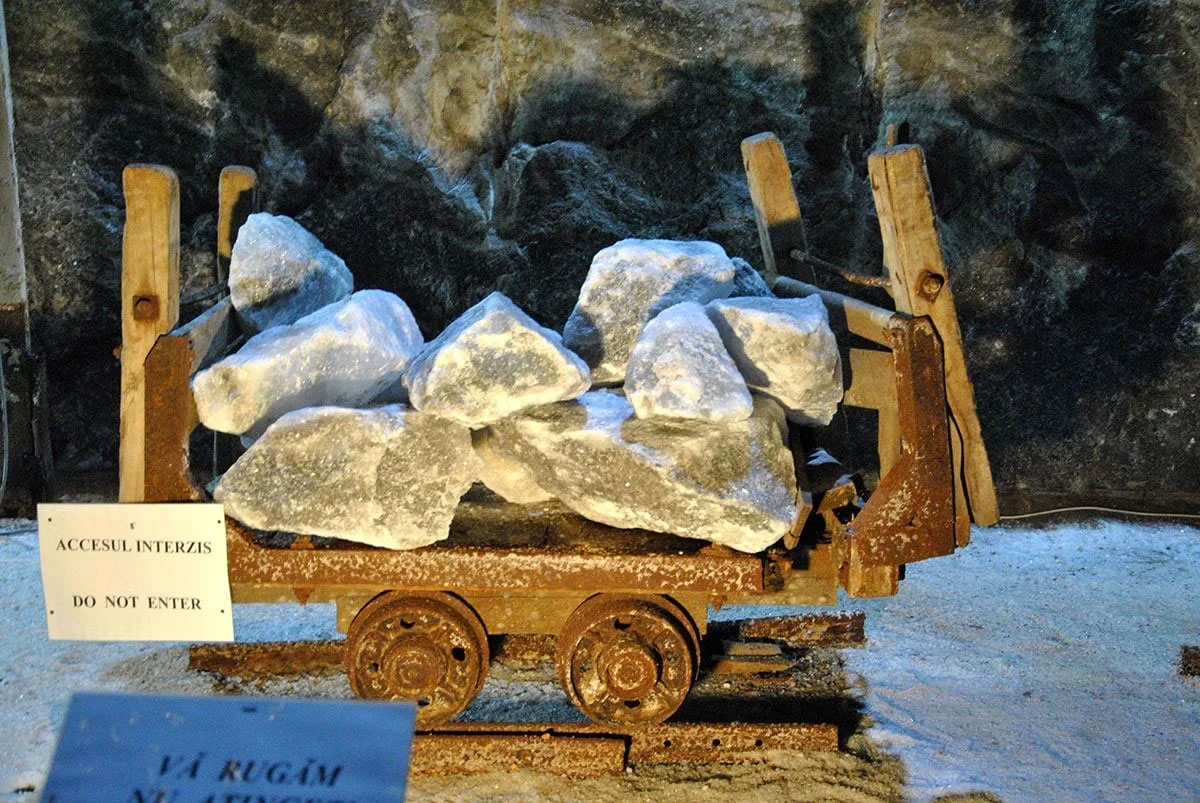
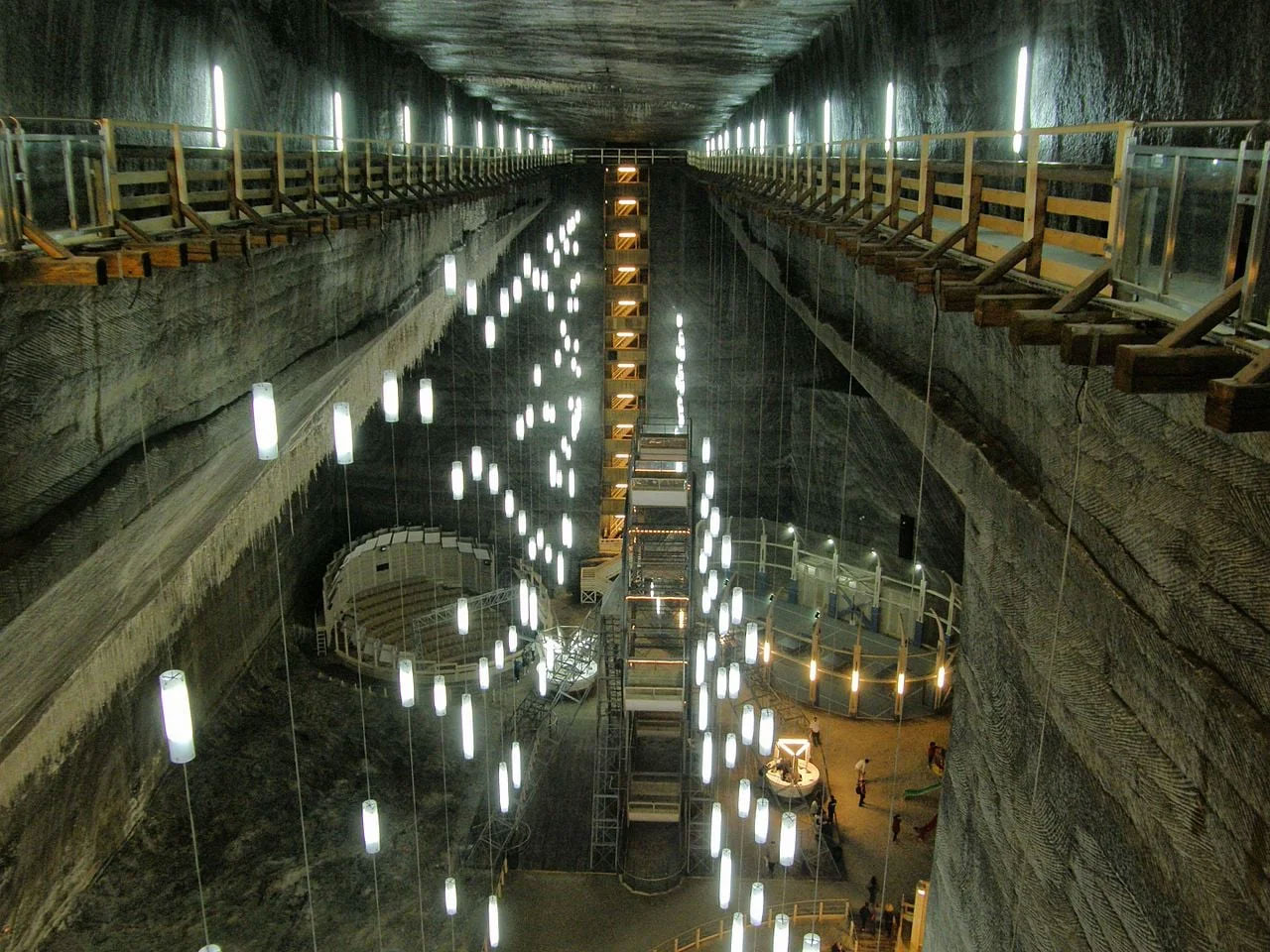
Salt mines :: Turda | Slanic Prahova | Praid
(15 May 2025)
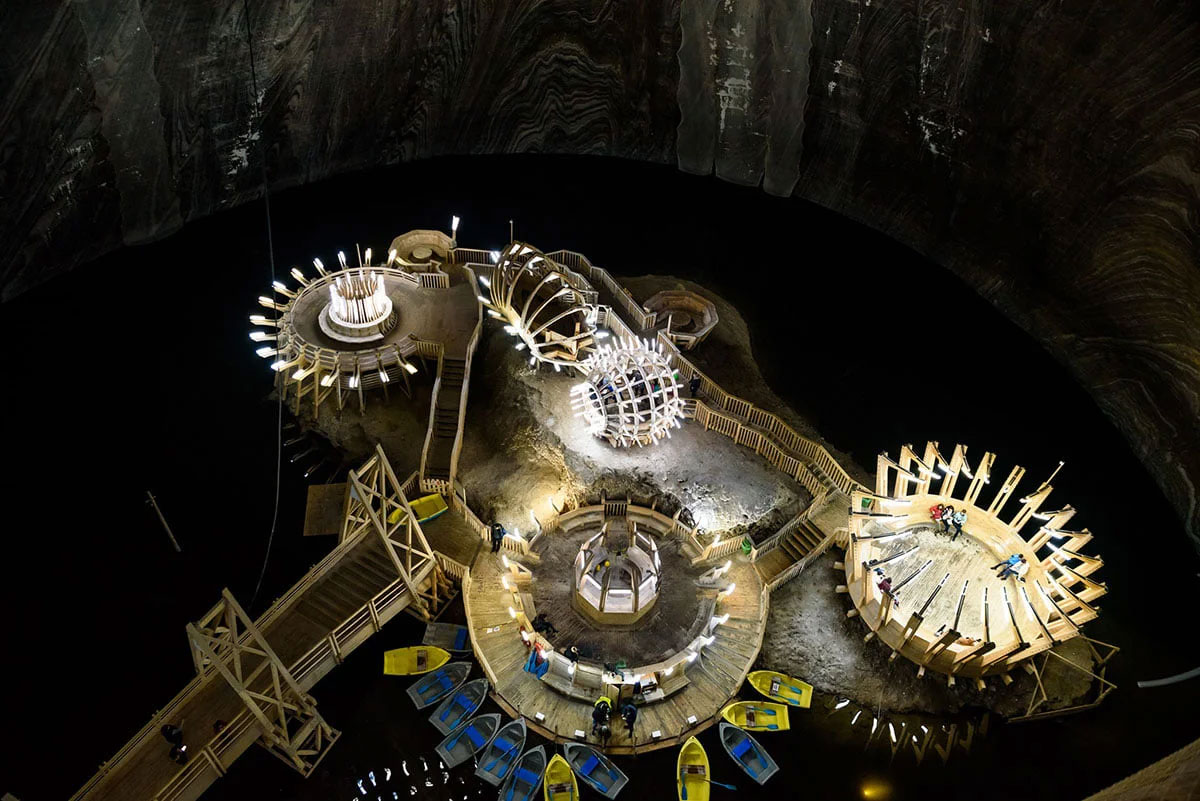
Romania has a large number of salt mines, most of which are open to visitors all year round. It is a special experience for the whole family and definitely recommended as an excursion.
Turda Salt Mine, Cluj County
https://xn--urlaub-in-rumnien-2qb.de/…/ausflugsziele…/
Praid Salt Mine, Harghita County
https://xn--urlaub-in-rumnien-2qb.de/…/ausflugsziele…/
Slanic Salt Mine, Prahova County
https://xn--urlaub-in-rumnien-2qb.de/…/ excursion destinations…/
# Ocnele Mari Salt Mine, Valcea County
https://discover-valcea.com/de/salzwerk-ocnele-mari/
# Targu Ocna Salt Mine, Bacau County.
It is the third largest salt mine and one of the oldest salt mines in Romania. Together with the Trotuș Mine at a depth of 240 m, it houses the country’s largest facility for the treatment of respiratory diseases. This mine is also home to one of Romania’s few places of worship built in salt mines and dedicated to Saint Varvara. The salt mine is still used today for the extraction, processing, and marketing of salt in Romania and abroad. Between 90,000 and 120,000 tons of salt are extracted annually.
The Salina Targu Ocna is one of the oldest salt mines in Romania and is mentioned in documents dating back to 1502 and has been listed as a salt extraction area since at least 1353.
Cozia National Park | Valcea County
(11 May 2025)
Cozia National Park (Parcul National) is located in the northeastern part of Valcea County, in the administrative area of the towns of Brezoi, Calimanesti, Racovita, Perisani, Salatrucel, and Berislavesti.
https://discover-valcea.com | https://xn--urlaub-in-rumnien-2qb.de/
We would like to thank the photographer Ms. Corina E. Mateescu for allowing us to use these images.
Salina (salt mine) Ocnele Mari | Valcea County
(30 April 2025)
The Ocnele Mari salt mine is a salt mining operation in the small town of Ocnele Mari, Valcea County, in the historic region of Oltenia.
https://discover-valcea.com/de/salzwerk-ocnele-mari/
We would like to thank photographer Corina E. Mateescu for allowing us to use these images.
Manastirea Hurezi (Horezu Monastery)
(30 April 2025)
Horezu Monastery (also known as Hurezi Monastery) is a Romanian Orthodox nunnery located in the historic region of Little Wallachia in Vâlcea County.
At the foot of Munții Căpățânii, a mountain range in the Transylvanian Alps, in the village of Romanii de Jos, the monastery is located about three kilometers (as the crow flies) north of the small town of Horezu.
The cries of the nocturnal birds of prey (Romanian: huhurezi) that lived in the forests surrounding the monastery probably gave the place its name. The monastery was founded in 1692 by the then Prince of Wallachia, Constantin Brâncoveanu (1654–1714), and completed in 1709. Until 1862, it was a monastery for men. After the monks were transferred to Bistrița, nuns came to the monastery. The monastery complex has been restored several times since 1827 and is a listed building.
Located on a hill, the monastery complex is surrounded by two fortifications. The outer, smaller wall surrounds the entire monastery estate with its hermitages. The second is formed on three sides by buildings of varying heights and on the east by a wall. The entrance to the monastery is on the south side through a bell tower equipped with a massive wooden gate reinforced with steel. The monastery church of Sfinții Împarați Constantin și Elena in the center of the complex is built in the shape of a cross, is 32 meters long, 14 meters high, and was built between 1693 and 1697. In the vestibule of the church are several tombs, the most beautiful of which is decorated with marble and has a carved cover intended for Prince Brâncoveanu, but it never fulfilled its purpose and was therefore never used. The large iconostasis is carved from lime wood and covered with gold.
The square chapel with an octagonal tower, whose windows are the chapel’s source of light, is located on the west side opposite the entrance to the church and was built in 1697. The frescoes in the chapel were created between 1705 and 1706 and are still in good condition today.
We would like to thank Relu Chiriac, Galati, for allowing us to use these images.
German-speaking hosts in Romania
(18 April 2025)
Romania is rich in German-speaking history and regions. German-speaking hosts (vacation areas, resorts, hotels, guesthouses, restaurants, more…) are connected in a network and look forward to welcoming you and your family.
https://dsg-ru. en | https://willkommen-in-rumänien.de
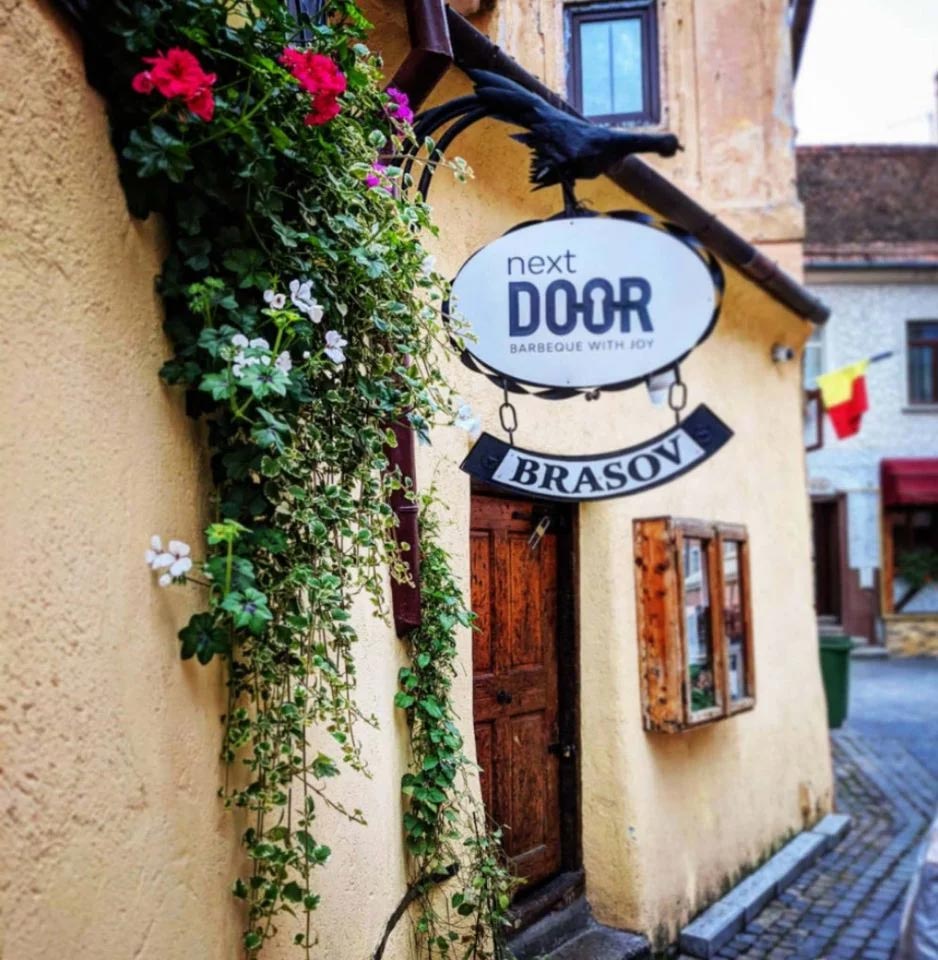
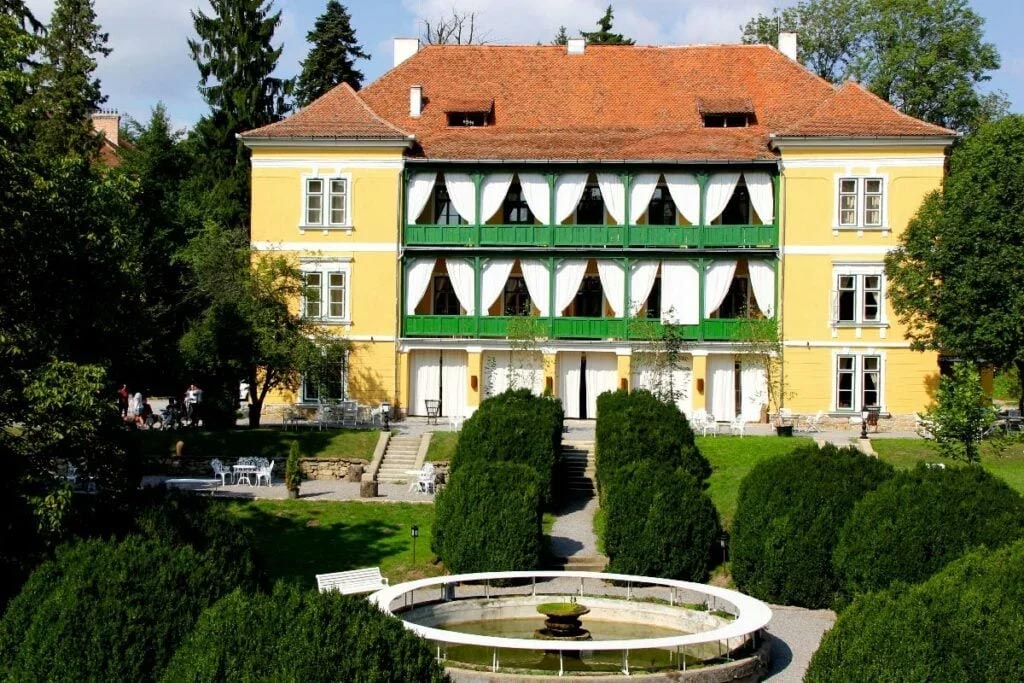
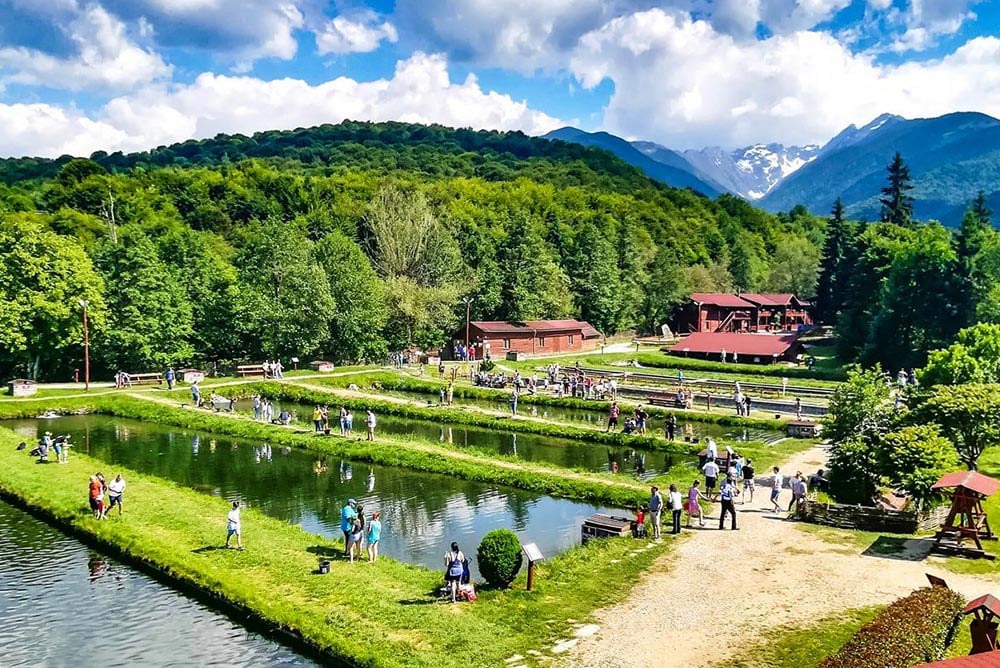
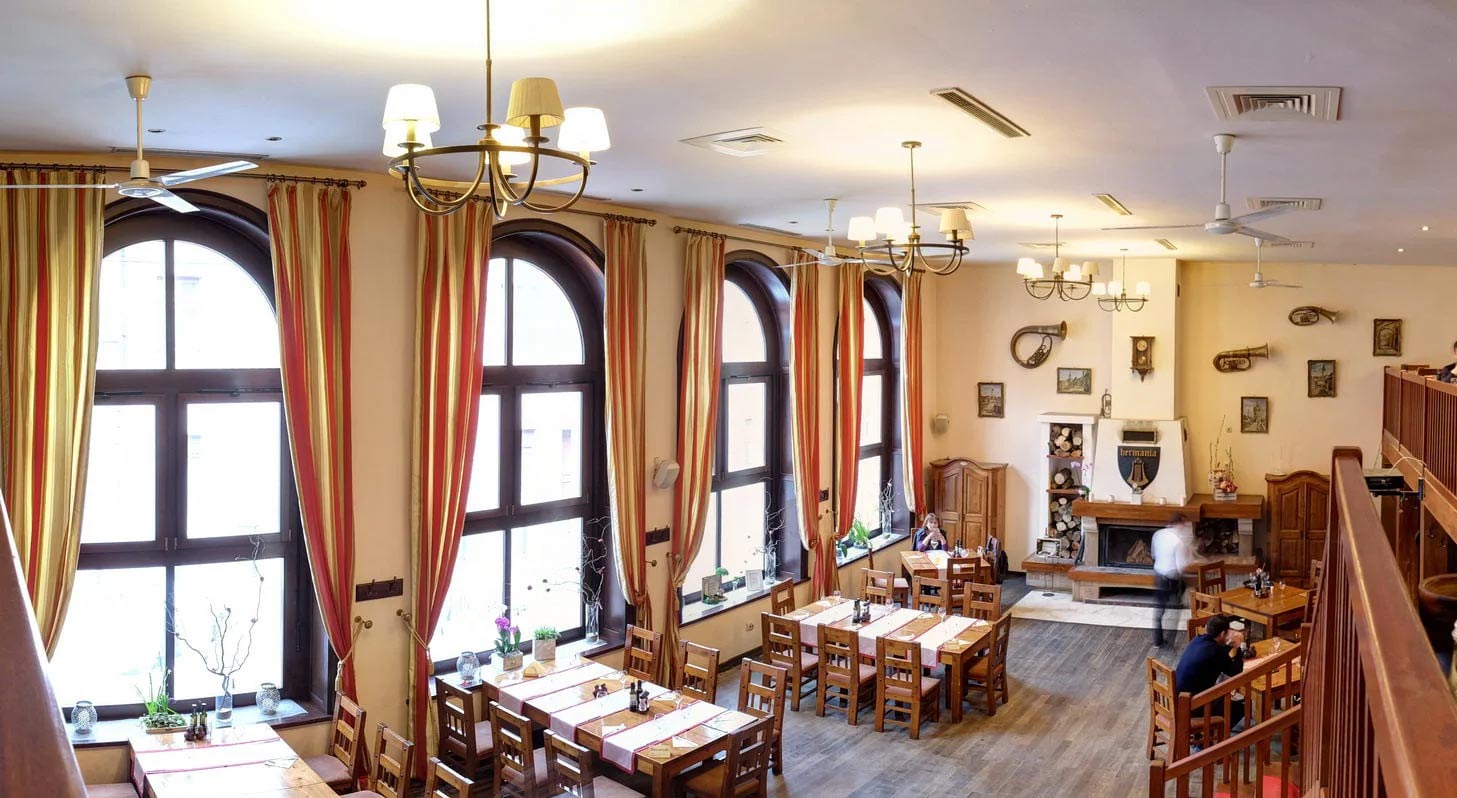
Images: Arena Platoș Paltiniș ski and snowboard resort | Domeniul Cerbilor Chalets, Suceava County | Pension Casa Schmidt, Brașov County | Restaurant Hermania, Sibiu | Albota Tourist Complex, Sibiu County | Restaurant NEXT DOOR, Brașov | Hotel Zabola Estate, Covasna County | Hanul Vatra, Valcea County
Website: https://dsg-ru.de
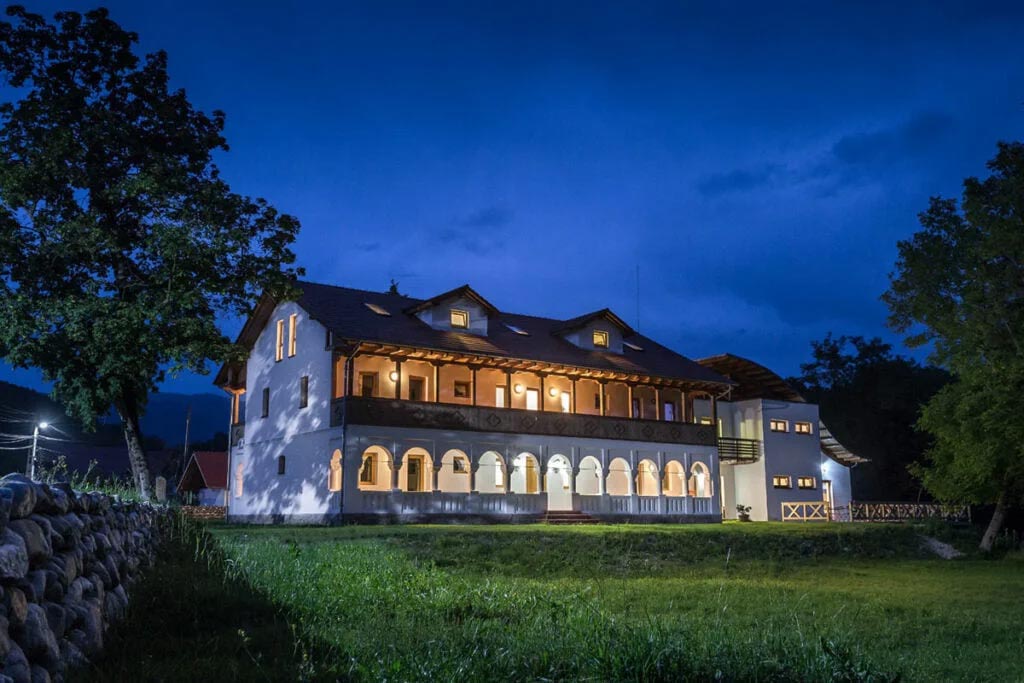
Manastirea Hurezi (Horezu Monastery) (2 / 2)
(3 April 2025)
Horezu Monastery (also known as Hurezi Monastery) is a Romanian Orthodox nunnery located in the historic region of Little Wallachia in Vâlcea County.
At the foot of Munții Căpățânii, a mountain range in the Transylvanian Alps, in the village of Romanii de Jos, the monastery is located about three kilometers (as the crow flies) north of the small town of Horezu.
The cries of the nocturnal birds of prey (Romanian: huhurezi) that lived in the forests surrounding the monastery probably gave the place its name. The monastery was founded in 1692 by the then Prince of Wallachia, Constantin Brâncoveanu (1654–1714), and completed in 1709. Until 1862, it was a monastery for men. After the monks were transferred to Bistrița, nuns came to the monastery. The monastery complex has been restored several times since 1827 and is a listed building.
Located on a hill, the monastery complex is surrounded by two fortifications. The outer, smaller wall surrounds the entire monastery estate with its hermitages. The second is formed on three sides by buildings of varying heights and on the east by a wall. The entrance to the monastery is on the south side through a bell tower equipped with a massive wooden gate reinforced with steel. The monastery church of Sfinții Împarați Constantin și Elena in the center of the complex is built in the shape of a cross, is 32 meters long, 14 meters high, and was built between 1693 and 1697. In the vestibule of the church are several tombs, the most beautiful of which is decorated with marble and has a carved cover intended for Prince Brâncoveanu, but it never fulfilled its purpose and was therefore never used. The large iconostasis is carved from lime wood and covered with gold.
The square chapel with an octagonal tower, whose windows are the chapel’s source of light, is located on the west side opposite the entrance to the church and was built in 1697. The frescoes in the chapel were created between 1705 and 1706 and are still in good condition today.
We would like to thank Relu Chiriac, Galati, for allowing us to use these images.
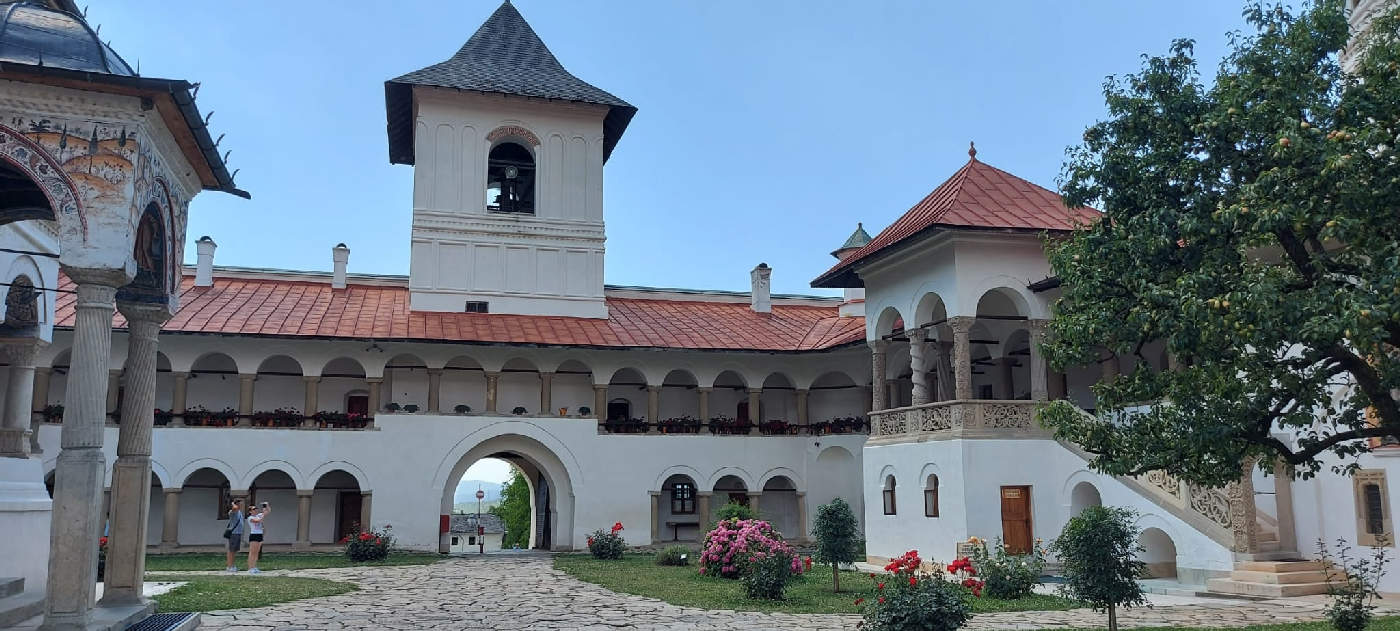
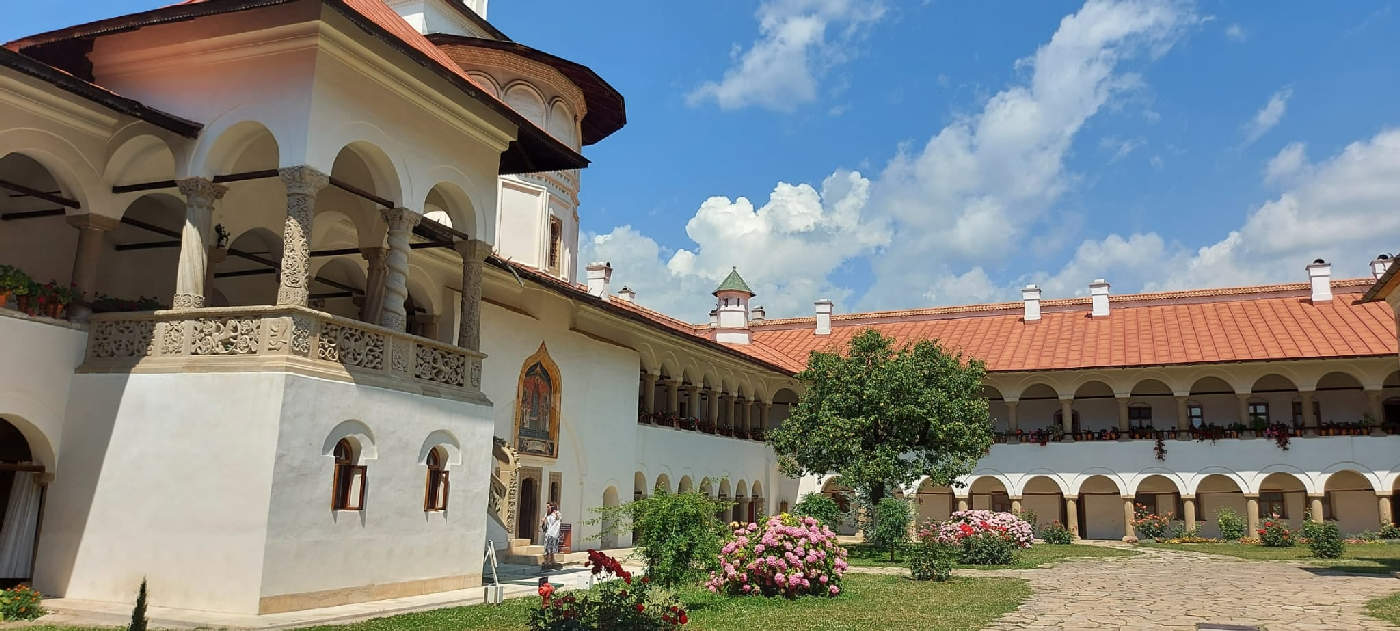
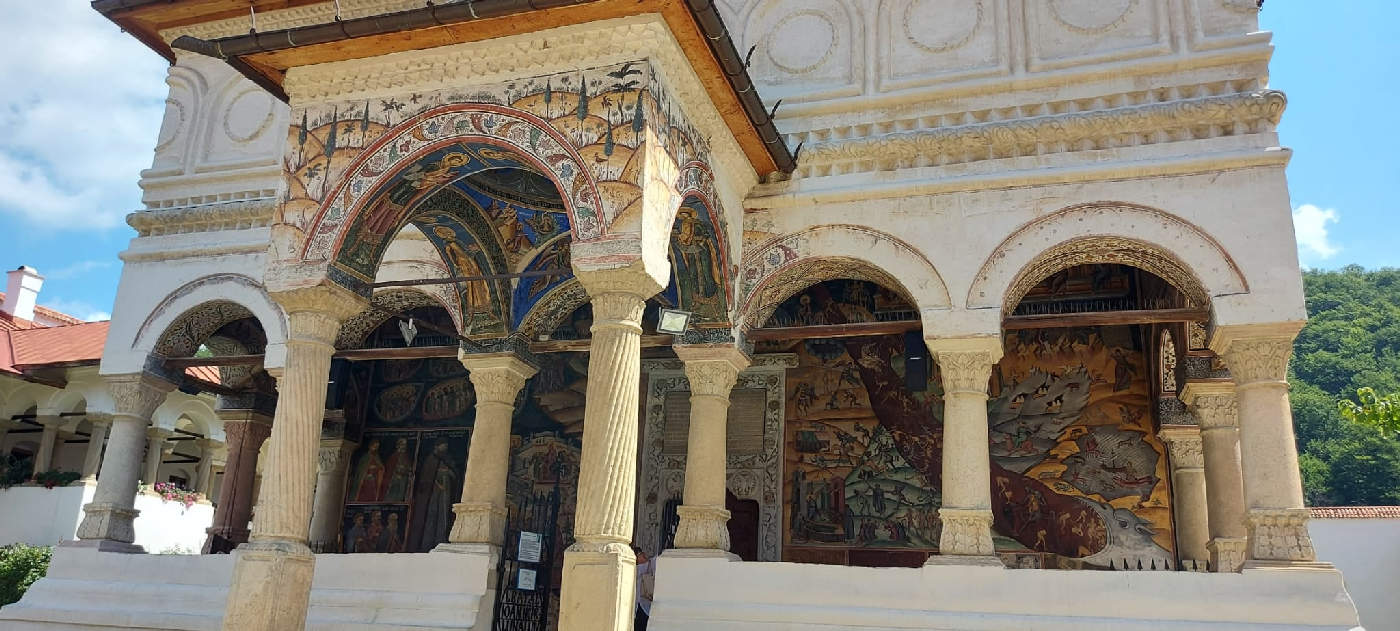
Manastirea Hurezi (Horezu Monastery) (1 / 2)
(3 April 2025)
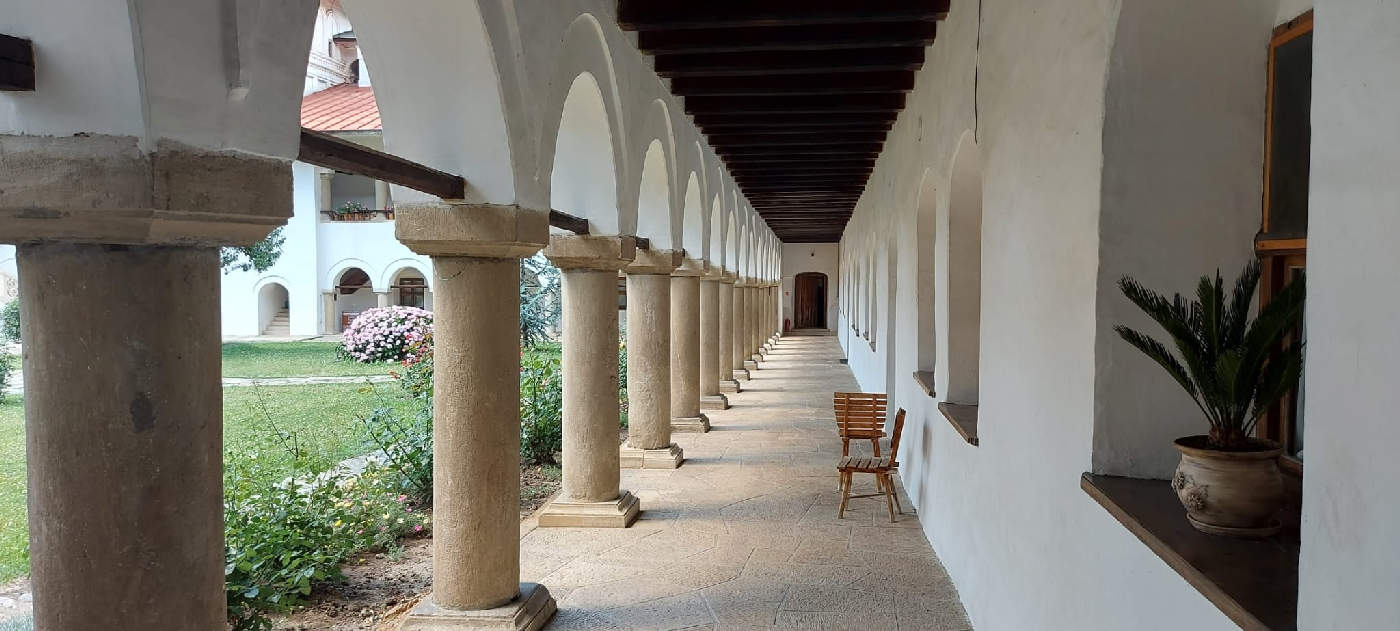
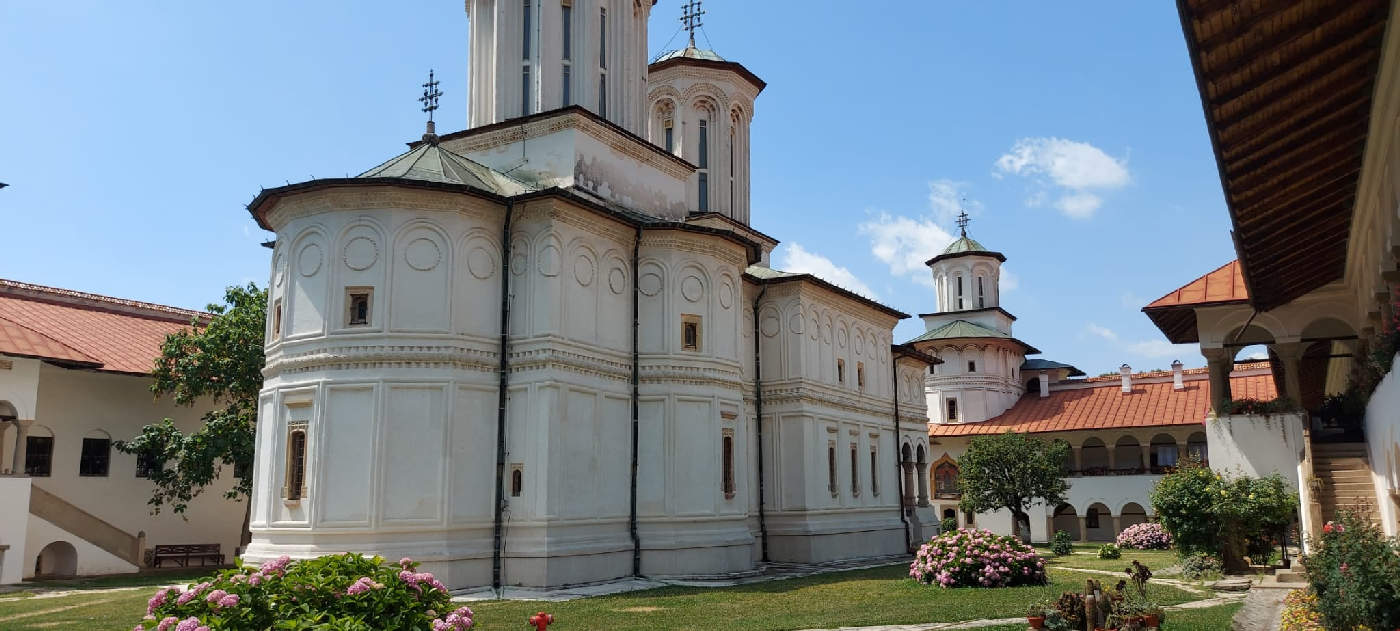
Horezu Monastery (also known as Hurezi Monastery) is a Romanian Orthodox nunnery located in the historic region of Little Wallachia in Vâlcea County.
At the foot of Munții Căpățânii, a mountain range in the Transylvanian Alps, in the village of Romanii de Jos, the monastery is located about three kilometers (as the crow flies) north of the small town of Horezu.
The cries of the nocturnal birds of prey (Romanian: huhurezi) that lived in the forests surrounding the monastery probably gave the place its name. The monastery was founded in 1692 by the then Prince of Wallachia, Constantin Brâncoveanu (1654–1714), and completed in 1709. Until 1862, it was a monastery for men. After the monks were transferred to Bistrița, nuns came to the monastery. The monastery complex has been restored several times since 1827 and is a listed building.
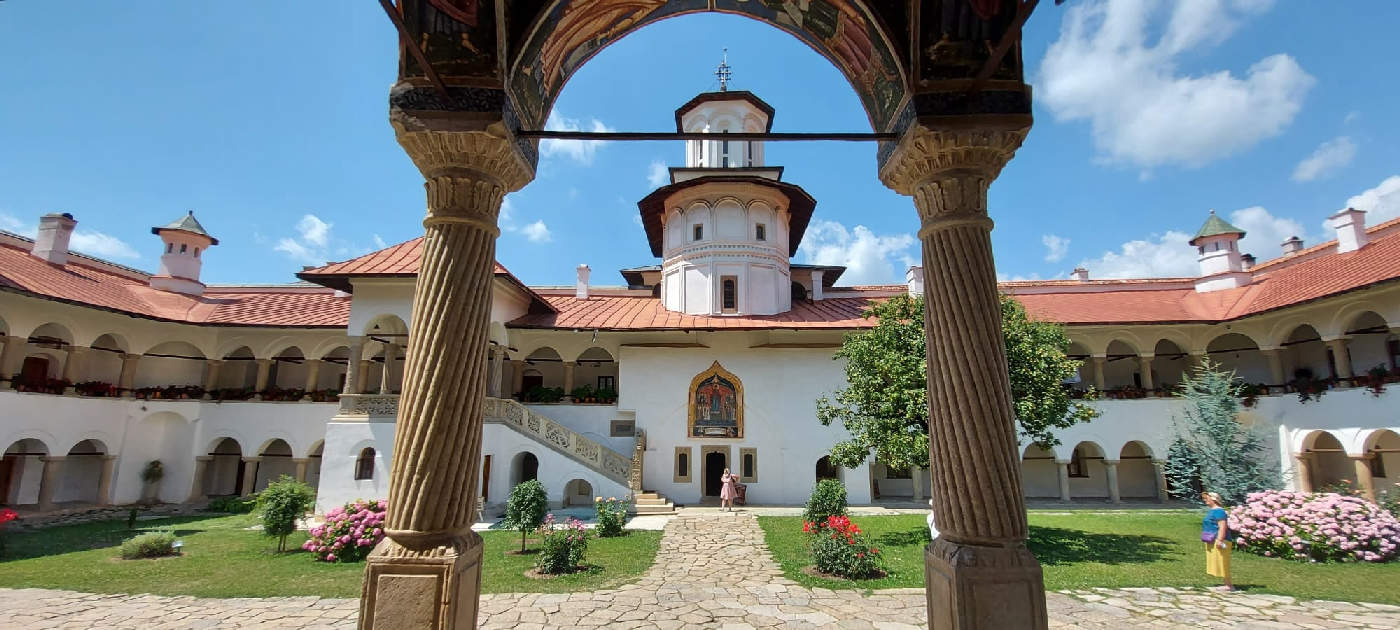
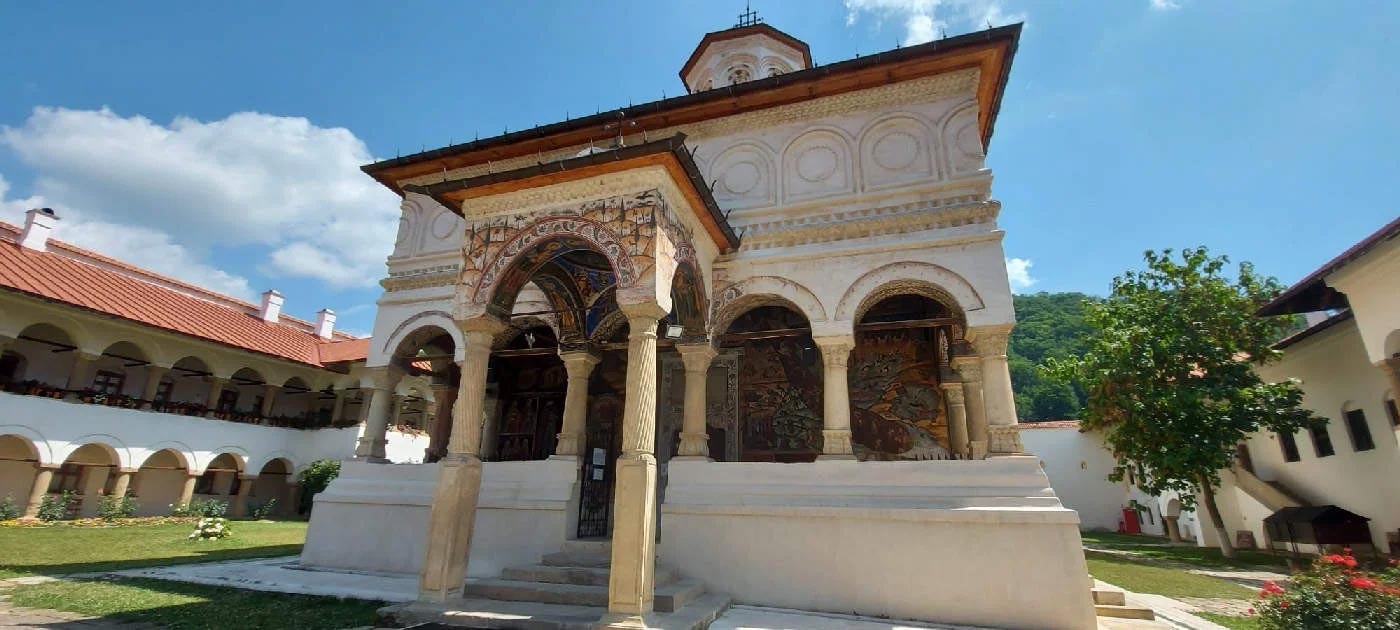
Located on a hill, the monastery complex is surrounded by two fortifications. The outer, smaller wall surrounds the entire monastery estate with its hermitages. The second is formed on three sides by buildings of varying heights and on the east by a wall. The entrance to the monastery is on the south side through a bell tower equipped with a massive wooden gate reinforced with steel. The monastery church of Sfinții Împarați Constantin și Elena in the center of the complex is built in the shape of a cross, is 32 meters long, 14 meters high, and was built between 1693 and 1697. In the vestibule of the church are several tombs, the most beautiful of which is decorated with marble and has a carved cover intended for Prince Brâncoveanu, but it never fulfilled its purpose and was therefore never used. The large iconostasis is carved from lime wood and covered with gold.
The square chapel with an octagonal tower, whose windows are the chapel’s source of light, is located on the west side opposite the entrance to the church and was built in 1697. The frescoes in the chapel were created between 1705 and 1706 and are still in good condition today.
We would like to thank Relu Chiriac, Galati, for allowing us to use these images.
Muzeul (Museum) Satului Valcean | Valcea County
(25 March 2025)
The Valcea Village Museum is located in the village of Bujoreni, about 4 km from the county capital Ramnicu Valcea.
The museum is arranged like a village and shows life in rural settlements in times gone by. The idea was developed in 1969 and implemented piece by piece. It is definitely worth a visit.
We would like to thank Mr. Alexander Laszlo for his efforts and for sending us these pictures (taken on September 17, 2023).
Nature, nature, and more nature…
(19 March 2025)
Buila-Vanturarița National Park: pictures of a walk/hike on the alpine trails of Buila-Vanturarița National Park, Valcea County, at an altitude of over 1,400 meters.
Learn more about Romania and travel destinations: https://urlaub-in-rumänien.de/
We would like to thank Centrul Național de Informare și Promovare Turistică Vâlcea for permission to use these pictures.
Photos: Farytale places for body and soul
Manastirea Hurezi (Horezu Monastery) | Valcea County
(16 March 2025)
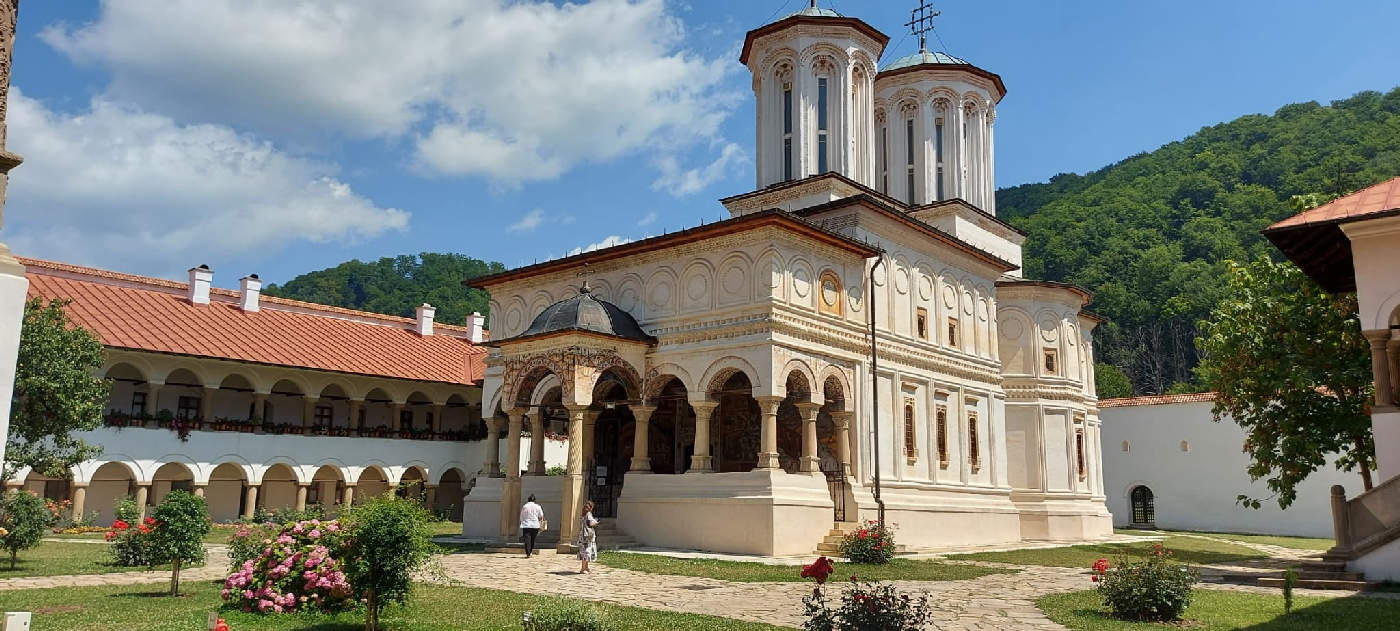
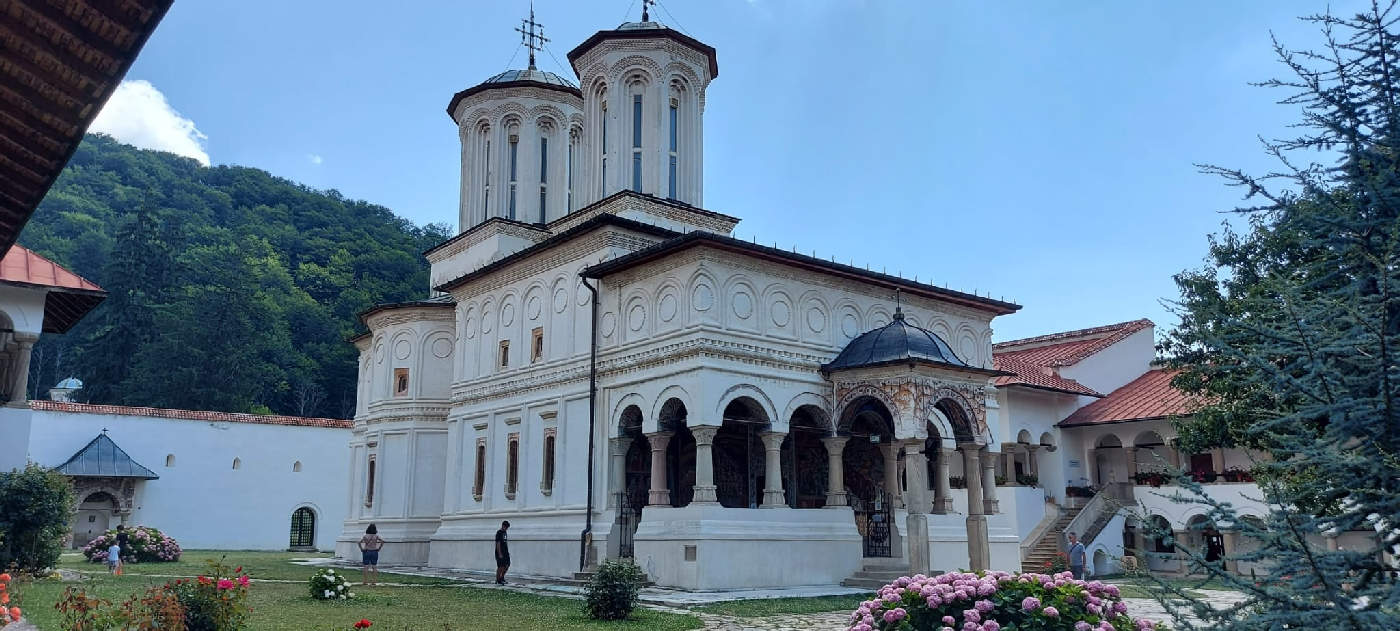
Horezu Monastery is a Romanian Orthodox nunnery located in the historic region of Little Wallachia in Valcea County.
https://xn--urlaub-in-rumnien-2qb.de/…/ausflugsziele…/
https://xn--urlaub-in-rumnien-2qb.de/…/destinations…/
https://xn--urlaub-in-rumnien -2qb.de/ro/uir/en-vizitat-locatii-de-vizitat-manastirea-horezu/
At the foot of Muntii Capatanii, a mountain range in the Transylvanian Alps, in the village of Romanii de Jos, the monastery is located about three kilometers (as the crow flies) north of the small town of Horezu.
The cries of nocturnal birds of prey (Romanian: huhurezi), which lived in the forests surrounding the monastery, probably gave the place its name. The monastery was founded in 1692 by the then Prince of Wallachia, Constantin Brancoveanu (1654–1714), and completed in 1709. Until 1862, it was a monastery for men. After the monks were transferred to Bistrița, nuns came to the monastery. The monastery complex has been restored several times since 1827 and is a listed building.
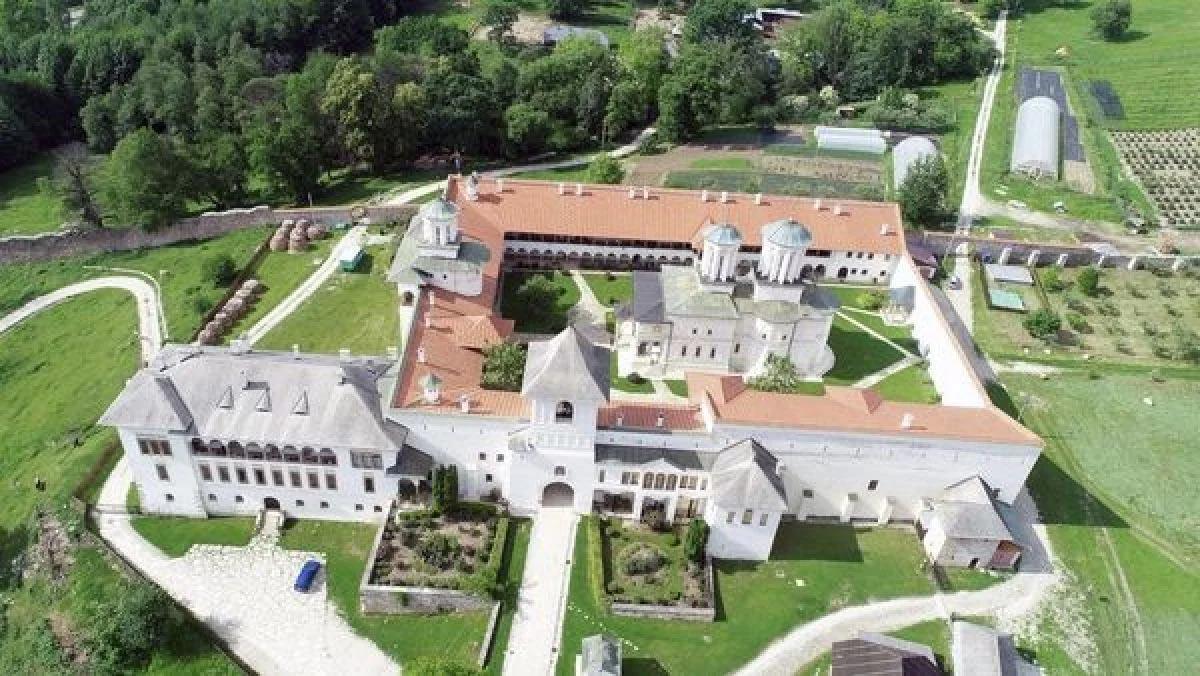
Located on a hill, the monastery complex is surrounded by two fortifications. The outer, smaller wall surrounds the entire monastery estate with its hermitages. The second is formed on three sides by buildings of varying heights and on the east by a wall. The entrance to the monastery is on the south side through a bell tower equipped with a massive wooden gate reinforced with steel. The monastery church of Sfintii Imparati Constantin si Elena in the center of the complex is built in the shape of a cross, is 32 meters long, 14 meters high, and was built between 1693 and 1697. In the vestibule of the church are several tombs, the most beautiful of which is decorated with marble and has a carved cover intended for Prince Brancoveanu, but it never served its purpose and was therefore never used. The large iconostasis is carved from linden wood and covered with gold.
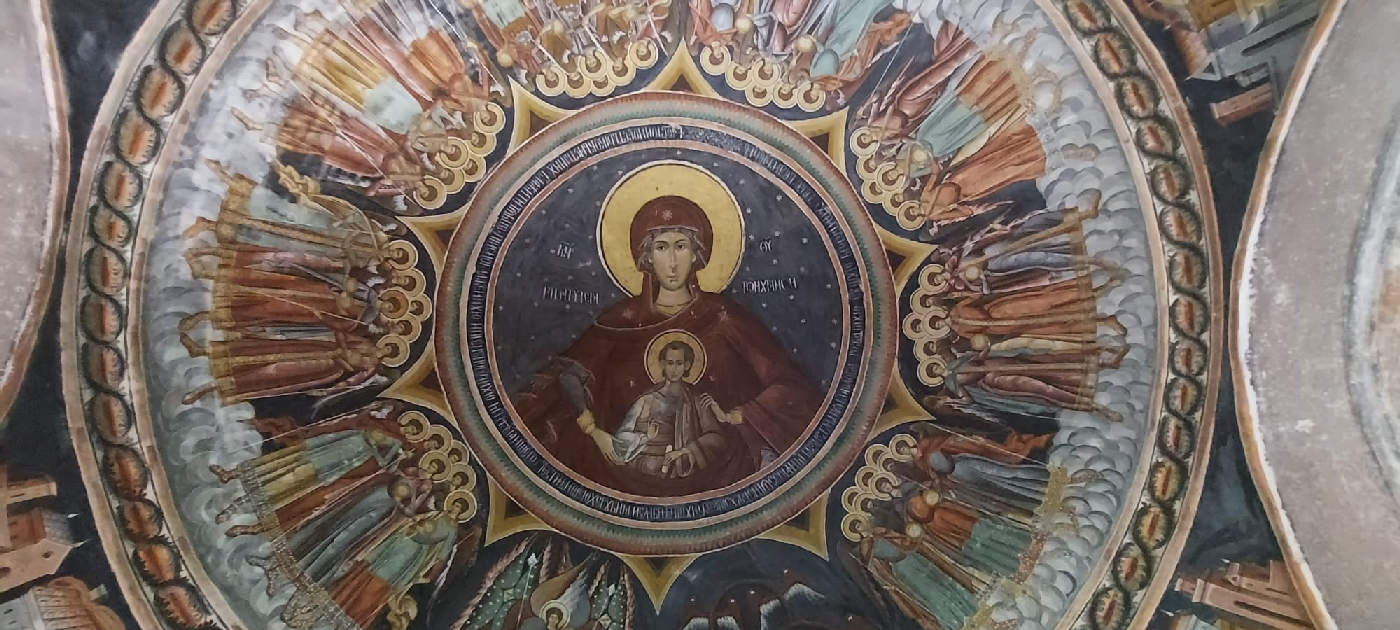
The square chapel with an octagonal tower, whose windows are the chapel’s source of light, is located on the west side opposite the entrance to the church and was built in 1697. The chapel’s frescoes were created between 1705 and 1706 and are still in good condition today.
We would like to thank Centrul Național de Informare și Promovare Turistică Vâlcea for permission to use these images.
Hotel Hanul Vatra
(15 March 2025)
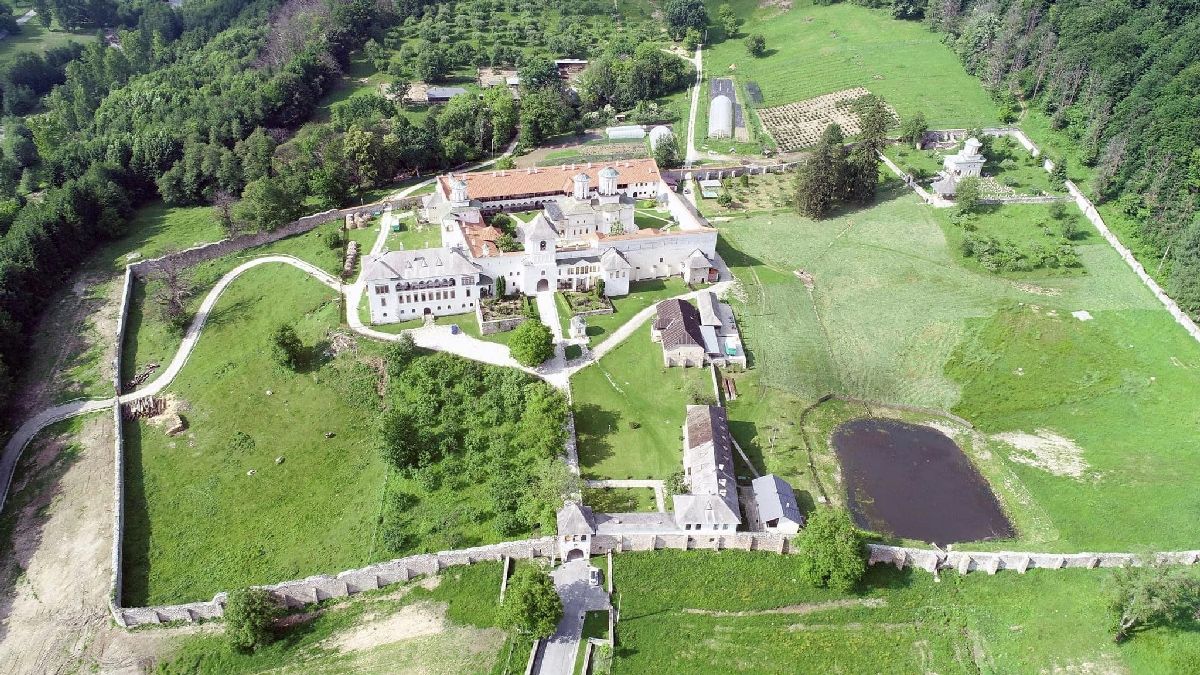
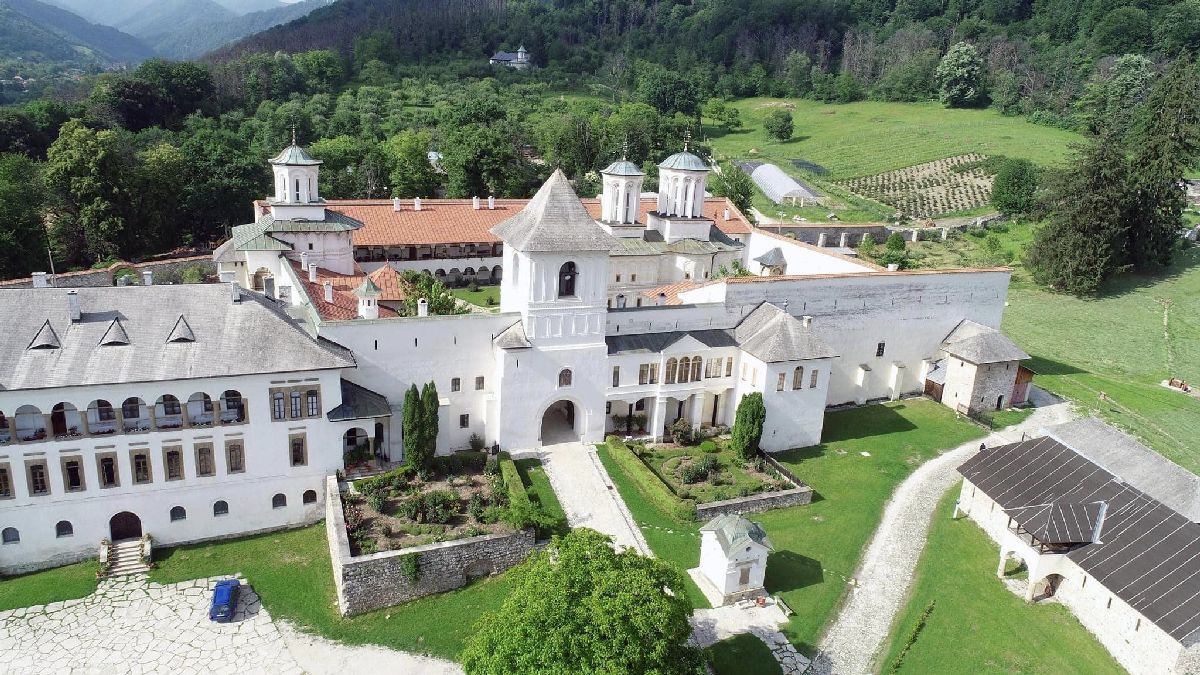
The hotel is the ideal place for a weekend in the countryside, away from the noise of the big city.
https://discover-valcea.com/de/hanul-vatra-de/
For private parties, hiking with friends in the mountains, courses, team-building meetings, or simply to relax. There are many places worth visiting nearby, such as Manastirea Hurezi (Horezu Monastery).
Cozia National Park | Valcea County
(10 March 2025)
Cozia National Park (Parcul National) is located in the northeastern part of Valcea County, in the administrative area of the towns of Brezoi, Calimanesti, Racovita, Perisani, Salatrucel, and Berislavesti.
https://discover-valcea.com | https://xn--urlaub-in-rumnien-2qb.de/
We would like to thank the photographer Ms. Corina E. Mateescu for allowing us to use these images.
Manastirea Hurezi (Horezu Monastery)
(3 March 2025)
Horezu Monastery (also known as Hurezi Monastery) is a Romanian Orthodox nunnery located in the historic region of Little Wallachia in Vâlcea County.
At the foot of Munții Căpățânii, a mountain range in the Transylvanian Alps, in the village of Romanii de Jos, the monastery is located about three kilometers (as the crow flies) north of the small town of Horezu.
The cries of the nocturnal birds of prey (Romanian: huhurezi) that lived in the forests surrounding the monastery probably gave the place its name. The monastery was founded in 1692 by the then Prince of Wallachia, Constantin Brâncoveanu (1654–1714), and completed in 1709. Until 1862, it was a monastery for men. After the monks were transferred to Bistrița, nuns came to the monastery. The monastery complex has been restored several times since 1827 and is a listed building.
Located on a hill, the monastery complex is surrounded by two fortifications. The outer, smaller wall surrounds the entire monastery estate with its hermitages. The second is formed on three sides by buildings of varying heights and on the east by a wall. The entrance to the monastery is on the south side through a bell tower equipped with a massive wooden gate reinforced with steel. The monastery church of Sfinții Împarați Constantin și Elena in the center of the complex is built in the shape of a cross, is 32 meters long, 14 meters high, and was built between 1693 and 1697. In the vestibule of the church are several tombs, the most beautiful of which is decorated with marble and has a carved cover intended for Prince Brâncoveanu, but it never fulfilled its purpose and was therefore never used. The large iconostasis is carved from lime wood and covered with gold.
The square chapel with an octagonal tower, whose windows are the chapel’s source of light, is located on the west side opposite the entrance to the church and was built in 1697. The frescoes in the chapel were created between 1705 and 1706 and are still in good condition today.
We would like to thank Relu Chiriac, Galati, for allowing us to use these images.
Baile (spa/health resort) Olanesti | Valcea County
(22 February 2025)
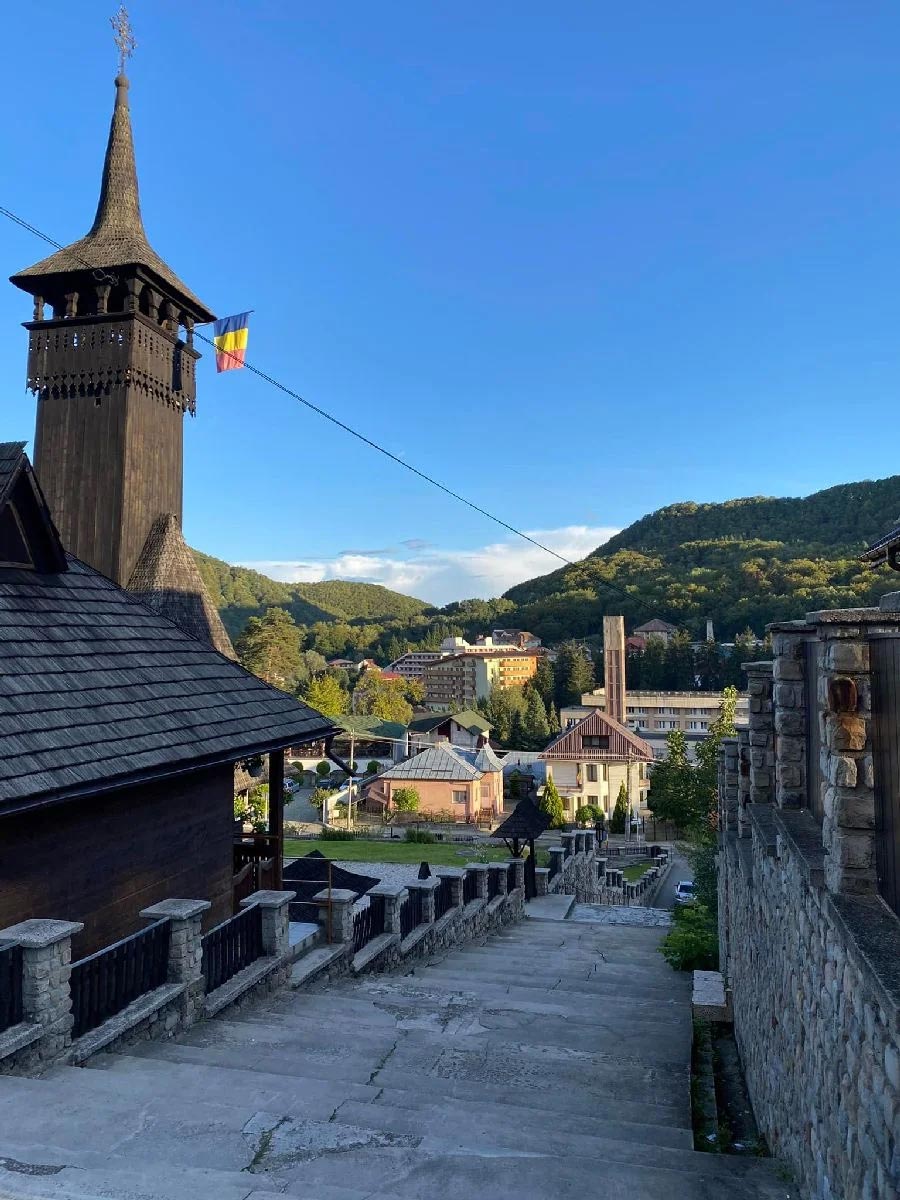
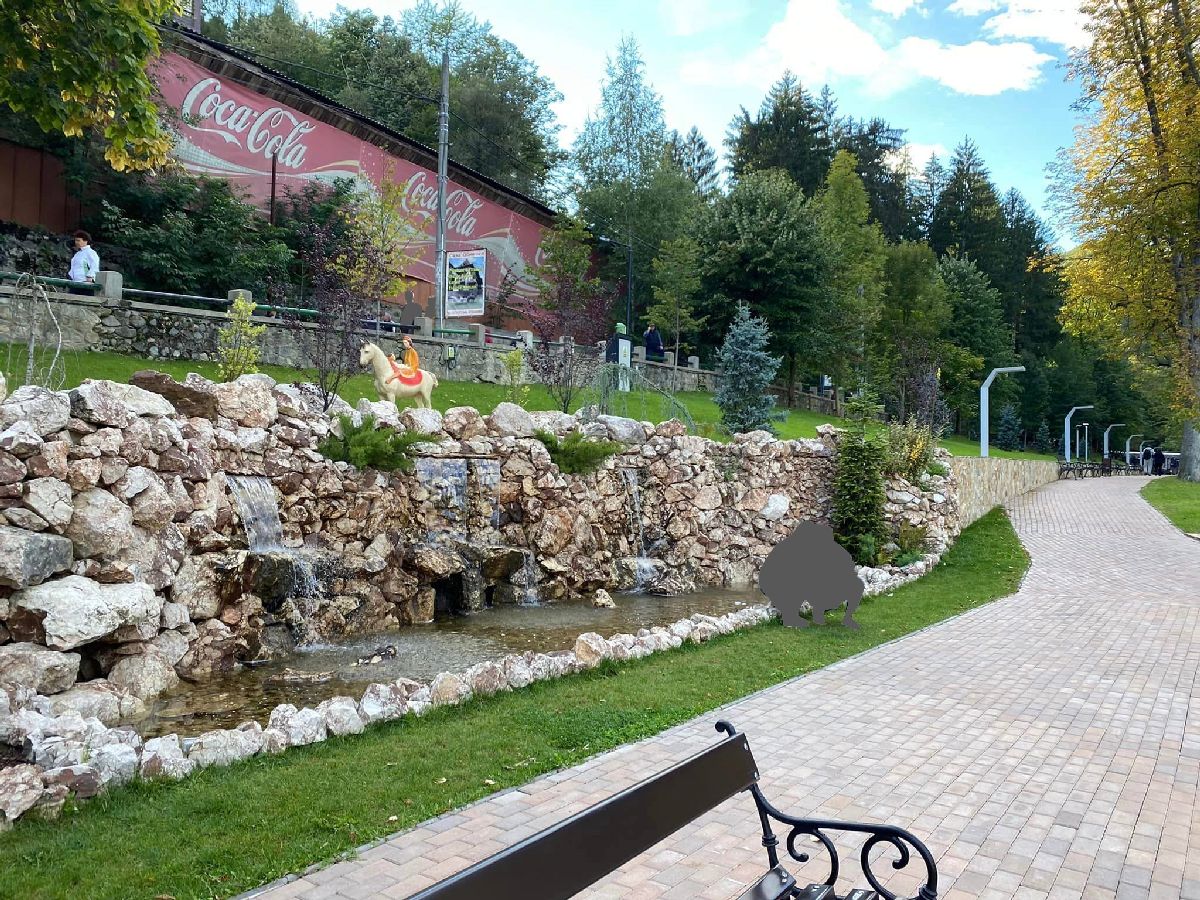
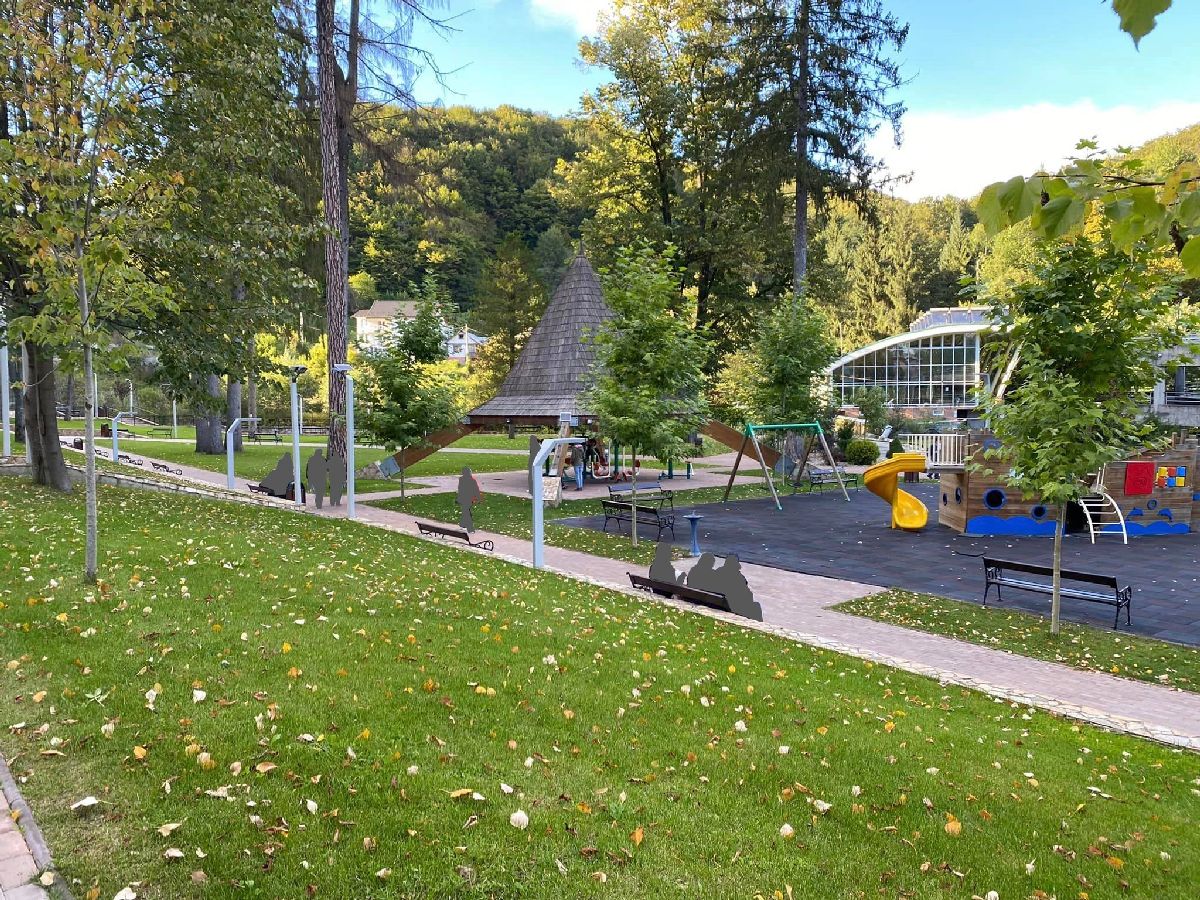
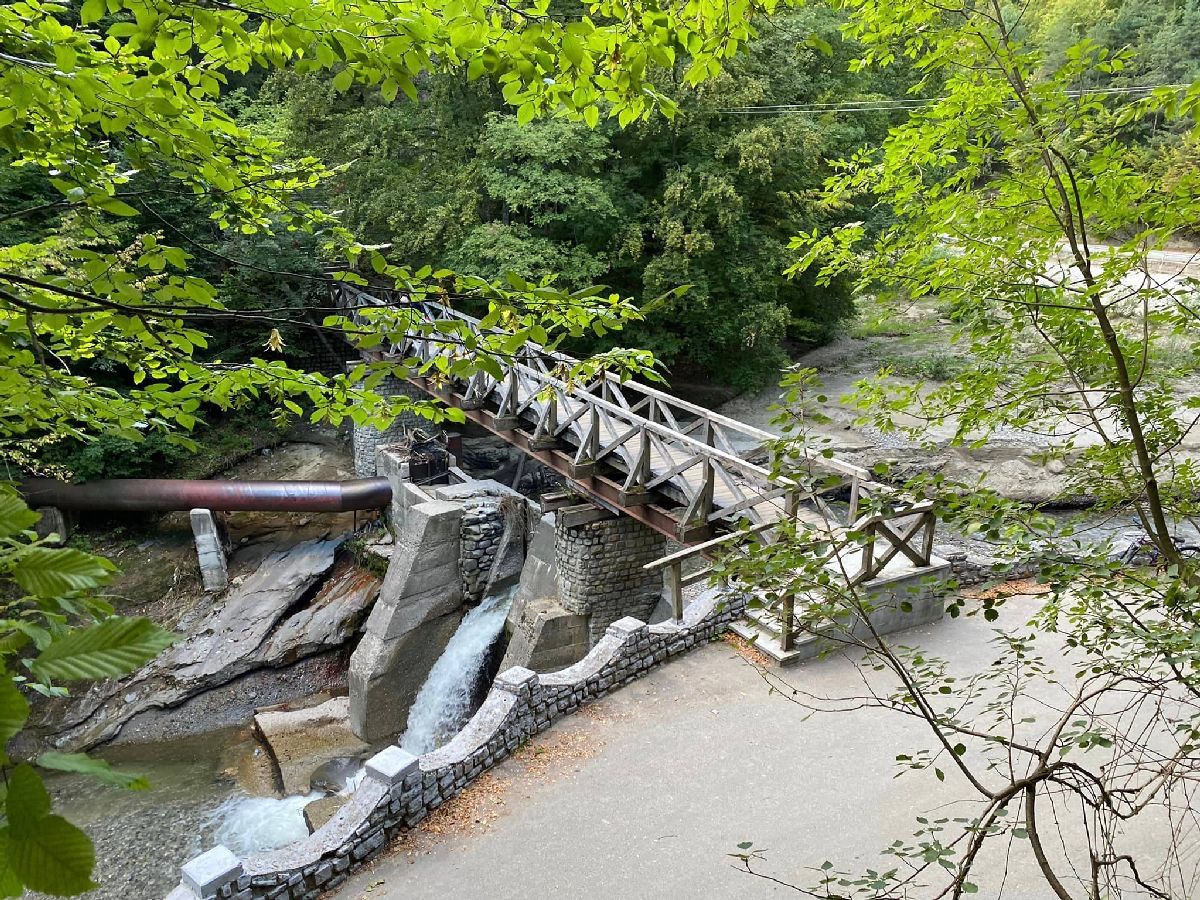
The small town and spa resort of Baile Olanesti is located in Valcea County in the historic region of Wallachia on the southern side of the Capatana Mountains, part of the Transylvanian Alps. The county capital, Ramnicu Valcea, is about 15 km to the southeast.
The town was first mentioned in documents in 1527 and has been known for its springs and their healing properties since at least 1760. In 1830, the physician Karl Friedrich Siller analyzed the composition of the healing waters for the first time, after which the spa began offering combined bathing and drinking cures.
https://discover-valcea.com</ a> | https://welcome-to-romania.com
We would like to thank Centrul Național de Informare și Promovare Turistică Vâlcea (photos: Vacante Olanesti) for permission to use these images.
Salt mines :: Turda | Slanic Prahova | Praid
(15 February 2025)
Romania has a large number of salt mines, most of which are open to visitors all year round. It is a special experience for the whole family and definitely recommended as an excursion.
Turda Salt Mine, Cluj County
https://xn--urlaub-in-rumnien-2qb.de/…/ausflugsziele…/
Praid Salt Mine, Harghita County
https://xn--urlaub-in-rumnien-2qb.de/…/ausflugsziele…/
Slanic Salt Mine, Prahova County
https://xn--urlaub-in-rumnien-2qb.de/…/ excursion destinations…/
# Ocnele Mari Salt Mine, Valcea County
https://discover-valcea.com/de/salzwerk-ocnele-mari/
# Targu Ocna Salt Mine, Bacau County.
It is the third largest salt mine and one of the oldest salt mines in Romania. Together with the Trotuș Mine at a depth of 240 m, it houses the country’s largest facility for the treatment of respiratory diseases. This mine is also home to one of Romania’s few places of worship built in salt mines and dedicated to Saint Varvara. The salt mine is still used today for the extraction, processing, and marketing of salt in Romania and abroad. Between 90,000 and 120,000 tons of salt are extracted annually.
The Salina Targu Ocna is one of the oldest salt mines in Romania and is mentioned in documents dating back to 1502 and has been listed as a salt extraction area since at least 1353.
Salina (salt mine) Ocnele Mari | Valcea County
(12 February 2025)
The Ocnele Mari salt mine is a salt mining operation in the small town of Ocnele Mari, Valcea County, in the historic region of Oltenia.
https://discover-valcea.com/de/salzwerk-ocnele-mari/
We would like to thank photographer Corina E. Mateescu for allowing us to use these images.
Salina Ocnele Mari | Church | Valcea County
(12 February 2025)
The church of the Salina (salt mine) Ocnele Mari is located directly in the salt mine and is dedicated to Saint Varvara and Saint George.
The salt mine is located in the town of the same name, Ocnele Mari, about 8 kilometers from the county capital Ramnicu Valcea in Valcea County. Buses (departing every 30 minutes) take visitors down to the salt mine in a journey lasting about 10 minutes.
The salt mine itself has a constant microclimate, with a temperature of about 13-15º C and humidity of 50%. Visitors are offered many opportunities for relaxation, recreation, and even therapy. There are areas for volleyball, basketball, soccer, tennis, billiards, and mini-go-karting. For children, there are playgrounds with swings, slides, and seesaws, as well as a restaurant, a wine cellar, a souvenir shop, and a refreshment and fast food shop.
Manastirea Hurezi (Horezu Monastery)
(9 February 2025)
Horezu Monastery (also known as Hurezi Monastery) is a Romanian Orthodox nunnery located in the historic region of Little Wallachia in Vâlcea County.
At the foot of Munții Căpățânii, a mountain range in the Transylvanian Alps, in the village of Romanii de Jos, the monastery is located about three kilometers (as the crow flies) north of the small town of Horezu.
The cries of the nocturnal birds of prey (Romanian: huhurezi) that lived in the forests surrounding the monastery probably gave the place its name. The monastery was founded in 1692 by the then Prince of Wallachia, Constantin Brâncoveanu (1654–1714), and completed in 1709. Until 1862, it was a monastery for men. After the monks were transferred to Bistrița, nuns came to the monastery. The monastery complex has been restored several times since 1827 and is a listed building.
Located on a hill, the monastery complex is surrounded by two fortifications. The outer, smaller wall surrounds the entire monastery estate with its hermitages. The second is formed on three sides by buildings of varying heights and on the east by a wall. The entrance to the monastery is on the south side through a bell tower equipped with a massive wooden gate reinforced with steel. The monastery church of Sfinții Împarați Constantin și Elena in the center of the complex is built in the shape of a cross, is 32 meters long, 14 meters high, and was built between 1693 and 1697. In the vestibule of the church are several tombs, the most beautiful of which is decorated with marble and has a carved cover intended for Prince Brâncoveanu, but it never fulfilled its purpose and was therefore never used. The large iconostasis is carved from lime wood and covered with gold.
The square chapel with an octagonal tower, whose windows are the chapel’s source of light, is located on the west side opposite the entrance to the church and was built in 1697. The frescoes in the chapel were created between 1705 and 1706 and are still in good condition today.
We would like to thank Relu Chiriac, Galati, for allowing us to use these images.
Buila Vanturarita | The Way Up to Heaven | Valcea County
(7 February 2025)
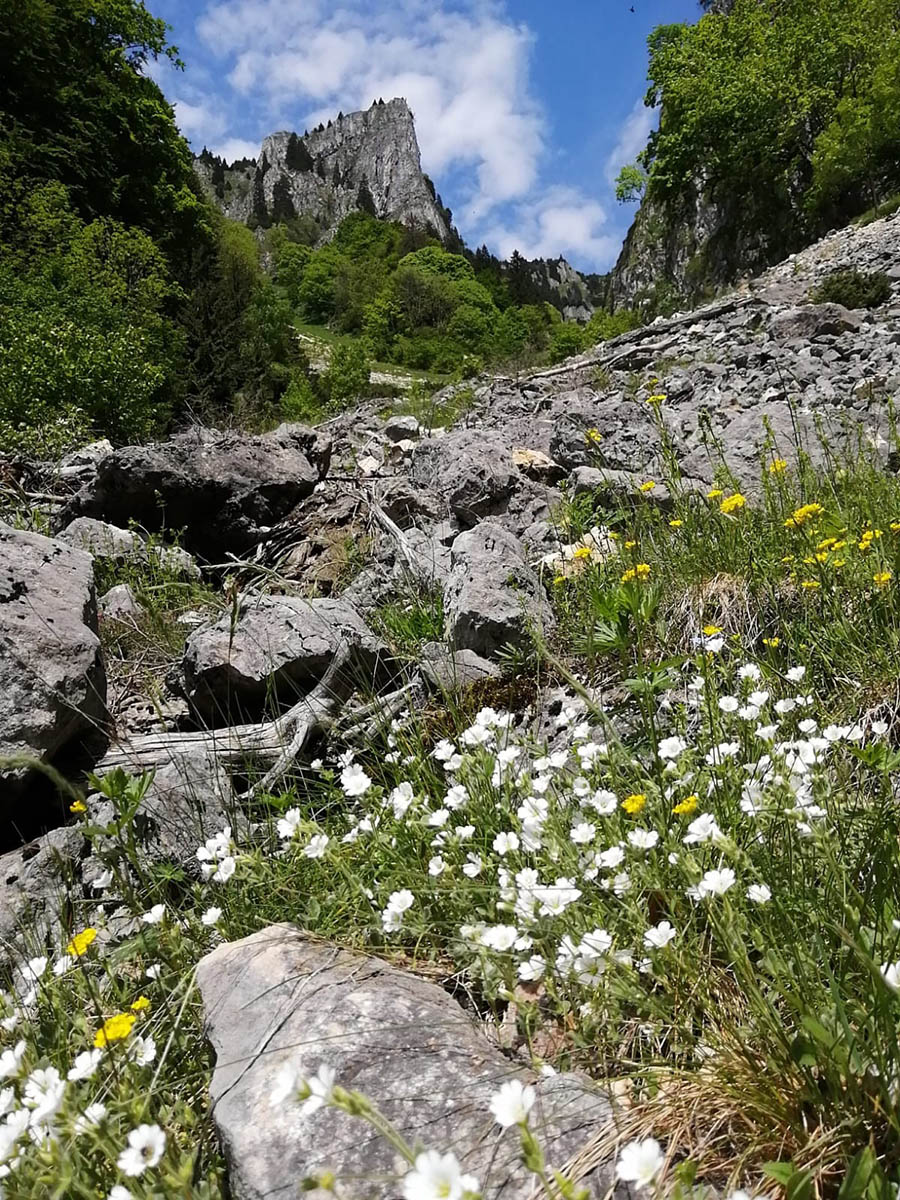
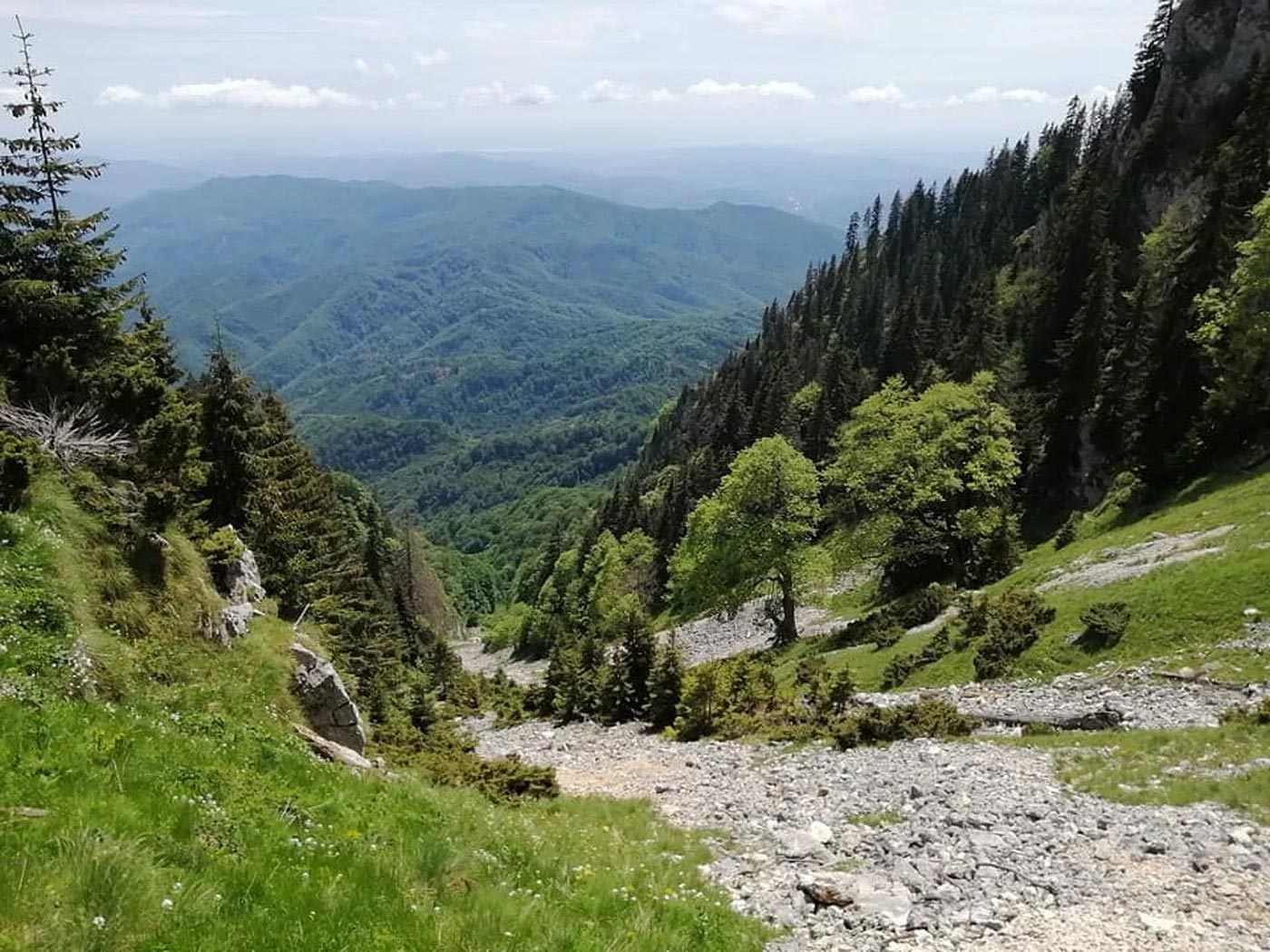
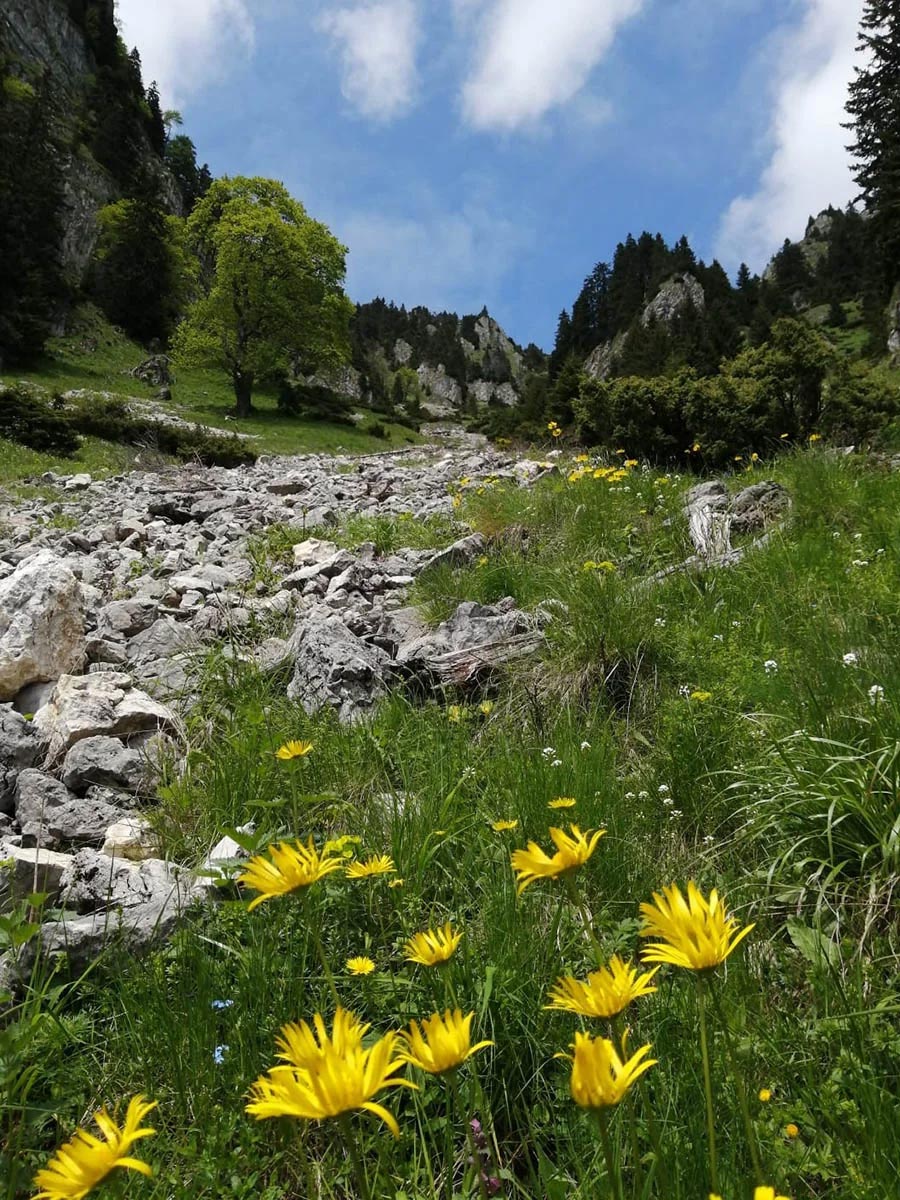
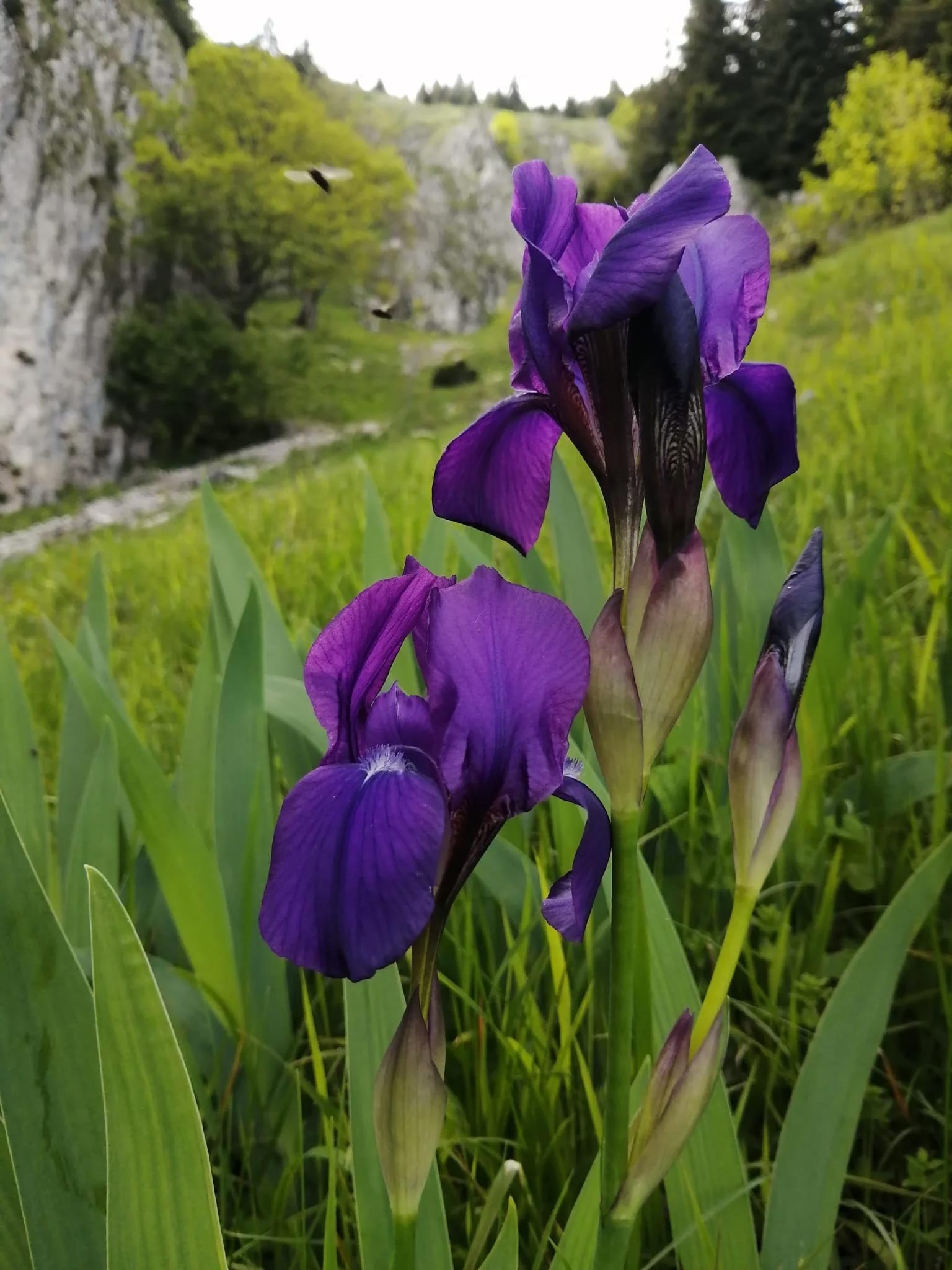
Beautiful pictures of Buila Vanturarita National Park in Valcea County.
We would like to thank Centrul Național de Informare și Promovare Turistică Vâlcea (photos: Vali Conea) for permission to use these pictures.
Buila Vanturarita | The Way Up to Heaven | Valcea County
(6 February 2025)
Beautiful pictures of Buila Vanturarita National Park in Valcea County.
We would like to thank Centrul Național de Informare și Promovare Turistică Vâlcea (photos: Vali Conea) for permission to use these pictures.
Salt mines :: Turda | Slanic Prahova | Praid
(13 January 2025)
Romania has a large number of salt mines, most of which are open to visitors all year round. It is a special experience for the whole family and definitely recommended as an excursion.
Turda Salt Mine, Cluj County
https://xn--urlaub-in-rumnien-2qb.de/…/ausflugsziele…/
Praid Salt Mine, Harghita County
https://xn--urlaub-in-rumnien-2qb.de/…/ausflugsziele…/
Slanic Salt Mine, Prahova County
https://xn--urlaub-in-rumnien-2qb.de/…/ excursion destinations…/
# Ocnele Mari Salt Mine, Valcea County
https://discover-valcea.com/de/salzwerk-ocnele-mari/
# Targu Ocna Salt Mine, Bacau County.
It is the third largest salt mine and one of the oldest salt mines in Romania. Together with the Trotuș Mine at a depth of 240 m, it houses the country’s largest facility for the treatment of respiratory diseases. This mine is also home to one of Romania’s few places of worship built in salt mines and dedicated to Saint Varvara. The salt mine is still used today for the extraction, processing, and marketing of salt in Romania and abroad. Between 90,000 and 120,000 tons of salt are extracted annually.
The Salina Targu Ocna is one of the oldest salt mines in Romania and is mentioned in documents dating back to 1502 and has been listed as a salt extraction area since at least 1353.
Cozia National Park | Valcea County
(11 January 2025)
Cozia National Park (Parcul National) is located in the northeastern part of Valcea County, in the administrative area of the towns of Brezoi, Calimanesti, Racovita, Perisani, Salatrucel, and Berislavesti.
https://discover-valcea.com</ a> | https://xn--urlaub-in-rumnien-2qb.de/
We would like to thank the photographer Ms. Corina E. Mateescu for permission to use these images.
Vacation 2025 in Valcea County | Impressions | Beautiful
(1 January 2025)
Pictures from Valcea County from summer 2023. Perfect for anyone who loves relaxation, healing springs and waters, nature, tradition, or even wine and good food.