A selection of current social media posts (Facebook) 2026
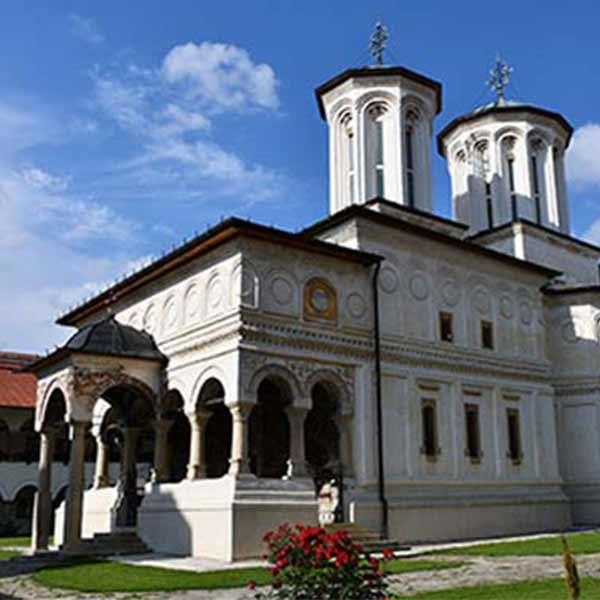
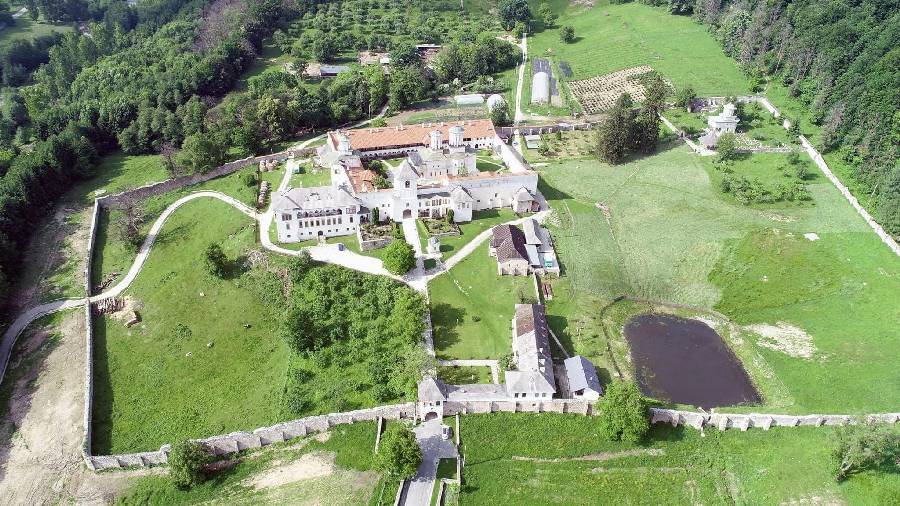
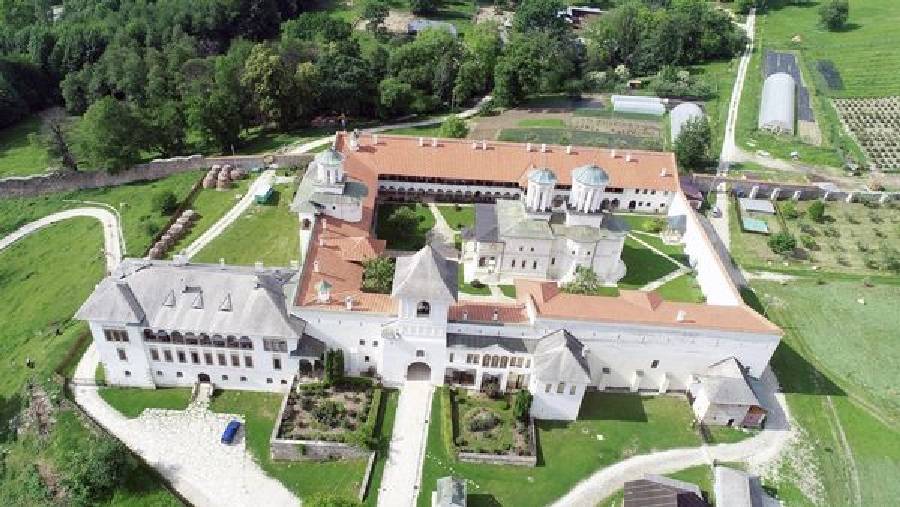
Hurezi Monastery (Horezu Monastery) | Valcea county 😍😍🇷🇴
(15 October 2026)
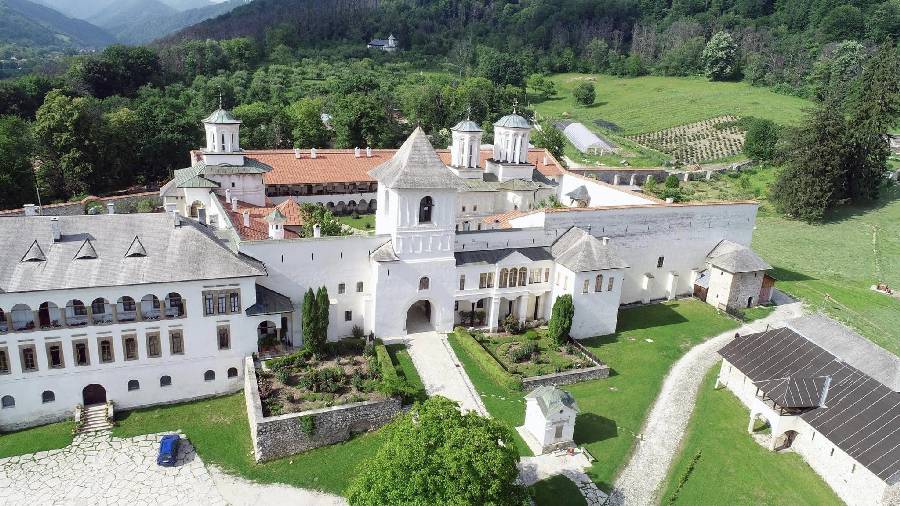
Horezu Monastery is a Romanian Orthodox monastery of nuns located in the historical region of Muntenia Mica, in Valcea county.
Situated at the foot of the Căpățânii Mountains, a mountain range in the Transylvanian Alps, on the territory of the village of Romanii de Jos, the monastery is about three kilometres (as the crow flies) north of the small town of Horezu.
The calls of nocturnal birds of prey (huhurezi in Romanian) nesting in the woods around the monastery probably gave the place its name. The monastery was founded in 1692 by the then Prince of Wallachia Constantin Brâncoveanu (1654-1714) and completed in 1709. It was a men’s monastery until 1862. After the monks were transferred to Bistrita, the nuns came to the monastery. The monastery complex has been restored several times since 1827 and is a listed building.
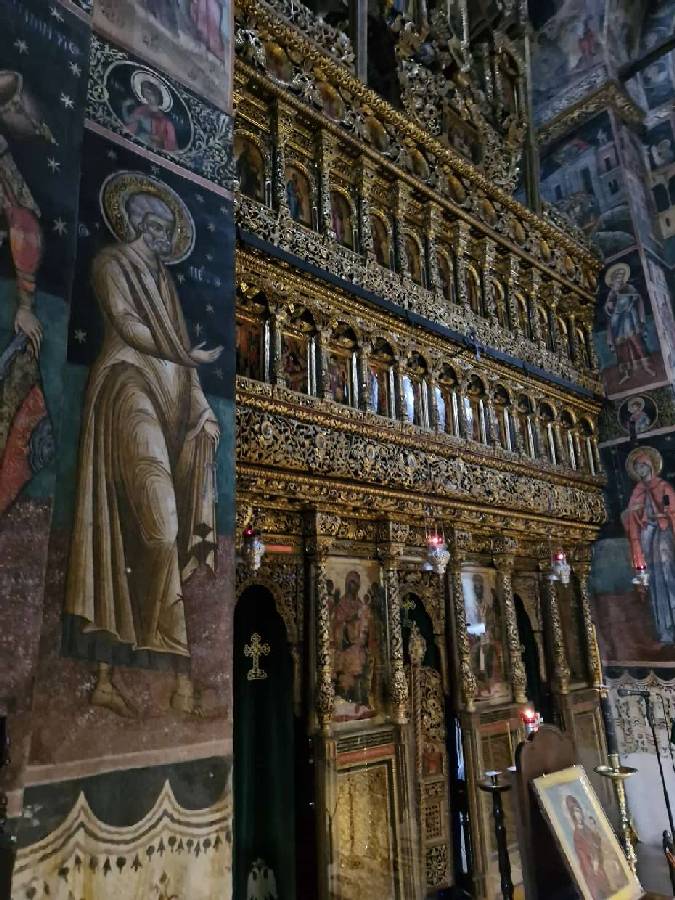
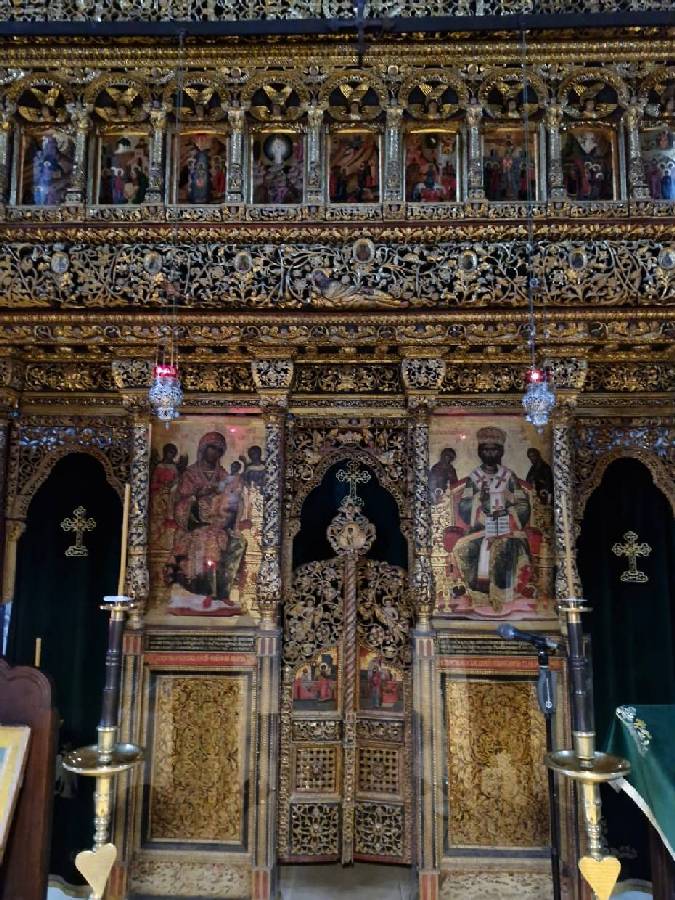
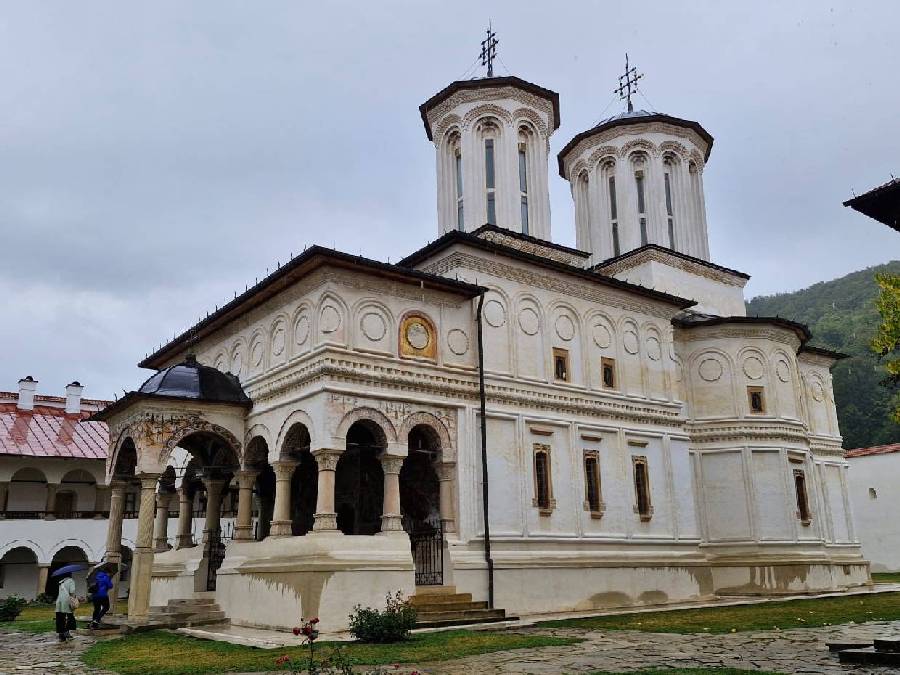
Situated on a hill, the monastery complex is surrounded by two fortifications. The smaller outer wall surrounds the entire monastery estate with its hermits. The second is formed on three sides by buildings of different heights and a wall to the east. The entrance to the monastery is on the south side through a bell tower with a massive steel-armored wooden gate. The church of the Monastery of Saints Constantine and Helen in the centre of the complex is 32 metres long, 14 metres high and was built between 1693 and 1697. In the vestibule of the church there are several tombs, the most beautiful one decorated with marble and a carved lid, intended for Prince Brâncoveanu, but which did not fulfil its purpose and was therefore never used. The large iconostasis is carved in lime wood and covered with gold.
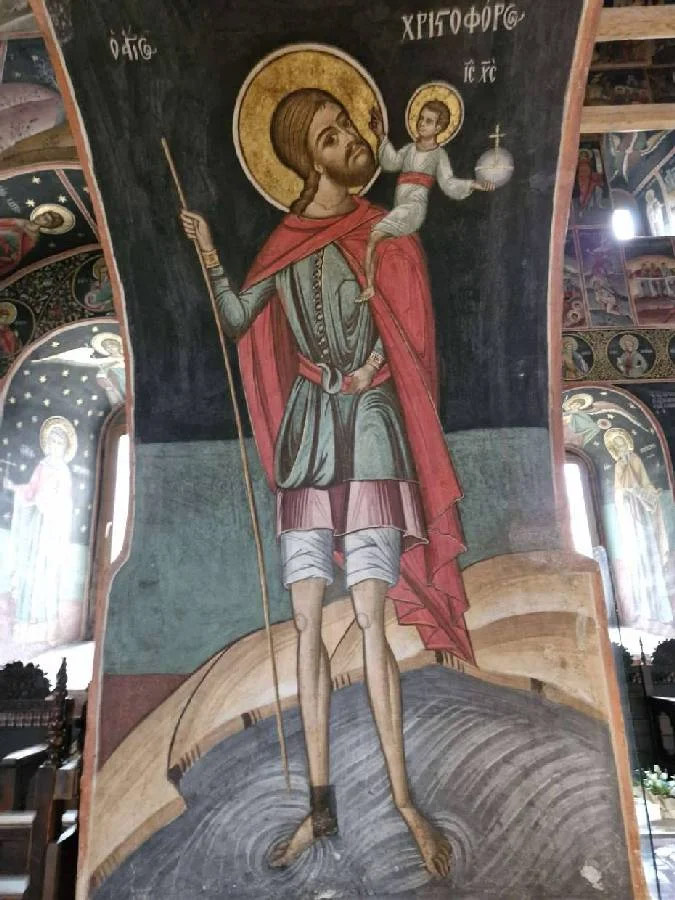
The square chapel with octagonal tower, whose windows are the chapel’s light source, is on the west side opposite the entrance to the church and was built in 1697. The frescoes in the chapel were created between 1705 and 1706 and are still in good condition today.
We thank Centrul Național de Informare și Promovare Turistică Vâlcea for the permission to use these pictures.
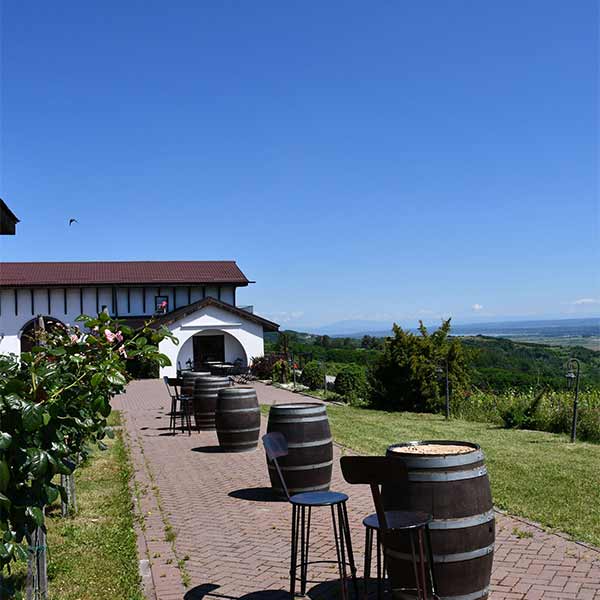
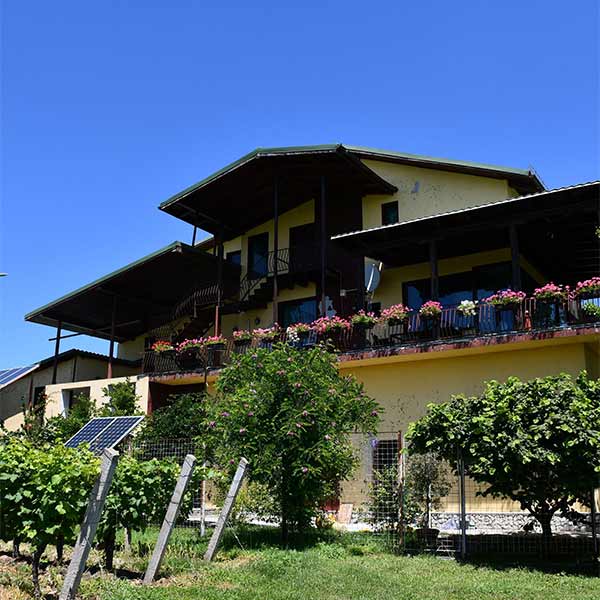
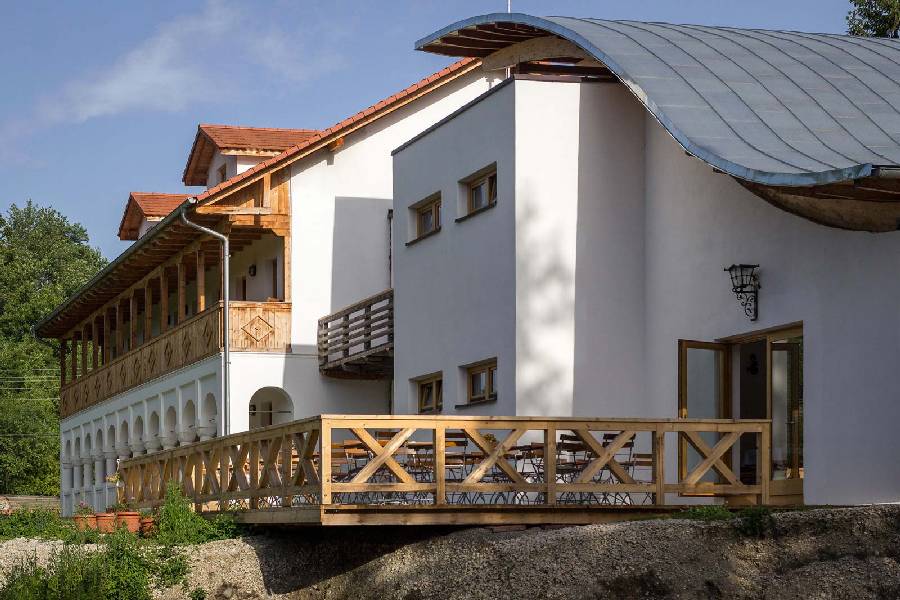
Hanul Vatra | Vâlcea County & Holidays in Romania 💙💛❤️🇷🇴
(15 October 2026)
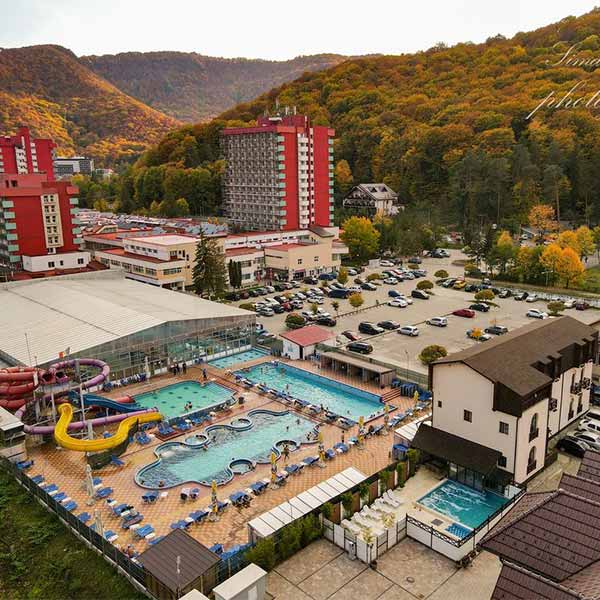
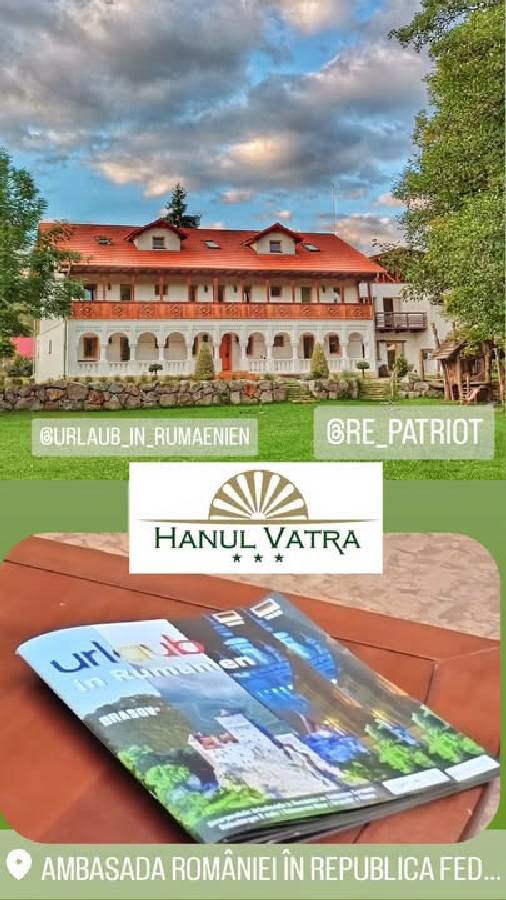
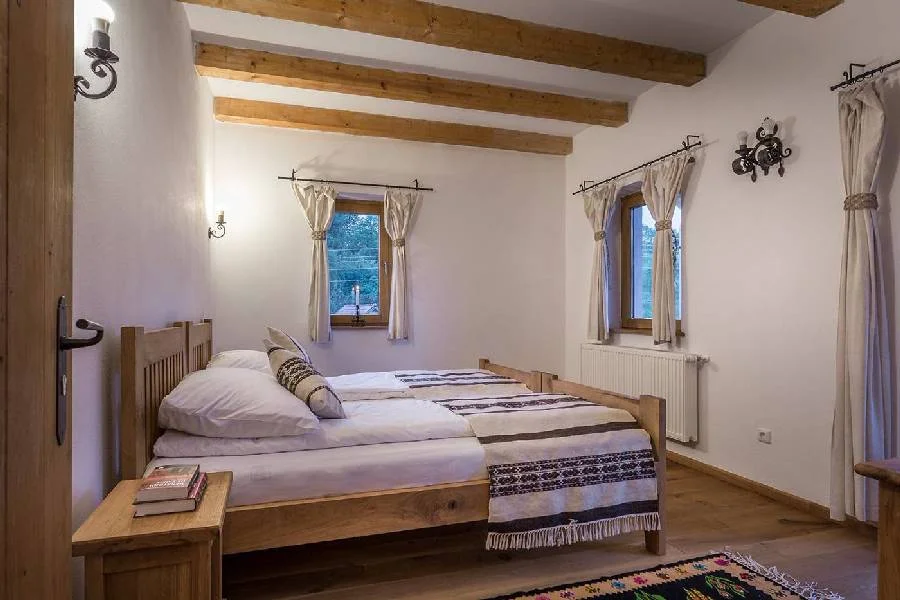
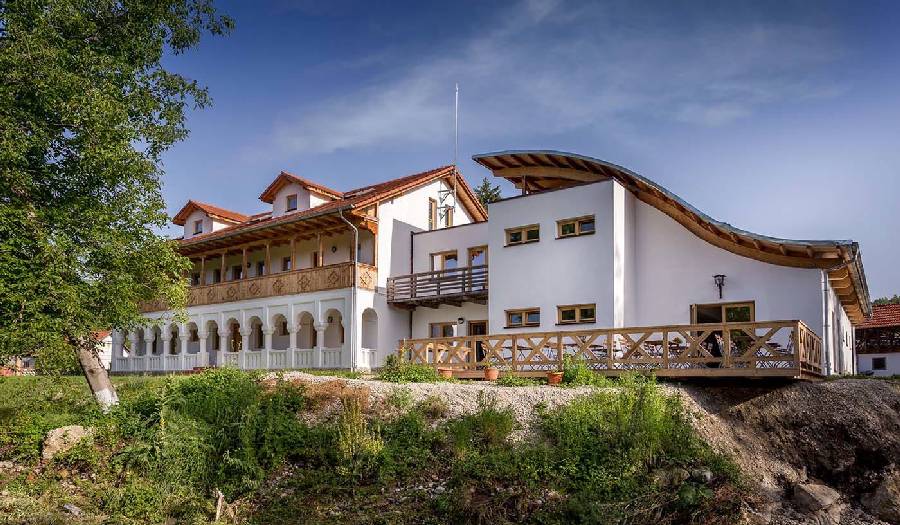
ur top recommendation in Vâlcea County for a wonderful holiday in every season 🥰
Visit Hanul Vatra in Costești, approximately 5 km east of the small town and Horezu Monastery.
Fall in Valcea County | Beautiful 😍😍🇷🇴
(5 October 2026)
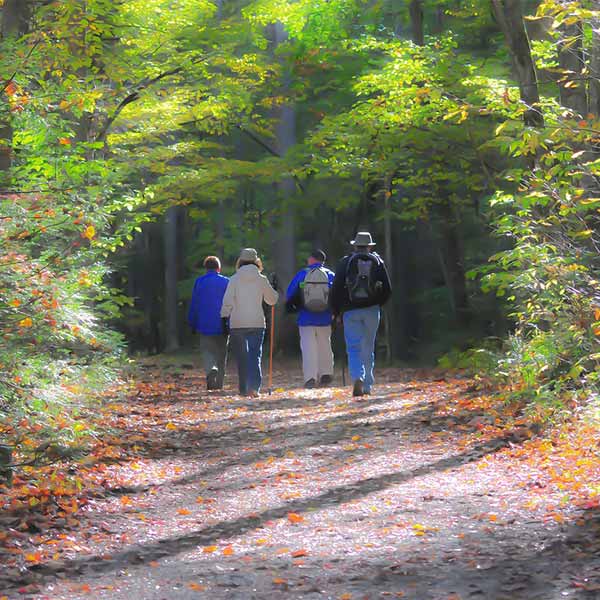
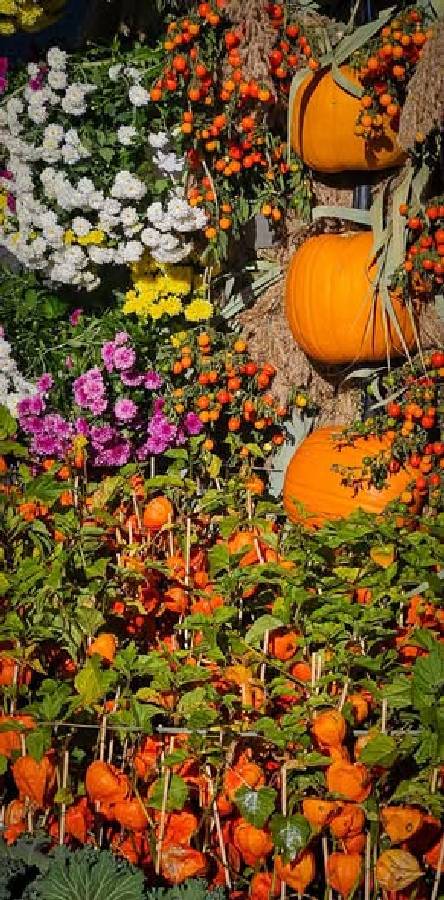
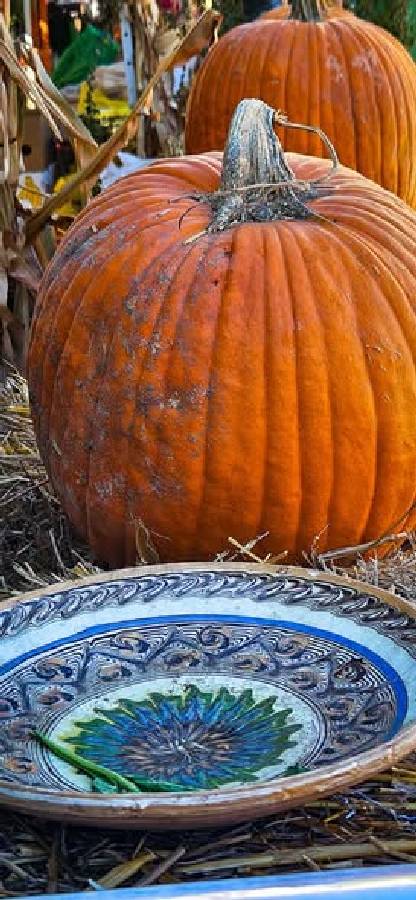
Golden autumn—a beautiful time of year. The trees’ leaves turn shades of yellow, orange, and gold… and many autumn flowers and fruits display magnificent colors that spread joy.
We would like to thank Ms. Corina E. Mateescu for allowing us to use these photos.
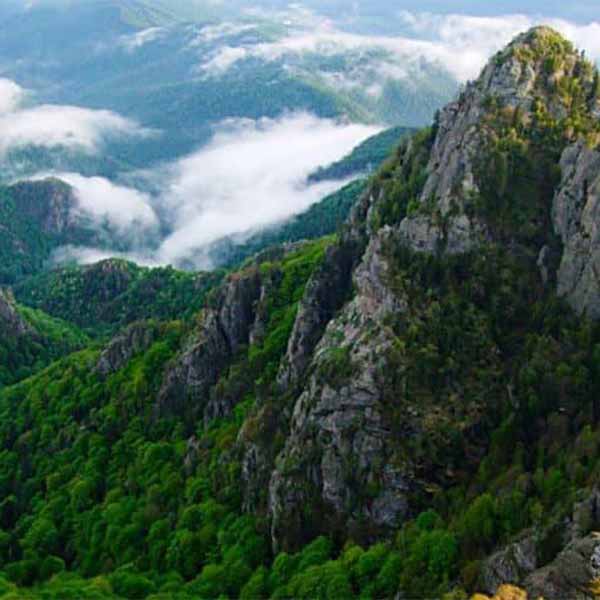
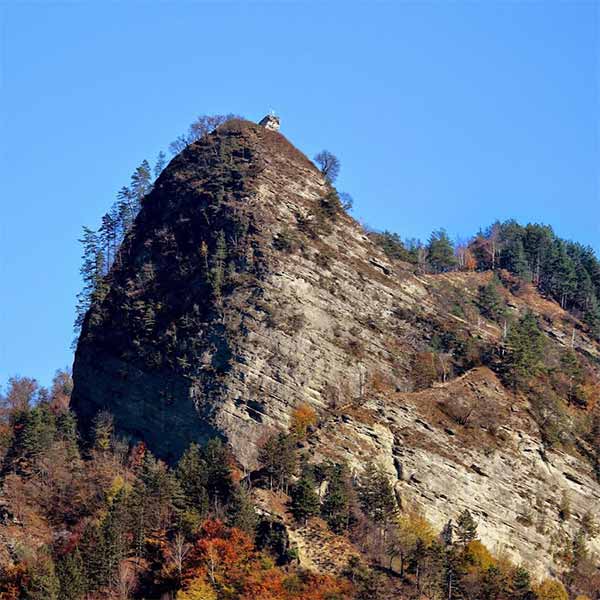
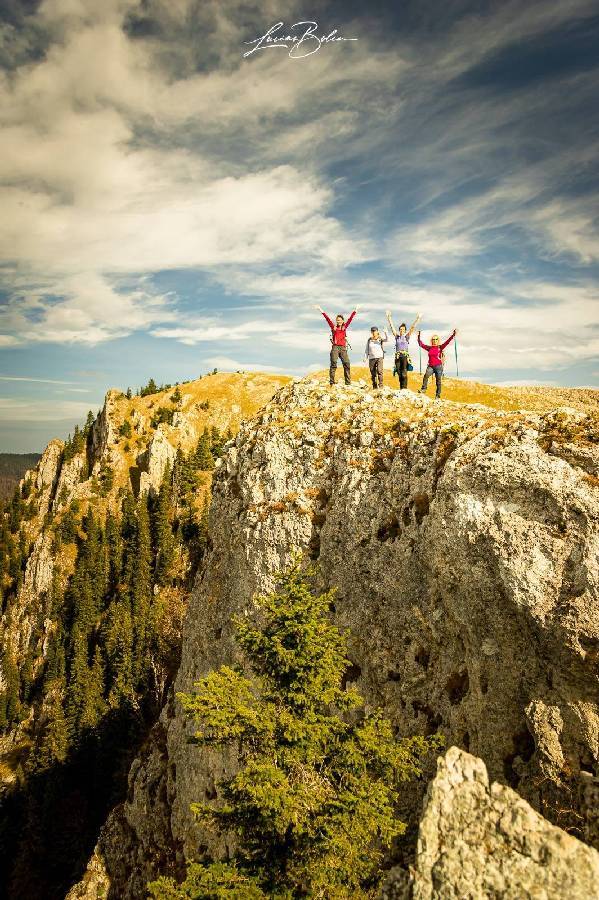
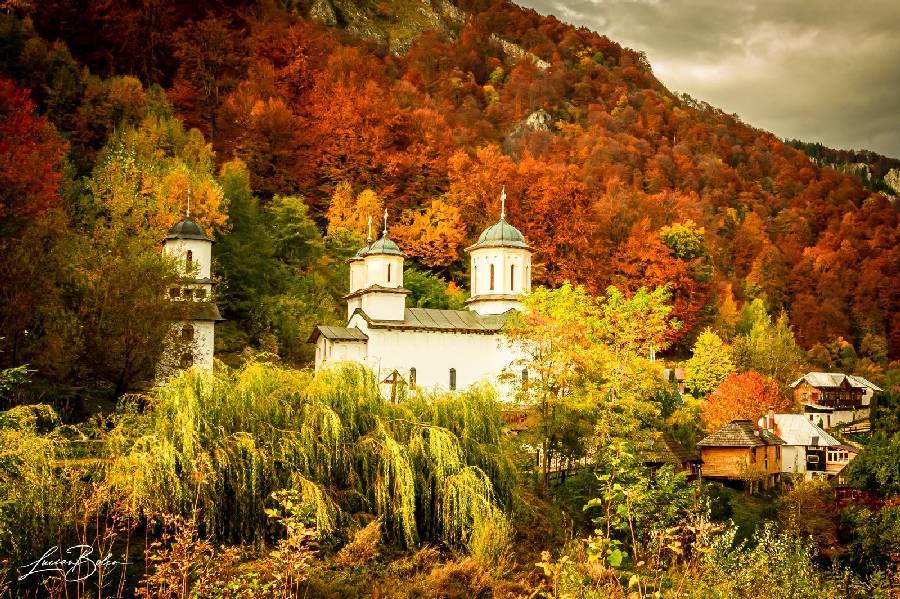
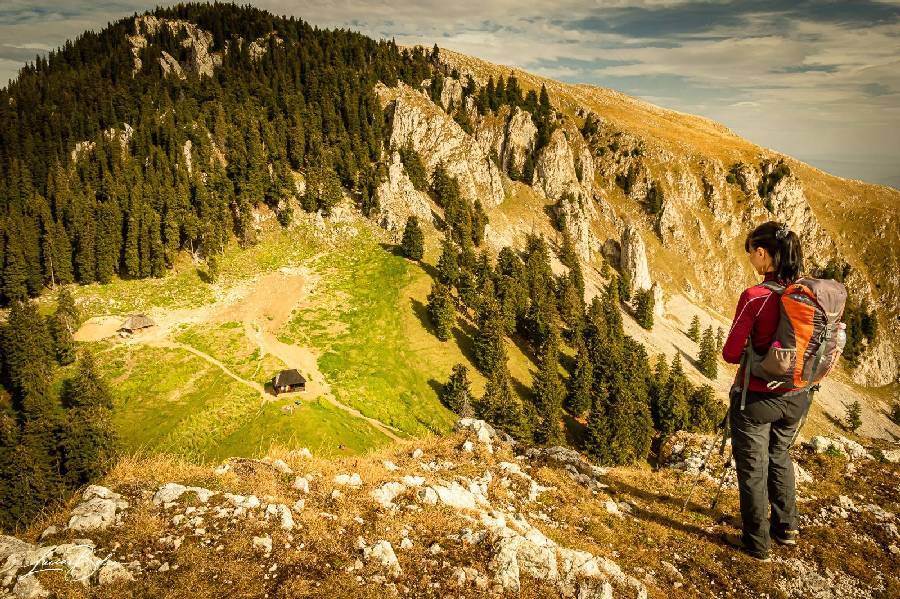
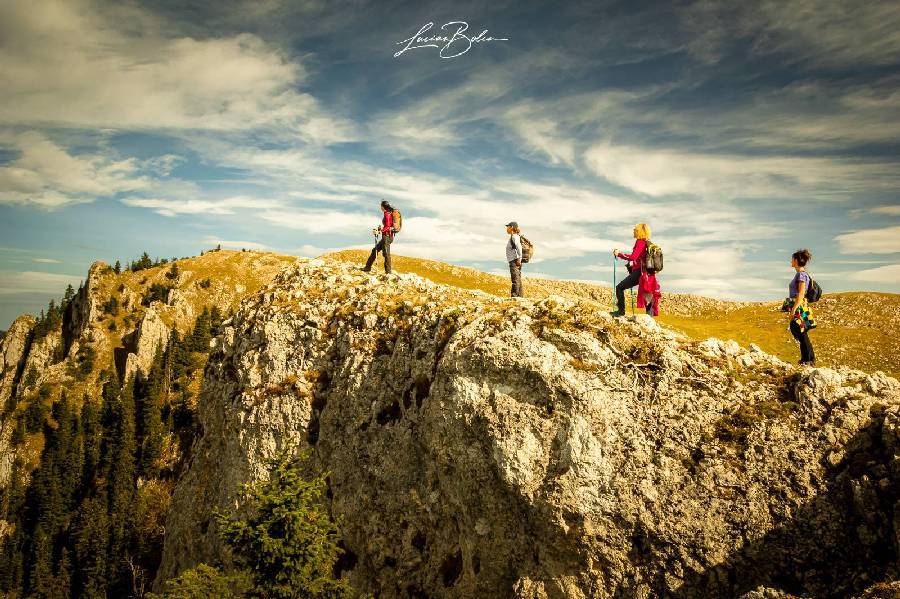
Buila Vânturărița National Park in autumn | Valcea County
(16 September 2026)
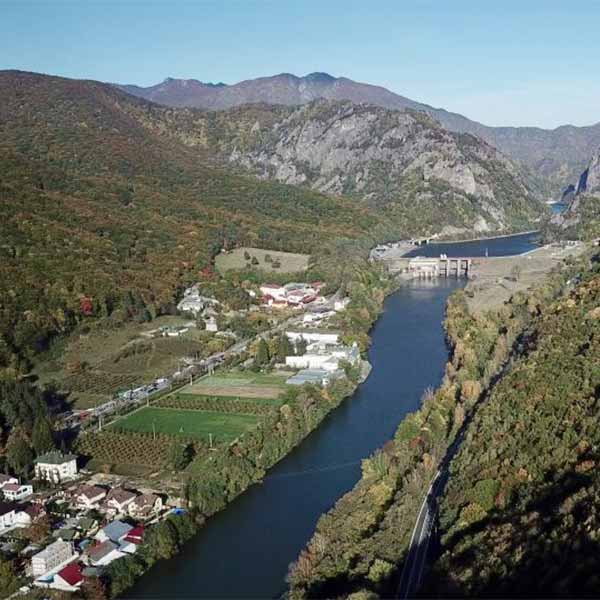
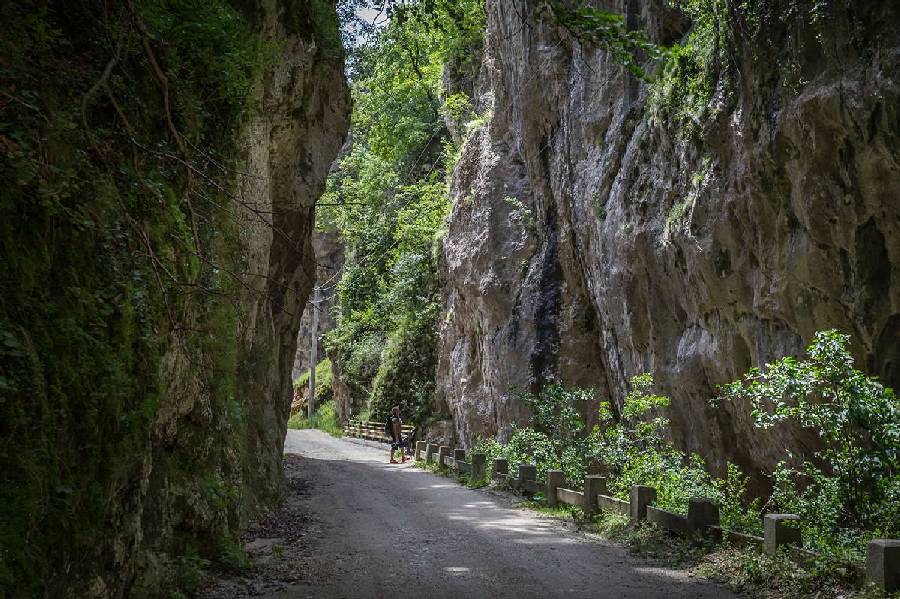
The national park is located in the western part of Valcea county (near the border with Gorj county), in the south of the Capatanii Mountains and on the territory of the municipalities of Costesti, Barbati and Baile Olanesti.
https://discover-valcea.com | https://xn--willkommen-in-rumnien-m2b.de/
Thanks to photographer Lucian Bolca (facebook.com/boiolu) for permission to use these images.
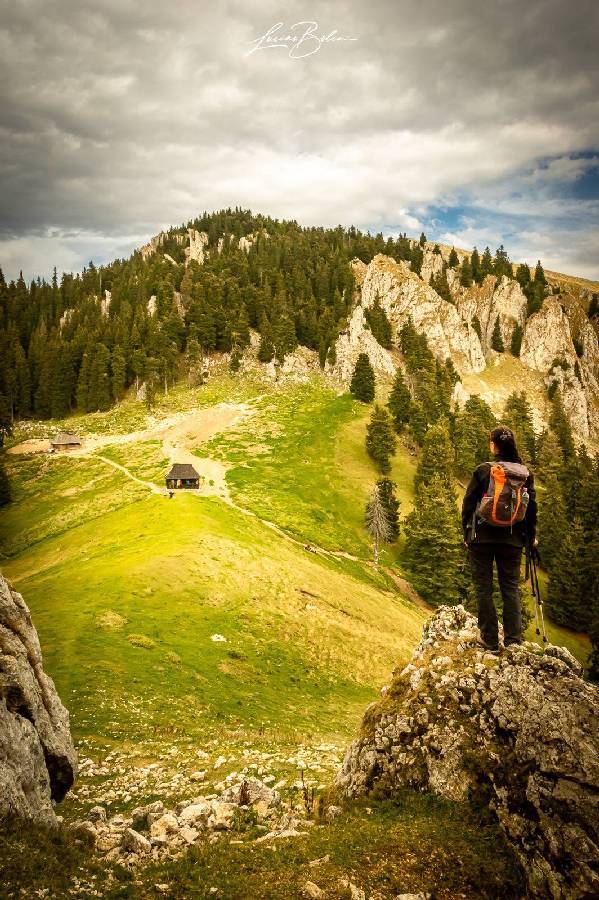
Valcea County | Beautiful
(10 September 2026)
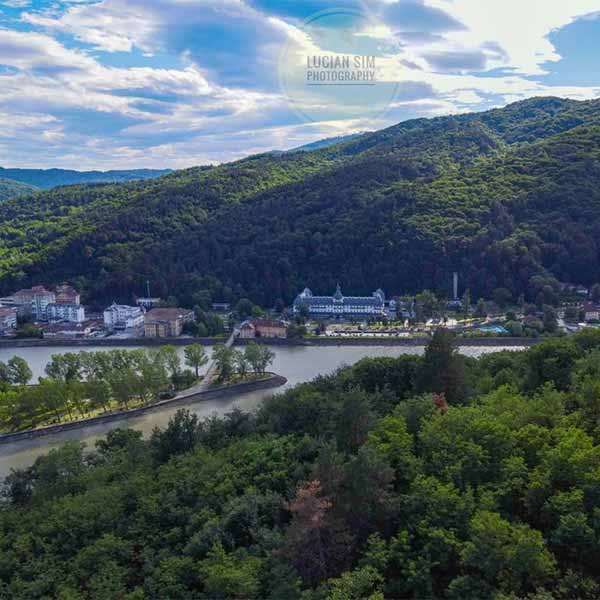
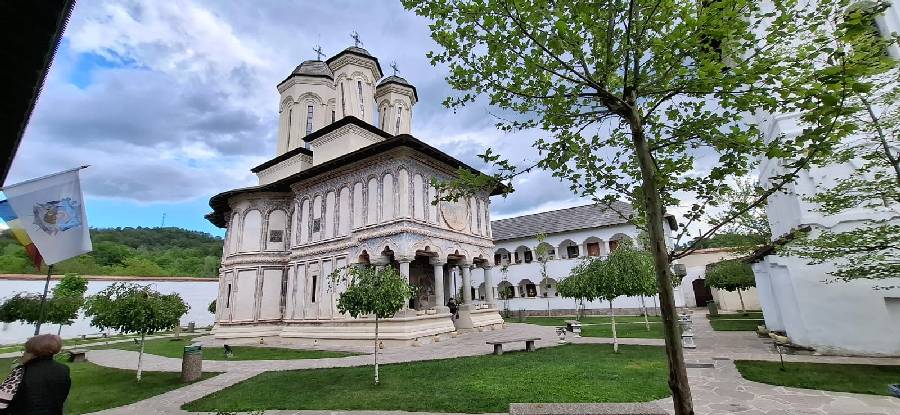
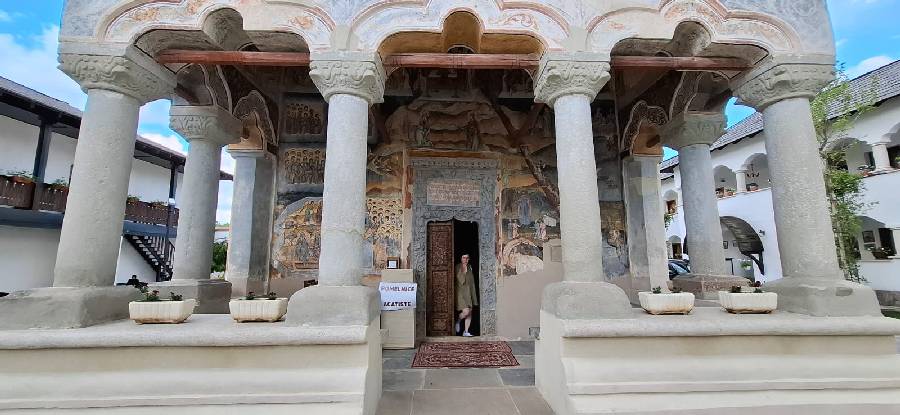
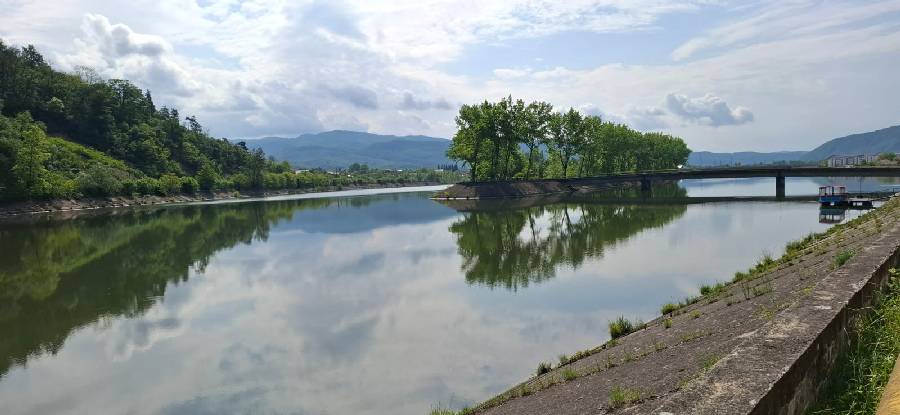
Pictures from Vâlcea County, from the town of Călimănești, taken at the beginning of May 2026 by our dear Roland. Thank you for sending them 🥰
https://discover-valcea.com | https://welcome-in-romania.com
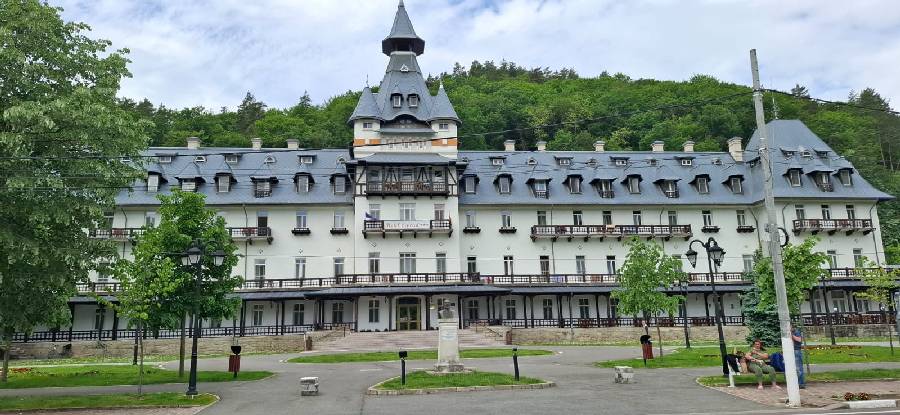
Valcea County Library “Antim Ivireanul” | Ramnicu Valcea
(1 September 2026)
The Valcea County Library, located in the county capital Ramnicu Valcea, was built in 1950 and currently houses more than 400,000 books and documents.
https://discover-valcea.com | https://welcome-in-romania.com
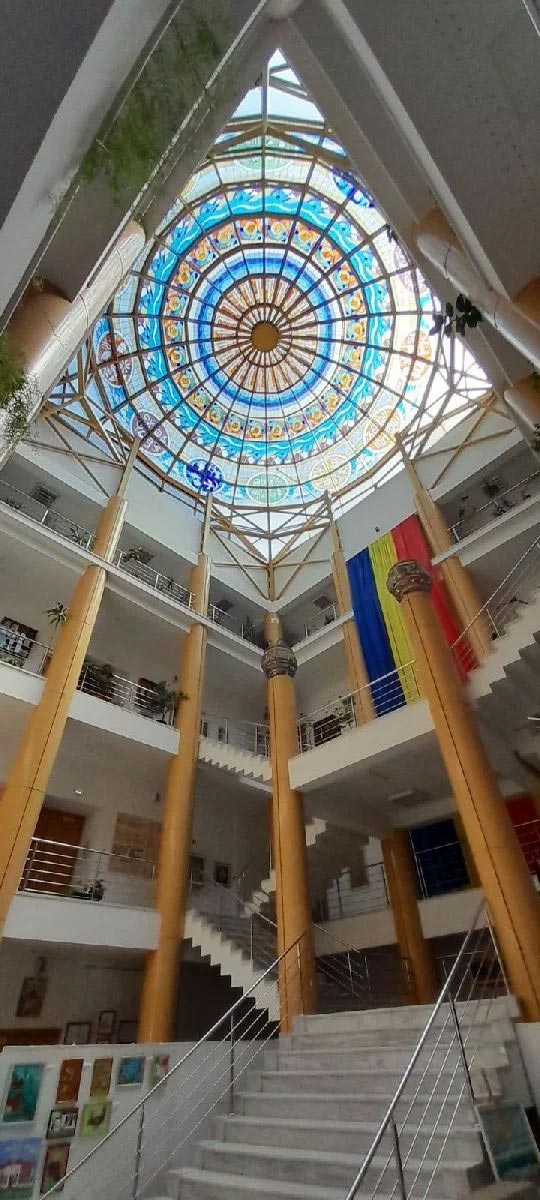
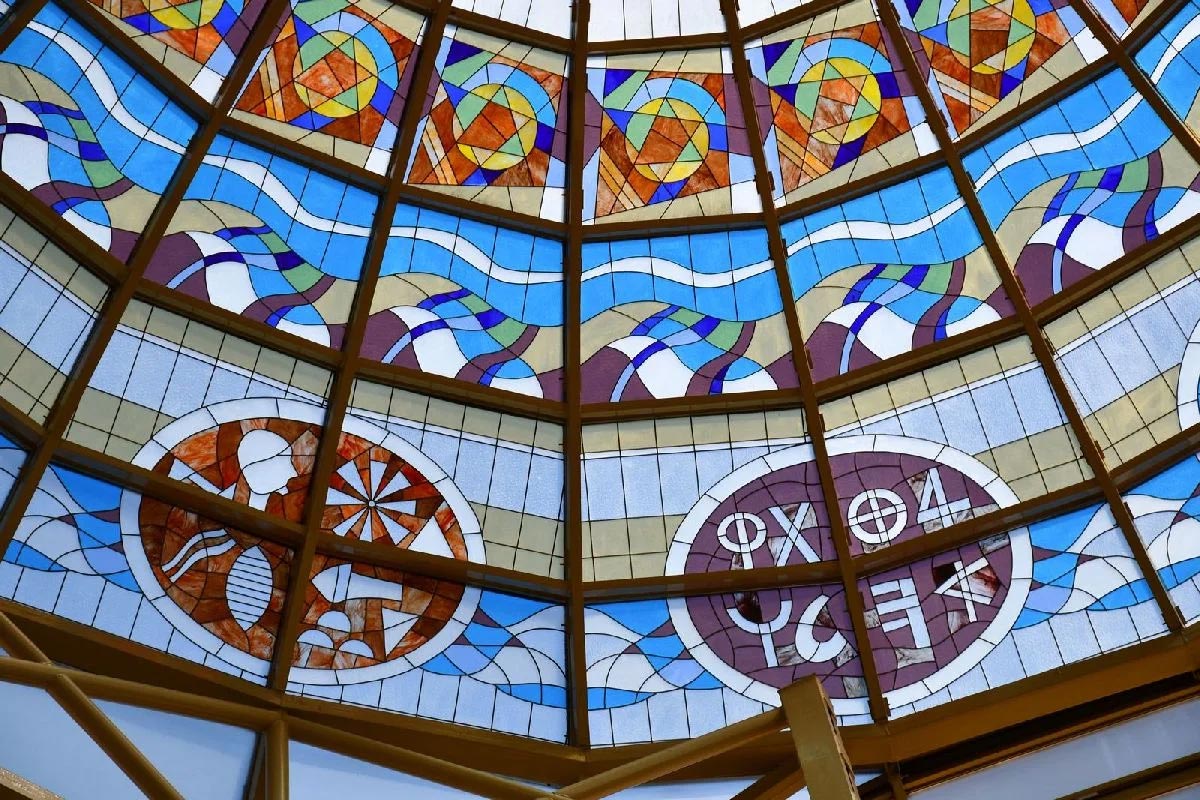
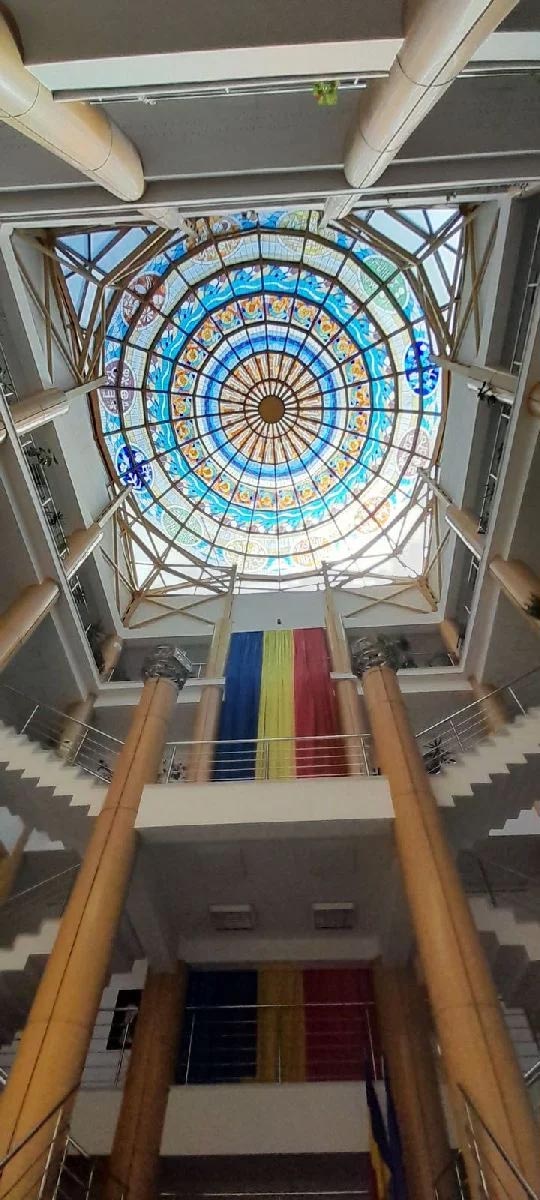
In addition to its vast collection of books, a remarkable attraction is the glass roof, “The Creation of the World,” made up of 86 modules, which is unique in Europe in this form. The glass roof covers an area of 142 square meters and is located 30 meters above the base of the building.
Valcea County | Beautiful
(16 August 2026)
Photos from Valcea County, Calimanesti, taken last weekend (May 10, 2026) by our dear Roland. Thank you for these!
https://discover-valcea.com | https://welcome-in-romania.com
Hanul Vatra Guesthouse | Valcea County
(15 August 2026)
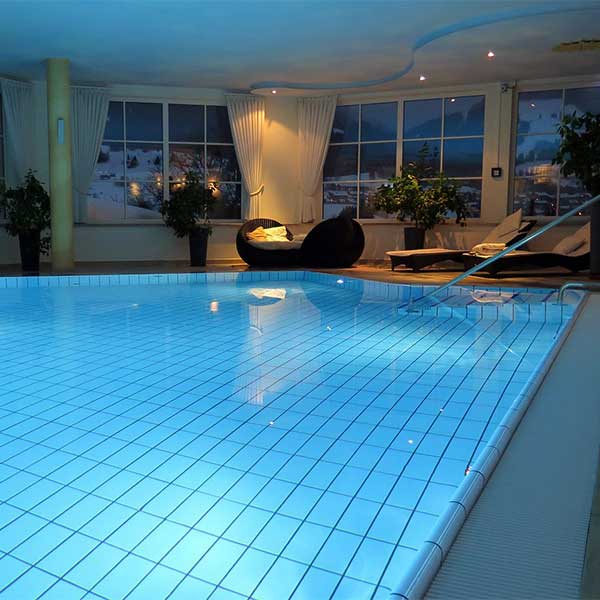
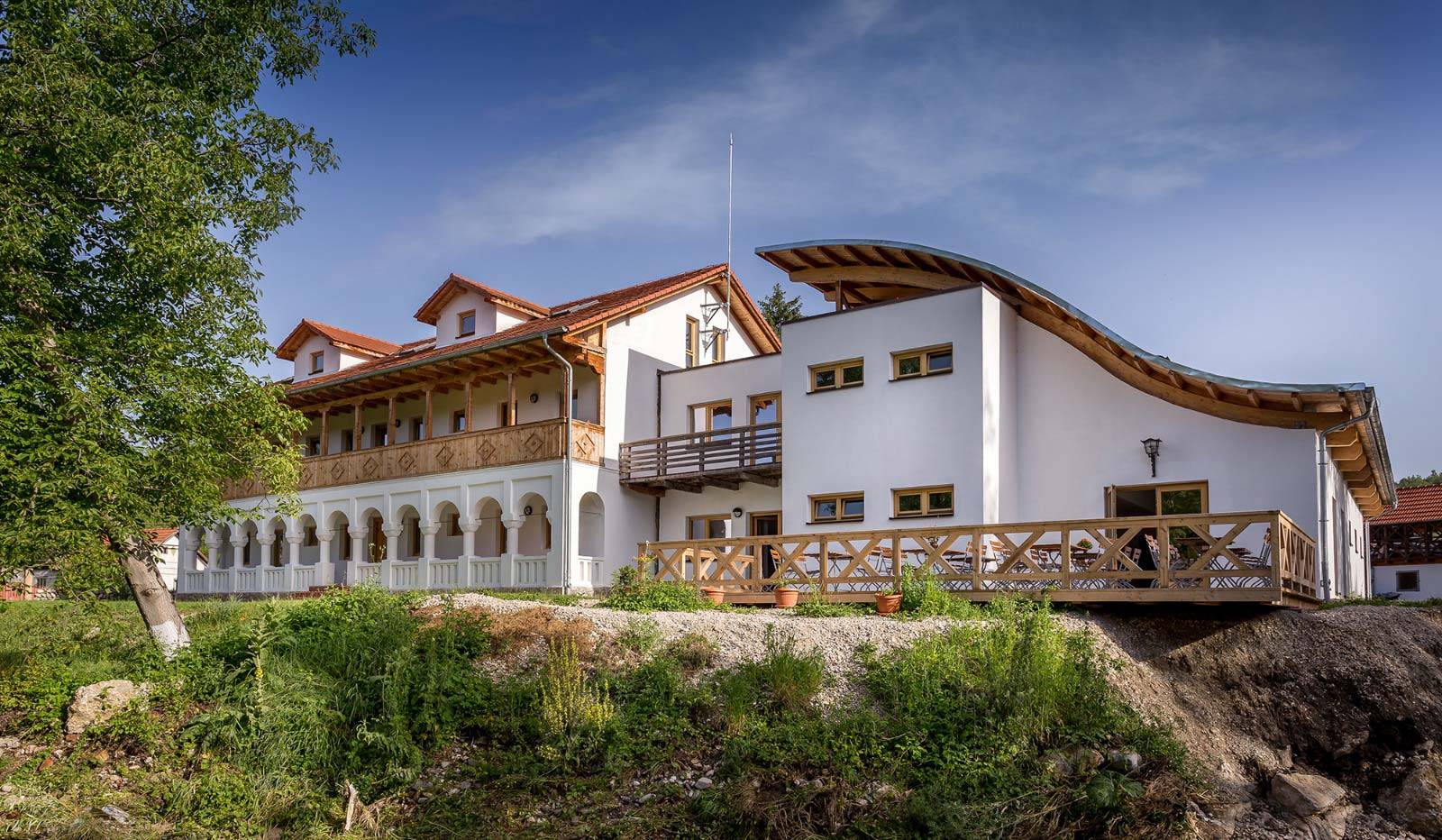
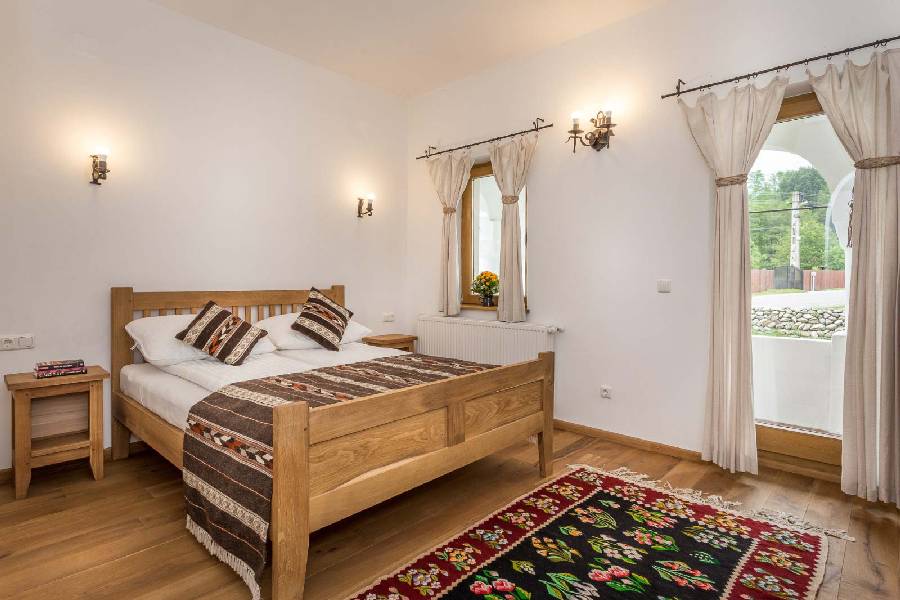
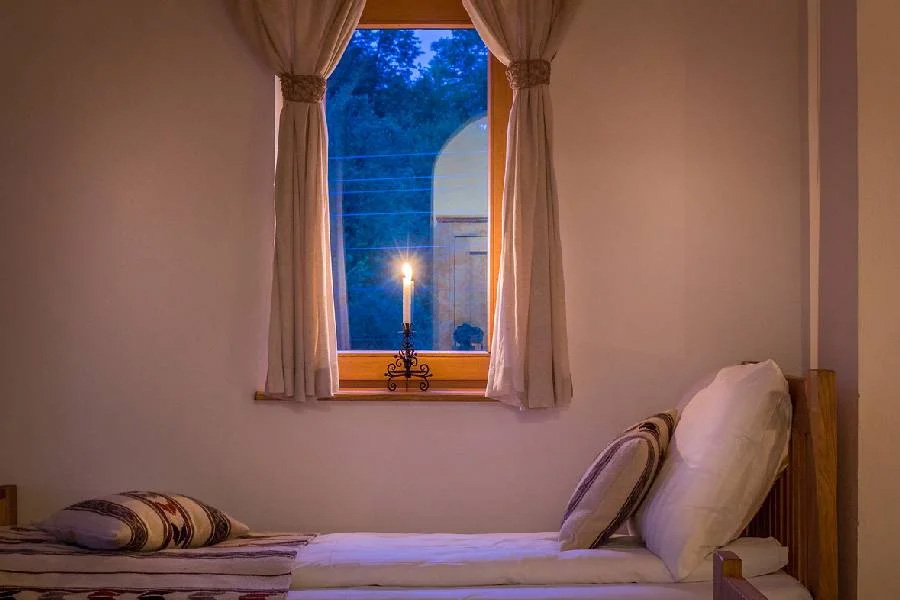
The Hanul Vatra guesthouse / hotel is the ideal place for a vacation in the green—pure nature, history, and hiking, away from the noise of the big city.
It is also a beautiful place for private celebrations, a weekend in the mountains, courses, team building, meetings, or simply to relax. Nearby there are many worthwhile destinations, such as Manastirea Hurezi (Horezu Monastery) and other places.
Learn more about this German-speaking host:
https://urlaub-in-rumänien.de/de/uir/das-hanul-vatra/
Learn more about the region:
https://discover-valcea.com
The Festival „Be COOL At CULE”
(31 July 2026)
Today (July 31) until Sunday (August 2) the Festival “Fii COOL La CULE*” takes place at the Măldărești Museum Complex (approx. 2 km south of Horezu) in Vâlcea County 😍😍🇷🇴
https://valceaturistica.ro/evenimente/festivalul-fii-cool-la-cule-maldaresti/
The Festival “Fii COOL La CULE*” offers a perfect blend of tradition and modernity with folk music performances and concerts by Romania’s most beloved artists, as well as the “Rapsodia Vâlceană” ensemble, who will delight the audience with unforgettable performances.
Location: https://maps.app.goo.gl/DrkkiQtjoDuwbQXD9
* A “Culă” (plural: “Cule”; from the Turkish “kule” meaning “tower, turret”) is a semi-fortified dwelling historically found in Romania (the Oltenia region, Vâlcea County, and Muntenia, Argeș and Teleorman Counties), some of which are preserved to this day. These structures, built predominantly between the 17th and 19th centuries, served as residences for the boyar noble class and provided protection against raids and local uprisings. Architecturally, cule are distinguished by their tower-like appearance, typically comprising multiple storeys, thick walls, and defensive features such as narrow windows or arrow slits for archers. The construction style reflects a blend of residential comfort and military functionality, embodying the ability of traditional Romanian architecture to integrate foreign influences while preserving its distinctive local character.

Romania | Hiking and nature
(27 July 2026)
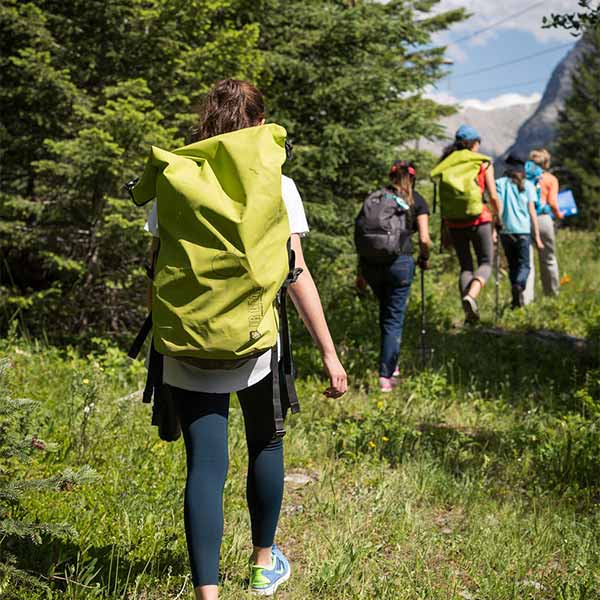
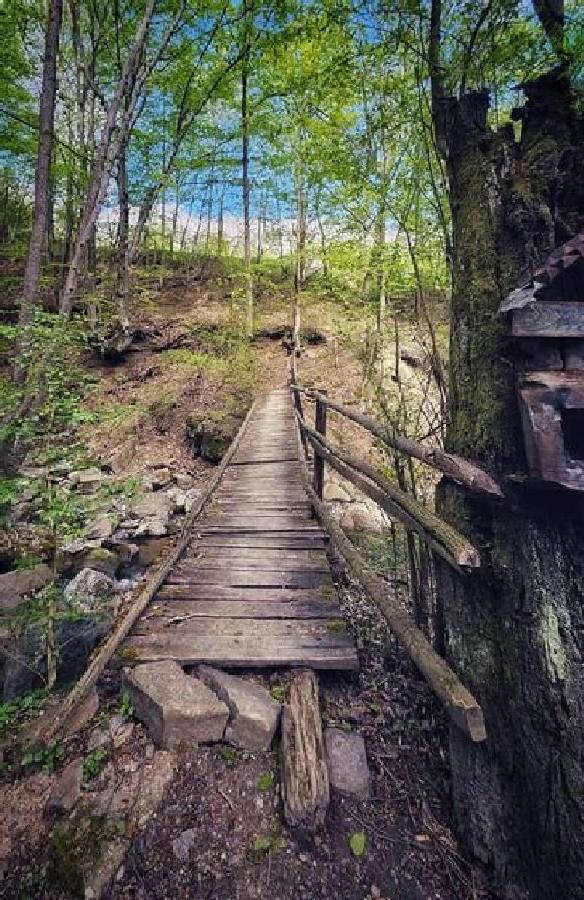
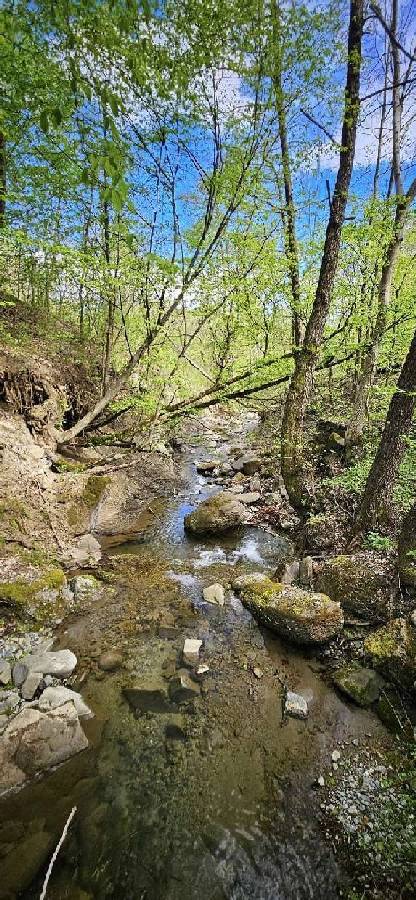
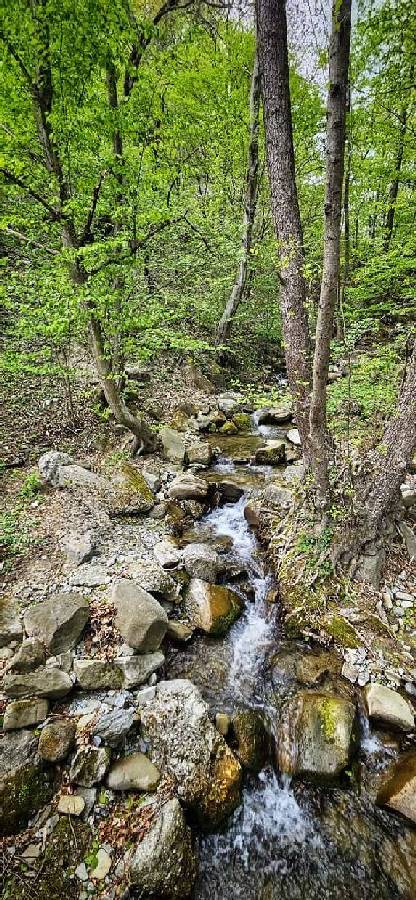
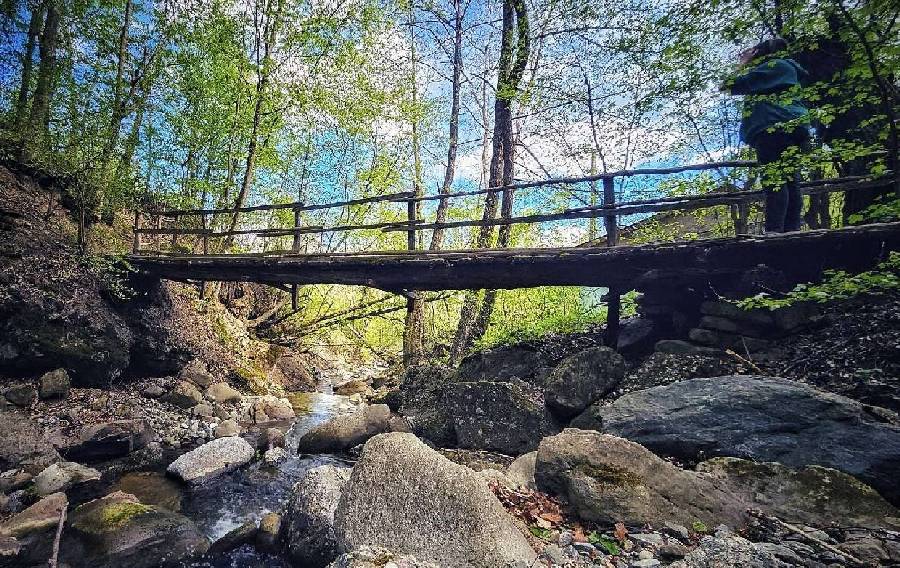
A wonderful time to spend in unspoiled nature. The trees are beautifully lush and green, and you can hear birds chirping in the branches.
Pictures from the village of Patesti, part of the Salatrucel commune in Valcea County.
We thank Mrs. Corina E. Mateescu for the permission to use these pictures.
Hurezi Monastery (Manastirea Hurezi) | Valcea County
(12 July 2026)
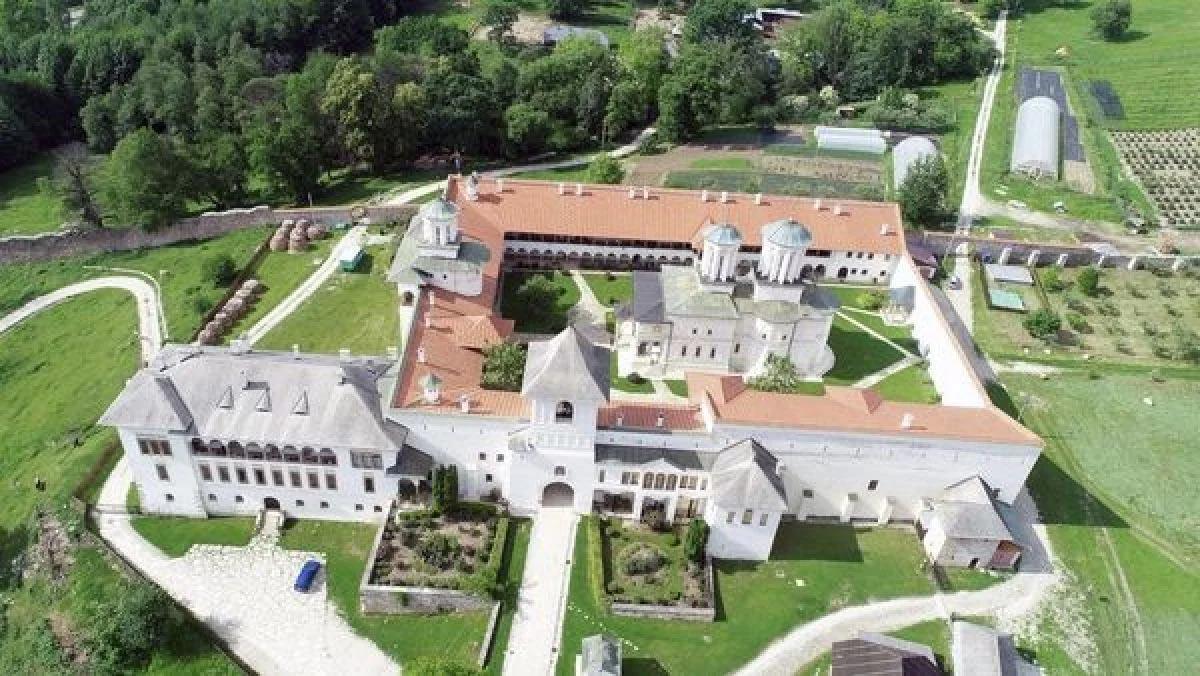
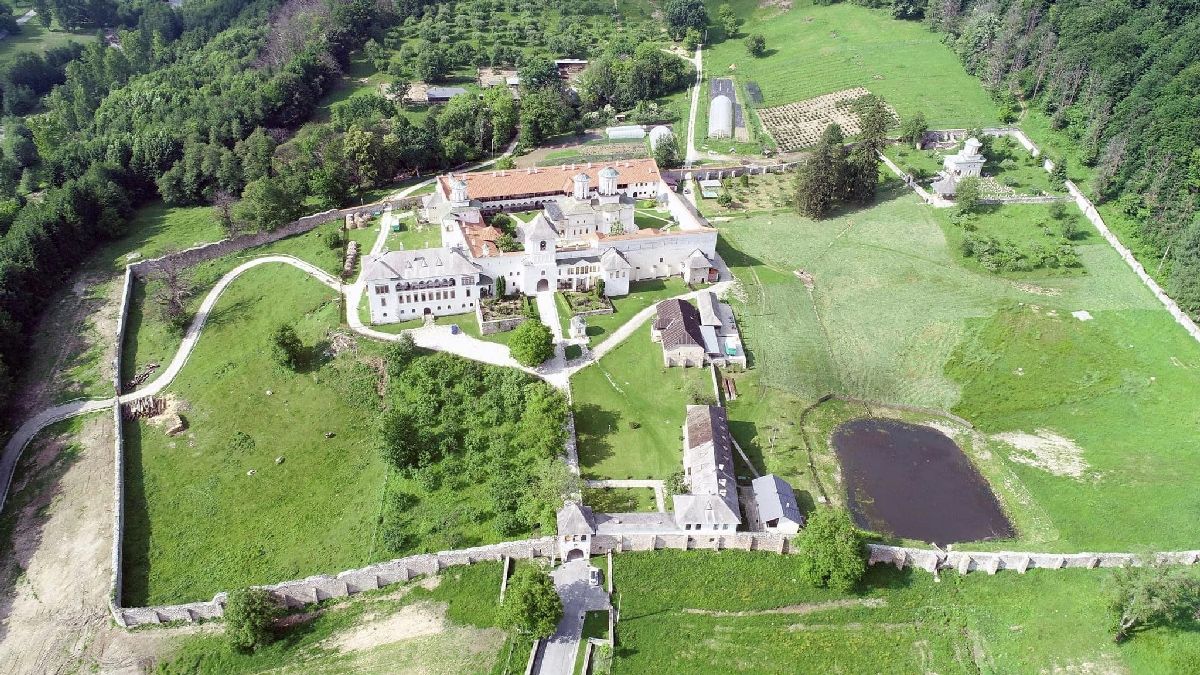
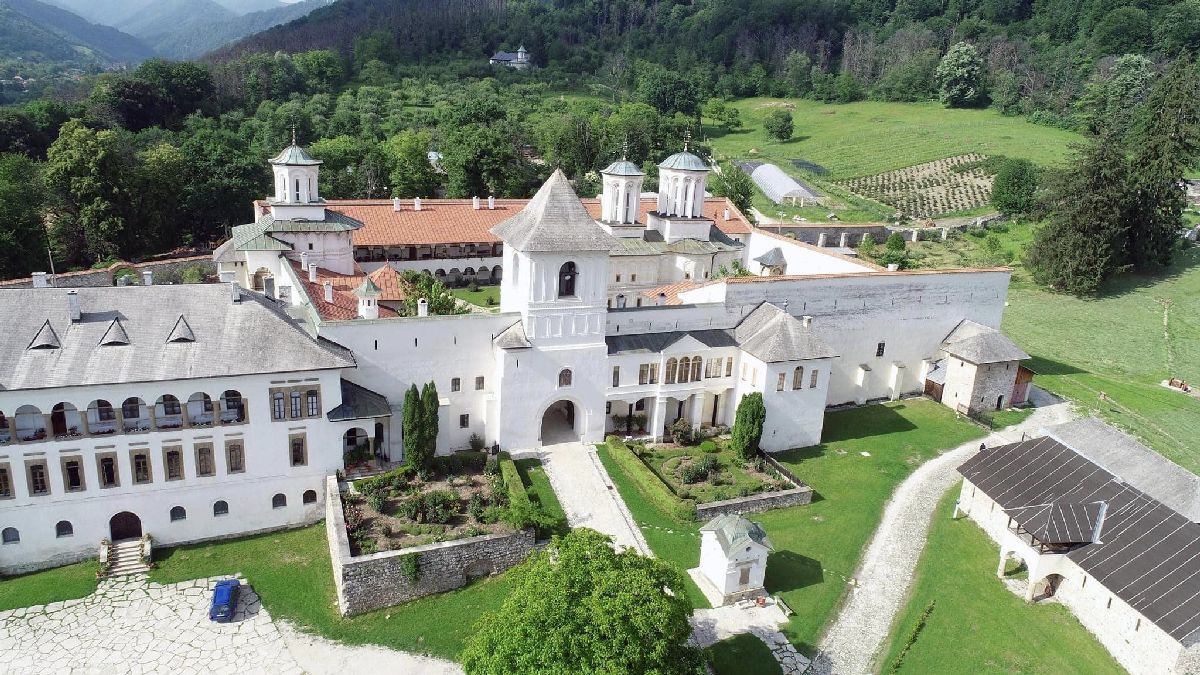
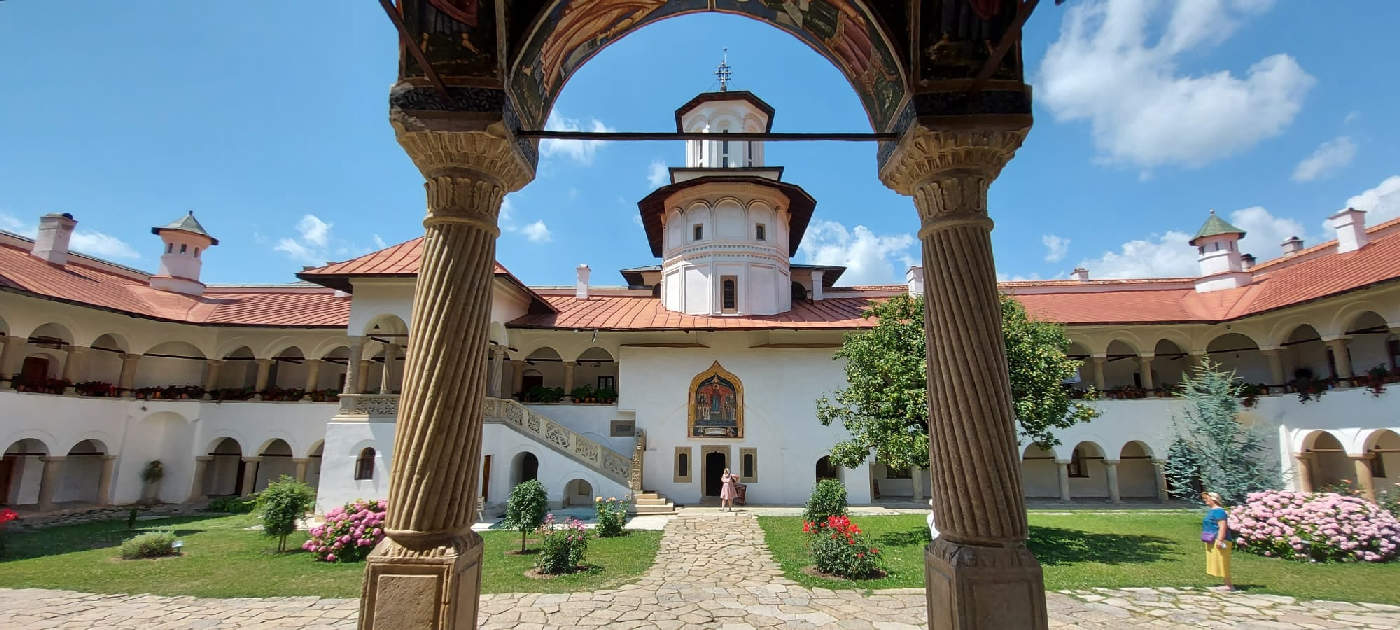
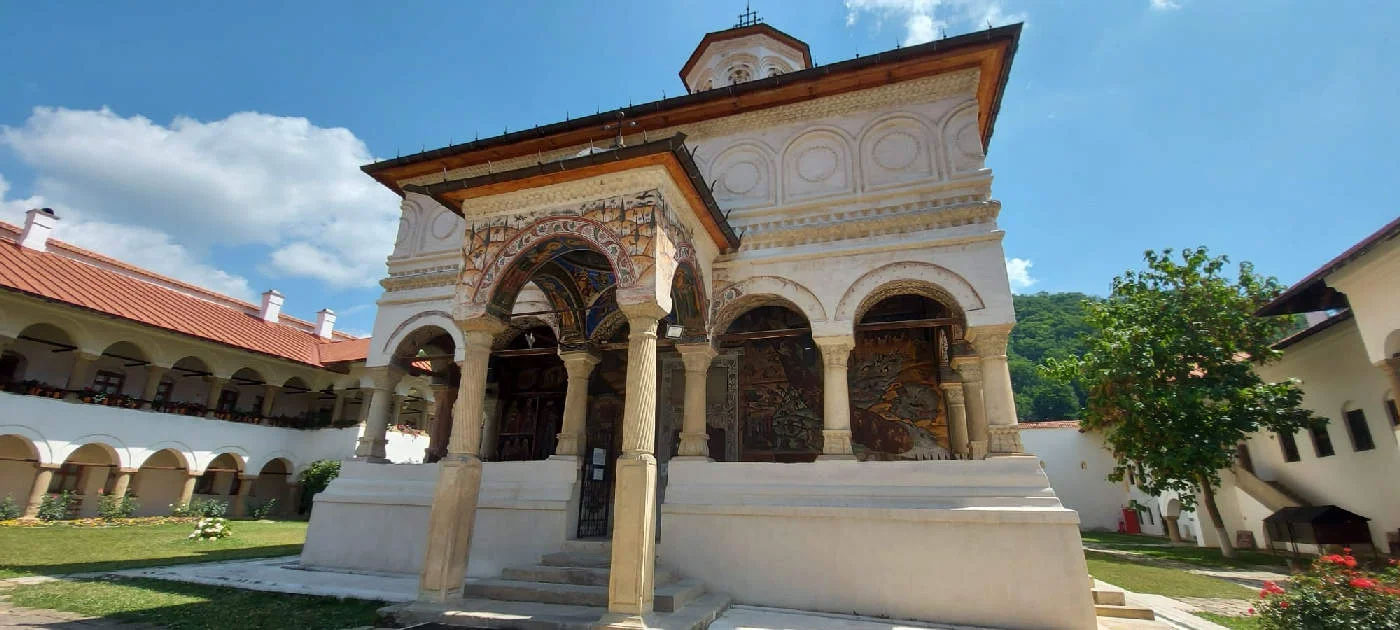
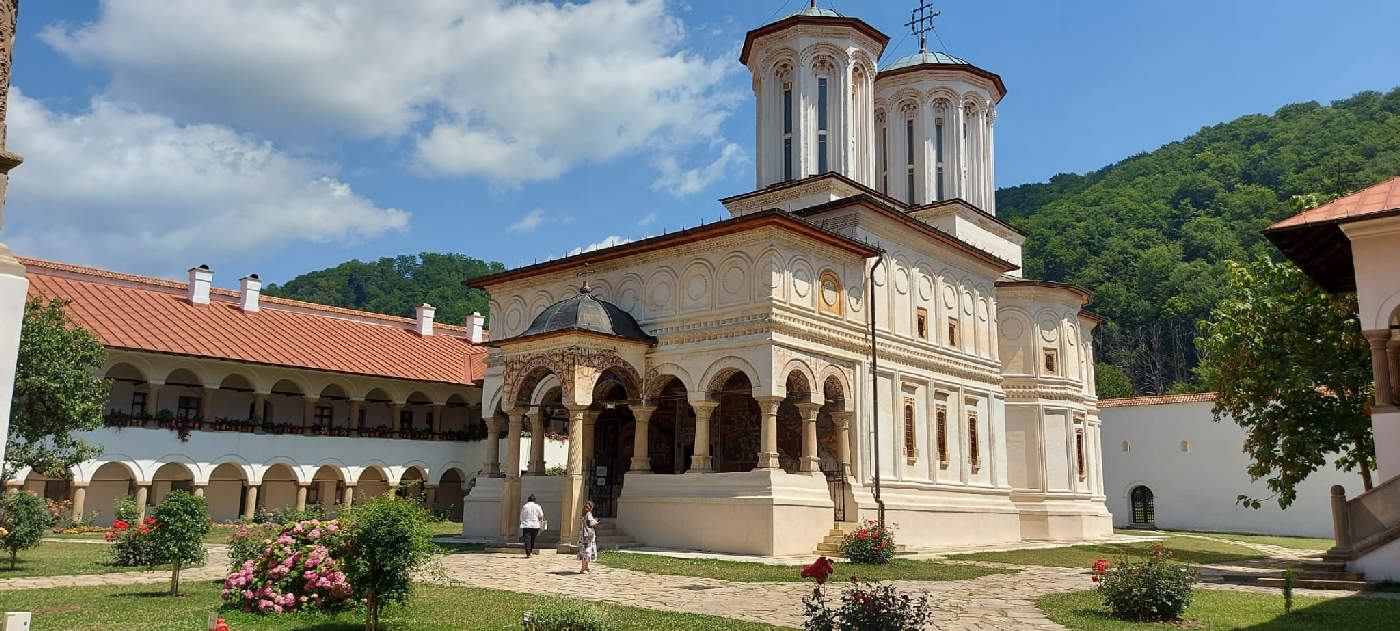
Horezu Monastery (also known as Hurezi Monastery) is a Romanian Orthodox nunnery located in the historical region of Oltenia, Valcea County.
At the foot of the Căpățânii Mountains, part of the Southern Carpathians, the monastery lies about 3 km north of the small town of Horezu, in the village of Romanii de Jos.
The monastery likely owes its name to the nocturnal birds of prey (Romanian: huhurezi) inhabiting the surrounding forests. It was founded in 1692 by Wallachian ruler Constantin Brâncoveanu and completed in 1709. Originally a male monastery, it became a nunnery in 1862. The complex has been restored several times since 1827 and is a protected historical monument.
The hilltop monastery is surrounded by two fortifications: a smaller outer wall enclosing the entire estate, and a second defensive structure made up of buildings and a wall to the east. The main entrance is on the south side through a bell tower with a steel-armored wooden gate. The cross-shaped main church “Sfinții Împărați Constantin și Elena”, built between 1693 and 1697, is 32 meters long and 14 meters high. In its porch are several graves, including a marble one with a carved cover intended for Prince Brâncoveanu, which was never used. The large iconostasis is carved from linden wood and gilded.
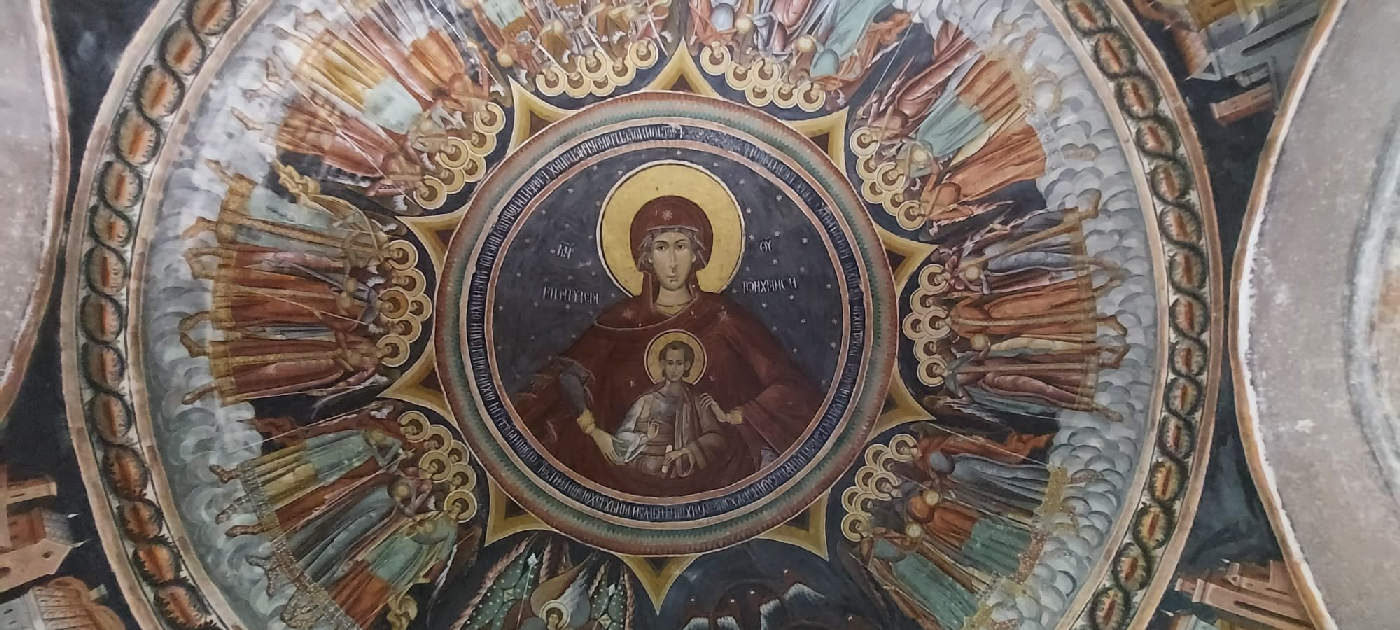
The square chapel with an octagonal tower lies west of the church and was built in 1697. Its frescoes, painted between 1705 and 1706, are still well preserved.
Text: Wikipedia
We thank Relu Chiriac, Galati, for permission to use the photos.
Bistrița Gorge | Buila-Vânturarița National Park
(10 July 2026)
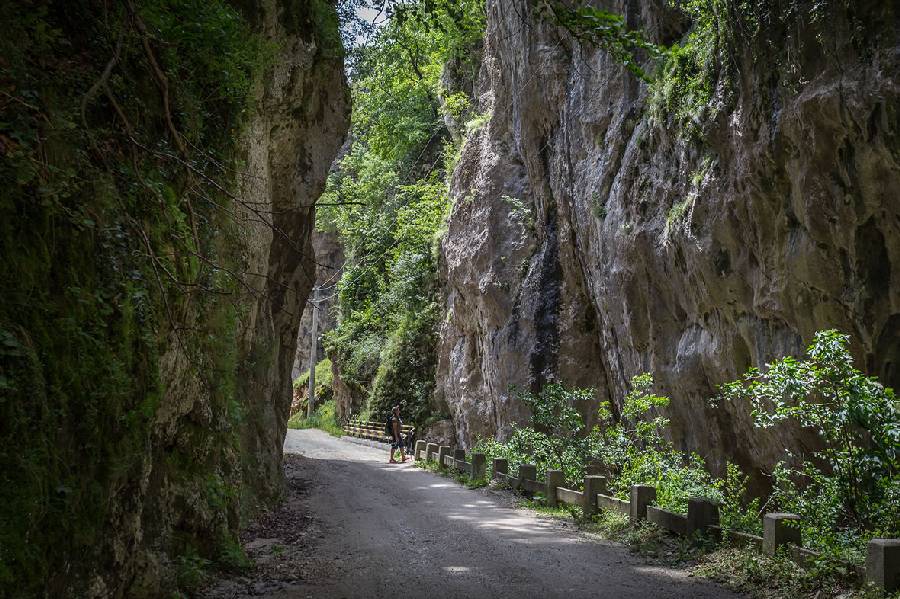
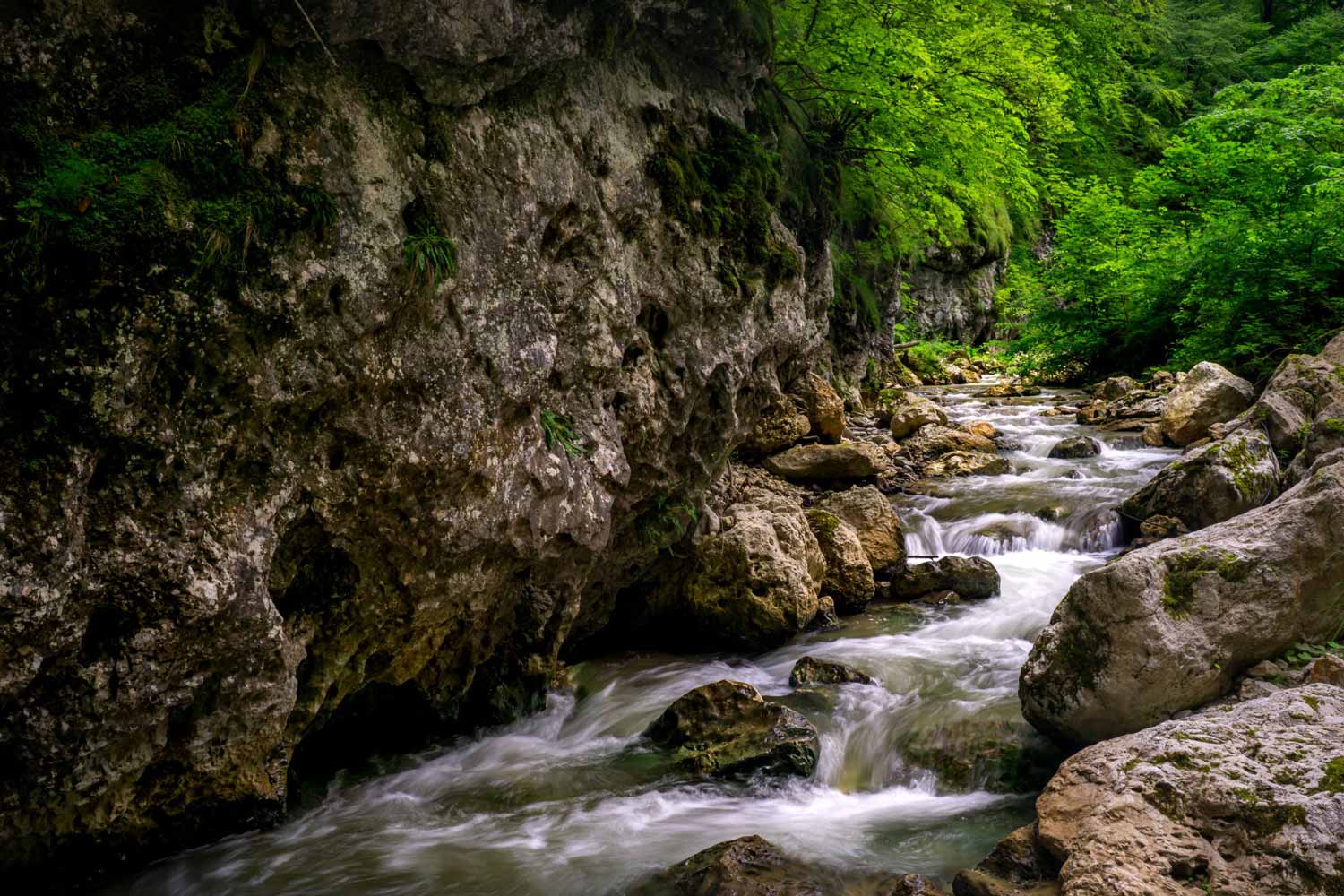
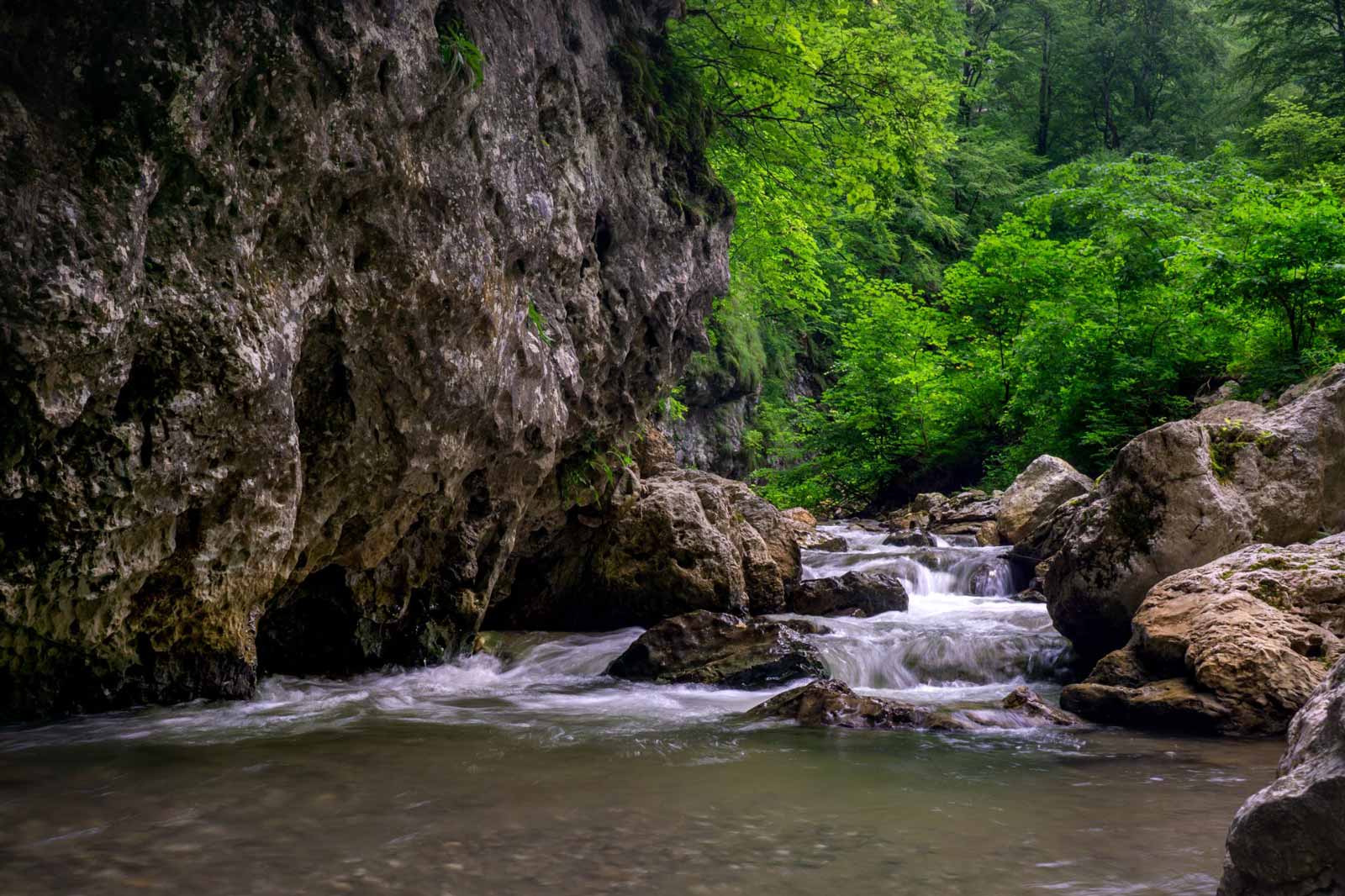
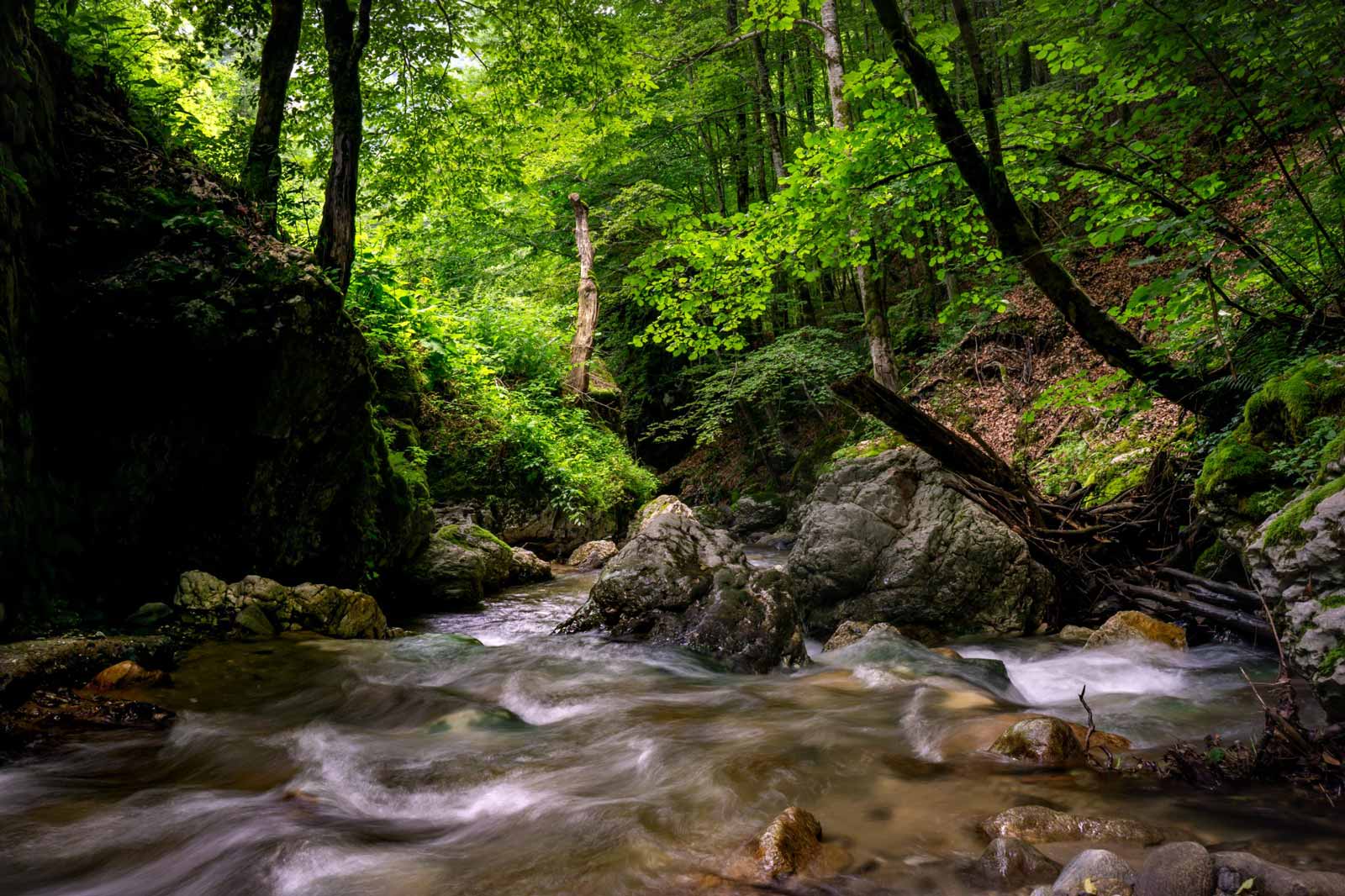
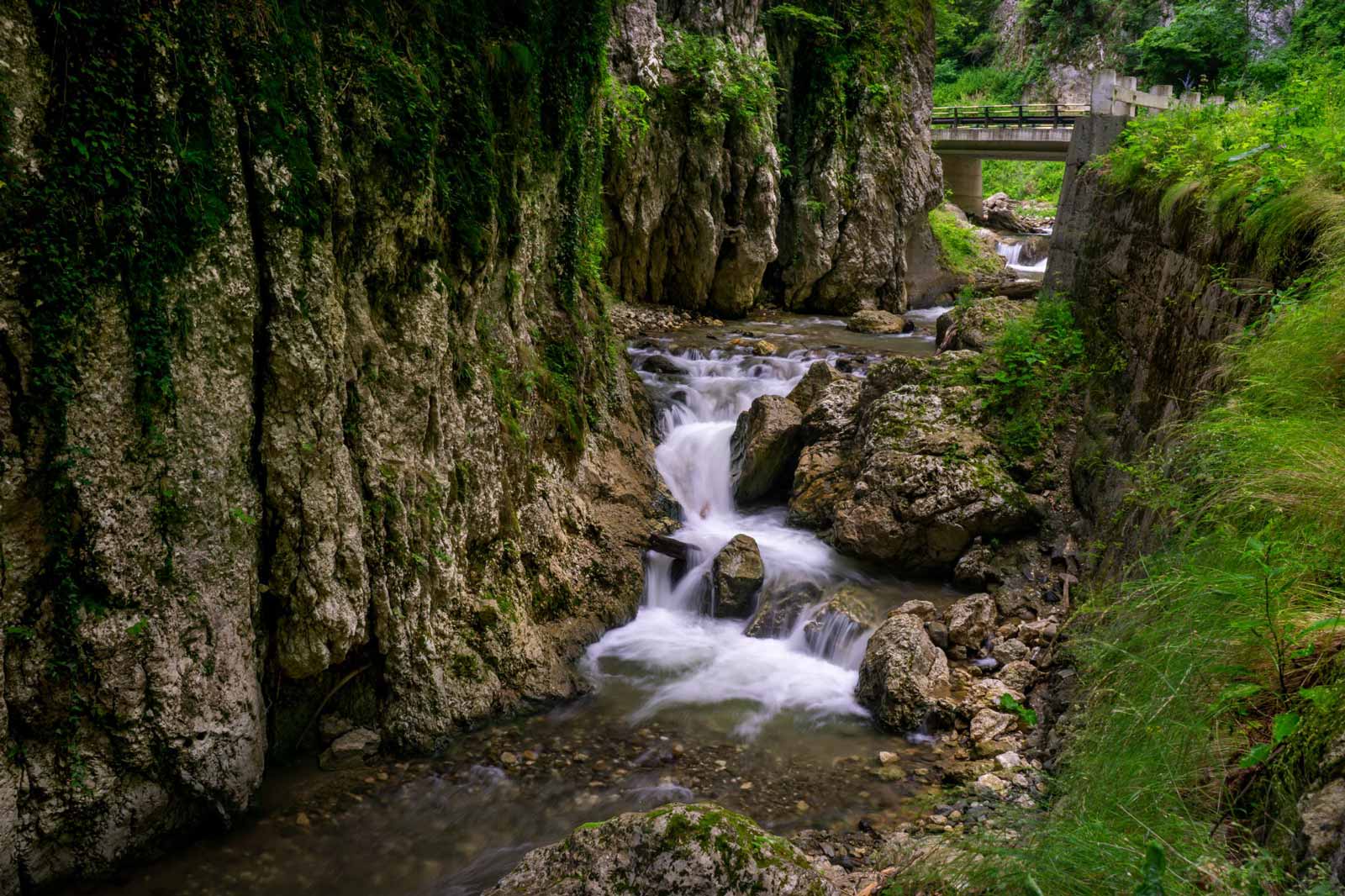
The Cheile (Gorge) Bistriței is located in the Buila-Vânturarița National Park, Vâlcea County, and runs along the Bistrița River of the same name.
https://discover-valcea.com | https://welcome-to-romania.com
We would like to thank Centrul Național de Informare și Promovare Turistică Vâlcea for permission to use these images (photographer: Marian Stan).
Bistriţa Gorges | Buila-Vânturariţa National Park
(24 June 2026)
Bistrița Gorges is located in Buila-Vânturarița National Park, Vâlcea county and flows along the Bistrița river with the same name.
https://discover-valcea.com | https://welcome-to-romania.com
Thank you Vâlcea National Tourist Information and Promotion Center for permission to use these images ( photographer: Marian Stan).
Hurezi Monastery (Manastirea Hurezi) | Valcea County
(7 June 2026)
Horezu Monastery (also known as Hurezi Monastery) is a Romanian Orthodox nunnery located in the historical region of Oltenia, Valcea County.
https://discover-valcea.com | https://welcome-to-romania.com
At the foot of the Căpățânii Mountains, part of the Southern Carpathians, the monastery lies about 3 km north of the small town of Horezu, in the village of Romanii de Jos.
The monastery likely owes its name to the nocturnal birds of prey (Romanian: huhurezi) inhabiting the surrounding forests. It was founded in 1692 by Wallachian ruler Constantin Brâncoveanu and completed in 1709. Originally a male monastery, it became a nunnery in 1862. The complex has been restored several times since 1827 and is a protected historical monument.
The hilltop monastery is surrounded by two fortifications: a smaller outer wall enclosing the entire estate, and a second defensive structure made up of buildings and a wall to the east. The main entrance is on the south side through a bell tower with a steel-armored wooden gate. The cross-shaped main church “Sfinții Împărați Constantin și Elena”, built between 1693 and 1697, is 32 meters long and 14 meters high. In its porch are several graves, including a marble one with a carved cover intended for Prince Brâncoveanu, which was never used. The large iconostasis is carved from linden wood and gilded.
The square chapel with an octagonal tower lies west of the church and was built in 1697. Its frescoes, painted between 1705 and 1706, are still well preserved.
Text: Wikipedia
We thank Relu Chiriac, Galati, for permission to use the photos.
Hanul Vatra Guesthouse | Valcea County
(16 May 2026)
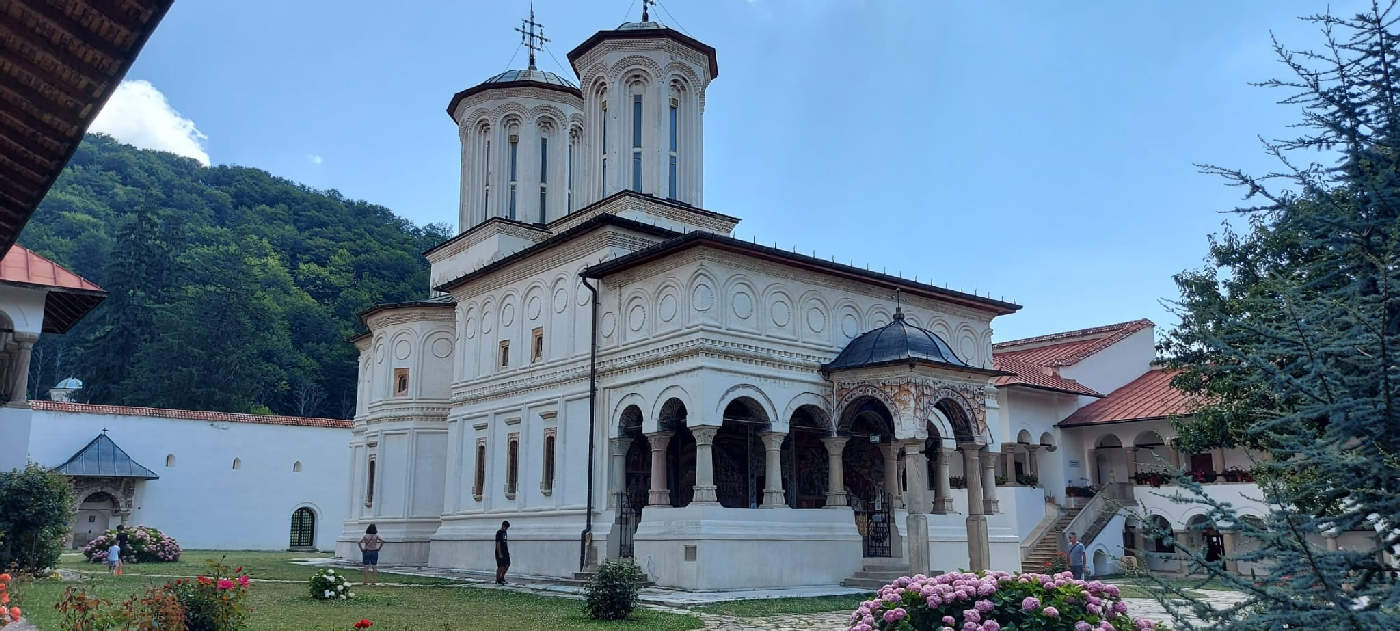
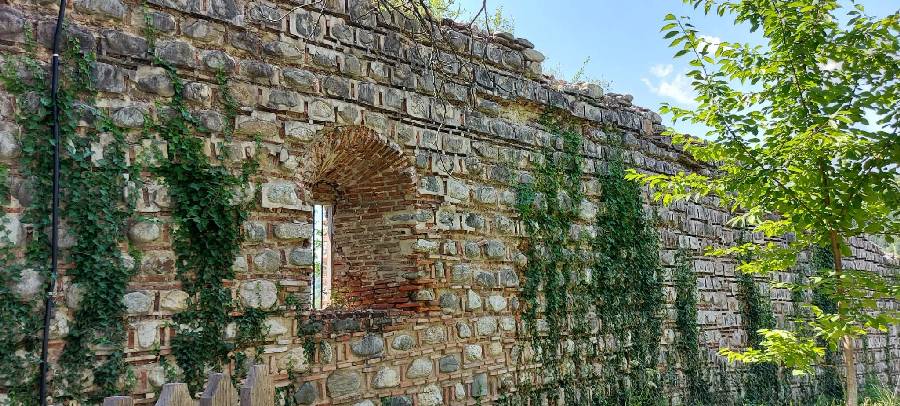
The Hanul Vatra guesthouse / hotel is the ideal place for a vacation in the green—pure nature, history, and hiking, away from the noise of the big city.
It is also a beautiful place for private celebrations, a weekend in the mountains, courses, team building, meetings, or simply to relax. Nearby there are many worthwhile destinations, such as Manastirea Hurezi (Horezu Monastery) and other places.
Learn more about this German-speaking host:
https://urlaub-in-rumänien.de/de/uir/das-hanul-vatra/
Learn more about the region:
https://discover-valcea.com
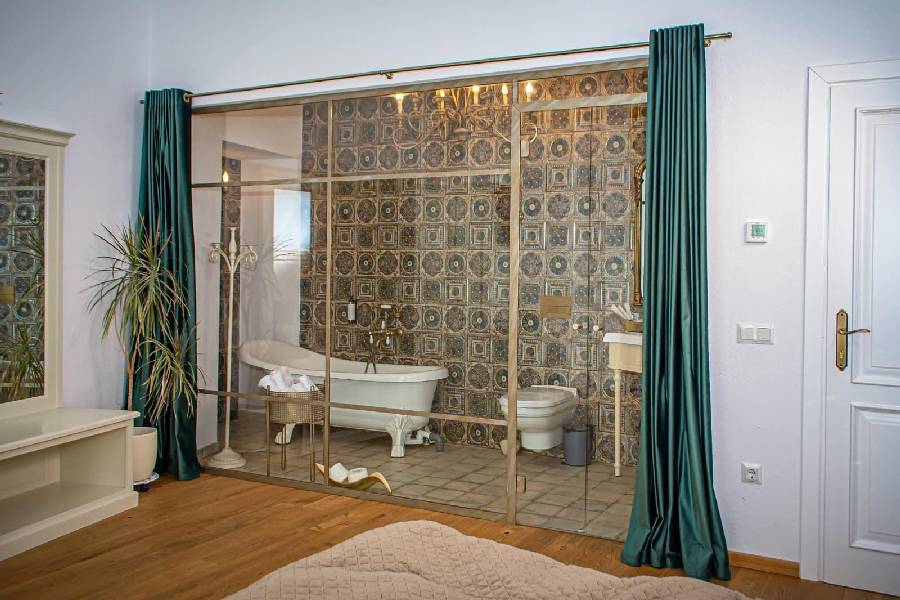
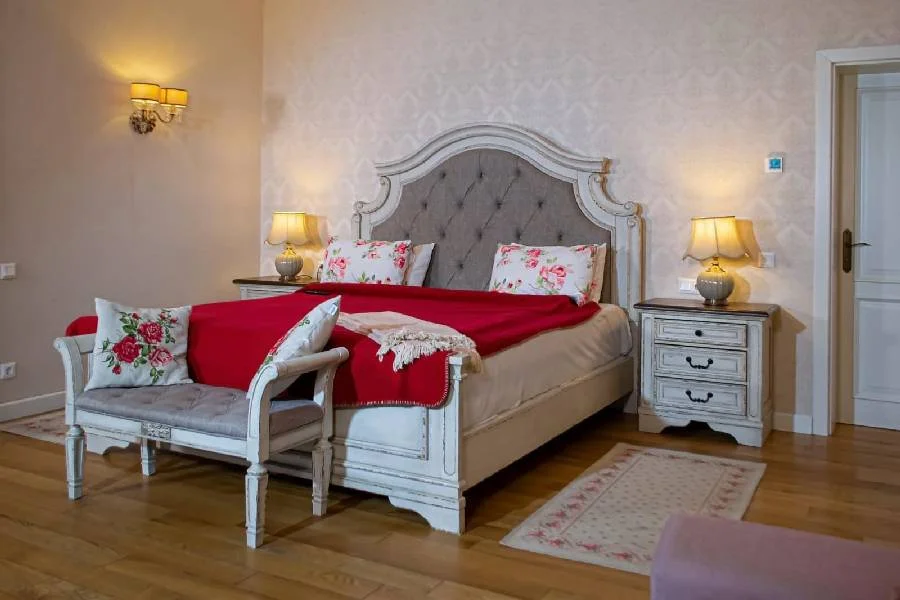
Valcea County | Beautiful
(13 May 2026)
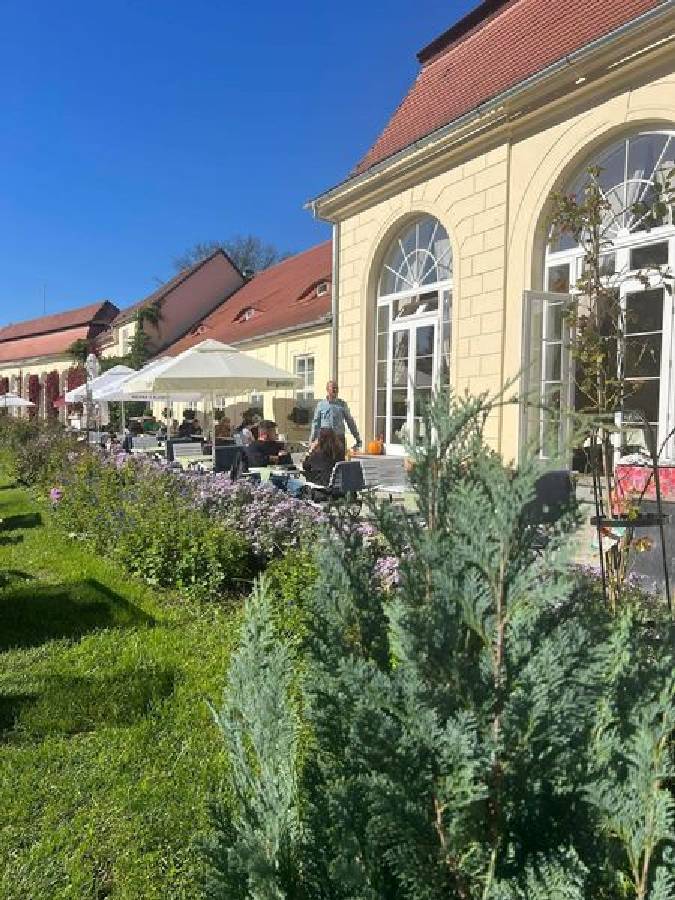
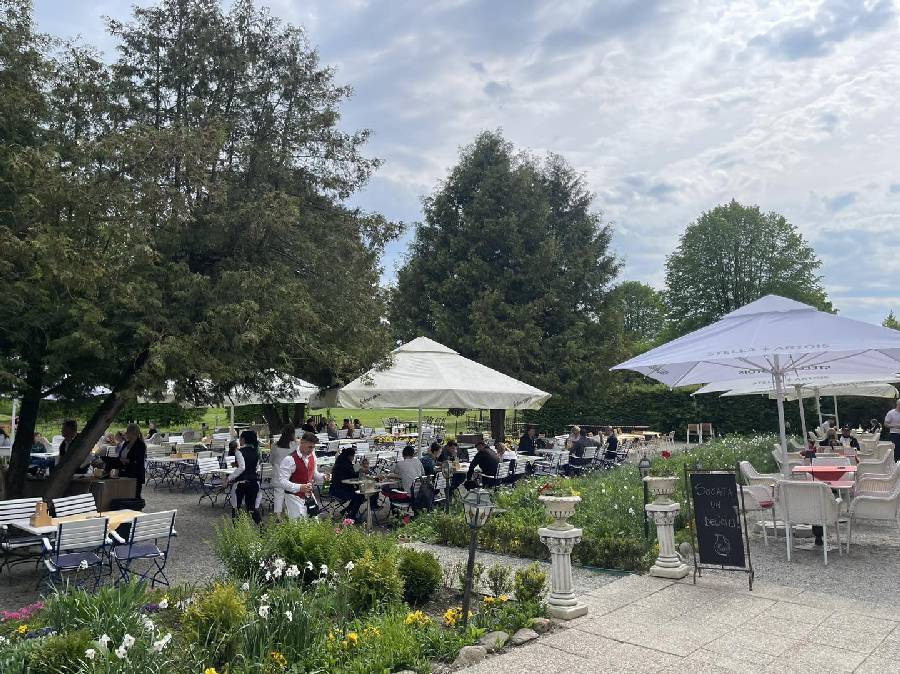
Pictures from Valcea County, the town of Calimanesti, from last weekend (May 10, 2026), from our dear Roland. Thank you for them
https://discover-valcea.com | https://welcome-in-romania.com
Vacation 2026 in Valcea County | Impressions | Beautiful
(23 April 2026)
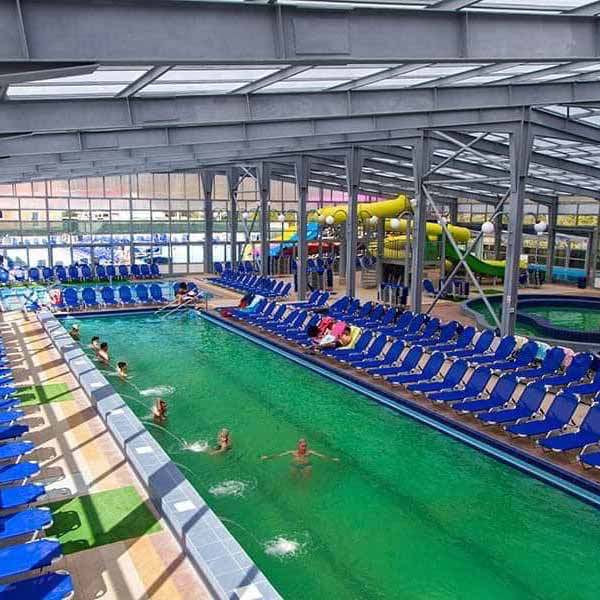
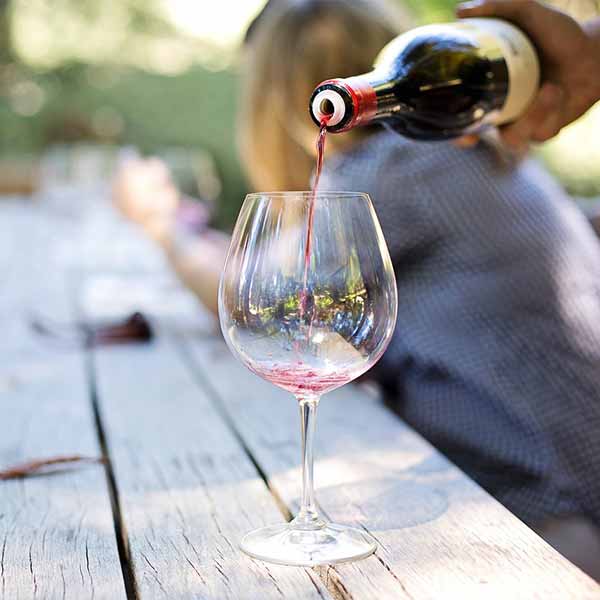
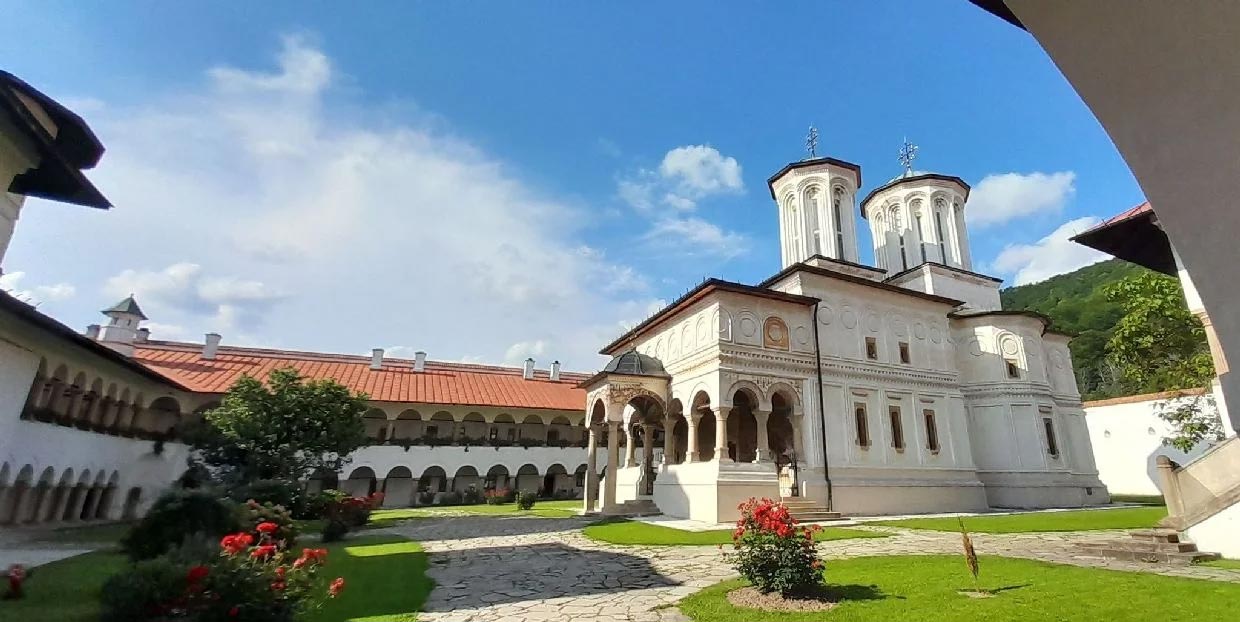
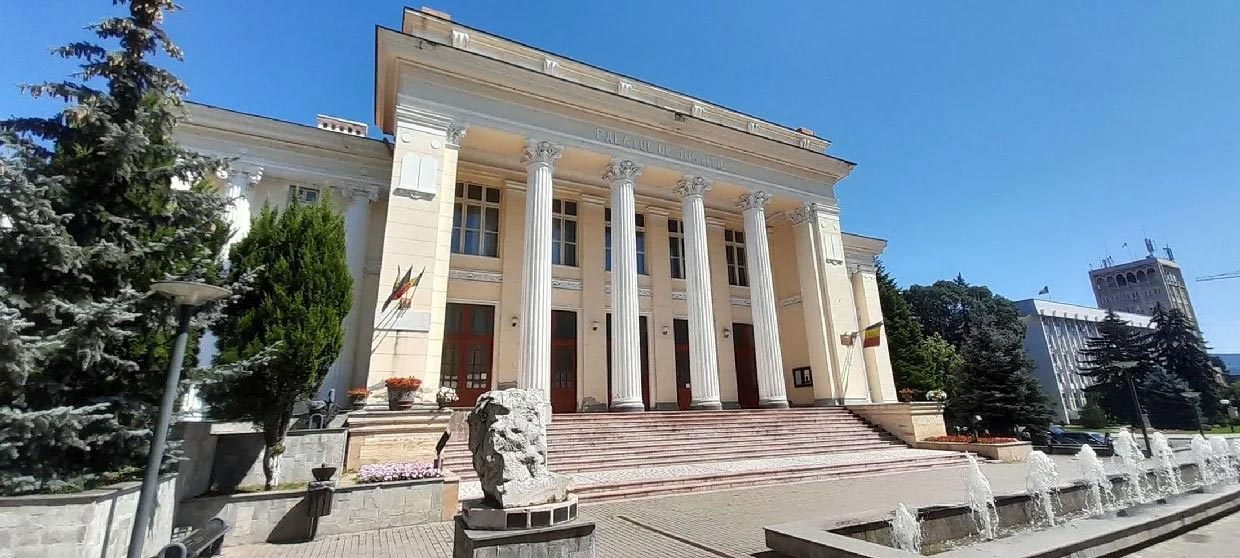
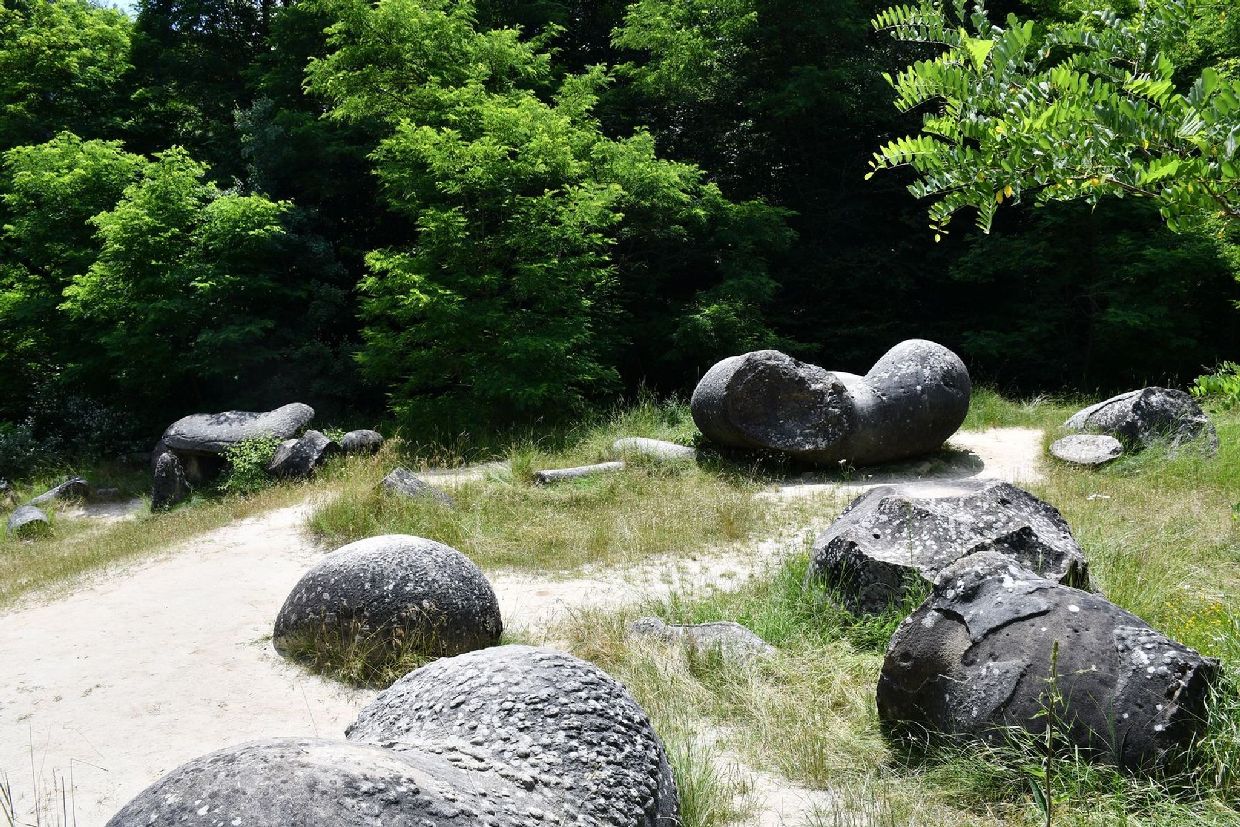
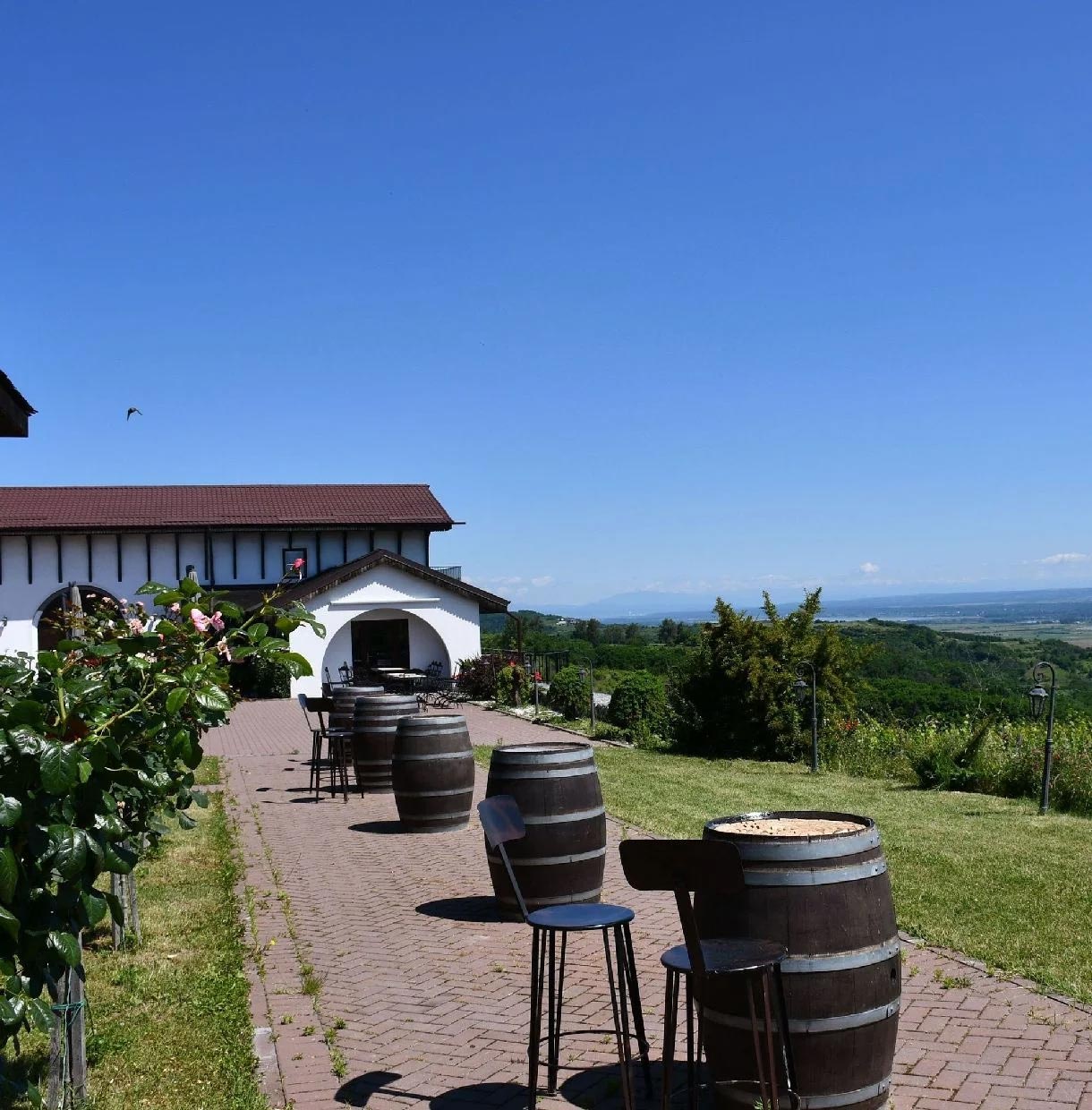
Pictures from Valcea County from summers of previous years. Perfect for everyone who loves relaxation, healing springs and waters, nature, tradition, or wine and good food.
Valcean Village Museum | Valcea County
(4 April 2026)
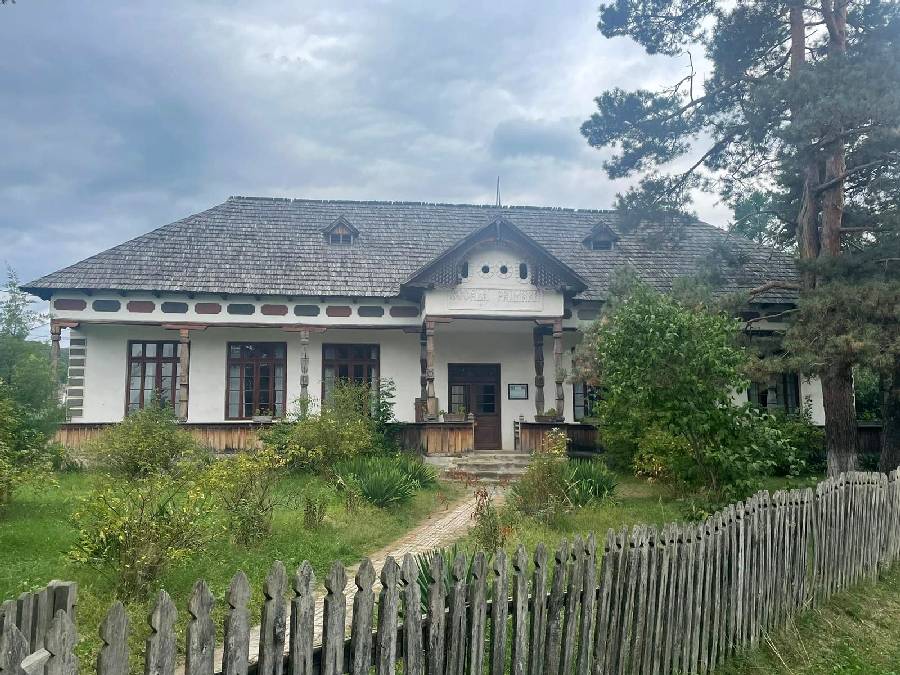
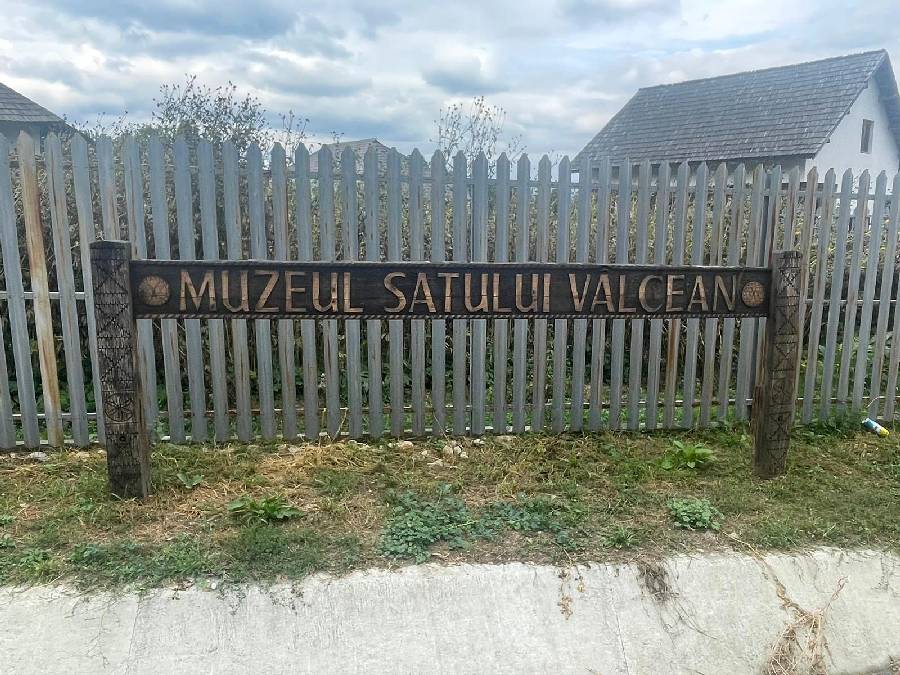
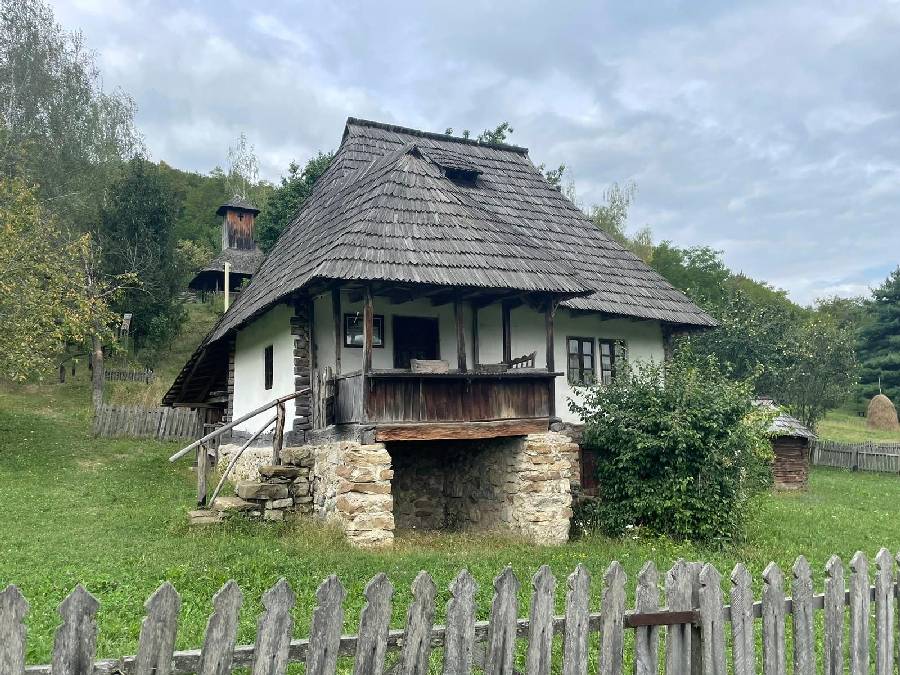
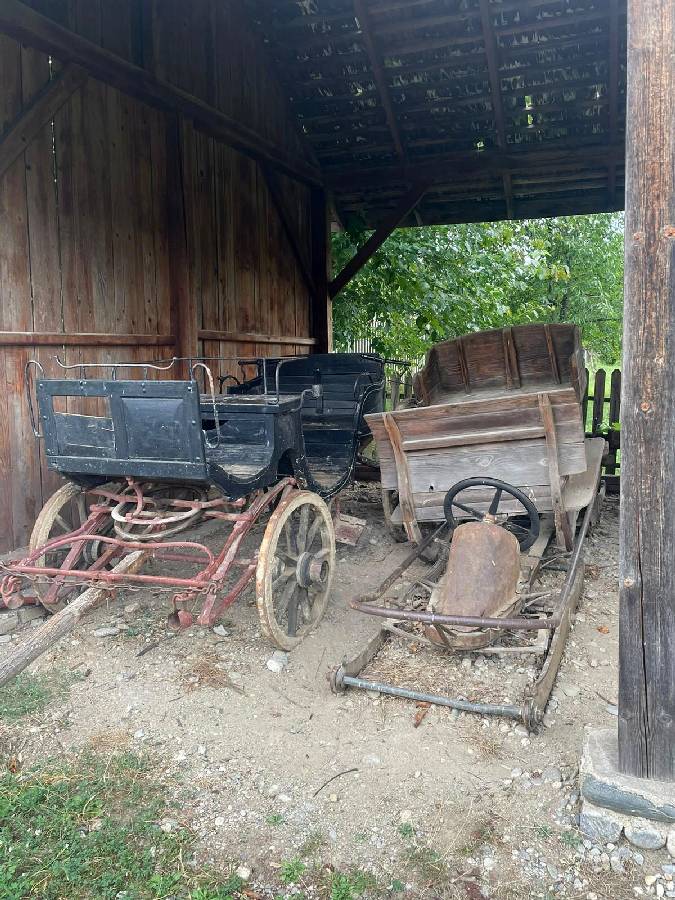
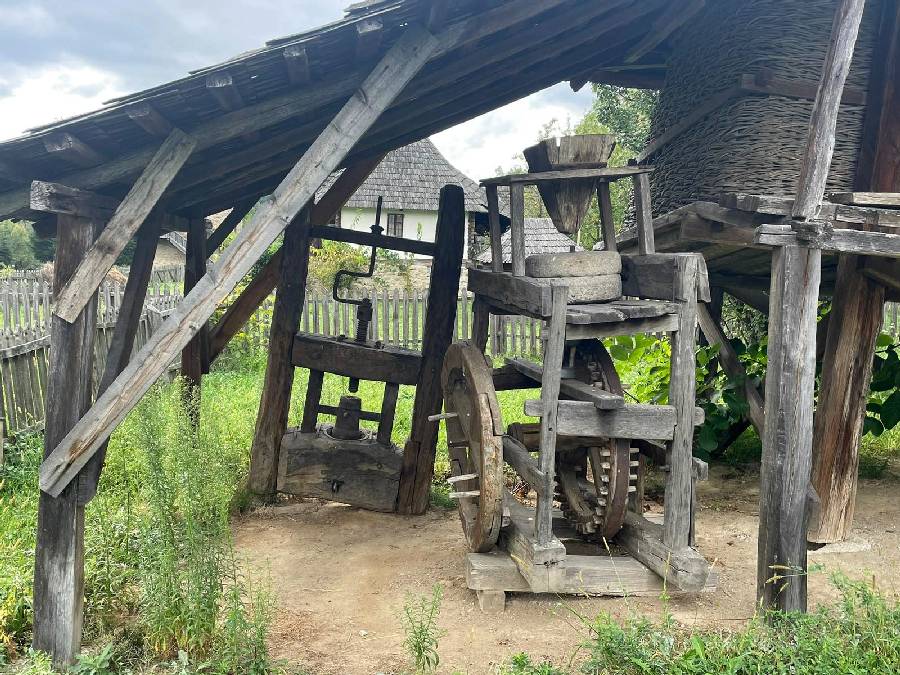
The Vâlcea Village Museum is located in the village of Bujoreni, about 4 km from the county capital, Râmnicu Vâlcea.
The museum is arranged like a village and showcases life in rural settlements in past times. The idea was developed in 1969 and gradually implemented. It is definitely worth a visit.
We thank Mr. Alexander Laszlo for his efforts and for sending these images (taken on 17 September 2023).
Anton Pann Memorial House | Vâlcea County
(27 March 2026)
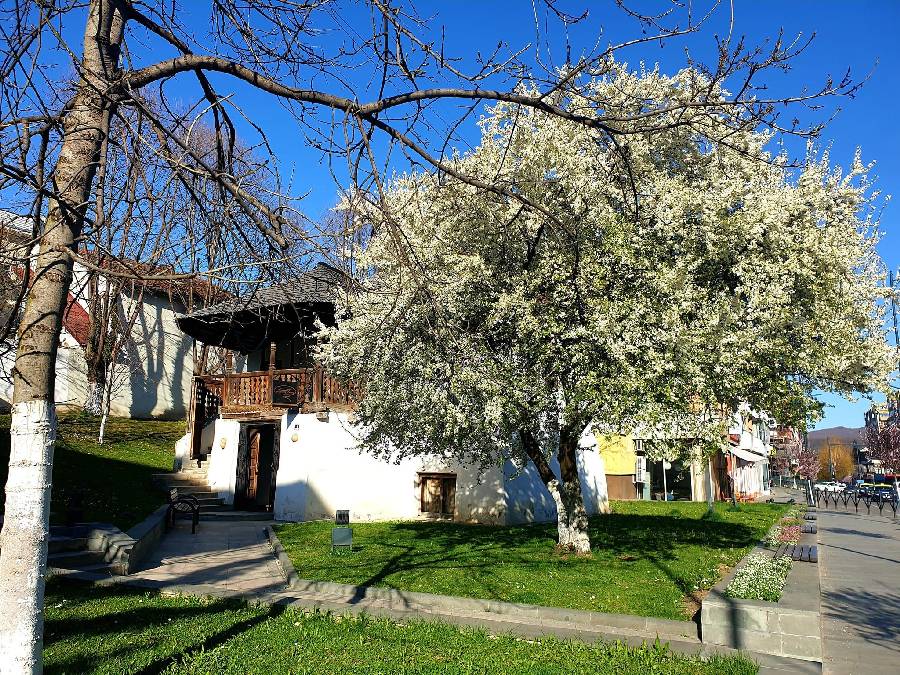
The composer and poet Anton Pann first visited the town of Râmnicu Vâlcea, Vâlcea County, in 1826. Anton Pann worked as a music teacher at the Bishopric of Râmnicu, a singer at the Church of the Annunciation in the city center and also a translator.
The memorial house in the center presents a house from the middle of the 19th century with pieces of furniture (sofa, library, table, chairs), various decorative objects from the sewing machine, brass, alpaca and many others.
Thanks to Vâlcea National Center for Tourist Information and Promotion for allowing us to use this image.
Hanul Vatra, Valcea County & Vacation in Romania 💙💛❤️🇷🇴
(26 March 2026)
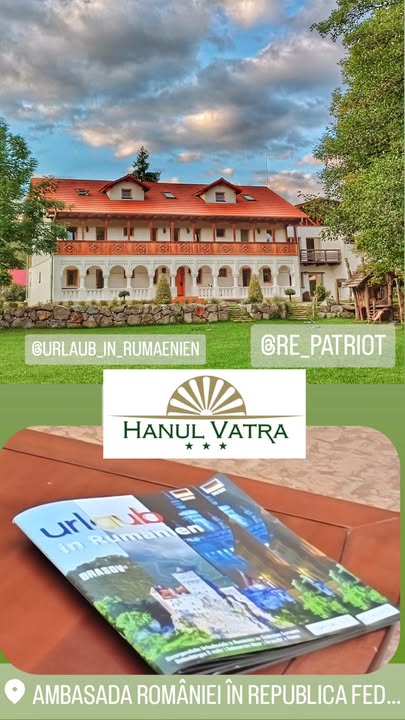
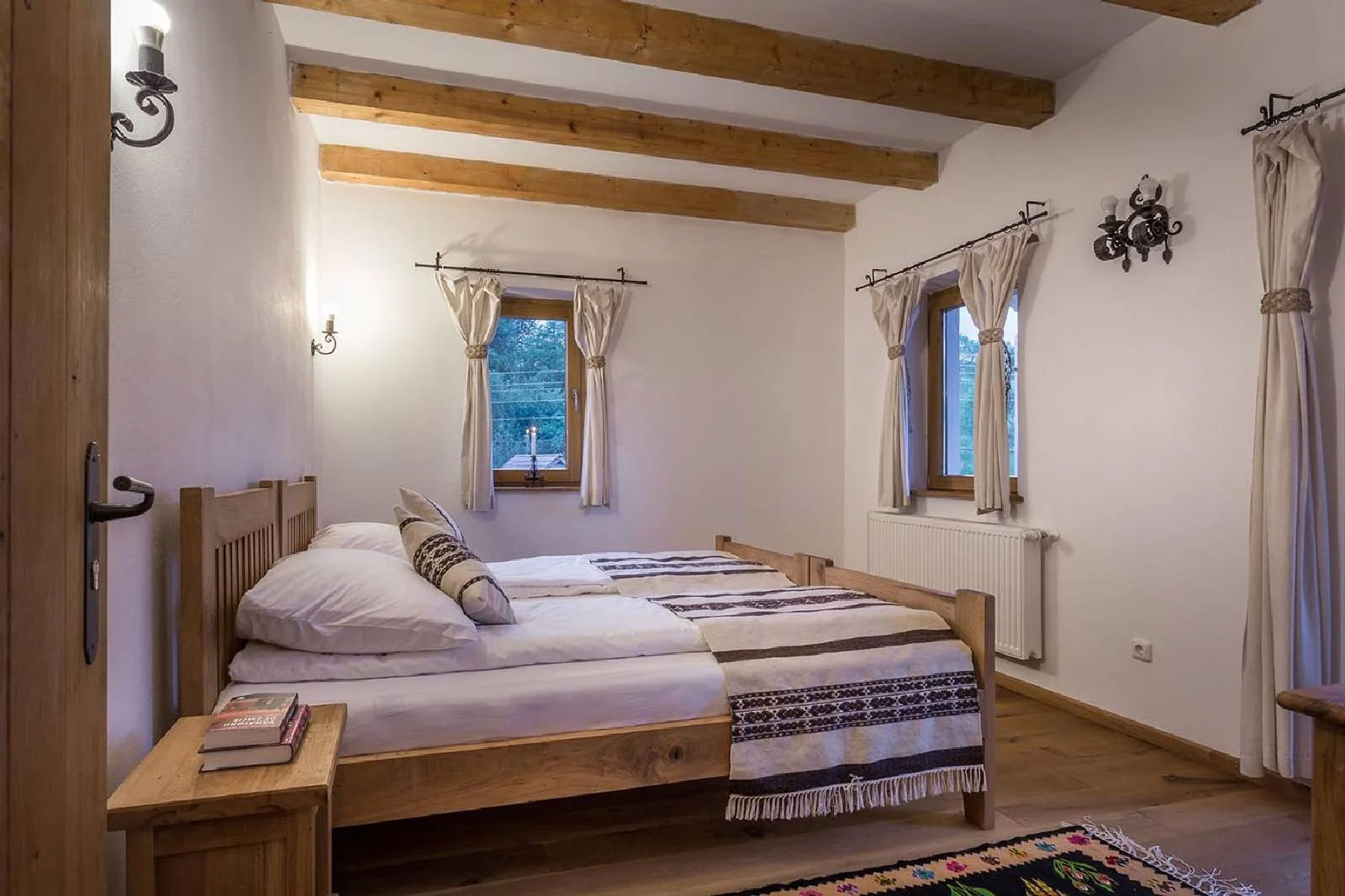
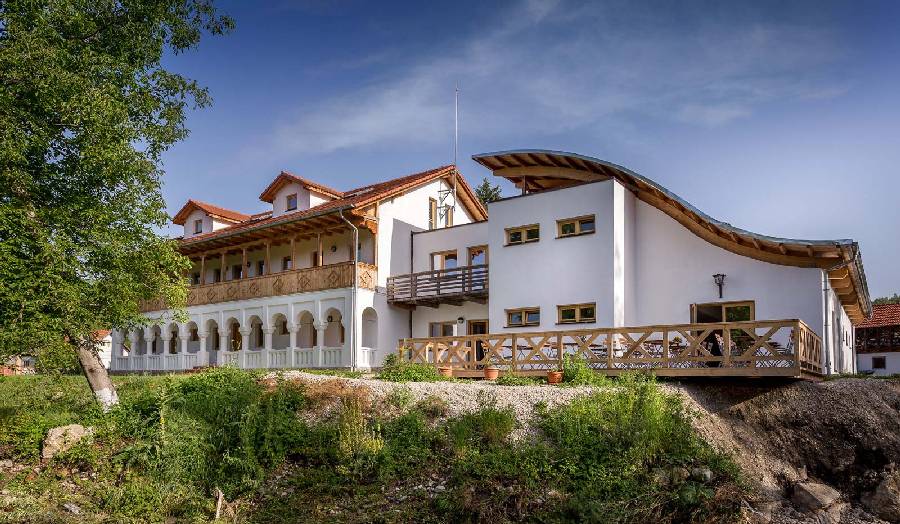
Manastirea Hurezi (Horezu Monastery) | Valcea County
(22 March 2026)
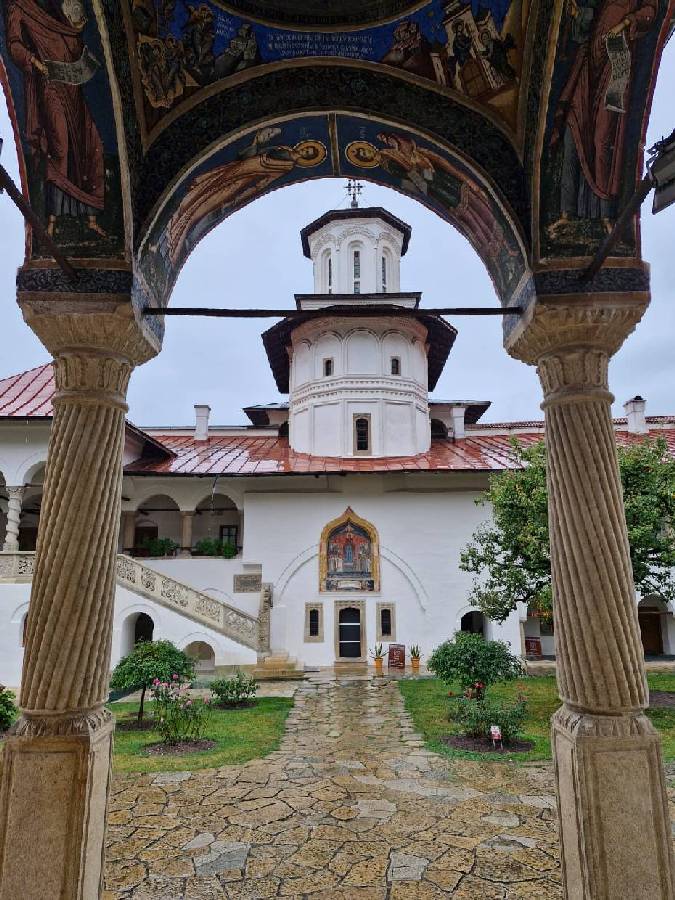
Horezu Monastery (also known as Hurezi Monastery) is a Romanian Orthodox nunnery located in the historical region of Valahia Mică in Vâlcea.
At the foot of the Căpățânii mountains, a massive mountain range of the Transylvanian Alps, on the territory of the Romani de Jos village, the monastery is located about three kilometers (airline) north of the small town of Horezu.
The cries of nocturnal birds of prey (Romanian huhurezi) that live in the surrounding forests of the monastery probably gave the name of the place. The monastery was founded in 1692 by the then prince of Wallachia Constantin Brâncoveanu (1654-1714) and was built in 1709 until 1862 it was a human monastery. After the monks were transferred to your Bistrita, the nuns came to the monastery. The monastery complex has been restored several times since 1827 and is under conservation.
On a hill the monastery complex is surrounded by two fortifications. The exterior of a smaller wall surrounded the entire estate of the monastery with its hermits. The second consists of three parts of different buildings and a wall to the east. The entrance to the monastery is in the south part of a bell tower, armored with a solid wooden steel gate. The church of the monastery of Saints Emperors Constantine and Helen, built in the middle of the complex in a cross shape, is 32 meters long and was built between 1693 and 1697. Brâncoveanu, however, did not fulfill its purpose and, therefore, was never used. The large iconostasis is carved in lime wood and wrapped in gold.
The square chapel with octagonal tower, whose windows are the light source of the chapel, is located on the west side opposite the entrance to the church and was erected in 1697. The frescoes of the formation were created between 1705 and 1706 and are still in good condition today.
We thank Relu Chiriac, Galati for the permission to use these images.
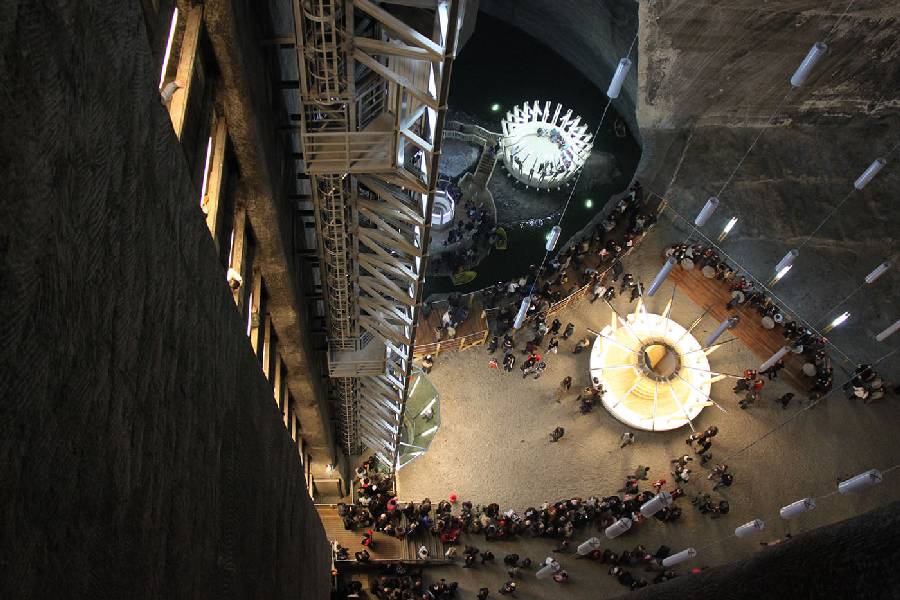
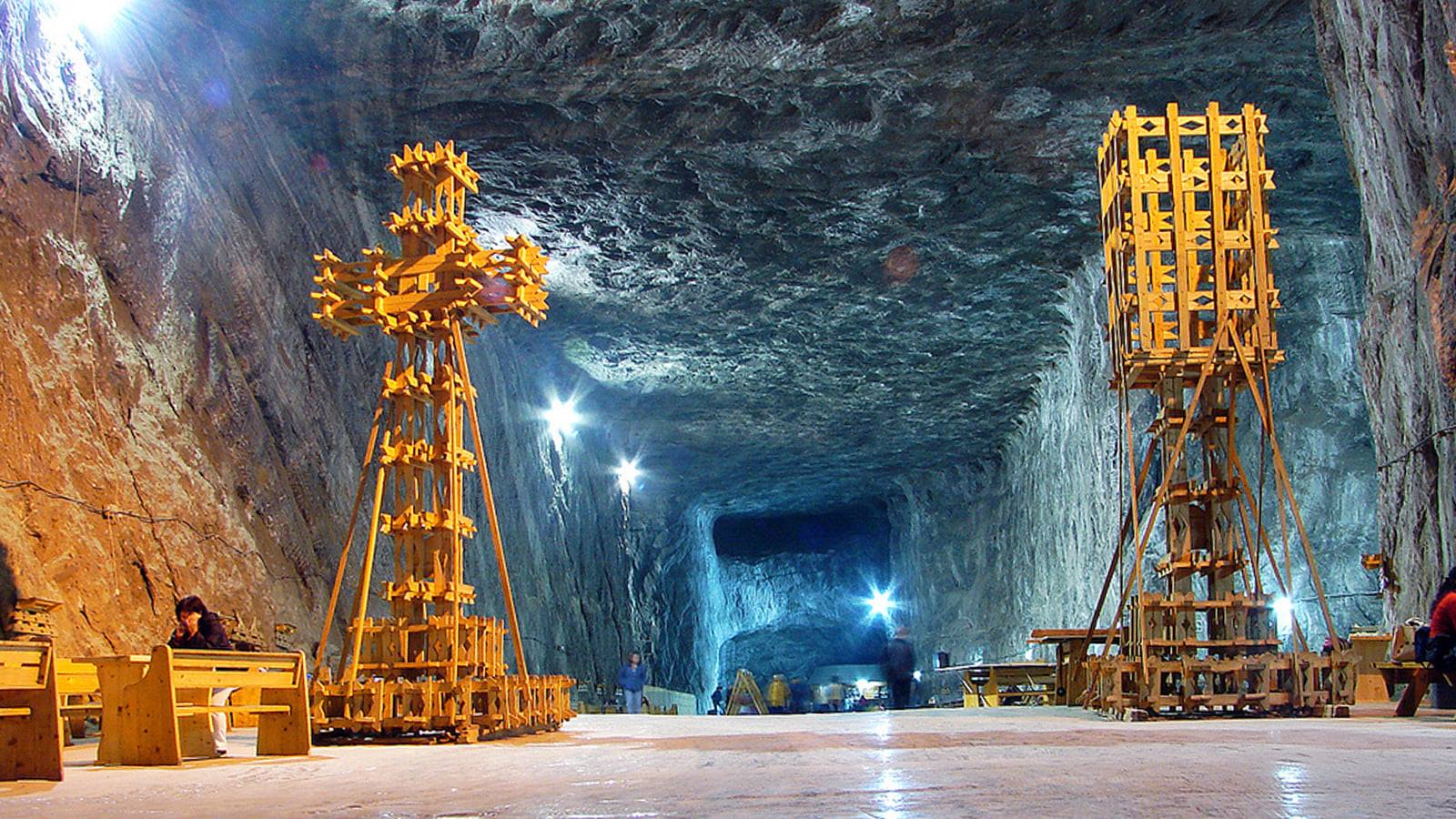
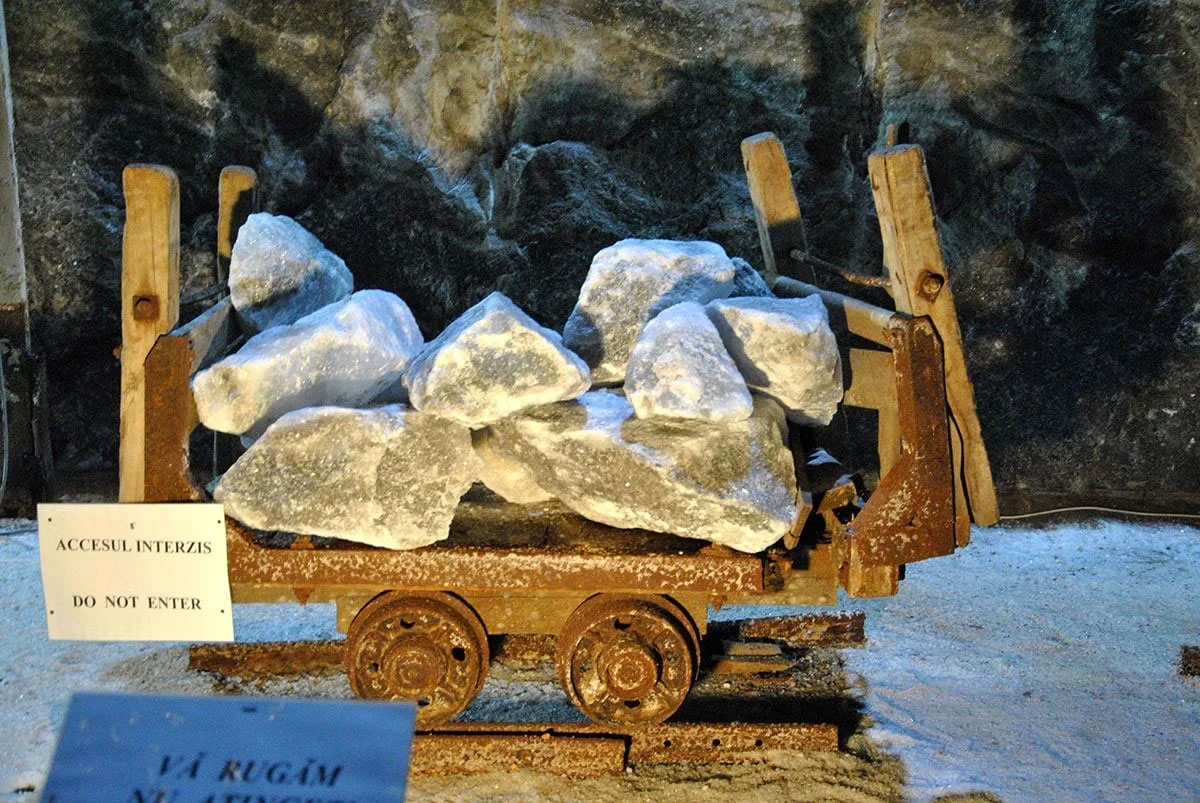
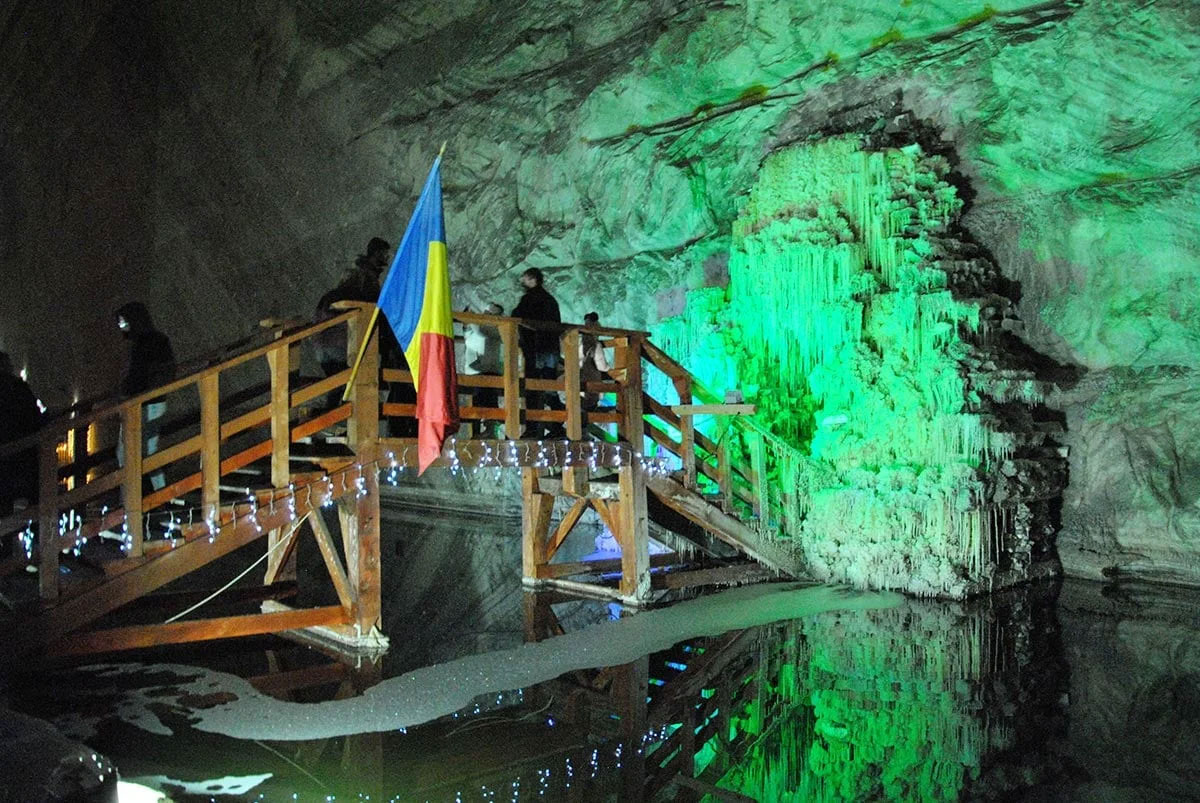
Salt mines: Turda | Slanic Prahova | Praid
(14 March 2026)
Romania has a large number of salt mines, which are mostly open to visitors throughout the year. It is a special experience for the whole family and definitely recommended as a trip.
Turda Salt Mine, Cluj County
https: / /xn--urlaub-in-rumnien-2qb.de/…/destinații de excursie … /
Praid Salt Mine, Harghita County
https: / /xn--urlaub-in-rumnien-2qb.de/…/destinații de excursie … /
Salina Slanic, Prahova County
https : //xn--urlaub-in-rumnien-2qb.de/…/destinații de excursie … /
# Ocnele Mari Salt Mine, Valcea County
https://discover-valcea.com/en/ocnele-mari-salt-mine/
# Targu Ocna Salt Mine, Bacau County.
It is the third largest salt mine and one of the oldest salt mines in Romania. It is home to the Trotuș mine at a depth of 240 m, the country’s largest facility for the treatment of respiratory diseases. The mine is also home to one of the few places of worship in Romania built in salt mines and dedicated to Saint Varvara. The salt mine is still used today for the extraction, processing and marketing of salt in Romania and abroad. Between 90,000 and 120,000 tons of salt are extracted every year.
Salina Targu Ocna is one of the oldest salt mines in Romania and is mentioned in documents dating back to 1502 and has been listed as a salt extraction area since at least 1353.
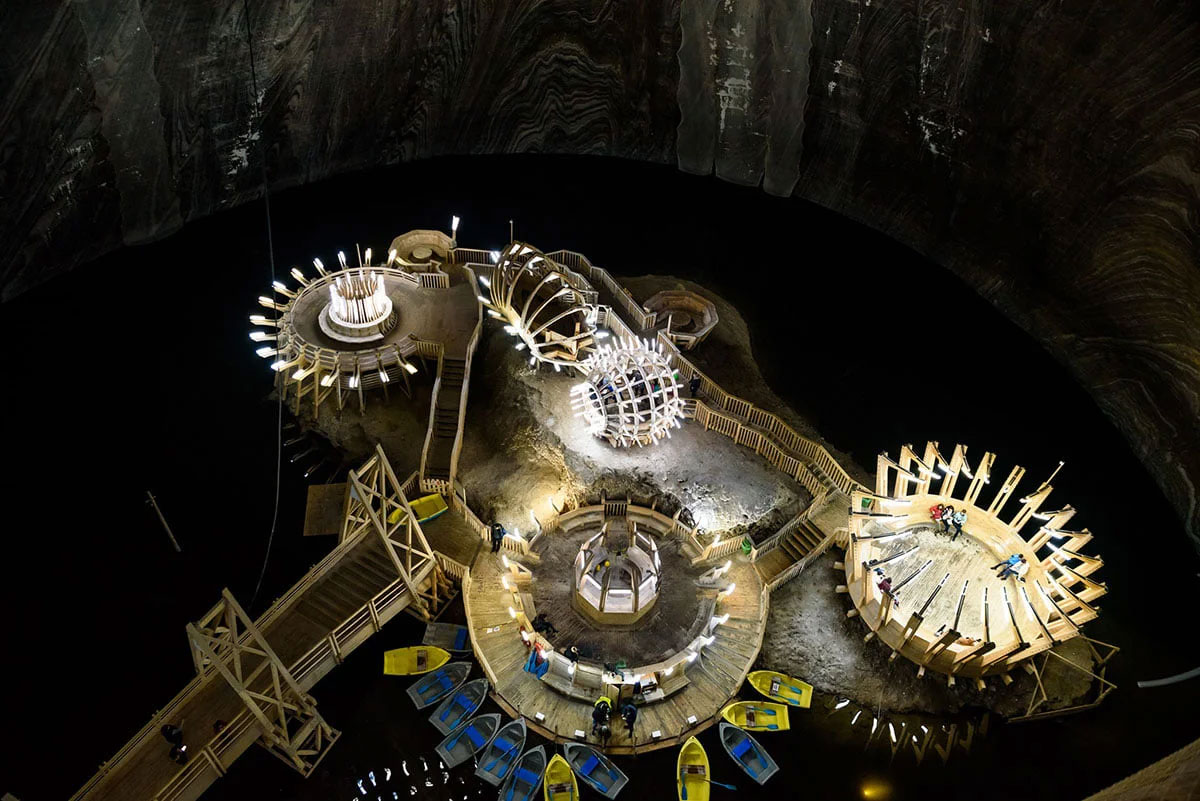
Baile Govora
(2 March 2026)
Baile (Bath) Govora is a town in the historical region of Oltenia, consisting of the districts Curaturile, Gatejesti, and Prajila.
Learn more: https://discover-valcea.com
The name Govora comes from the Slavic language. In southern languages, govora or govornih means word or sound. The first spa facility was founded in 1887 and had 29 cabins for hot baths. The official opening of the spa resort took place in 1910.
We thank the National Center for Tourist Information and Promotion Vâlcea for the permission to use these pictures.
Nature, nature and again nature
(16 February 2026)
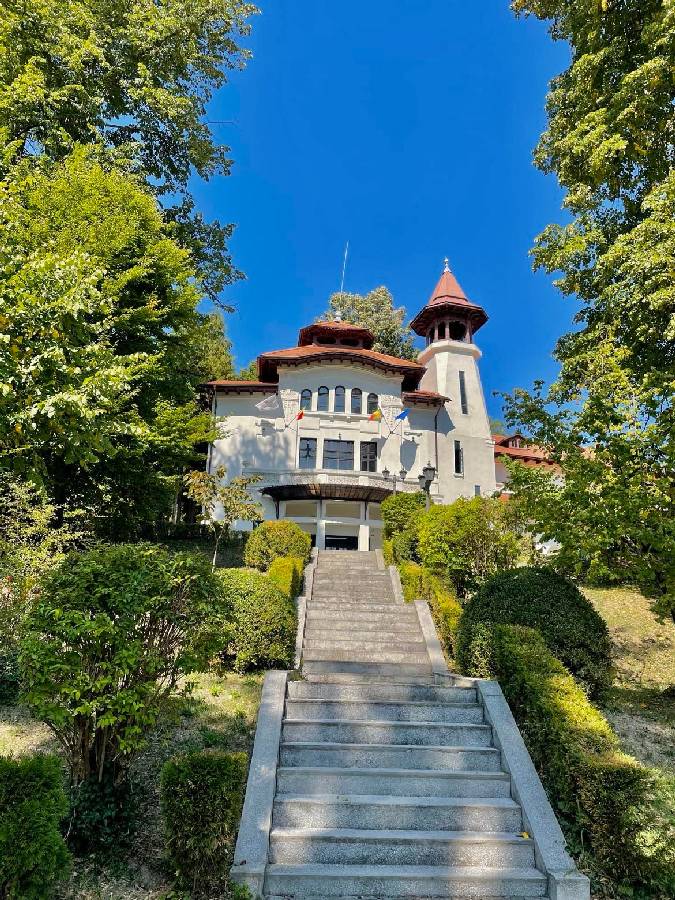
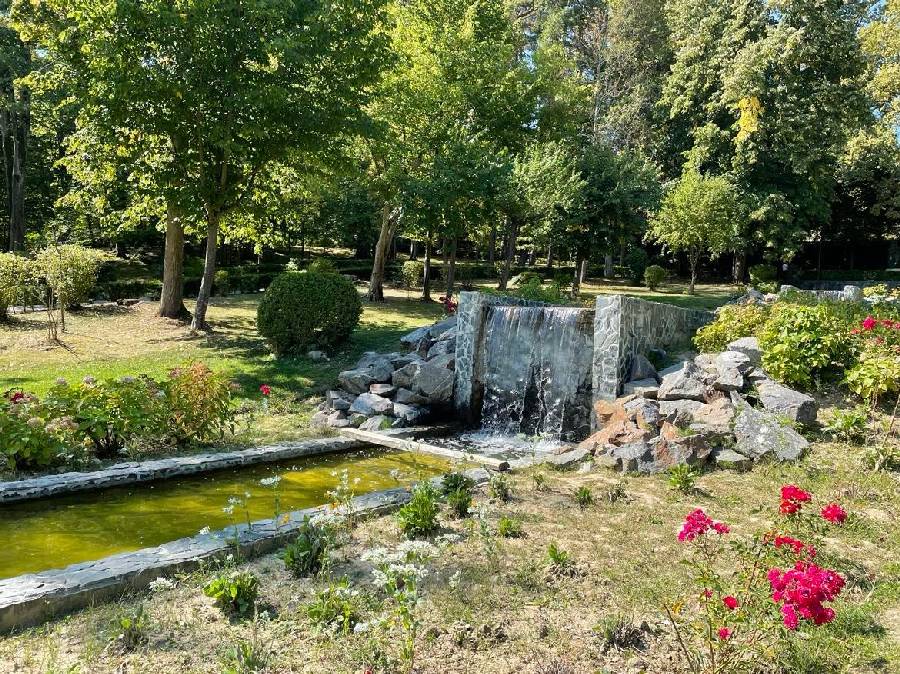
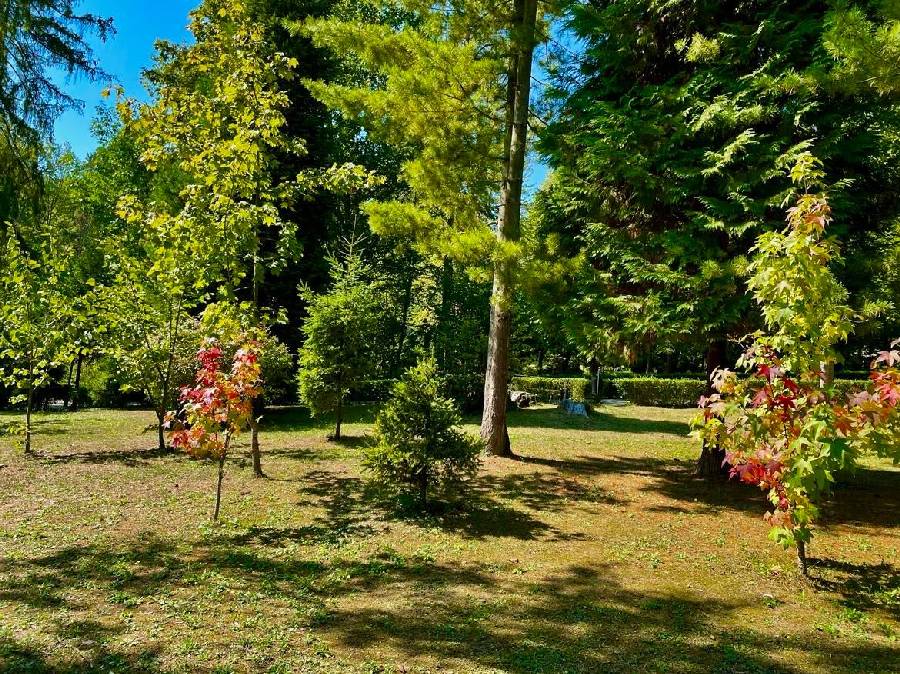
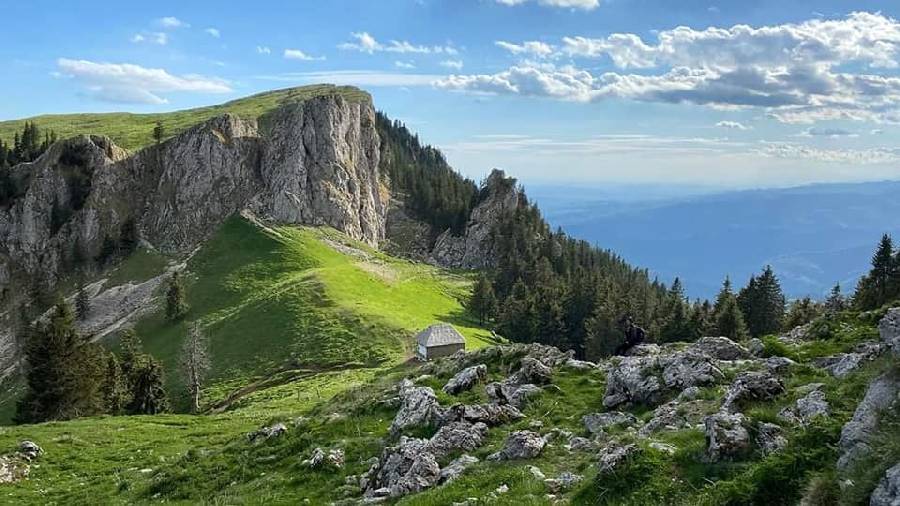
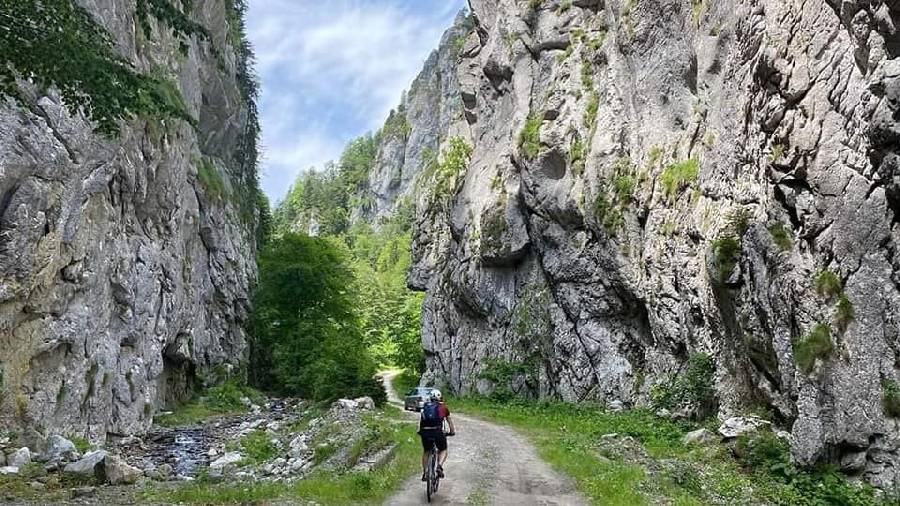
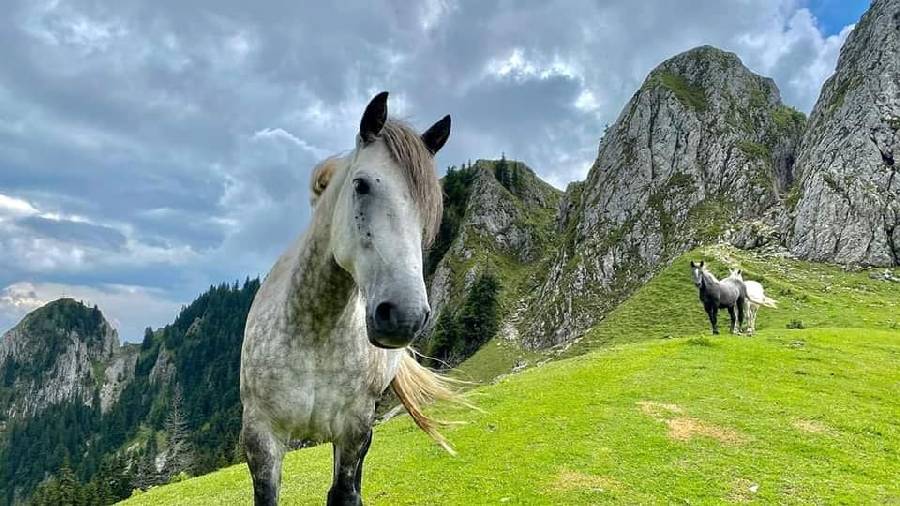
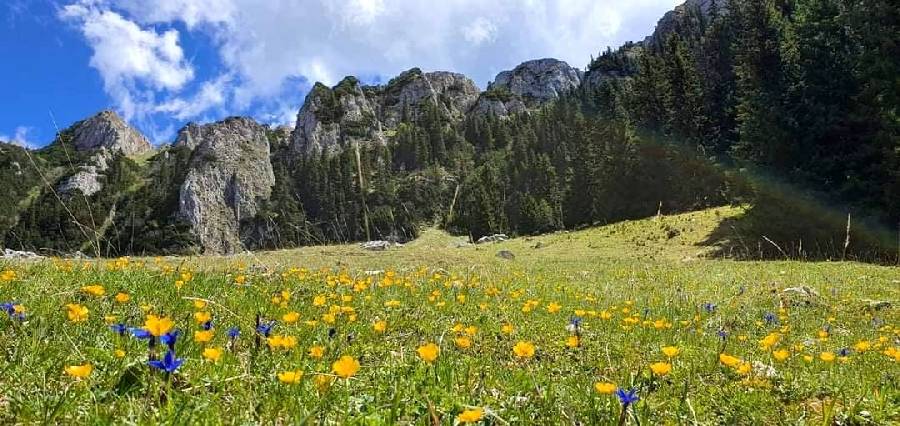
Buila-Vânturarița National Park: Pictures from a walk / hike on the alpine trails of Buila-Vânturarița National Park, Vâlcea County, at over 1,400 meters altitude.
Discover more about Romania and its travel destinations: https://urlaub-in-rumänien.de/
Many thanks to The National Center for Tourism Information and Promotion Vâlcea for allowing us to use these images.
Photos: Fairy tale places for body and soul
Valcean Village Museum
(28 January 2026)
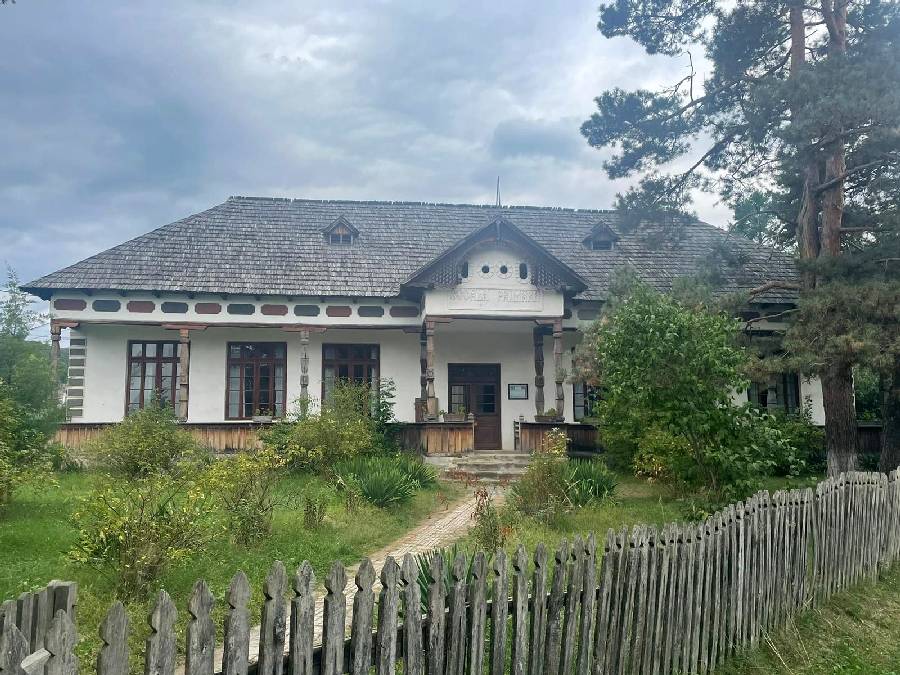
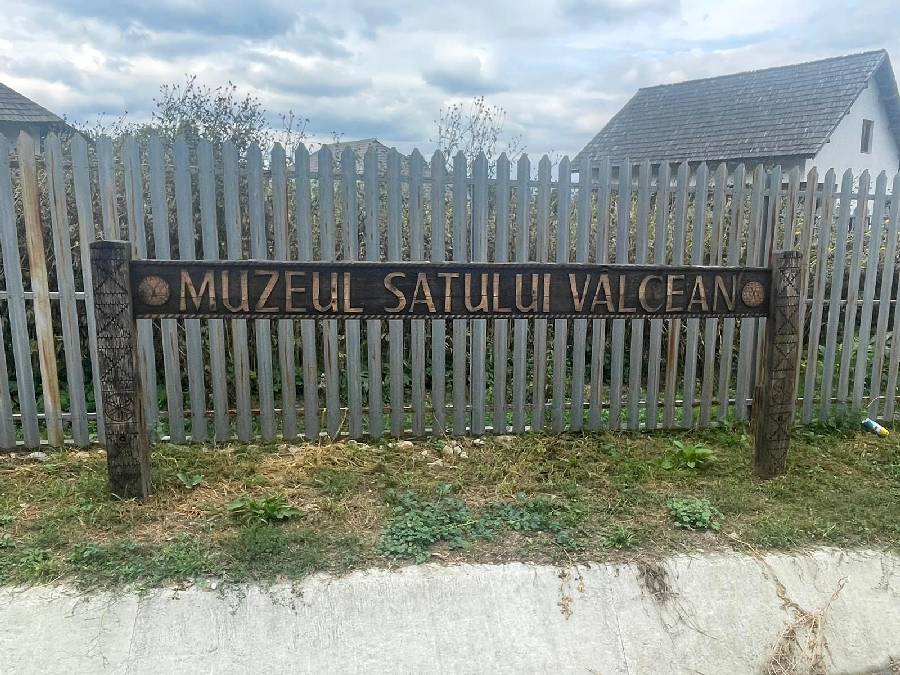
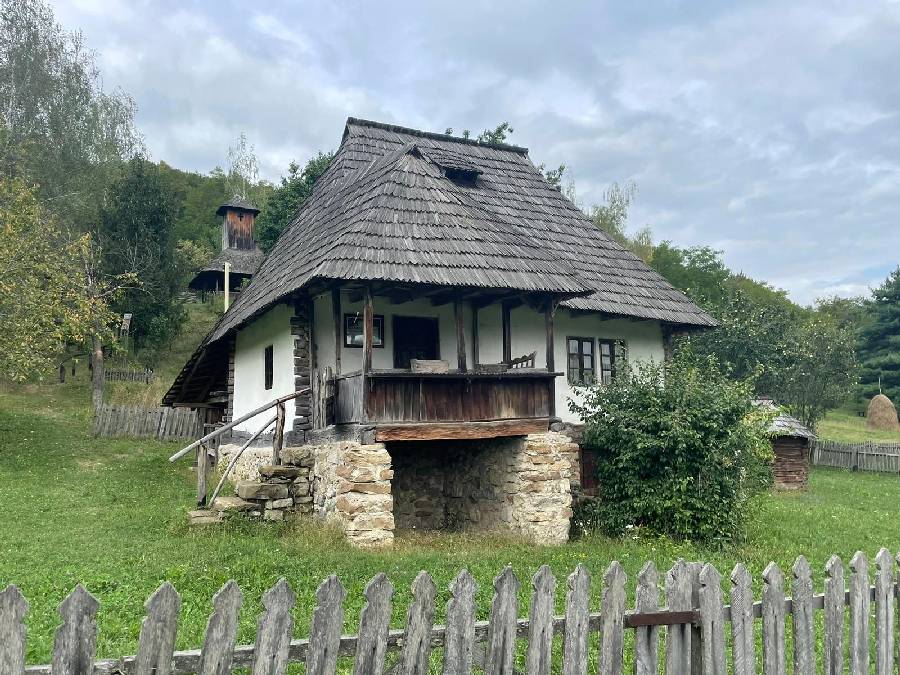
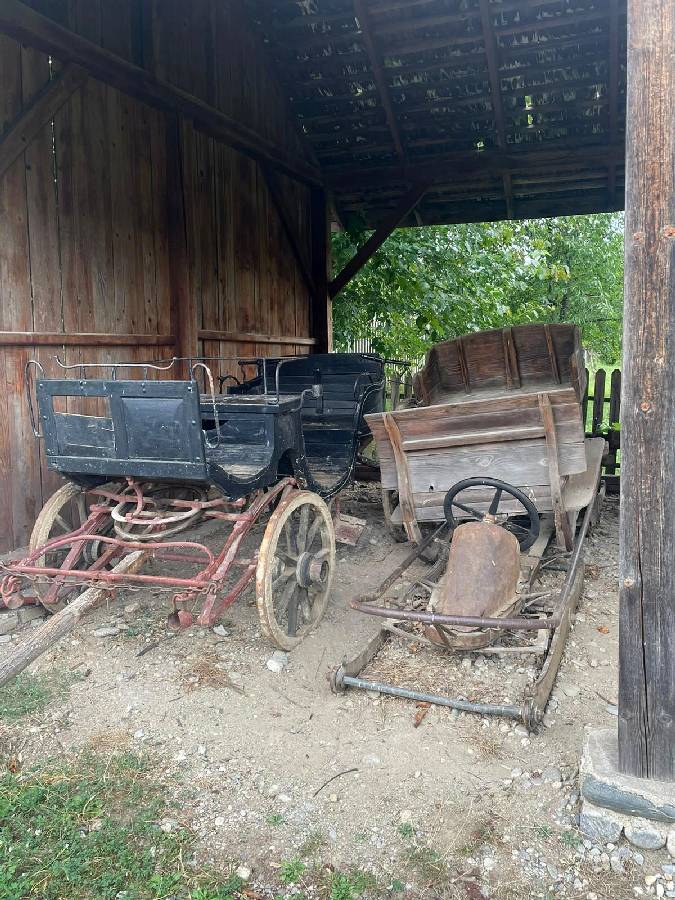
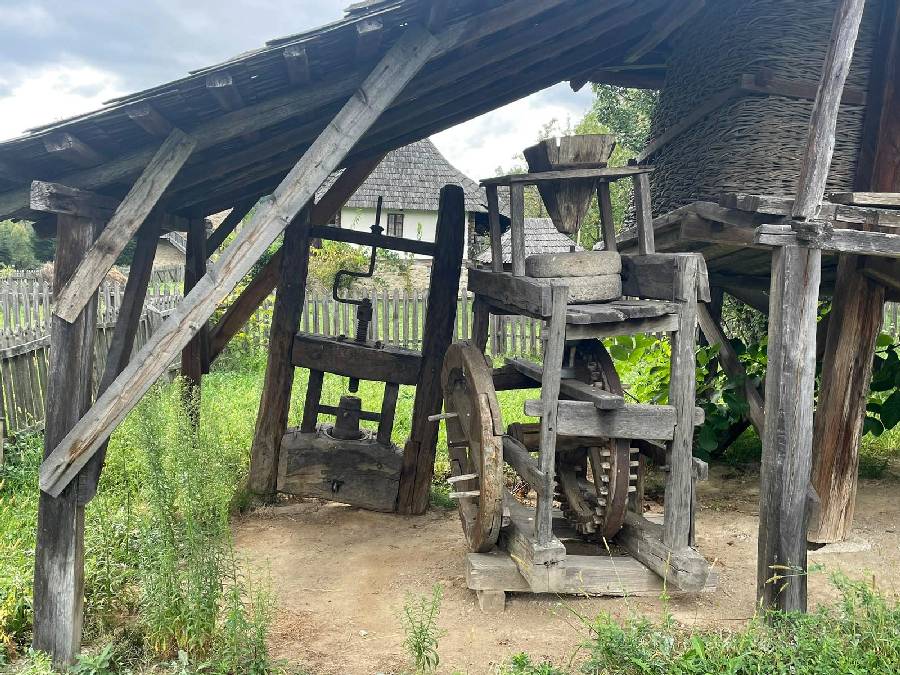
The Vâlcea Village Museum is located in the village of Bujoreni, about 4 km from the county capital, Râmnicu Vâlcea.
The museum is arranged like a village and showcases life in rural settlements in past times. The idea was developed in 1969 and gradually implemented. It is definitely worth a visit.
We thank Mr. Alexander Laszlo for his efforts and for sending these images (taken on 17 September 2023).
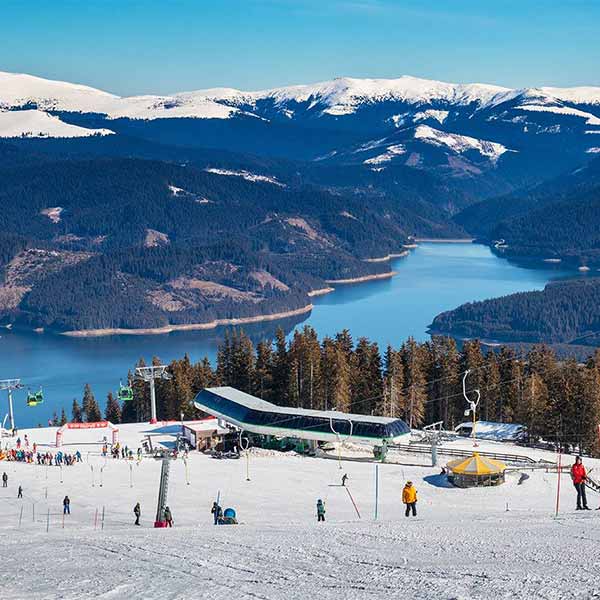
Ski Transalpina
(19 January 2026)
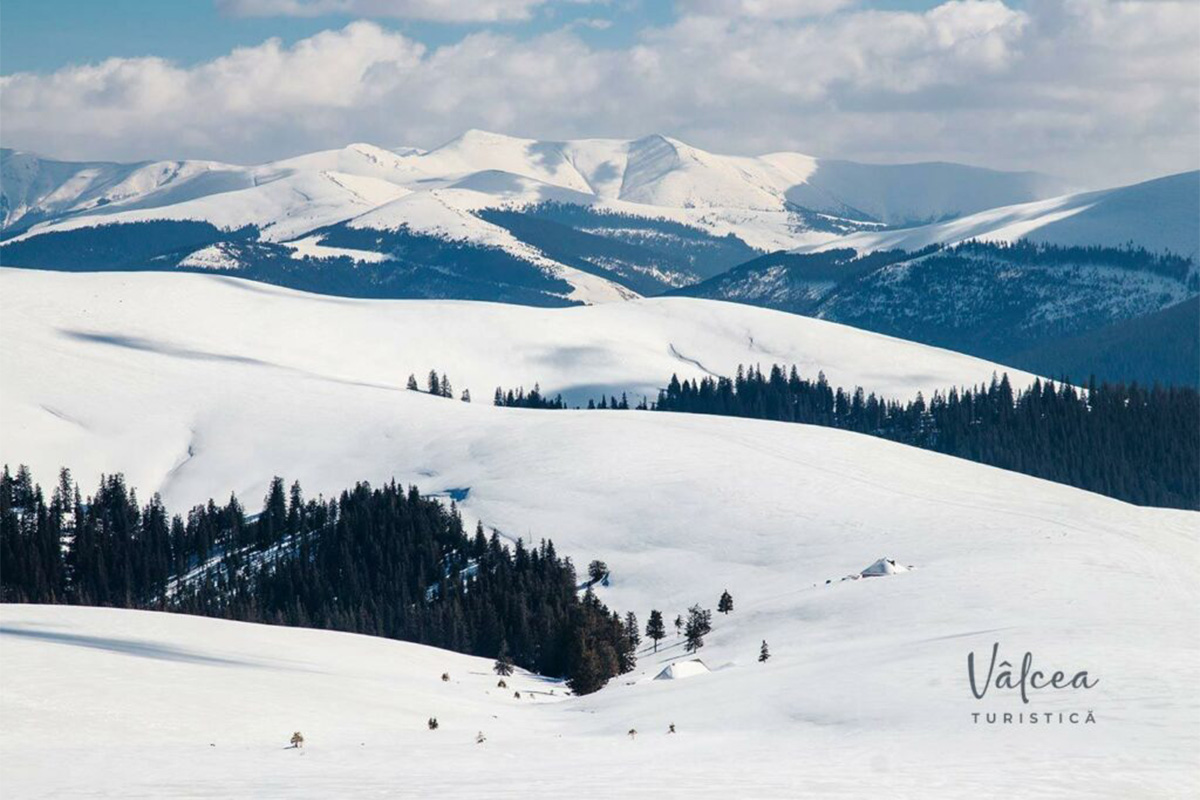
The ski resort is located in Obarsia Lotrului – Voineasa, in the northwest of Valcea County. The distance from Voineasa to the ski resort is about 34 km. The access road is in good condition, with occasional maintenance or repair work taking place.
In winter, the access roads from Sibiu or Hunedoara may be passable depending on snowfall.
More info: https://discover-valcea.com/de/winter/
Holiday 2026: Hanul Vatra
(5 January 2026)
The Hanul Vatra Hotel is the ideal place for a holiday in the countryside, for pure nature, history, and hiking, away from the noise of the big city.
It is also a wonderful place for private celebrations, a weekend in the mountains, courses, teambuilding, meetings, or simply for relaxing. Nearby are many destinations worth visiting, such as the Hurezi Monastery (Horezu) and other sites.
Learn more about this German-speaking host:
https://xn--urlaub-in-rumnien-2qb.de/de/uir/das-hanul-vatra/
Learn more about the region:
https://discover-valcea.com