Archive 2024
Manastirea Hurezi (Horezu Monastery)| Valcea County
(8 December 2024)
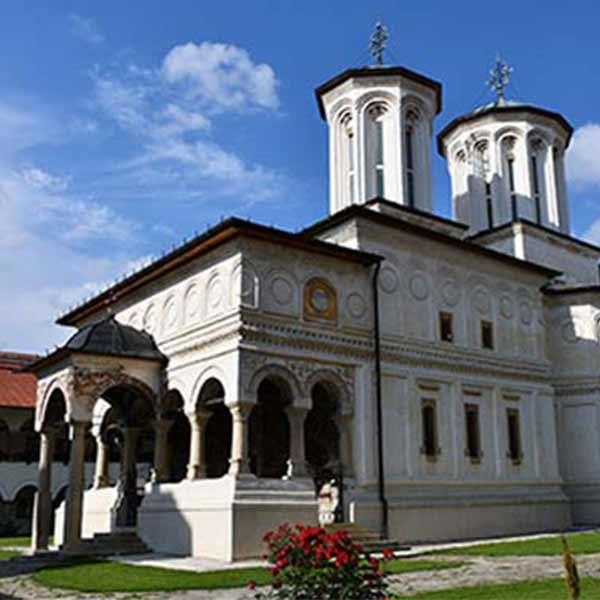
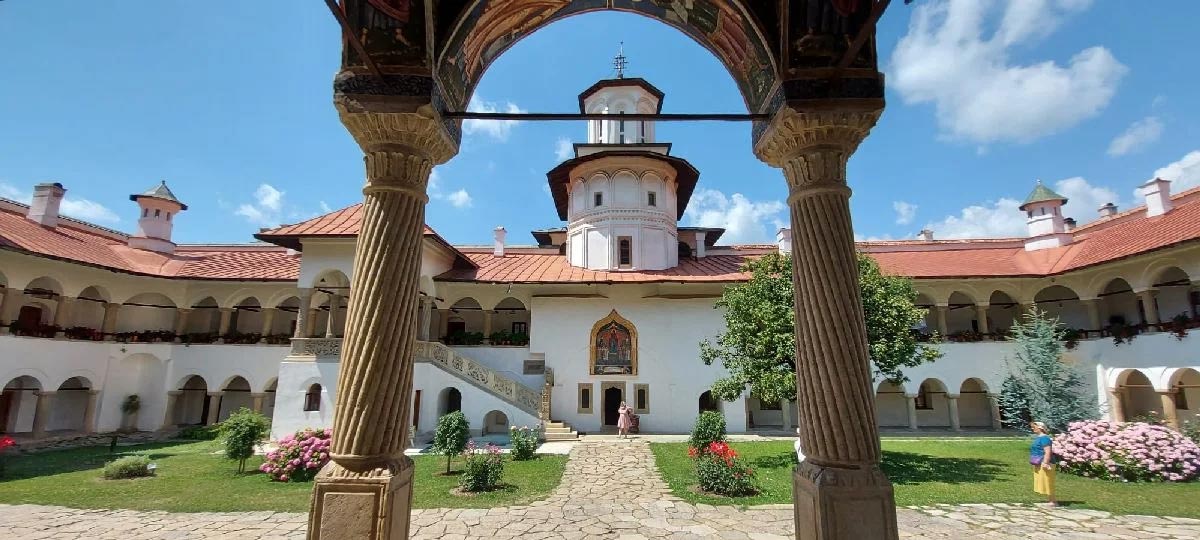
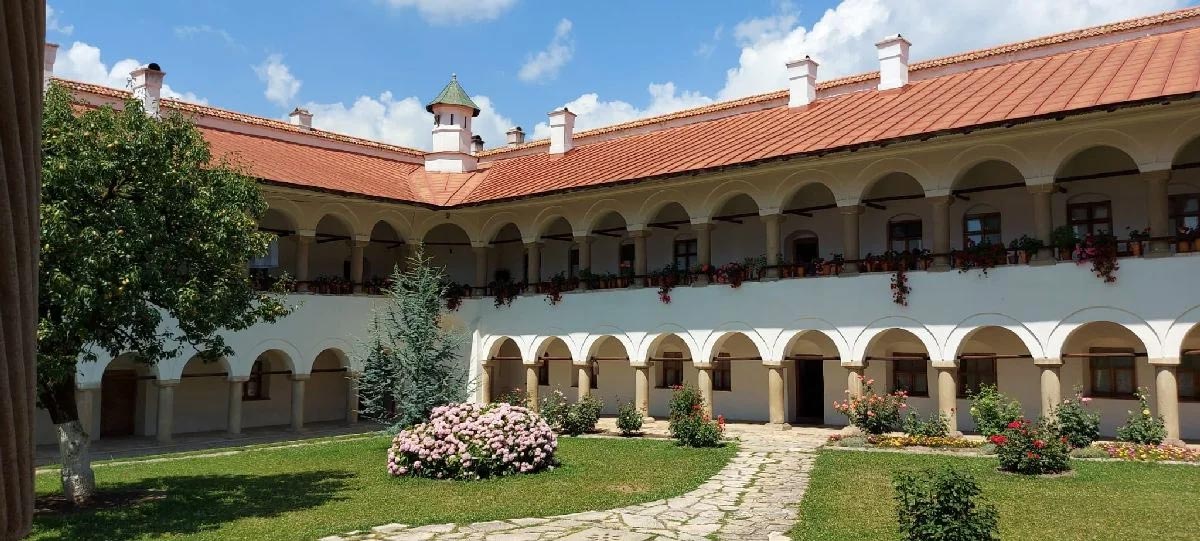
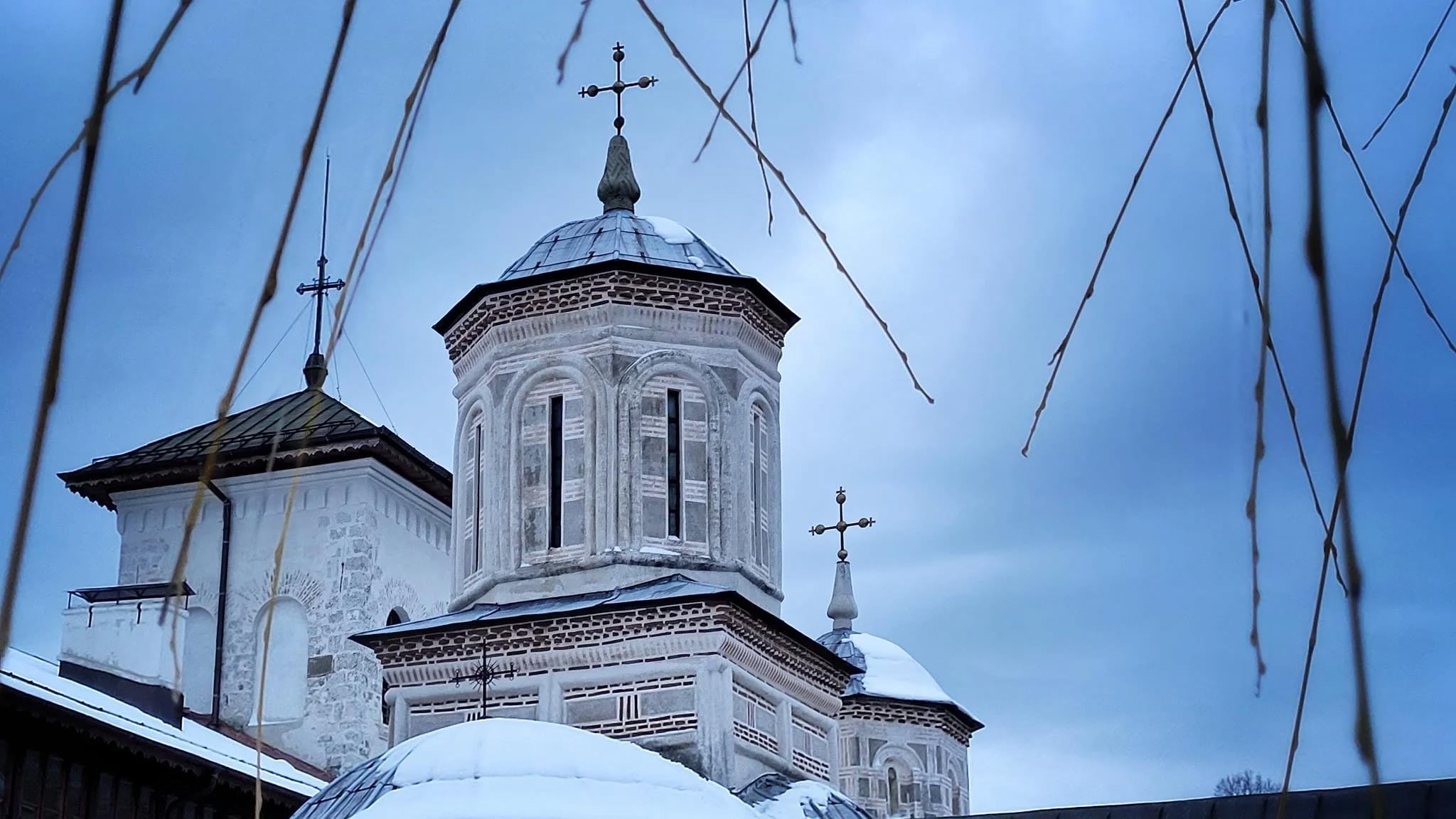
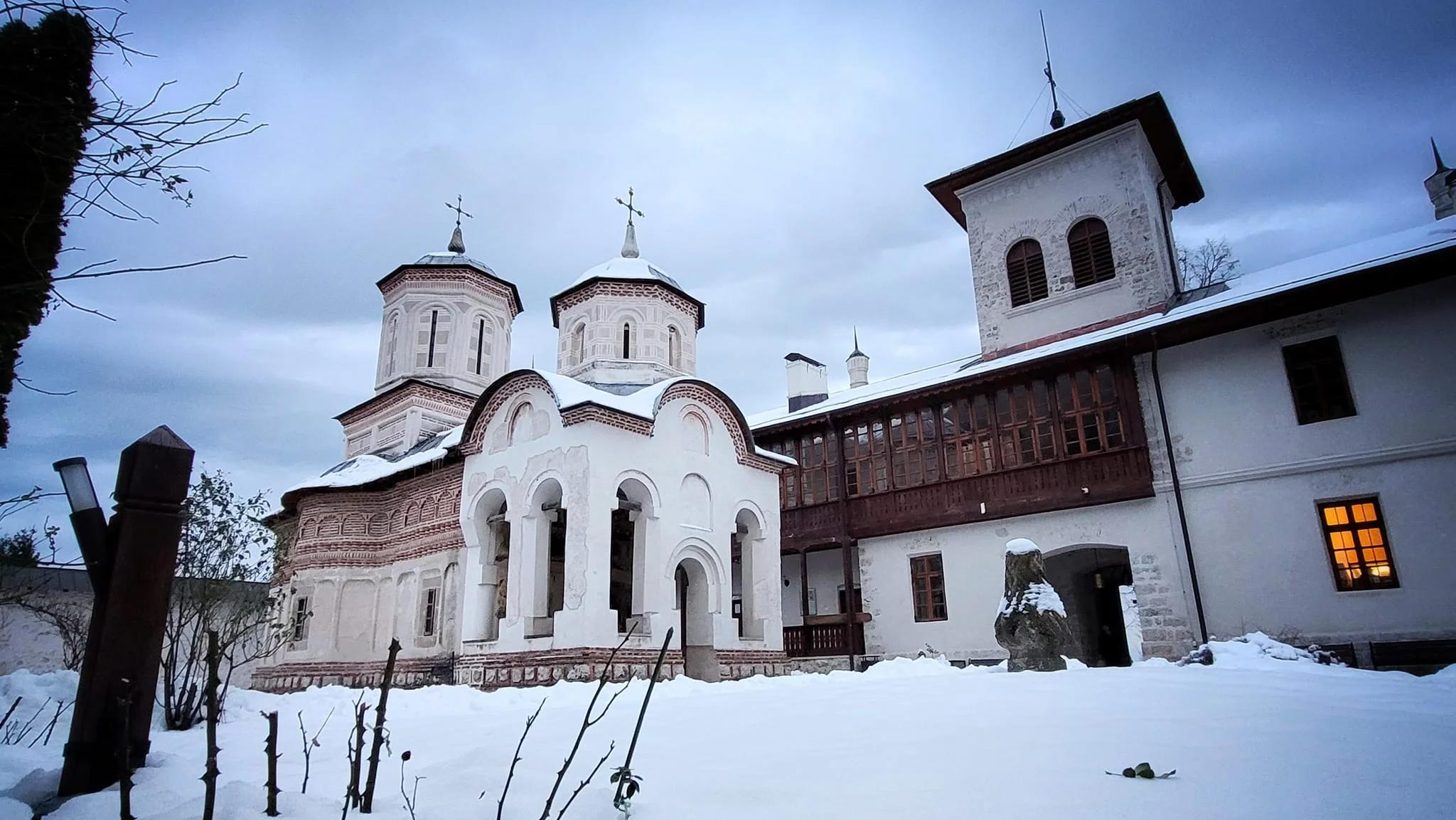
Horezu Monastery (also known as Hurezi Monastery) is a Romanian Orthodox nunnery located in the historic region of Little Wallachia in Vâlcea County.
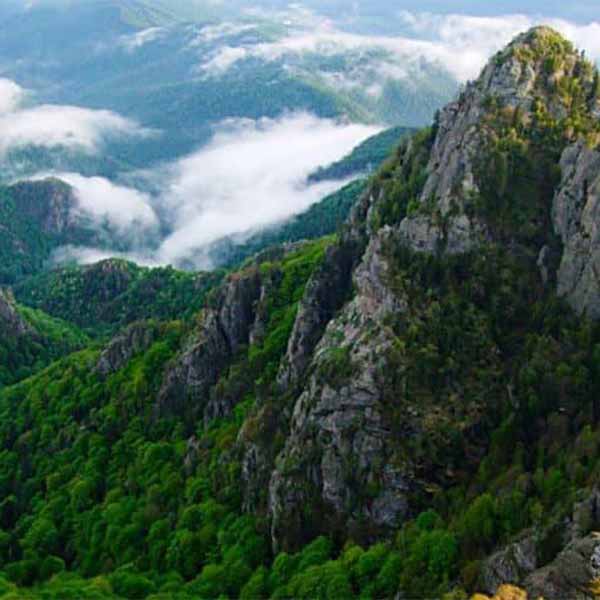
At the foot of Munții Căpățânii, a mountain range in the Transylvanian Alps, in the village of Romanii de Jos, the monastery is located about three kilometers (as the crow flies) north of the small town of Horezu.
The cries of the nocturnal birds of prey (Romanian: huhurezi) that lived in the forests surrounding the monastery probably gave the place its name. The monastery was founded in 1692 by the then Prince of Wallachia, Constantin Brâncoveanu (1654–1714), and completed in 1709. Until 1862, it was a monastery for men. After the monks were transferred to Bistrița, nuns came to the monastery. The monastery complex has been restored several times since 1827 and is a listed building.
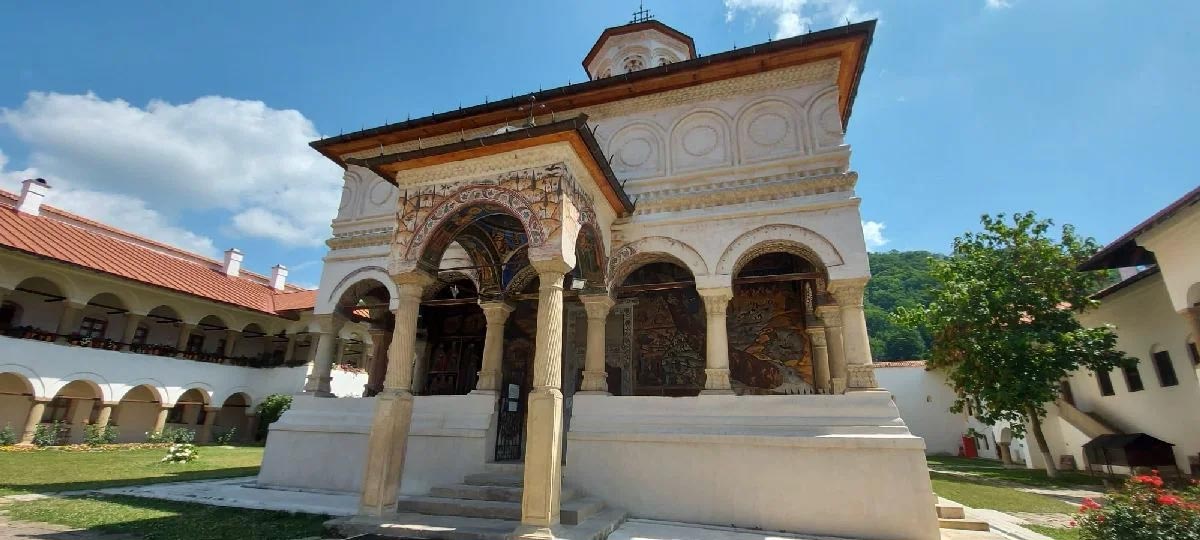
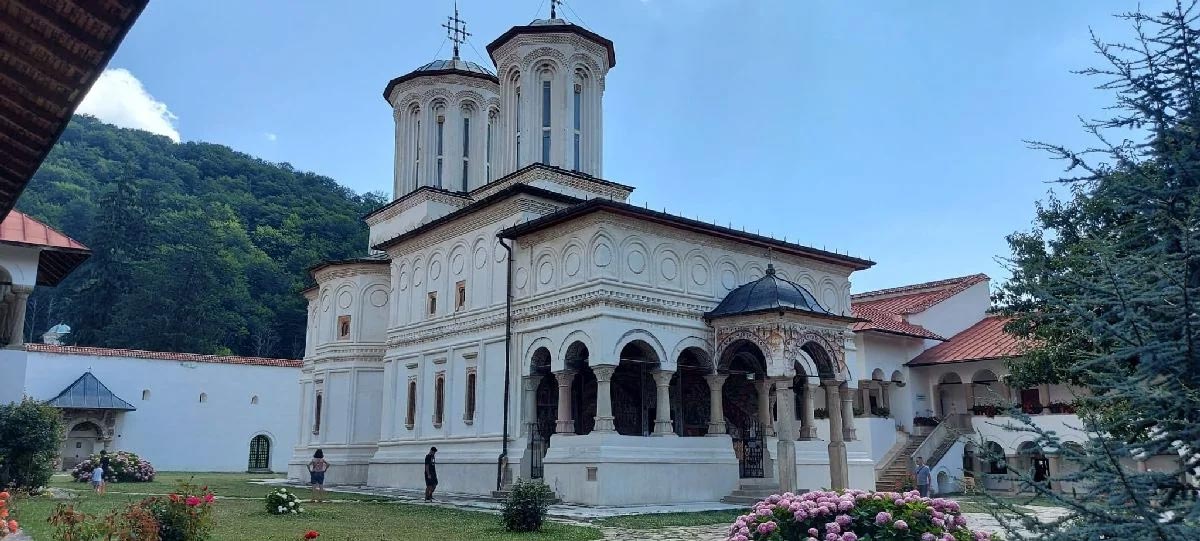
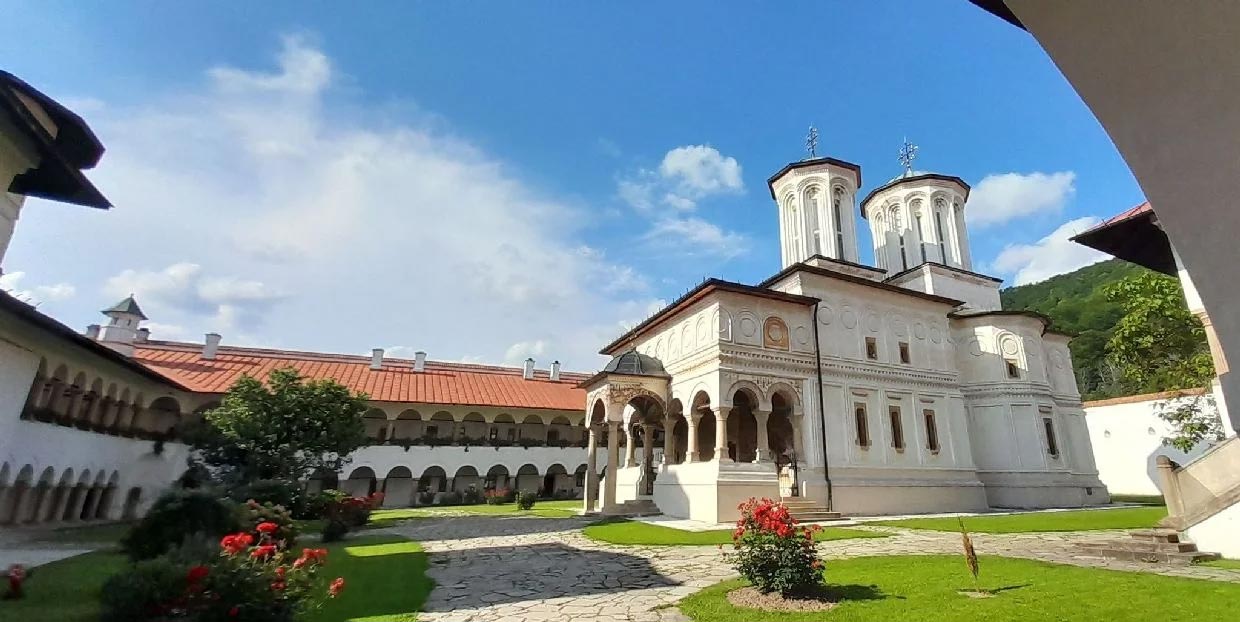
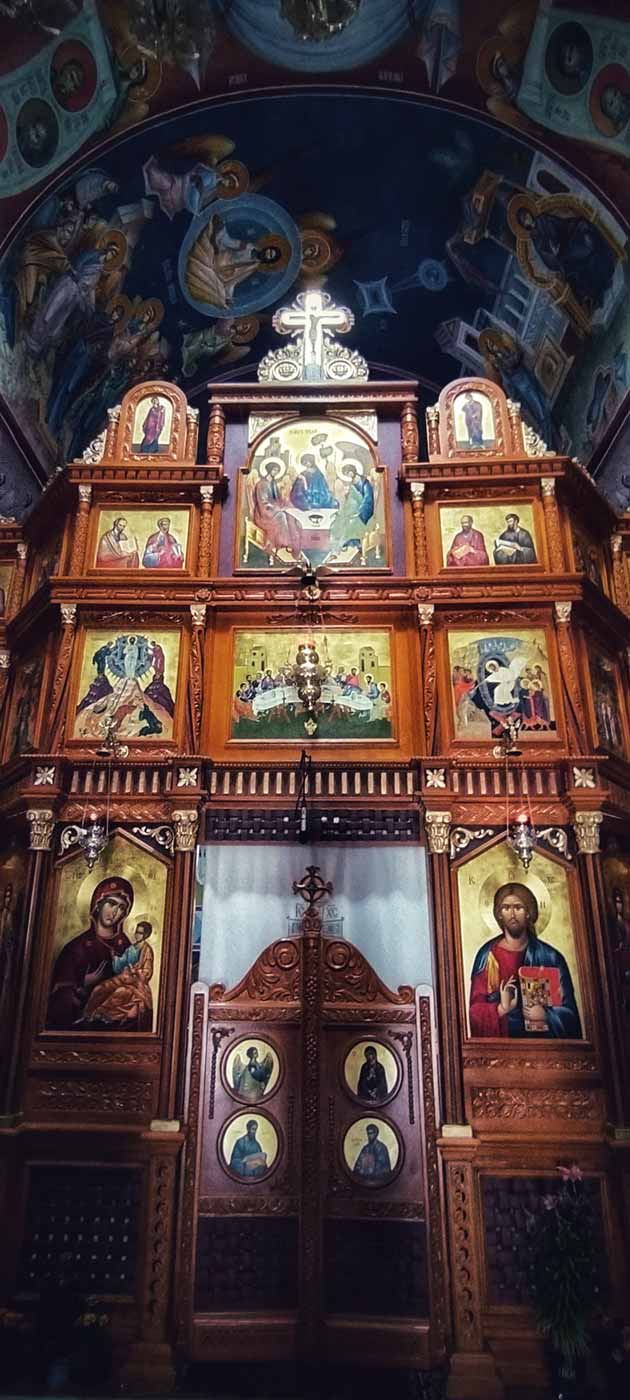
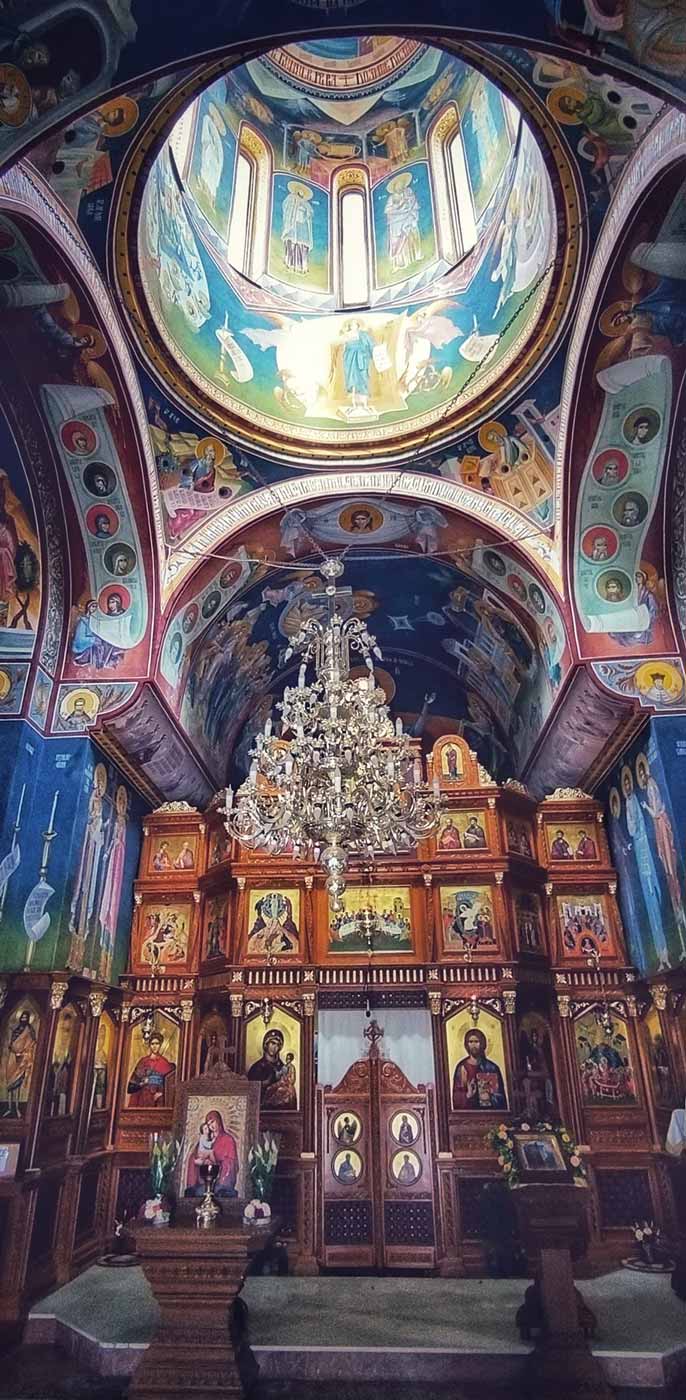
Located on a hill, the monastery complex is surrounded by two fortifications. The outer, smaller wall surrounds the entire monastery estate with its hermitages. The second is formed on three sides by buildings of varying heights and on the east by a wall. The entrance to the monastery is on the south side through a bell tower equipped with a massive wooden gate reinforced with steel. The monastery church of Sfinții Împarați Constantin și Elena in the center of the complex is built in the shape of a cross, is 32 meters long, 14 meters high, and was built between 1693 and 1697. In the vestibule of the church are several tombs, the most beautiful of which is decorated with marble and has a carved cover intended for Prince Brâncoveanu, but it never fulfilled its purpose and was therefore never used. The large iconostasis is carved from lime wood and covered with gold.
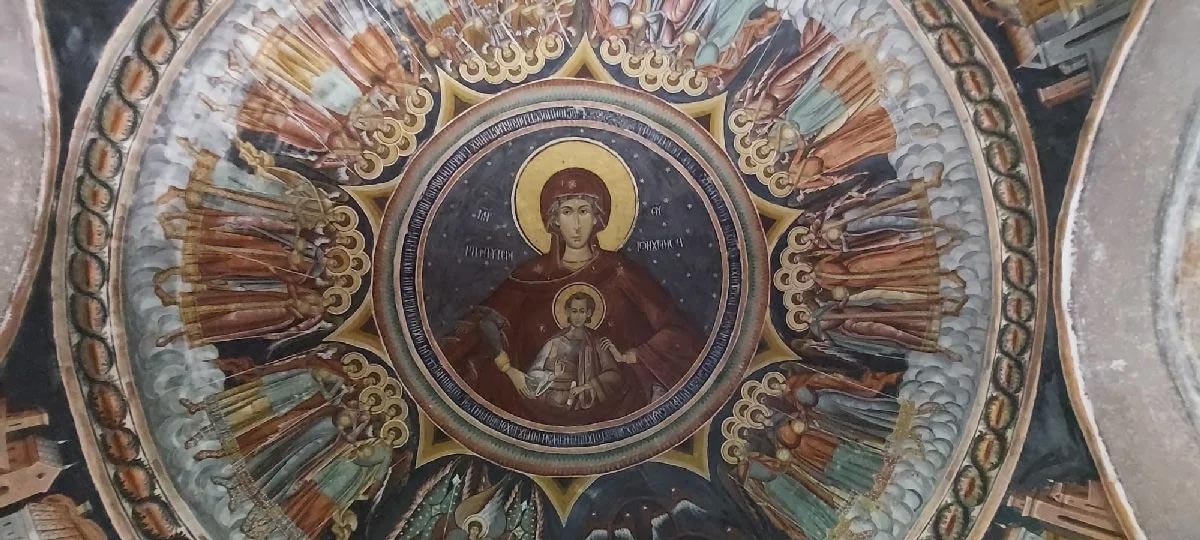
The square chapel with an octagonal tower, whose windows are the chapel’s source of light, is located on the west side opposite the entrance to the church and was built in 1697. The frescoes in the chapel were created between 1705 and 1706 and are still in good condition today.
We would like to thank Relu Chiriac, Galati, for allowing us to use these images.
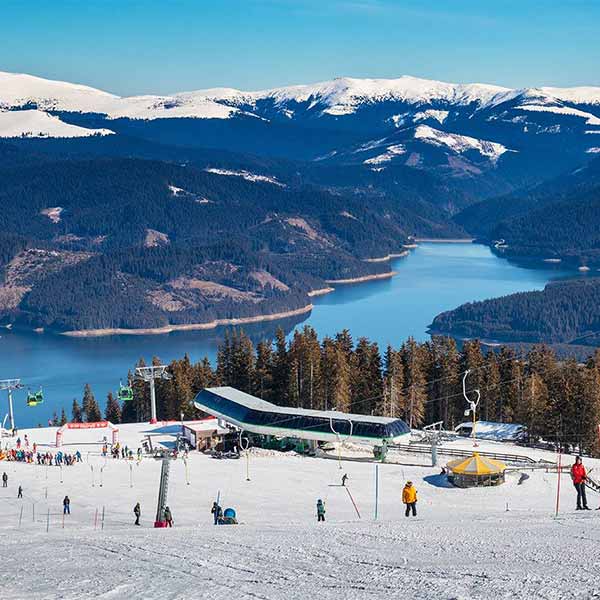
Pure relaxation at the Voineasa Resort | Valcea County
(2 December 2024)
Plan ahead, see you soon! The resort / vacation area is located in the central-southern part of Romania, in Valcea County at the southern end of the Southern Carpathians, 36 km from Brezoi and 60 km from the county seat Ramnicu Valcea.
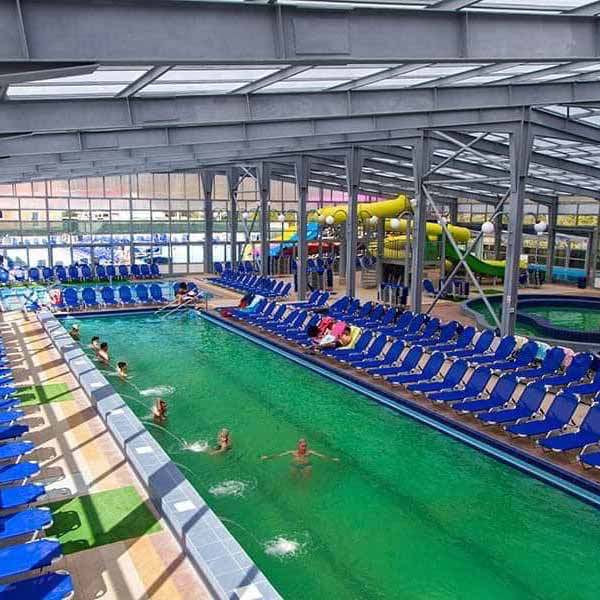
Voineasa has a mountainous climate with cool summers and frosty winters and is known for its opportunities for recreation and fresh air therapy. The therapeutic factor is the tonically stimulating climate with absolutely pure, clean air free of dust and allergens, as well as rich in ionized aerosols.
https://willkommen-in-rumänien | https://welcome-to-romania.com
We would like to thank Statiunea Voineasa for permission to use these wonderful images.
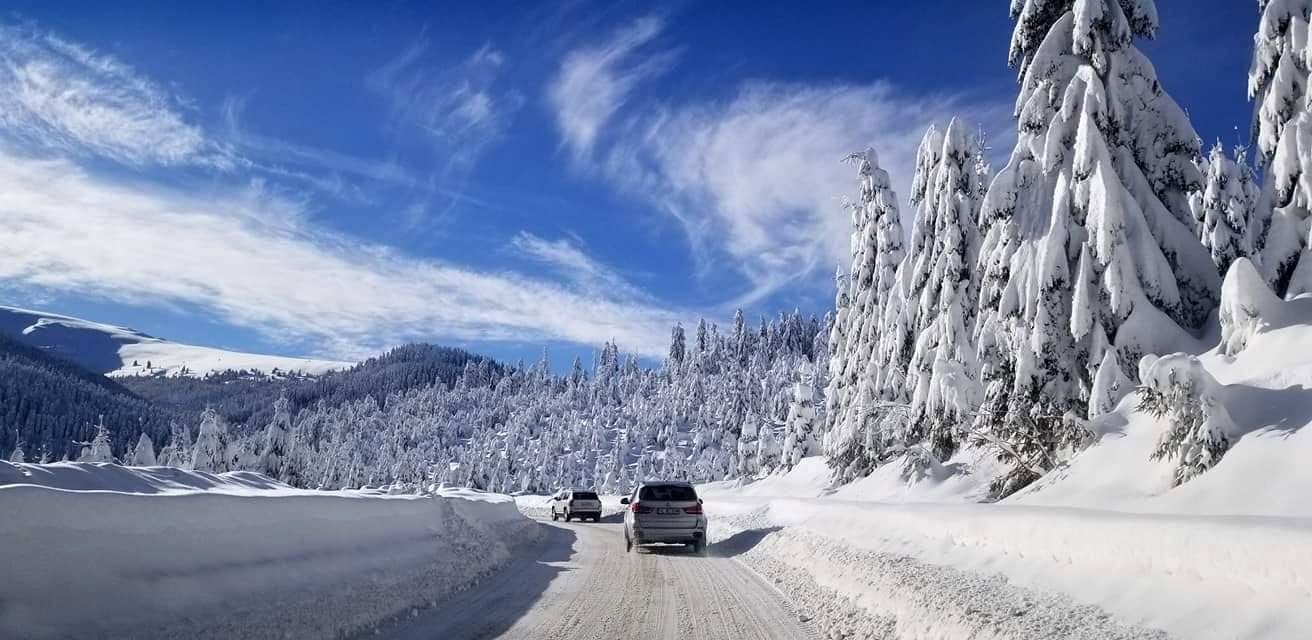
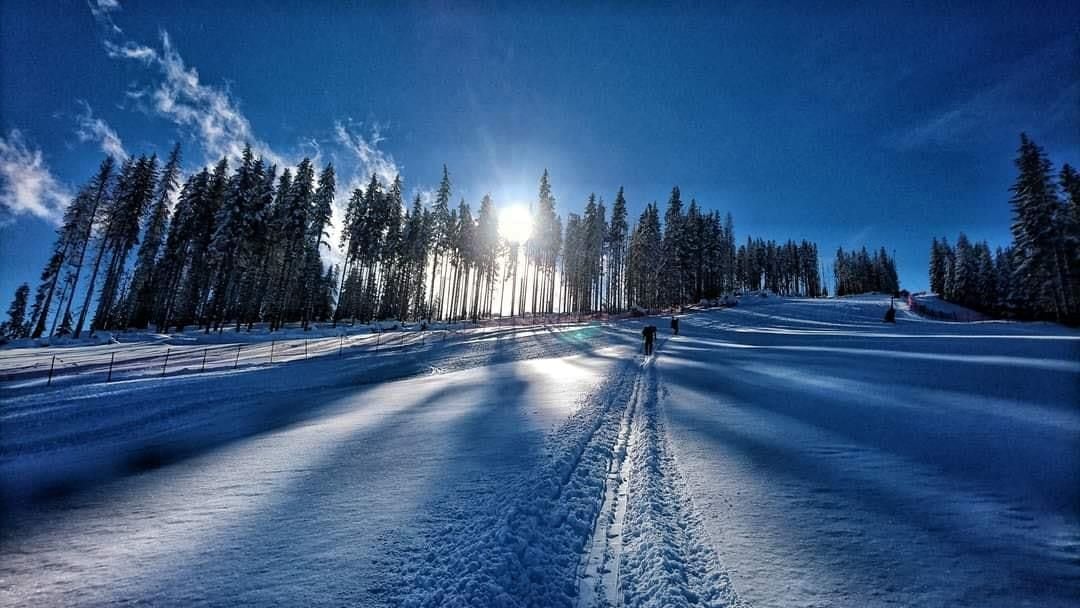
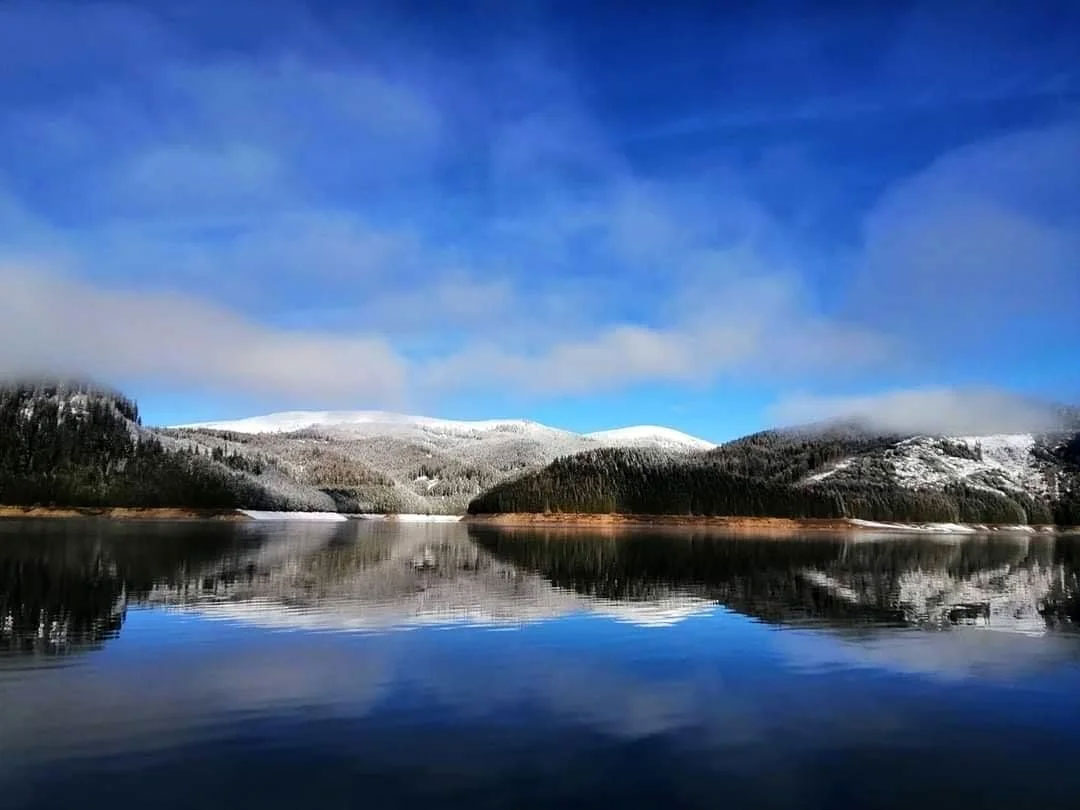
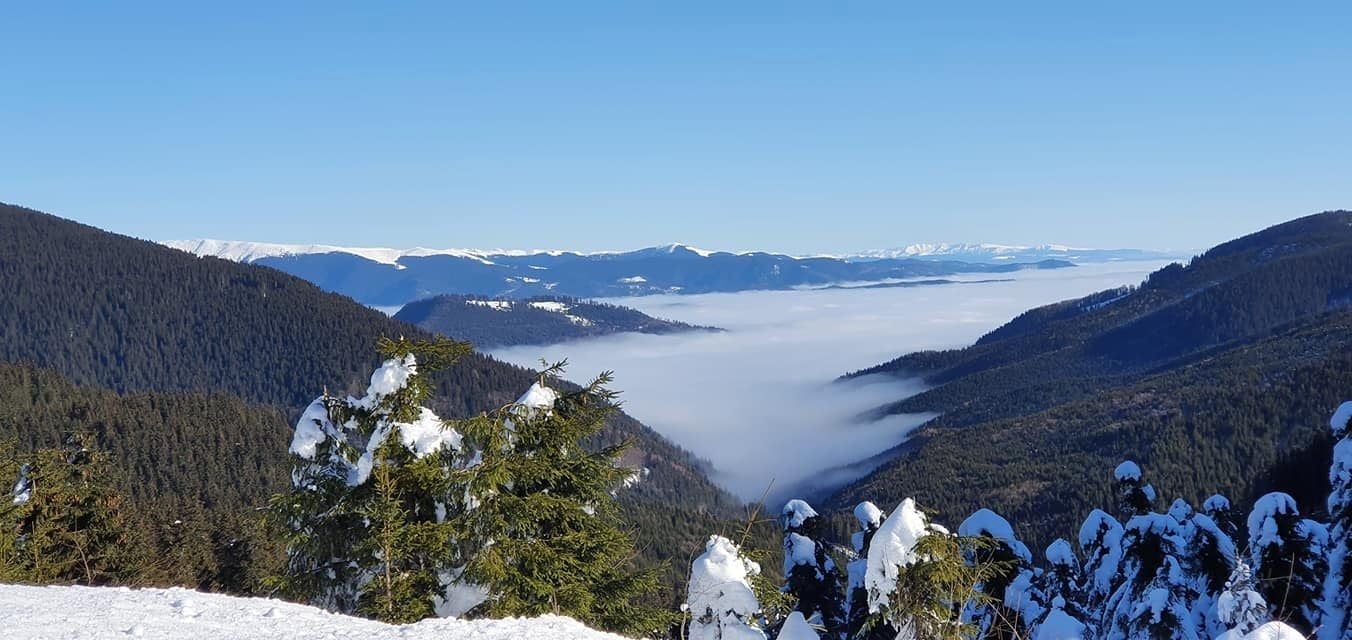
Valcea County | Romania
(29 November 2024)
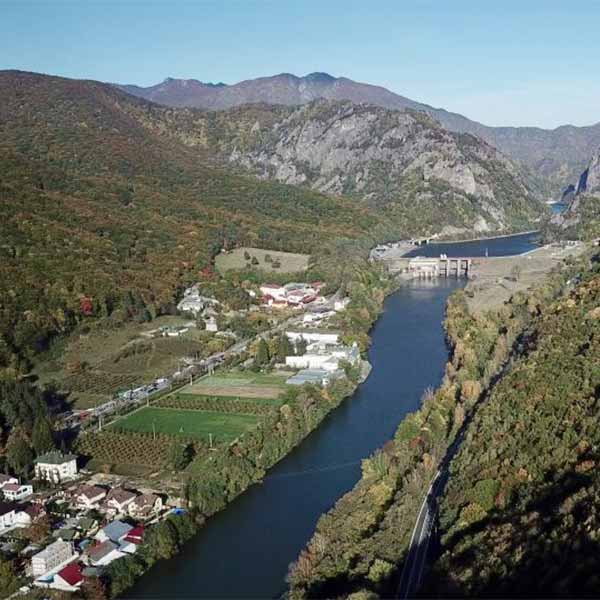
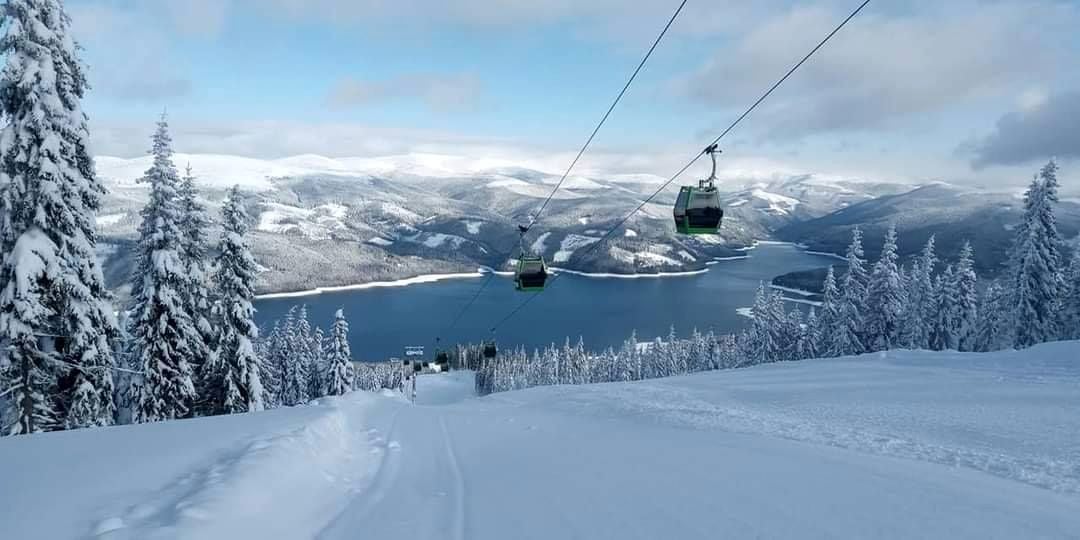
Crossed by the Olt River, near the Transalpina mountain pass, in the heart of Romania … and worth a visit any time of year.
https://discover-valcea.com</ a> | https://xn--willkommen-in-rumnien-m2b.de/
The Start of Winter in Cozia National Park ☃
(24 November 2024)
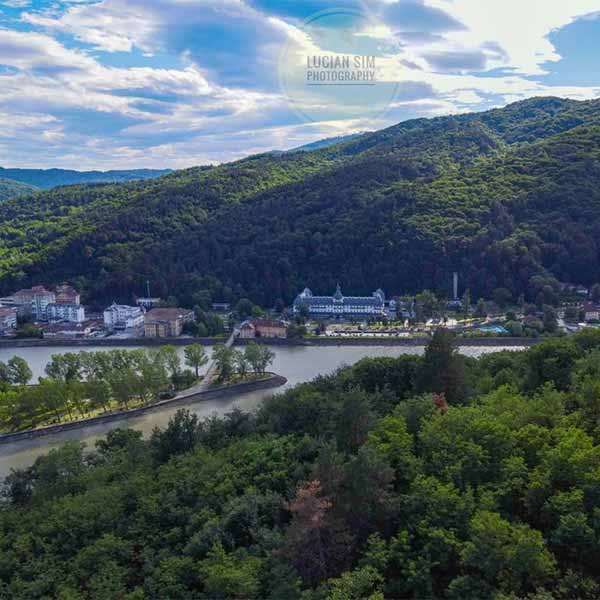
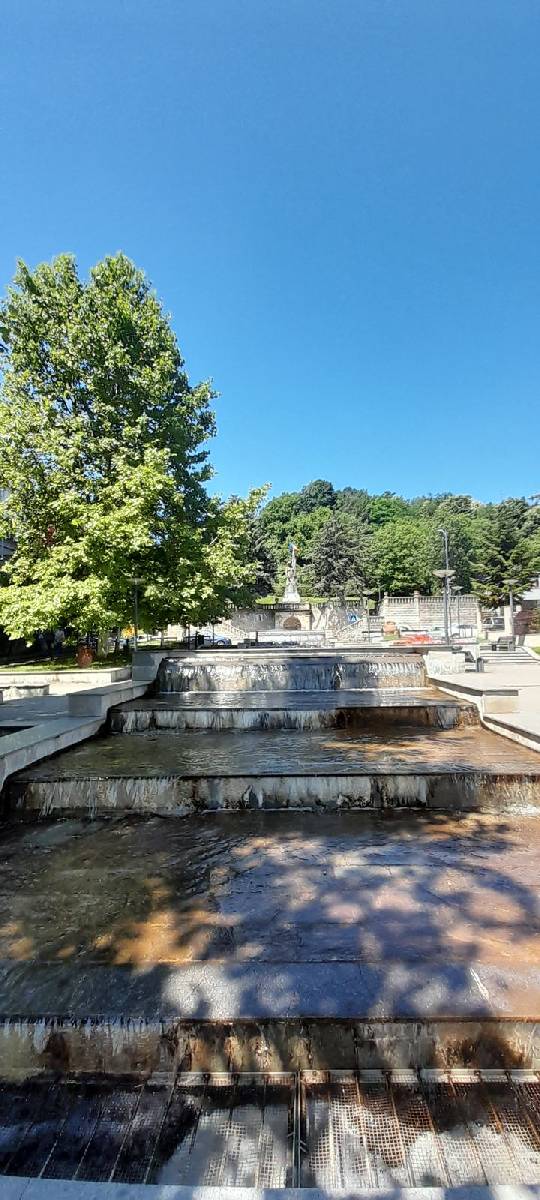
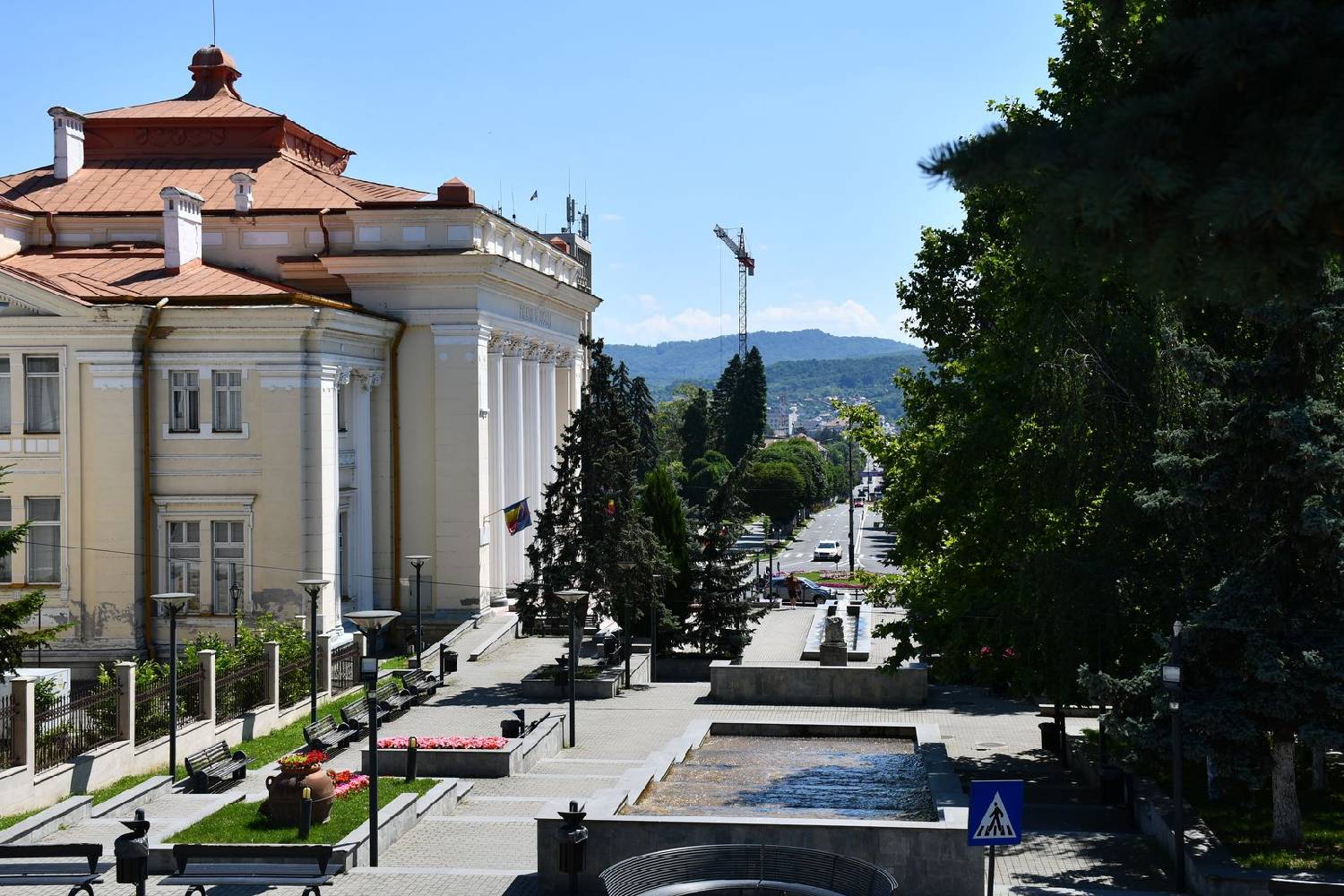
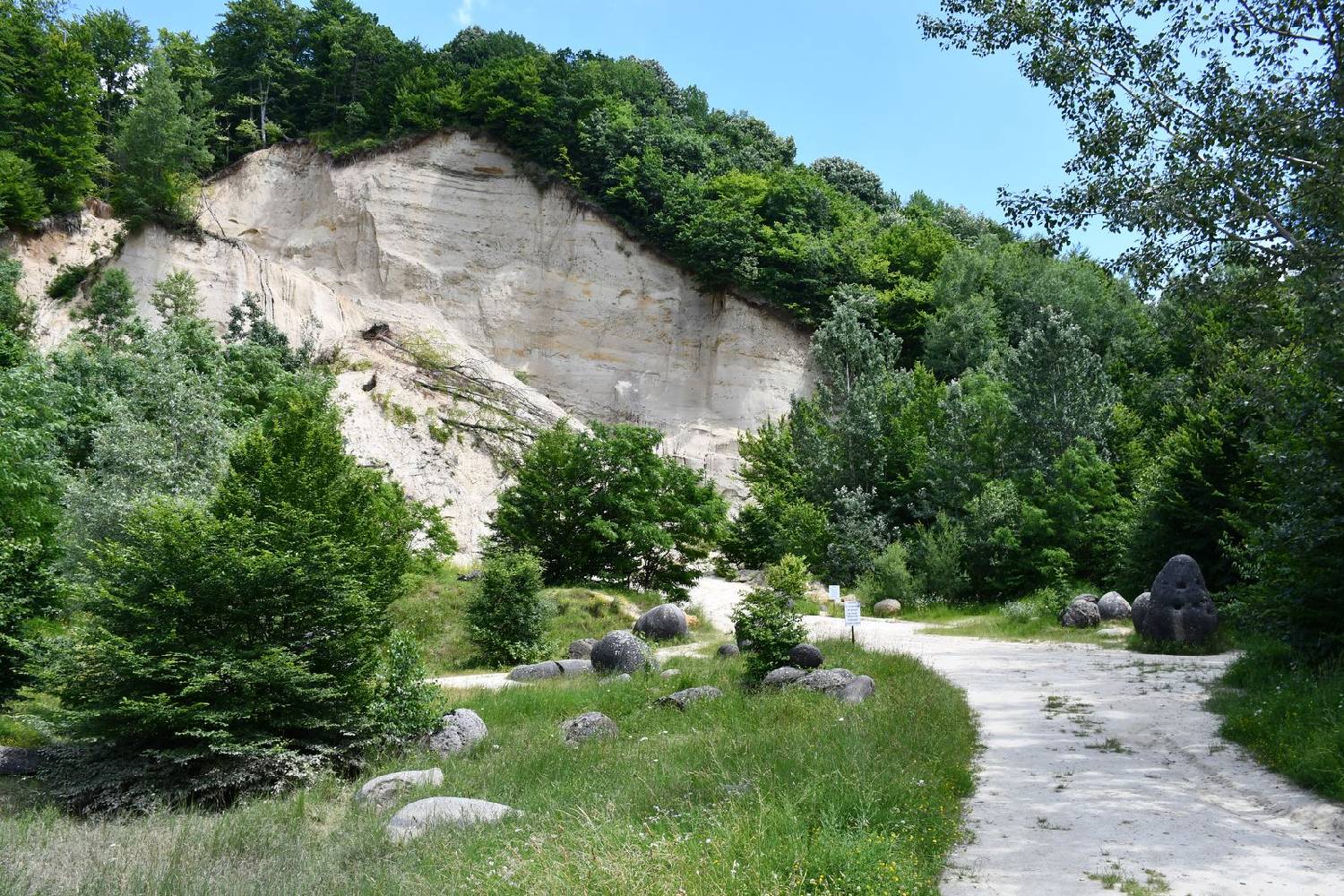
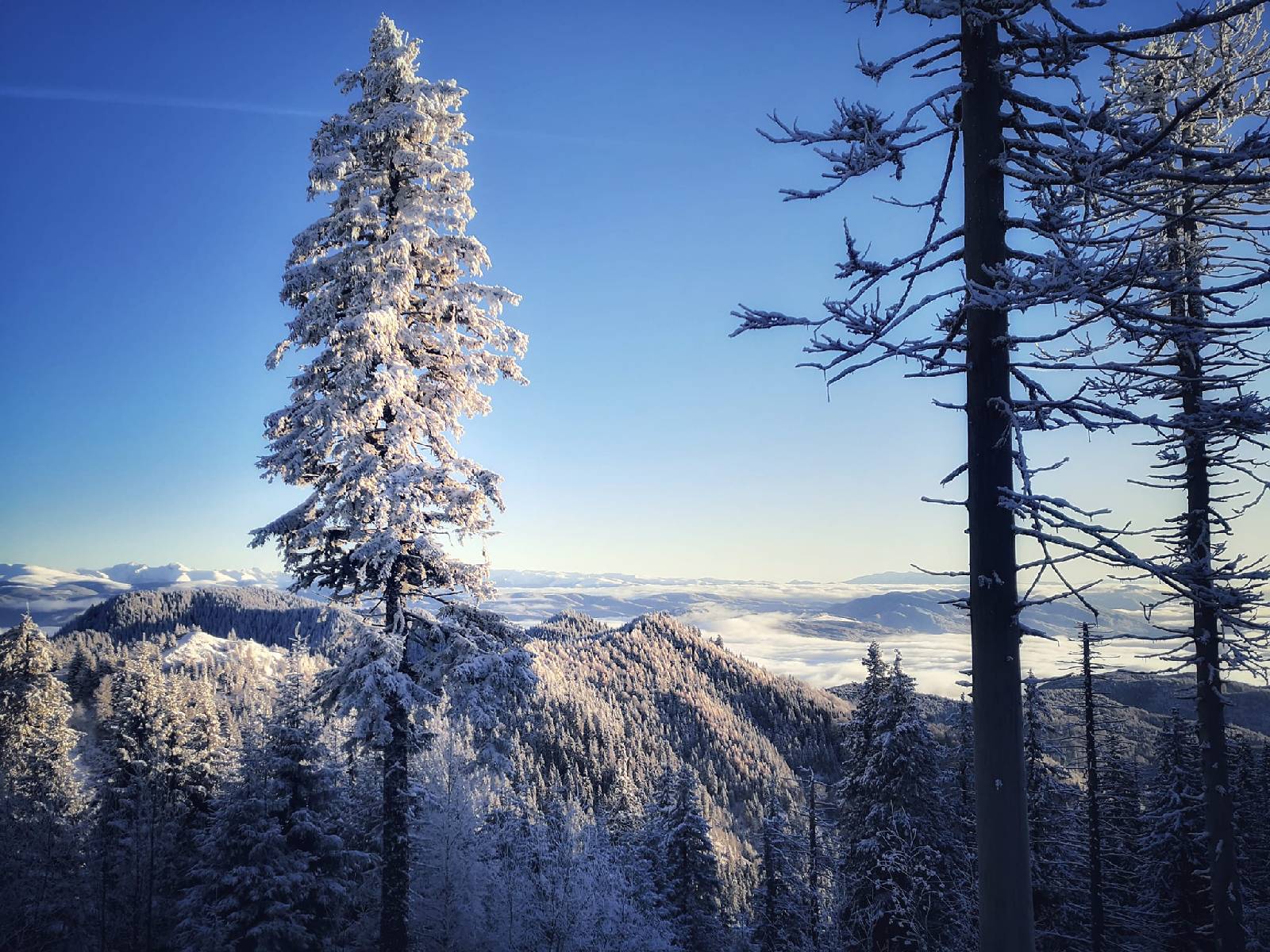
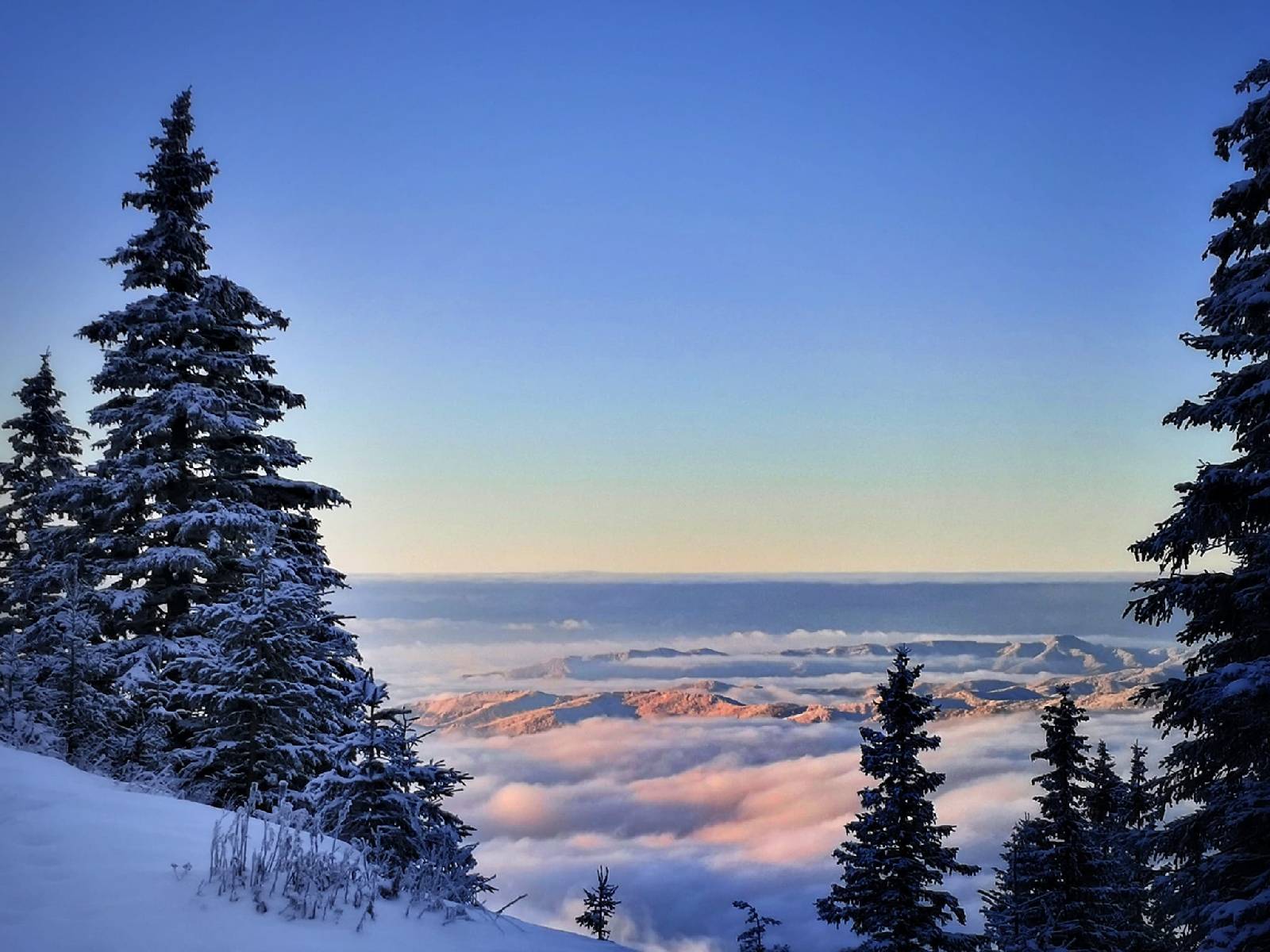
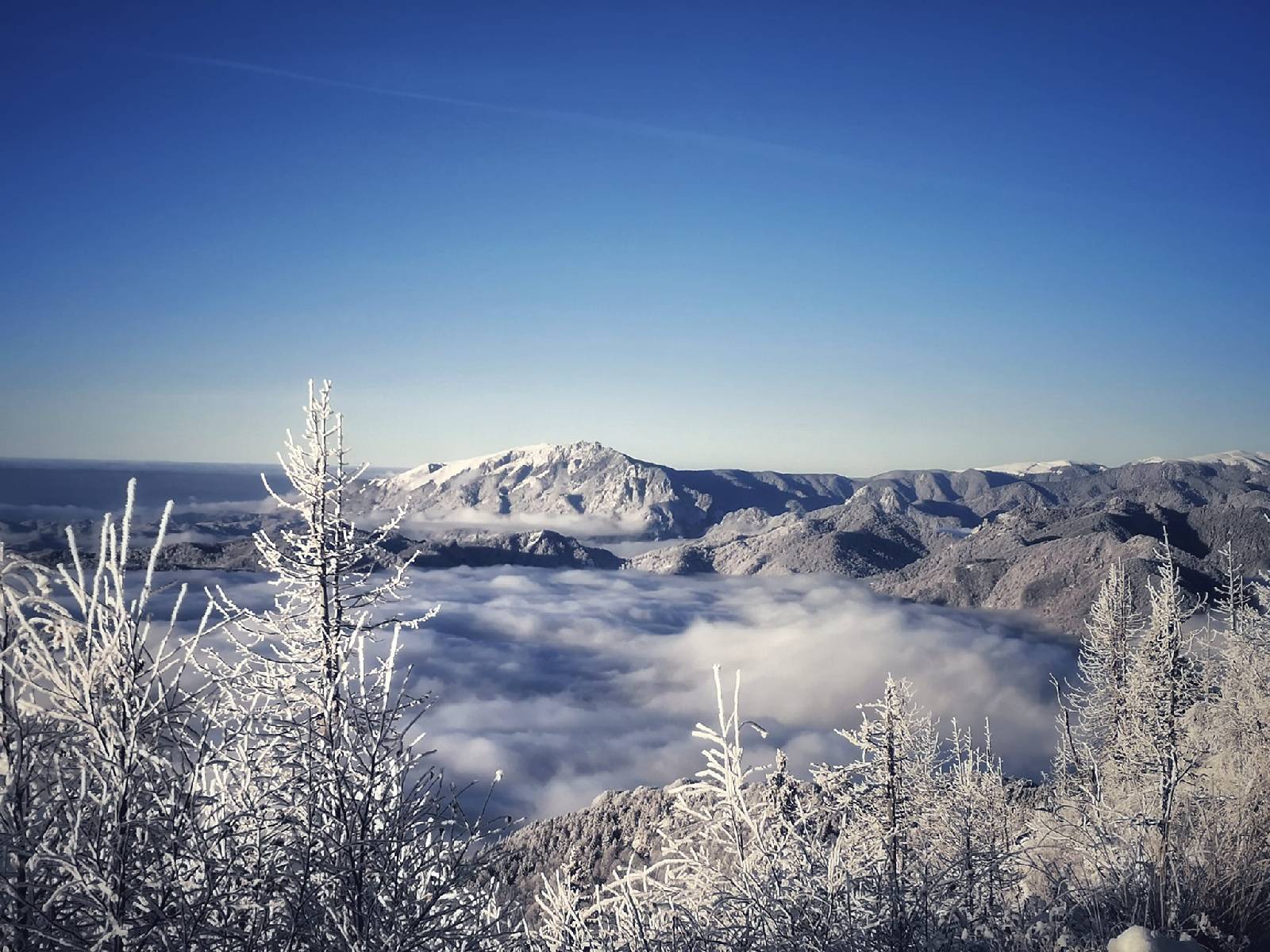
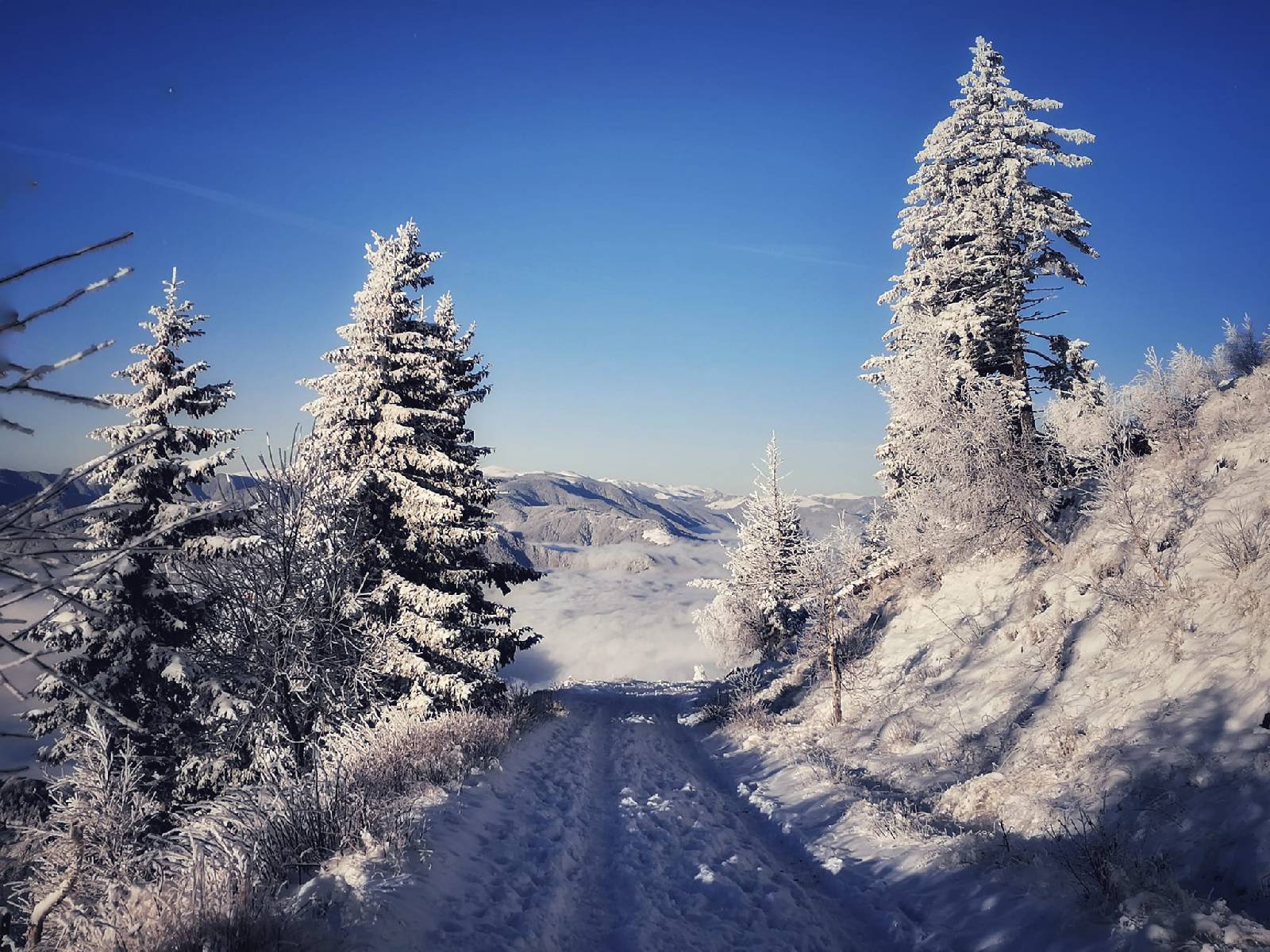
Cozia National Park is located in the northeastern part of Valcea County, within the administrative territory of the towns of Brezoi, Calimanesti, Racovita, Perisani, Salatrucel, and Berislavesti.
We would like to thank Ms. Corina E. Mateescu for permission to use these beautiful photos (Winter 2023 / 2024).
Manastirea Hurezi (Horezu Monastery) | Valcea County
(10 November 2024)
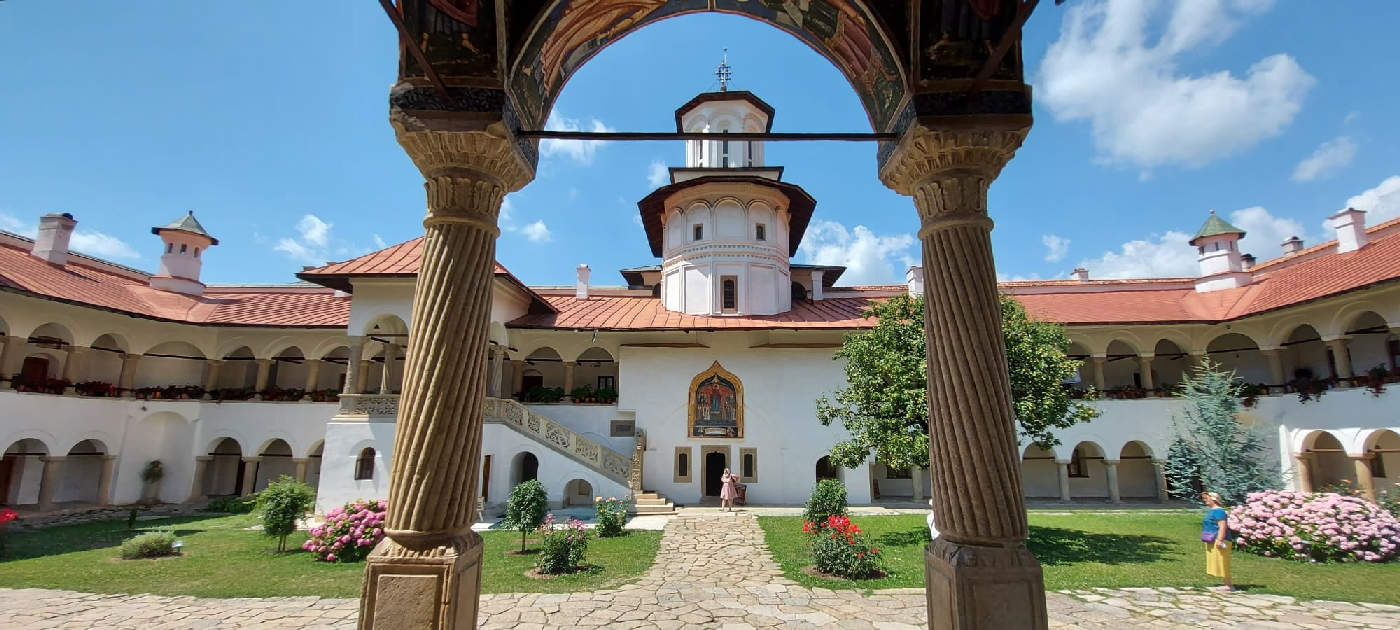
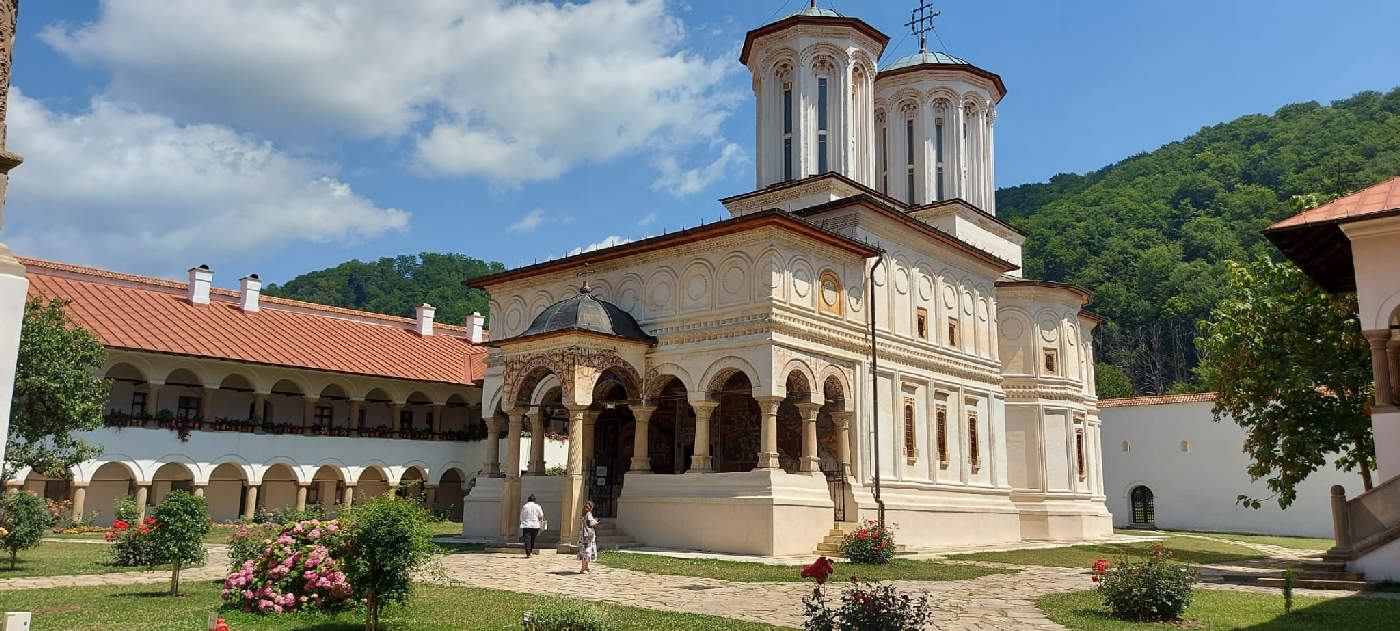
Horezu Monastery (also known as Hurezi Monastery) is a Romanian Orthodox nunnery located in the historic region of Little Wallachia in Vâlcea County.
At the foot of Munții Căpățânii, a mountain range in the Transylvanian Alps, in the village of Romanii de Jos, the monastery is located about three kilometers (as the crow flies) north of the small town of Horezu.
The cries of the nocturnal birds of prey (Romanian: huhurezi) that lived in the forests surrounding the monastery probably gave the place its name. The monastery was founded in 1692 by the then Prince of Wallachia, Constantin Brâncoveanu (1654–1714), and completed in 1709. Until 1862, it was a monastery for men. After the monks were transferred to Bistrița, nuns came to the monastery. The monastery complex has been restored several times since 1827 and is a listed building.
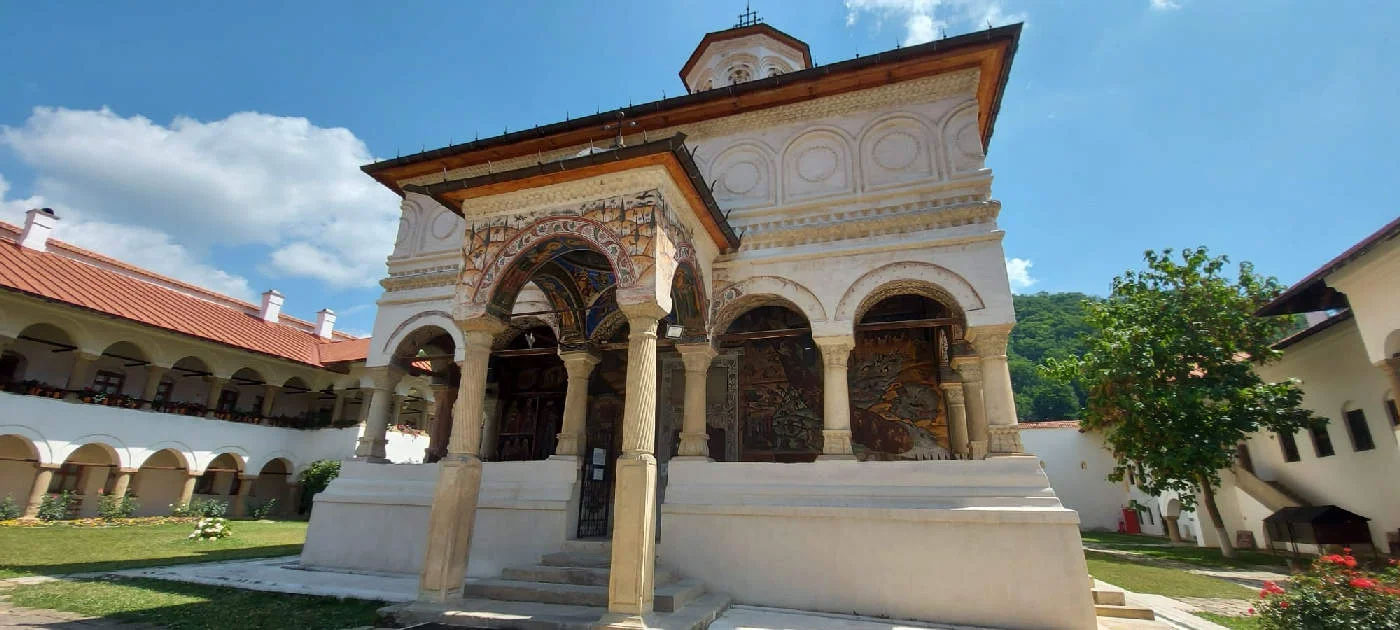
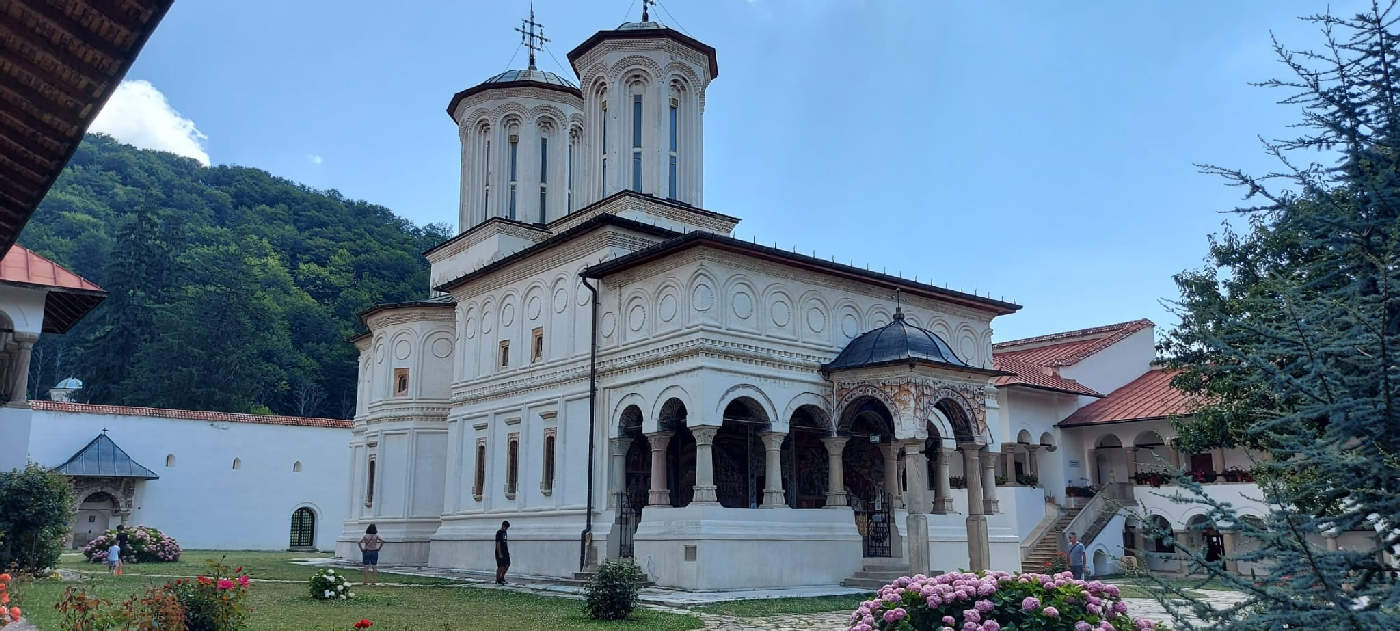
Located on a hill, the monastery complex is surrounded by two fortifications. The outer, smaller wall surrounds the entire monastery estate with its hermitages. The second is formed on three sides by buildings of varying heights and on the east by a wall. The entrance to the monastery is on the south side through a bell tower equipped with a massive wooden gate reinforced with steel. The monastery church of Sfinții Împarați Constantin și Elena in the center of the complex is built in the shape of a cross, is 32 meters long, 14 meters high, and was built between 1693 and 1697. In the vestibule of the church are several tombs, the most beautiful of which is decorated with marble and has a carved cover intended for Prince Brâncoveanu, but it never fulfilled its purpose and was therefore never used. The large iconostasis is carved from lime wood and covered with gold.
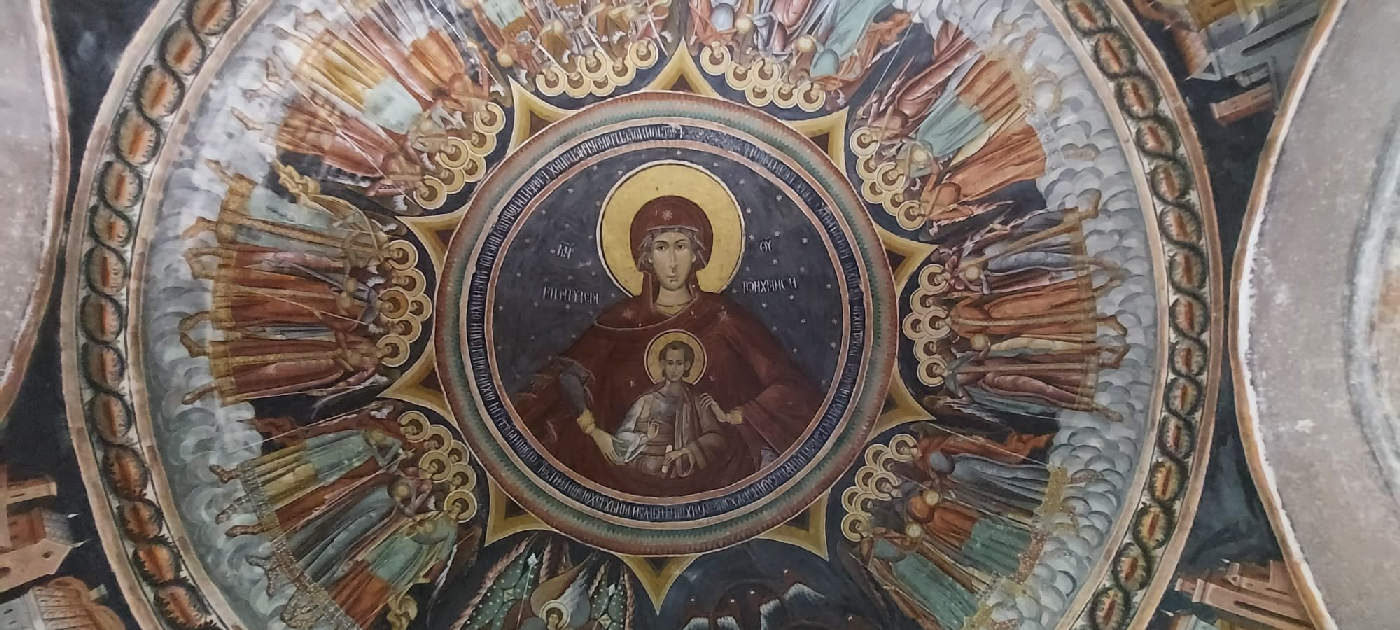
The square chapel with an octagonal tower, whose windows are the chapel’s source of light, is located on the west side opposite the entrance to the church and was built in 1697. The frescoes in the chapel were created between 1705 and 1706 and are still in good condition today.
We would like to thank Relu Chiriac, Galati, for allowing us to use these images.
Hanul Vatra | Valcea County
(4 November 2024)
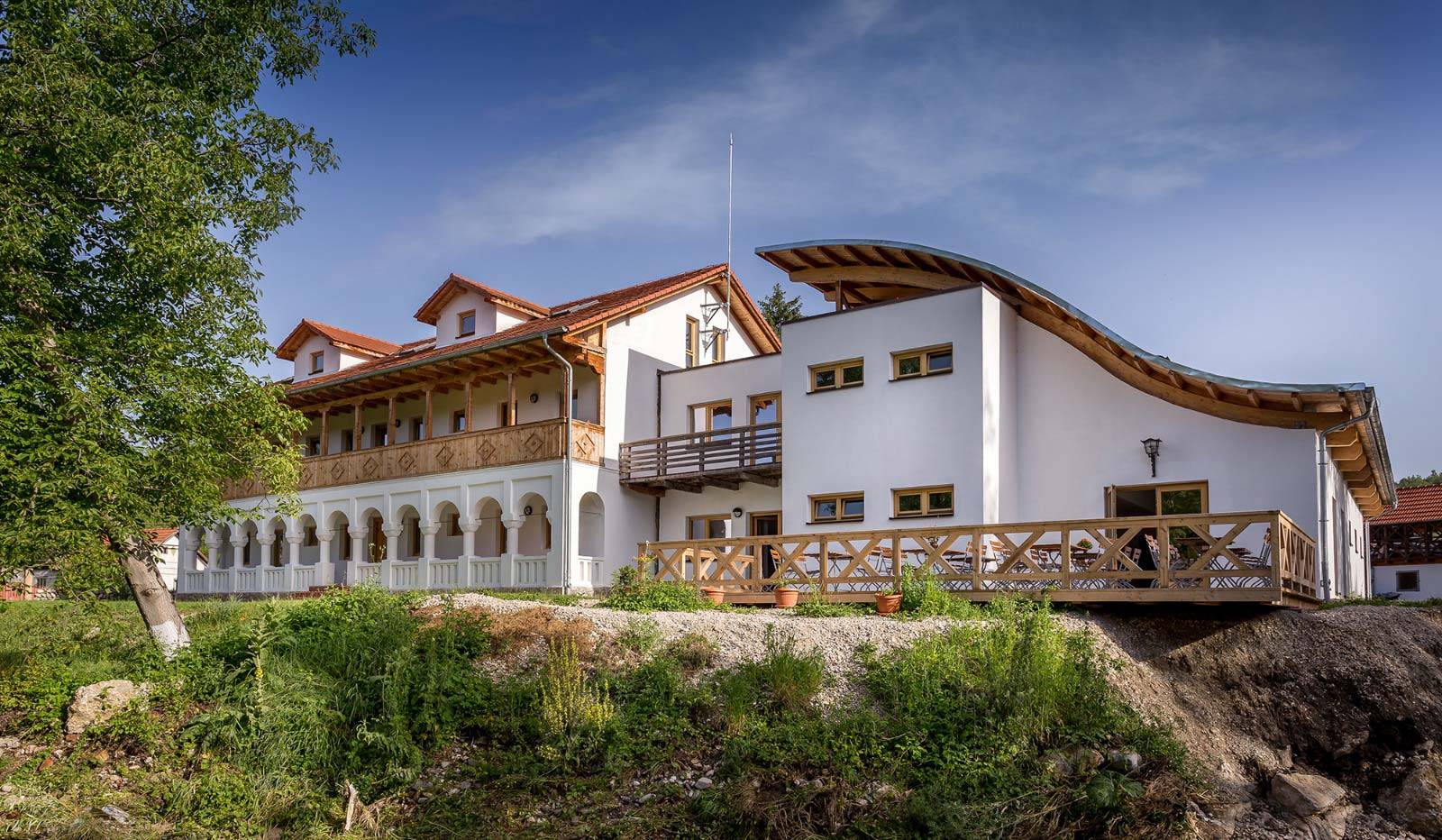
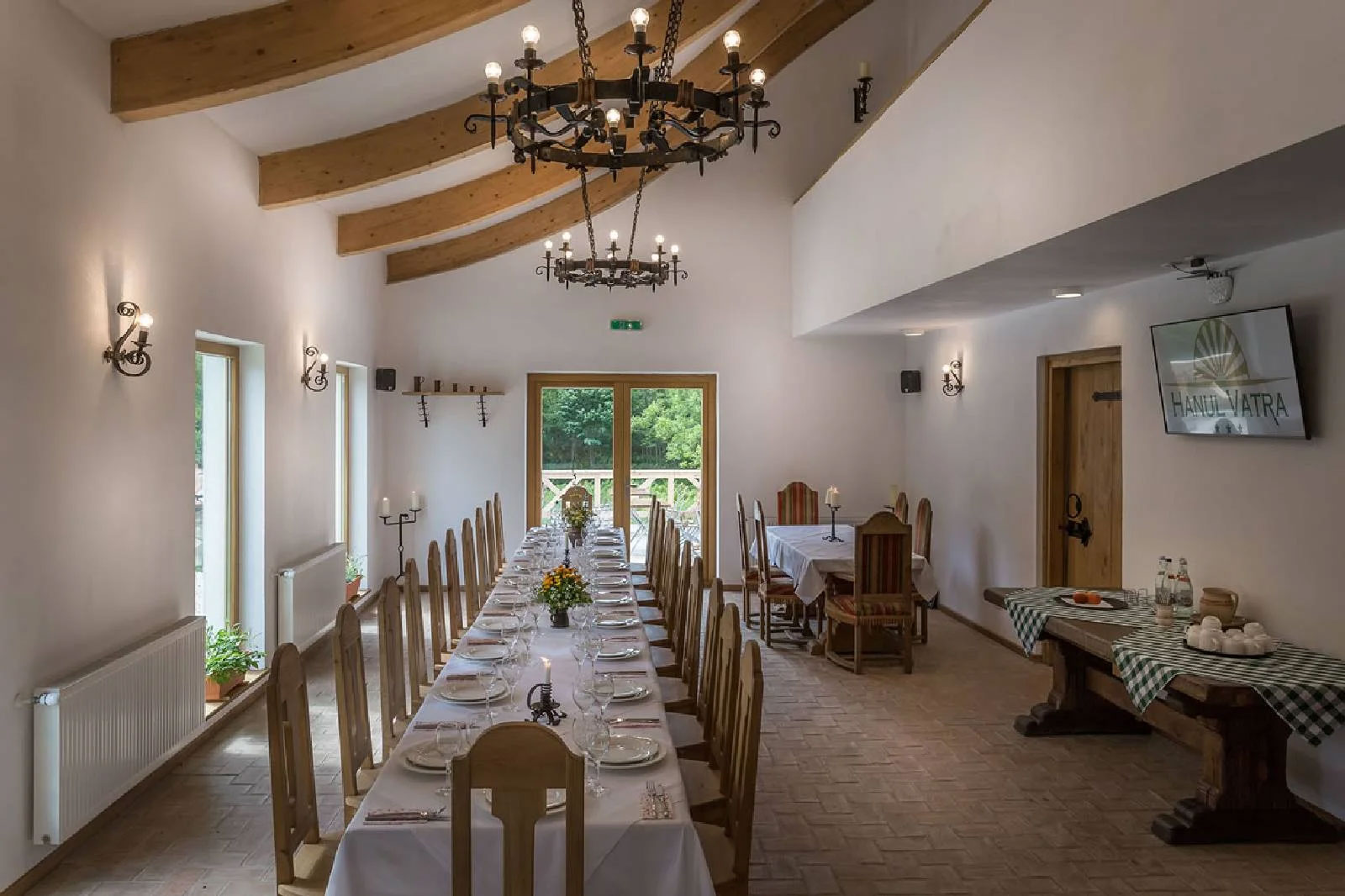
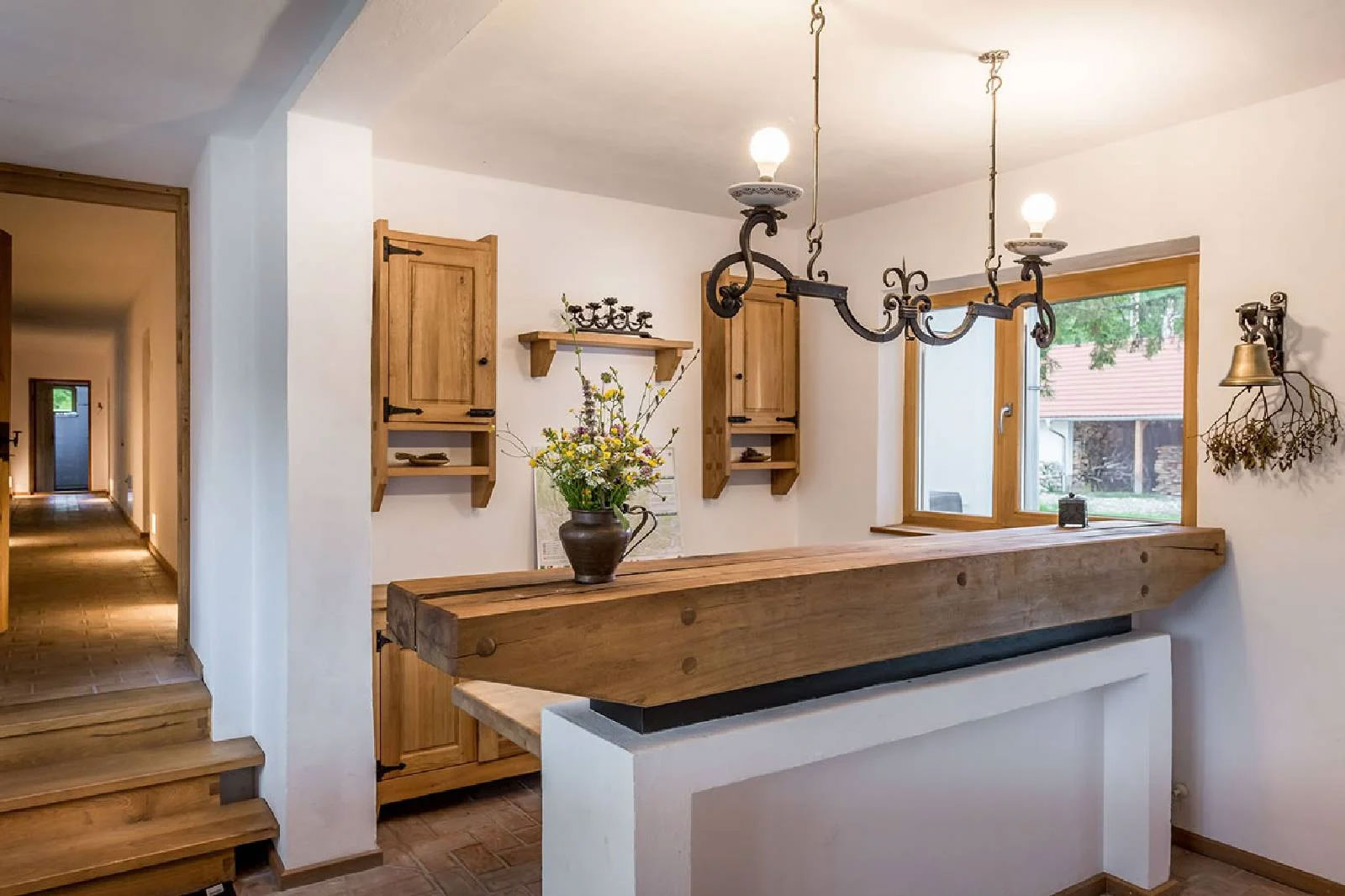
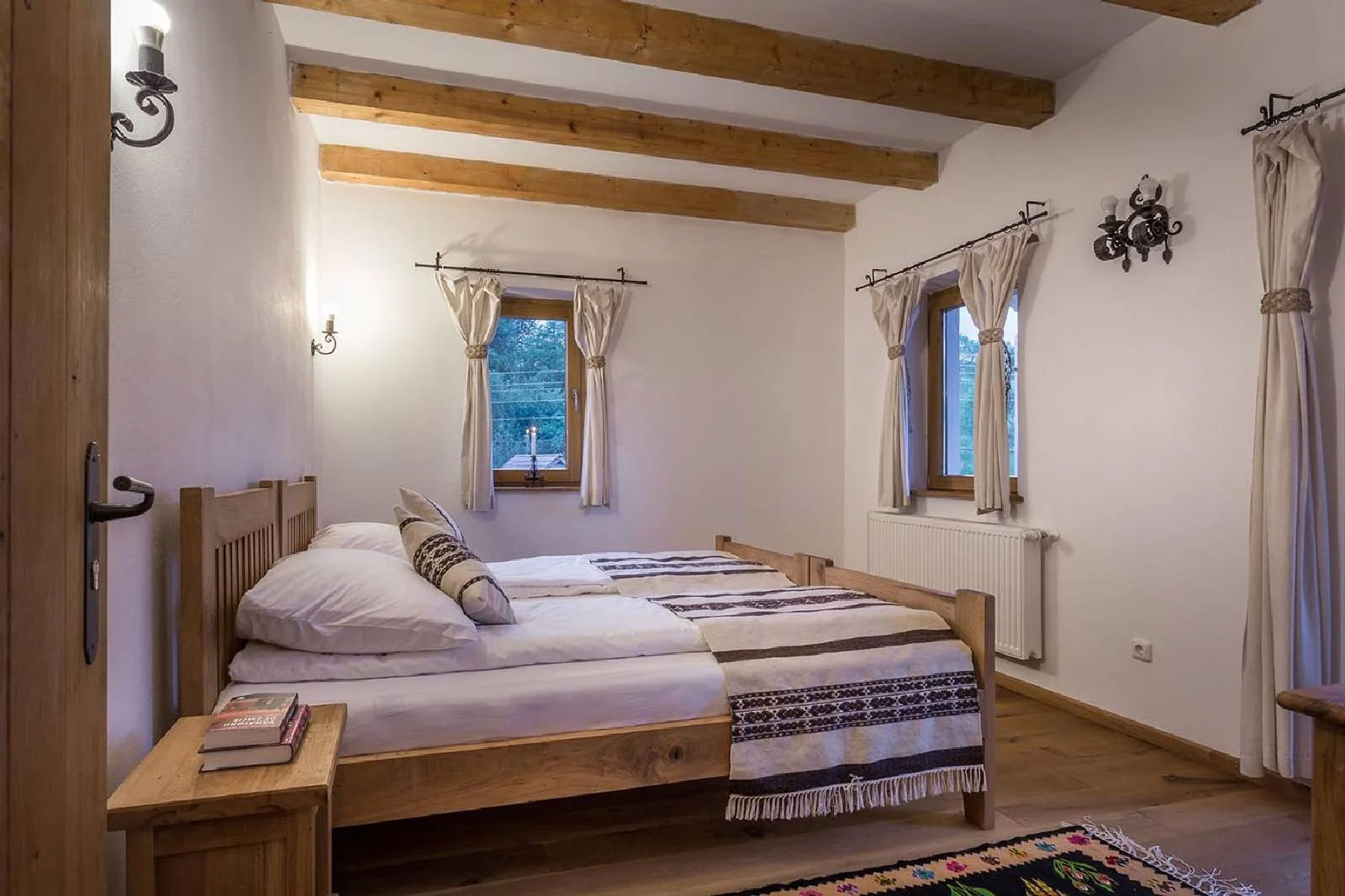
The Hanul Vatra hotel / guesthouse is the ideal place for a weekend in the countryside, away from the hustle and bustle of the city. For private celebrations, hiking trips with friends in the mountains, courses, team-building meetings or simply to relax.
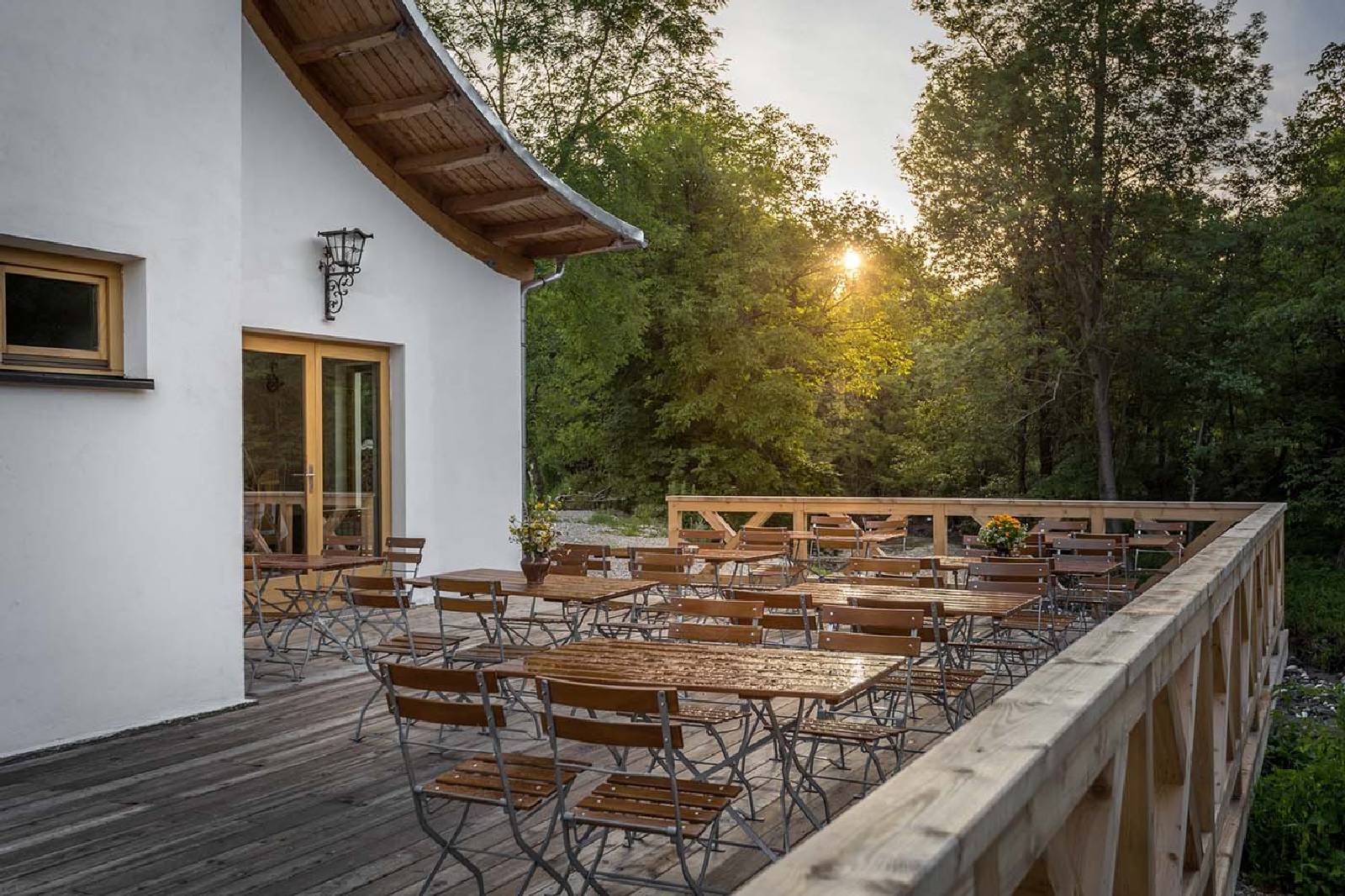
Hanul Vatra in Costeşti, situated right next to a river and a forest, about a 10-minute drive from Horezu, features a large idyllic garden as well as a sun terrace, a conference room, a restaurant and a bar.
Find out more:
https://xn--urlaub-in-rumnien-2qb.de/de/uir/das-hanul-vatra/
Valea Oltului | Valcea County
(4 November 2024)
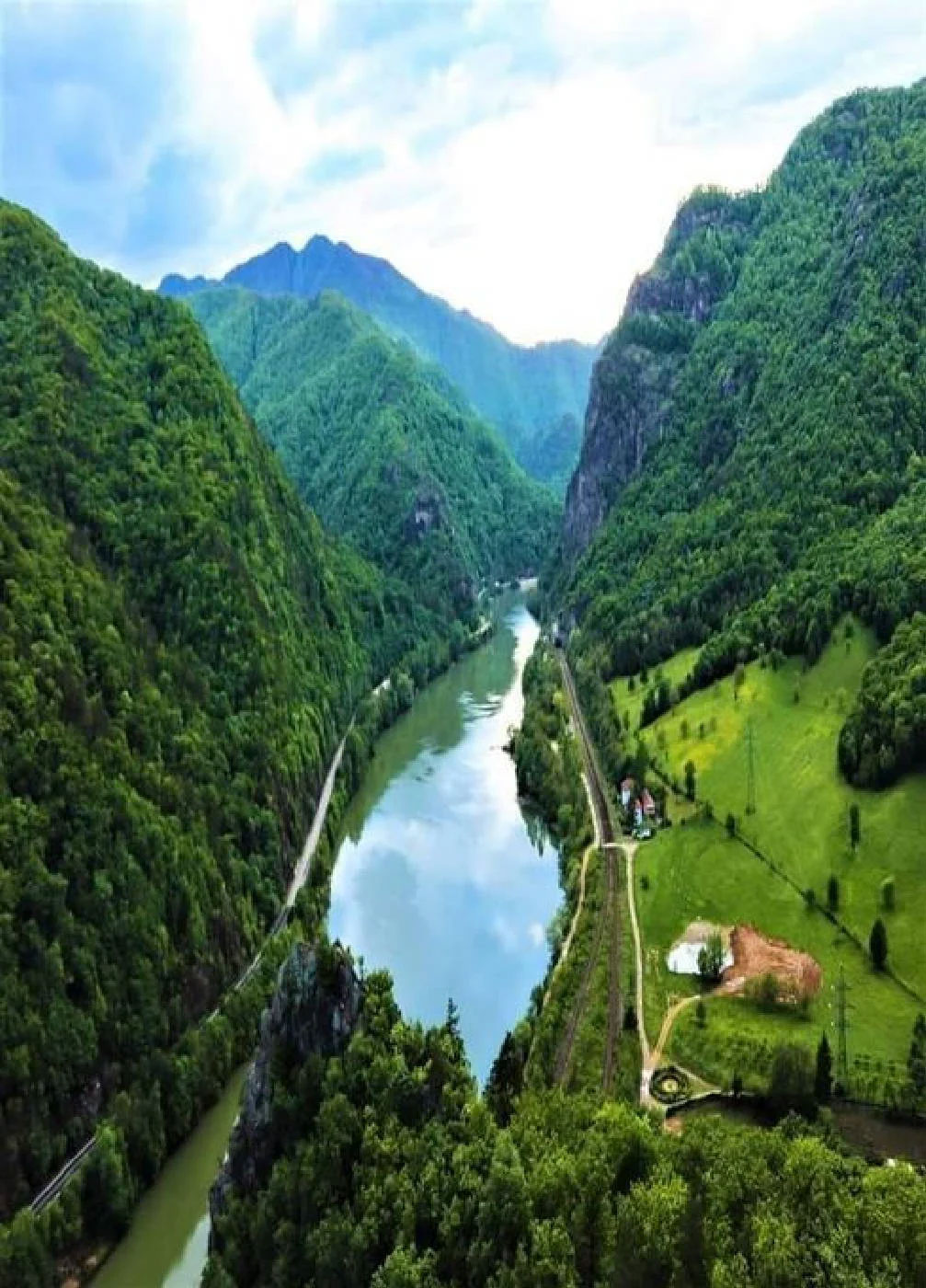
The Valea Oltului (Olt Valley) is a gorge through which the River Olt flows between Lotru and the Căpățânii Mountains, the western branch of the Făgăraș Mountains, and the Cozia Mountains.
We would like to thank Vlad the Impaler – Dracula for permission to use this image.
Manastirea Hurezi (Horezu Monastery) | Valcea County
(3 November 2024)
Horezu Monastery is a Romanian Orthodox nunnery located in the historic region of Little Wallachia in Valcea County.
https://xn--urlaub-in-rumnien-2qb.de/…/ausflugsziele…/
https://xn--urlaub-in-rumnien-2qb.de/…/destinations…/
https://xn--urlaub-in-rumnien -2qb.de/ro/uir/en-vizitat-locatii-de-vizitat-manastirea-horezu/
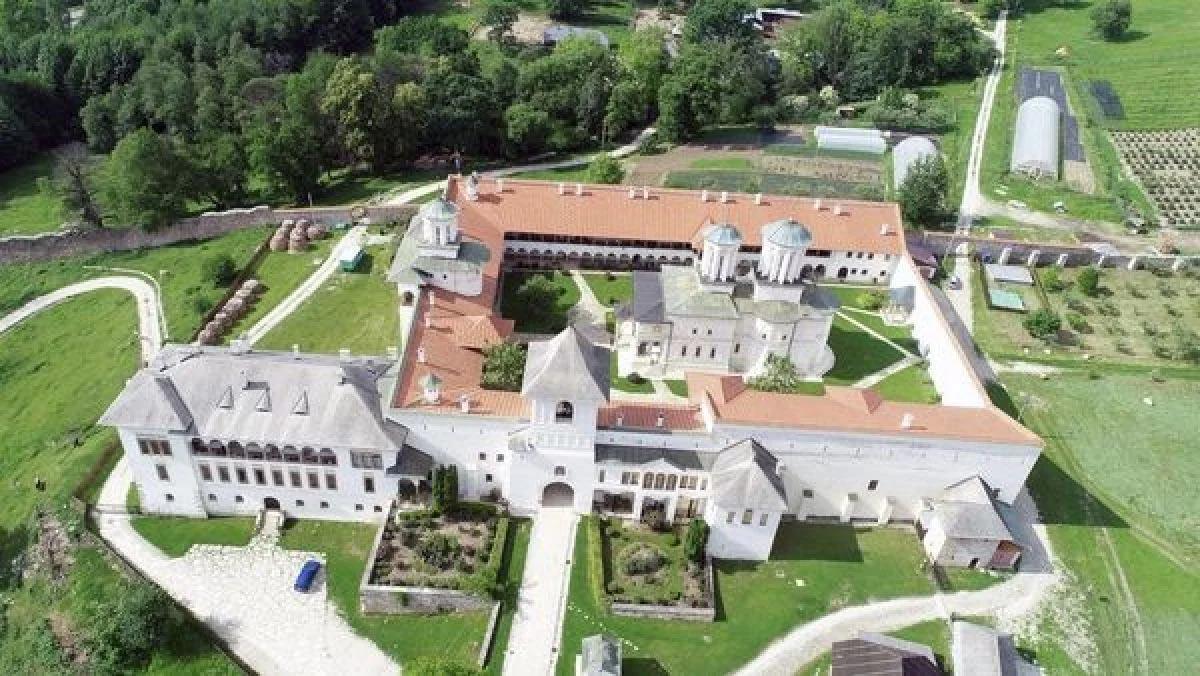
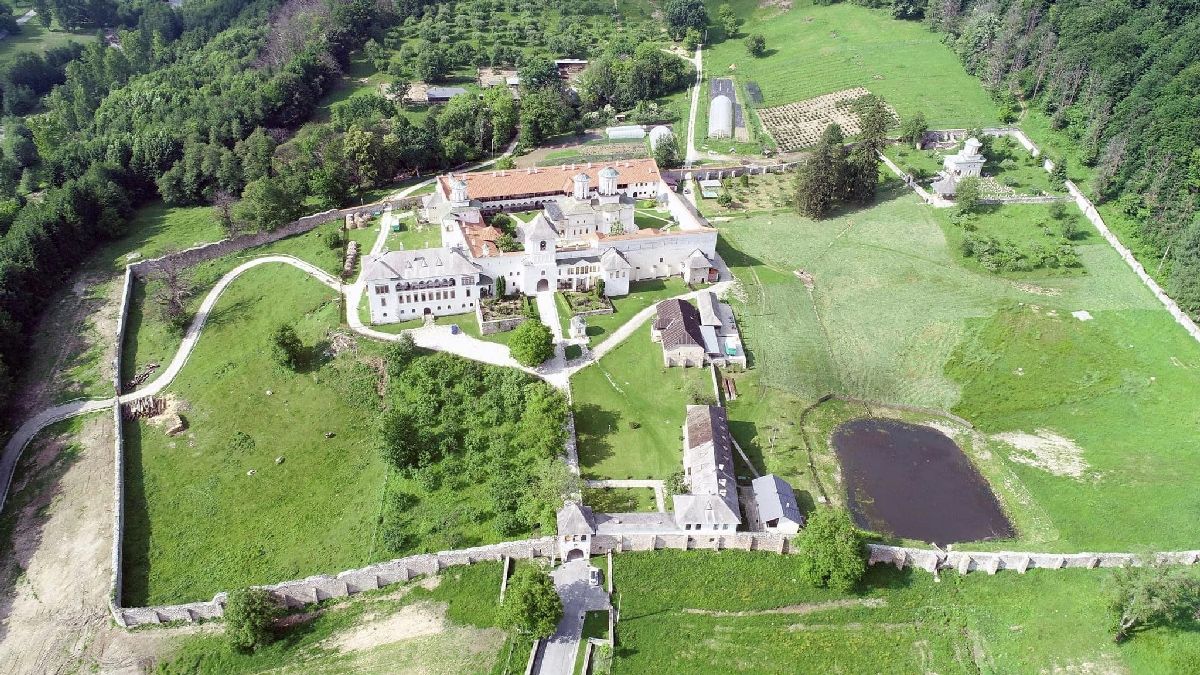
At the foot of Muntii Capatanii, a mountain range in the Transylvanian Alps, in the village of Romanii de Jos, the monastery is located about three kilometers (as the crow flies) north of the small town of Horezu.
The cries of nocturnal birds of prey (Romanian: huhurezi), which lived in the forests surrounding the monastery, probably gave the place its name. The monastery was founded in 1692 by the then Prince of Wallachia, Constantin Brancoveanu (1654–1714), and completed in 1709. Until 1862, it was a monastery for men. After the monks were transferred to Bistrița, nuns came to the monastery. The monastery complex has been restored several times since 1827 and is a listed building.
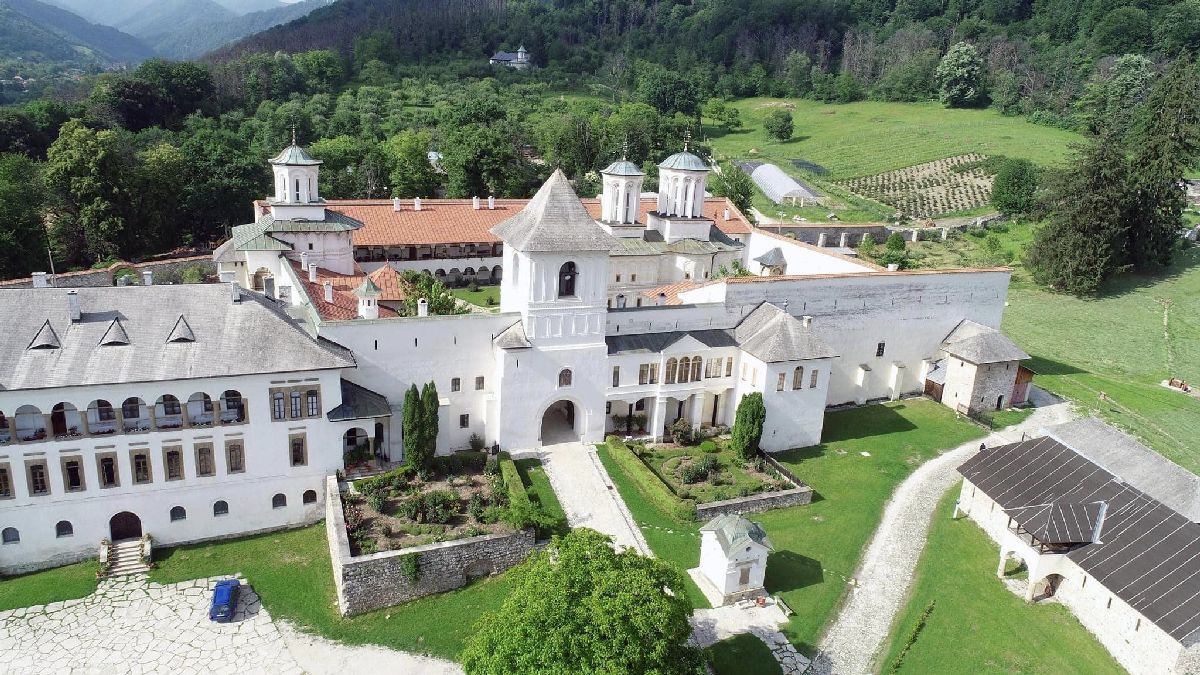
Located on a hill, the monastery complex is surrounded by two fortifications. The outer, smaller wall surrounds the entire monastery estate with its hermitages. The second is formed on three sides by buildings of varying heights and on the east by a wall. The entrance to the monastery is on the south side through a bell tower equipped with a massive wooden gate reinforced with steel. The monastery church of Sfintii Imparati Constantin si Elena in the center of the complex is built in the shape of a cross, is 32 meters long, 14 meters high, and was built between 1693 and 1697. In the vestibule of the church are several tombs, the most beautiful of which is decorated with marble and has a carved cover intended for Prince Brancoveanu, but it never served its purpose and was therefore never used. The large iconostasis is carved from linden wood and covered with gold.
The square chapel with an octagonal tower, whose windows are the chapel’s source of light, is located on the west side opposite the entrance to the church and was built in 1697. The chapel’s frescoes were created between 1705 and 1706 and are still in good condition today.
We would like to thank Centrul Național de Informare și Promovare Turistică Vâlcea for permission to use these images.
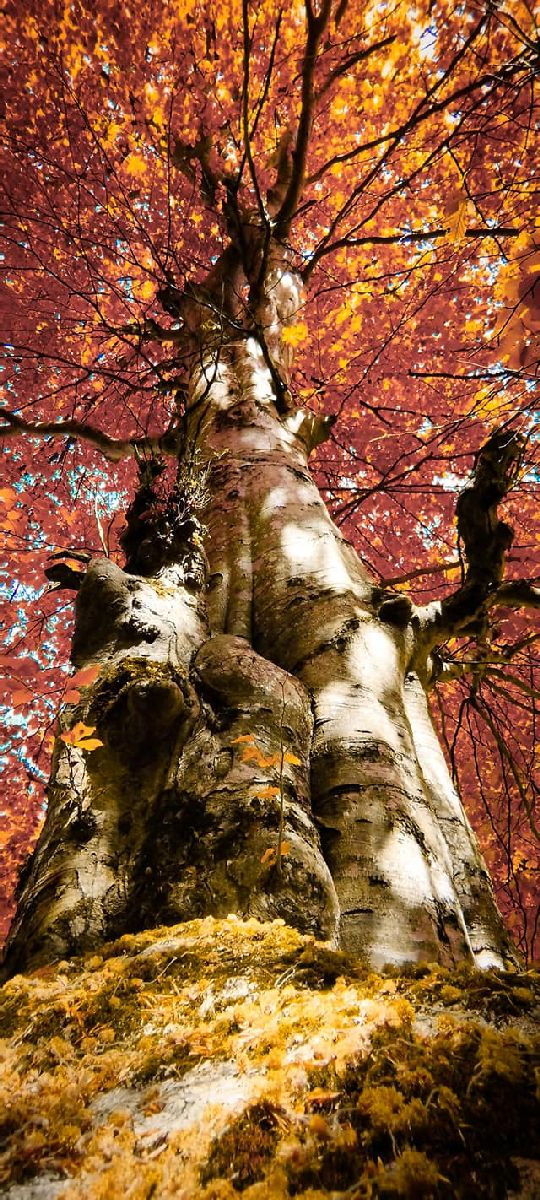
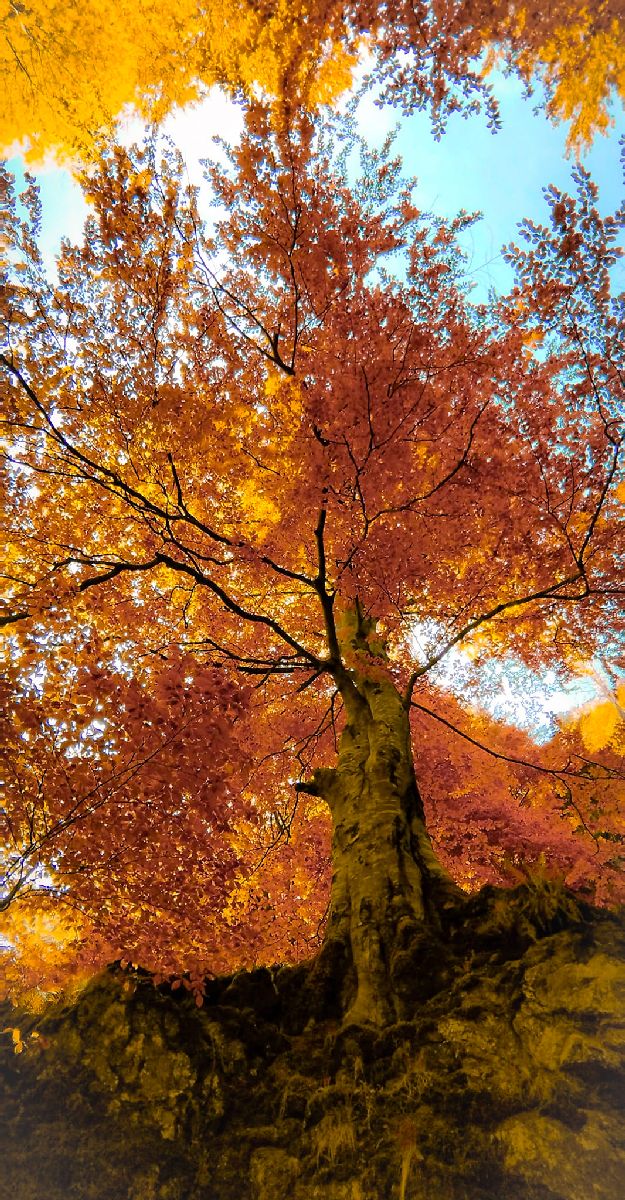
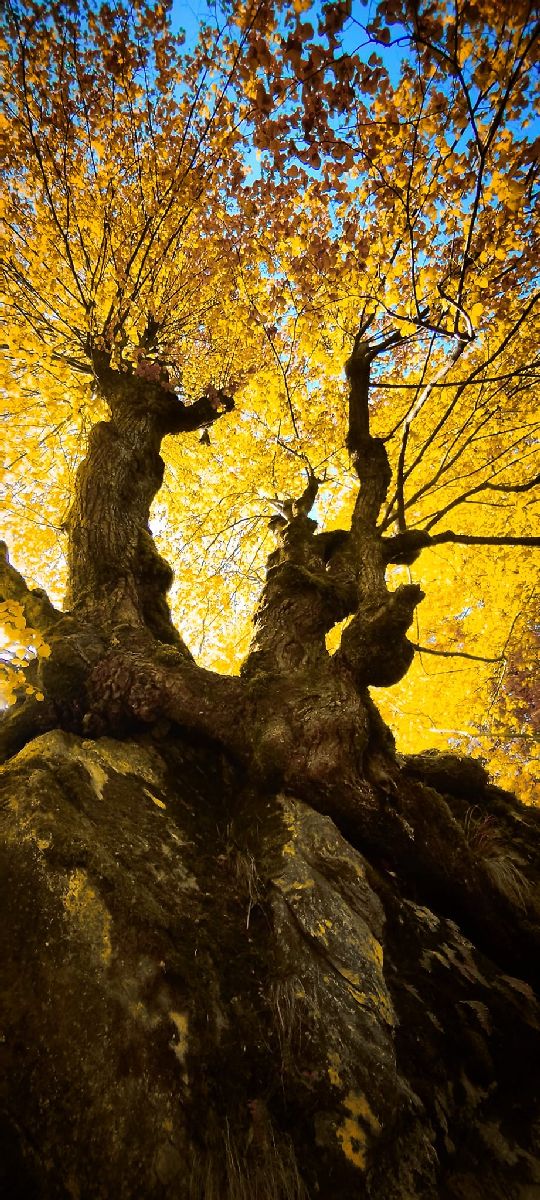
Autumn in Persani | Valcea County
(18 October 2024)
Perisani is a commune in the historical region of Muntenia in the north-east of Valcea County. It comprises eight villages: Baiasu, Mlaceni, Perisani, Podeni, Poiana, Pripoare, Spinu and Surdoiu.
We would like to thank the photographer, Ms Corina E. Mateescu, for permission to use these beautiful photographs (mid-October 2022).
Cozia National Park | Valcea County
(13 October 2024)
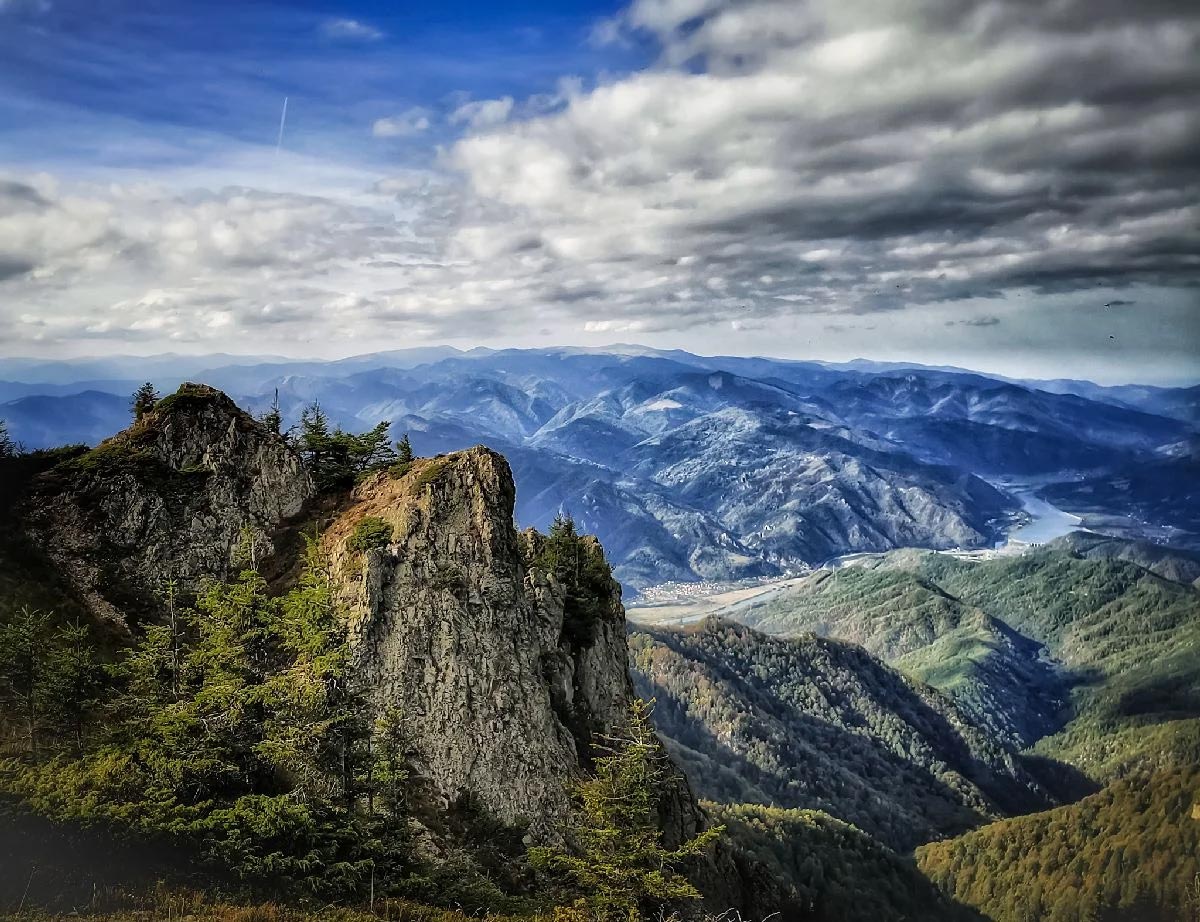
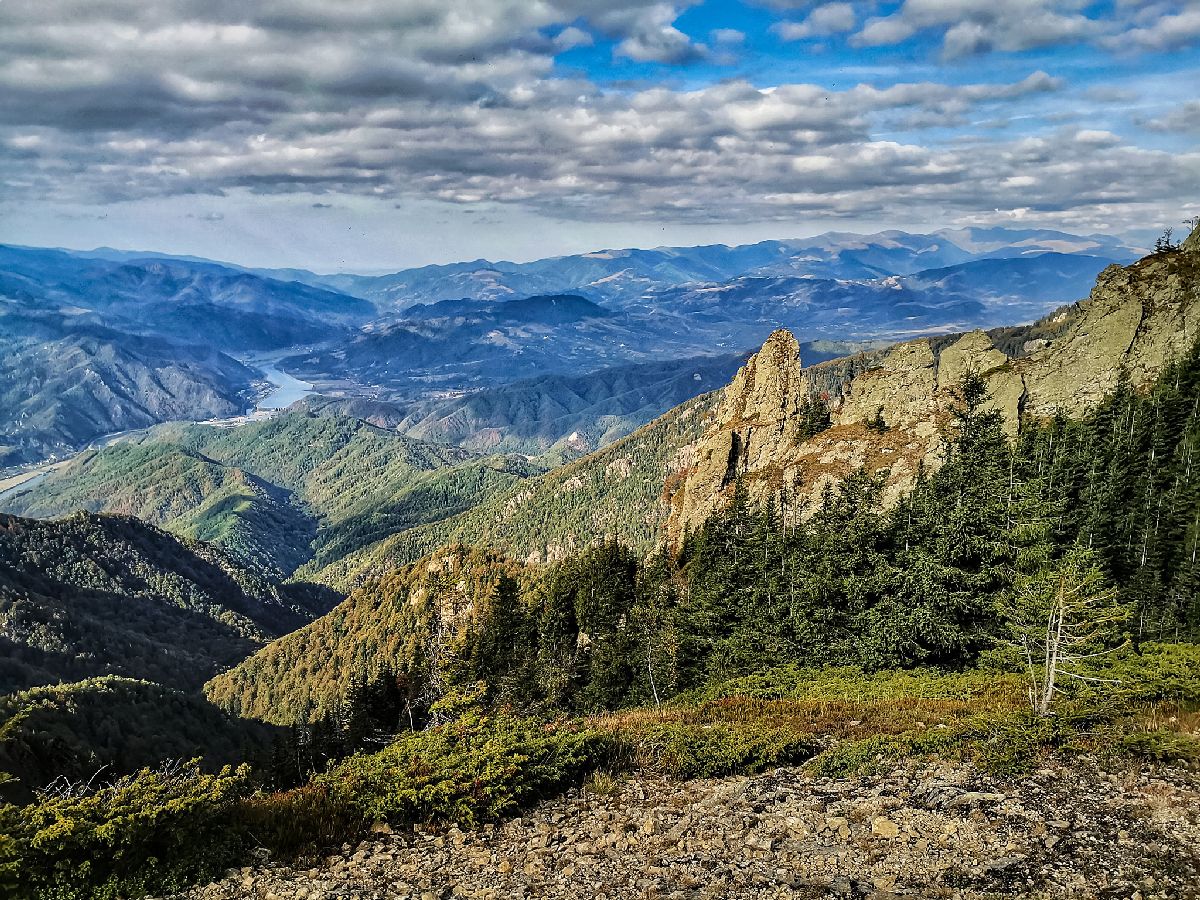
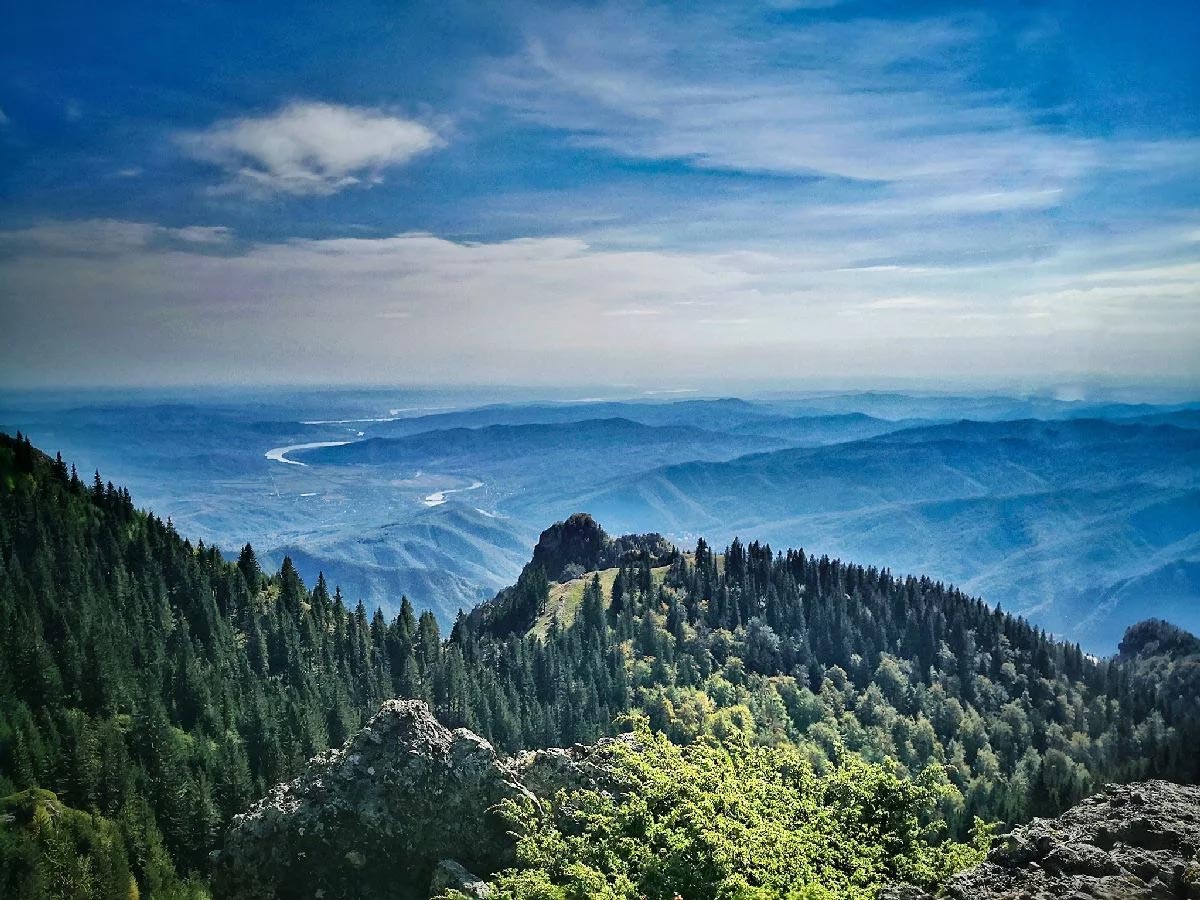
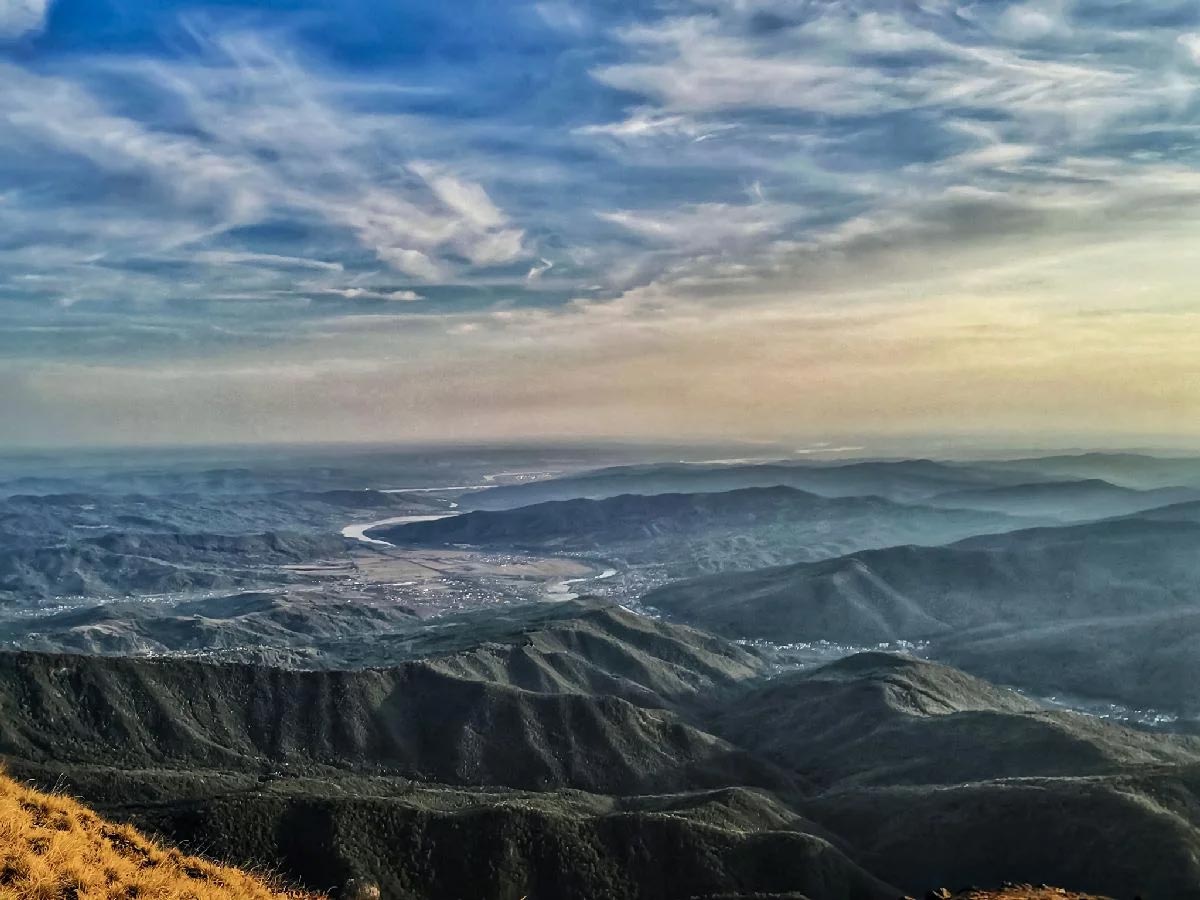
Cozia National Park (Parcul National) is situated in the north-eastern part of Valcea County, within the administrative area of the towns of Brezoi, Calimanesti, Racovita, Perisani, Salatrucel and Berislavesti.
https://discover-valcea.com | https://xn--urlaub-in-rumnien-2qb.de/
We would like to thank the photographer, Ms Corina E. Mateescu, for permission to use these images.
Cozia Monastery | Valcea County
(13 October 2024)
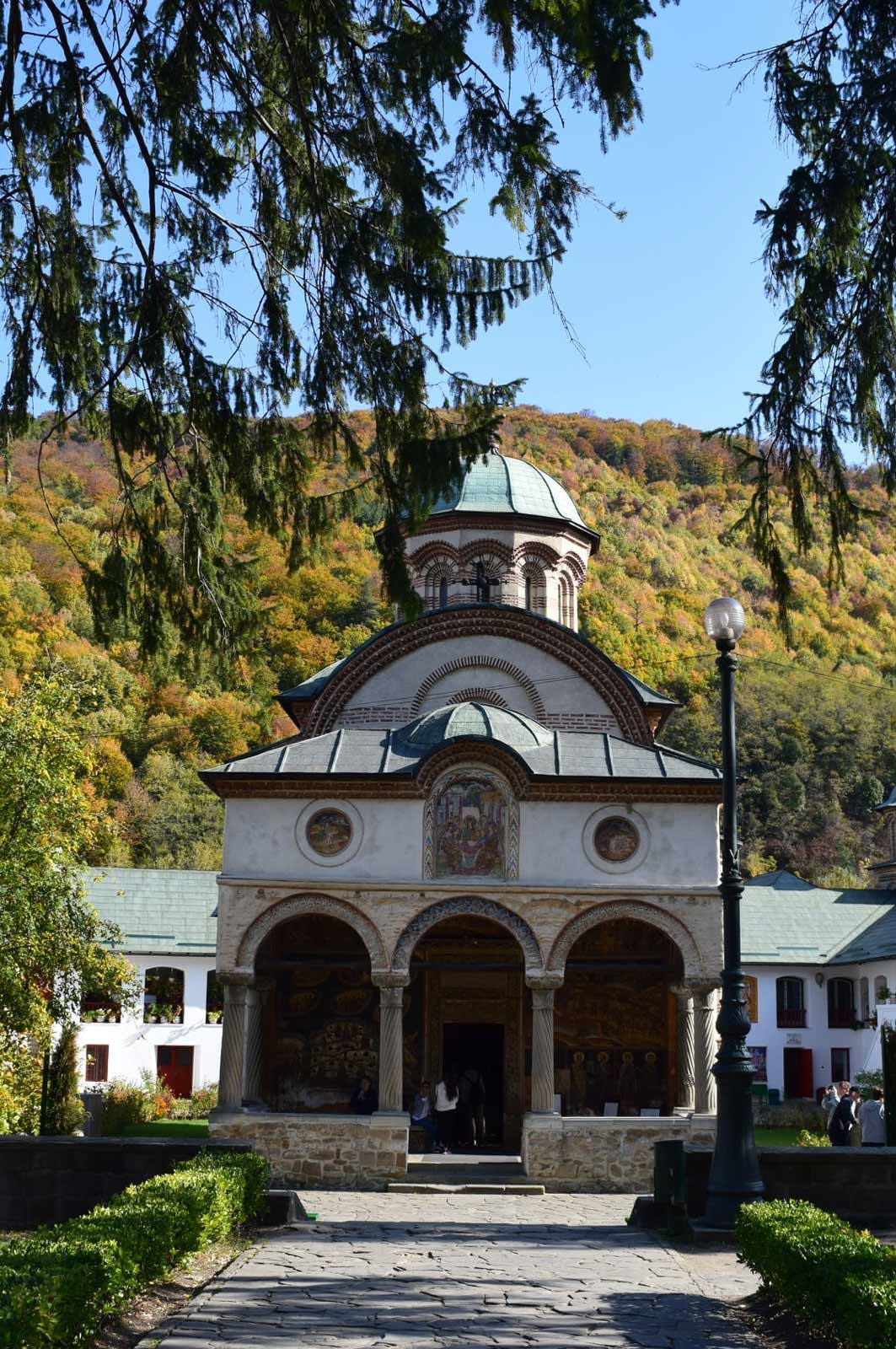
Cozia Monastery was founded in 1388 by Mircea the Elder near the village of Calimanesti on the River Olt. It is situated in Valcea County in the historical region of Wallachia.
We would like to thank Centrul Național de Informare și Promovare Turistică Vâlcea (National Centre for Tourism Information and Promotion Vâlcea) for permission to use these images.
Manastirea Hurezi (Horezu Monastery) | Valcea County
(9 October 2024)
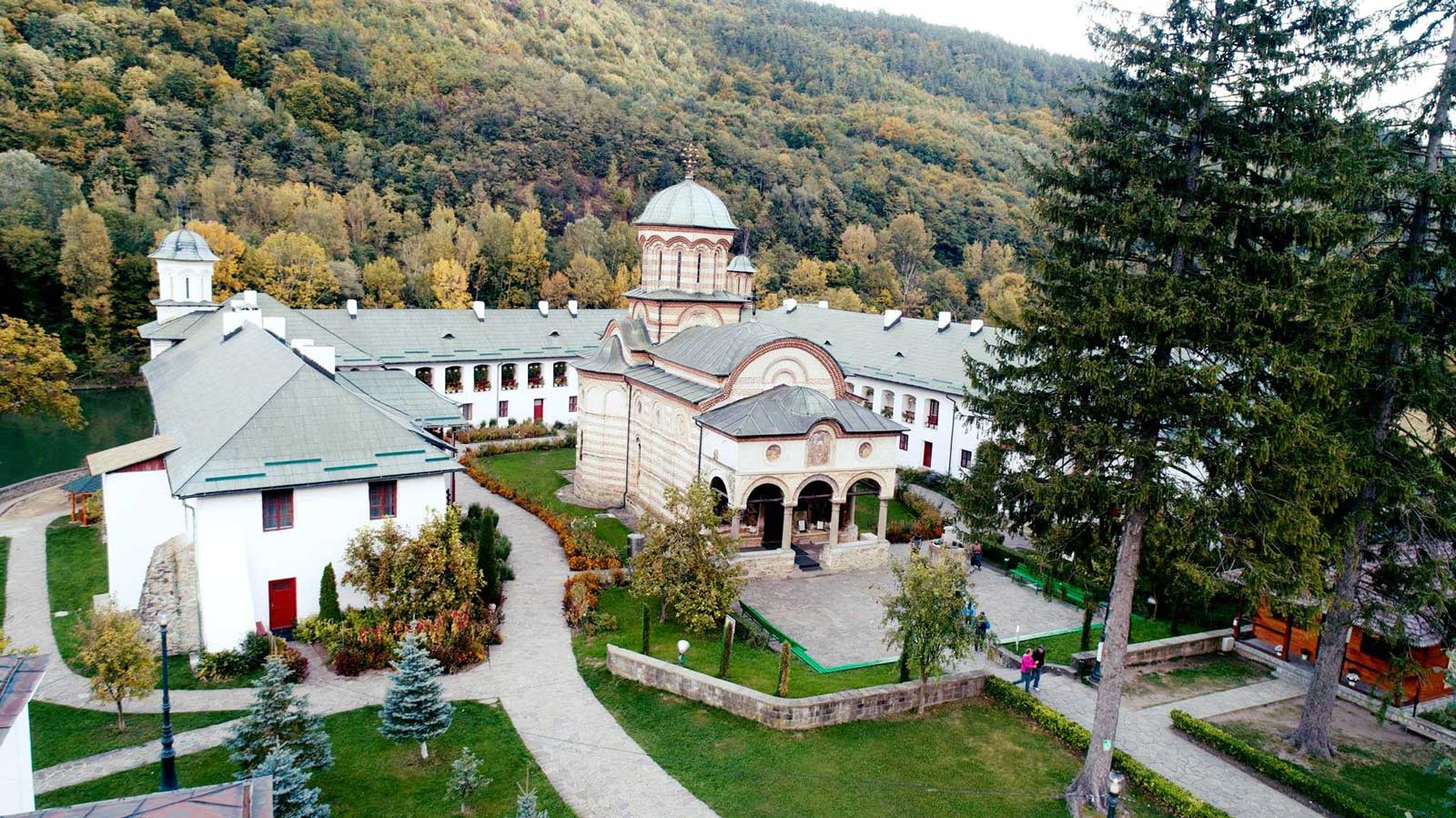
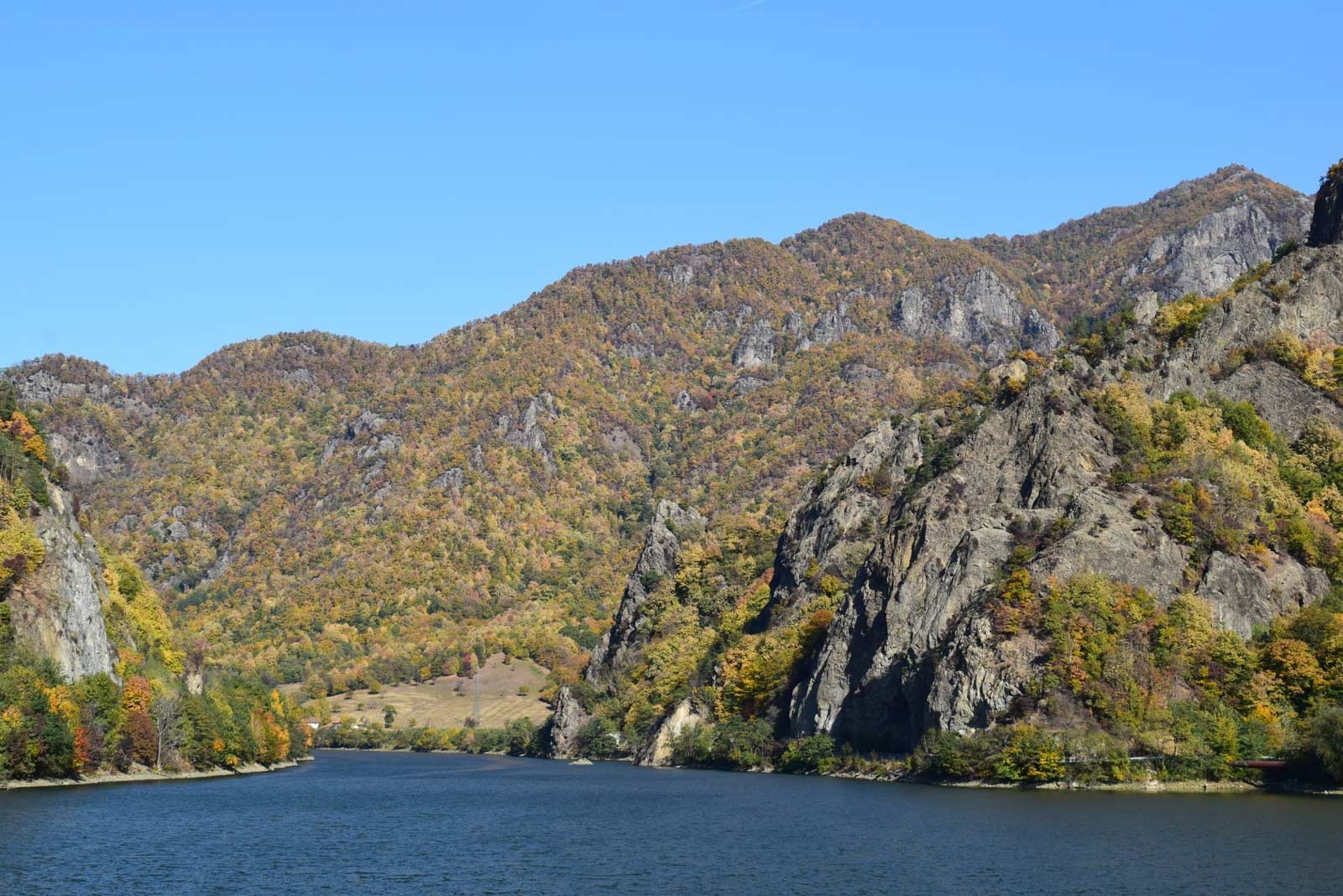
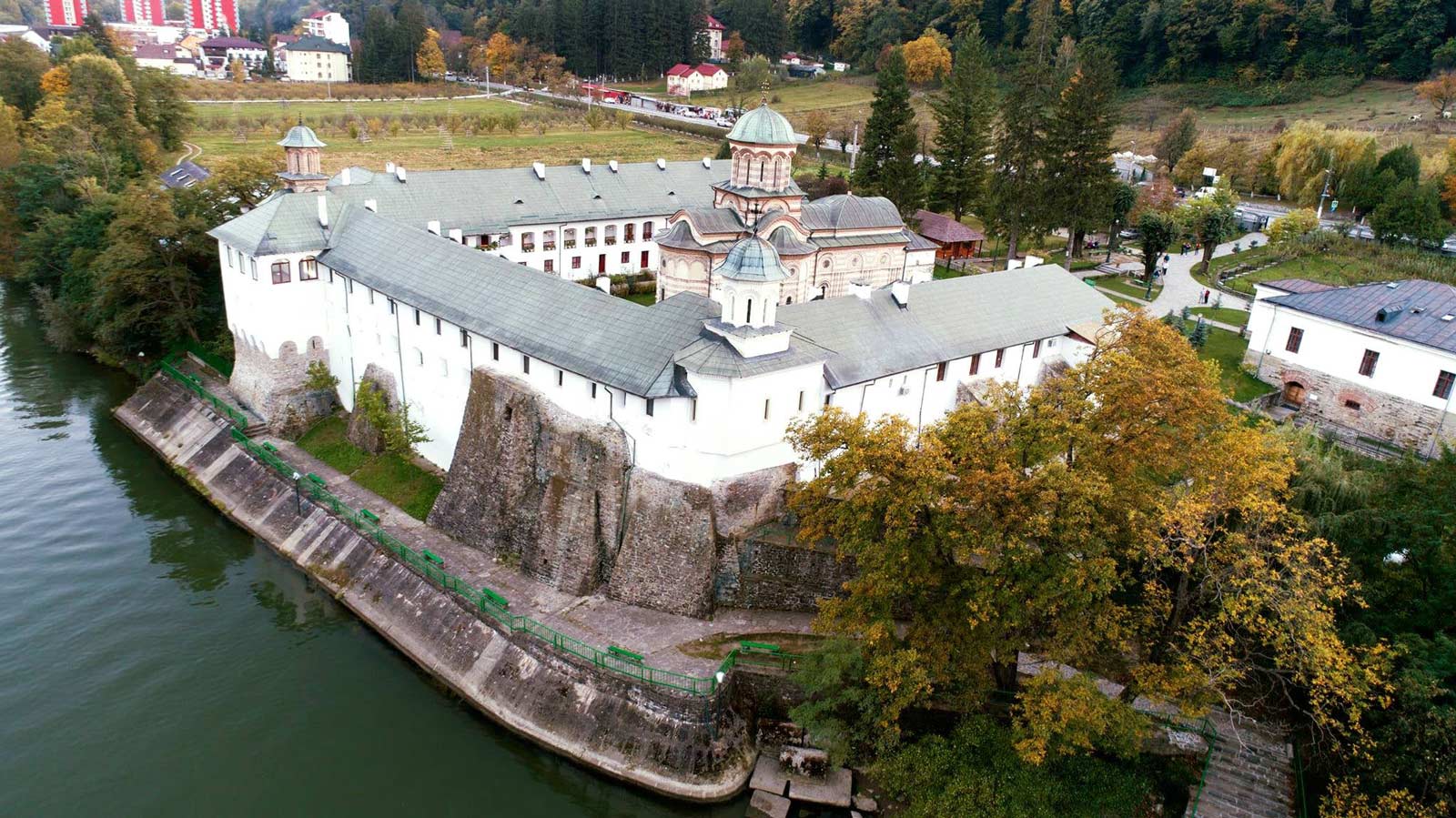
Horezu Monastery is a Romanian Orthodox nunnery located in the historic region of Little Wallachia in Valcea County.
https://xn--urlaub-in-rumnien-2qb.de/…/ausflugsziele…/
https://xn--urlaub-in-rumnien-2qb.de/…/destinations…/
https://xn--urlaub-in-rumnien -2qb.de/ro/uir/en-vizitat-locatii-de-vizitat-manastirea-horezu/
At the foot of Muntii Capatanii, a mountain range in the Transylvanian Alps, in the village of Romanii de Jos, the monastery is located about three kilometers (as the crow flies) north of the small town of Horezu.
The cries of nocturnal birds of prey (Romanian: huhurezi), which lived in the forests surrounding the monastery, probably gave the place its name. The monastery was founded in 1692 by the then Prince of Wallachia, Constantin Brancoveanu (1654–1714), and completed in 1709. Until 1862, it was a monastery for men. After the monks were transferred to Bistrița, nuns came to the monastery. The monastery complex has been restored several times since 1827 and is a listed building.
Located on a hill, the monastery complex is surrounded by two fortifications. The outer, smaller wall surrounds the entire monastery estate with its hermitages. The second is formed on three sides by buildings of varying heights and on the east by a wall. The entrance to the monastery is on the south side through a bell tower equipped with a massive wooden gate reinforced with steel. The monastery church of Sfintii Imparati Constantin si Elena in the center of the complex is built in the shape of a cross, is 32 meters long, 14 meters high, and was built between 1693 and 1697. In the vestibule of the church are several tombs, the most beautiful of which is decorated with marble and has a carved cover intended for Prince Brancoveanu, but it never served its purpose and was therefore never used. The large iconostasis is carved from linden wood and covered with gold.
The square chapel with an octagonal tower, whose windows are the chapel’s source of light, is located on the west side opposite the entrance to the church and was built in 1697. The chapel’s frescoes were created between 1705 and 1706 and are still in good condition today.
We would like to thank Centrul Național de Informare și Promovare Turistică Vâlcea for permission to use these images.
Hotel Hanul Vatra | Landkreis Valcea
(4. Oktober 2024)
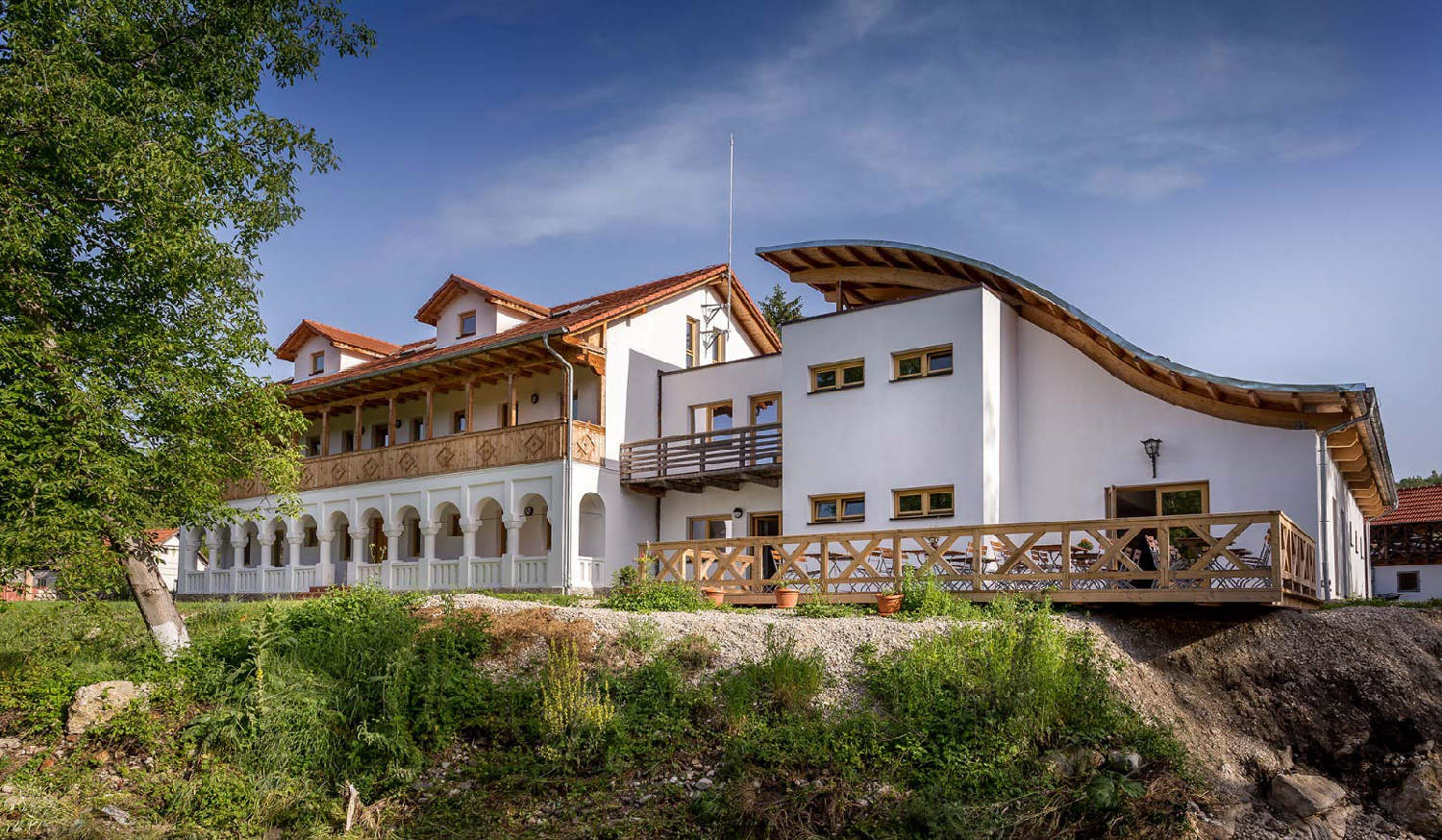
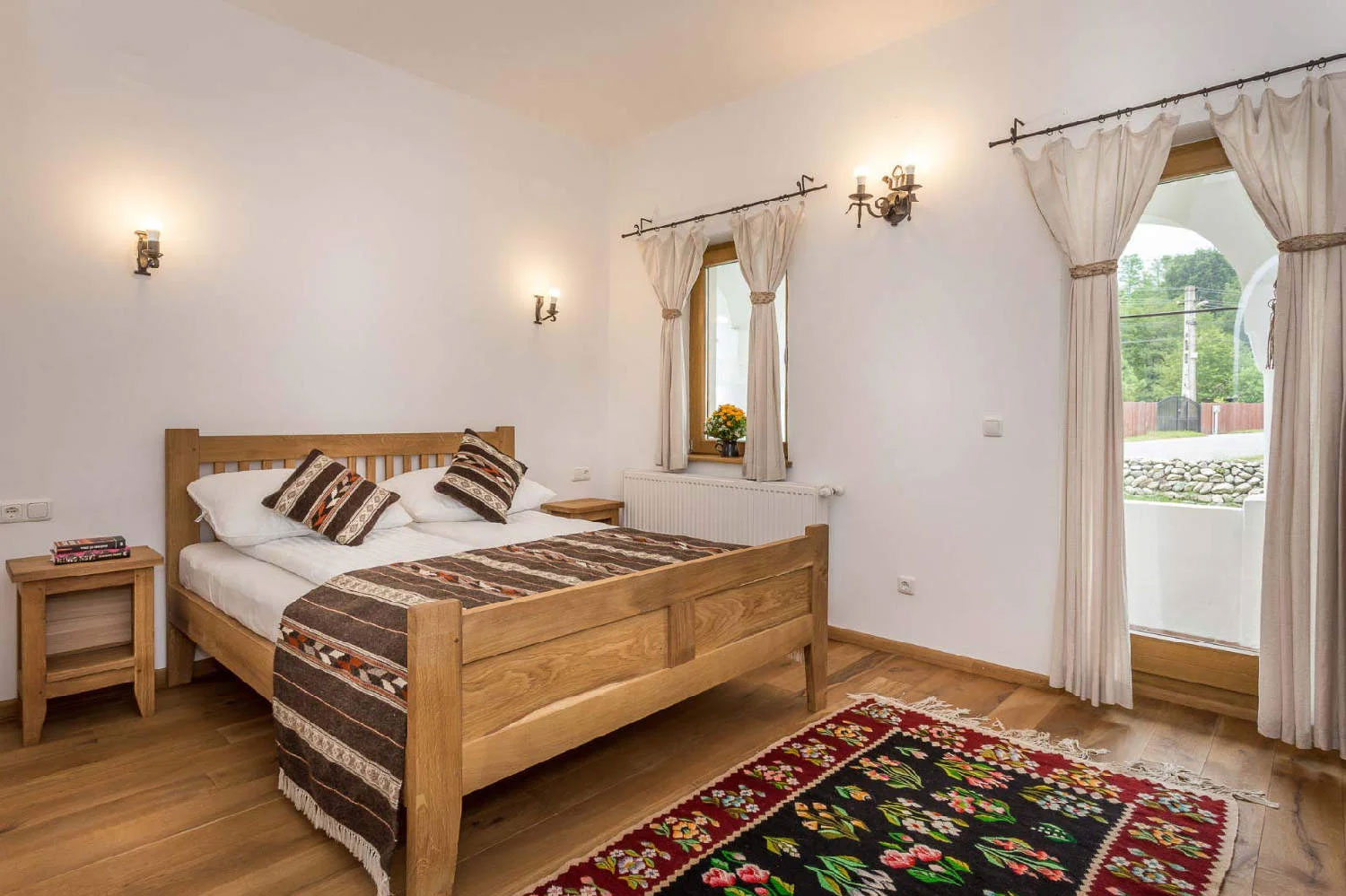
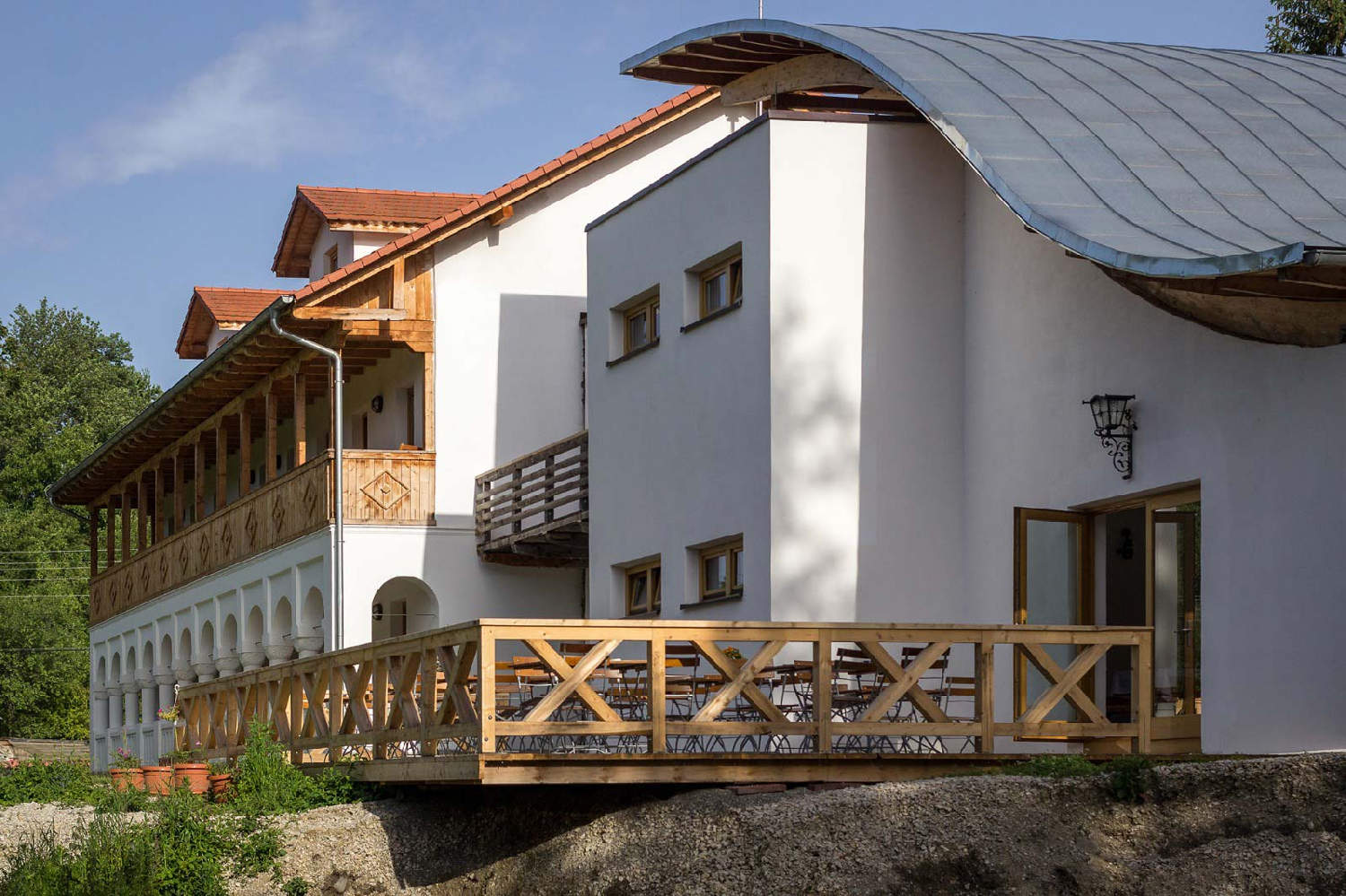
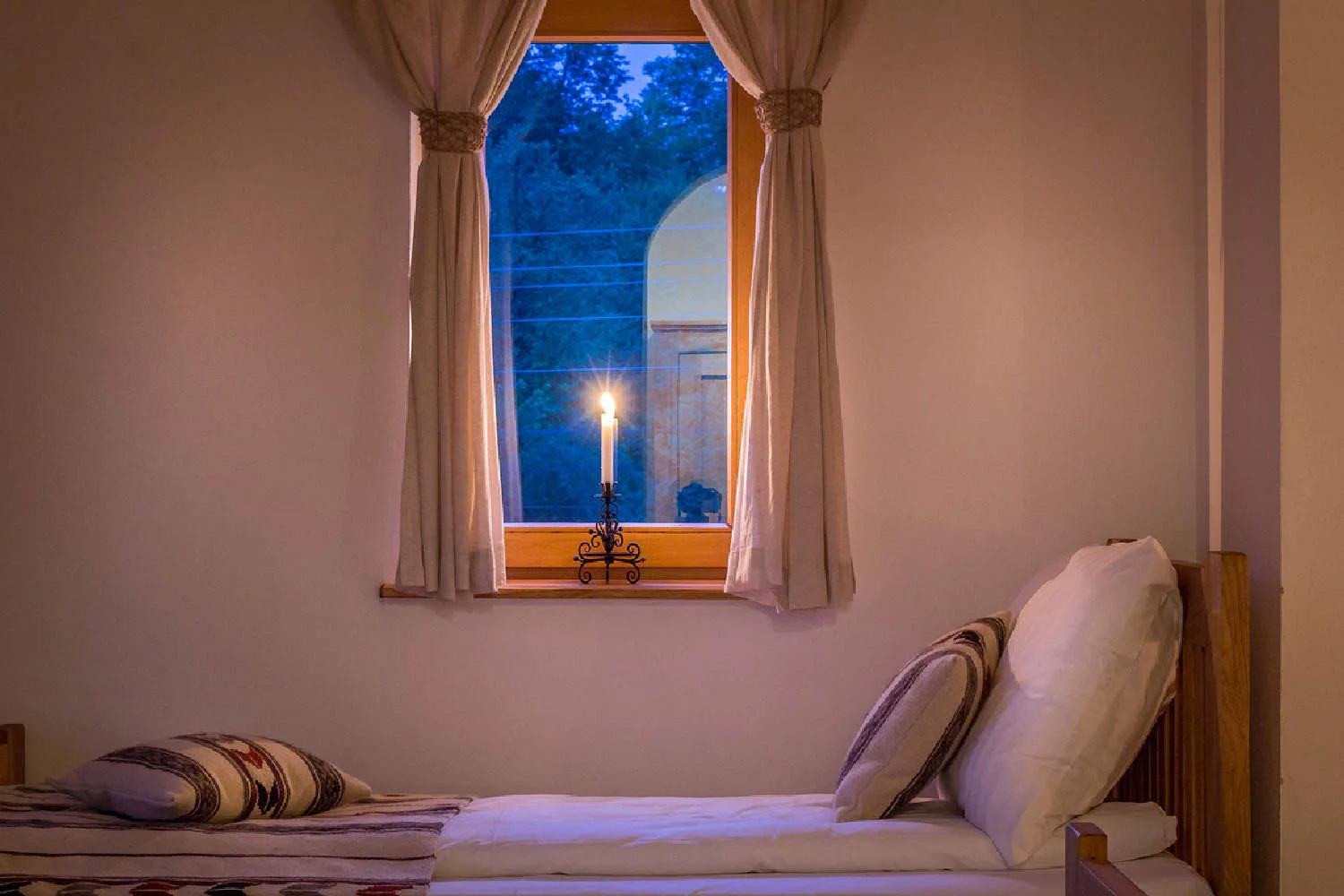
Das Hotel ist der ideale Ort für ein Wochenende im Grünen, abseits des Lärms der Großstadt. Für private Feiern, Wanderungen mit Freunden in den Bergen, Kurse, Teambuilding-Meetings oder einfach zum Entspannen.
In der Nähe finden Sie viele besuchenswerte Ziele wie z.B. das Mănăstirea Hurezi (Kloster Horezu).
Mehr über diesen deutschsprachigen Gastgeber erfahren:
https://urlaub-in-rumänien.de/de/uir/das-hanul-vatra/
Wasserfall Scorus | Landkreis Valcea
(3. Oktober 2024)
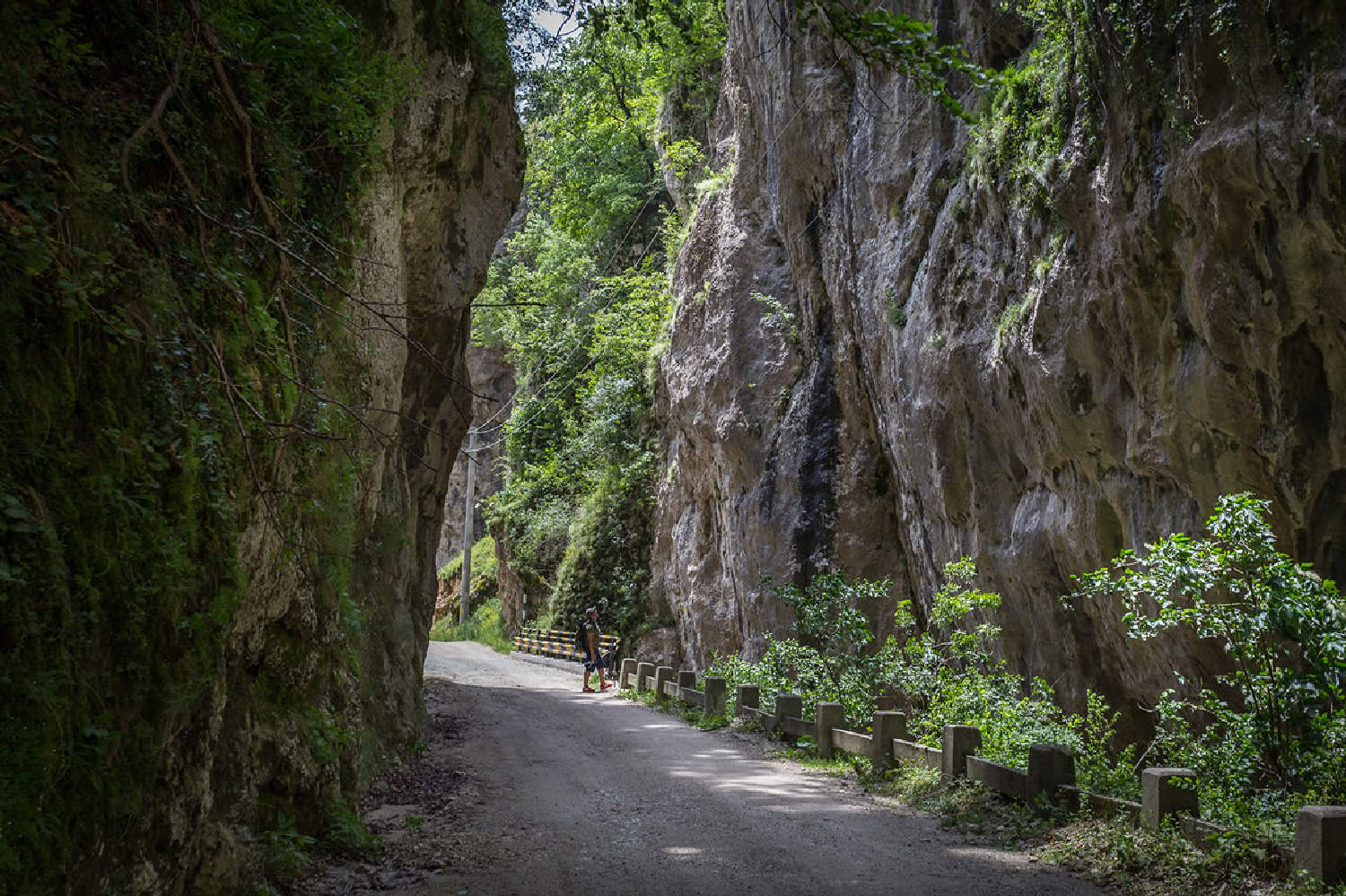
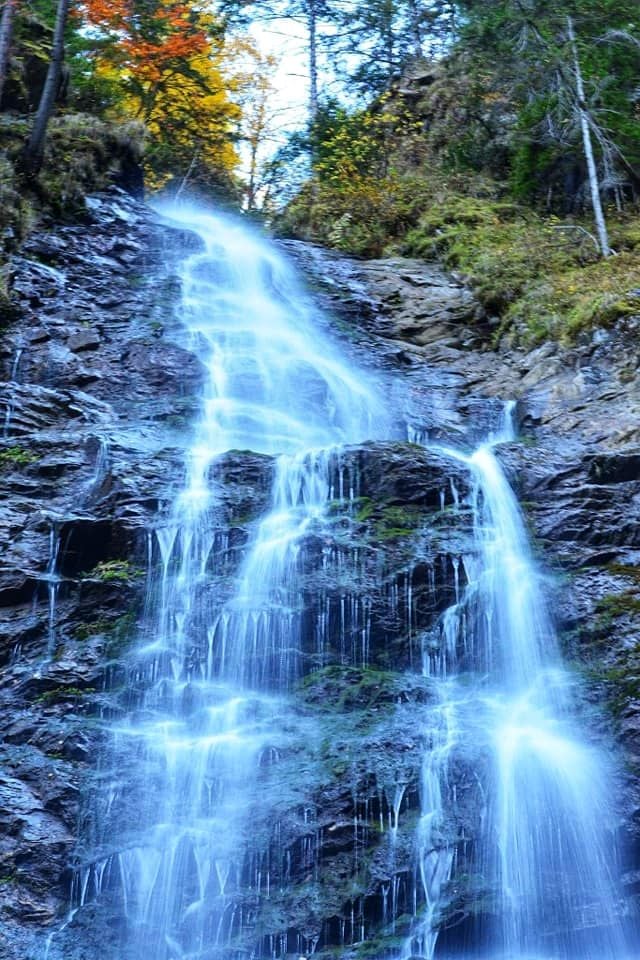
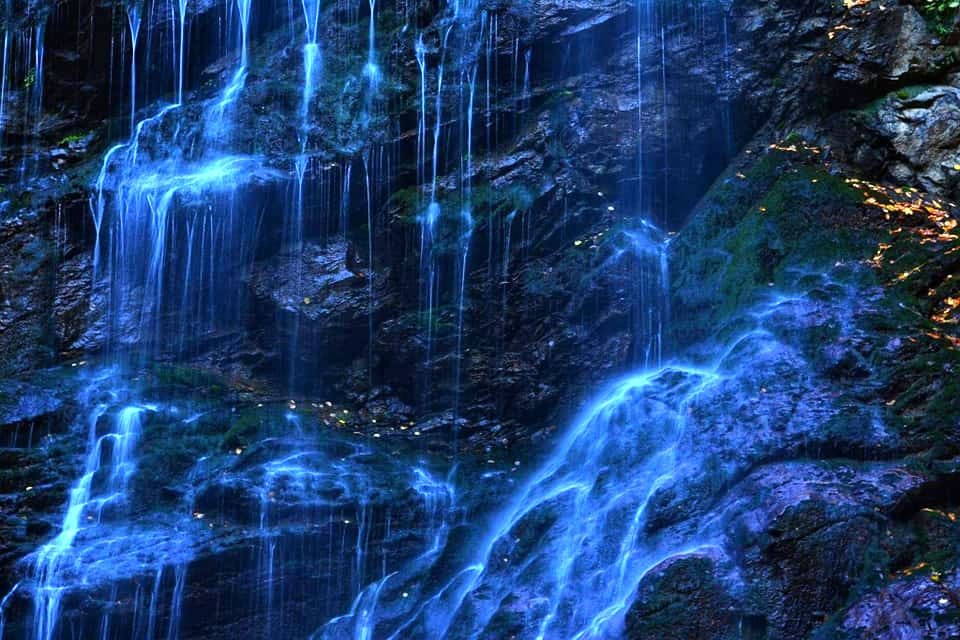
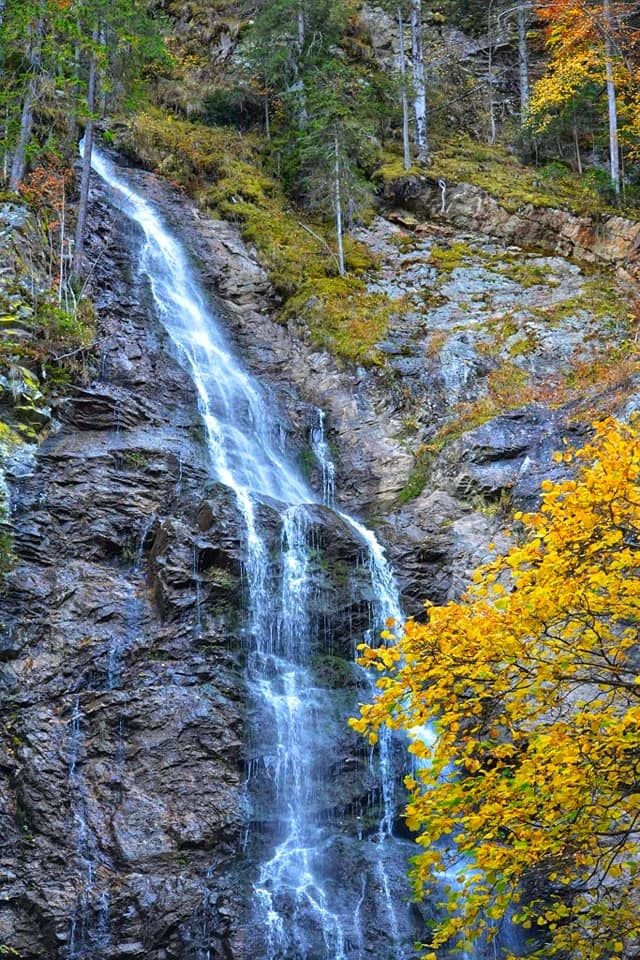
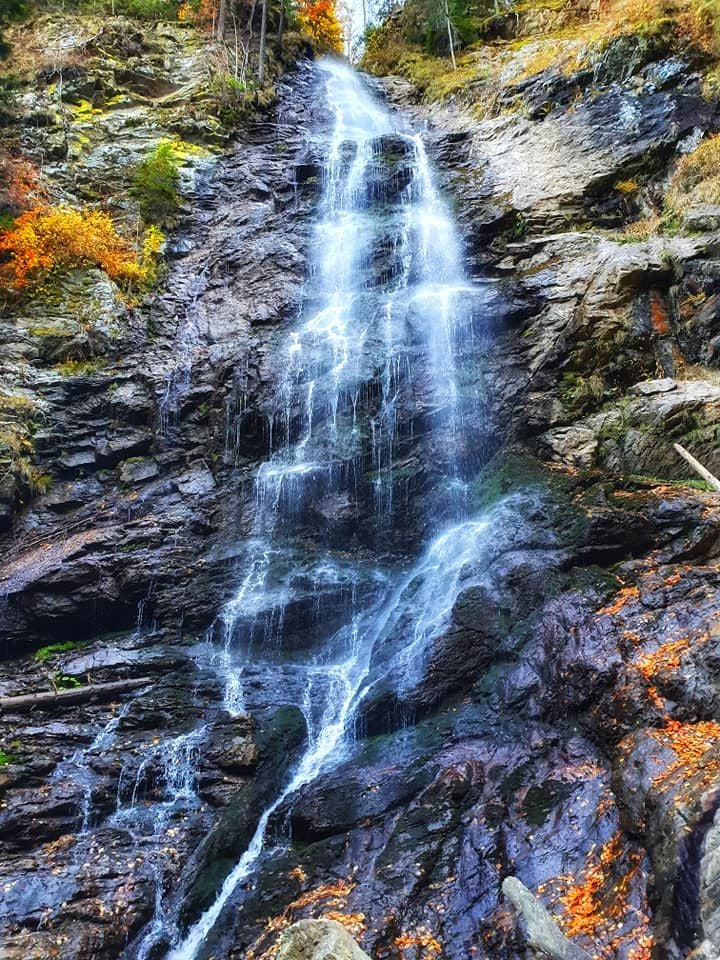
Am Oberlauf des Flusses Bucureasa Mare befindet sich eine Vielzahl von Wasserfällen, von denen der Scoruș Wasserfall sicherlich einen Besuch wert ist.
Der Wasserfall liegt nahe dem Ort / der Gemeinde Mălaia im Landkreis Vâlcea im Südwesten von Rumämien.
Unsere Übersichtskarte aller Landkreise mit Infos, Posts und mehr
Wir danken La pas..prin România frumoasa für die Erlaubnis diese Bilder zu verwenden.
Manastirea Hurezi (Horezu Monastery) | Valcea County
(30 September 2024)
Horezu Monastery is a Romanian Orthodox nunnery located in the historic region of Little Wallachia in Valcea County.
https://xn--urlaub-in-rumnien-2qb.de/…/ausflugsziele…/
https://xn--urlaub-in-rumnien-2qb.de/…/destinations…/
https://xn--urlaub-in-rumnien -2qb.de/ro/uir/en-vizitat-locatii-de-vizitat-manastirea-horezu/
At the foot of Muntii Capatanii, a mountain range in the Transylvanian Alps, in the village of Romanii de Jos, the monastery is located about three kilometers (as the crow flies) north of the small town of Horezu.
The cries of nocturnal birds of prey (Romanian: huhurezi), which lived in the forests surrounding the monastery, probably gave the place its name. The monastery was founded in 1692 by the then Prince of Wallachia, Constantin Brancoveanu (1654–1714), and completed in 1709. Until 1862, it was a monastery for men. After the monks were transferred to Bistrița, nuns came to the monastery. The monastery complex has been restored several times since 1827 and is a listed building.
Located on a hill, the monastery complex is surrounded by two fortifications. The outer, smaller wall surrounds the entire monastery estate with its hermitages. The second is formed on three sides by buildings of varying heights and on the east by a wall. The entrance to the monastery is on the south side through a bell tower equipped with a massive wooden gate reinforced with steel. The monastery church of Sfintii Imparati Constantin si Elena in the center of the complex is built in the shape of a cross, is 32 meters long, 14 meters high, and was built between 1693 and 1697. In the vestibule of the church are several tombs, the most beautiful of which is decorated with marble and has a carved cover intended for Prince Brancoveanu, but it never served its purpose and was therefore never used. The large iconostasis is carved from linden wood and covered with gold.
The square chapel with an octagonal tower, whose windows are the chapel’s source of light, is located on the west side opposite the entrance to the church and was built in 1697. The chapel’s frescoes were created between 1705 and 1706 and are still in good condition today.
We would like to thank Centrul Național de Informare și Promovare Turistică Vâlcea for permission to use these images.
Vacation 2024 / 2025 in Valcea County | Impressions | Beautiful
(26 September 2024)
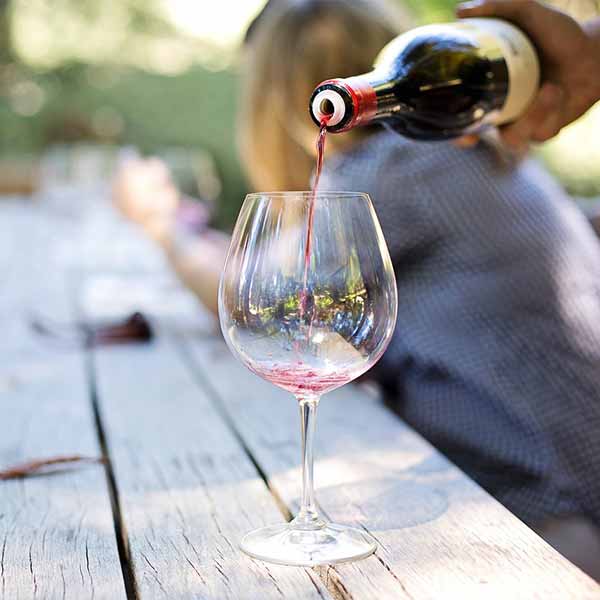
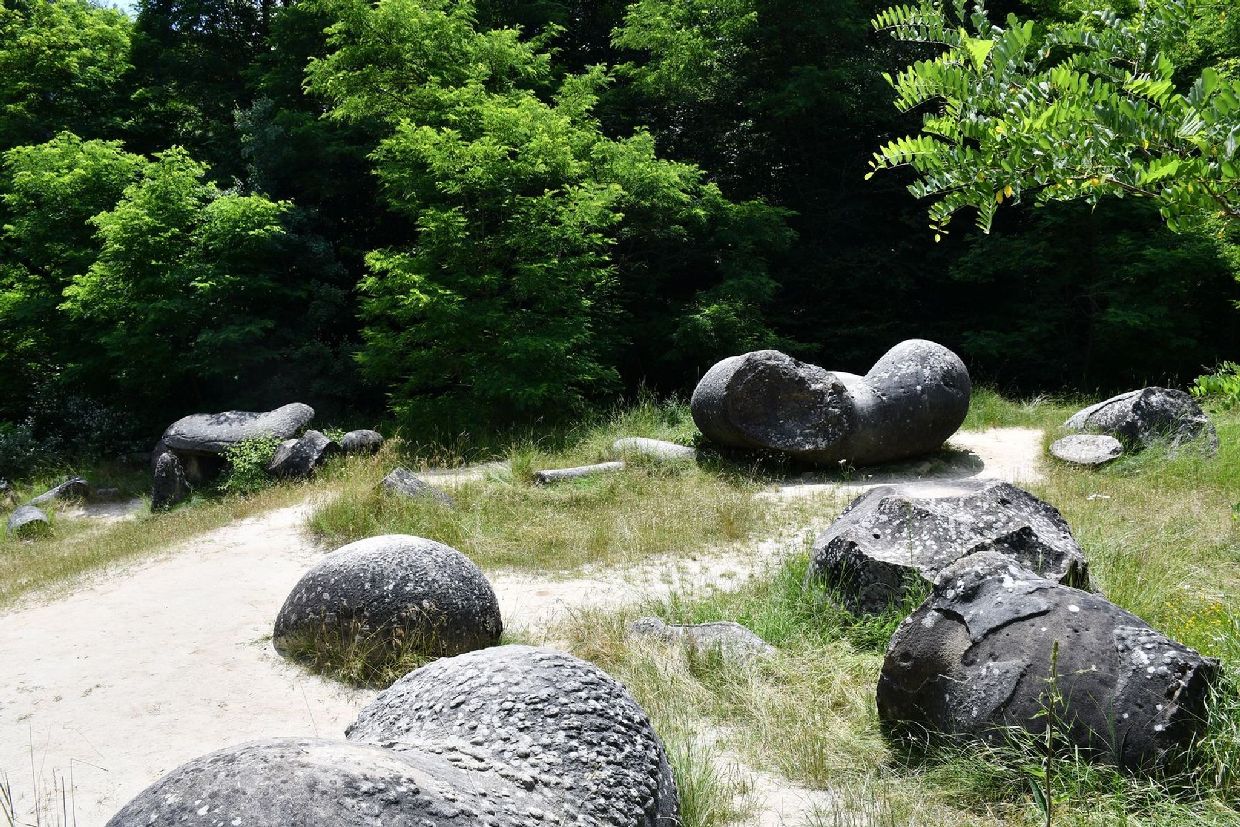
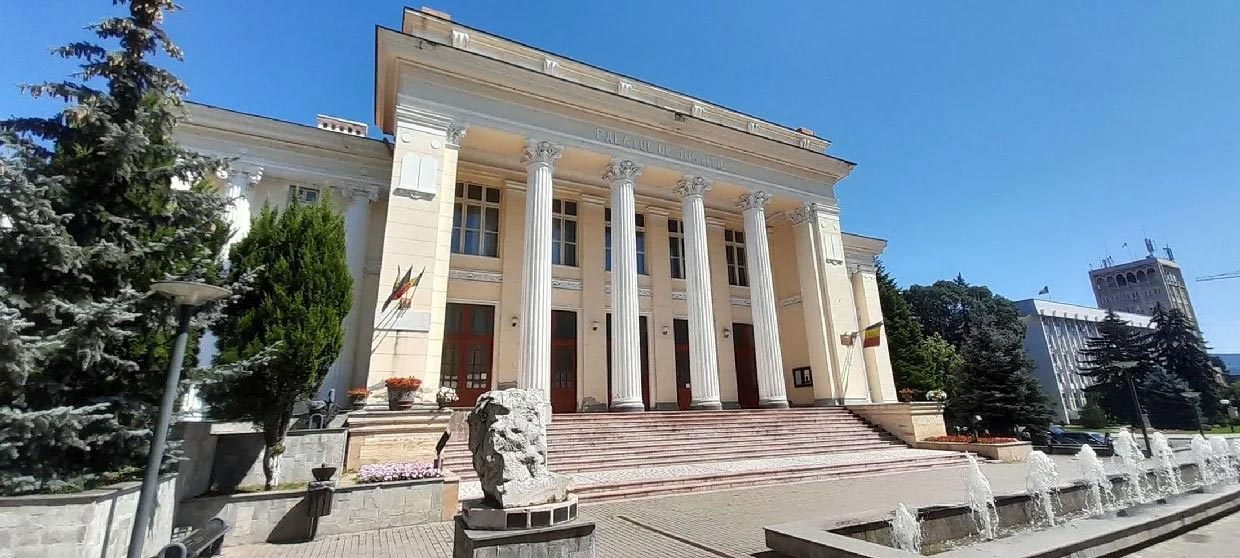
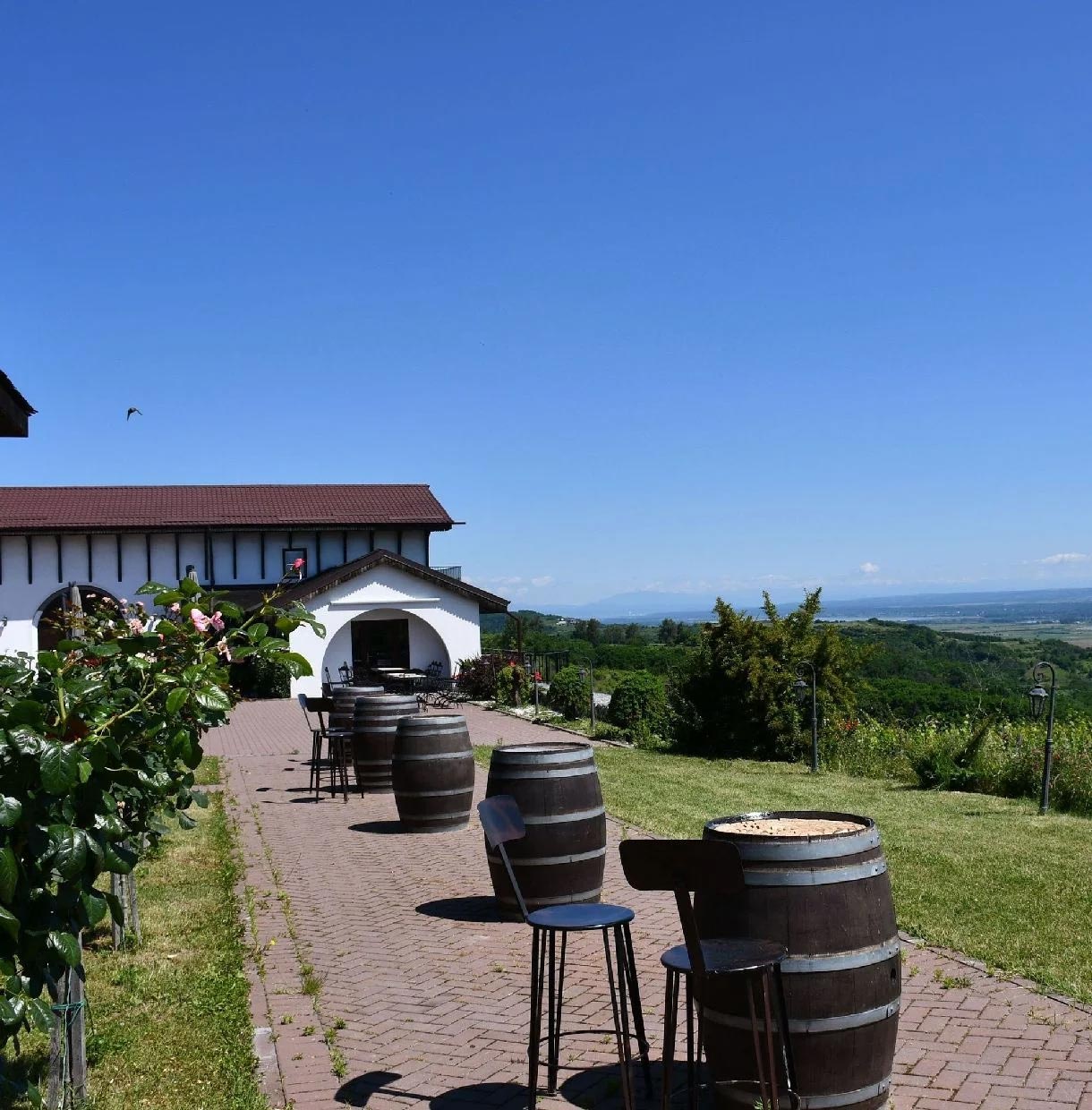
Photos from Valcea County from the summer of 2023. Perfect for anyone who loves relaxation, healing springs and waters, nature, tradition, or even wine and good food.
Buila Vanturarita National Park in Autumn | Valcea County
(19 September 2024)
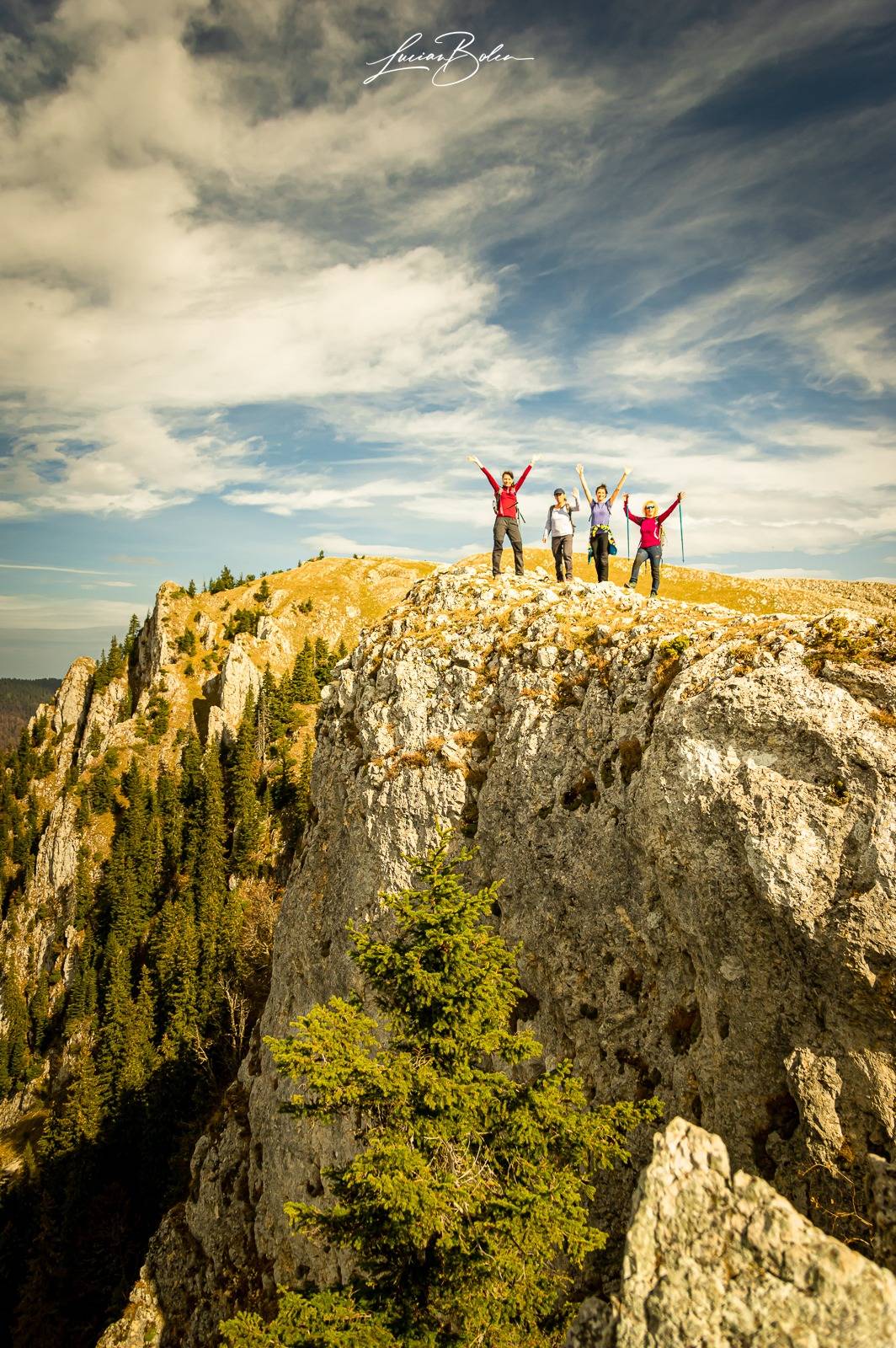
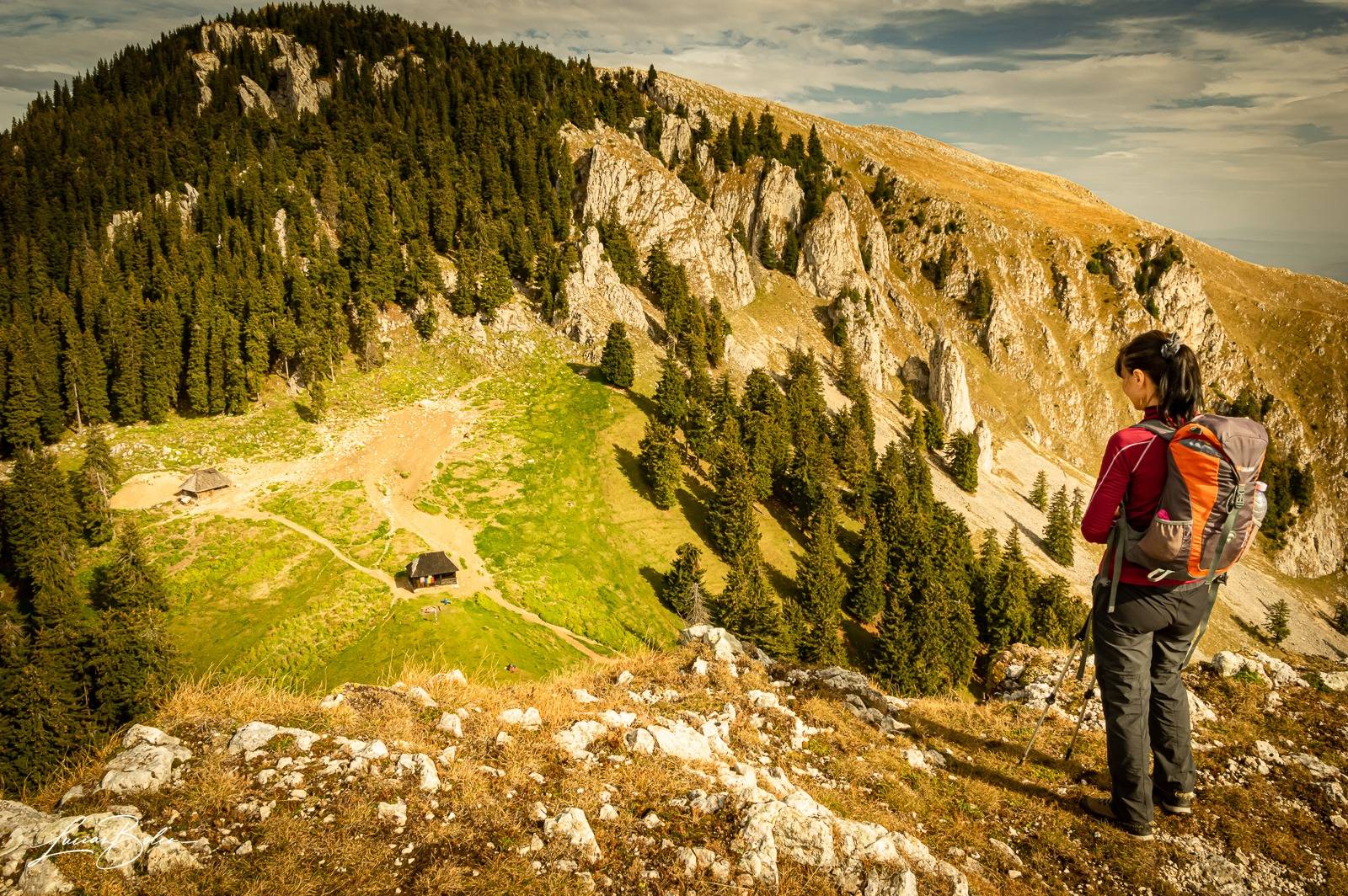
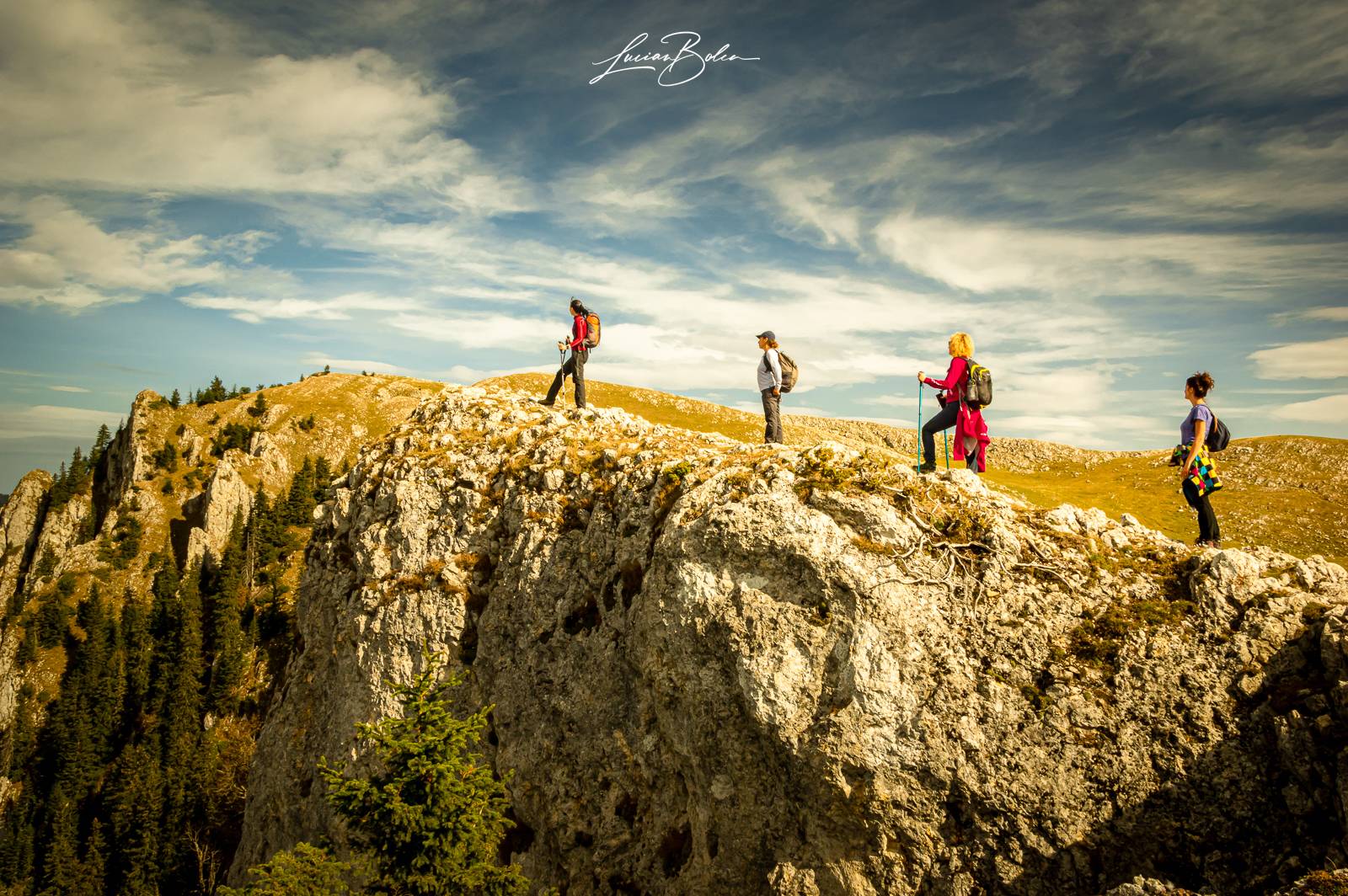
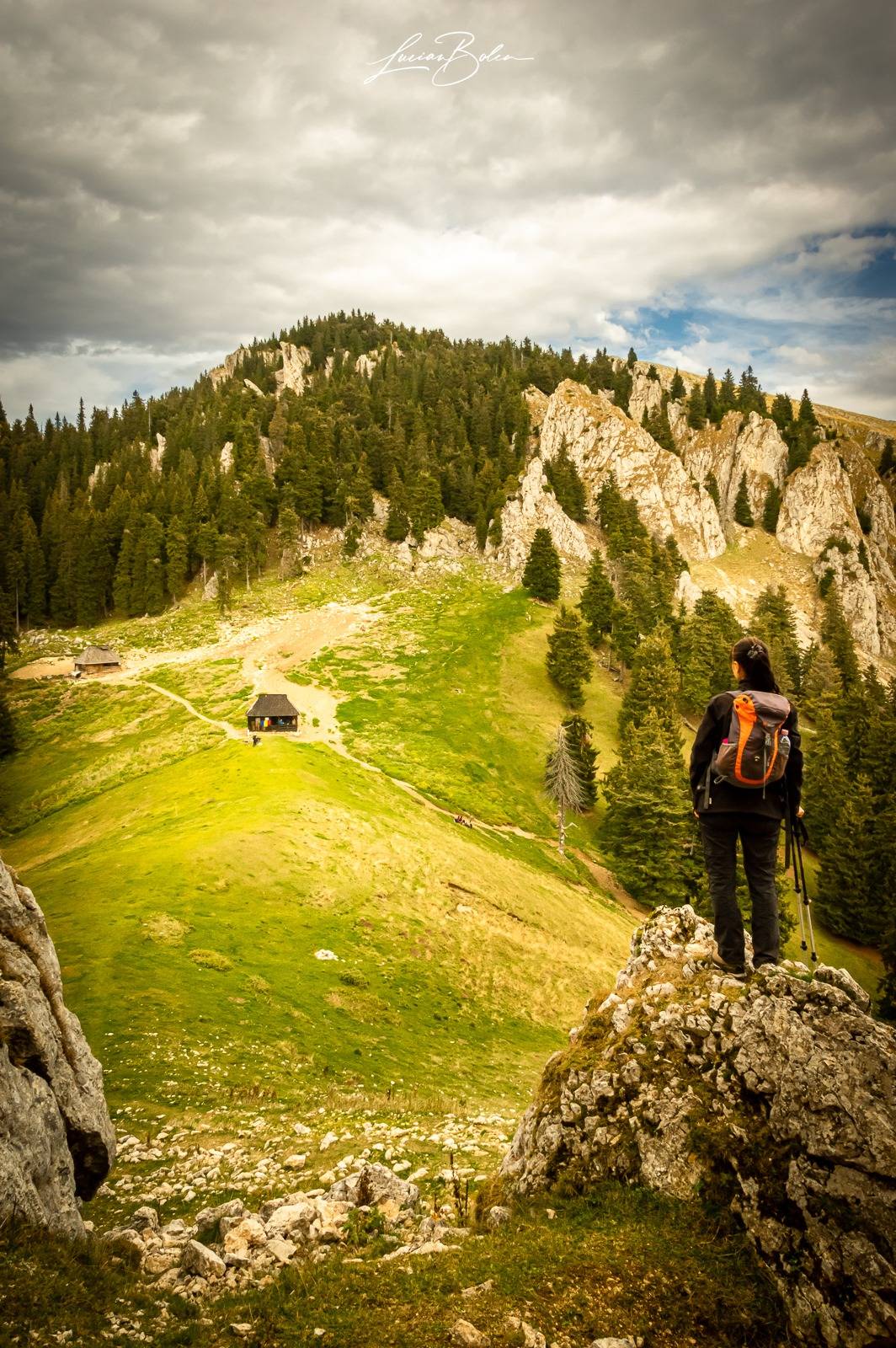
The national park is located in the western part of Valcea County (near the border with Gorj County), south of the Capatanii Mountains and within the municipalities of Costesti, Barbati, and Baile Olanesti.
https://discover-valcea.com | https://xn--willkommen-in-rumnien-m2b.de/
We would like to thank photographer Lucian Bolca (facebook.com/boiolu) for permission to use these images.
Salt mines :: Turda | Slanic Prahova | Praid
(14 September 2024)
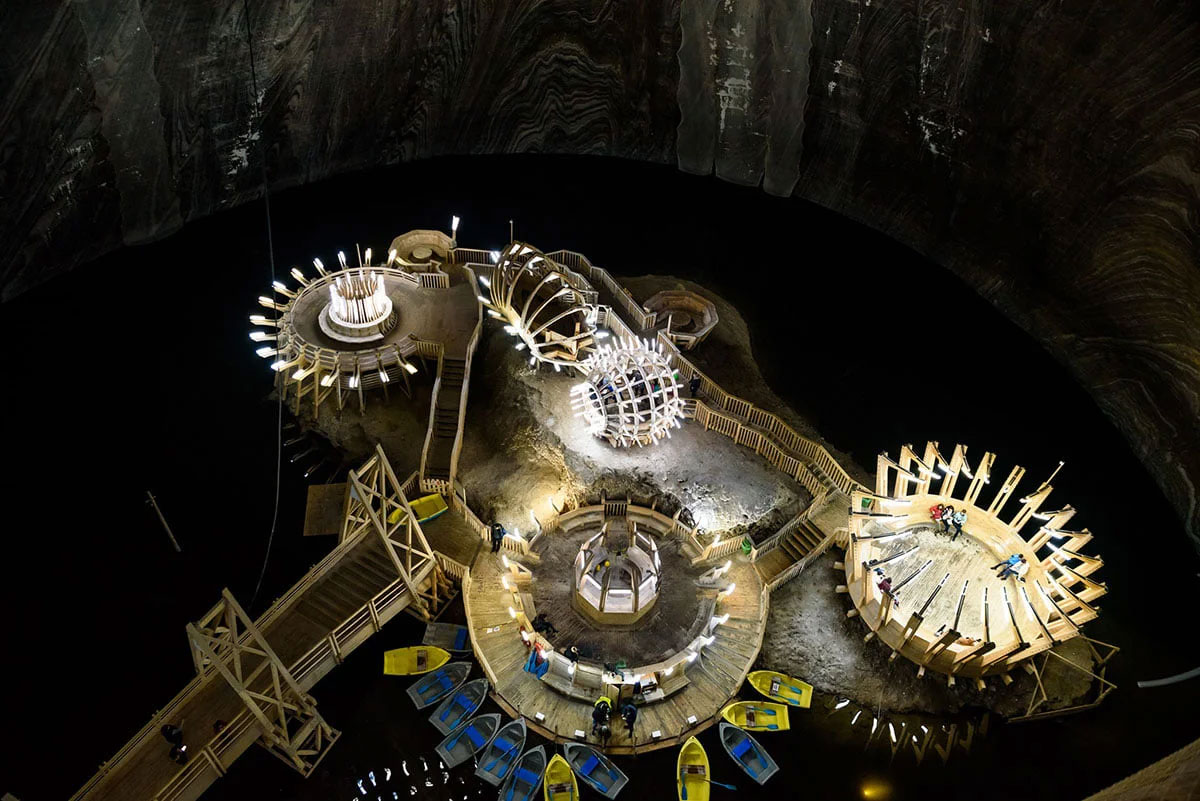
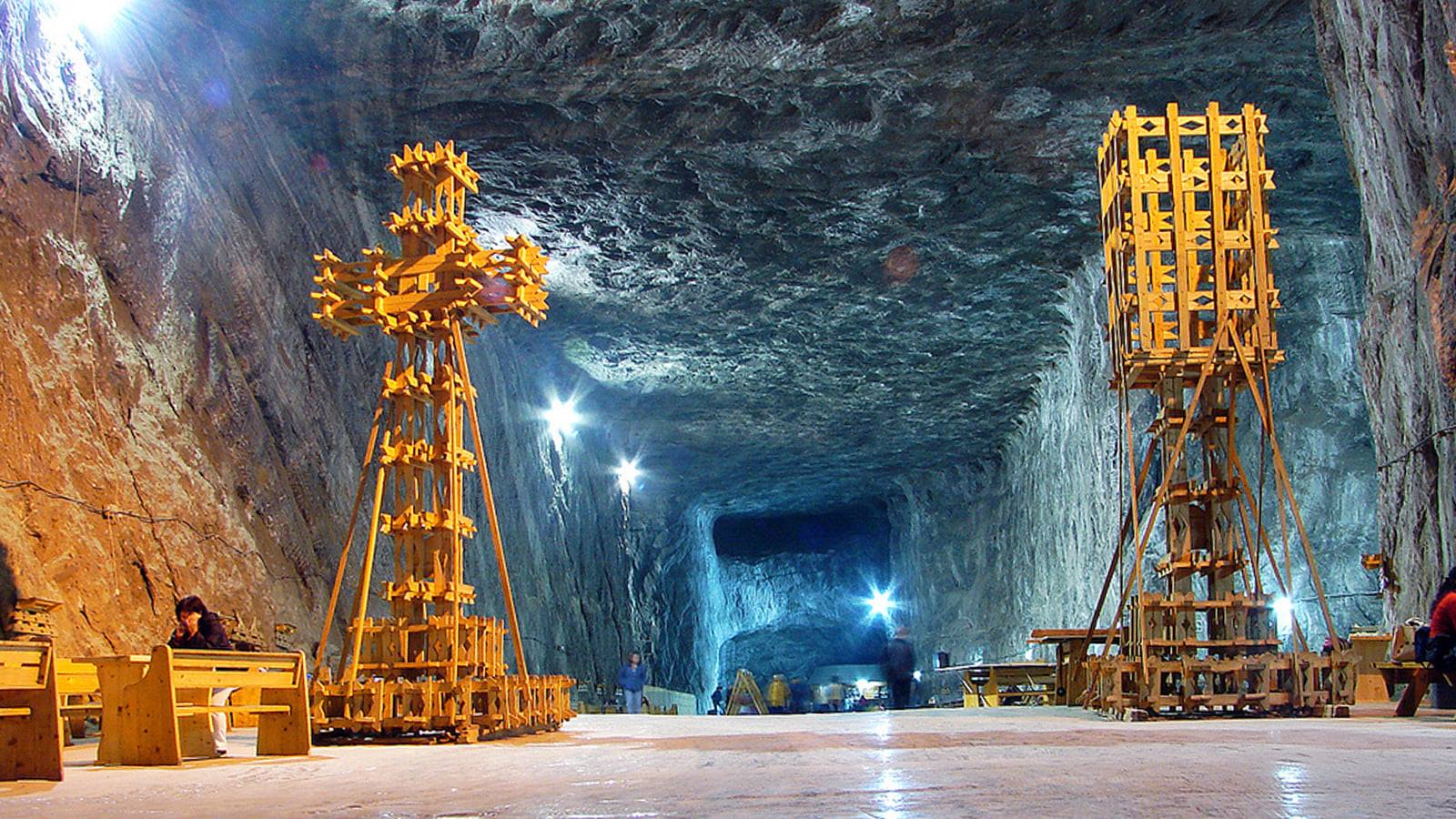
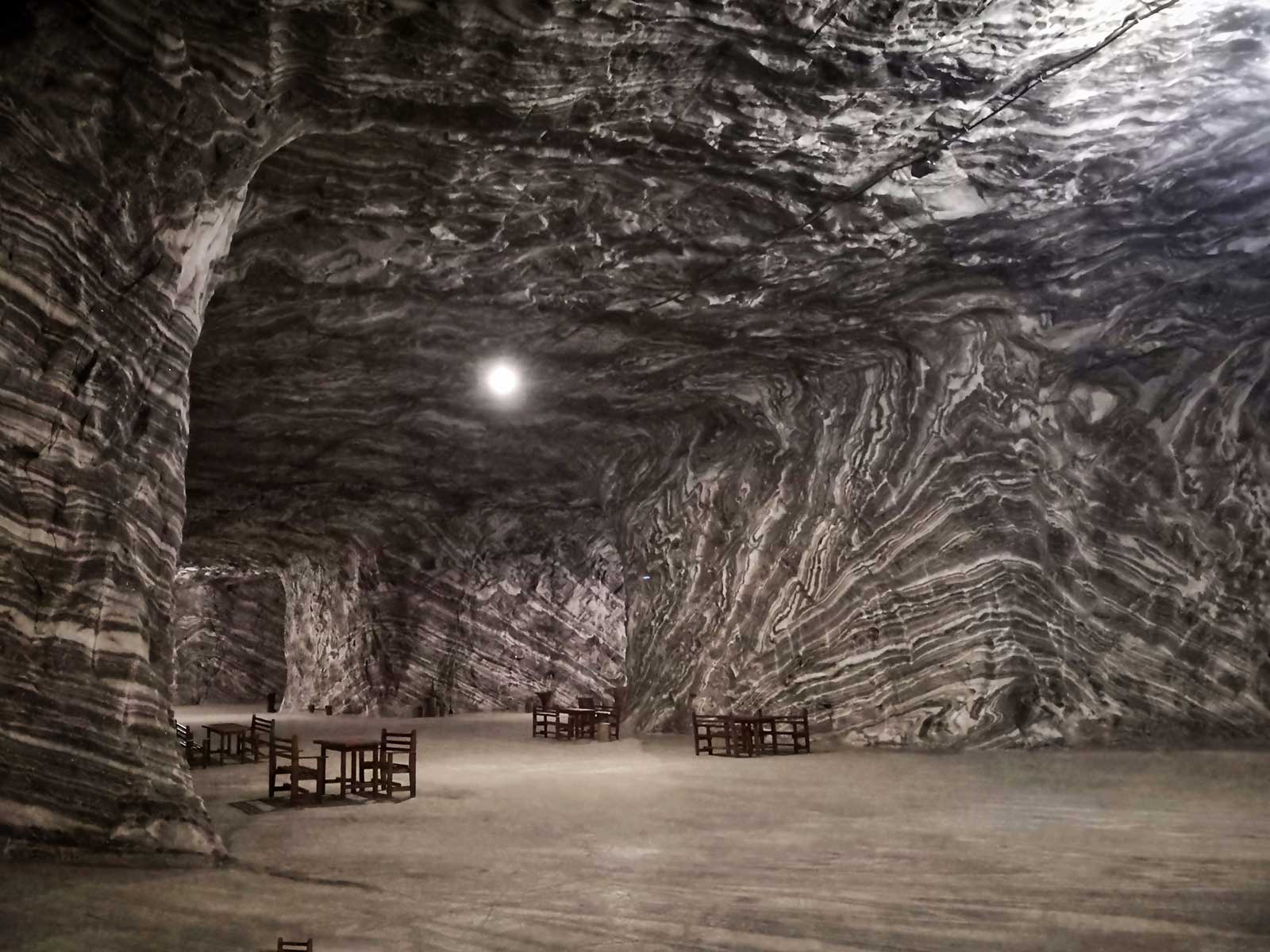
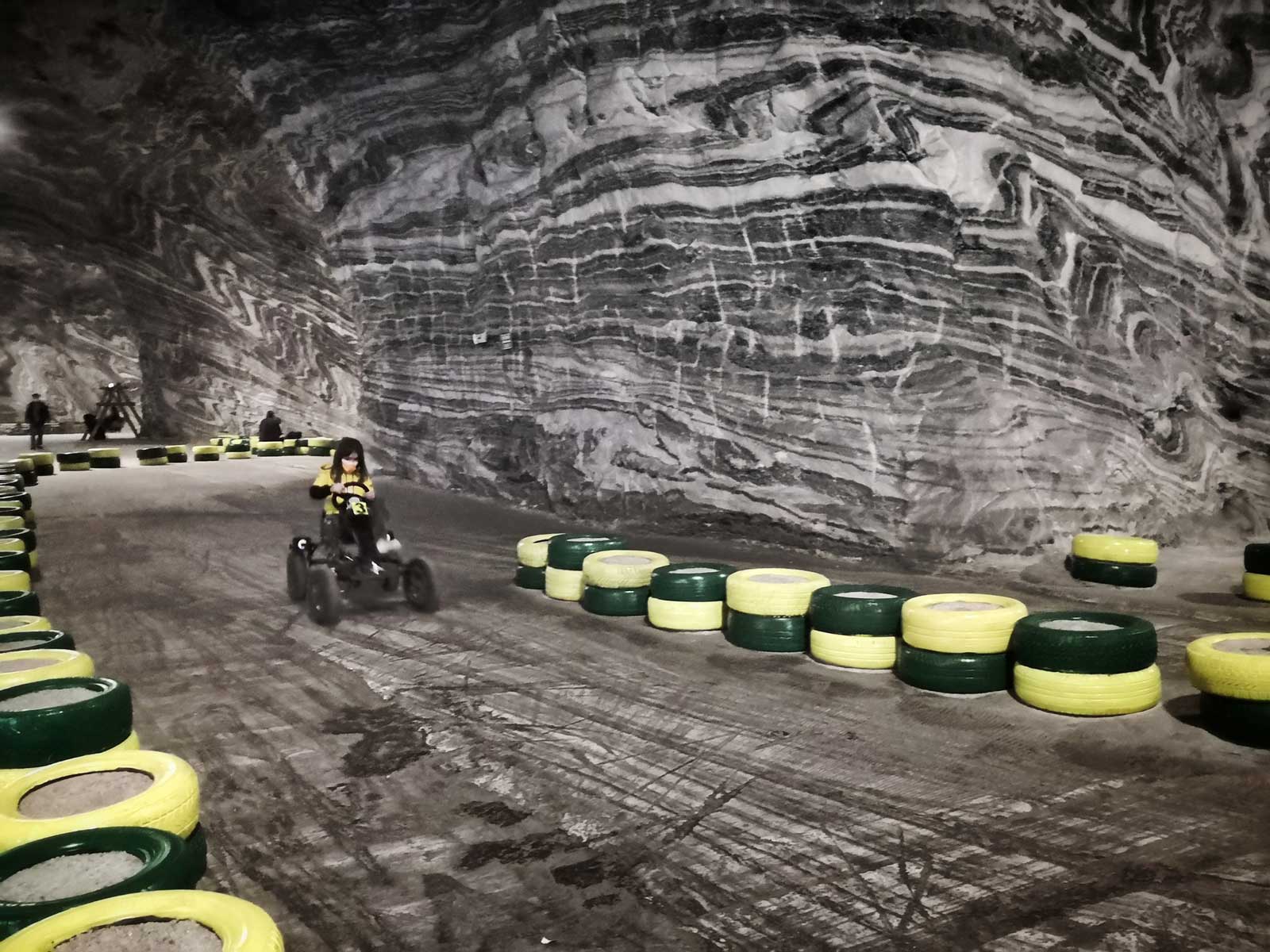
Romania has a large number of salt mines, most of which are open to visitors all year round. It is a special experience for the whole family and definitely recommended as an excursion.
Turda Salt Mine, Cluj County
https://xn--urlaub-in-rumnien-2qb.de/…/ausflugsziele…/
Praid Salt Mine, Harghita County
https://xn--urlaub-in-rumnien-2qb.de/…/ausflugsziele…/
Slanic Salt Mine, Prahova County
https://xn--urlaub-in-rumnien-2qb.de/…/ excursion destinations…/
# Ocnele Mari Salt Mine, Valcea County
https://discover-valcea.com/de/salzwerk-ocnele-mari/
# Targu Ocna Salt Mine, Bacau County.
It is the third largest salt mine and one of the oldest salt mines in Romania. Together with the Trotuș Mine at a depth of 240 m, it houses the country’s largest facility for the treatment of respiratory diseases. This mine is also home to one of Romania’s few places of worship built in salt mines and dedicated to Saint Varvara. The salt mine is still used today for the extraction, processing, and marketing of salt in Romania and abroad. Between 90,000 and 120,000 tons of salt are extracted annually.
The Salina Targu Ocna is one of the oldest salt mines in Romania and is mentioned in documents dating back to 1502 and has been listed as a salt extraction area since at least 1353.
Cozia National Park | Valcea County
(14 September 2024)
Cozia National Park (Parcul National) is located in the northeastern part of Valcea County, within the administrative territory of the towns of Brezoi, Calimanesti, Racovita, Perisani, Salatrucel, and Berislavesti.
https://discover-valcea.com| https://xn--urlaub-in-rumnien-2qb.de/
We would like to thank the photographer, Ms. Corina E. Mateescu, for granting us permission to use these images.
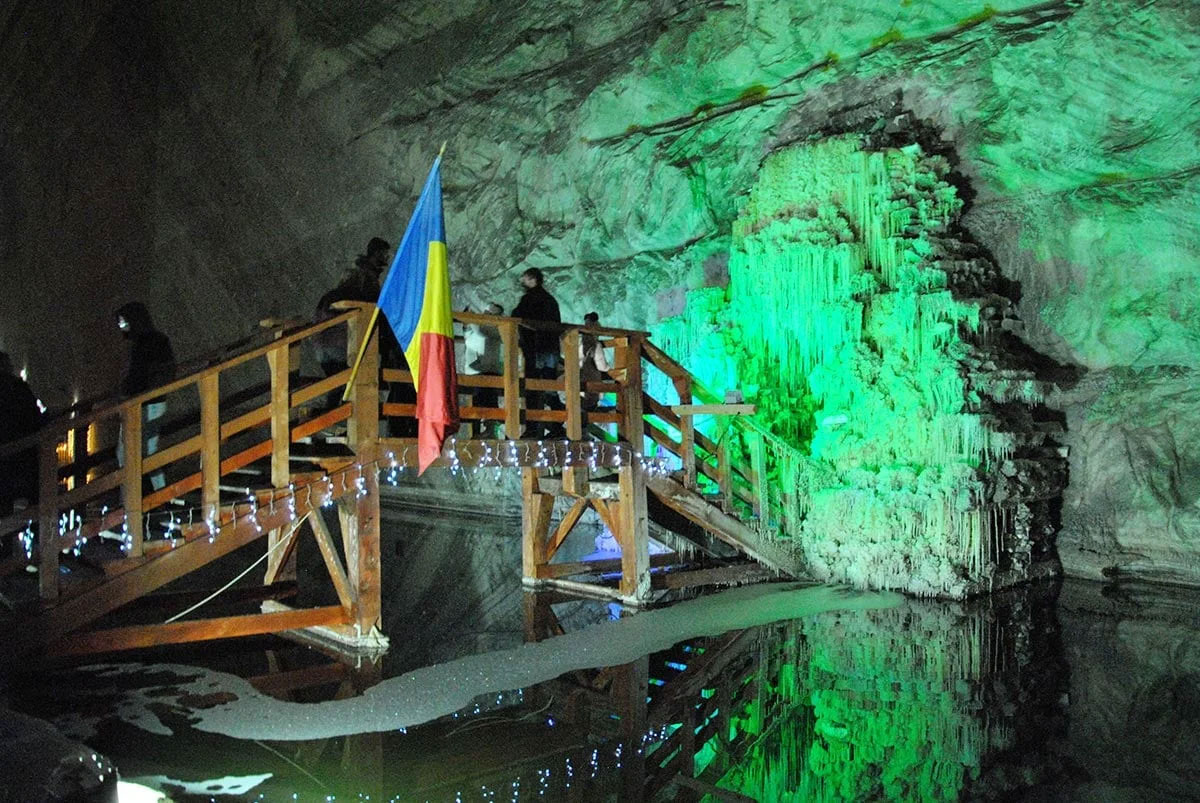
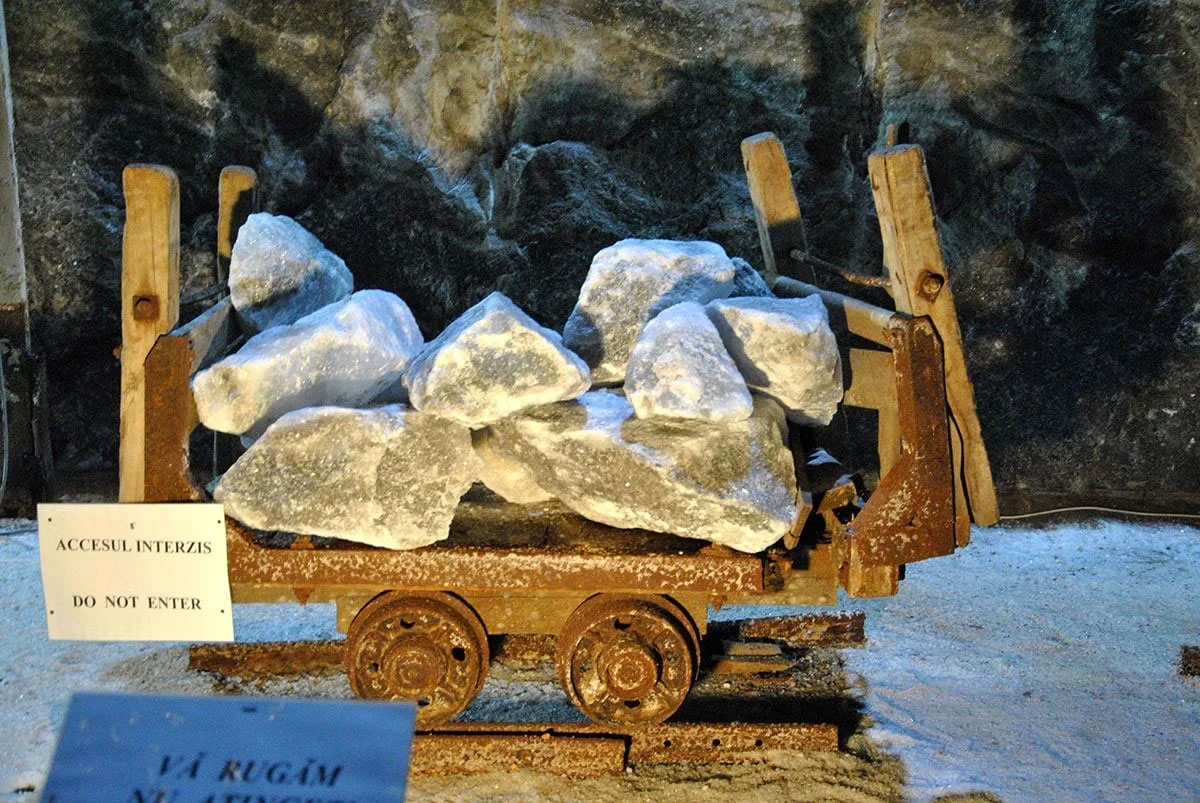
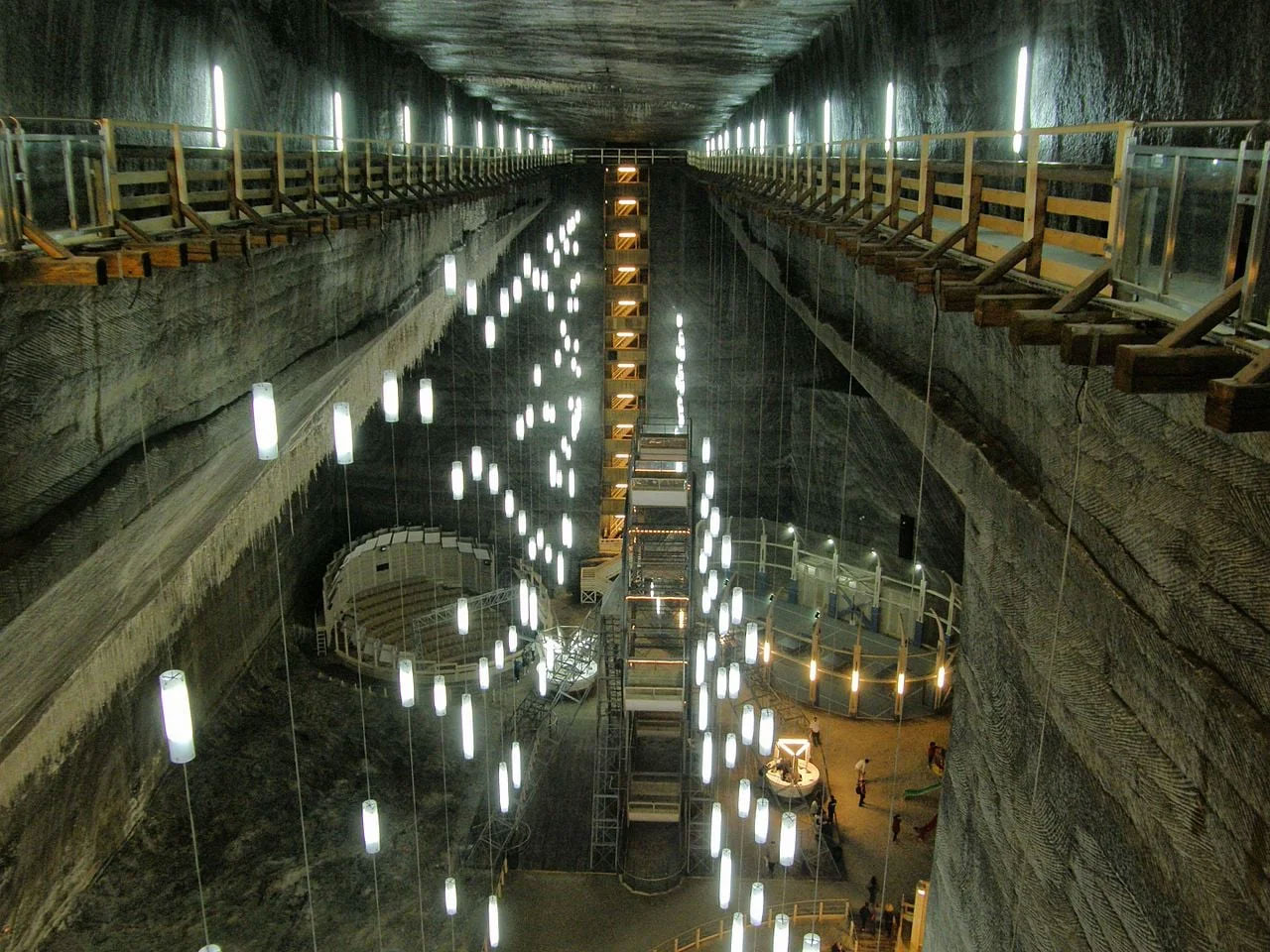
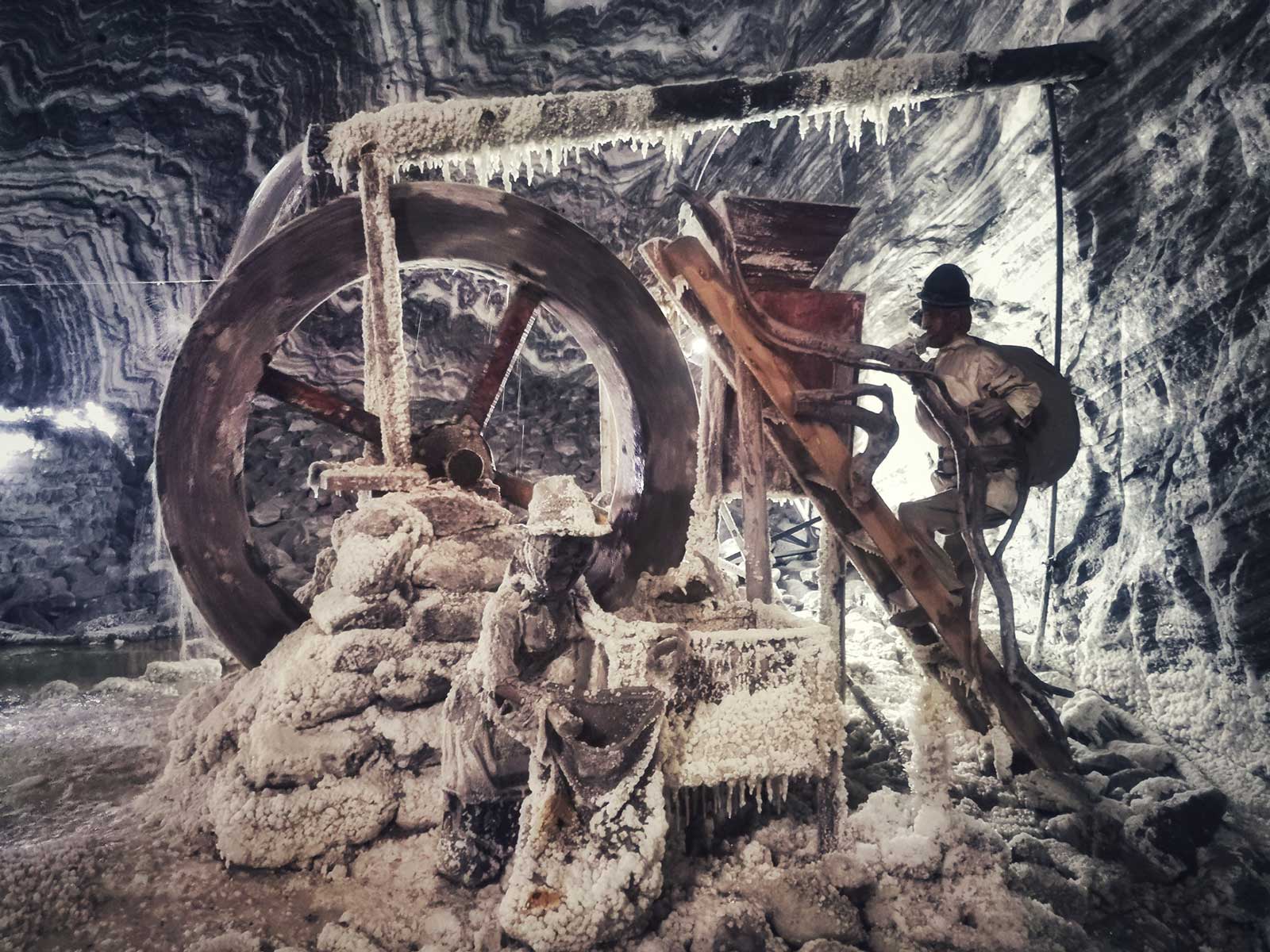
Ocnele Mari Salt Mine (Salina)
(3 September 2025)
The Ocnele Mari Salt Mine is a salt mining operation located in the small town of Ocnele Mari, Valcea County, in the historical region of Oltenia.
https://discover-valcea.com/de/salzwerk-ocnele-mari/
We would like to thank the photographer, Ms. Corina E. Mateescu, for granting us permission to use these images.

Manastirea Hurezi (Horezu Monastery)| Valcea County
(2 September 2024)
Horezu Monastery (also known as Hurezi Monastery) is a Romanian Orthodox nunnery located in the historic region of Little Wallachia in Vâlcea County.
At the foot of Munții Căpățânii, a mountain range in the Transylvanian Alps, in the village of Romanii de Jos, the monastery is located about three kilometers (as the crow flies) north of the small town of Horezu.
The cries of the nocturnal birds of prey (Romanian: huhurezi) that lived in the forests surrounding the monastery probably gave the place its name. The monastery was founded in 1692 by the then Prince of Wallachia, Constantin Brâncoveanu (1654–1714), and completed in 1709. Until 1862, it was a monastery for men. After the monks were transferred to Bistrița, nuns came to the monastery. The monastery complex has been restored several times since 1827 and is a listed building.
Located on a hill, the monastery complex is surrounded by two fortifications. The outer, smaller wall surrounds the entire monastery estate with its hermitages. The second is formed on three sides by buildings of varying heights and on the east by a wall. The entrance to the monastery is on the south side through a bell tower equipped with a massive wooden gate reinforced with steel. The monastery church of Sfinții Împarați Constantin și Elena in the center of the complex is built in the shape of a cross, is 32 meters long, 14 meters high, and was built between 1693 and 1697. In the vestibule of the church are several tombs, the most beautiful of which is decorated with marble and has a carved cover intended for Prince Brâncoveanu, but it never fulfilled its purpose and was therefore never used. The large iconostasis is carved from lime wood and covered with gold.
The square chapel with an octagonal tower, whose windows are the chapel’s source of light, is located on the west side opposite the entrance to the church and was built in 1697. The frescoes in the chapel were created between 1705 and 1706 and are still in good condition today.
We would like to thank Relu Chiriac, Galati, for allowing us to use these images.
Hotel Hanul Vatra | Valcea County
(18 July 2024)
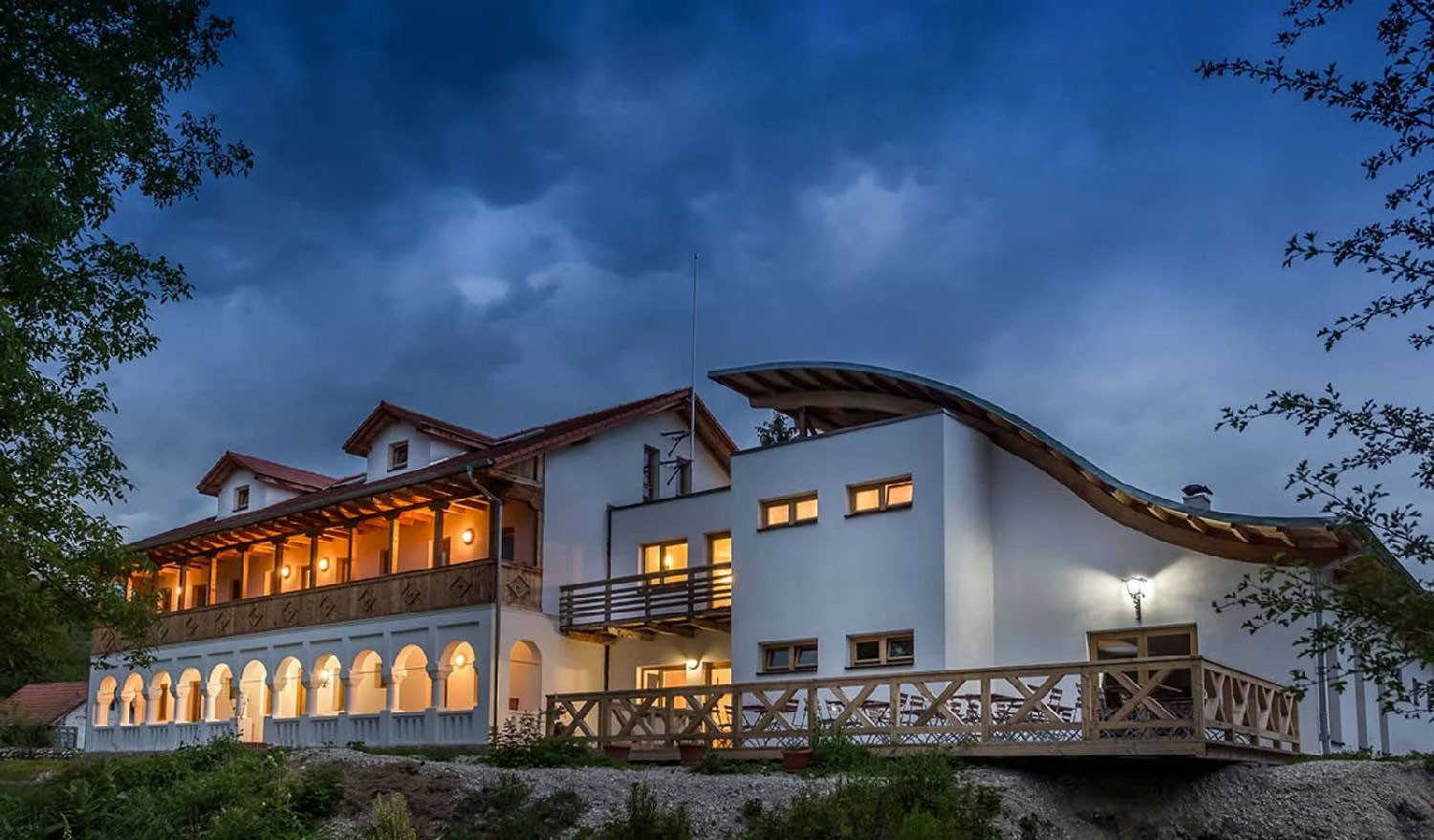
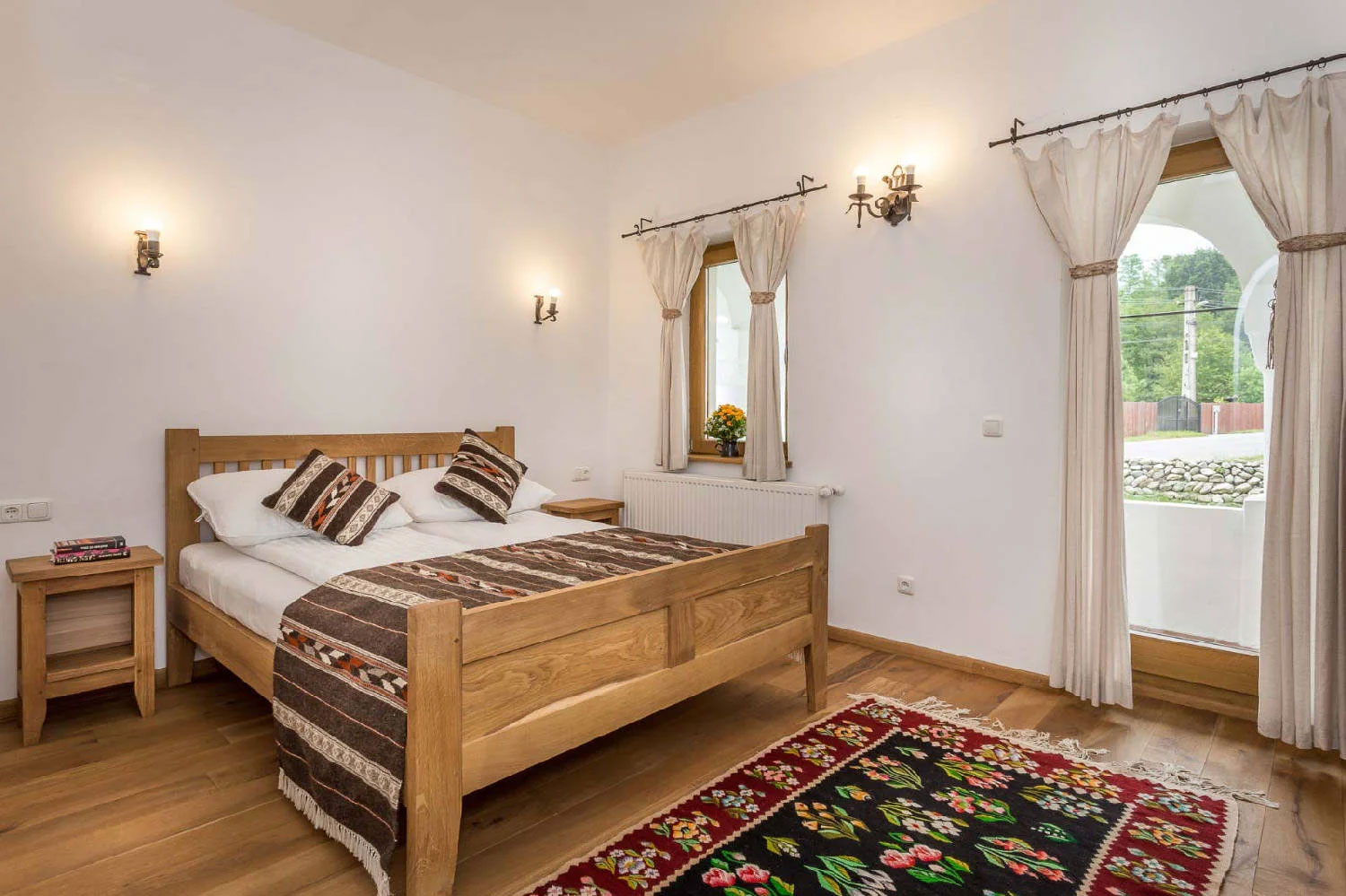
The hotel is the ideal place for a weekend in the countryside, away from the noise of the big city. For a short or longer vacation, private celebrations, hikes with friends in the mountains, courses, team-building meetings, or simply to relax.
https://discover-valcea.com/de/hanul-vatra-de/
Nearby, you’ll find many places worth visiting, such as the Manastirea Hurezi (Horezu Monastery).
Manastirea Hurezi (Horezu Monastery) | Valcea County
(8 July 2024)
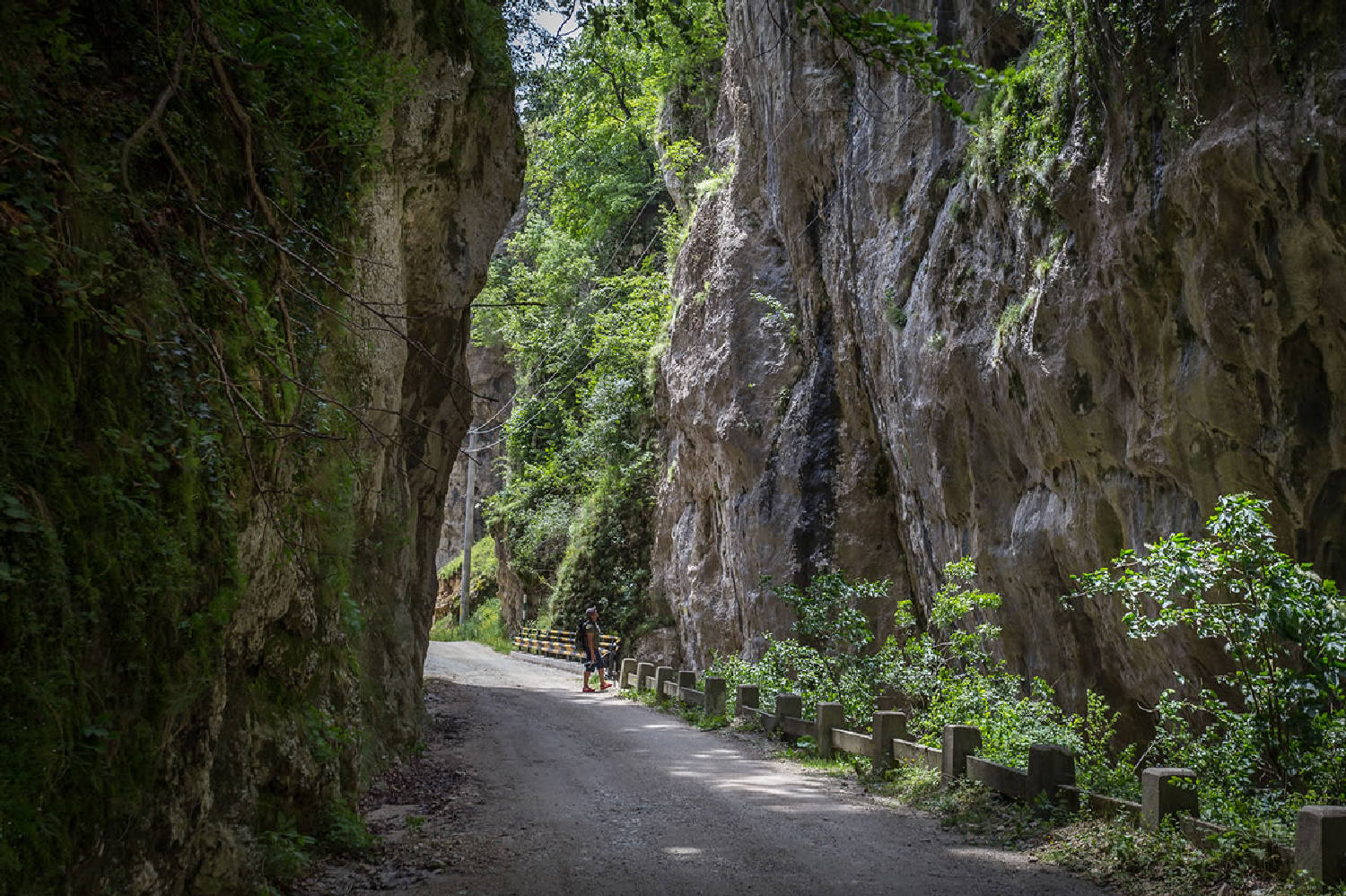
Horezu Monastery is a Romanian Orthodox nunnery located in the historic region of Little Wallachia in Valcea County.
https://xn--urlaub-in-rumnien-2qb.de/…/ausflugsziele…/
https://xn--urlaub-in-rumnien-2qb.de/…/destinations…/
https://xn--urlaub-in-rumnien -2qb.de/ro/uir/en-vizitat-locatii-de-vizitat-manastirea-horezu/
At the foot of Muntii Capatanii, a mountain range in the Transylvanian Alps, in the village of Romanii de Jos, the monastery is located about three kilometers (as the crow flies) north of the small town of Horezu.
The cries of nocturnal birds of prey (Romanian: huhurezi), which lived in the forests surrounding the monastery, probably gave the place its name. The monastery was founded in 1692 by the then Prince of Wallachia, Constantin Brancoveanu (1654–1714), and completed in 1709. Until 1862, it was a monastery for men. After the monks were transferred to Bistrița, nuns came to the monastery. The monastery complex has been restored several times since 1827 and is a listed building.
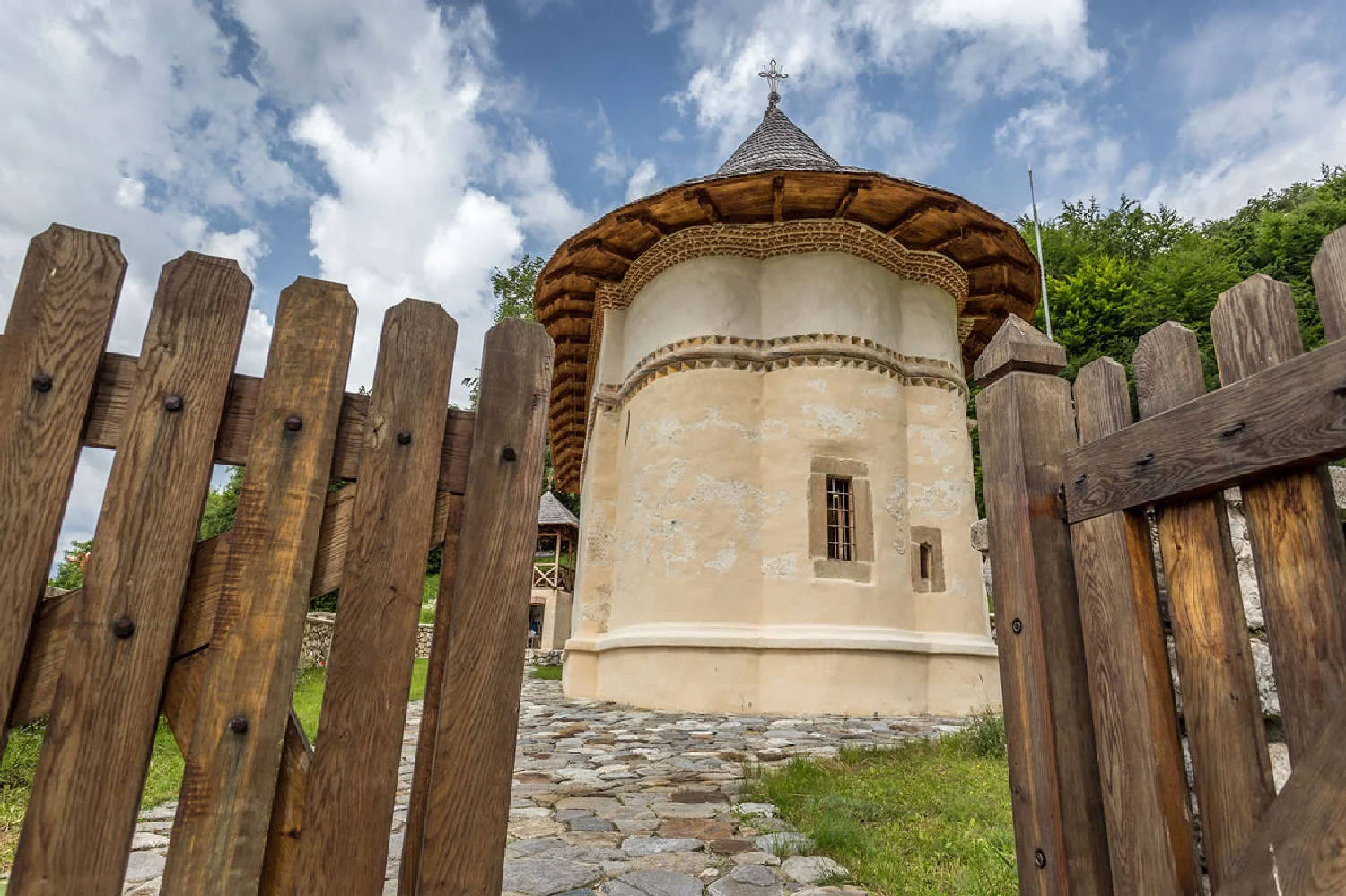
Located on a hill, the monastery complex is surrounded by two fortifications. The outer, smaller wall surrounds the entire monastery estate with its hermitages. The second is formed on three sides by buildings of varying heights and on the east by a wall. The entrance to the monastery is on the south side through a bell tower equipped with a massive wooden gate reinforced with steel. The monastery church of Sfintii Imparati Constantin si Elena in the center of the complex is built in the shape of a cross, is 32 meters long, 14 meters high, and was built between 1693 and 1697. In the vestibule of the church are several tombs, the most beautiful of which is decorated with marble and has a carved cover intended for Prince Brancoveanu, but it never served its purpose and was therefore never used. The large iconostasis is carved from linden wood and covered with gold.
The square chapel with an octagonal tower, whose windows are the chapel’s source of light, is located on the west side opposite the entrance to the church and was built in 1697. The chapel’s frescoes were created between 1705 and 1706 and are still in good condition today.
We would like to thank Centrul Național de Informare și Promovare Turistică Vâlcea for permission to use these images.
Salina Targu Ocna in northeastern Romania
(2 July 2025)
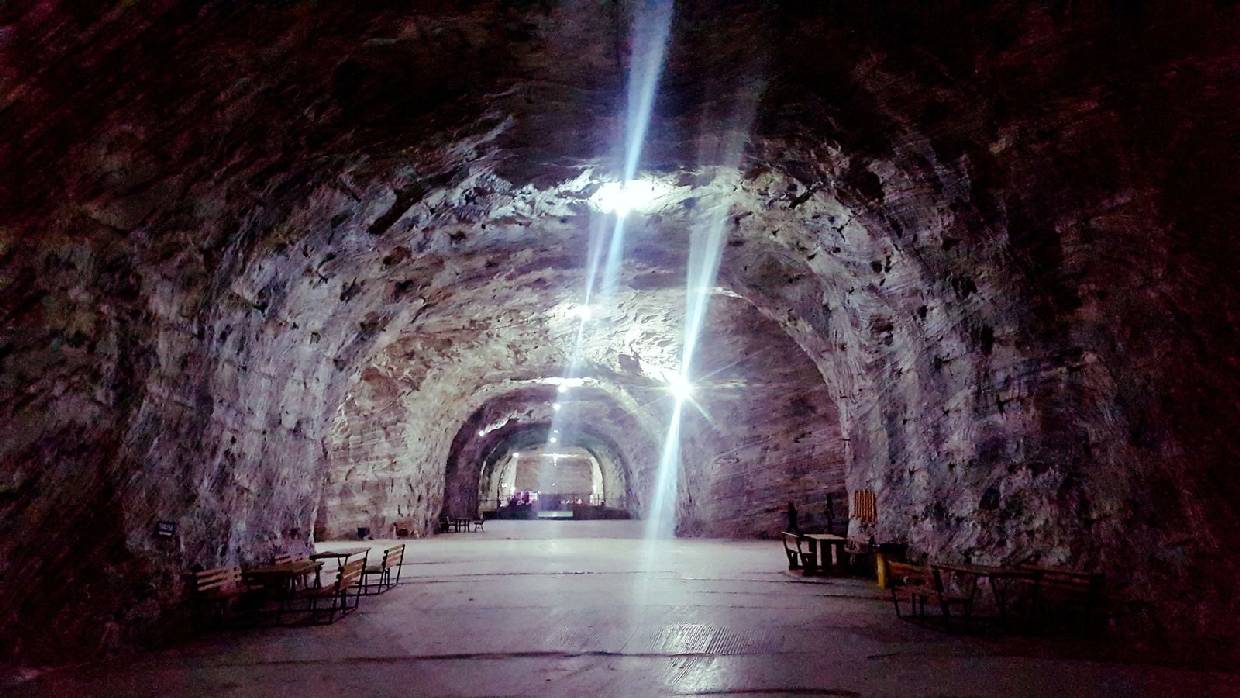
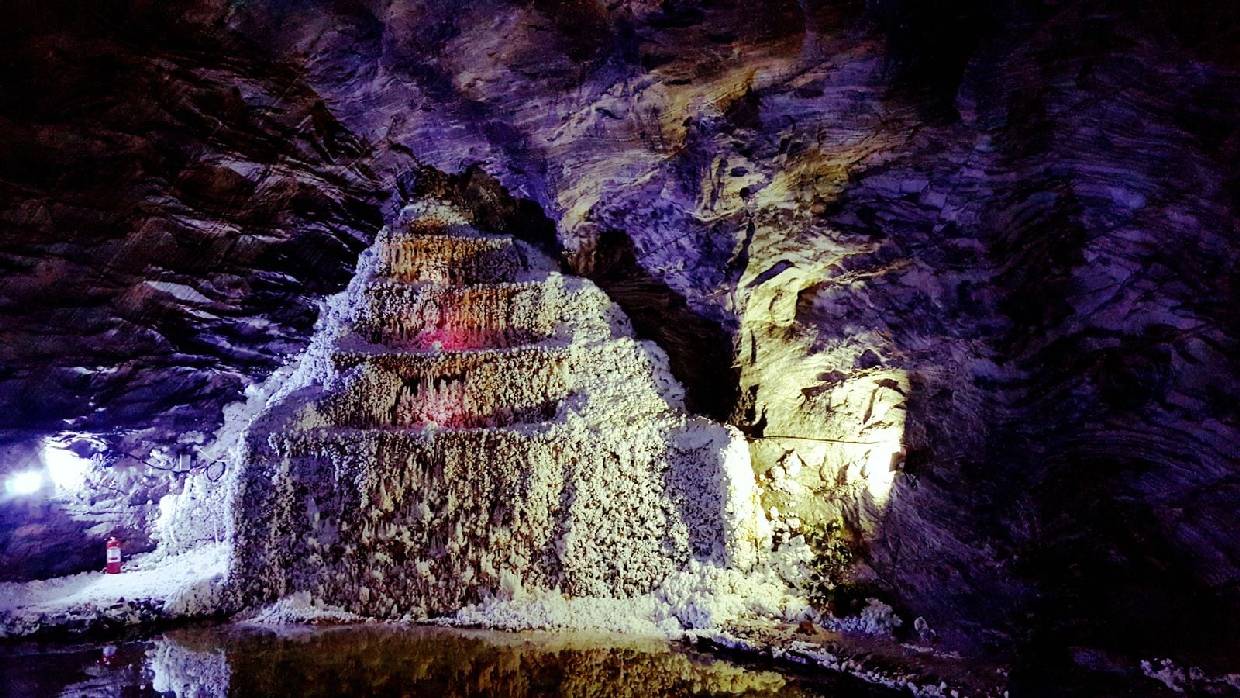
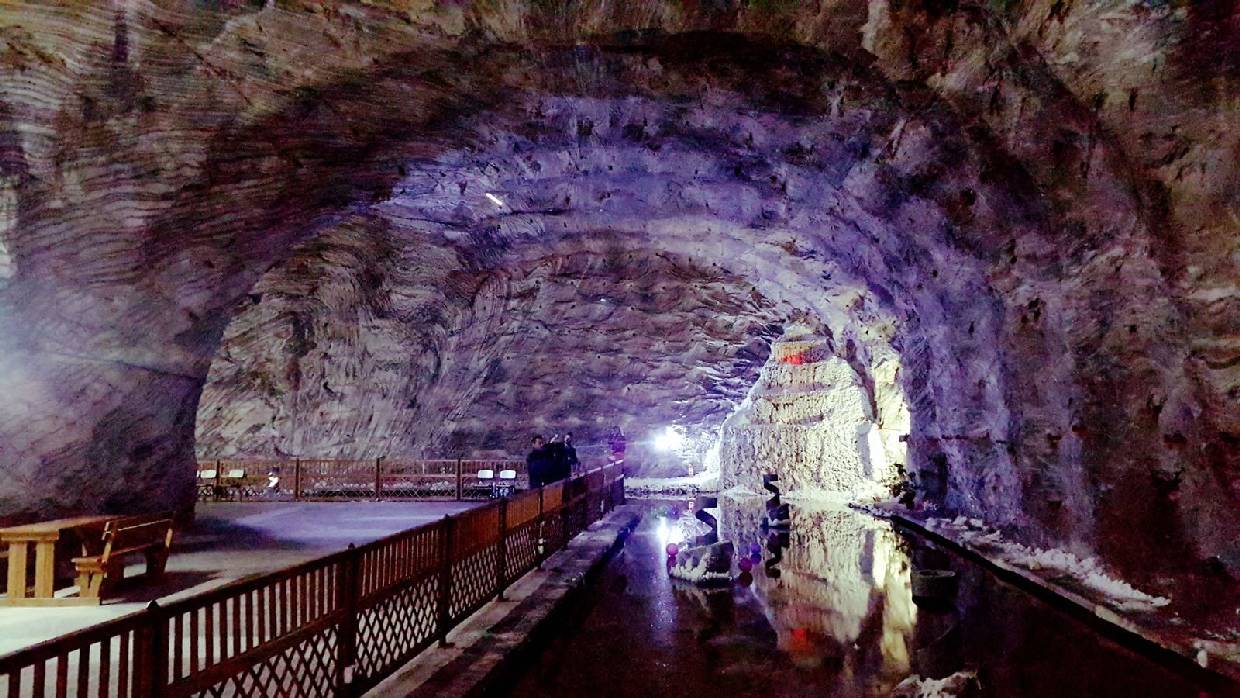
The Targu Ocna salt mine is located in the spa town of Targu Ocna in Bacau County.
Salina Targu Ocna is one of the oldest salt mines in Romania and is mentioned in documents dating back to 1502. It has been listed as a salt extraction area since at least 1353.
Other salt mines in Romania:
Ocnele Mari Salt Mine, Valcea County:
https://discover-valcea.com/de/salzwerk-ocnele-mari/
Turda Salt Mine, Cluj County
https://urlaub-in-rumänien.de/de/uir/ausflugsziele-sehenswertes-salzbergwerk-turda/
Slanic Salt Mine, Prahova County
https://urlaub-in-rumänien.de/de/uir/ausflugsziele-sehenswertes-salzbergwerk-slanic-prahova/
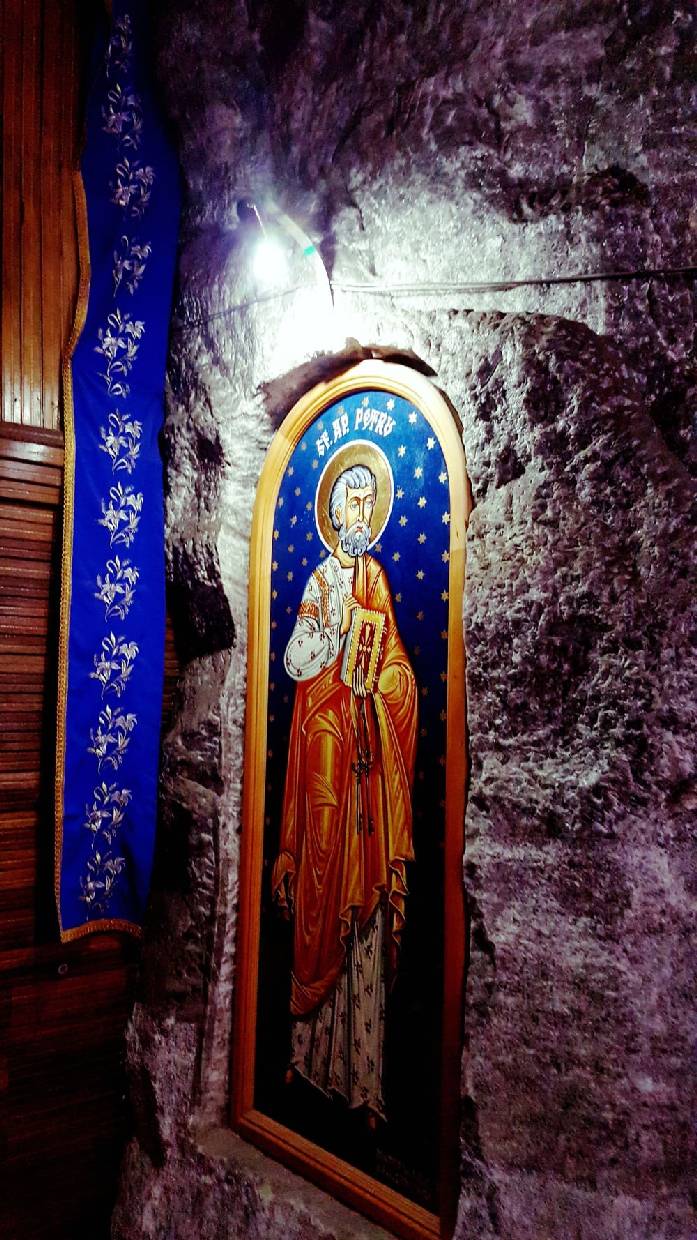
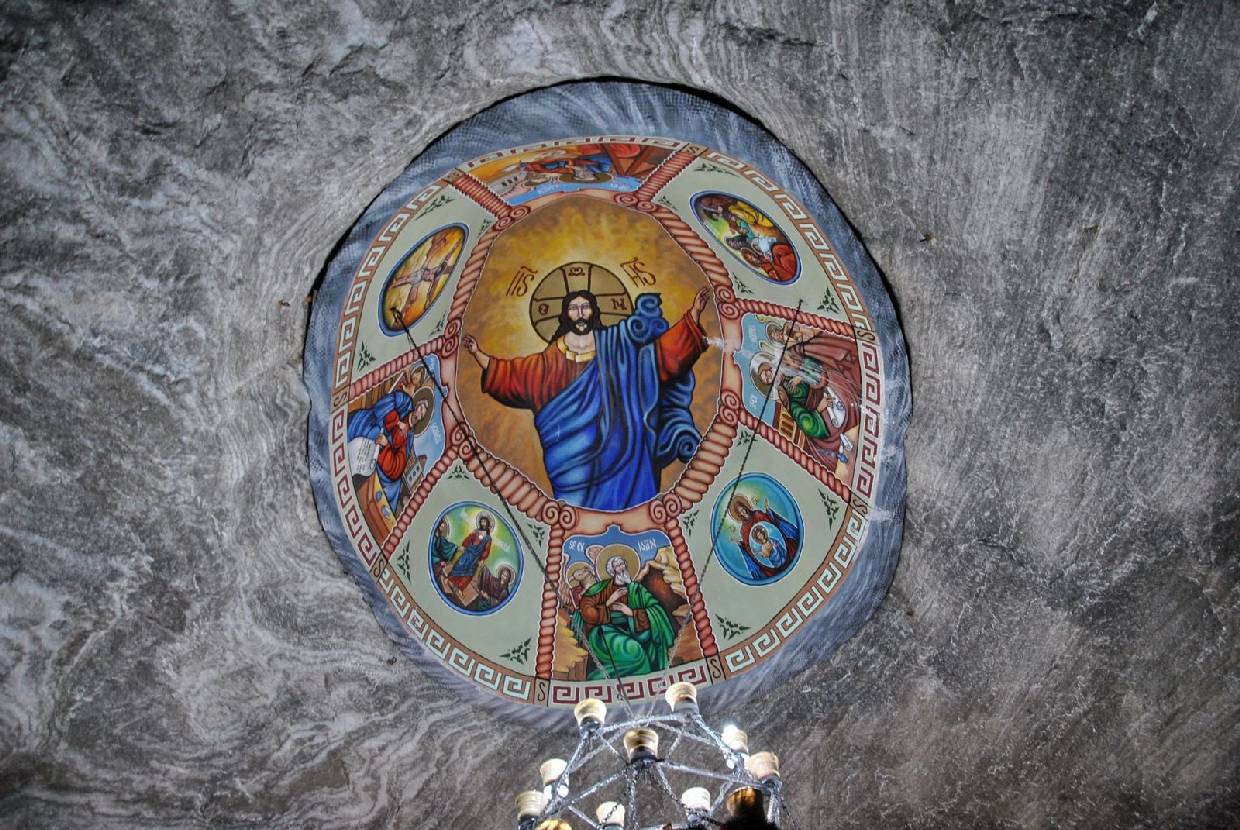
Targu Ocna is the third largest salt mine and one of the oldest salt mines in Romania. Together with the Trotuș mine, located at a depth of 240 m, it houses the country’s largest facility for the treatment of respiratory diseases. This mine is also home to one of Romania’s few places of worship built in salt mines and dedicated to Saint Varvara.
The salt mine is still used today for the extraction, processing, and marketing of salt in Romania and abroad. Between 90,000 and 120,000 tons of salt are extracted annually.
2024 Vacation in Valcea County | Impressions | Beautiful
(29 June 2024)
Photos from Valcea County from the summer of 2023. Perfect for anyone who loves relaxation, healing springs and waters, nature, tradition, or even wine and good food.
Camping / Glamping | Valcea County
(28 June 2024)
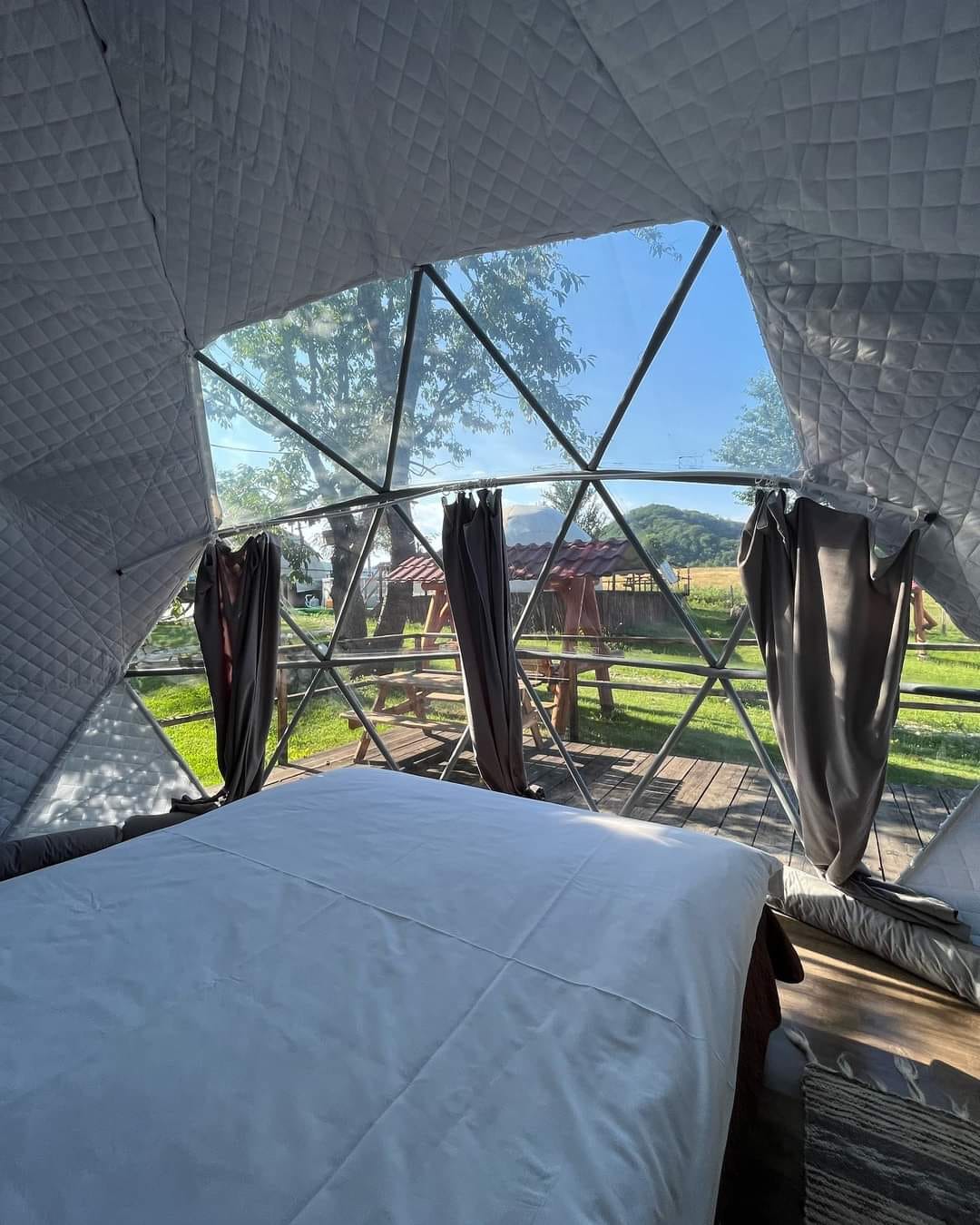
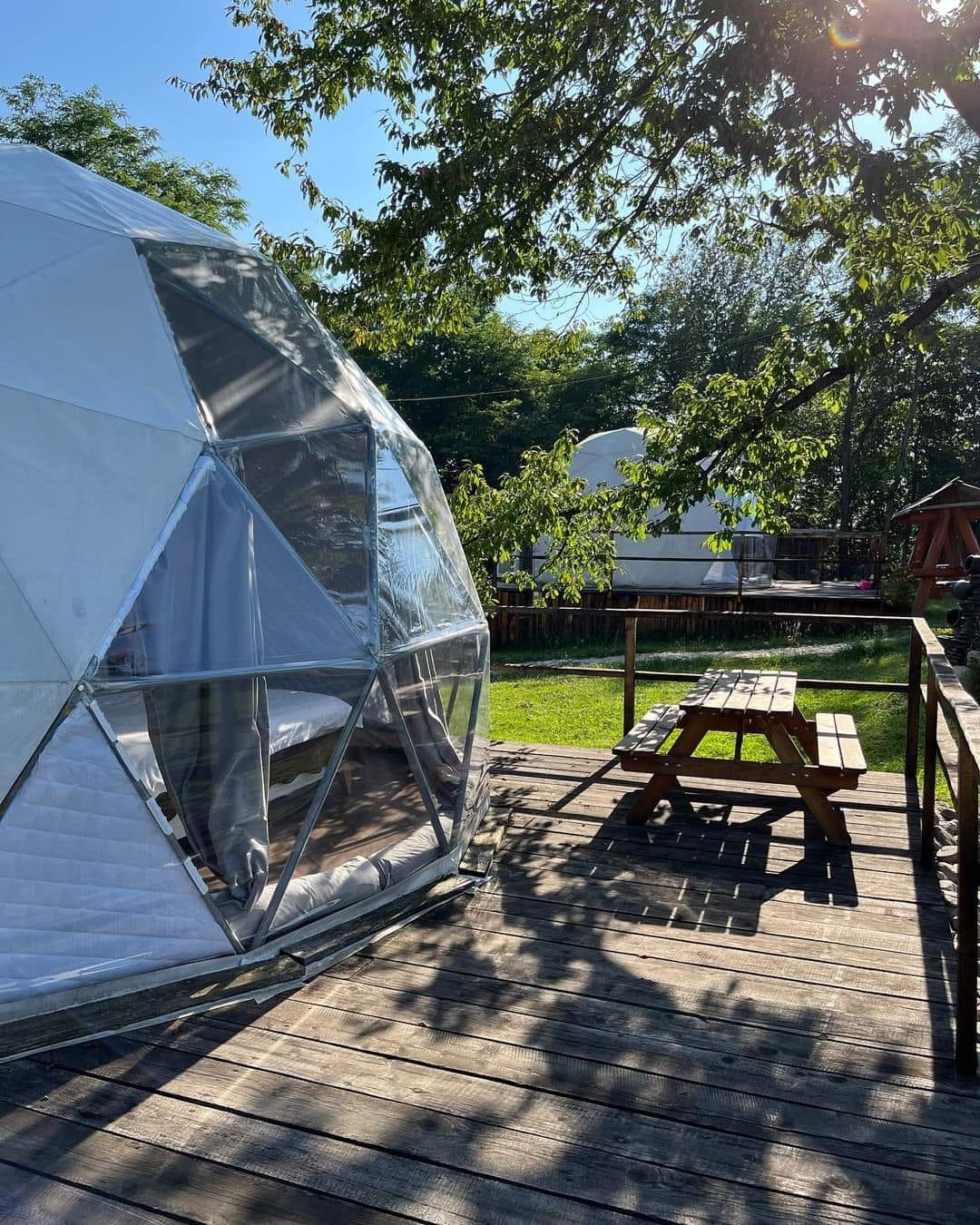
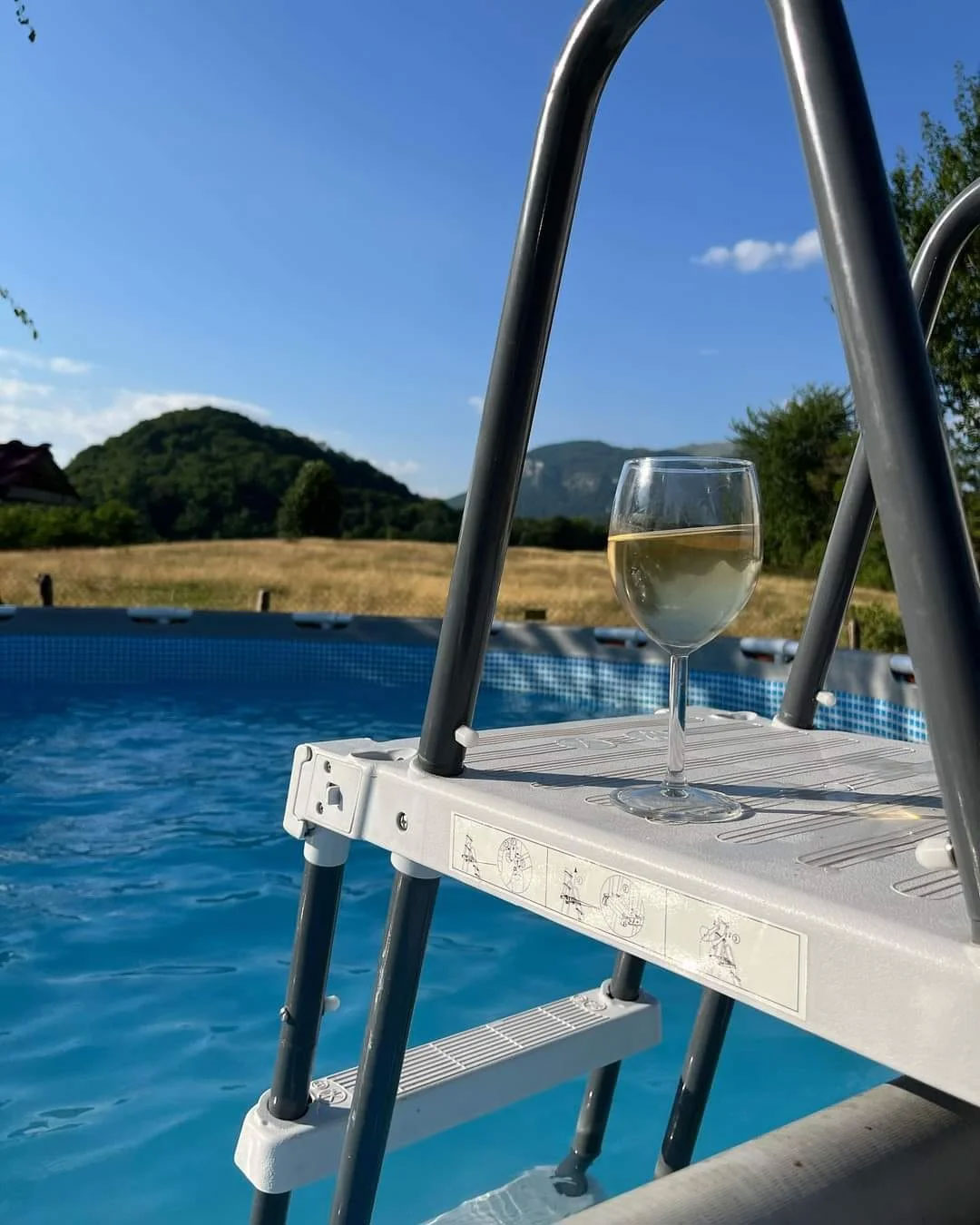
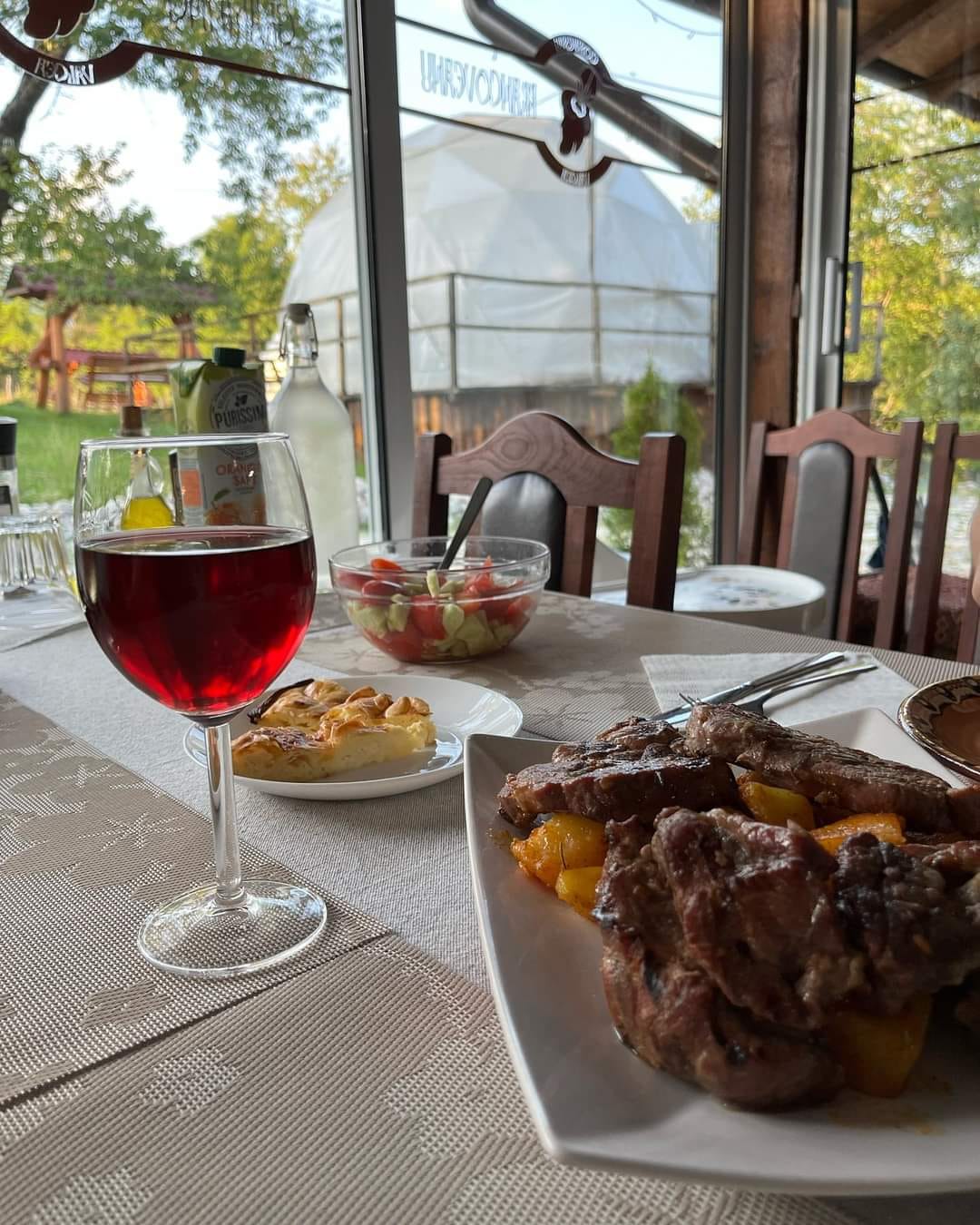
The Brancoveanu Glamping Resort, located about 15 minutes from the town and Horezu Monastery, offers a unique experience and pure relaxation in Valcea County.
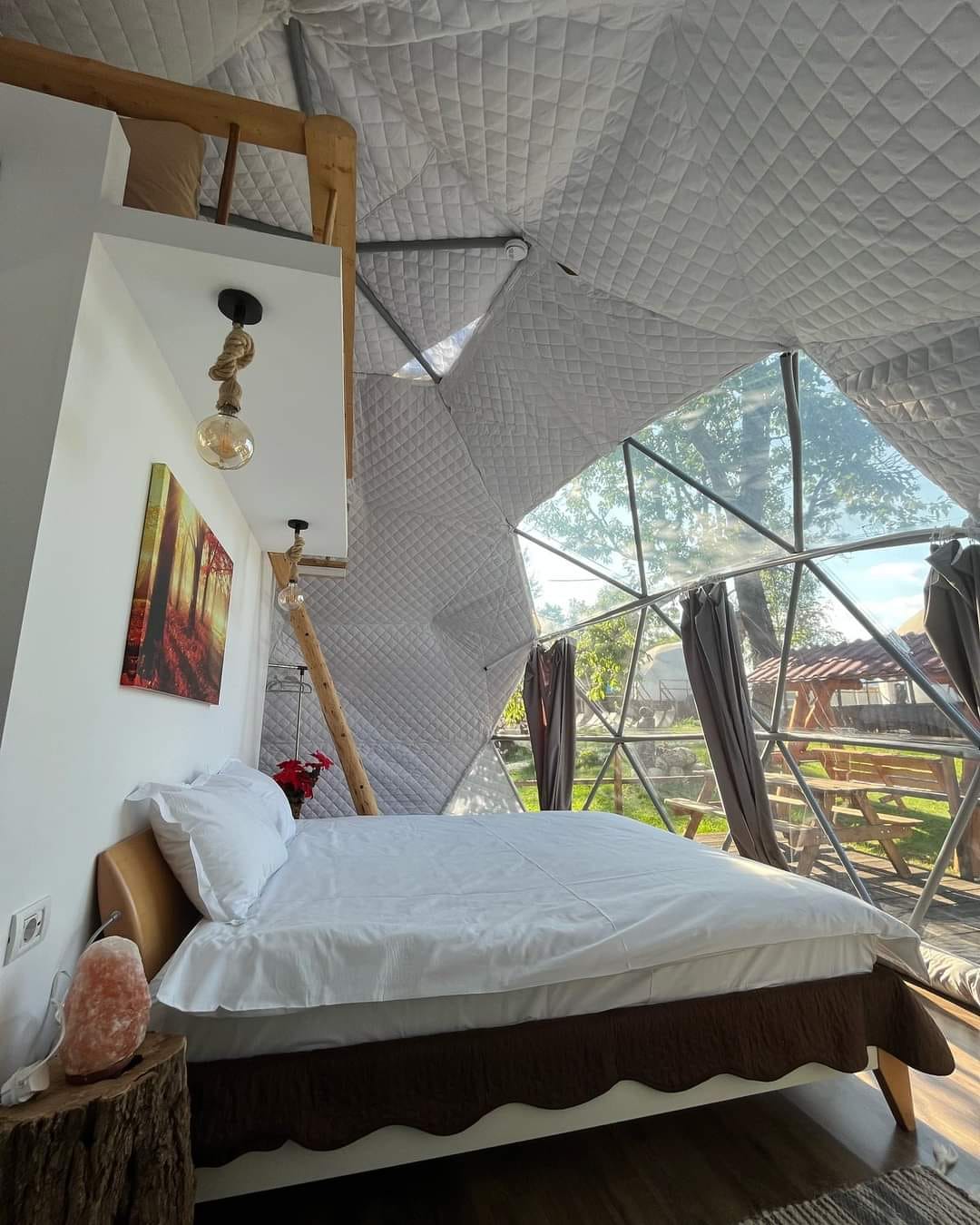
✅ Igloos with 2 double beds (2 adults + 2 children)
✅ Pool and relaxation areas
✅ Private bathroom and heating
✅ Breakfast included and dinner available (with vegan options)
✅ Many tourist attractions in the area
✅ Electric charging station 🔋🚘
More details at: https://www.brancoveanuglamping.com/acasa.html
We thank Centrul Național de Informare și Promovare Turistică Vâlcea for permission to use these images.
Cozia Monastery | Valcea County
(17 June 2024)
The Cozia Monastery was founded in 1388 by Mircea the Elder near the town of Calimanesti on the Olt River. It is located in Valcea County in the historical region of Wallachia.
We thank Centrul Național de Informare și Promovare Turistică Vâlcea for permission to use these images.
Salt mines :: Turda | Slanic Prahova | Praid
(14 June 2024)
Romania has a large number of salt mines, most of which are open to visitors all year round. It is a special experience for the whole family and definitely recommended as an excursion.
Turda Salt Mine, Cluj County
https://xn--urlaub-in-rumnien-2qb.de/…/ausflugsziele…/
Praid Salt Mine, Harghita County
https://xn--urlaub-in-rumnien-2qb.de/…/ausflugsziele…/
Slanic Salt Mine, Prahova County
https://xn--urlaub-in-rumnien-2qb.de/…/ excursion destinations…/
# Ocnele Mari Salt Mine, Valcea County
https://discover-valcea.com/de/salzwerk-ocnele-mari/
# Targu Ocna Salt Mine, Bacau County.
It is the third largest salt mine and one of the oldest salt mines in Romania. Together with the Trotuș Mine at a depth of 240 m, it houses the country’s largest facility for the treatment of respiratory diseases. This mine is also home to one of Romania’s few places of worship built in salt mines and dedicated to Saint Varvara. The salt mine is still used today for the extraction, processing, and marketing of salt in Romania and abroad. Between 90,000 and 120,000 tons of salt are extracted annually.
The Salina Targu Ocna is one of the oldest salt mines in Romania and is mentioned in documents dating back to 1502 and has been listed as a salt extraction area since at least 1353.
Manastirea Hurezi (Horezu Monastery) | Valcea County (2 / 2)
(9 June 2024)
Horezu Monastery is a Romanian Orthodox nunnery located in the historic region of Little Wallachia in Valcea County.
At the foot of Muntii Capatanii, a mountain range in the Transylvanian Alps, in the village of Romanii de Jos, the monastery is located about three kilometers (as the crow flies) north of the small town of Horezu.
The cries of nocturnal birds of prey (Romanian: huhurezi), which lived in the forests surrounding the monastery, probably gave the place its name. The monastery was founded in 1692 by the then Prince of Wallachia, Constantin Brancoveanu (1654–1714), and completed in 1709. Until 1862, it was a monastery for men. After the monks were transferred to Bistrița, nuns came to the monastery. The monastery complex has been restored several times since 1827 and is a listed building.
Located on a hill, the monastery complex is surrounded by two fortifications. The outer, smaller wall surrounds the entire monastery estate with its hermitages. The second is formed on three sides by buildings of varying heights and on the east by a wall. The entrance to the monastery is on the south side through a bell tower equipped with a massive wooden gate reinforced with steel. The monastery church of Sfintii Imparati Constantin si Elena in the center of the complex is built in the shape of a cross, is 32 meters long, 14 meters high, and was built between 1693 and 1697. In the vestibule of the church are several tombs, the most beautiful of which is decorated with marble and has a carved cover intended for Prince Brancoveanu, but it never served its purpose and was therefore never used. The large iconostasis is carved from linden wood and covered with gold.
The square chapel with an octagonal tower, whose windows are the chapel’s source of light, is located on the west side opposite the entrance to the church and was built in 1697. The chapel’s frescoes were created between 1705 and 1706 and are still in good condition today.
We would like to thank Relu Chiriac, Galati, for allowing us to use these images.
Manastirea Hurezi (Horezu Monastery) | Valcea County (1 / 2)
(9 June 2024)
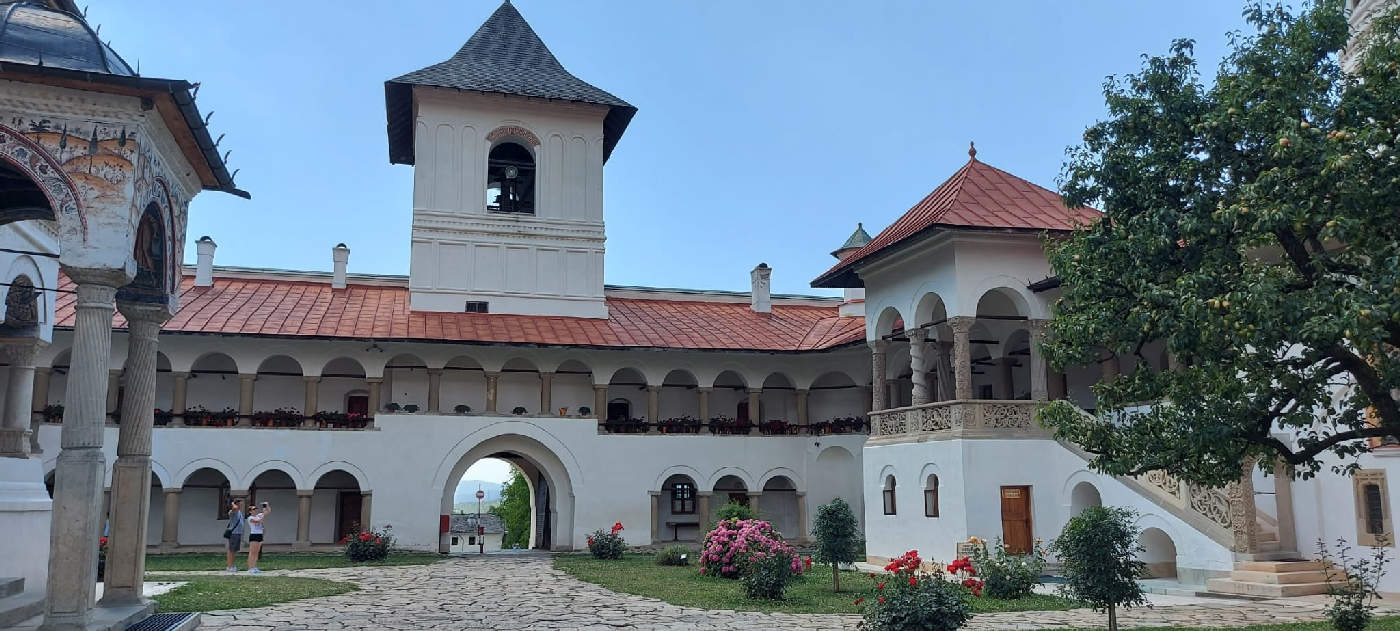
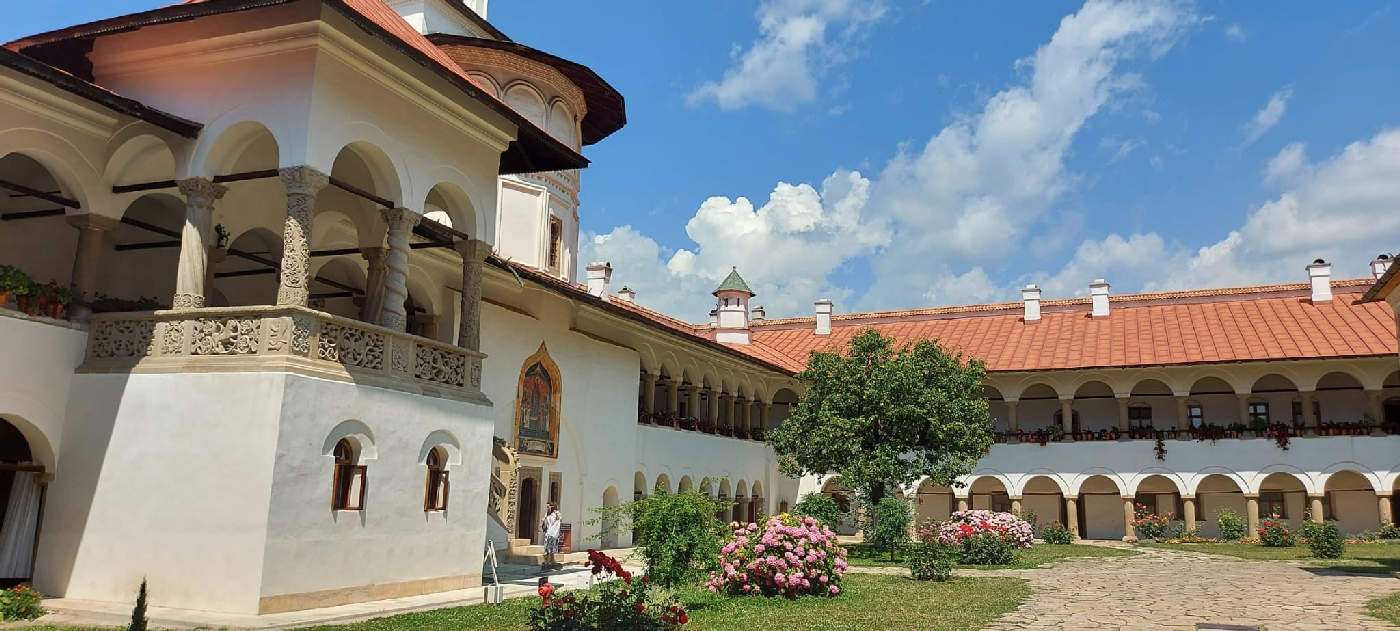
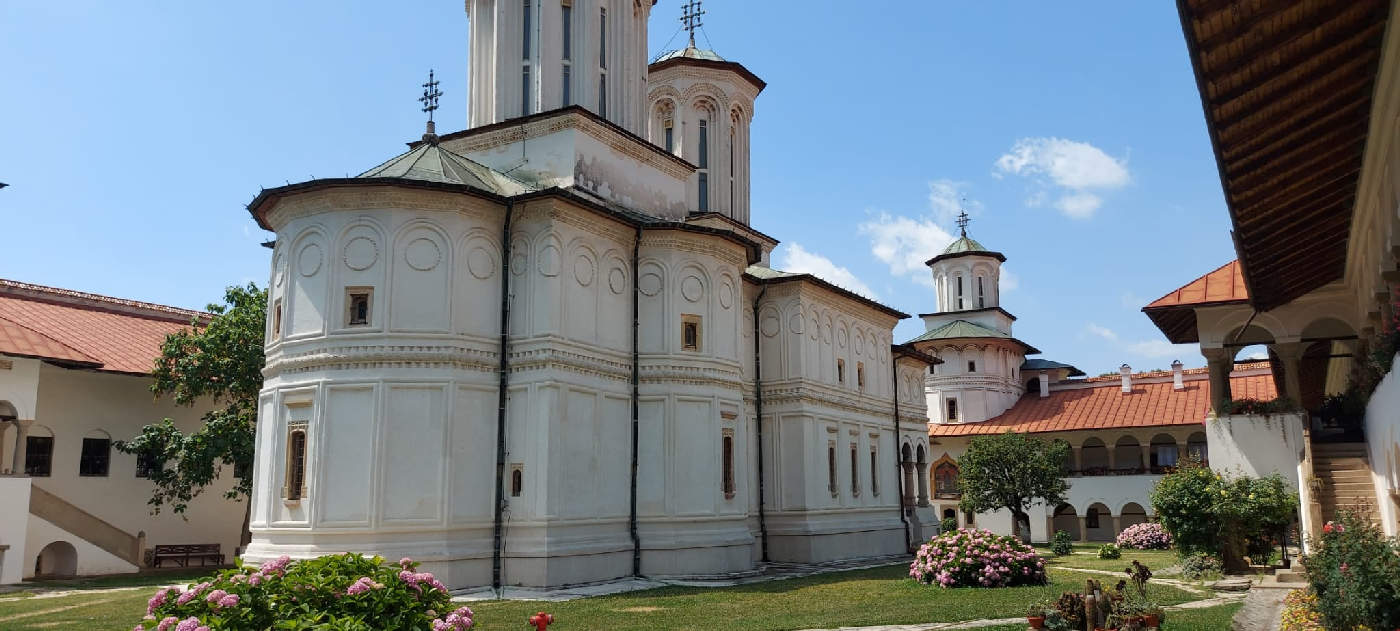
Horezu Monastery is a Romanian Orthodox nunnery located in the historic region of Little Wallachia in Valcea County.
At the foot of Muntii Capatanii, a mountain range in the Transylvanian Alps, in the village of Romanii de Jos, the monastery is located about three kilometers (as the crow flies) north of the small town of Horezu.
The cries of nocturnal birds of prey (Romanian: huhurezi), which lived in the forests surrounding the monastery, probably gave the place its name. The monastery was founded in 1692 by the then Prince of Wallachia, Constantin Brancoveanu (1654–1714), and completed in 1709. Until 1862, it was a monastery for men. After the monks were transferred to Bistrița, nuns came to the monastery. The monastery complex has been restored several times since 1827 and is a listed building.
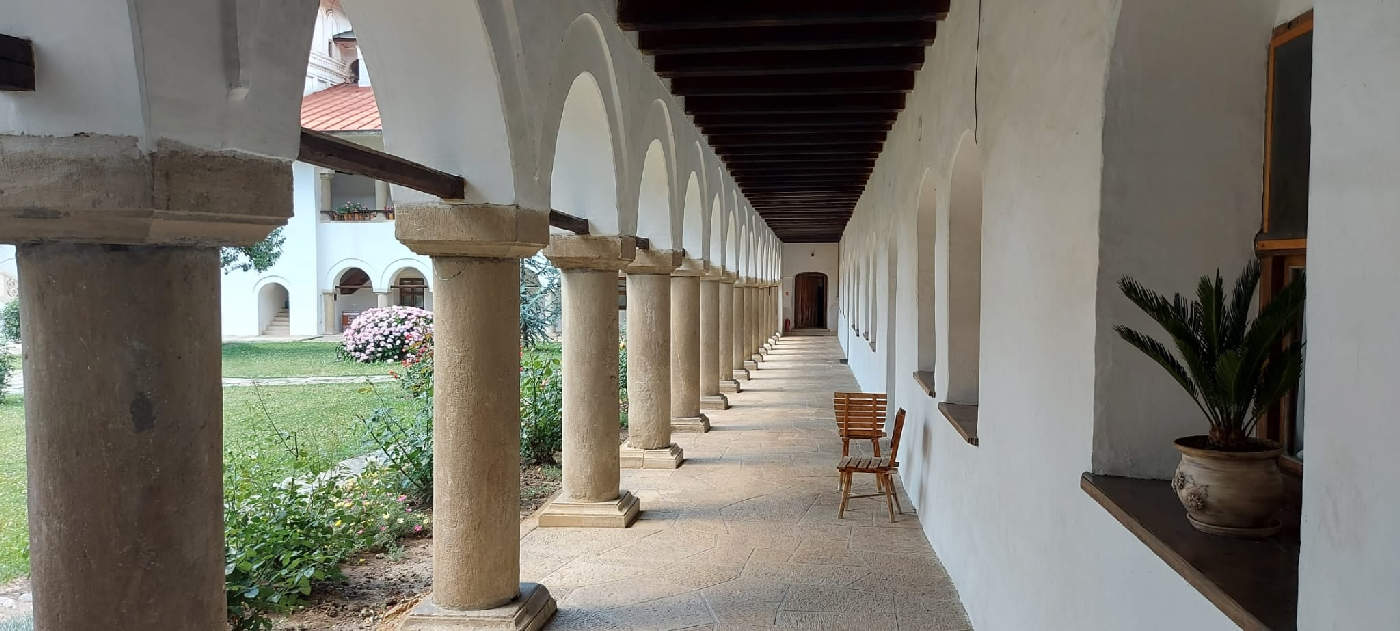
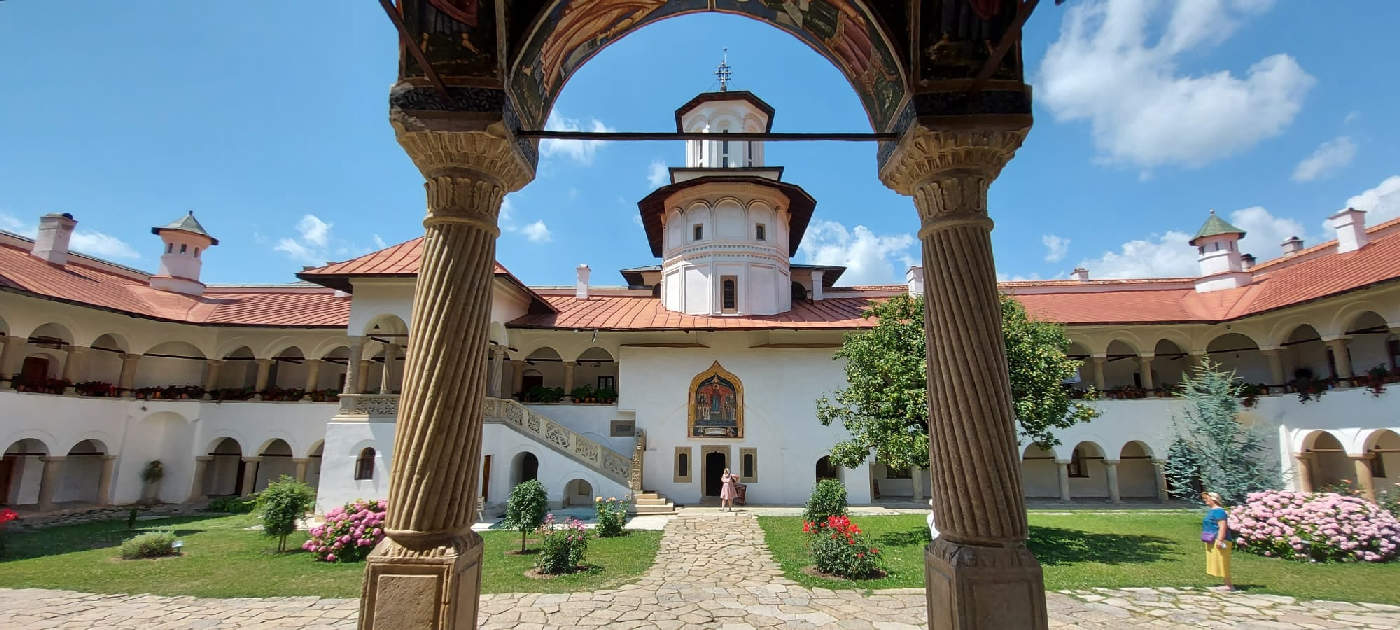
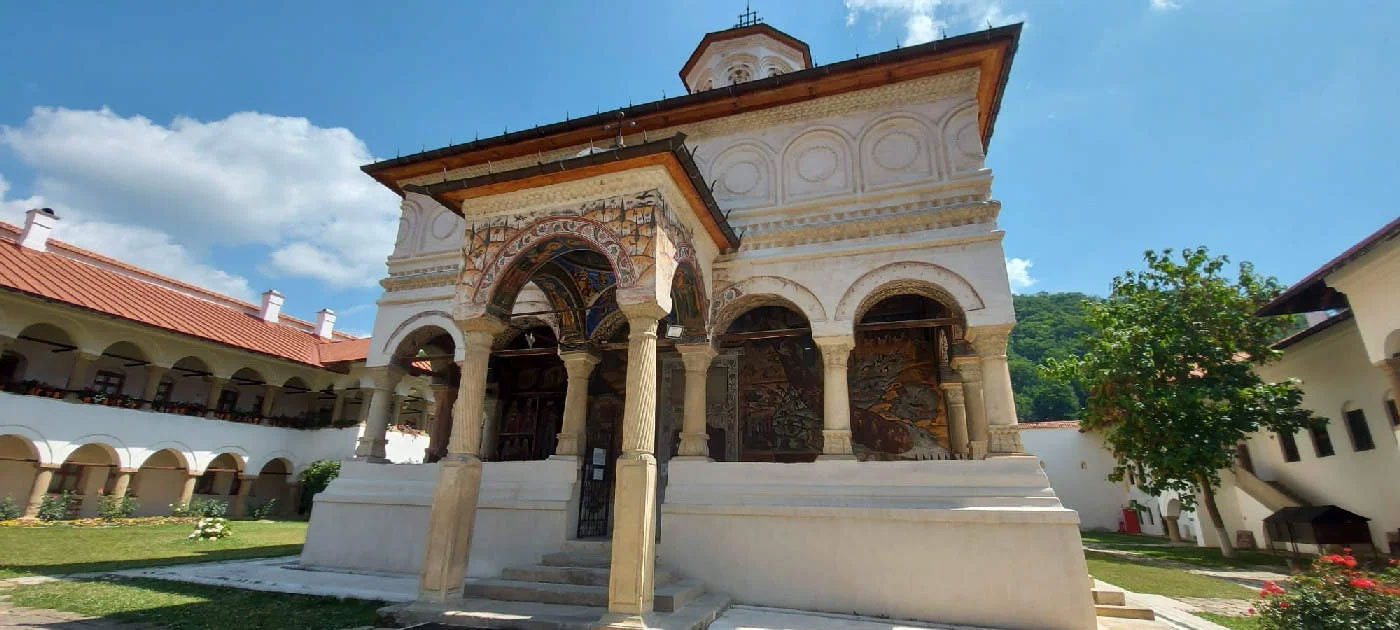
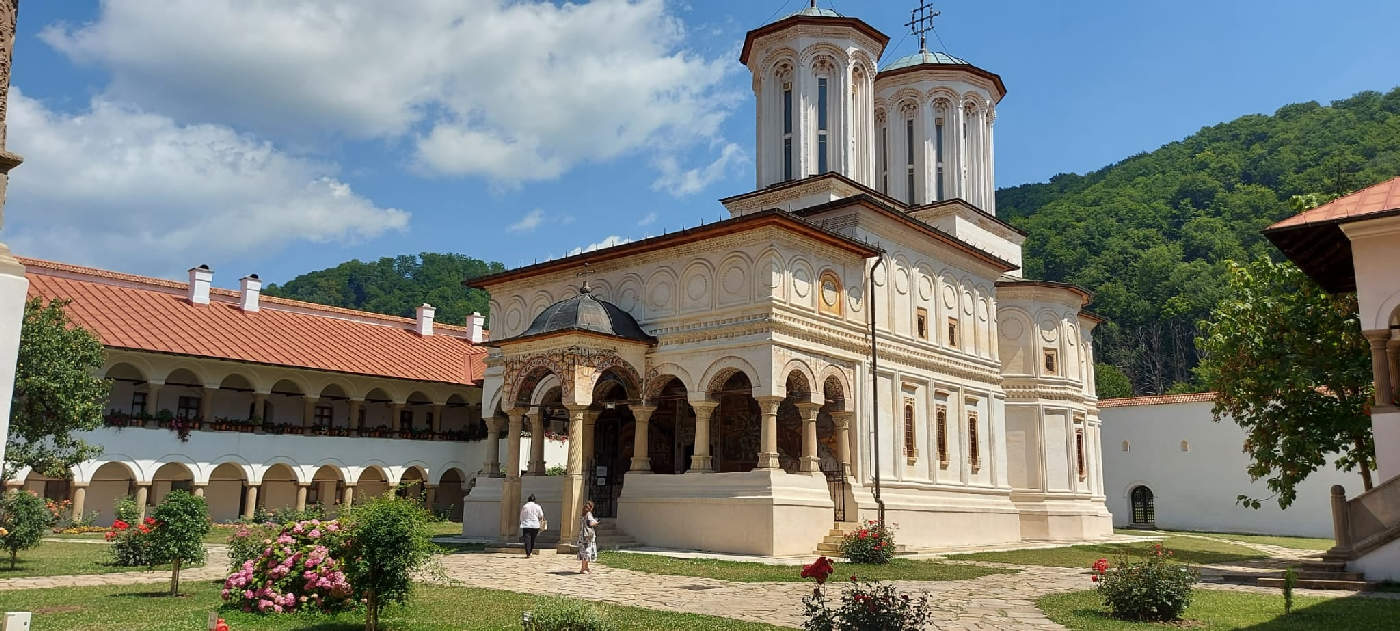
Located on a hill, the monastery complex is surrounded by two fortifications. The outer, smaller wall surrounds the entire monastery estate with its hermitages. The second is formed on three sides by buildings of varying heights and on the east by a wall. The entrance to the monastery is on the south side through a bell tower equipped with a massive wooden gate reinforced with steel. The monastery church of Sfintii Imparati Constantin si Elena in the center of the complex is built in the shape of a cross, is 32 meters long, 14 meters high, and was built between 1693 and 1697. In the vestibule of the church are several tombs, the most beautiful of which is decorated with marble and has a carved cover intended for Prince Brancoveanu, but it never served its purpose and was therefore never used. The large iconostasis is carved from linden wood and covered with gold.
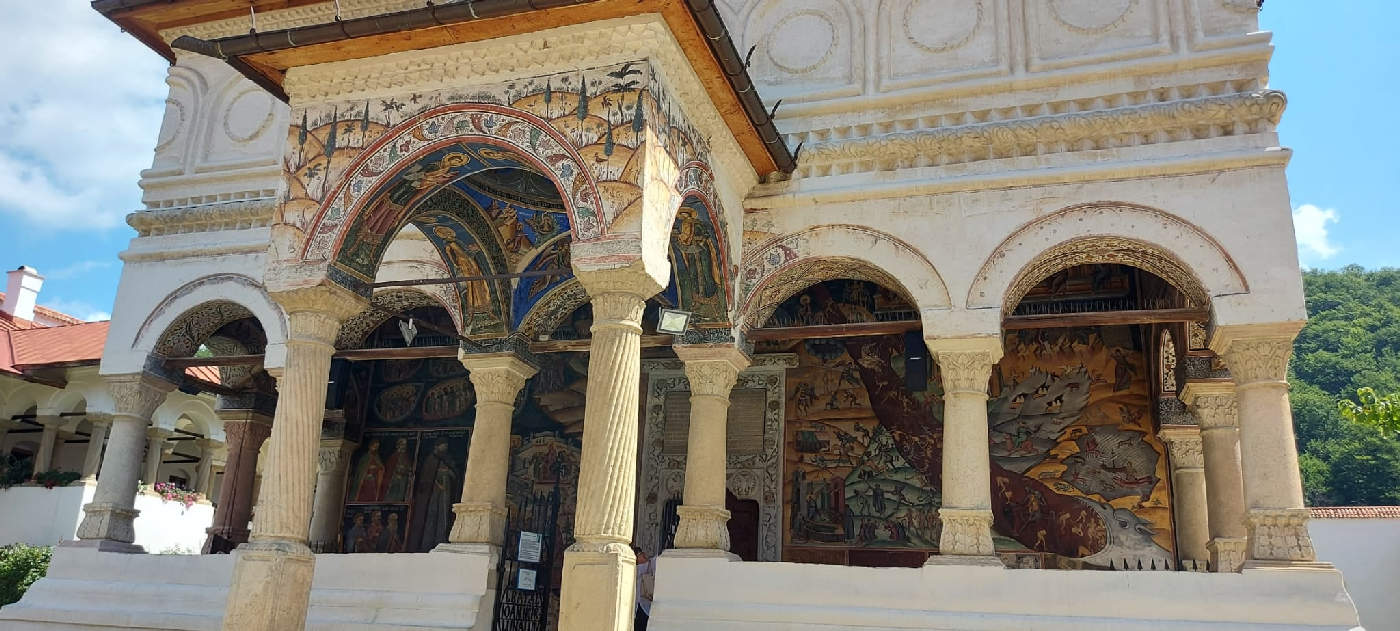
The square chapel with an octagonal tower, whose windows are the chapel’s source of light, is located on the west side opposite the entrance to the church and was built in 1697. The chapel’s frescoes were created between 1705 and 1706 and are still in good condition today.
We would like to thank Relu Chiriac, Galati, for allowing us to use these images.
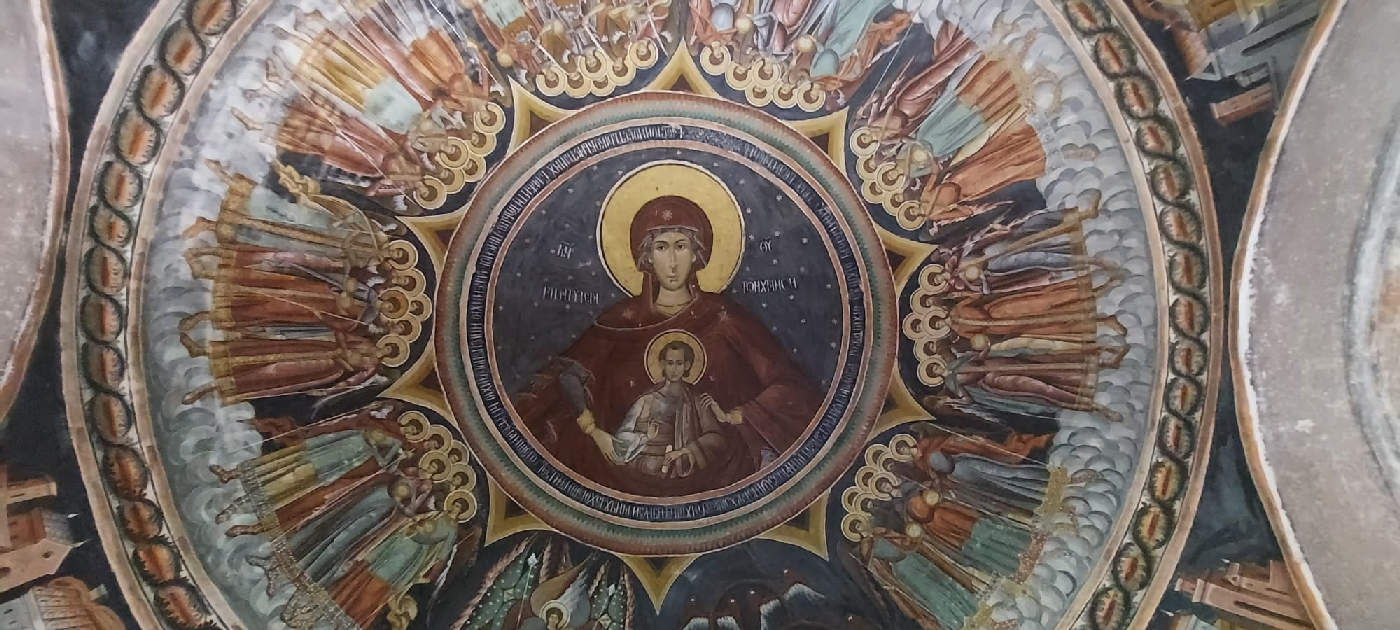
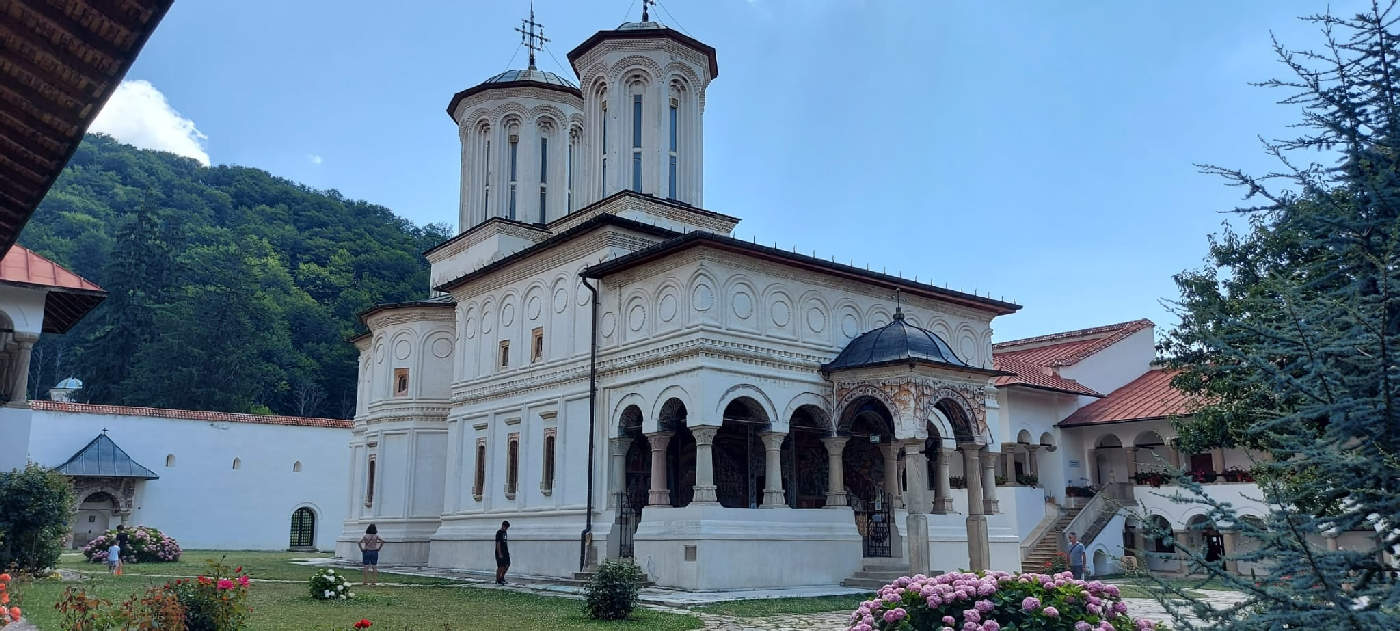
Buila Vanturarita | The Path to Heaven | Valcea County
(7 June 2024)
Beautiful photos of Buila Vanturarita National Park in Valcea County.
We thank Centrul Național de Informare și Promovare Turistică Vâlcea (Photos: Vali Conea) for permission to use these images.
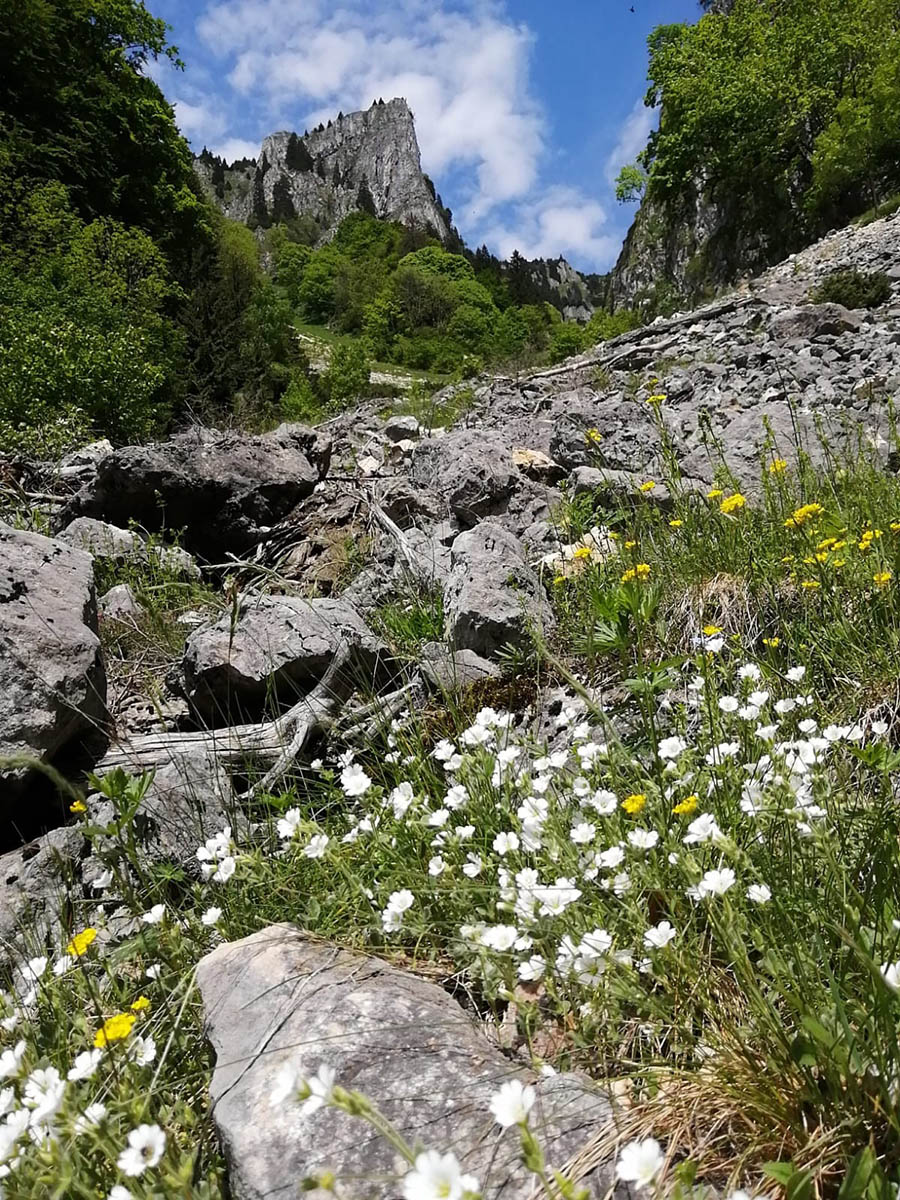
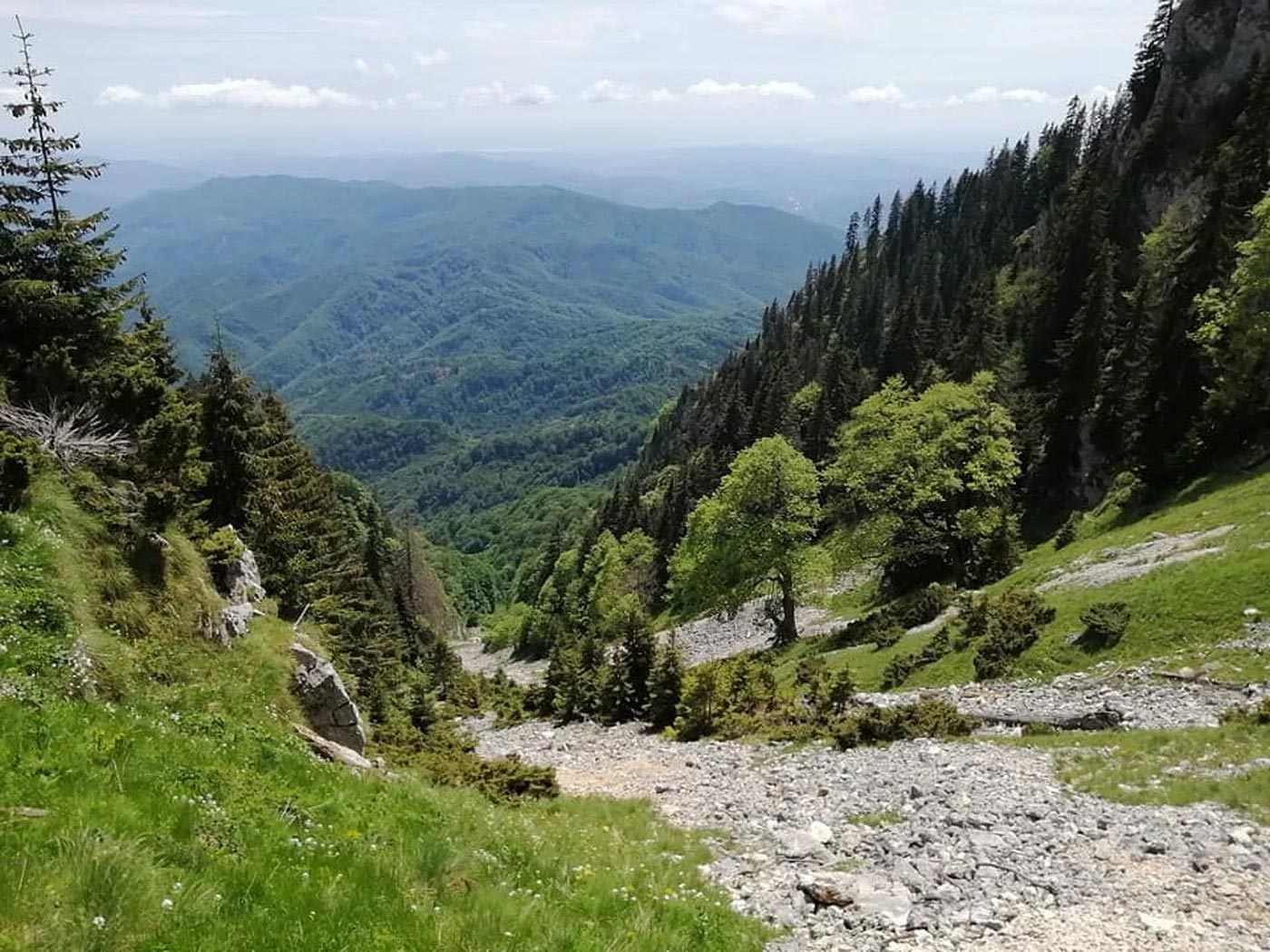
Valea Oltului | Valcea County
(6 June 2024)
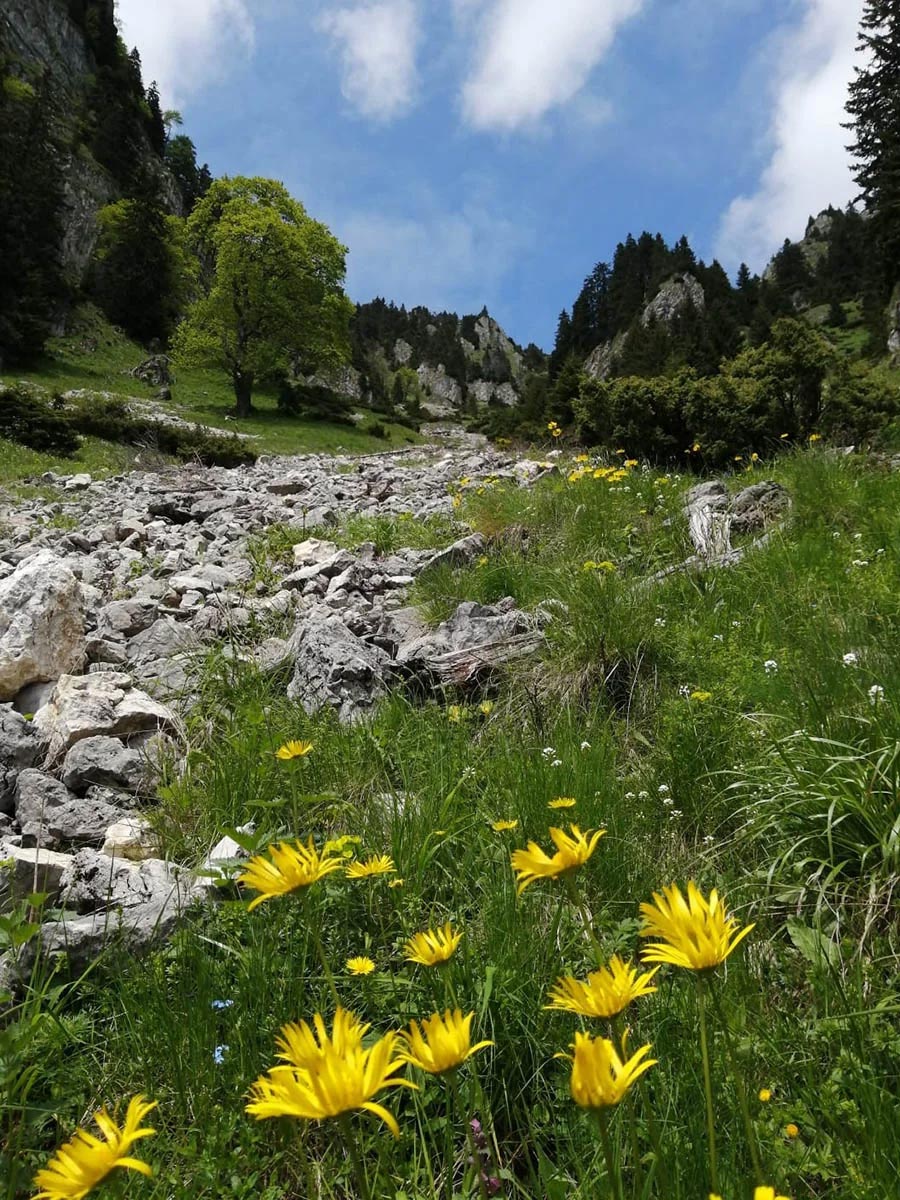
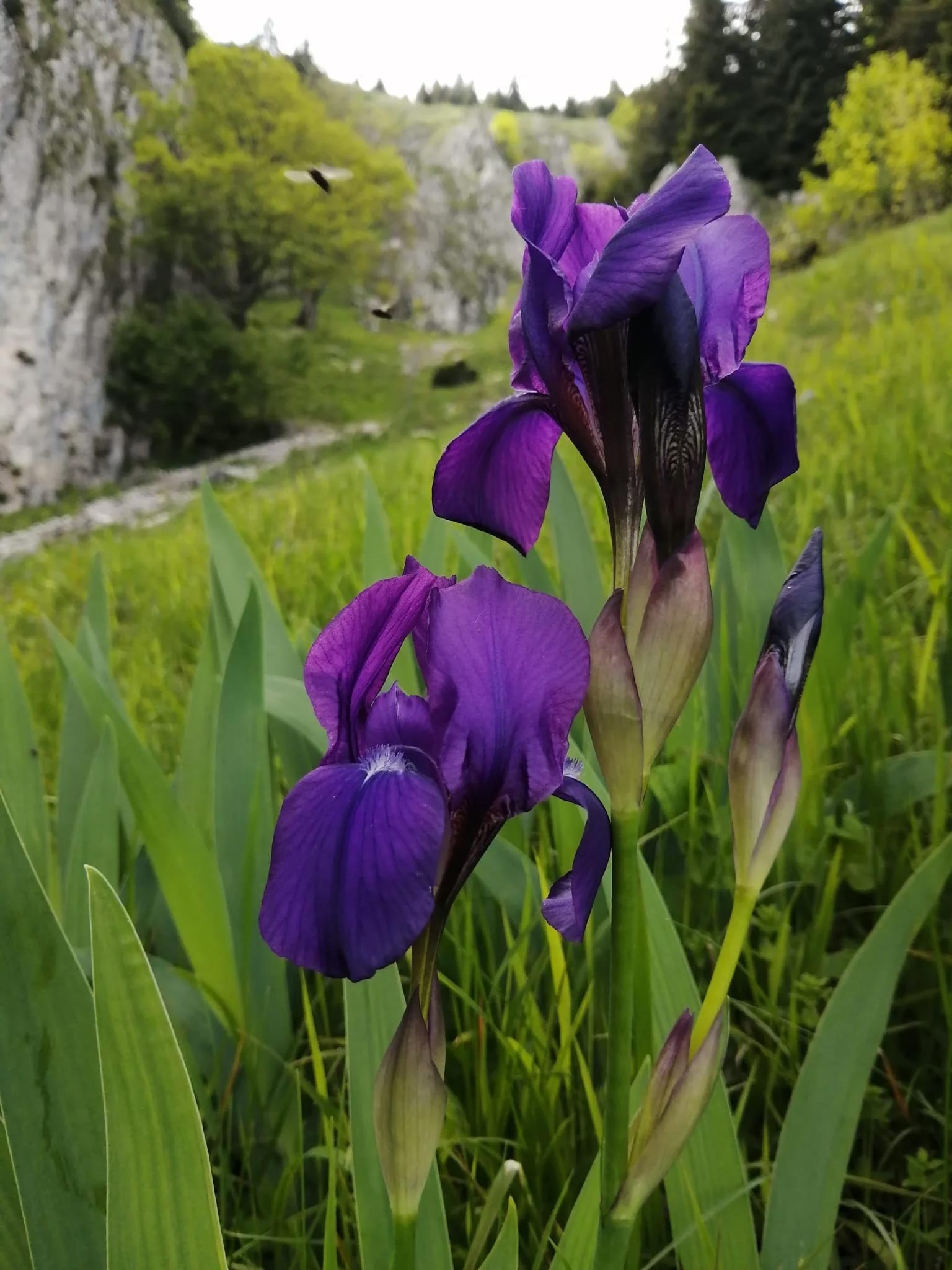
The Valea Oltului (Olt Valley) is a gorge through which the Olt River flows between Lotru and the Căpățânii Mountains, the western branch of the Făgăraș Mountains, and the Cozia Mountains.
We thank Vlad the Impaler – Dracula for permission to use this image.
Alina-Maria Monastery | Valcea County
(26 May 2024)
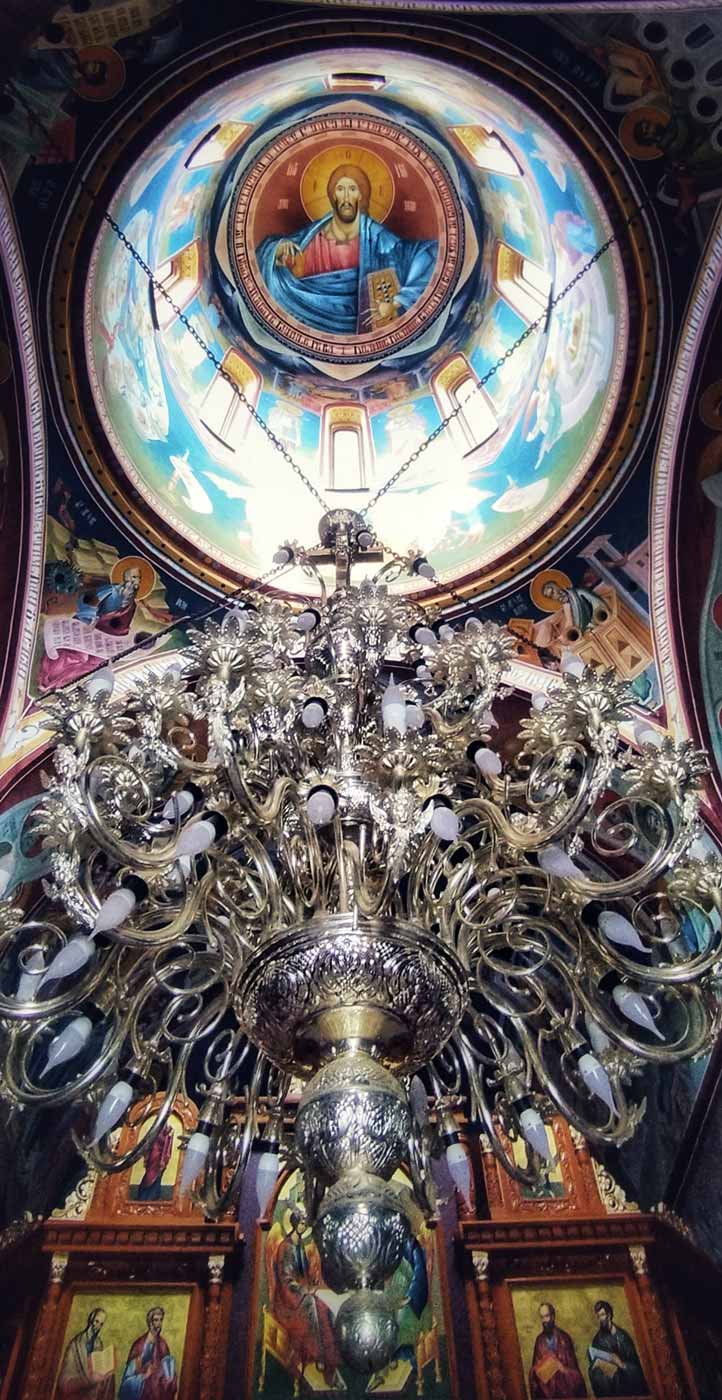
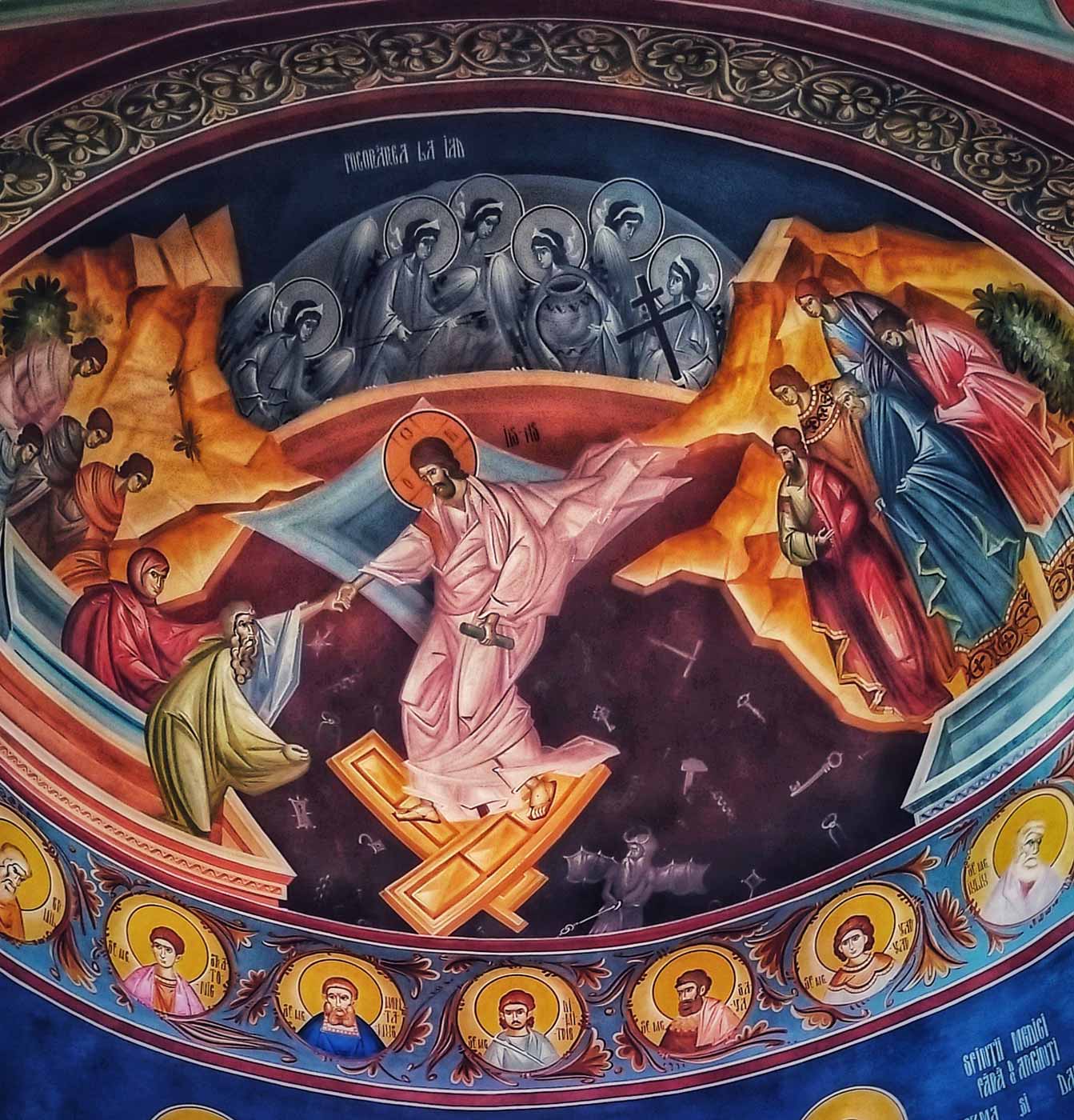
The Alina-Maria Monastery is located in the municipality of Vaideeni in Valcea County.
The commune consists of five individual villages: Cerna, Cornetu, Izvoru Rece, Marita, and Vaideeni.
https://discover-valcea.com | https://xn--willkommen-in-rumnien-m2b.de/
We would like to thank Ms. Corina E. Mateescu for permission to use these images.
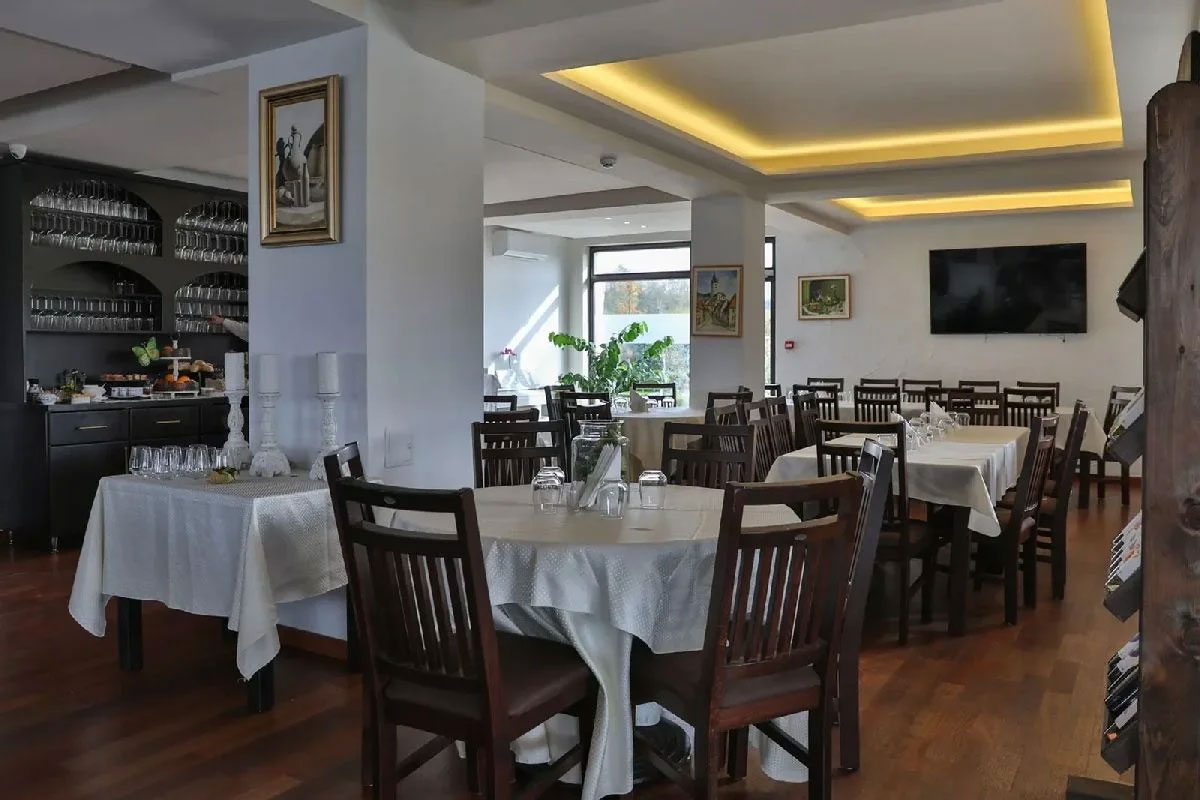
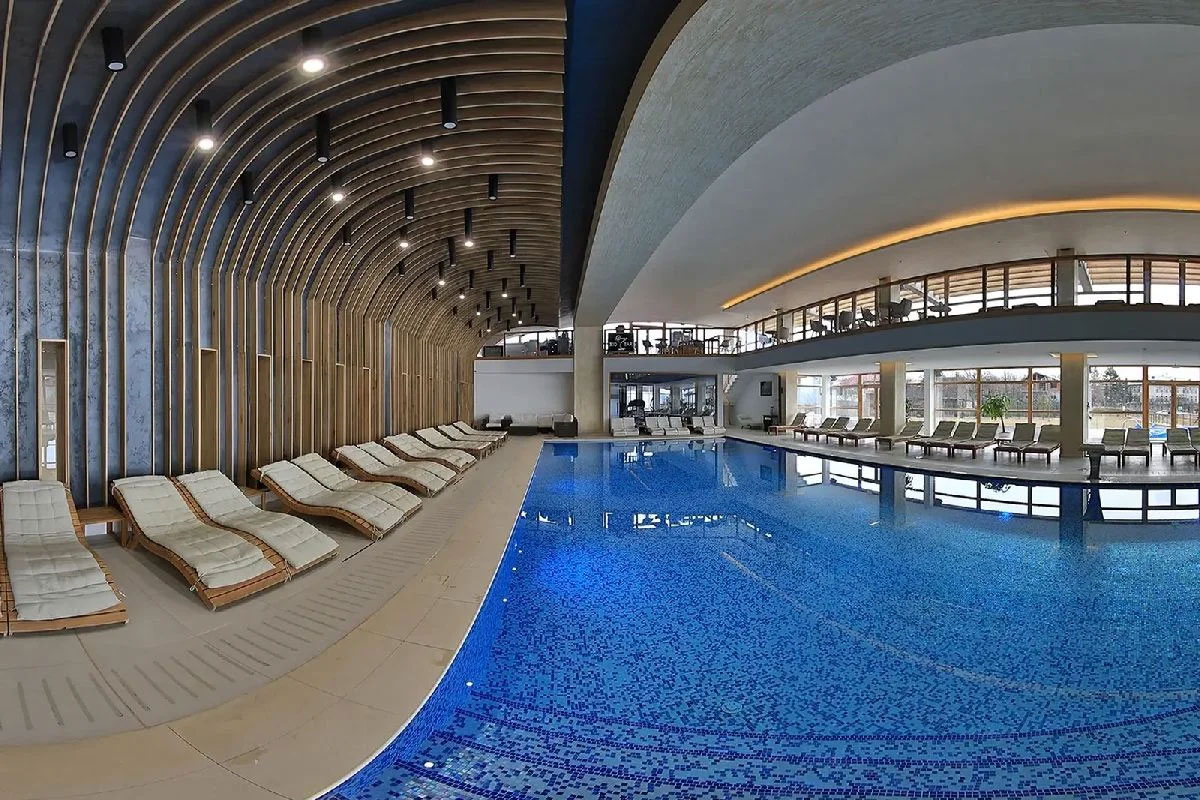
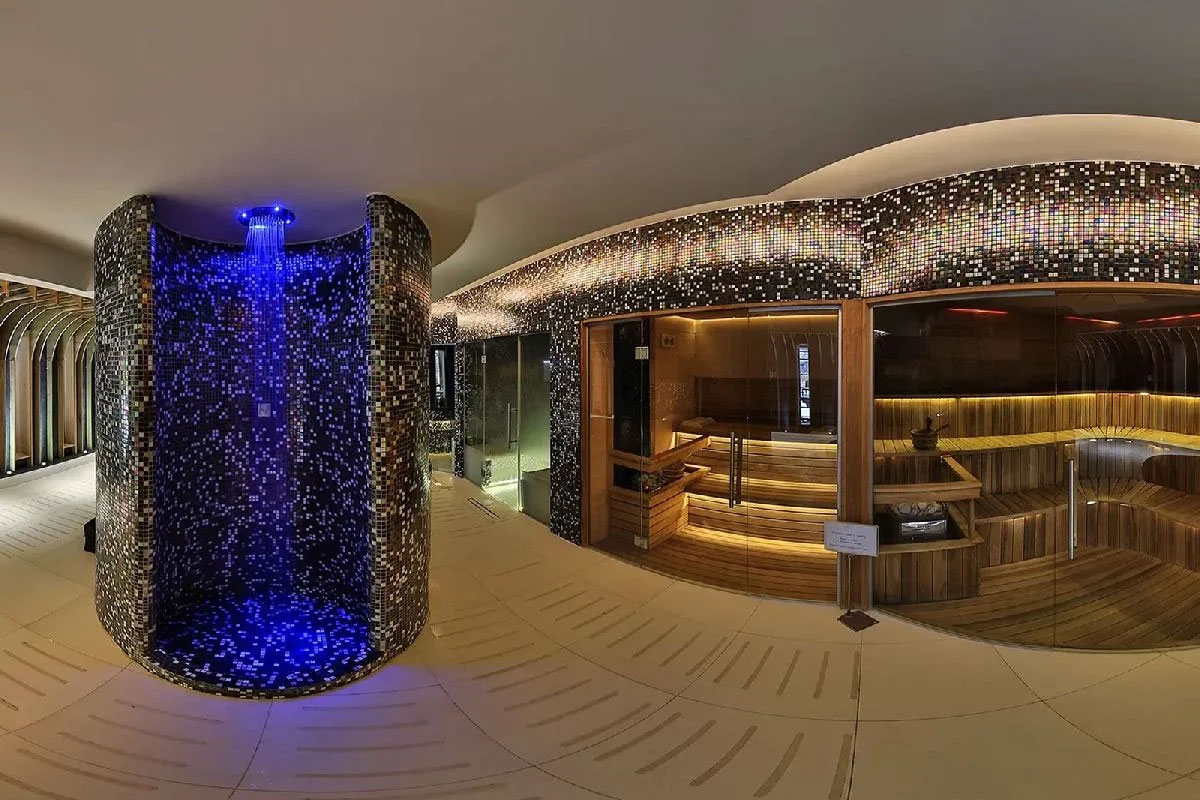
Spa & Wellness | Retreat | Hotel | Restaurant | Valcea County
(24 May 2024)
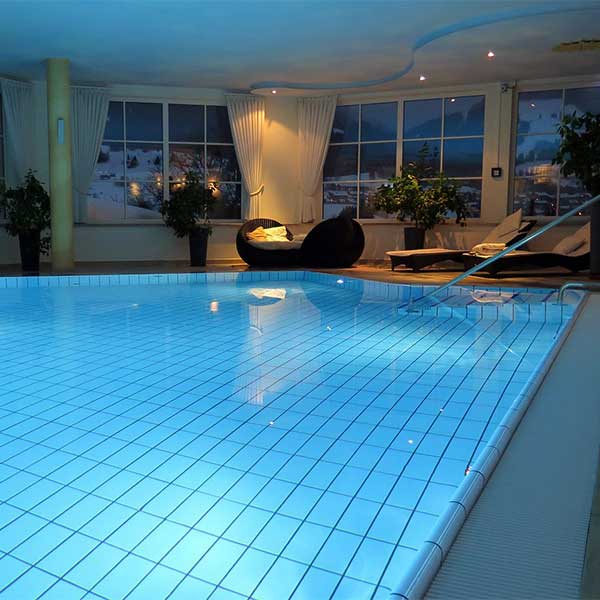
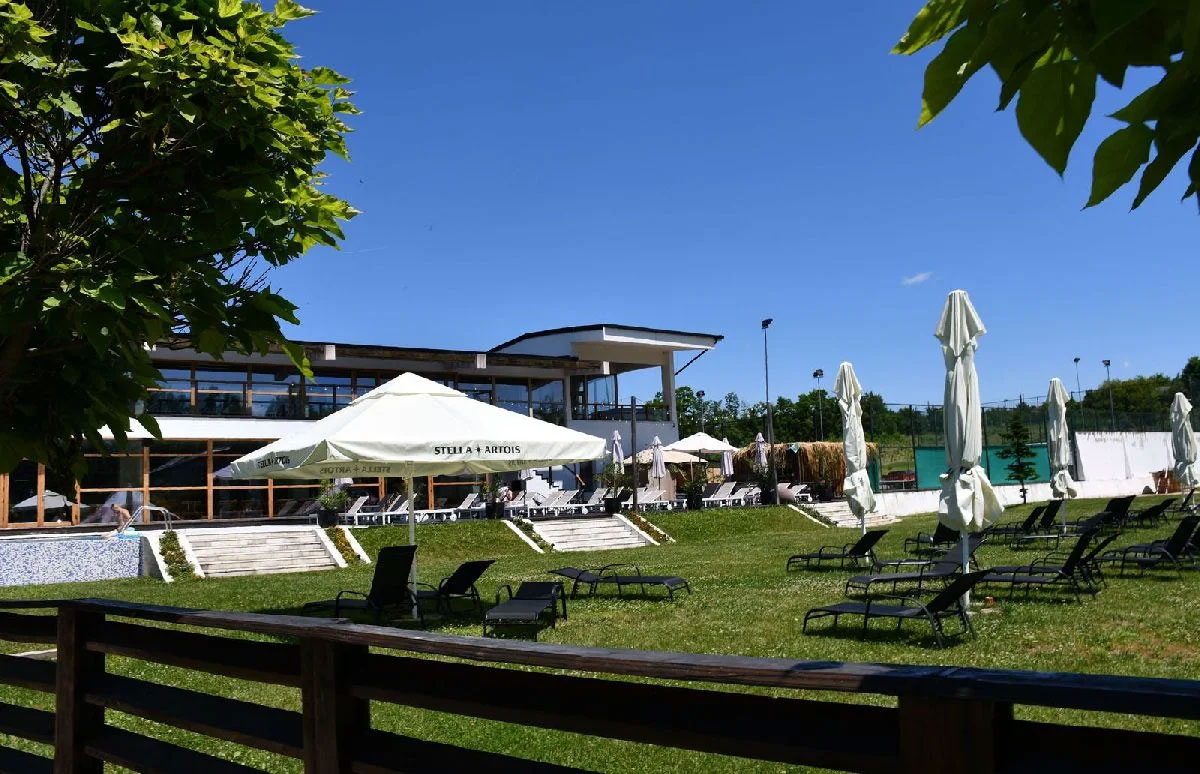
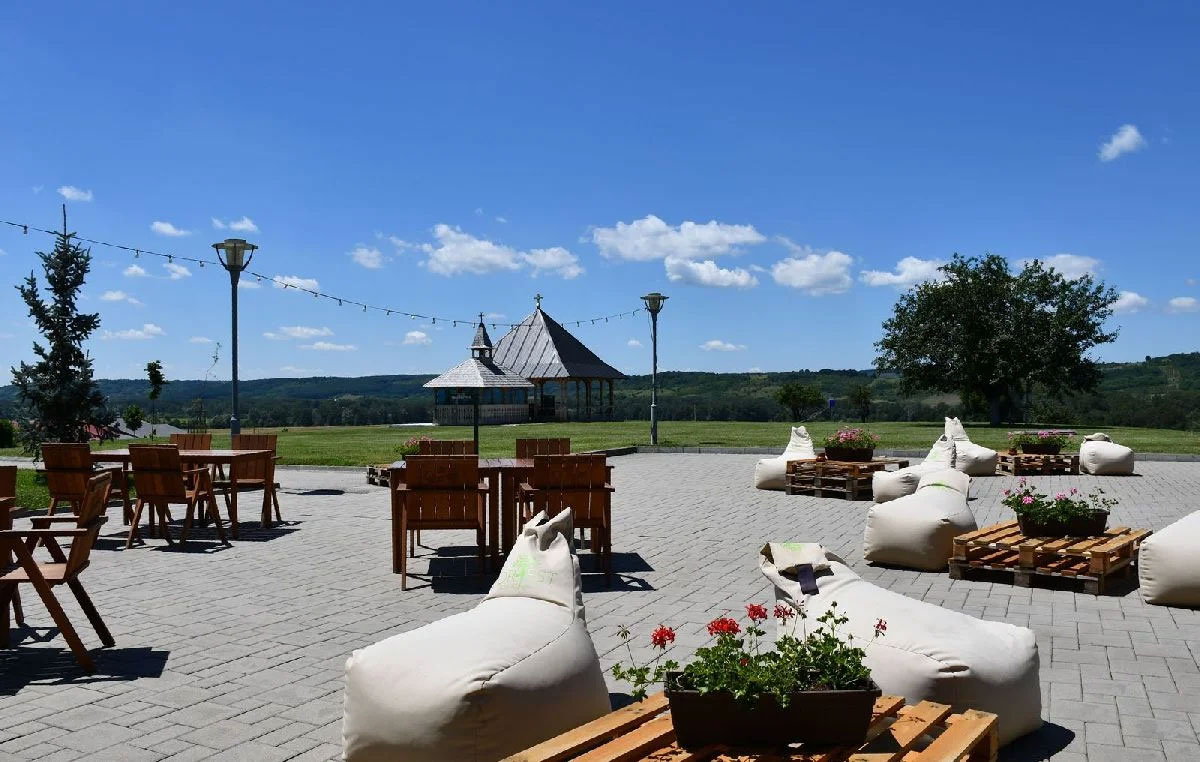
Visit the Forest Retreat & Spa in Valcea County for a restful vacation, some time to relax, or simply as the perfect getaway near the Dragasani wine region in the historic region of Wallachia (here Oltenia, Little Wallachia).
In addition to a wide range of treatments, therapies, massages, and spa services, the resort also offers tennis lessons and much more.
More information, offers, and contact details (English, Romanian):
https://www.forestspa.ro
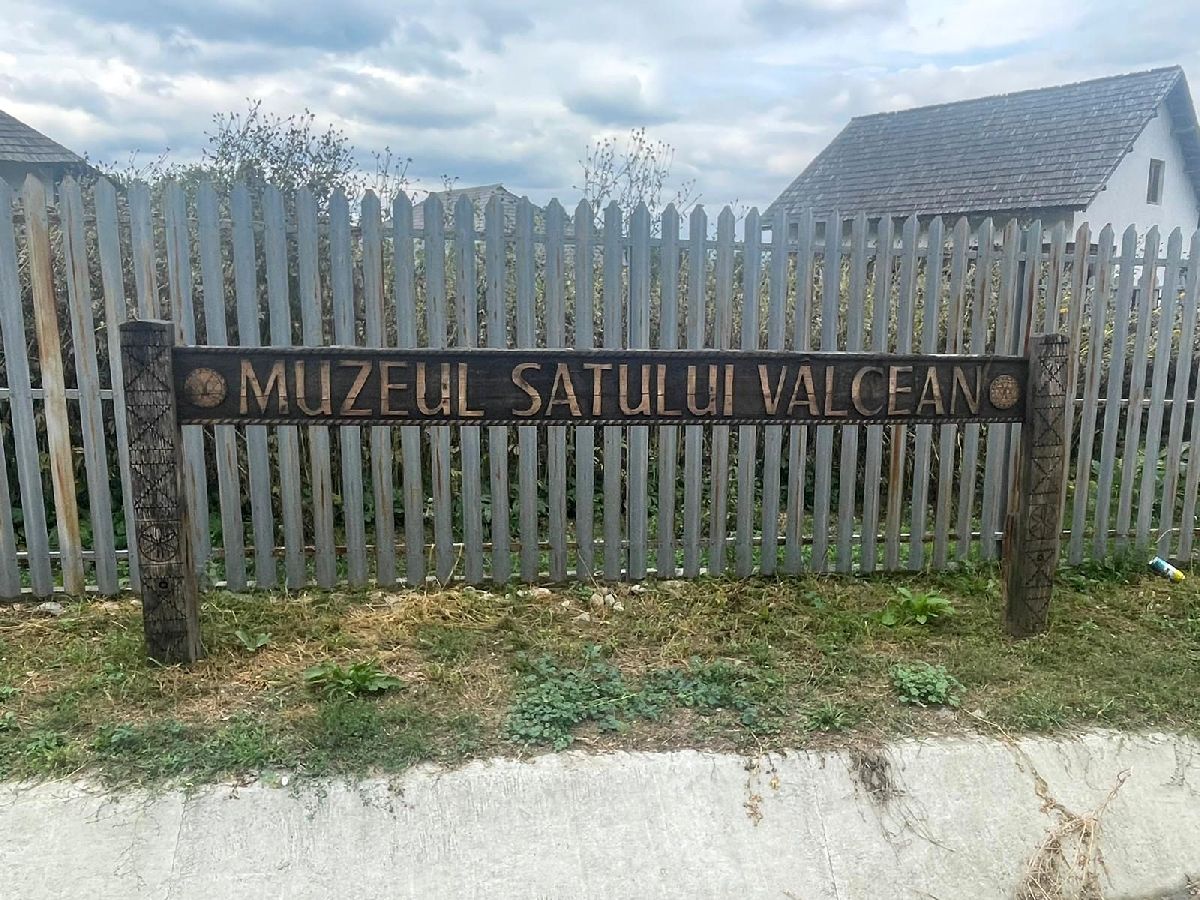
Muzeul (Museum) Satului Valcean | Valcea County
(22 May 2024)
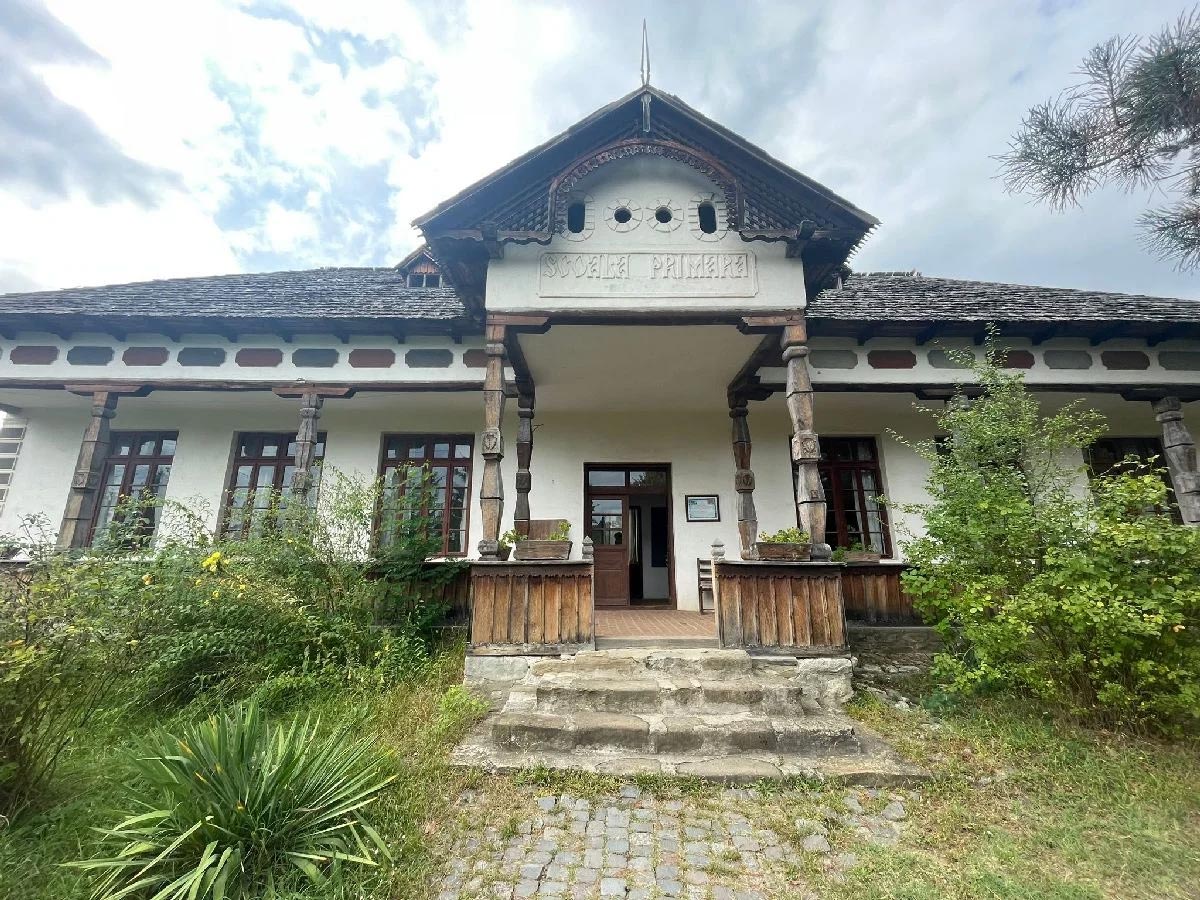
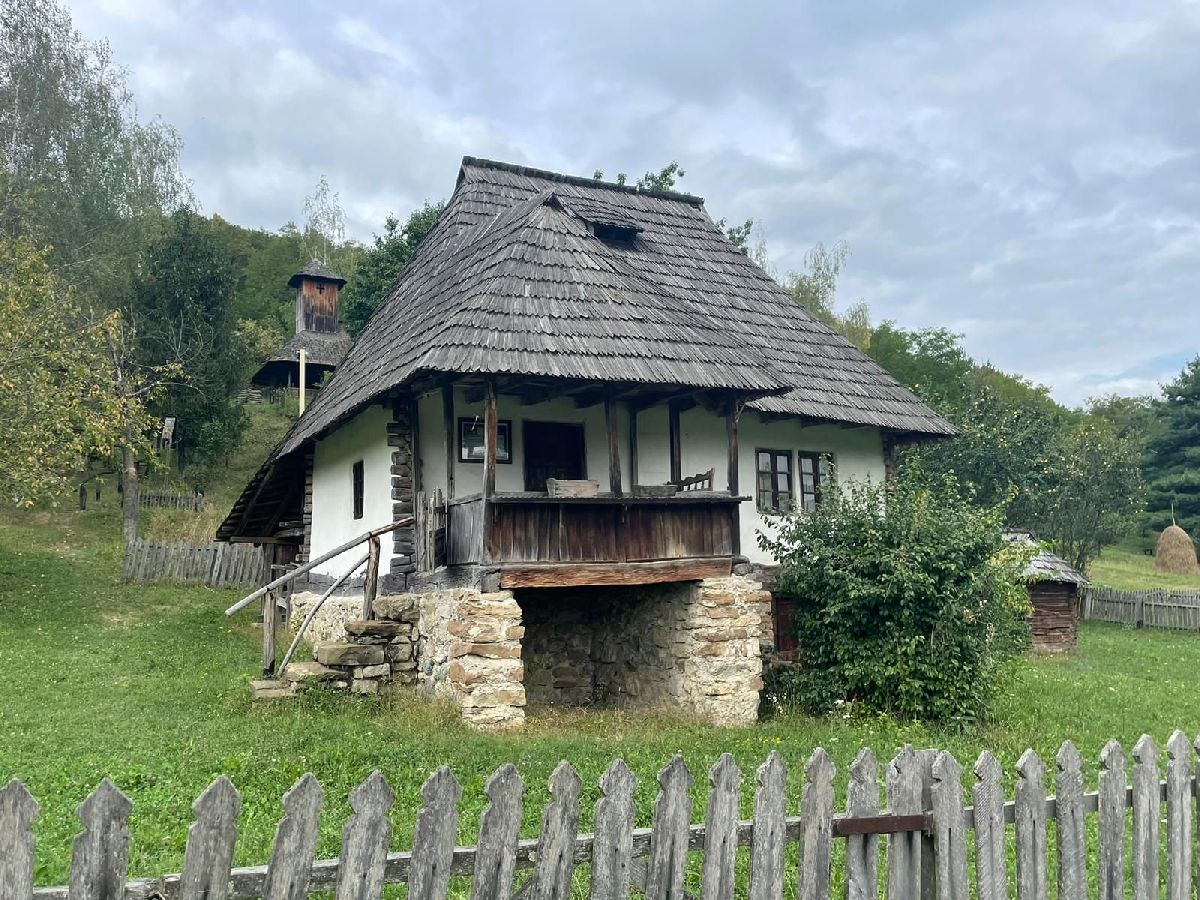
The Valcea Village Museum is located in the village of Bujoreni, about 4 km from the county seat of Ramnicu Valcea.
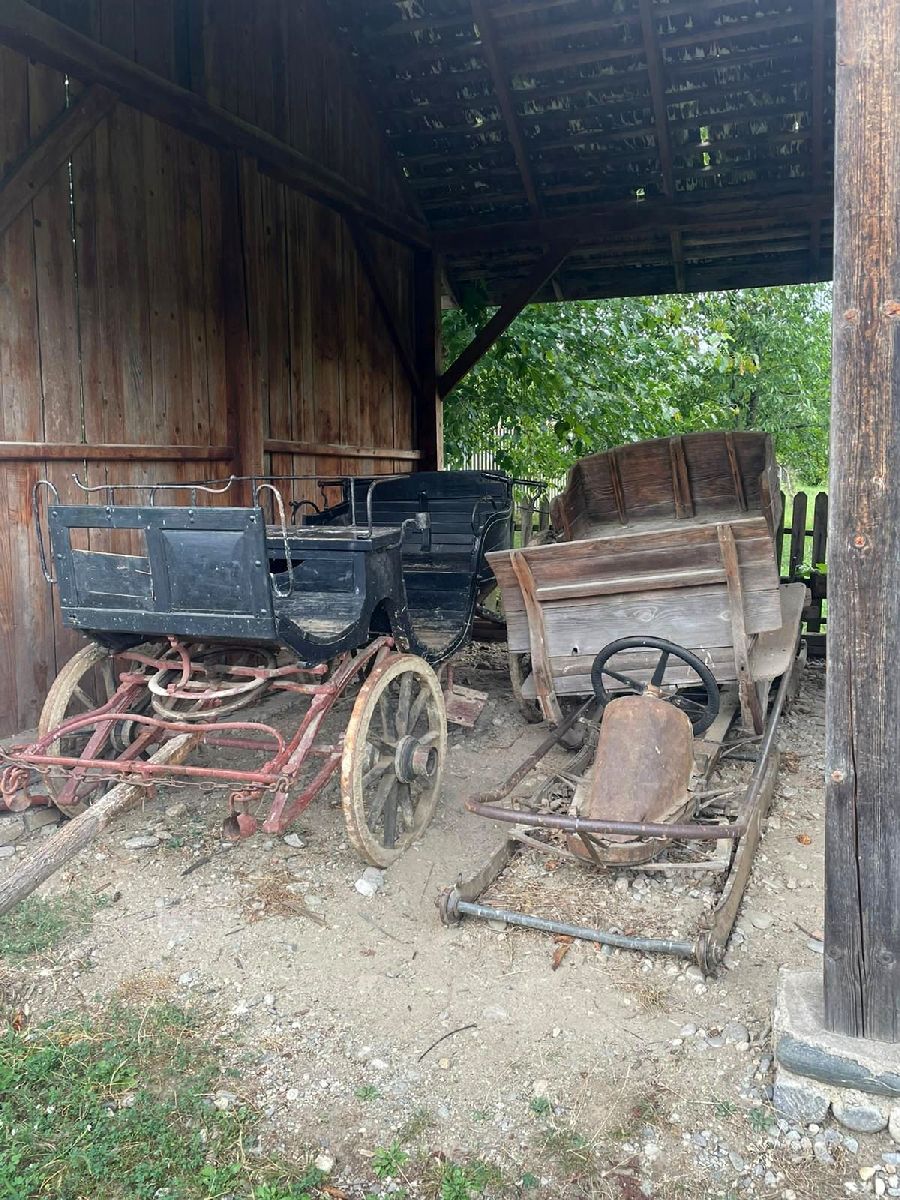
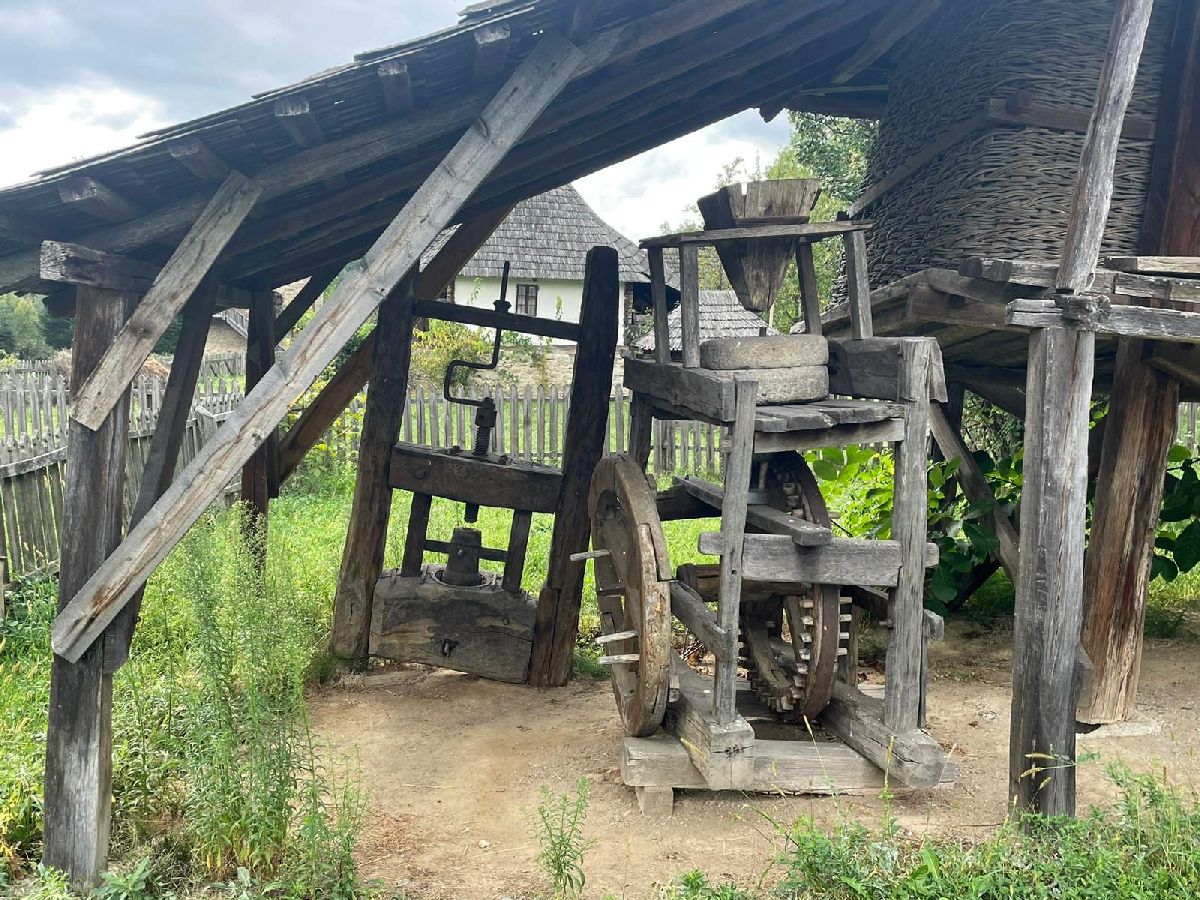
The museum is laid out like a village and depicts life in rural settlements in times past. The idea was conceived in 1969 and implemented step by step. It is definitely worth a visit.
We thank Mr. Alexander Laszlo for his efforts and for sending us these photos (taken on September 17, 2023).
Hotel Hanul Vatra | Valcea County
(16 May 2024)
The hotel is the ideal place for a weekend in the countryside, away from the noise of the big city. For private celebrations, hikes with friends in the mountains, courses, team-building meetings, or simply to relax.
Nearby, you’ll find many destinations worth visiting, such as the Horezu Monastery.
Learn more about this German-speaking host:
https://urlaub-in-rumänien.de/de/uir/das-hanul-vatra/
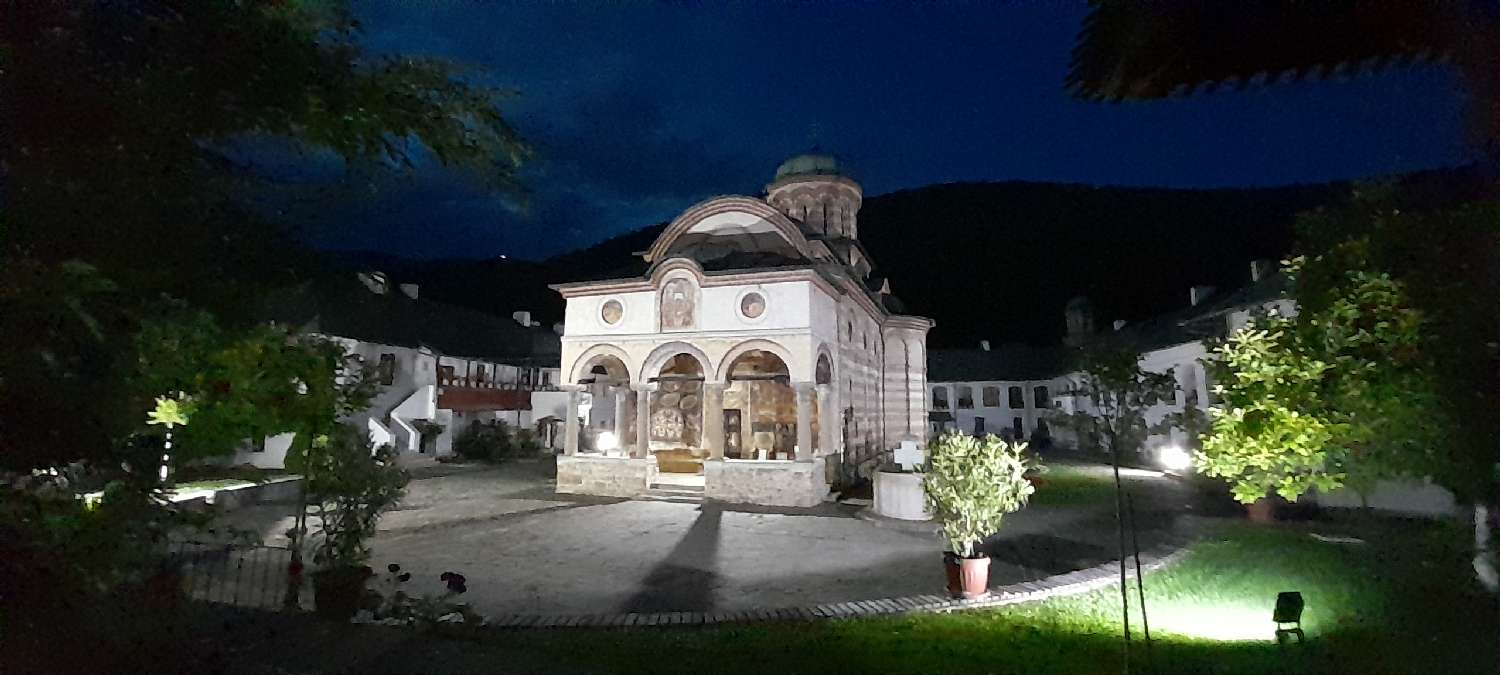
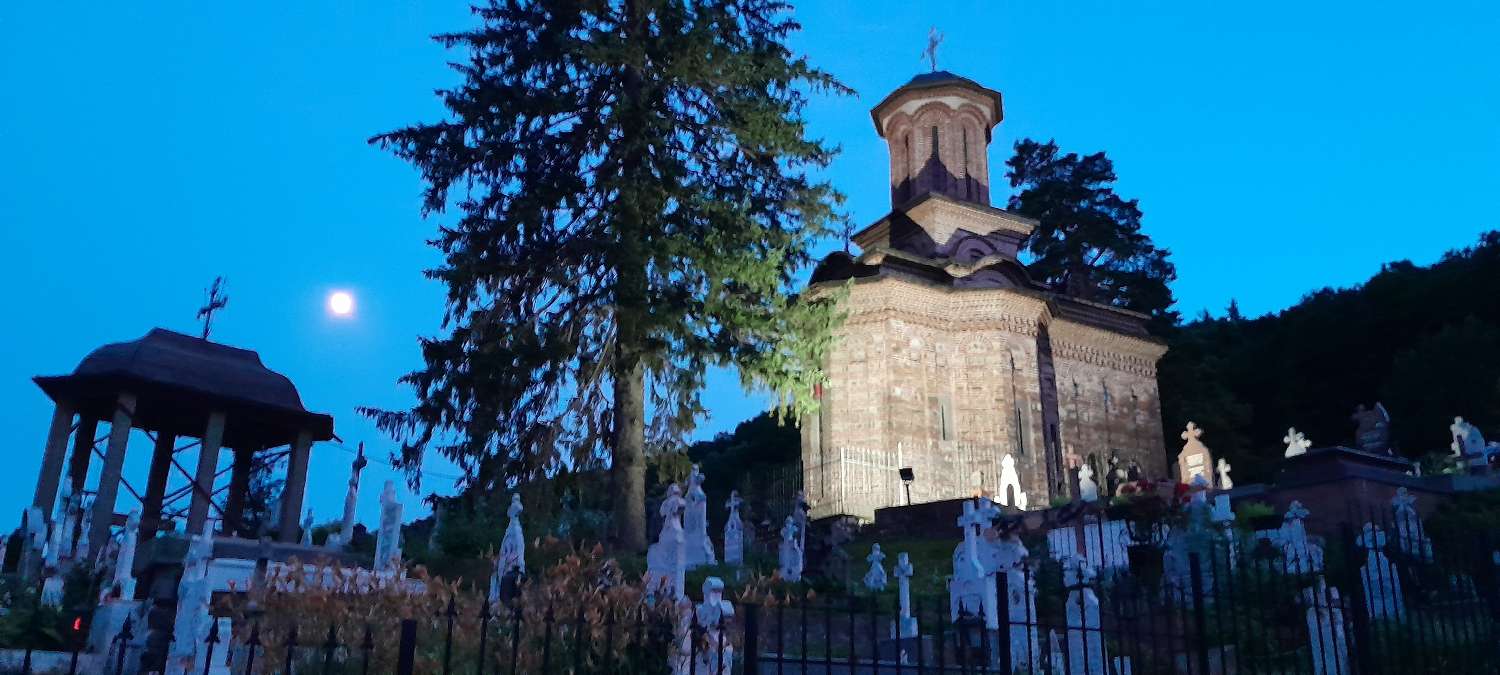
Cozia Monastery at Night | Valcea County
(12 May 2024)
The Cozia Monastery, built in 1388 by Mircea the Elder near Calimanesti and also housing his tomb, is one of the outstanding monuments of national medieval art and architecture in Romania.
https://discover-valcea.com | https://xn--willkommen-in-rumnien-m2b.de/
Manastirea Hurezi (Horezu Monastery) | Valcea County
(11 May 2024)
Horezu Monastery is a Romanian Orthodox nunnery located in the historic region of Little Wallachia in Valcea County.
At the foot of Muntii Capatanii, a mountain range in the Transylvanian Alps, in the village of Romanii de Jos, the monastery is located about three kilometers (as the crow flies) north of the small town of Horezu.
The cries of nocturnal birds of prey (Romanian: huhurezi), which lived in the forests surrounding the monastery, probably gave the place its name. The monastery was founded in 1692 by the then Prince of Wallachia, Constantin Brancoveanu (1654–1714), and completed in 1709. Until 1862, it was a monastery for men. After the monks were transferred to Bistrița, nuns came to the monastery. The monastery complex has been restored several times since 1827 and is a listed building.
Located on a hill, the monastery complex is surrounded by two fortifications. The outer, smaller wall surrounds the entire monastery estate with its hermitages. The second is formed on three sides by buildings of varying heights and on the east by a wall. The entrance to the monastery is on the south side through a bell tower equipped with a massive wooden gate reinforced with steel. The monastery church of Sfintii Imparati Constantin si Elena in the center of the complex is built in the shape of a cross, is 32 meters long, 14 meters high, and was built between 1693 and 1697. In the vestibule of the church are several tombs, the most beautiful of which is decorated with marble and has a carved cover intended for Prince Brancoveanu, but it never served its purpose and was therefore never used. The large iconostasis is carved from linden wood and covered with gold.
The square chapel with an octagonal tower, whose windows are the chapel’s source of light, is located on the west side opposite the entrance to the church and was built in 1697. The chapel’s frescoes were created between 1705 and 1706 and are still in good condition today.
We would like to thank Centrul Național de Informare și Promovare Turistică Vâlcea for permission to use these images.
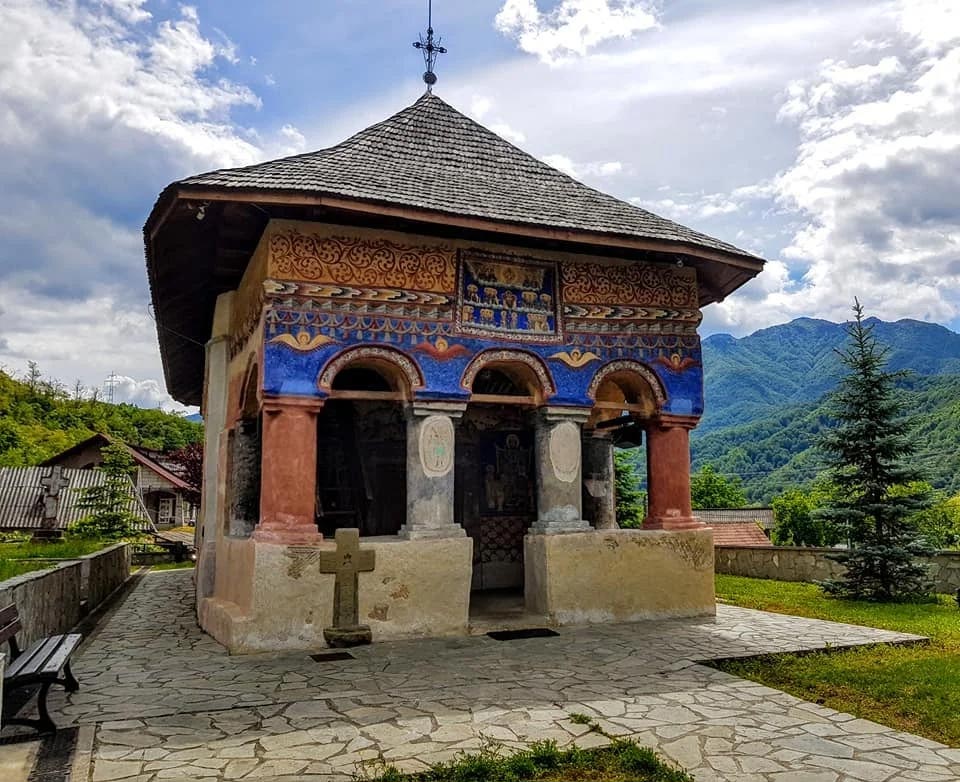
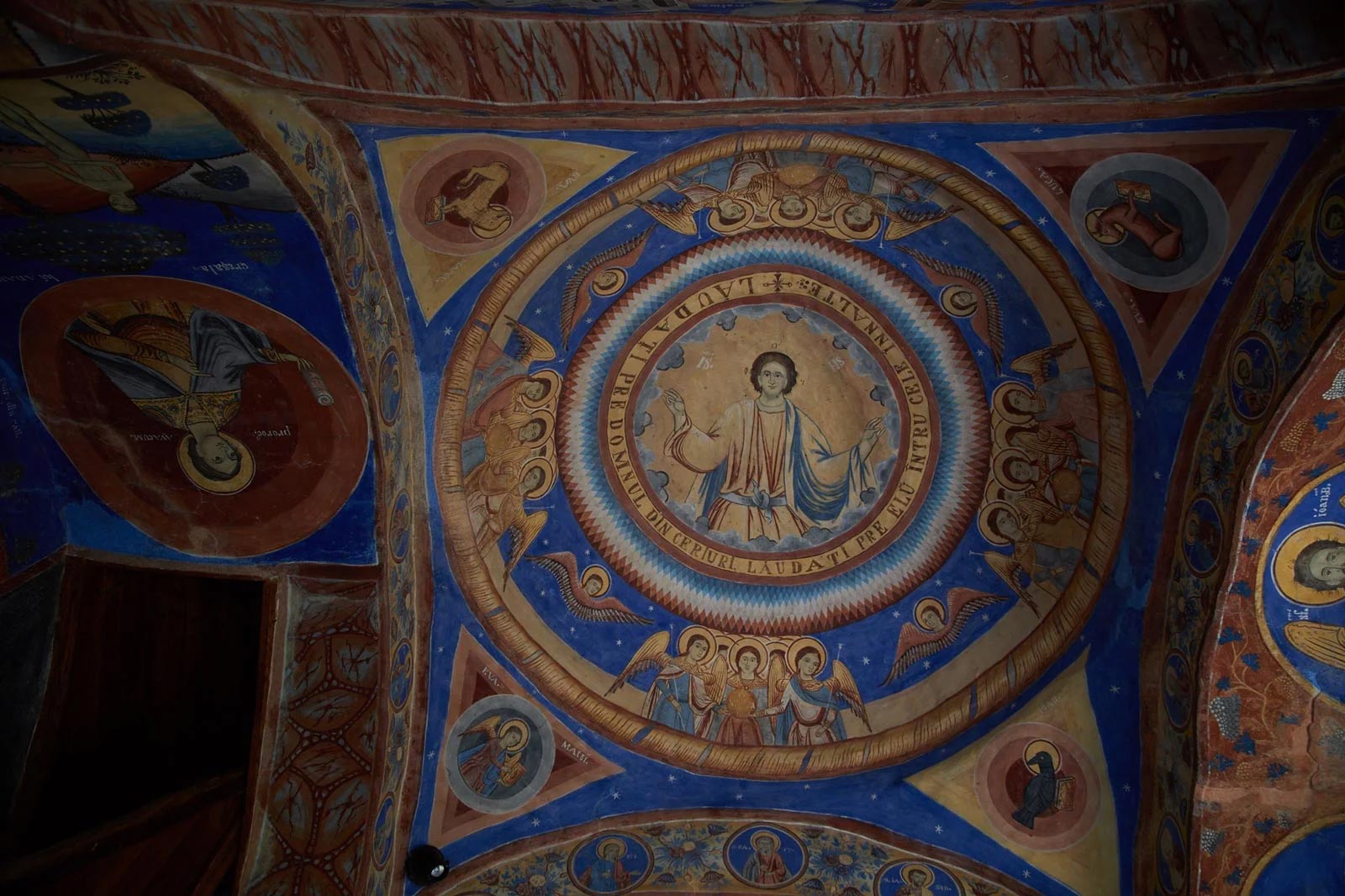
The Church in the Village of Proieni (Brezoi)
(10 May 2024)
It is a very old church in the small town of Brezoi (Valcea County), which is said to be the place where Mihai Viteazul married his wife Stanca as early as 1583.
Folklore also holds that Prince Mihai Viteazul was baptized in this church. The current “All Saints” church was built in 1798. In 1812, Macarie Ierimonahul added a six-columned porch to the church, and the painting was added later in 1875.
We thank Centrul Național de Informare și Promovare Turistică Vâlcea for permission to use these images.
Spring | Hiking and Nature
(8 May 2024)
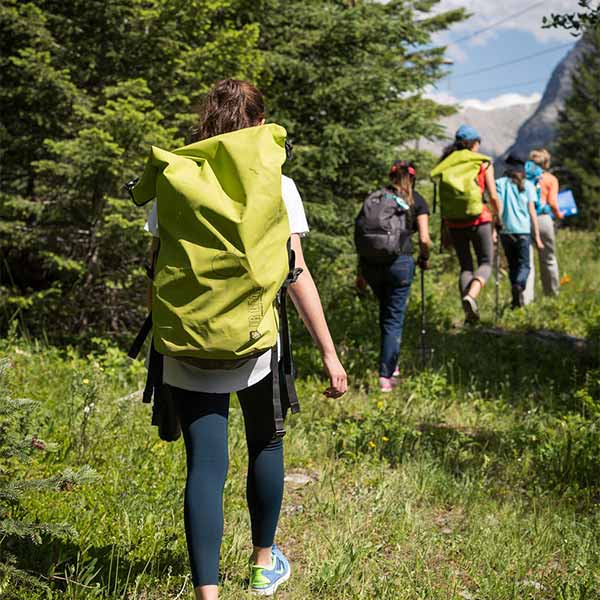
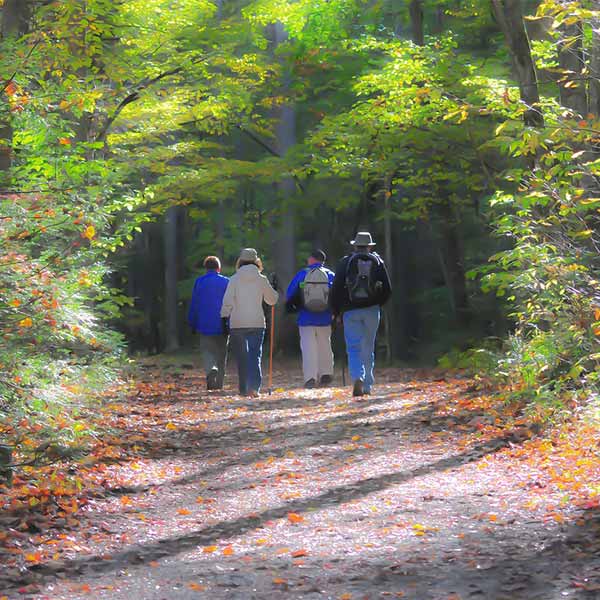
A wonderful time to spend in unspoiled nature. It’s not too cold and not too hot, the trees are a beautiful, rich green, and you can hear birds chirping in the branches.
Photos from the village of Patesti, part of the municipality of Salatrucel in Valcea County.
We thank Ms. Corina E. Mateescu for permission to use these photos.
Ocnele Mari Salt Mine | Valcea County
(2 May 2024)
The Ocnele Mari Salt Mine is a salt mining operation located in the small town of Ocnele Mari, Valcea County, in the historical region of Oltenia.
https://discover-valcea.com/de/salzwerk-ocnele-mari/
We would like to thank the photographer, Ms. Corina E. Mateescu, for granting us permission to use these images.
Manastirea Hurezi (Horezu Monastery)| Valcea County
(1 May 2024)
Horezu Monastery (also known as Hurezi Monastery) is a Romanian Orthodox nunnery located in the historic region of Little Wallachia in Vâlcea County.
At the foot of Munții Căpățânii, a mountain range in the Transylvanian Alps, in the village of Romanii de Jos, the monastery is located about three kilometers (as the crow flies) north of the small town of Horezu.
The cries of the nocturnal birds of prey (Romanian: huhurezi) that lived in the forests surrounding the monastery probably gave the place its name. The monastery was founded in 1692 by the then Prince of Wallachia, Constantin Brâncoveanu (1654–1714), and completed in 1709. Until 1862, it was a monastery for men. After the monks were transferred to Bistrița, nuns came to the monastery. The monastery complex has been restored several times since 1827 and is a listed building.
Located on a hill, the monastery complex is surrounded by two fortifications. The outer, smaller wall surrounds the entire monastery estate with its hermitages. The second is formed on three sides by buildings of varying heights and on the east by a wall. The entrance to the monastery is on the south side through a bell tower equipped with a massive wooden gate reinforced with steel. The monastery church of Sfinții Împarați Constantin și Elena in the center of the complex is built in the shape of a cross, is 32 meters long, 14 meters high, and was built between 1693 and 1697. In the vestibule of the church are several tombs, the most beautiful of which is decorated with marble and has a carved cover intended for Prince Brâncoveanu, but it never fulfilled its purpose and was therefore never used. The large iconostasis is carved from lime wood and covered with gold.
The square chapel with an octagonal tower, whose windows are the chapel’s source of light, is located on the west side opposite the entrance to the church and was built in 1697. The frescoes in the chapel were created between 1705 and 1706 and are still in good condition today.
We would like to thank Relu Chiriac, Galati, for allowing us to use these images.
Camping / Glamping | Valcea County
(25 April 2024)
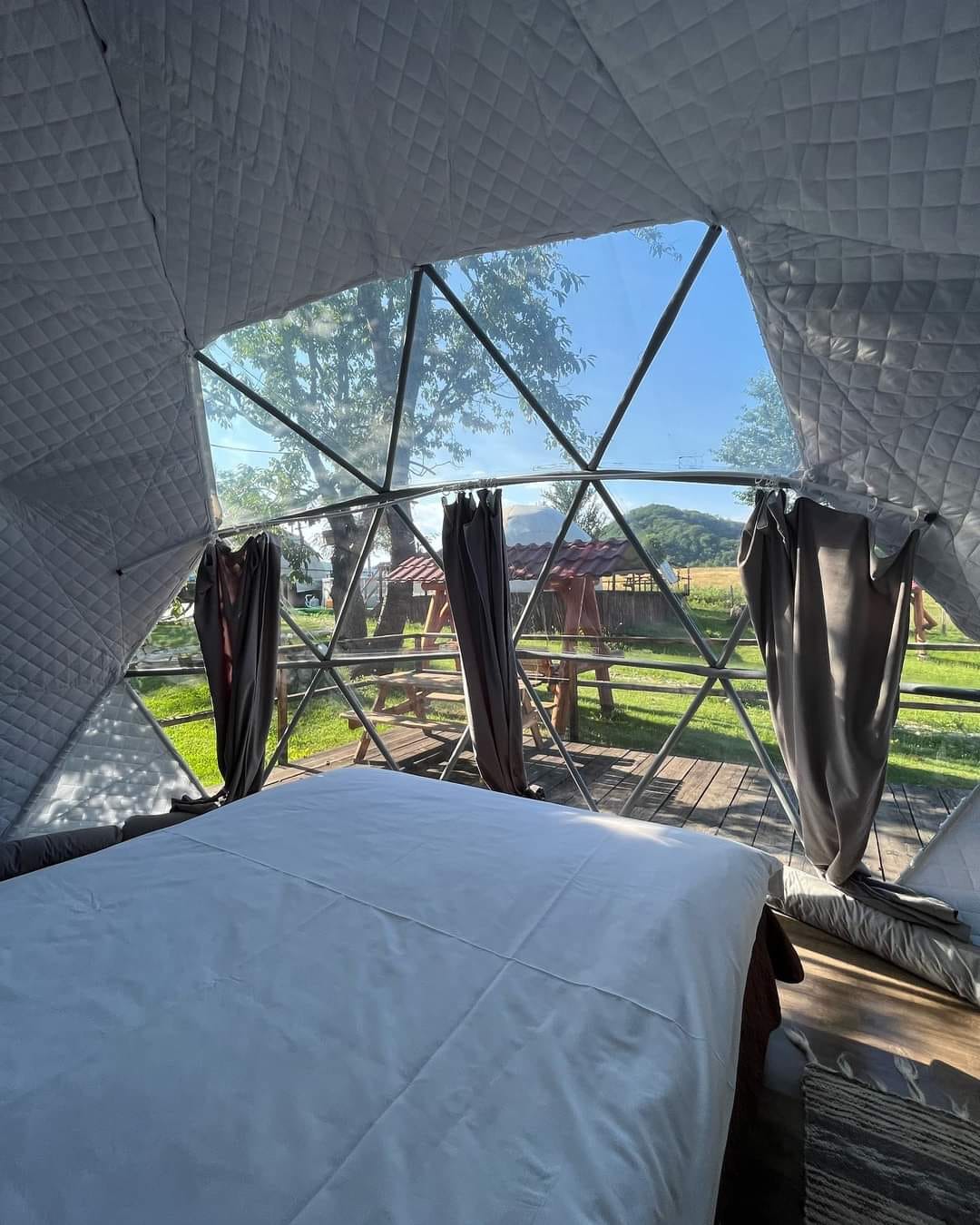
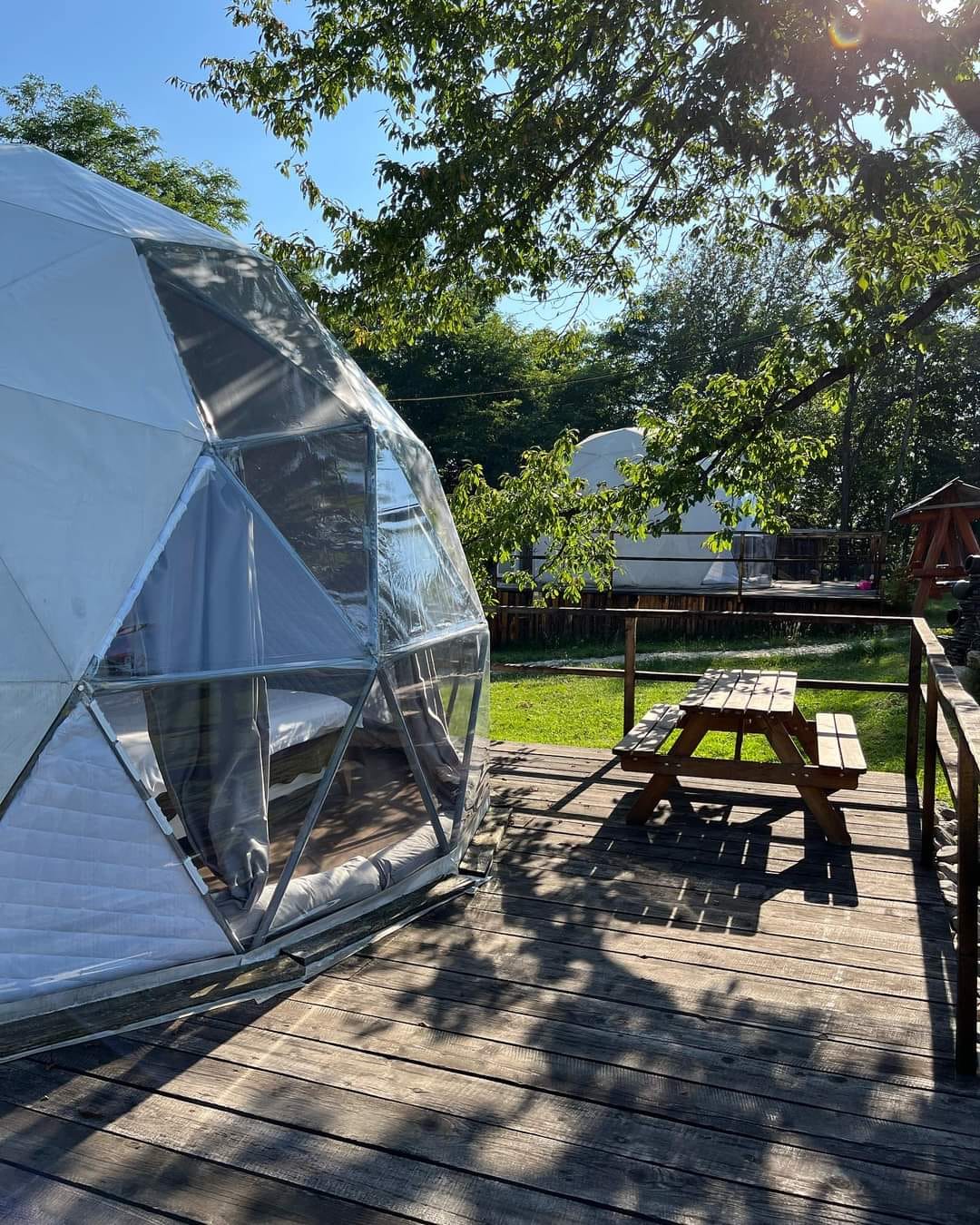
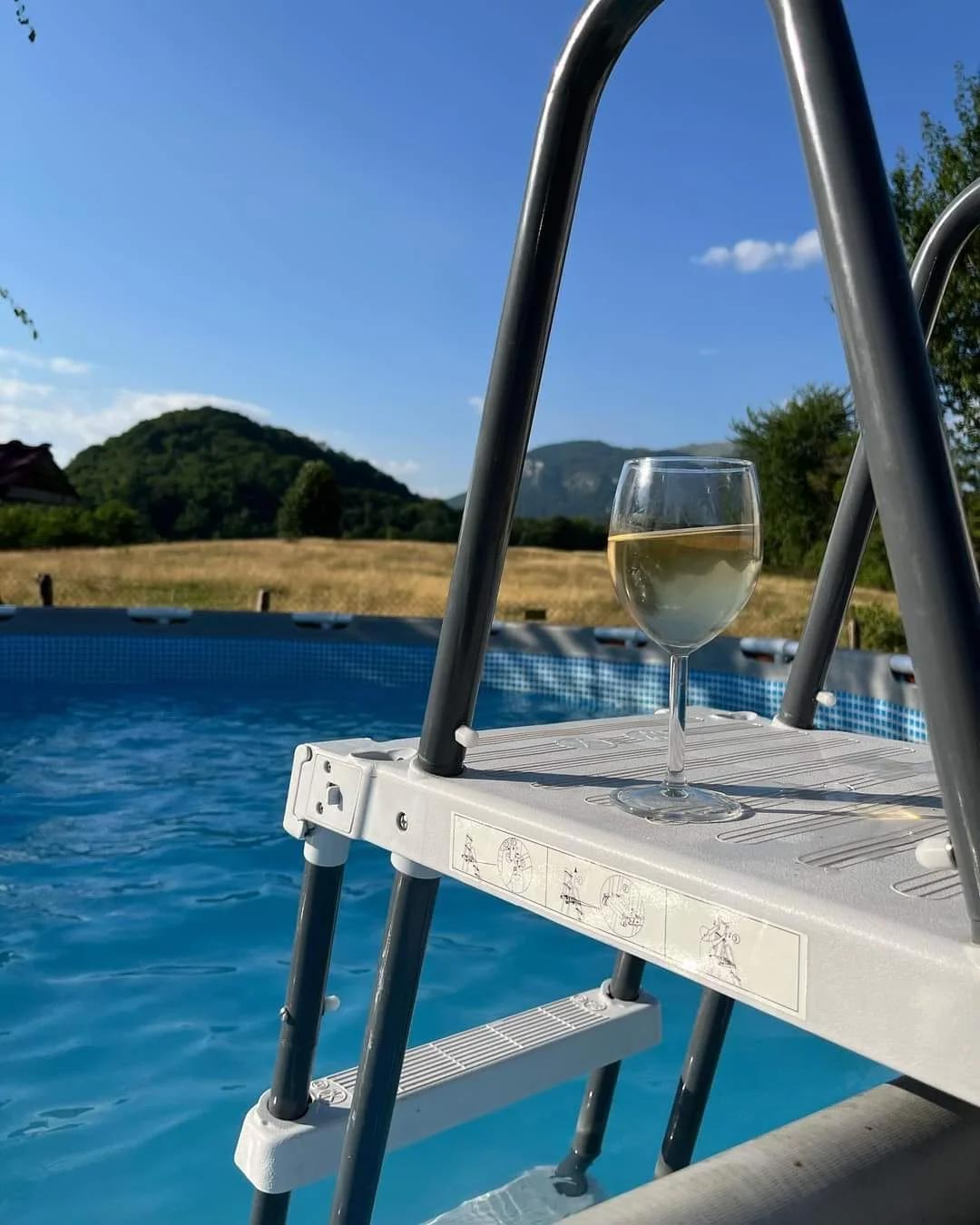
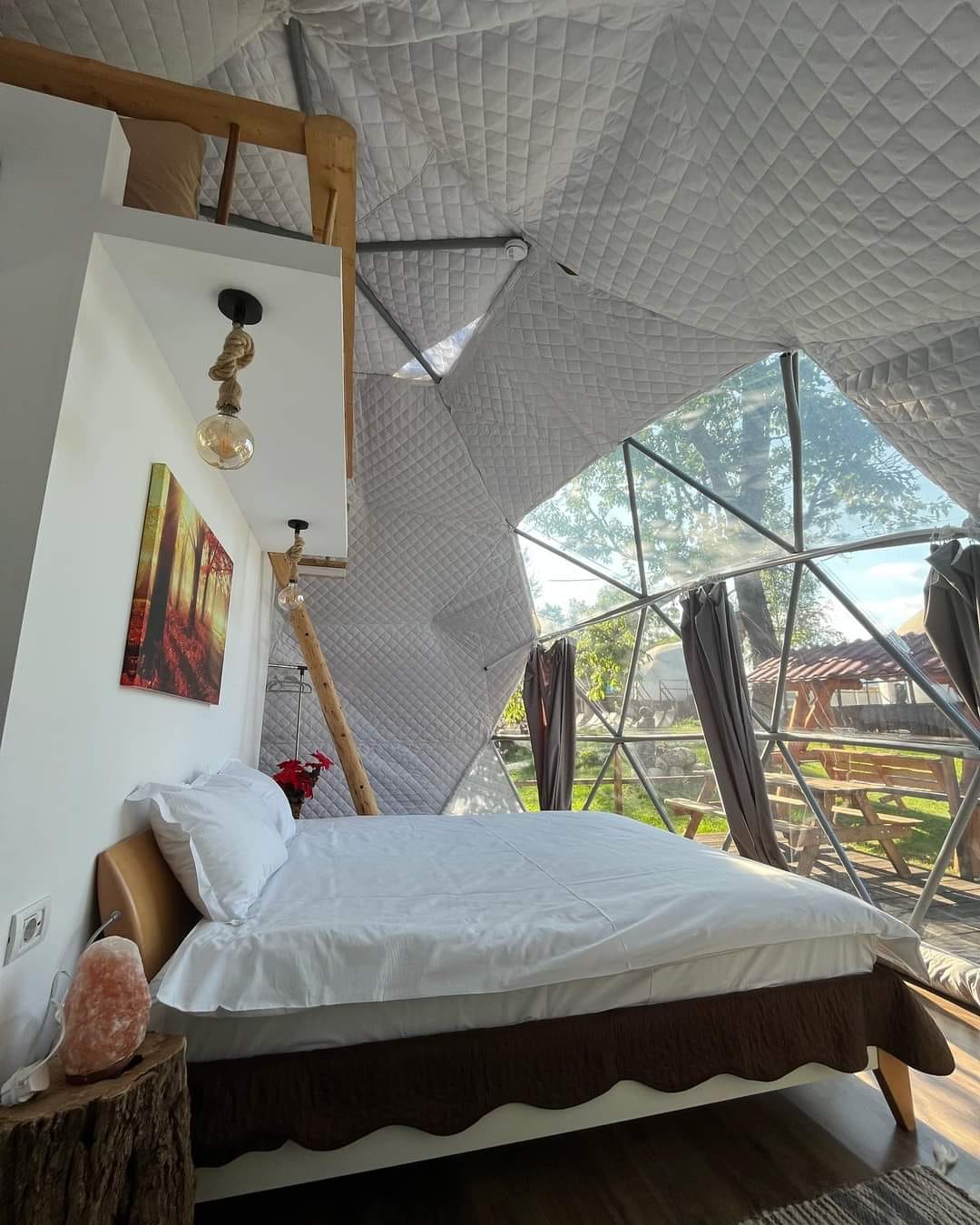
The Brancoveanu Glamping Resort, located about 15 minutes from the town and Horezu Monastery, offers a unique experience and pure relaxation in Valcea County.
✅ Igloos with 2 double beds (2 adults + 2 children)
✅ Pool and relaxation areas
✅ Private bathroom and heating
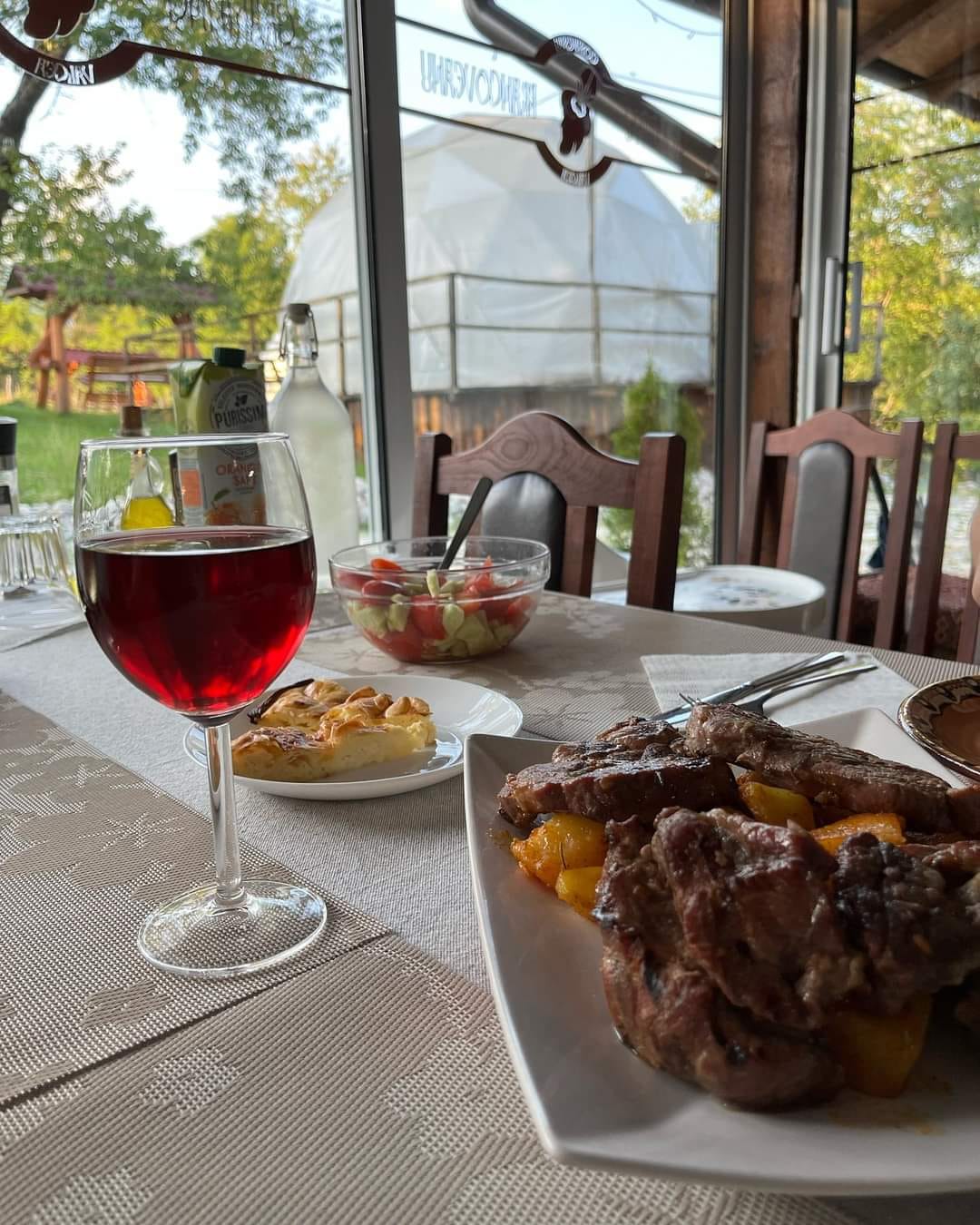
✅ Breakfast included and dinner available (with vegan options)
✅ Many tourist attractions in the area
✅ Electric charging station 🔋🚘
More details at: https://www.brancoveanuglamping.com/acasa.html
Manastirea Hurezi (Horezu Monastery) | Valcea County
(8 April 2024)
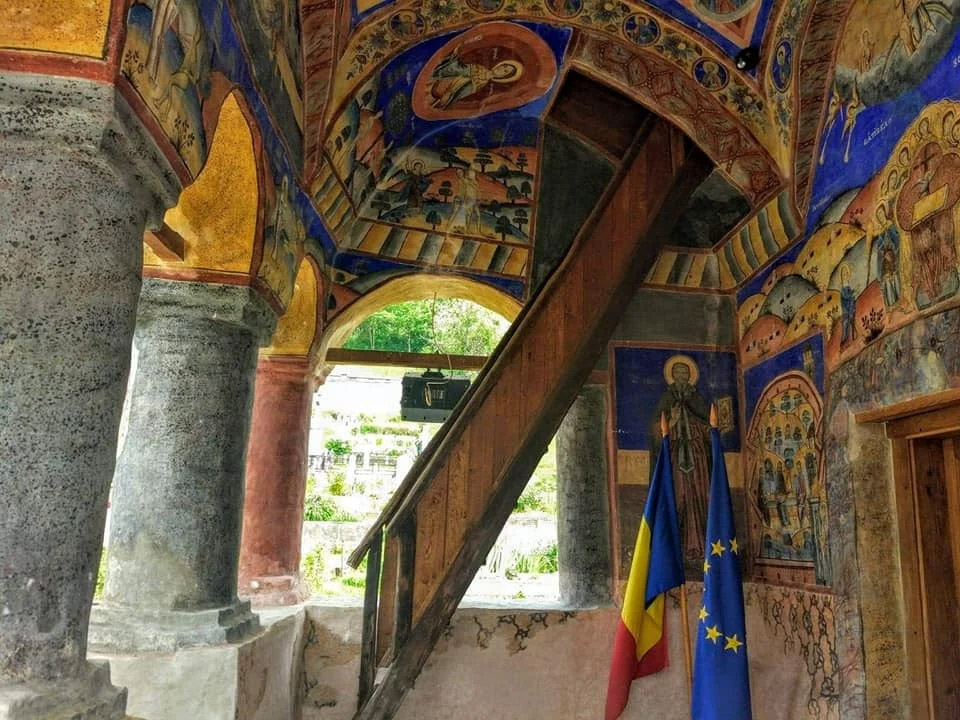
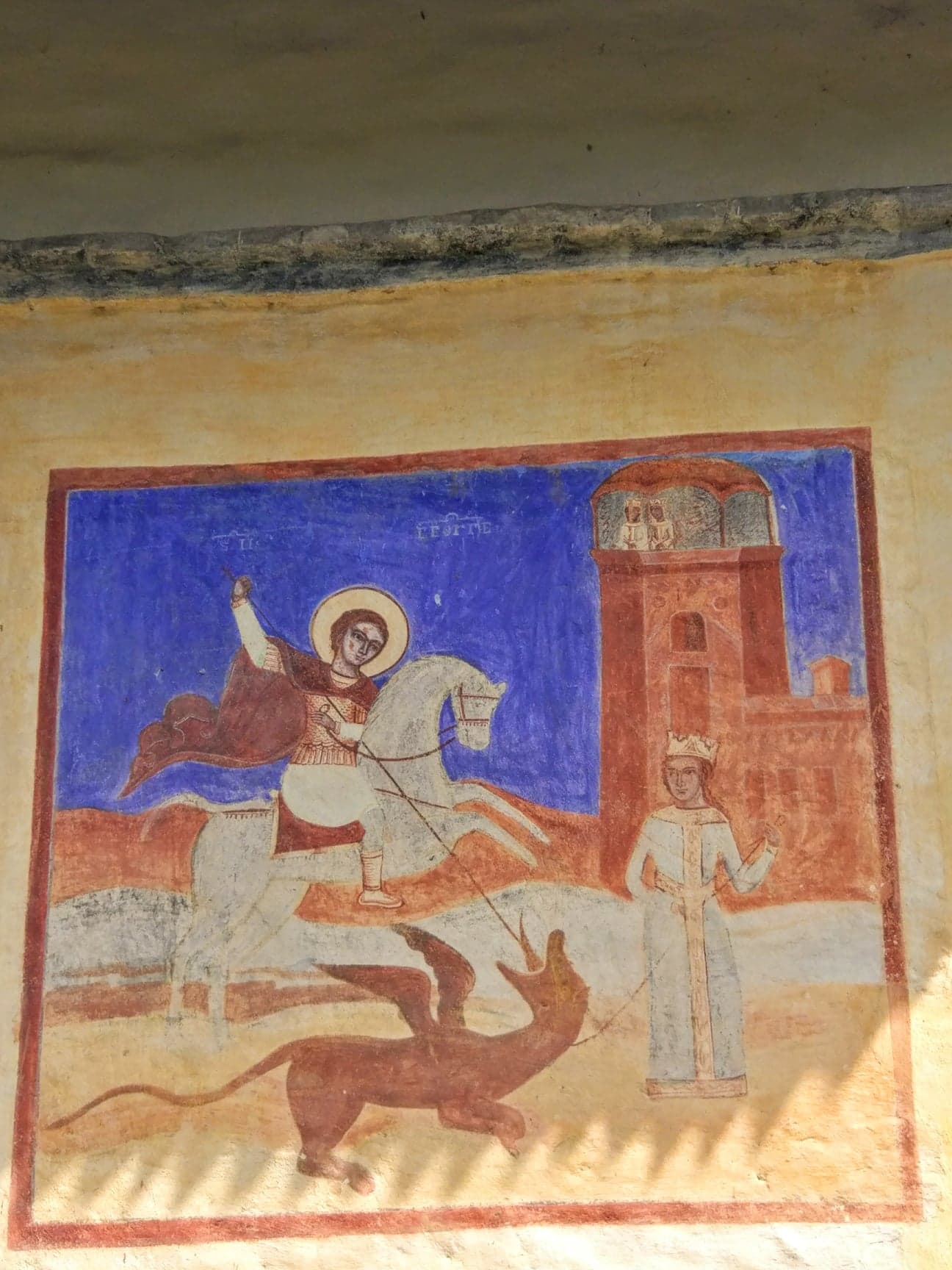
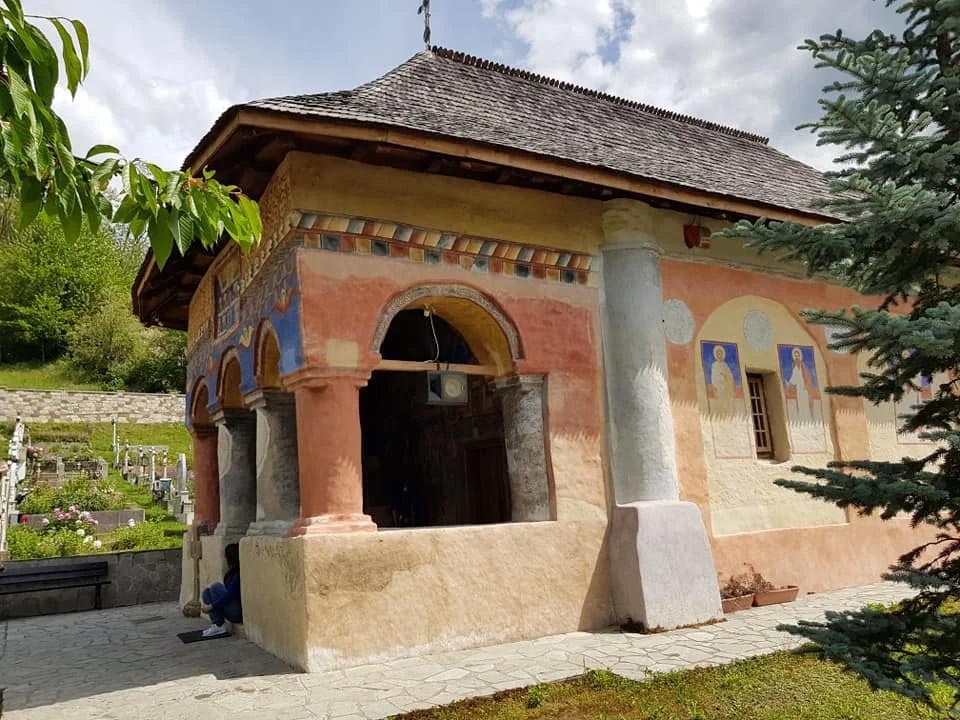
Horezu Monastery is a Romanian Orthodox nunnery located in the historic region of Little Wallachia in Valcea County.
At the foot of Muntii Capatanii, a mountain range in the Transylvanian Alps, in the village of Romanii de Jos, the monastery is located about three kilometers (as the crow flies) north of the small town of Horezu.
The cries of nocturnal birds of prey (Romanian: huhurezi), which lived in the forests surrounding the monastery, probably gave the place its name. The monastery was founded in 1692 by the then Prince of Wallachia, Constantin Brancoveanu (1654–1714), and completed in 1709. Until 1862, it was a monastery for men. After the monks were transferred to Bistrița, nuns came to the monastery. The monastery complex has been restored several times since 1827 and is a listed building.
Located on a hill, the monastery complex is surrounded by two fortifications. The outer, smaller wall surrounds the entire monastery estate with its hermitages. The second is formed on three sides by buildings of varying heights and on the east by a wall. The entrance to the monastery is on the south side through a bell tower equipped with a massive wooden gate reinforced with steel. The monastery church of Sfintii Imparati Constantin si Elena in the center of the complex is built in the shape of a cross, is 32 meters long, 14 meters high, and was built between 1693 and 1697. In the vestibule of the church are several tombs, the most beautiful of which is decorated with marble and has a carved cover intended for Prince Brancoveanu, but it never served its purpose and was therefore never used. The large iconostasis is carved from linden wood and covered with gold.
The square chapel with an octagonal tower, whose windows are the chapel’s source of light, is located on the west side opposite the entrance to the church and was built in 1697. The chapel’s frescoes were created between 1705 and 1706 and are still in good condition today.
We would like to thank Centrul Național de Informare și Promovare Turistică Vâlcea for permission to use these images.
Baile Govora | Valcea County
(6 April 2024)
Baile (Bad) Govora is a town in the historical region of Oltenia, comprising the districts of Curaturile, Gatejesti, and Prajila.
Learn more: https://discover-valcea.com
The name Govora originates from the Slavic language. In southern Slavic languages, govora or govornih means “word” or “sound.” The first spa facility was founded in 1887 and had 29 cabins for hot baths. The official opening of the spa took place in 1910.
We thank Centrul Național de Informare și Promovare Turistică Vâlcea (National Center for Tourism Information and Promotion Vâlcea) for permission to use these images.
Antim Ivireanul Library | Râmnicu Vâlcea
(27 March 2024)
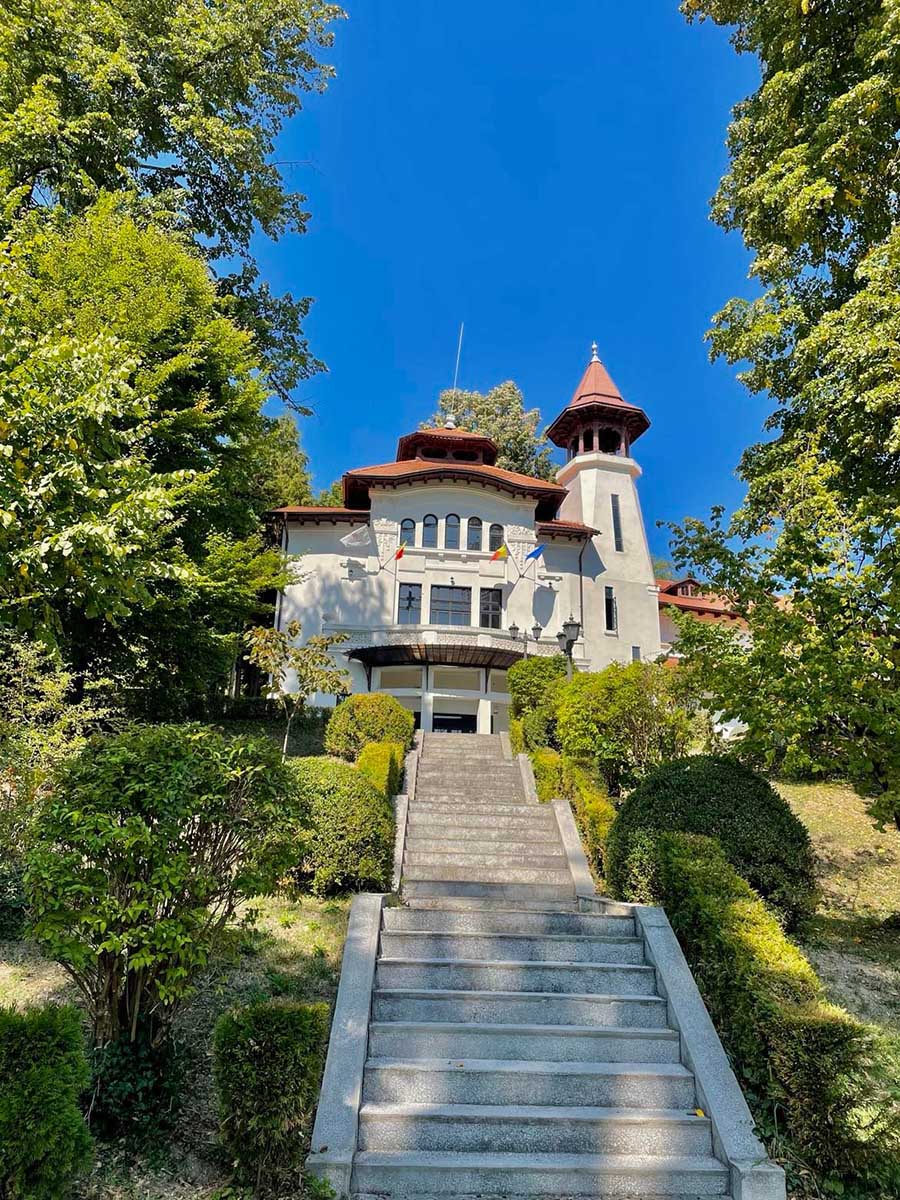
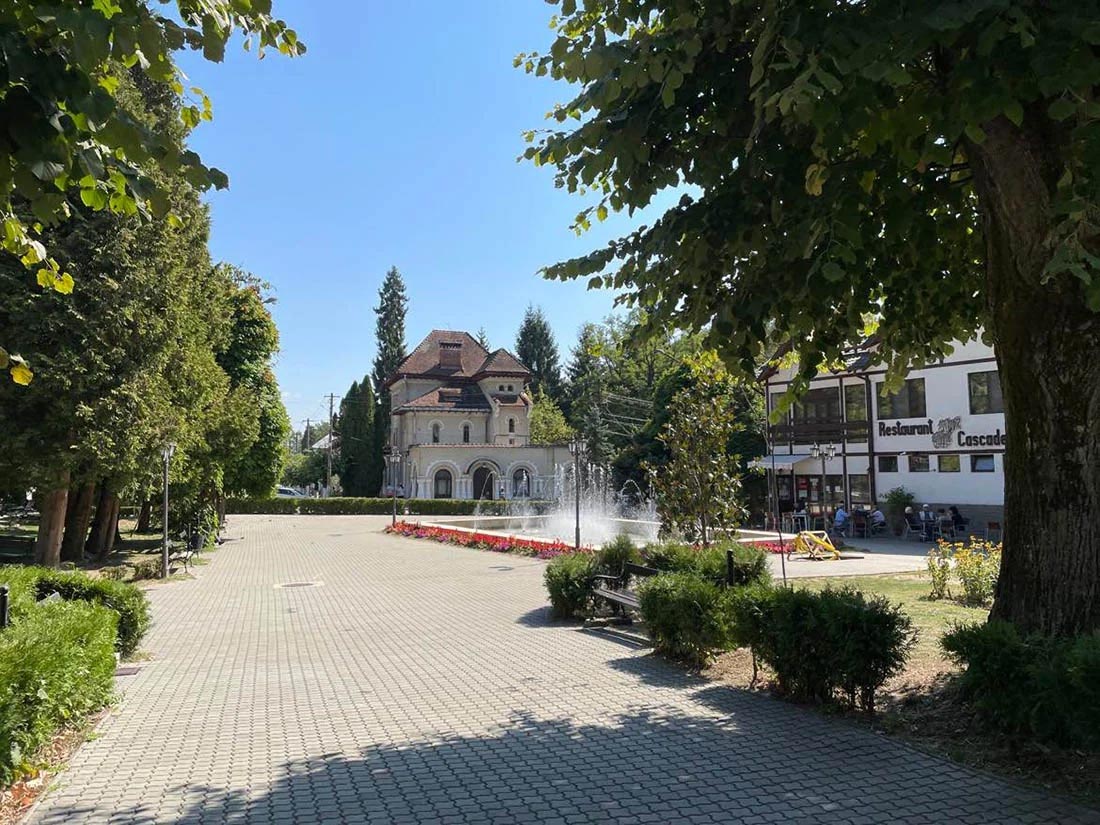
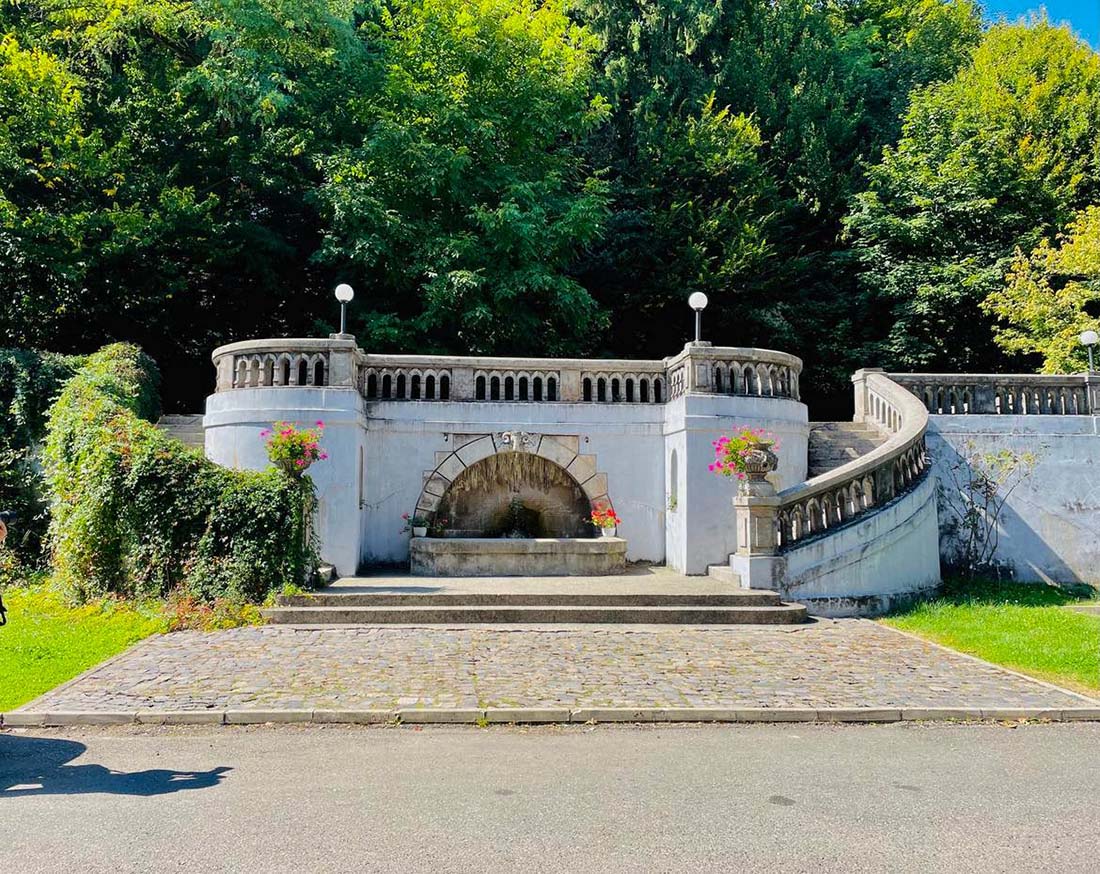
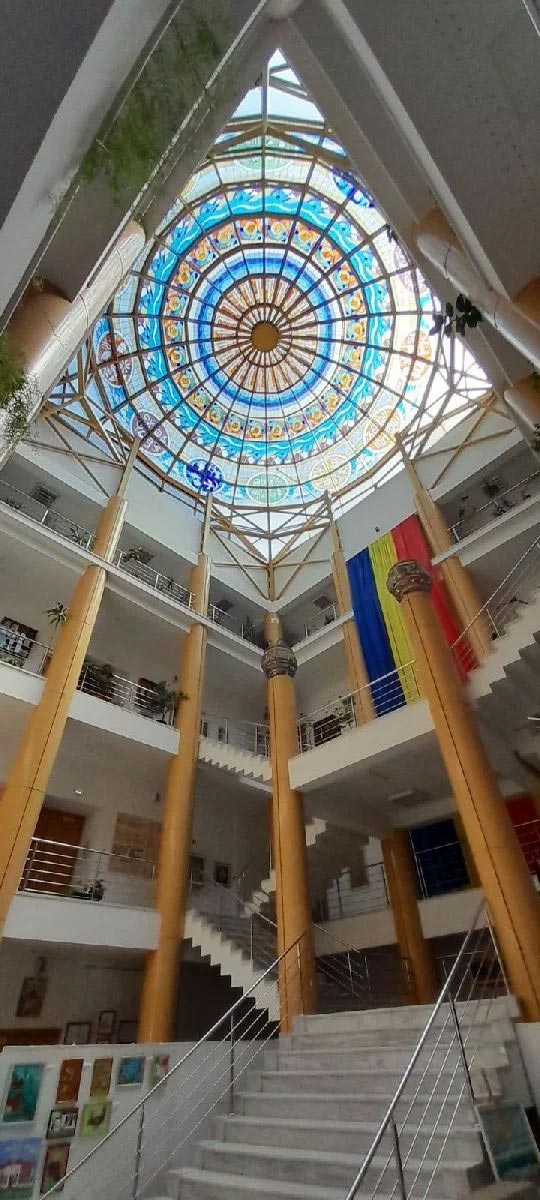
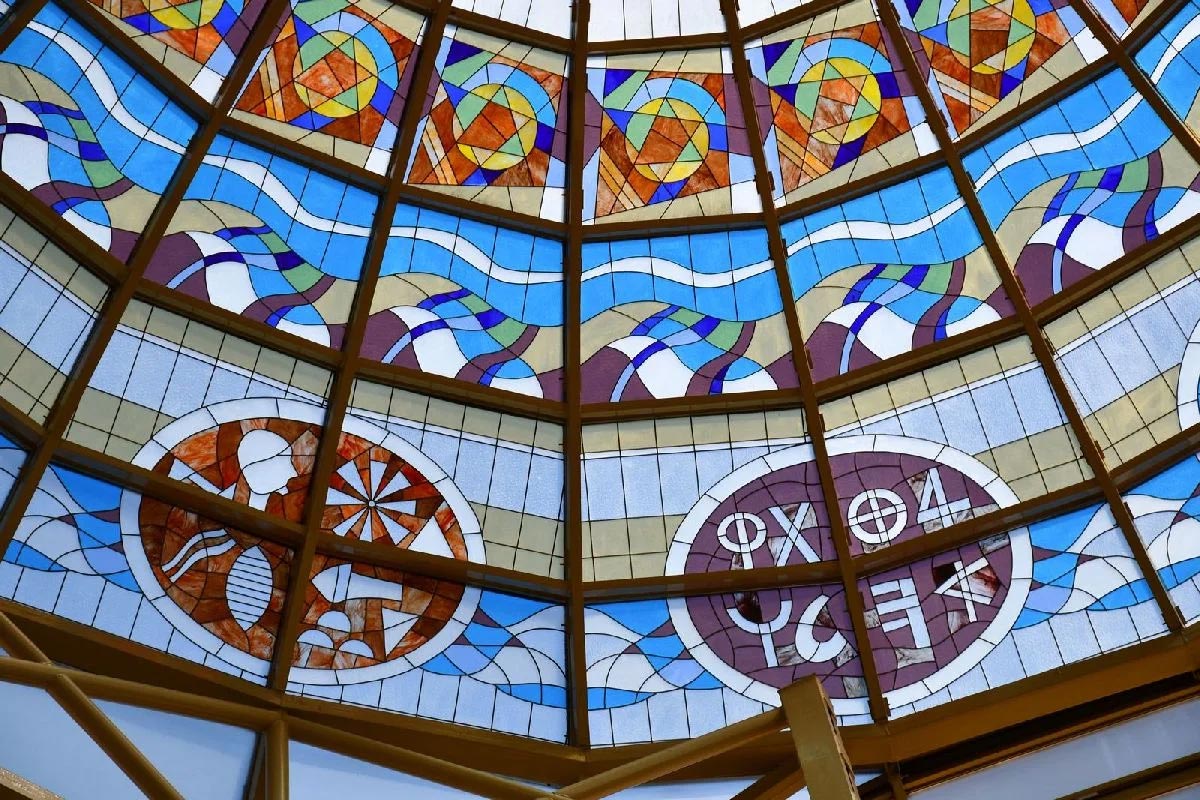
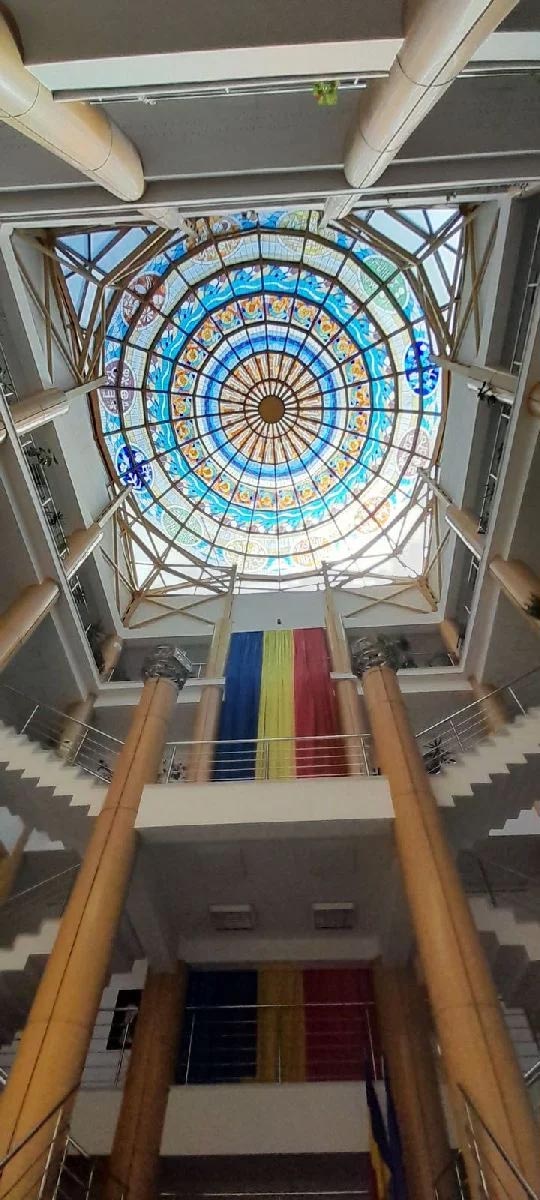
Valcea County Library “Antim Ivireanul” | Ramnicu Valcea
The Valcea County Library, located in the county seat of Ramnicu Valcea, was built in 1950 and currently houses more than 400,000 books and documents.
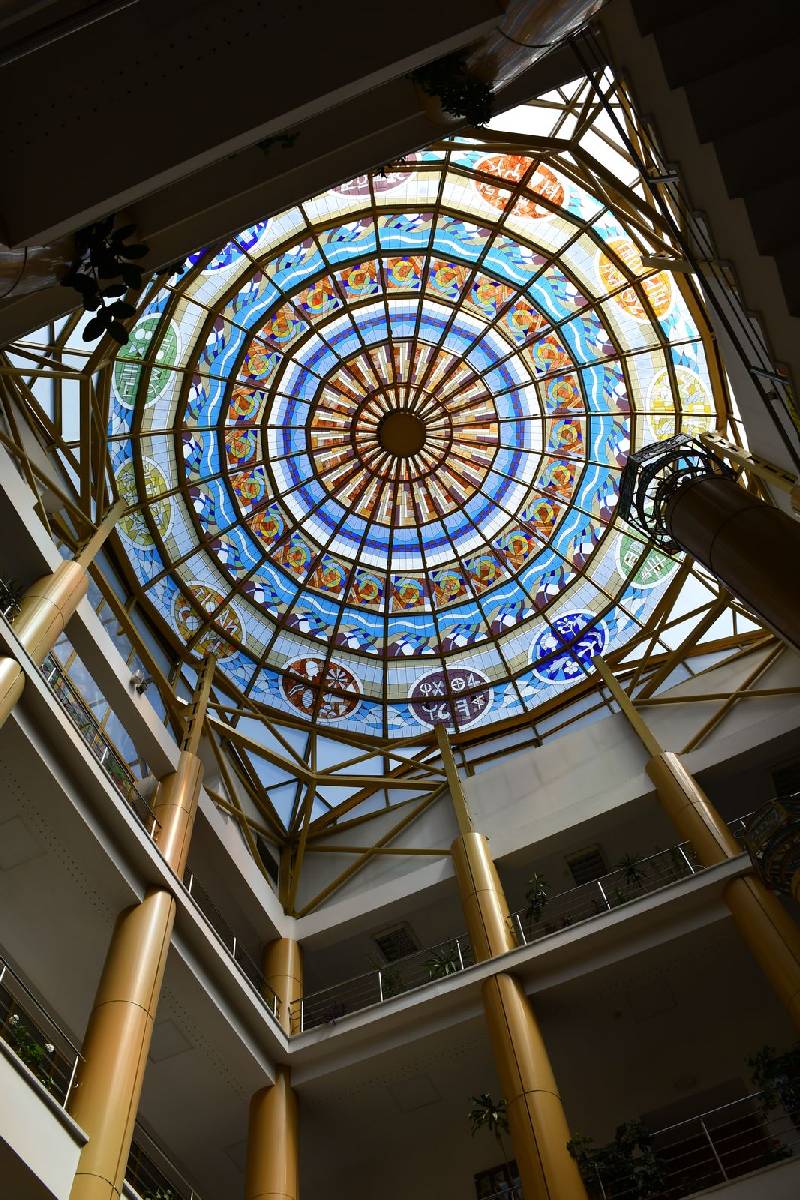
In addition to its vast collection of books, the glass roof, titled “The Creation of the World,” which was constructed from 86 modules, is a unique feature worth visiting and is also one of a kind in Europe. The glass roof has an area of 142 square meters and is located 30 meters above the building’s base.
Muzeul (Museum) Satului Valcean | Valcea County
(21 March 2024)
The Valcea Village Museum is located in the village of Bujoreni, about 4 km from the county seat of Ramnicu Valcea.
The museum is laid out like a village and depicts life in rural settlements in times past. The idea was conceived in 1969 and implemented step by step. It is definitely worth a visit.
We thank Mr. Alexander Laszlo for his efforts and for sending us these photos (taken on September 17, 2023).
Berislavesti Monastery | Valcea County
(18 March 2024)
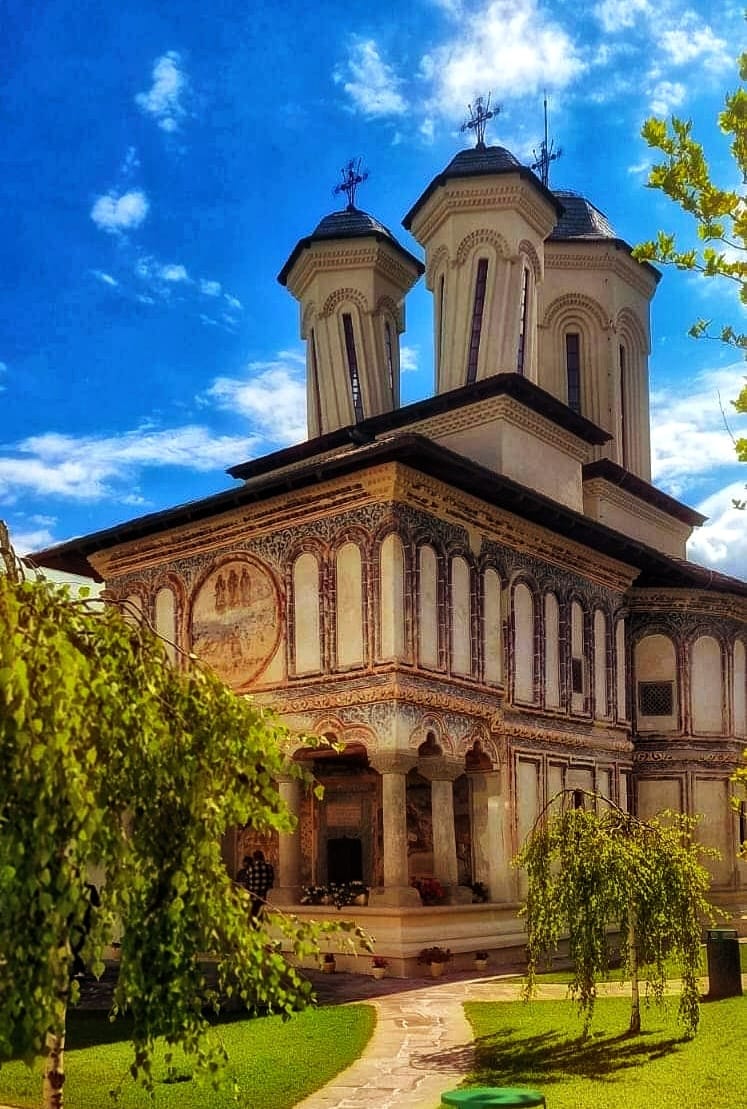
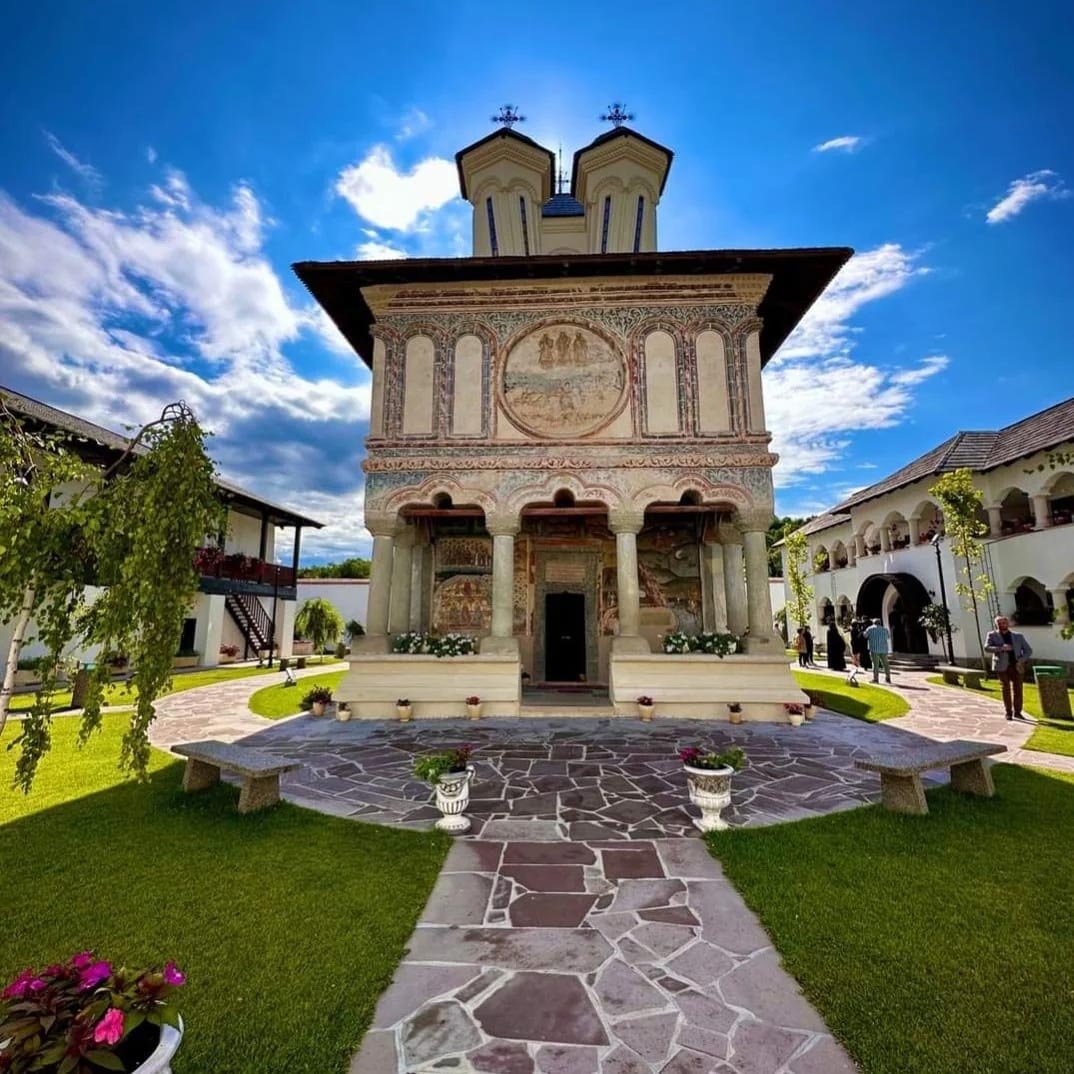
Just 8 km from Calimanesti, on the left bank of the Olt River, in the commune of Berislavesti, stands a valuable monument of late feudal architecture—the monastery of the same name—a foundation of the nobleman Sandu Bucsenescu and his wife Maria.
In his first will, Sandu Bucsenescu, the founder of several holy sites, writes that he built this church, had it painted, and endowed it with “sacred vessels and priestly vestments” as well as with lands. In his second will, drawn up on December 6, 1760, the founder expressed the wish that a school for poor children be established in the monastery’s cells. Work began in 1752–1753 and was completed in 1762 under Abbot Nikodemus Beligrad. The school also began operations.
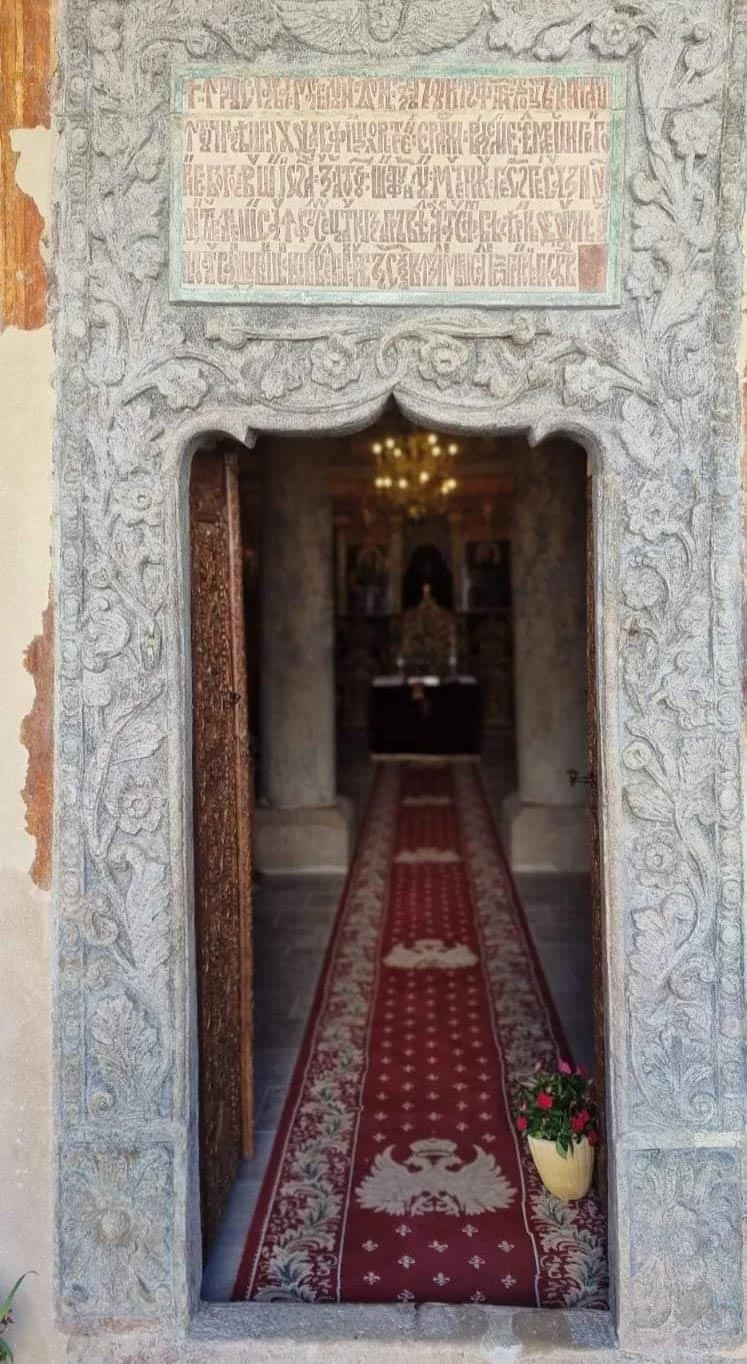
The monastery complex consists of a slightly trapezoidal, fortified structure, at the center of which stands a triangular church with a narrow rectangular pronaos. Later, an open portico with six ornate columns featuring capitals and trefoil arches was added. On the north side of the complex stood the rectory, a rectangular building with remarkable vaulted cellars. On the west side of the complex, the bell tower—which also served as a gate tower—has been preserved, complete with three large silver bells dating from the time of its founding.
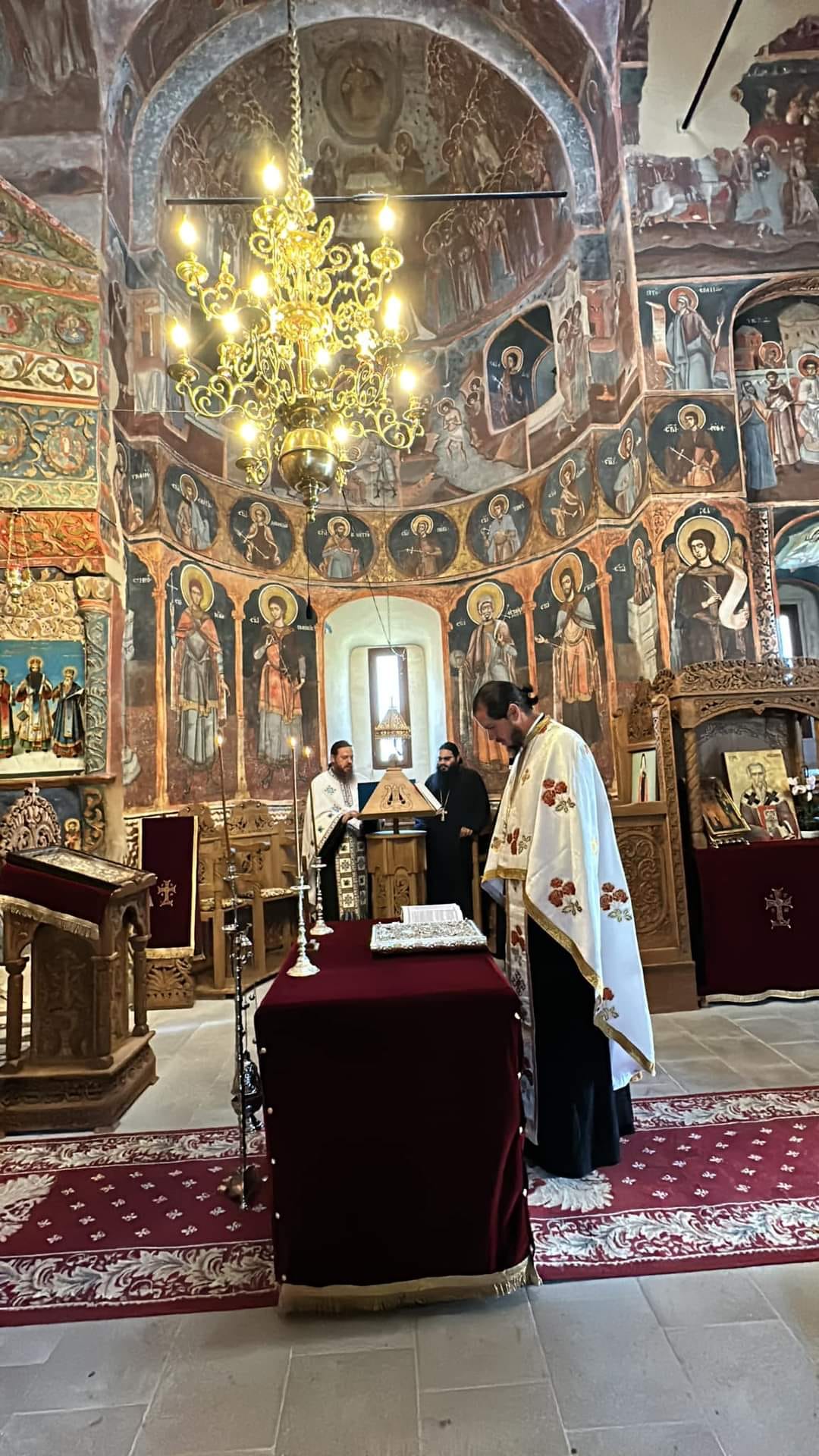
The spiritual life of the hermitage evolved in keeping with the spirit of the times; originally, it was a monastic settlement. In 1864, the hermitage church dedicated to the “Three Holy Hierarchs” was briefly converted into a parish church, and monastic life was resumed. Since 1948, the hermitage has been without monks and was once again converted into a church for the parishioners.
Images and text: Centrul Național de Informare și Promovare Turistică Vâlcea
Church and Sulfur Springs “La Jgheaburi” | Valcea County
(17 March 2024)
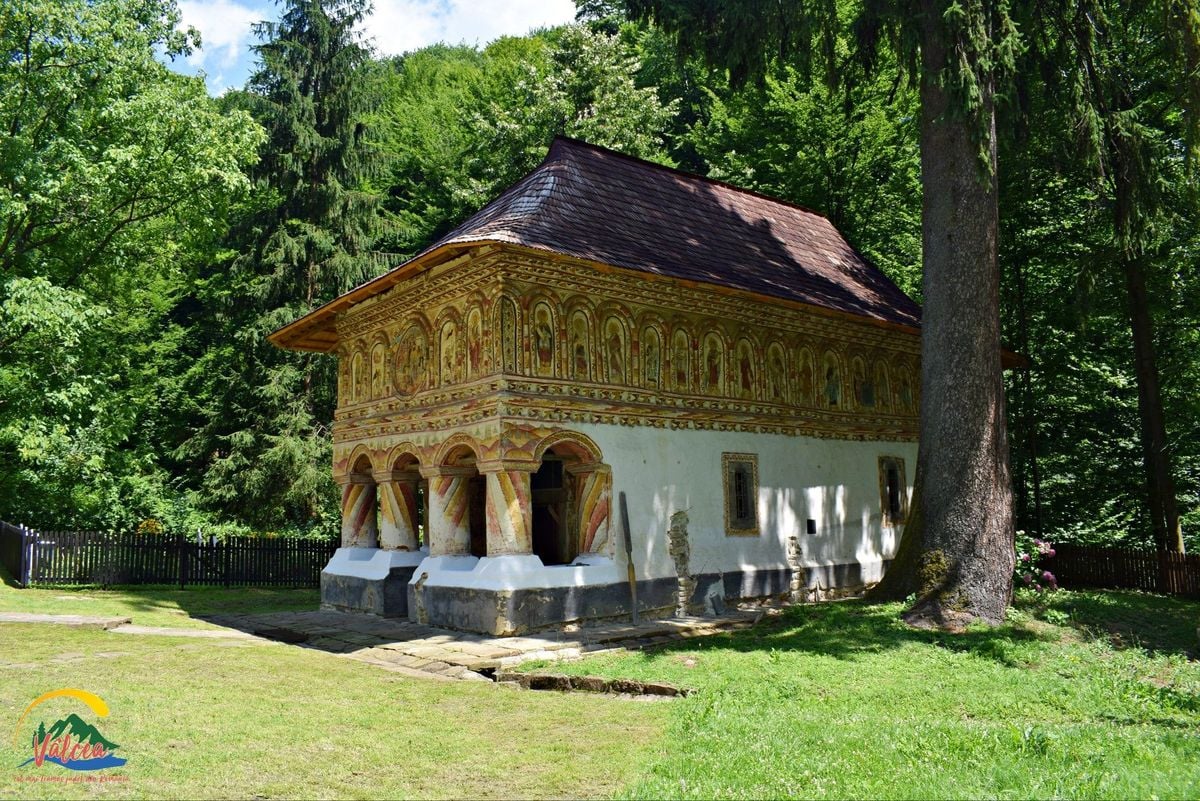
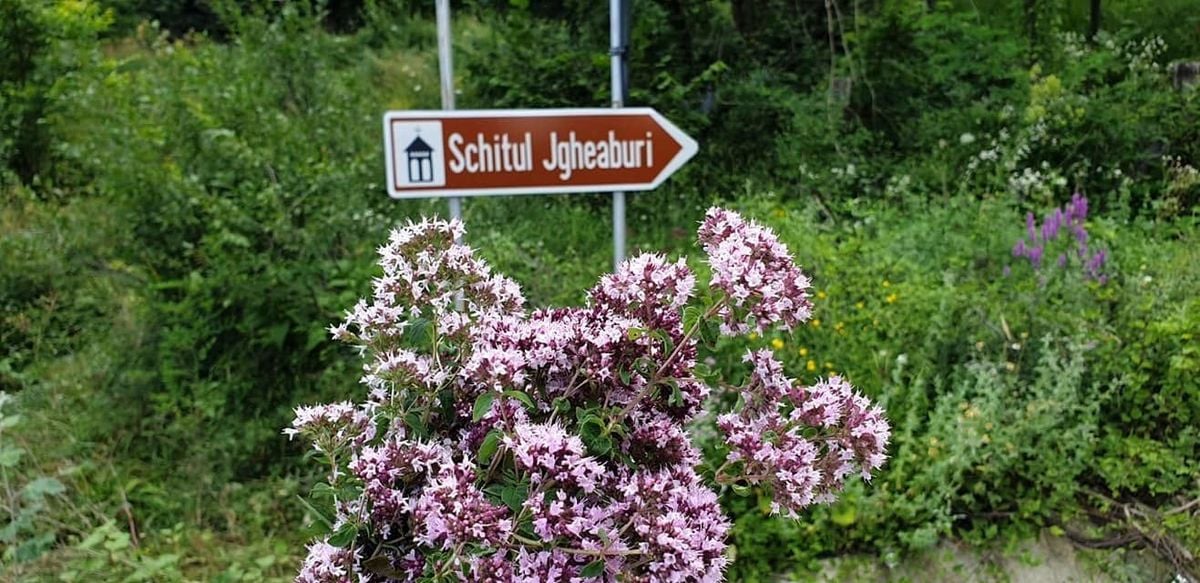
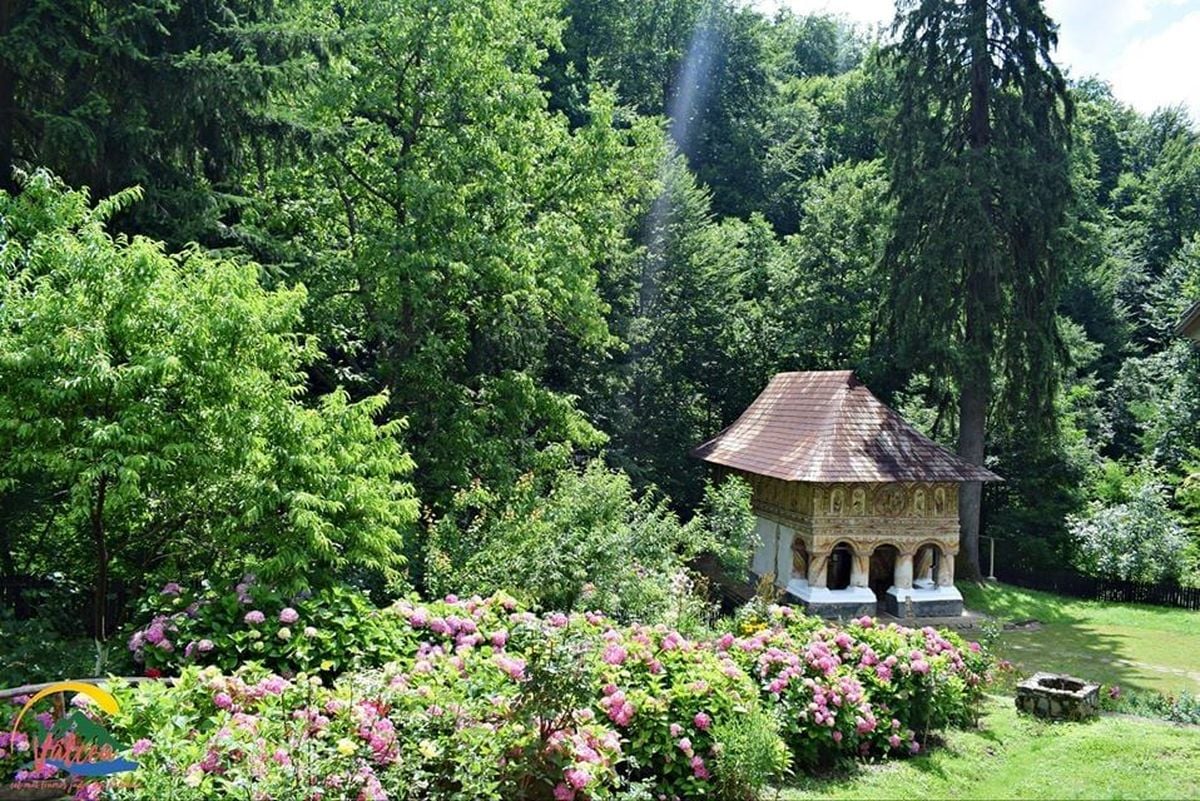
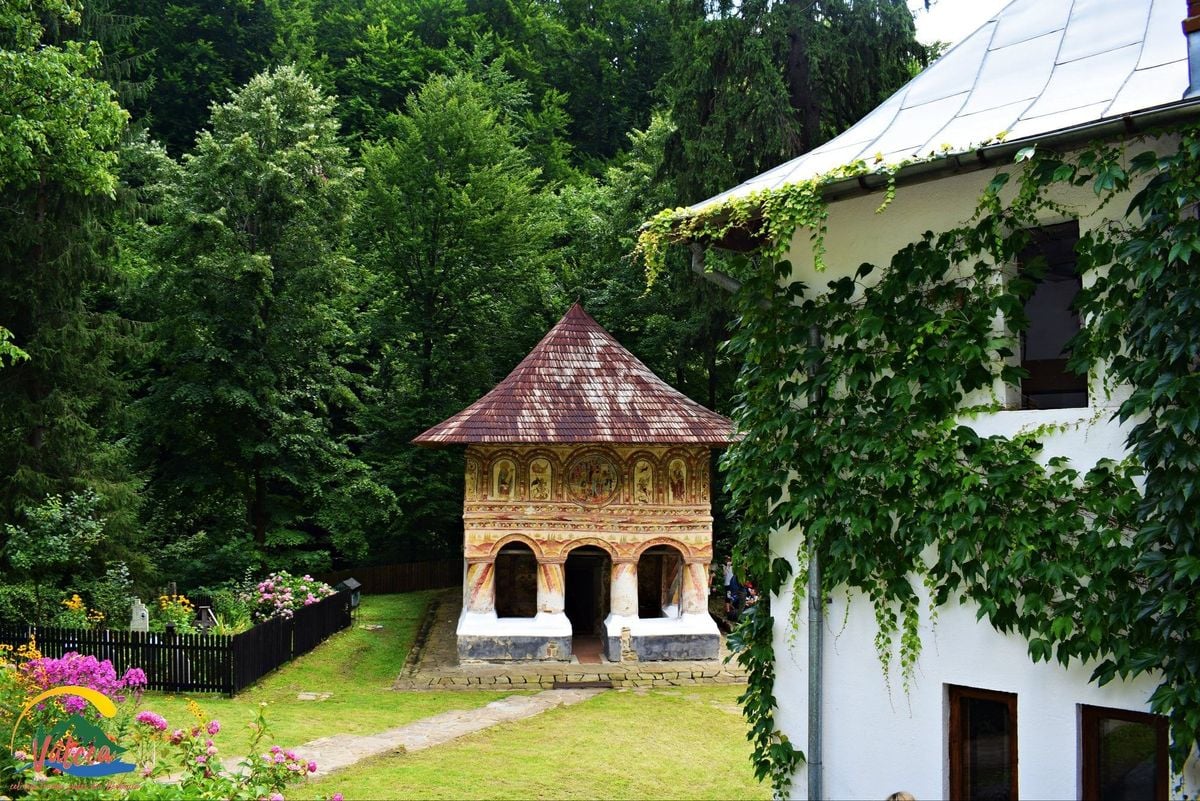
The Jgheaburi Hermitage (in the village of Piscul Mare, Valcea County) was established at a site with two wooden churches. One church (Radu Negru) was built around 1300, while the second church was built around 1600 and restored in 1640. In 1827, one of the churches was rebuilt in stone and brick, as it stands today.
This church is also visited for its springs with sulfur-rich water, which has a positive effect on the body. The name of the hermitage, “La Jgheaburi,” was given by the locals because of these springs.
We thank Centrul Național de Informare și Promovare Turistică Vâlcea for permission to use these images.
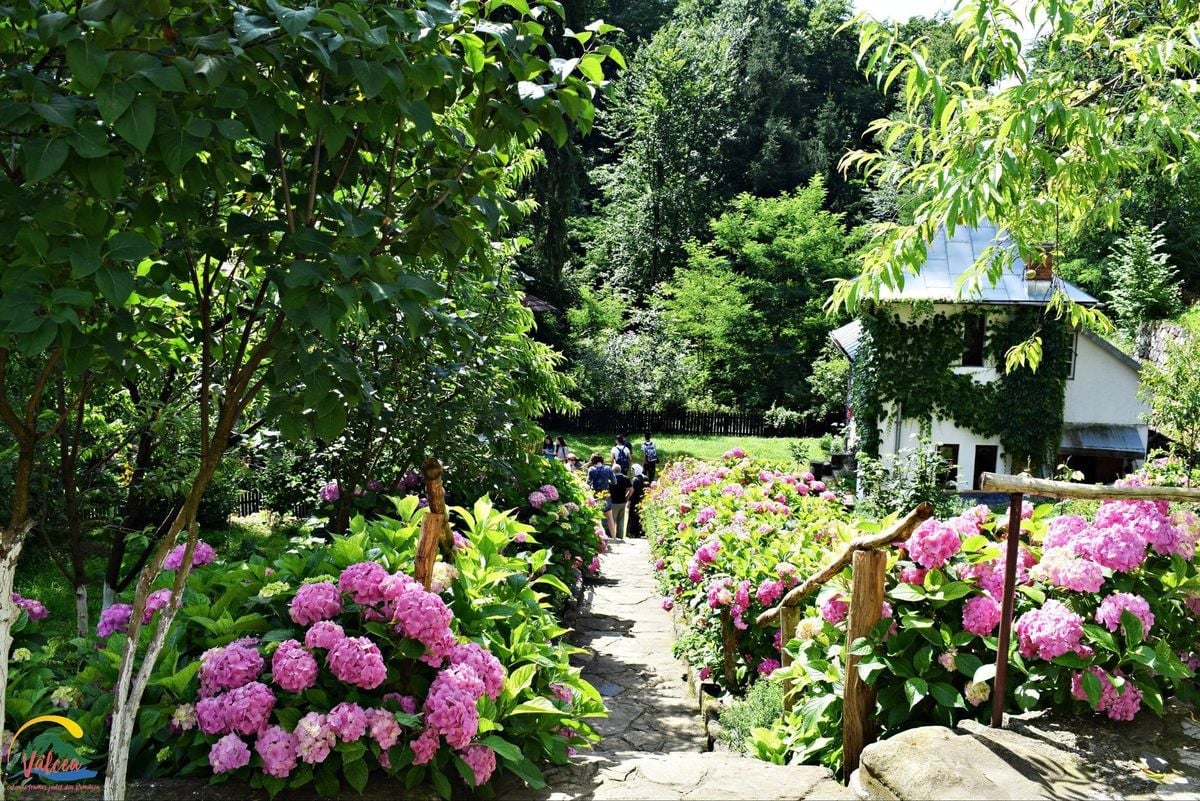
Hotel Hanul Vatra | Valcea County
(15 March 2024)
The hotel is the ideal place for a weekend in the countryside, away from the noise of the big city.
https://discover-valcea.com/de/hanul-vatra-de/
For private parties, hikes with friends in the mountains, courses, team-building meetings, or simply to relax. Nearby, you’ll find many places worth visiting, such as the Manastirea Hurezi (Horezu Monastery).
Cozia Monastery at Night | Valcea County
(8 March 2024 / Photos: June 2023)
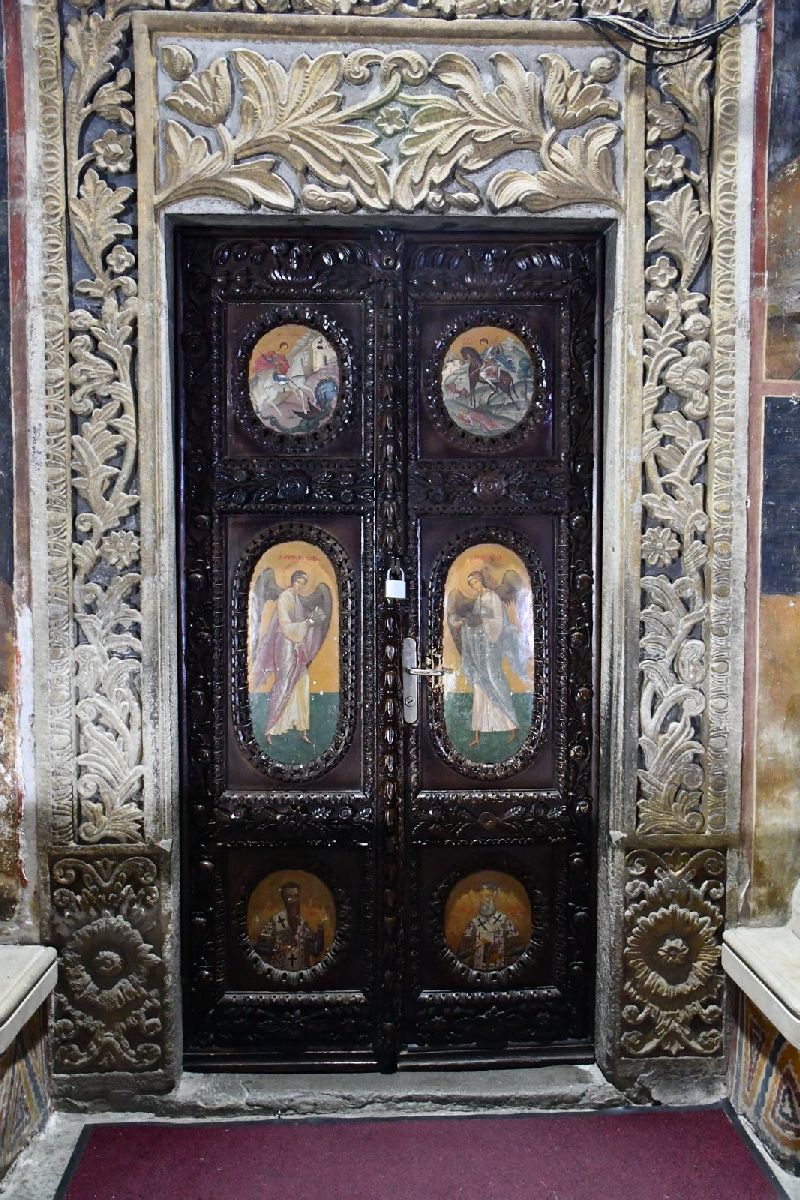
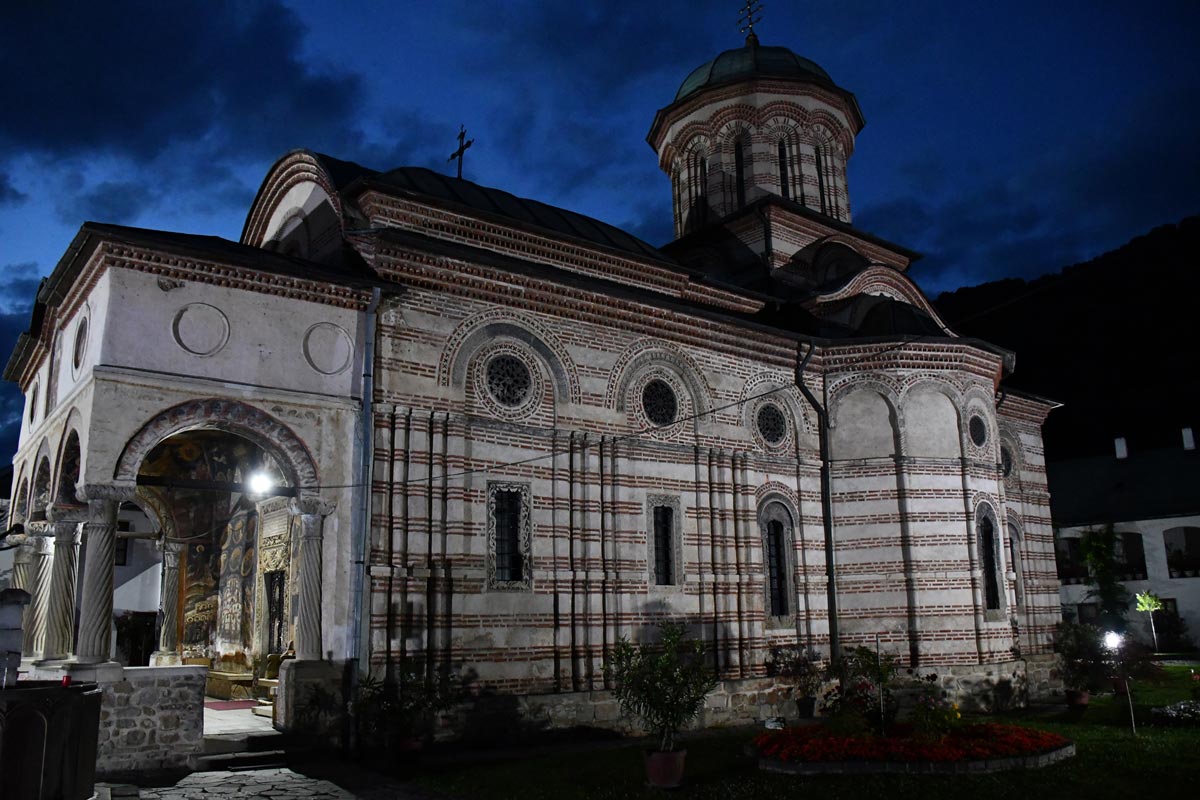
The Cozia Monastery, built in 1388 by Mircea the Elder near Calimanesti and also housing his tomb, is one of the outstanding monuments of national medieval art and architecture in Romania.


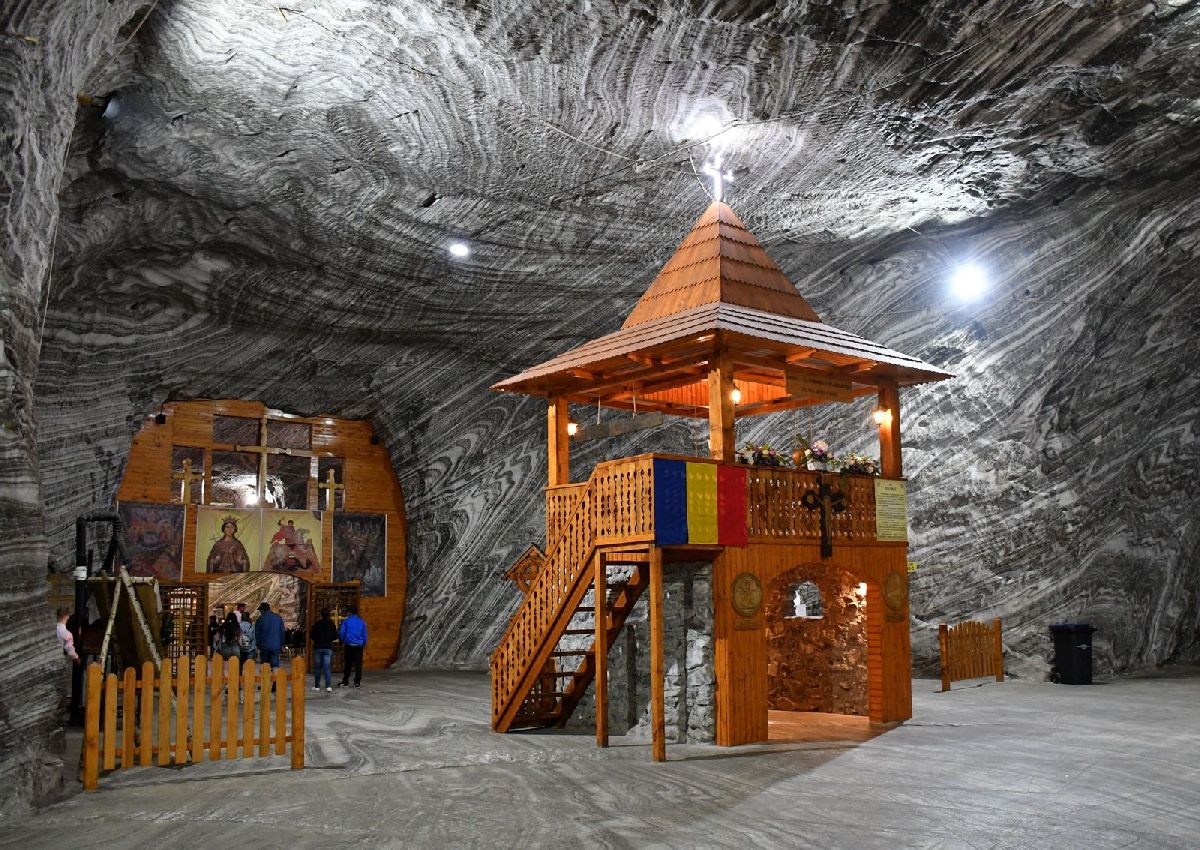
Ocnele Mari Salt Mine | Church | Valcea County
(7 March 2024)
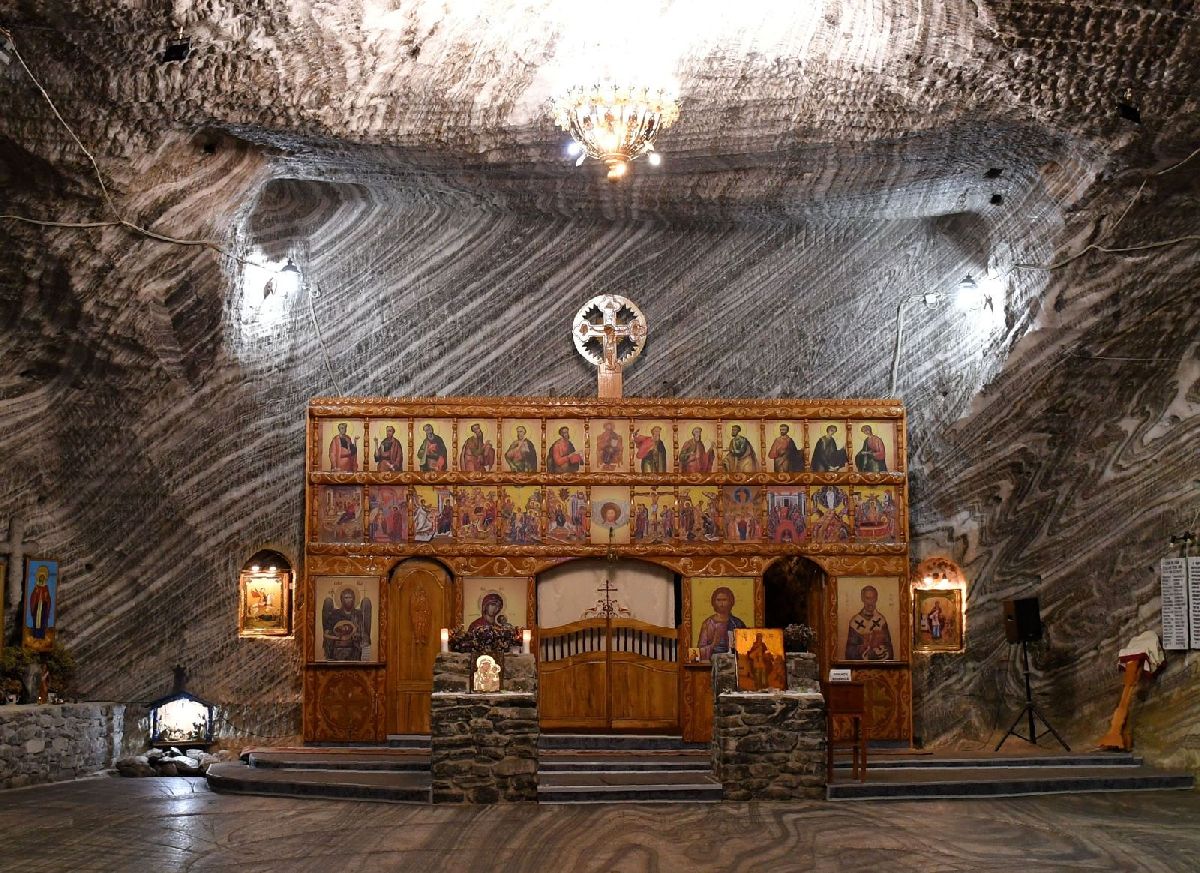
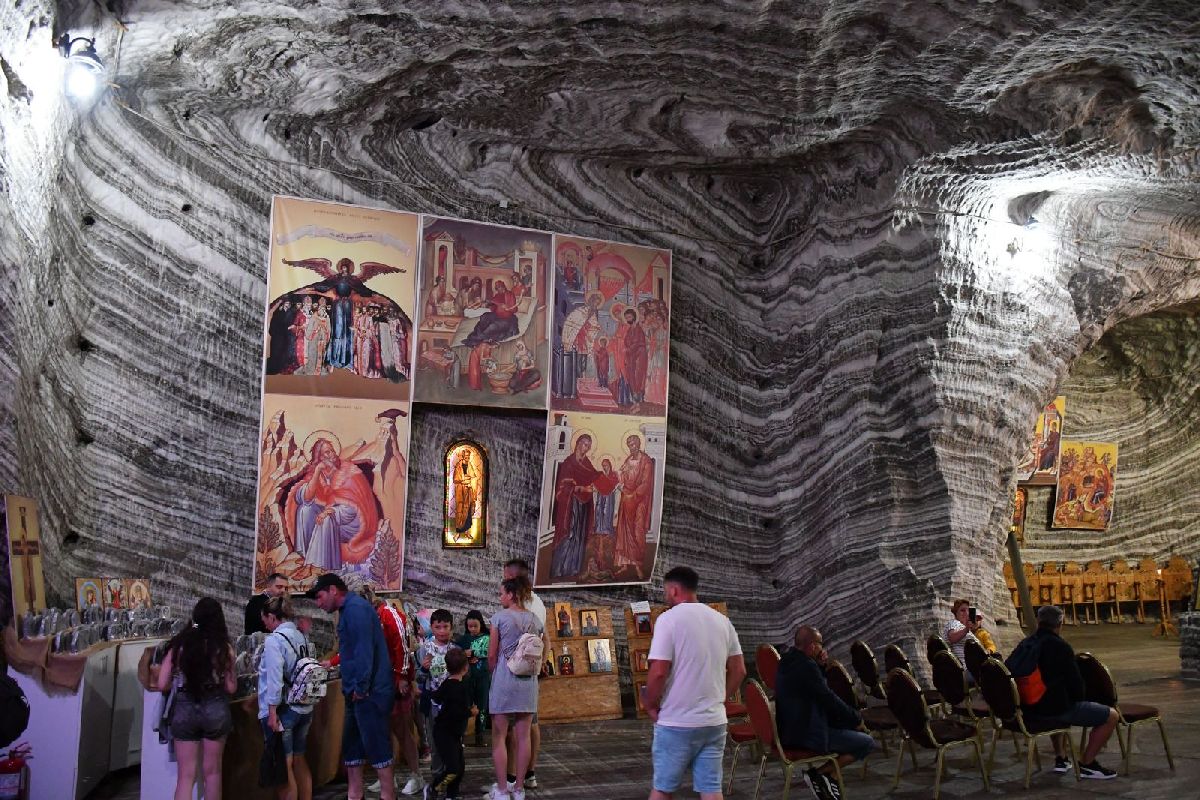
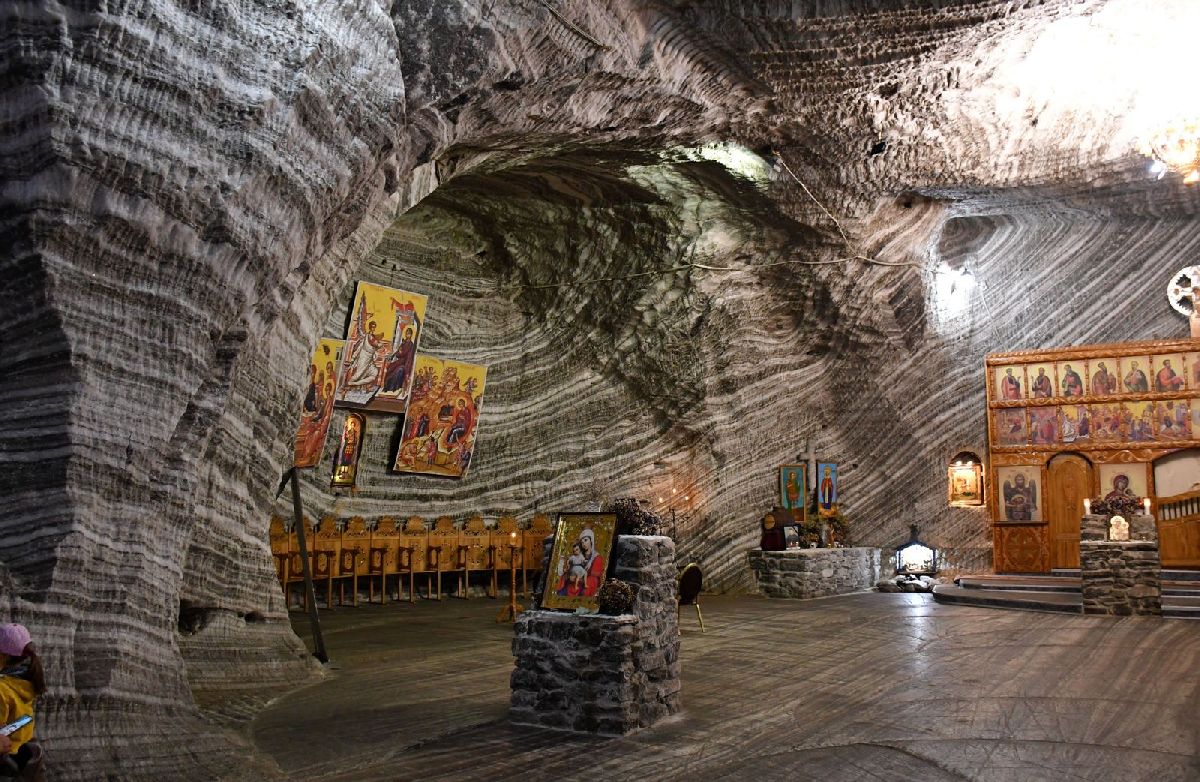
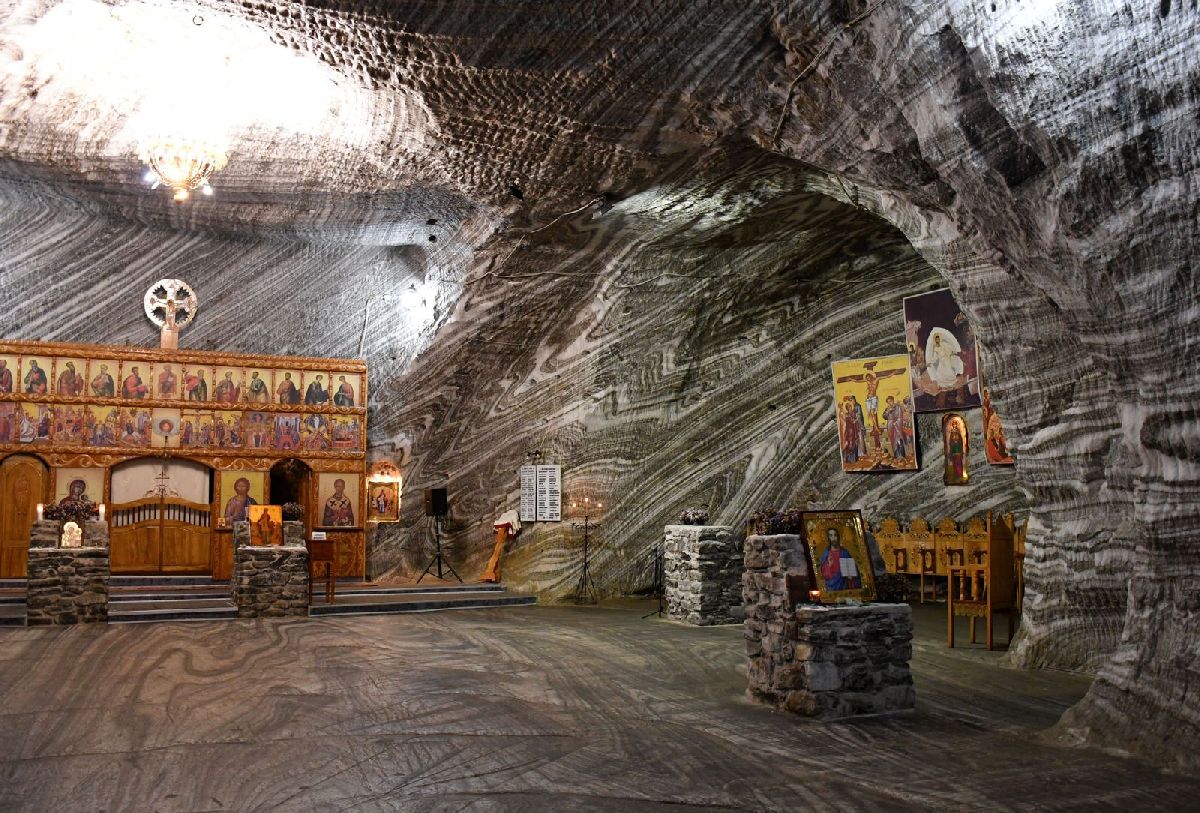
The church of the Ocnele Mari salt mine is located directly inside the mine and is dedicated to Saint Barbara and Saint George.
Manastirea Hurezi (Horezu Monastery)| Valcea County
(3 March 2024)
Horezu Monastery (also known as Hurezi Monastery) is a Romanian Orthodox nunnery located in the historic region of Little Wallachia in Vâlcea County.
At the foot of Munții Căpățânii, a mountain range in the Transylvanian Alps, in the village of Romanii de Jos, the monastery is located about three kilometers (as the crow flies) north of the small town of Horezu.
The cries of the nocturnal birds of prey (Romanian: huhurezi) that lived in the forests surrounding the monastery probably gave the place its name. The monastery was founded in 1692 by the then Prince of Wallachia, Constantin Brâncoveanu (1654–1714), and completed in 1709. Until 1862, it was a monastery for men. After the monks were transferred to Bistrița, nuns came to the monastery. The monastery complex has been restored several times since 1827 and is a listed building.
Located on a hill, the monastery complex is surrounded by two fortifications. The outer, smaller wall surrounds the entire monastery estate with its hermitages. The second is formed on three sides by buildings of varying heights and on the east by a wall. The entrance to the monastery is on the south side through a bell tower equipped with a massive wooden gate reinforced with steel. The monastery church of Sfinții Împarați Constantin și Elena in the center of the complex is built in the shape of a cross, is 32 meters long, 14 meters high, and was built between 1693 and 1697. In the vestibule of the church are several tombs, the most beautiful of which is decorated with marble and has a carved cover intended for Prince Brâncoveanu, but it never fulfilled its purpose and was therefore never used. The large iconostasis is carved from lime wood and covered with gold.
The square chapel with an octagonal tower, whose windows are the chapel’s source of light, is located on the west side opposite the entrance to the church and was built in 1697. The frescoes in the chapel were created between 1705 and 1706 and are still in good condition today.
We would like to thank Relu Chiriac, Galati, for allowing us to use these images.
Arnota Monastery | Valcea County
(29 February 2024)
The Arnota Monastery is located in the village of Bistrita, Costesti commune, Valcea County, and belongs to the Archdiocese of Ramnic.
The monastery was founded by Matei Basarab and his wife Elina, and the church is dedicated to the “Holy Archangels Michael and Gabriel.”
We thank the photographer, Ms. Corina E. Mateescu, for permission to use these images.
Baile Govora | Valcea County
(23 February 2024)
Baile (Spa) Govora is a town in the historical region of Oltenia, comprising the districts of Curaturile, Gatejesti, and Prajila.
Learn more: https://discover-valcea.com
The name Govora originates from the Slavic language. In southern languages, govora or govornih means word or sound. The first spa facility was founded in 1887 and had 29 cabins for hot baths. The official opening of the spa took place in 1910.
We thank Centrul Național de Informare și Promovare Turistică Vâlcea for permission to use these images.
Arnota Monastery | Valcea County
(13 February 2024)
The Arnota Monastery is located in the village of Bistrita, Costesti commune, Valcea County, and belongs to the Archdiocese of Ramnic.
The monastery was founded by Matei Basarab and his wife Elina, and the church is dedicated to the “Holy Archangels Michael and Gabriel.”
We thank the photographer, Ms. Corina E. Mateescu, for permission to use these images.
Cozia Monastery | Valcea County
(11 February 2024)
The Cozia Monastery was founded in 1388 by Mircea the Elder near the town of Calimanesti on the Olt River. It is located in Valcea County in the historical region of Wallachia.
We thank Centrul Național de Informare și Promovare Turistică Vâlcea (National Center for Tourism Information and Promotion Vâlcea) for permission to use these images.
Hotel Hanul Vatra | Valcea County
(5 February 2024)
The hotel is the ideal place for a weekend in the countryside, away from the noise of the big city.
For private celebrations, hikes with friends in the mountains, courses, team-building meetings, or simply to relax. Nearby, you’ll find many destinations worth visiting, such as Manastirea Hurezi (Horezu Monastery).
Learn more about this German-speaking host:
https://discover-valcea.com/de/hanul-vatra-de/
2024 Vacation in Valcea County | Impressions | Beautiful
(1 February 2024)
Photos from Valcea County from the summer of 2023. Perfect for anyone who loves relaxation, healing springs and waters, nature, tradition, or even wine and good food.
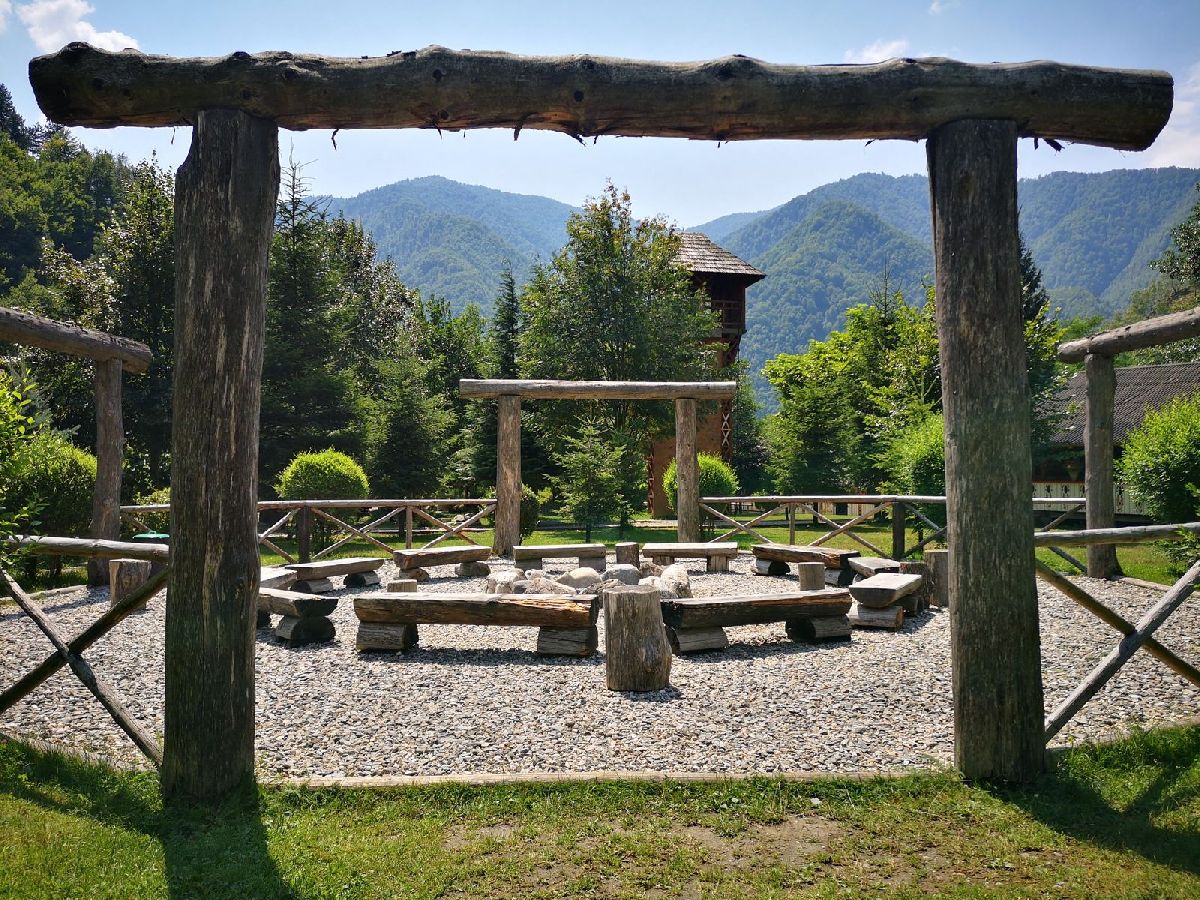
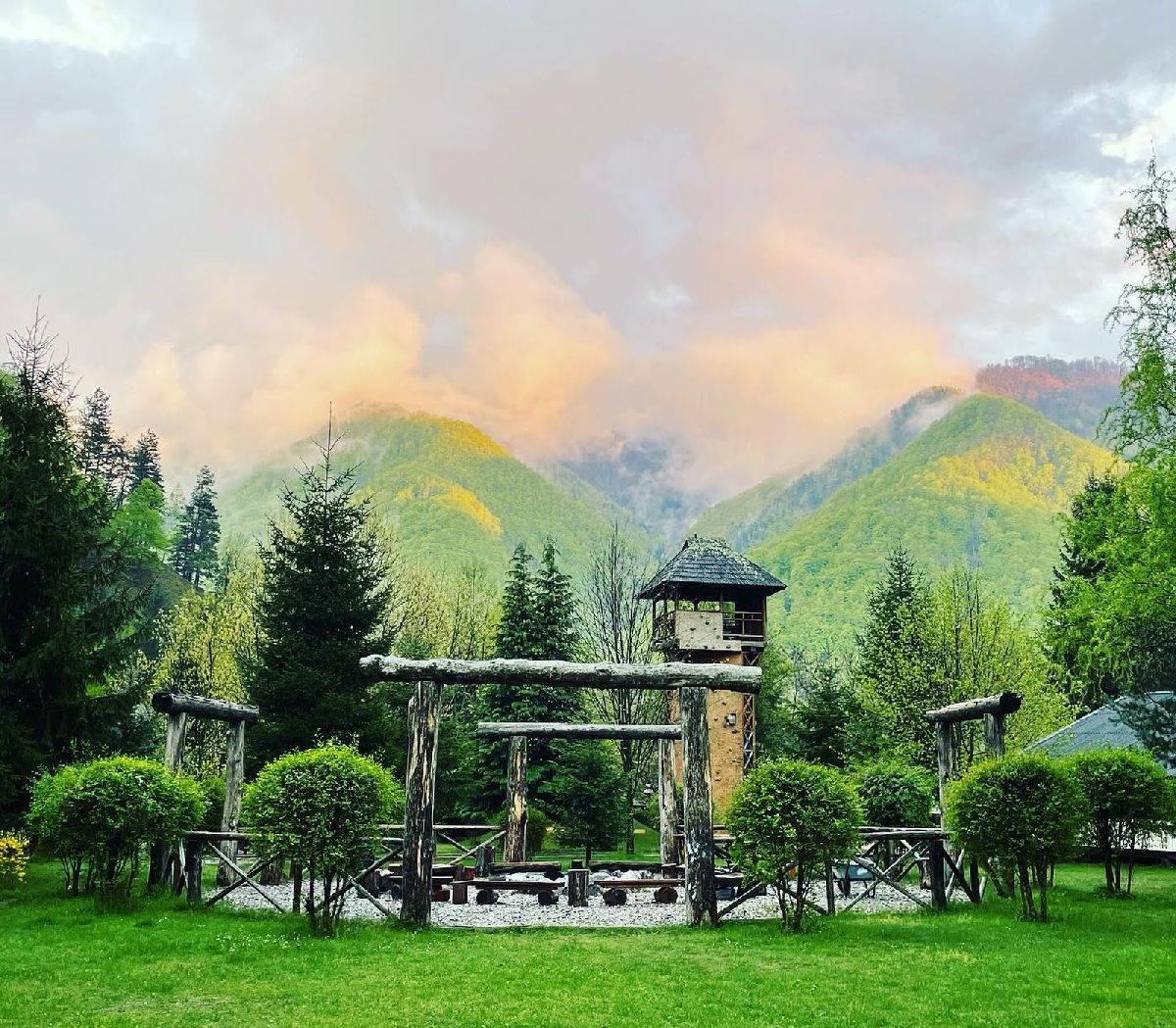
Fratii Jderi Utopia Verde | The Jderi Brothers’ Green Utopia
(1 February 2024)
It’s impossible to put into words… but in any case, it’s unique in Valcea County, Romania, and perhaps even in the whole world
A camp for children and adults, for shared adventures and experiences, for team building, in nature and with nature, healthy and delicious food… located at the entrance to the Transalpina and yet far away from cell phones and the like.
Accommodation | Home-cooked meals | Activities and so much more!
Please note! Inquiries and reservations are ONLY available for groups (from approx. 15 people up to a maximum of 30 people).
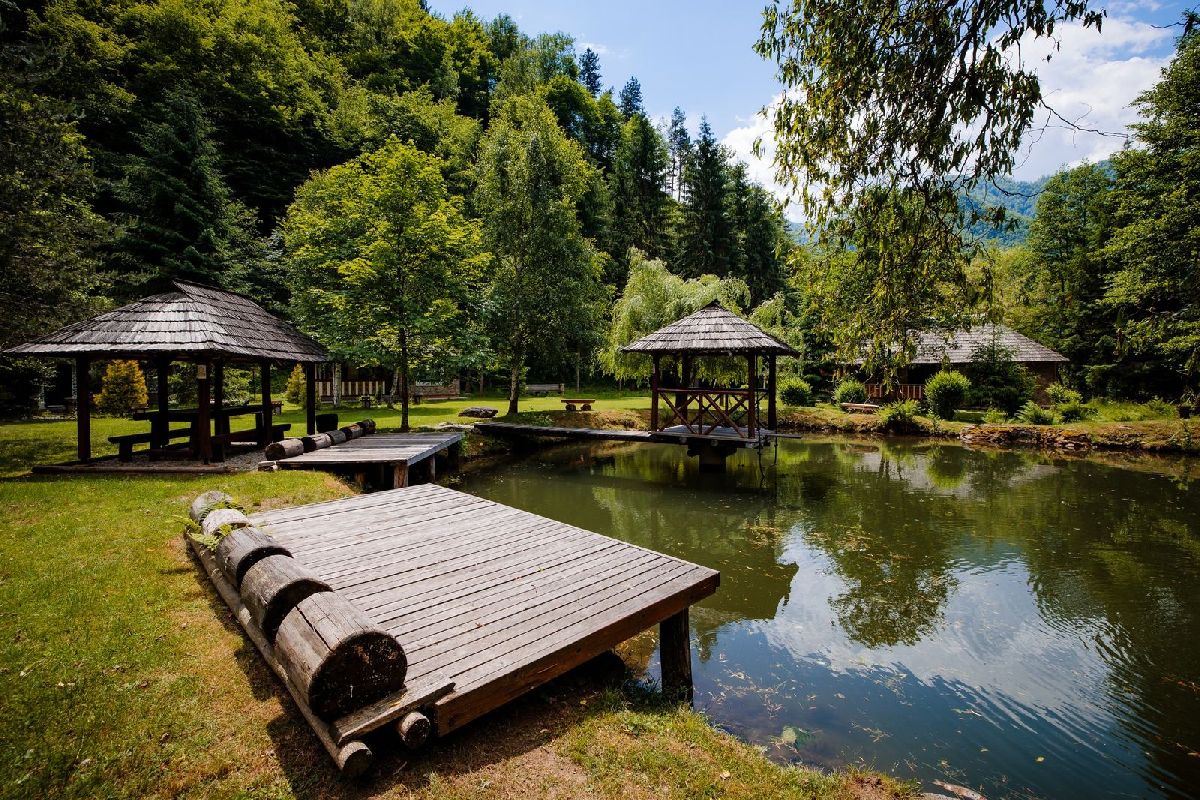
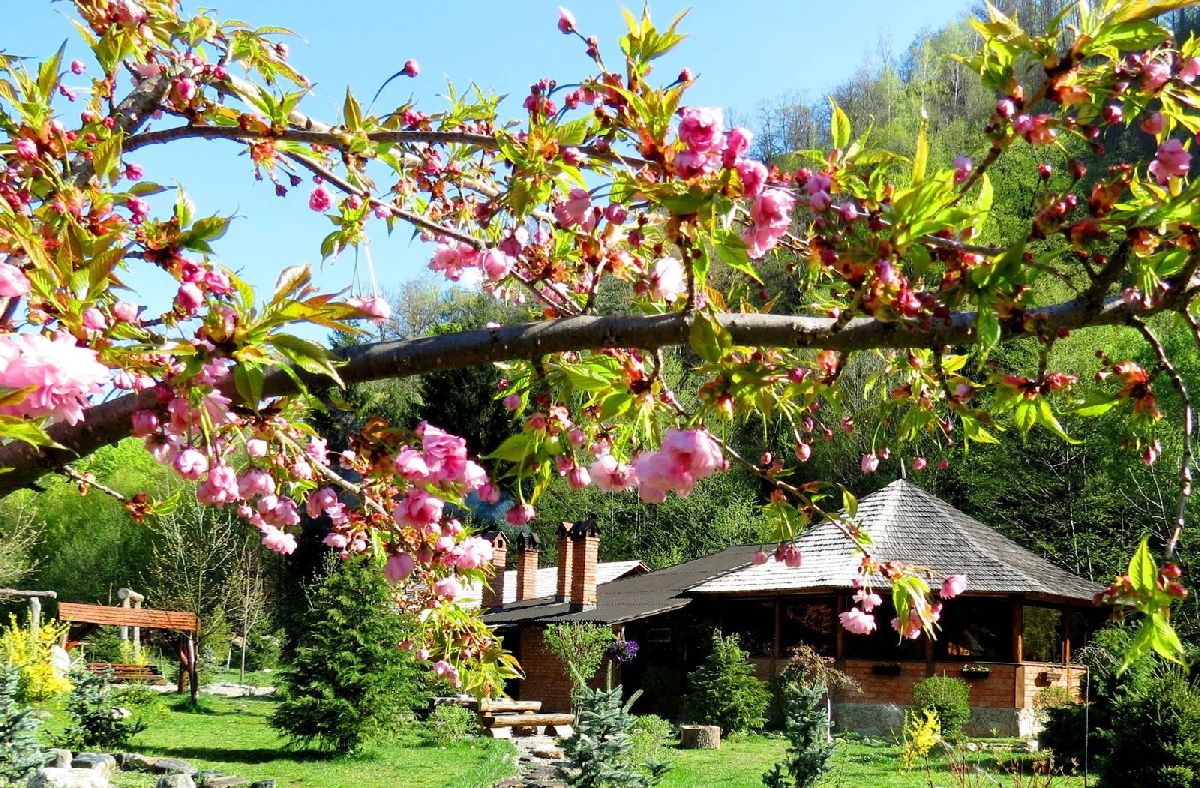
We were there a few days ago and it’s impossible to describe—you have to experience it! A place where Cezar Cotescu has spent 25 years creating his own small, wonderful world. Thousands of trees have been planted, streams and ponds created, little cottages built for overnight stays, infrastructure developed, and so much more!
Learn more (in Romanian): https://www.fratiijderi.ro/
For further information or group inquiries in German, feel free to contact us via PM. We’ll answer questions and forward inquiries with translations.

Baile (Spa) Olanesti | Valcea County
(31 January 2024)
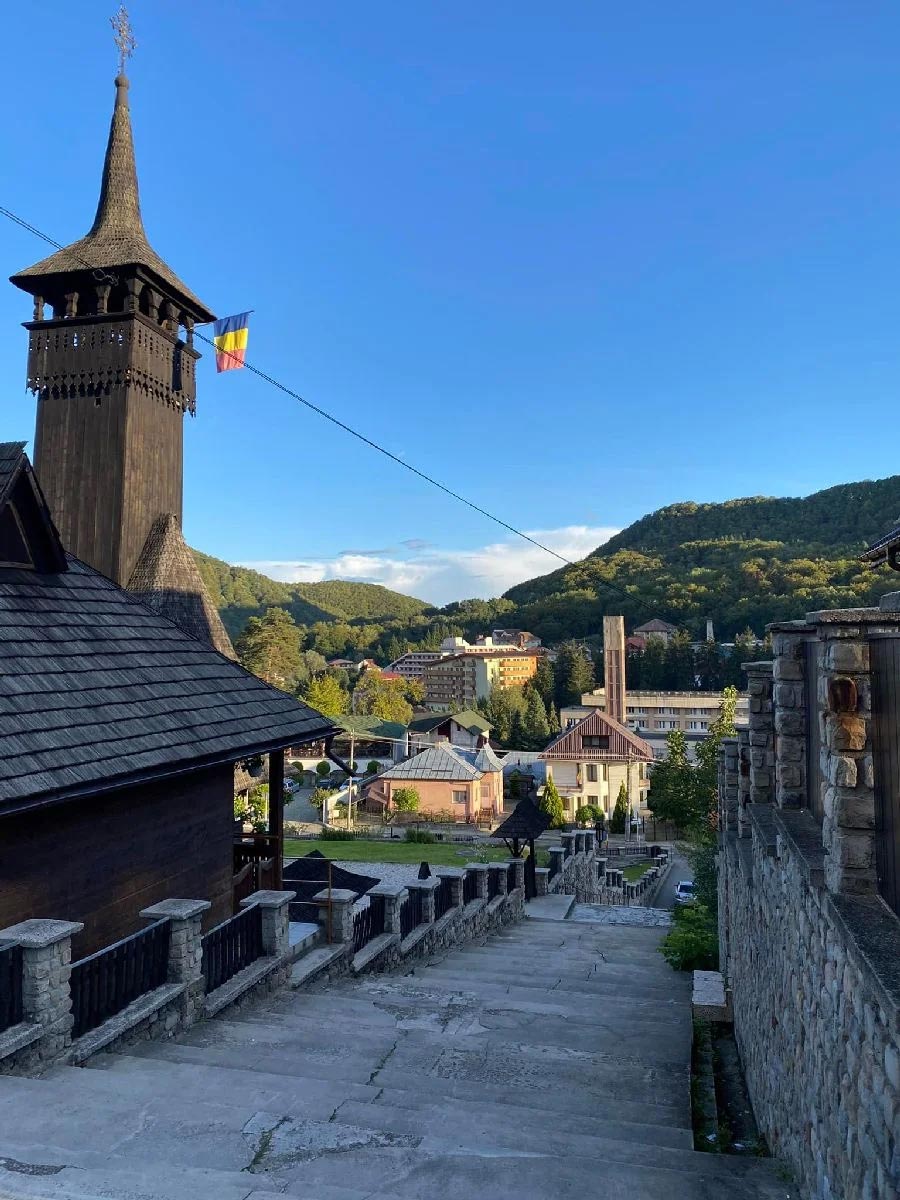
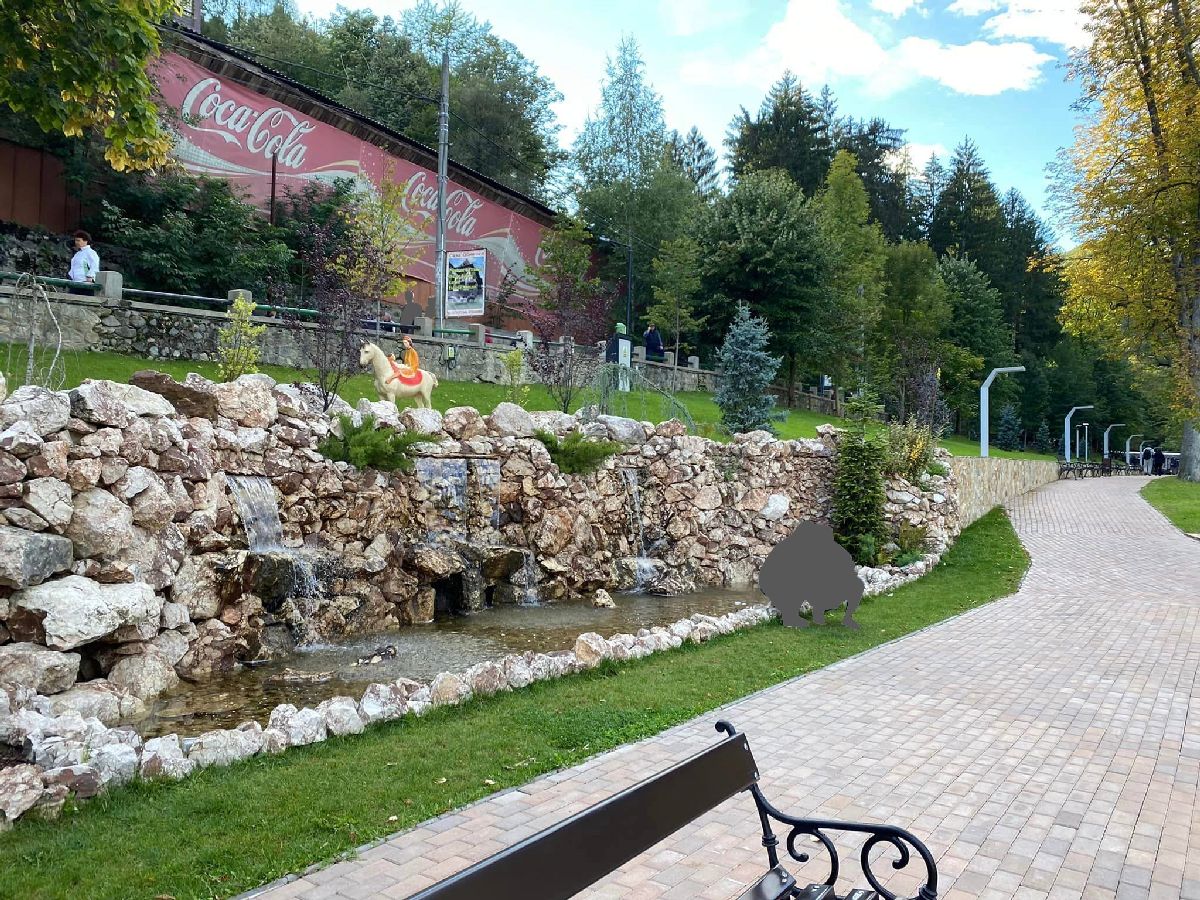
The small town and spa resort of Baile Olanesti is located in Valcea County in the historical region of Wallachia, on the southern side of the Capatana Mountains, part of the Transylvanian Alps. The county seat, Ramnicu Valcea, is located about 15 km to the southeast.
The town was first mentioned in a document in 1527 and has been known for its springs and their healing properties since at least 1760. In 1830, physician Karl Friedrich Siller analyzed the composition of the healing waters for the first time, after which the spa began offering combined bathing and drinking cures.
We thank Centrul Național de Informare și Promovare Turistică Vâlcea (Photos: Vacante Olanesti) for permission to use these images.
Manastirea Hurezi (Horezu Monastery) | Valcea County
(31 Ianuarie 2024)
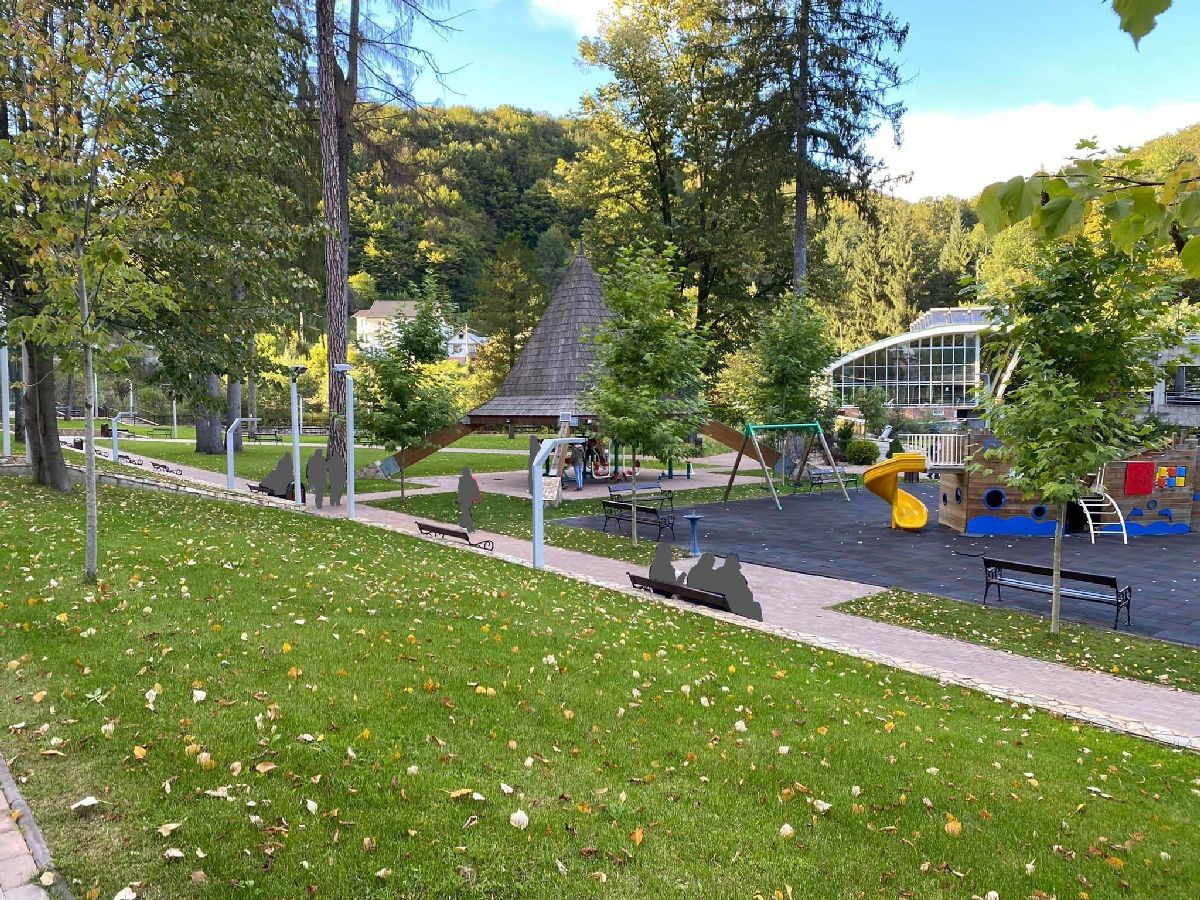
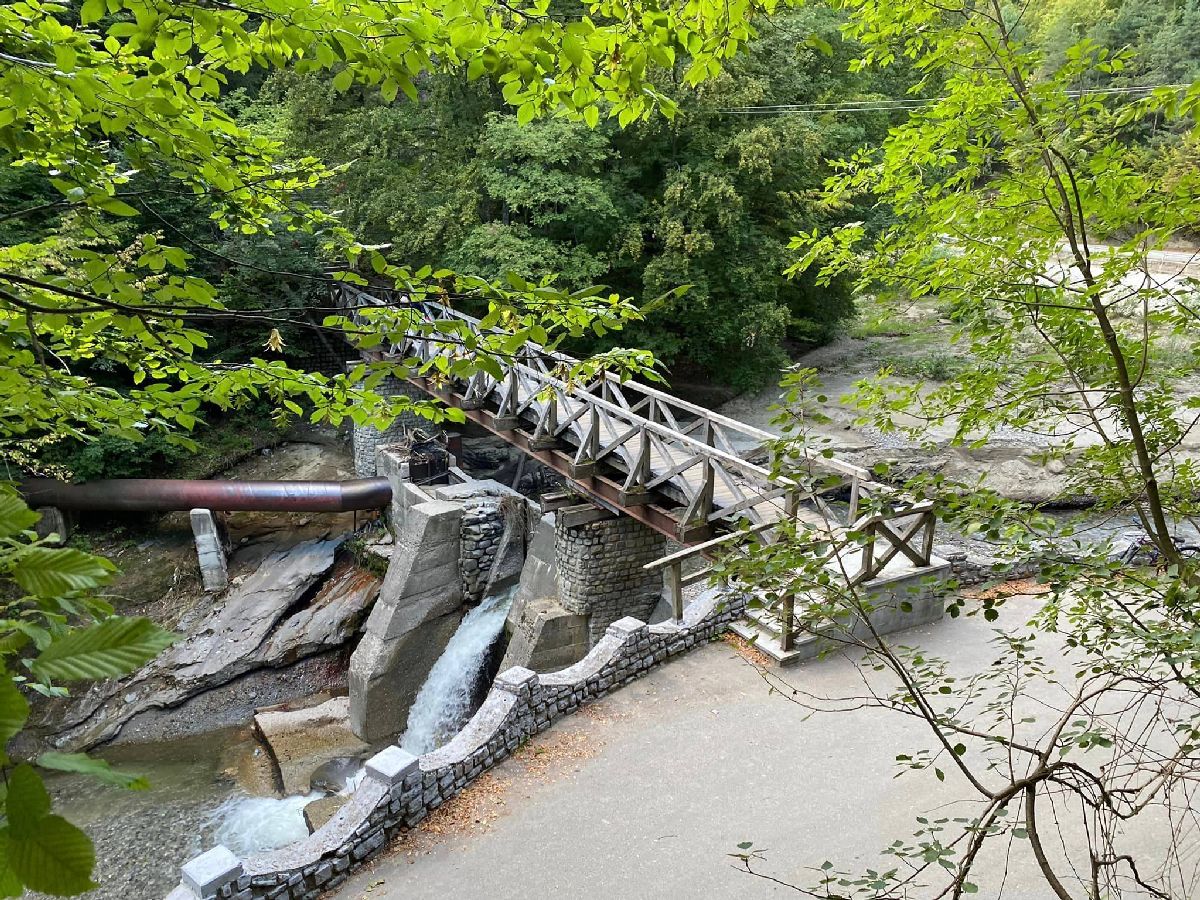
Horezu Monastery is a Romanian Orthodox nunnery located in the historic region of Little Wallachia in Valcea County.
At the foot of Muntii Capatanii, a mountain range in the Transylvanian Alps, in the village of Romanii de Jos, the monastery is located about three kilometers (as the crow flies) north of the small town of Horezu.
The cries of nocturnal birds of prey (Romanian: huhurezi), which lived in the forests surrounding the monastery, probably gave the place its name. The monastery was founded in 1692 by the then Prince of Wallachia, Constantin Brancoveanu (1654–1714), and completed in 1709. Until 1862, it was a monastery for men. After the monks were transferred to Bistrița, nuns came to the monastery. The monastery complex has been restored several times since 1827 and is a listed building.
Located on a hill, the monastery complex is surrounded by two fortifications. The outer, smaller wall surrounds the entire monastery estate with its hermitages. The second is formed on three sides by buildings of varying heights and on the east by a wall. The entrance to the monastery is on the south side through a bell tower equipped with a massive wooden gate reinforced with steel. The monastery church of Sfintii Imparati Constantin si Elena in the center of the complex is built in the shape of a cross, is 32 meters long, 14 meters high, and was built between 1693 and 1697. In the vestibule of the church are several tombs, the most beautiful of which is decorated with marble and has a carved cover intended for Prince Brancoveanu, but it never served its purpose and was therefore never used. The large iconostasis is carved from linden wood and covered with gold.
The square chapel with an octagonal tower, whose windows are the chapel’s source of light, is located on the west side opposite the entrance to the church and was built in 1697. The chapel’s frescoes were created between 1705 and 1706 and are still in good condition today.
We would like to thank Centrul Național de Informare și Promovare Turistică Vâlcea for permission to use these images.
Pestera Ursilor | The Bear’s Cave | Valcea County
(30 January 2024)
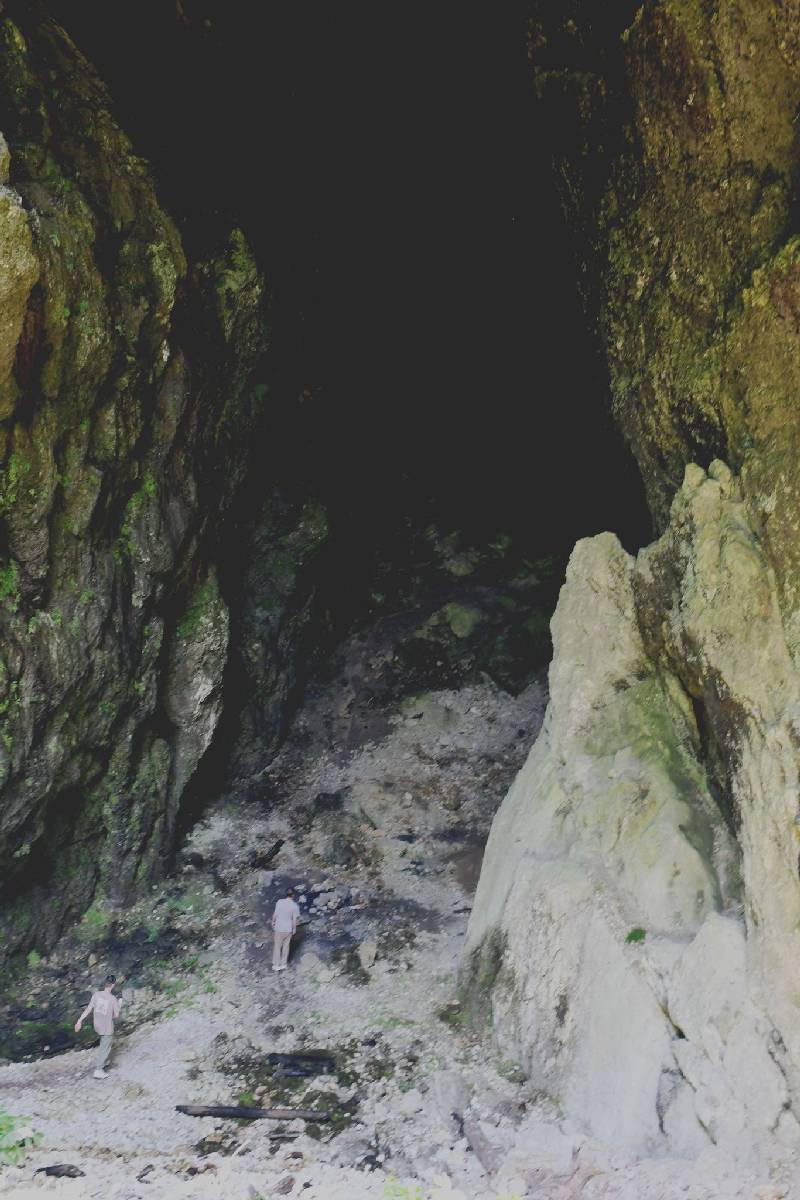
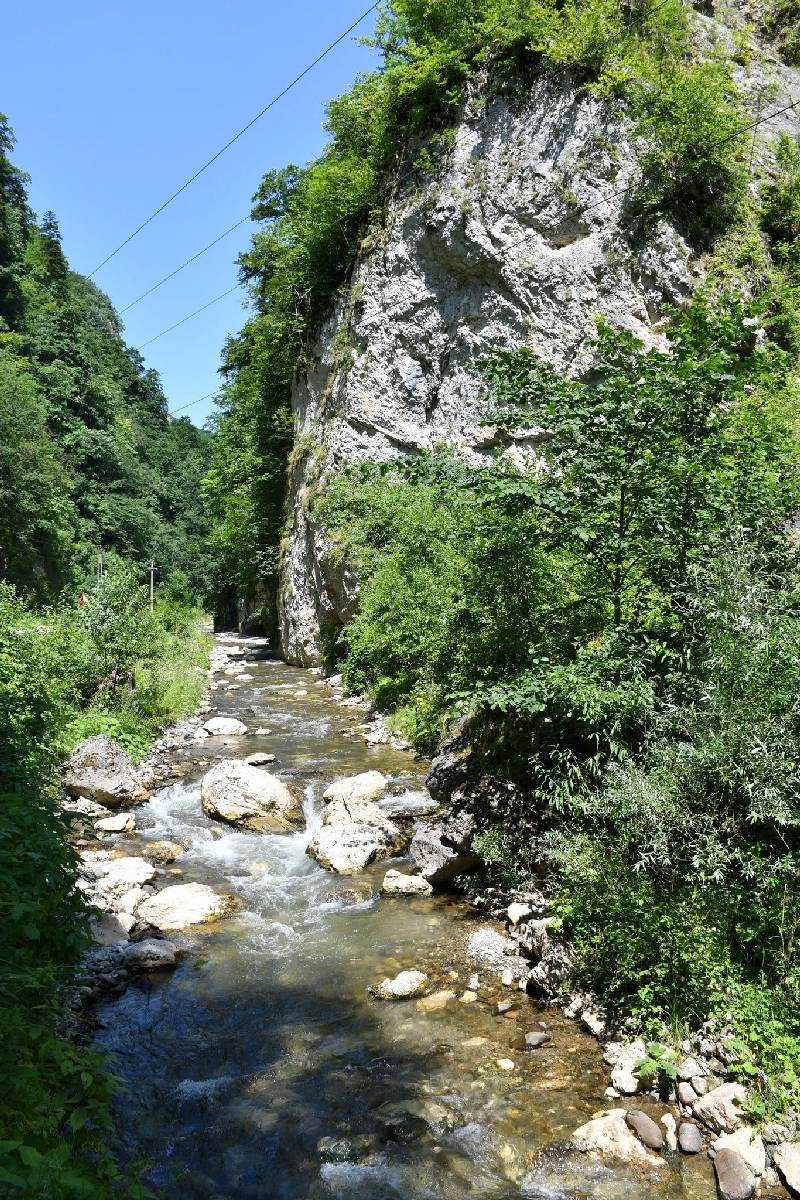
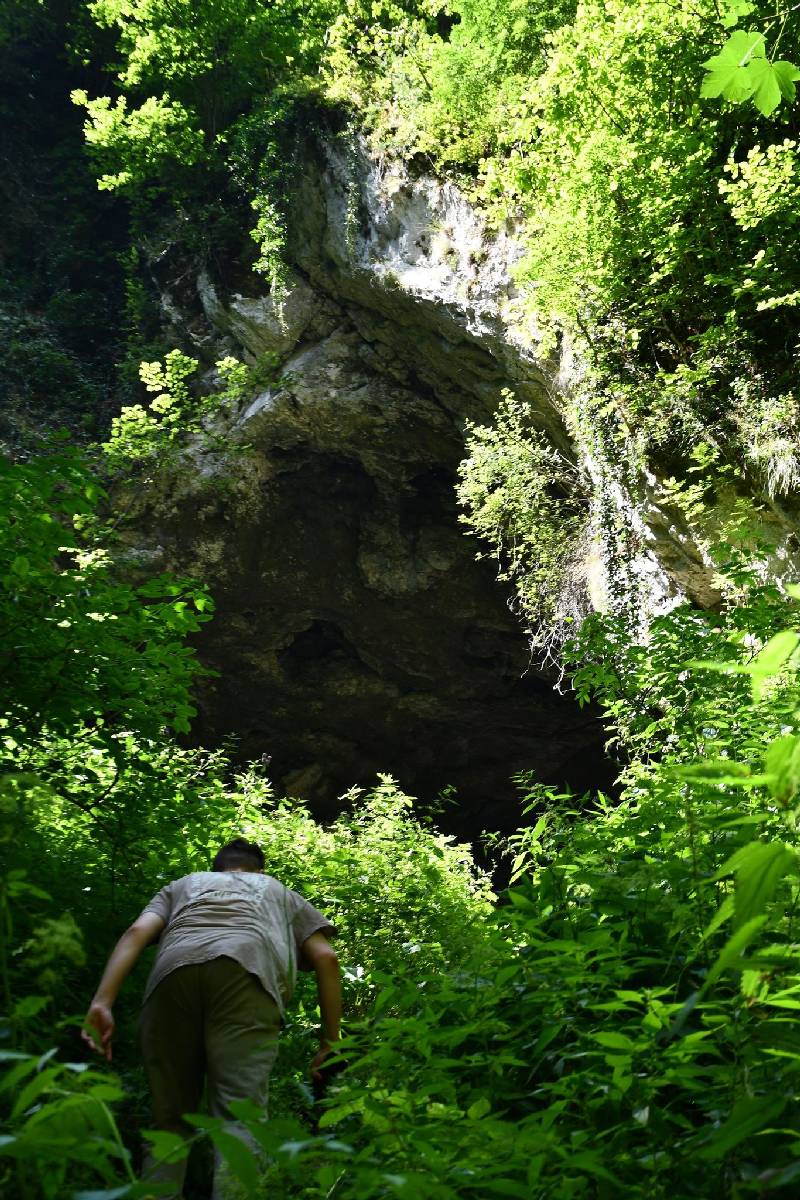
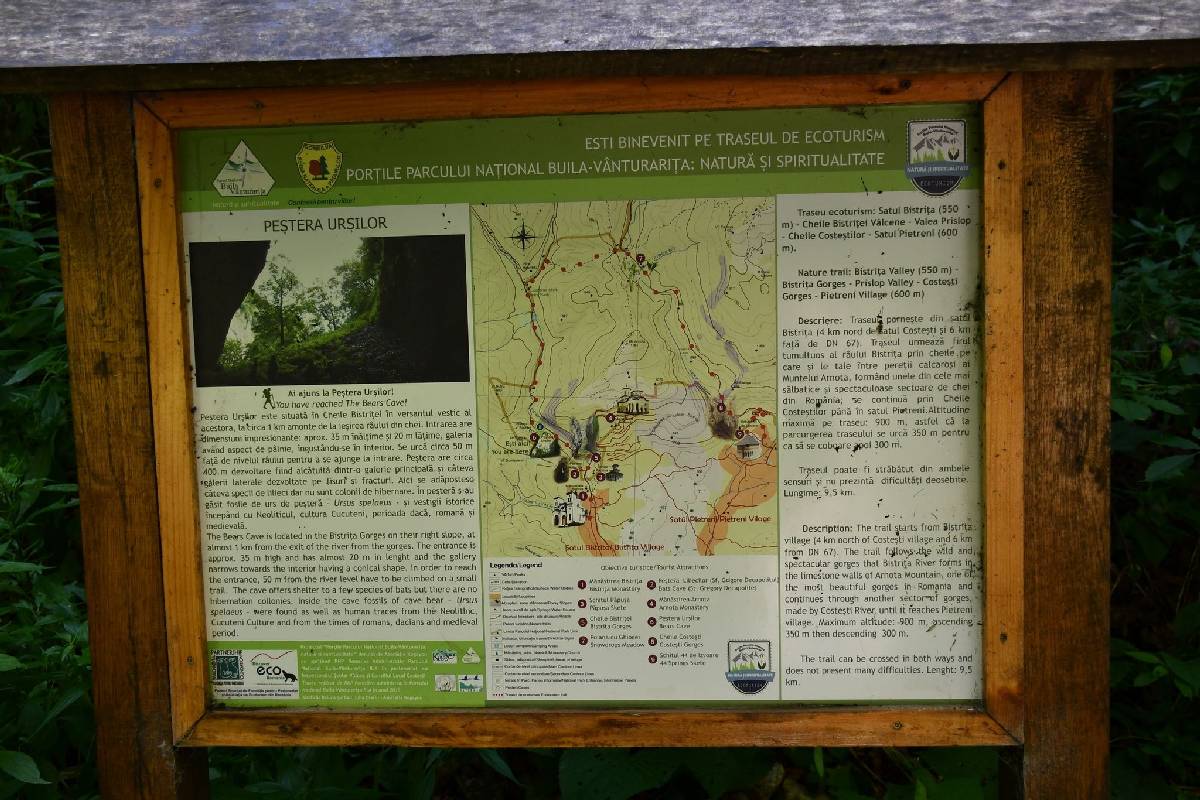
The “Bear’s Cave” is located in the Bistrita Gorge, approximately one (1) km from the entrance to the river valley.
https://discover-valcea.com | https://hanulvatra.com/
Fossils and traces of cave bears, as well as early human traces from the Roman, Dacian, and medieval periods, have been found in the cave. In addition to the truly impressive gorge and cave, visitors can also explore Bistrita Monastery, located at the entrance to the gorge, Schitul Papusa Monastery, and other sites. The Hanul Vatra guesthouse is also located right near this site.
Camping / Glamping | Valcea County
(23 January 2024)
The Brancoveanu Glamping Resort, located about 15 minutes from the town and Horezu Monastery, offers a unique experience and pure relaxation in Valcea County.
✅ Igloos with 2 double beds (2 adults + 2 children)
✅ Pool and relaxation areas
✅ Private bathroom and heating
✅ Breakfast included and dinner available (with vegan options)
✅ Many tourist attractions in the area
✅ Electric charging station 🔋🚘
More details at: https://www.brancoveanuglamping.com/acasa.html
We thank Centrul Național de Informare și Promovare Turistică Vâlcea for permission to use these images.
Manastirea Hurezi (Horezu Monastery) | Valcea County
(11 Ianuarie 2024)
Horezu Monastery is a Romanian Orthodox nunnery located in the historic region of Little Wallachia in Valcea County.
At the foot of Muntii Capatanii, a mountain range in the Transylvanian Alps, in the village of Romanii de Jos, the monastery is located about three kilometers (as the crow flies) north of the small town of Horezu.
The cries of nocturnal birds of prey (Romanian: huhurezi), which lived in the forests surrounding the monastery, probably gave the place its name. The monastery was founded in 1692 by the then Prince of Wallachia, Constantin Brancoveanu (1654–1714), and completed in 1709. Until 1862, it was a monastery for men. After the monks were transferred to Bistrița, nuns came to the monastery. The monastery complex has been restored several times since 1827 and is a listed building.
Located on a hill, the monastery complex is surrounded by two fortifications. The outer, smaller wall surrounds the entire monastery estate with its hermitages. The second is formed on three sides by buildings of varying heights and on the east by a wall. The entrance to the monastery is on the south side through a bell tower equipped with a massive wooden gate reinforced with steel. The monastery church of Sfintii Imparati Constantin si Elena in the center of the complex is built in the shape of a cross, is 32 meters long, 14 meters high, and was built between 1693 and 1697. In the vestibule of the church are several tombs, the most beautiful of which is decorated with marble and has a carved cover intended for Prince Brancoveanu, but it never served its purpose and was therefore never used. The large iconostasis is carved from linden wood and covered with gold.
The square chapel with an octagonal tower, whose windows are the chapel’s source of light, is located on the west side opposite the entrance to the church and was built in 1697. The chapel’s frescoes were created between 1705 and 1706 and are still in good condition today.
We would like to thank Centrul Național de Informare și Promovare Turistică Vâlcea for permission to use these images.
Cozia National Park | Valcea County
(4 January 2024)
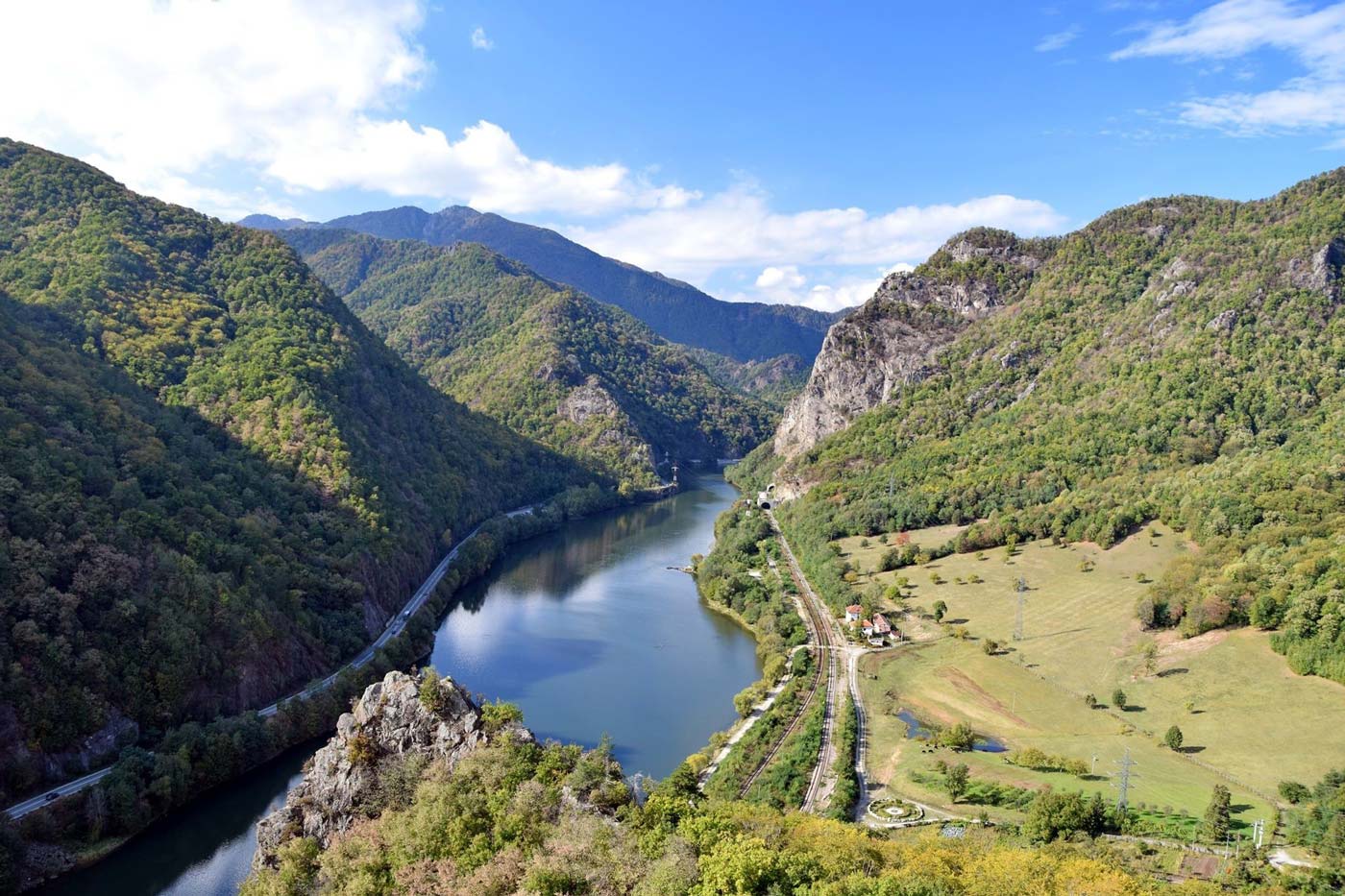
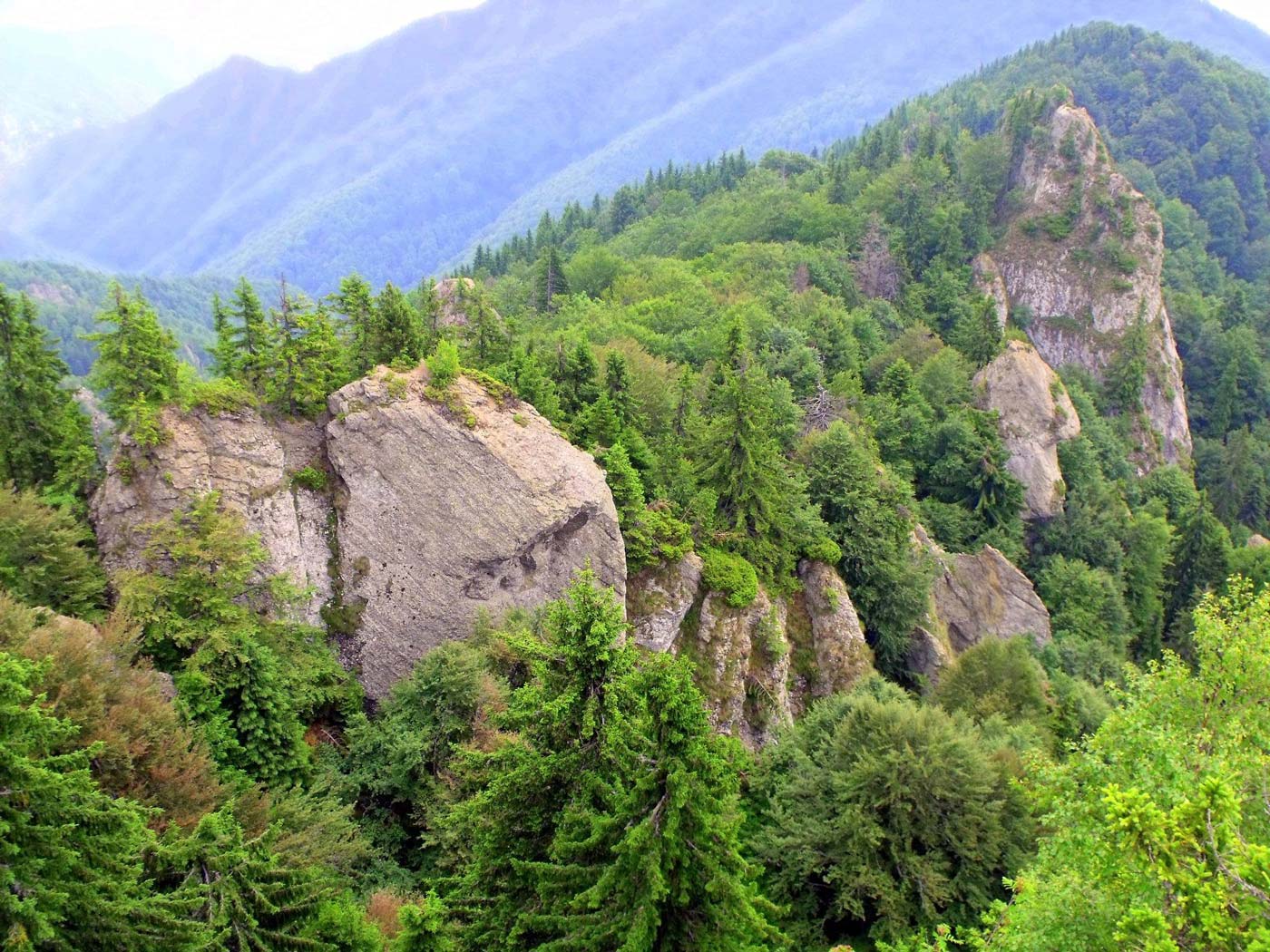
Cozia National Park is located in the northeastern part of Valcea County, within the administrative territory of the towns of Brezoi, Calimanesti, Racovita, Perisani, Salatrucel, and Berislavesti.
Learn more: https://discover-valcea.com
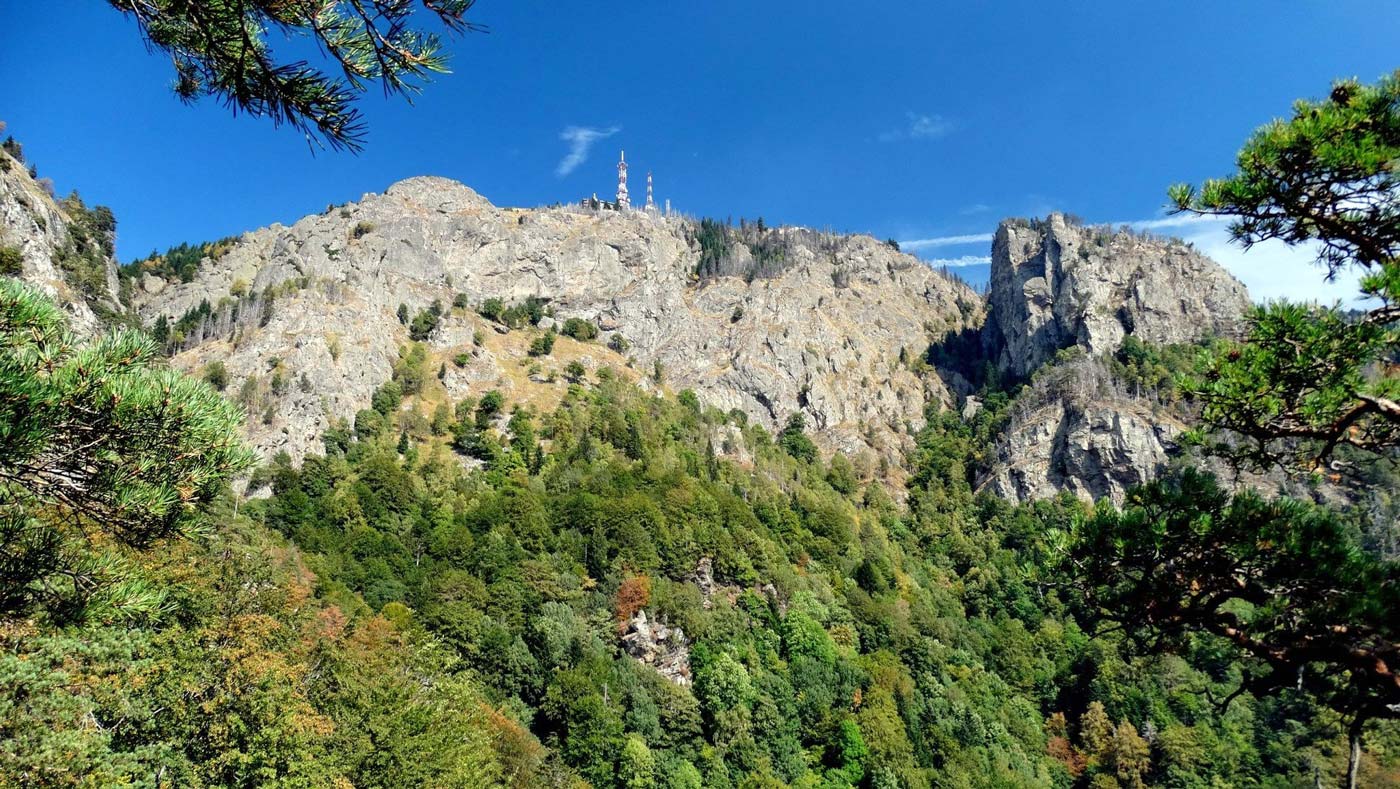
We thank the National Center for Tourism Information and Promotion in Vâlcea for permission to use these images.
The Church in the Village of Proieni (Brezoi)
(4 January 2024)
It is a very old church in the small town of Brezoi (Valcea County), which is said to be the place where Mihai Viteazul married his wife Stanca as early as 1583.
Folklore also holds that Prince Mihai Viteazul was baptized in this church. The current “All Saints” church was built in 1798. In 1812, Macarie Ierimonahul added a six-columned porch to the church, and the painting was added later in 1875.
We thank Centrul Național de Informare și Promovare Turistică Vâlcea for permission to use these images.
Calimanesti Caciulata | Valcea County
(2 January 2024)
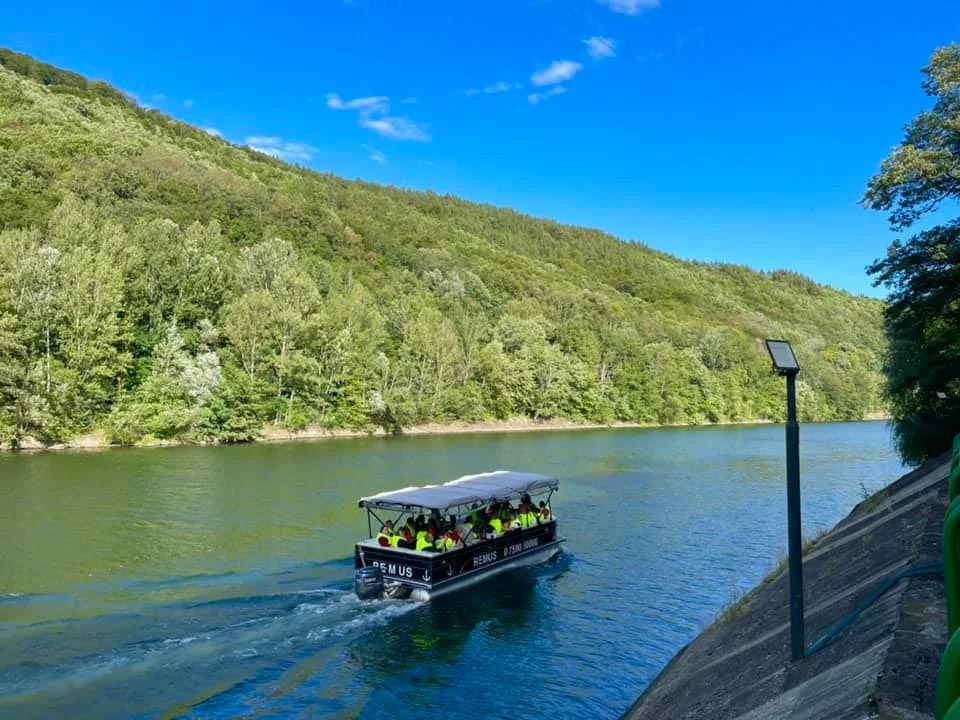
The resort town of Calimanesti Caciulata, at the foot of the Southern Carpathians, lies on the banks of the Olt River, about 20 km north of Valcea Rm. and about 80 km south of Sibiu.
Calimanesti is a small town and a health resort in Valcea County in the Wallachia region of Romania.
Learn more: https://discover-valcea.com
We thank Centrul Național de Informare și Promovare Turistică Vâlcea for permission to use these images.
Baile Govora | Valcea County
(2 January 2024)
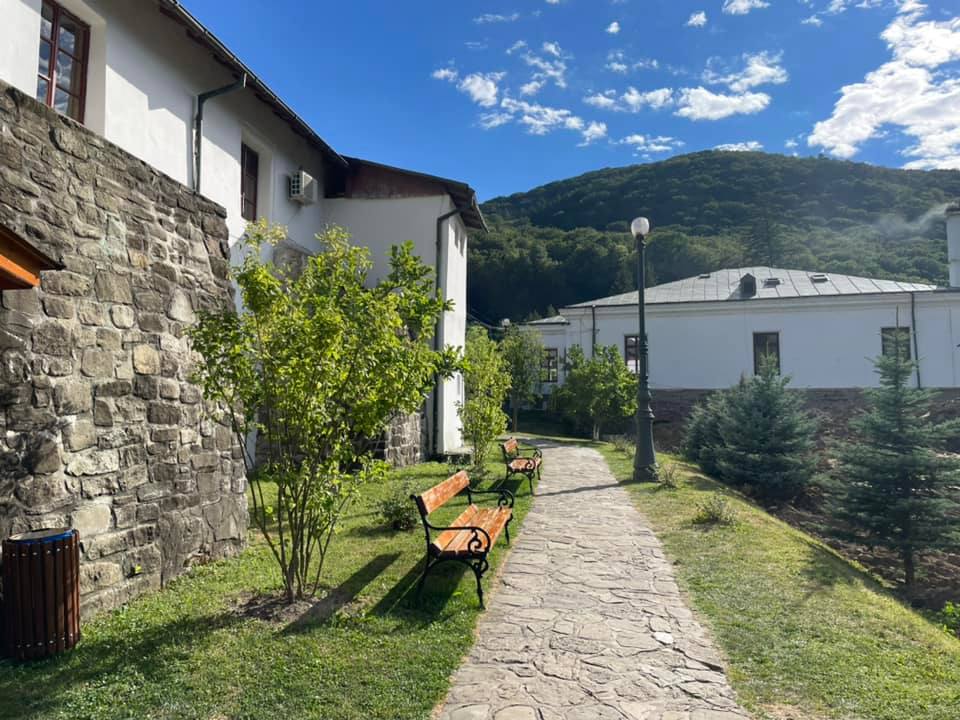
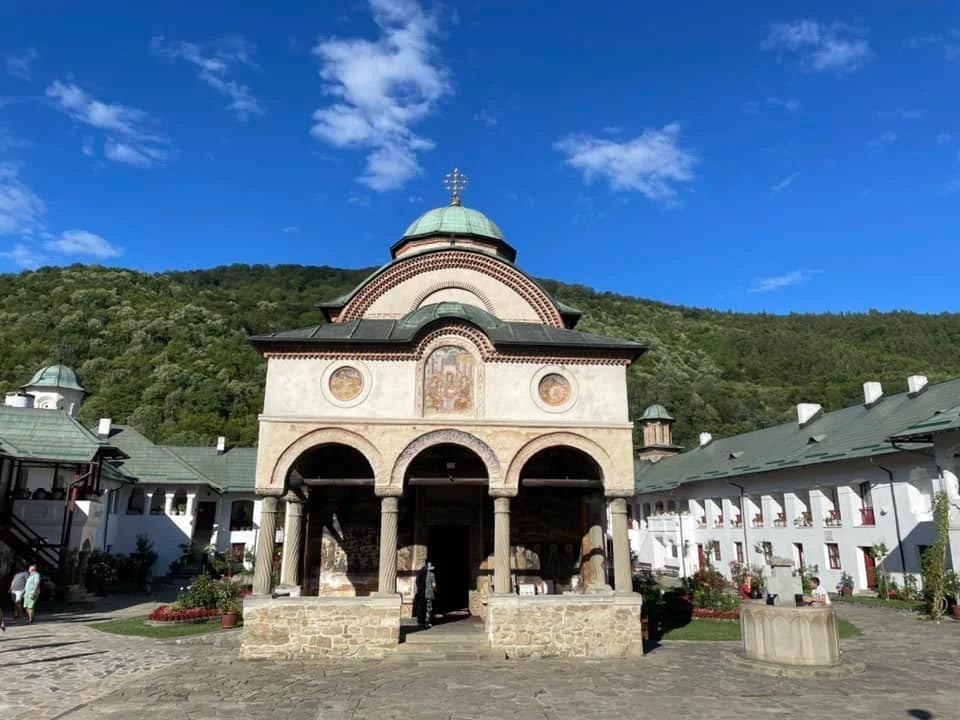
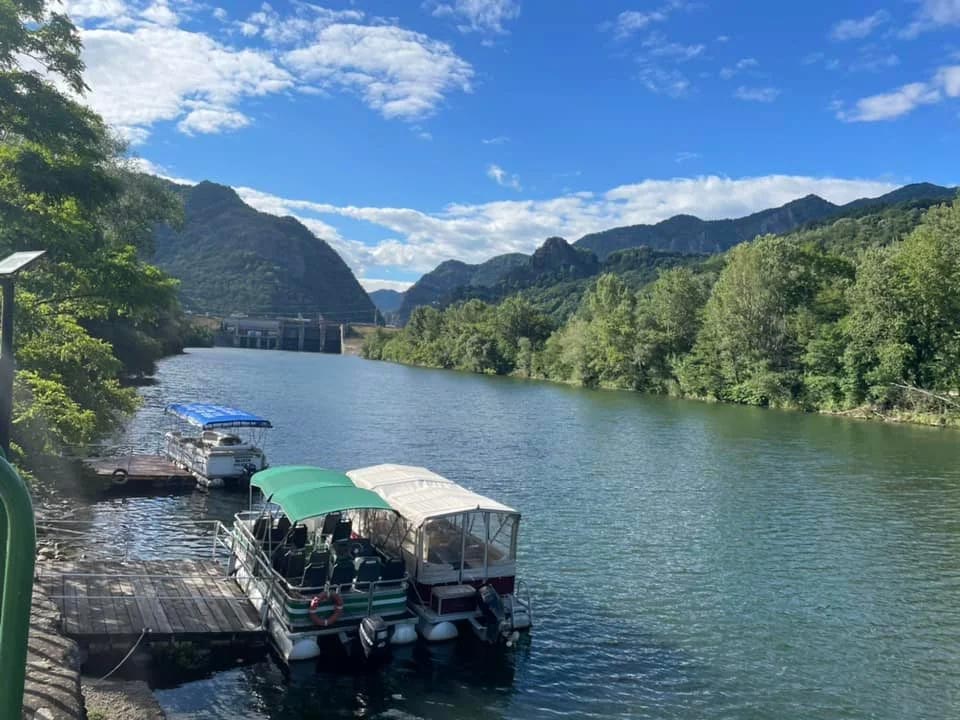
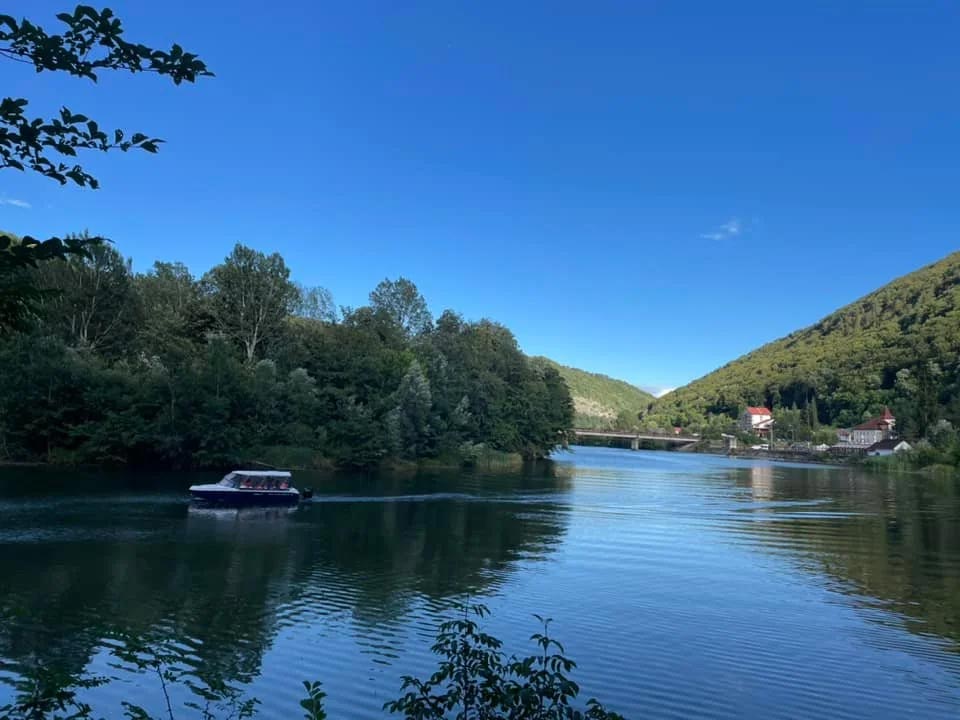
Baile (Bad) Govora is a town in the historical region of Oltenia, comprising the districts of Curaturile, Gatejesti, and Prajila.
Learn more: https://discover-valcea.com
The name Govora originates from the Slavic language. In southern Slavic languages, govora or govornih means “word” or “sound.” The first spa facility was founded in 1887 and had 29 cabins for hot baths. The official opening of the spa took place in 1910.
We thank Centrul Național de Informare și Promovare Turistică Vâlcea for permission to use these images.